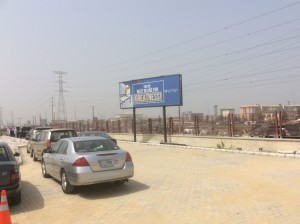
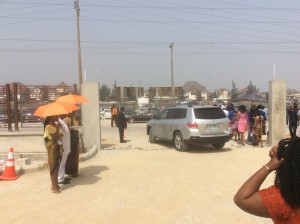
Photos taken during and after the construction of the new Circle Mall at Lekki-Jakande Roundabout. May, 2015 and January 2016.
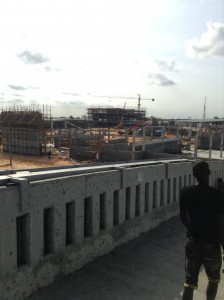
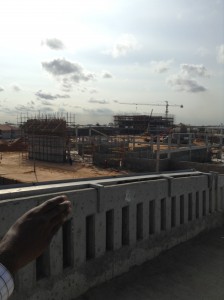
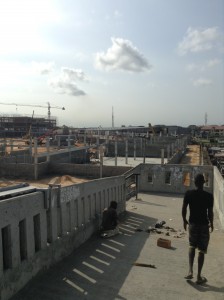
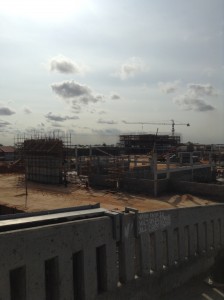
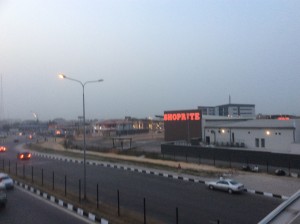
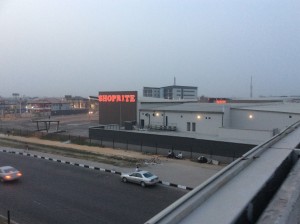
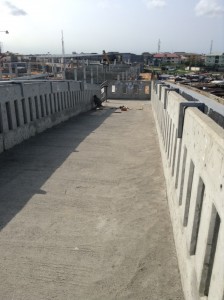

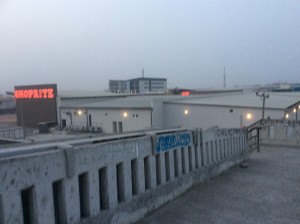
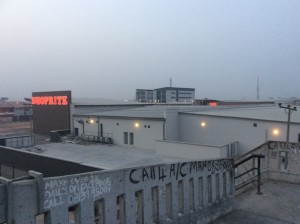
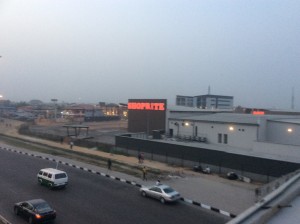
Photos taken during and after the construction of the new Circle Mall at Lekki-Jakande Roundabout. May, 2015 and January 2016.
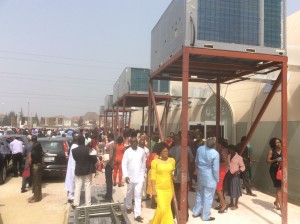
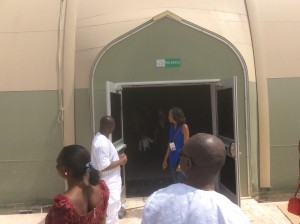
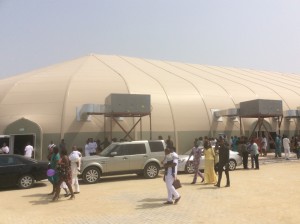
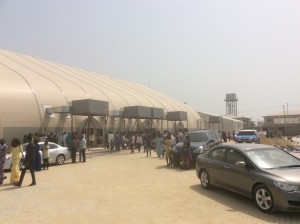
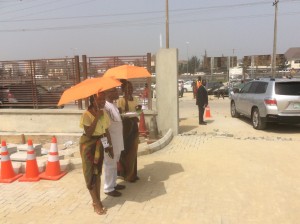
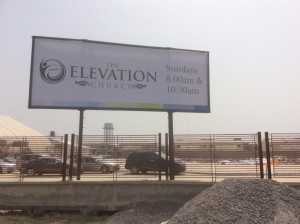
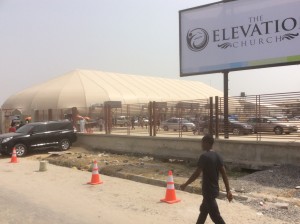
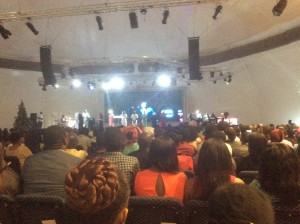
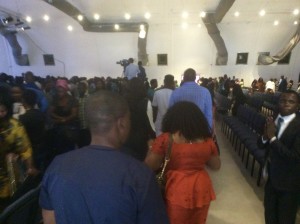
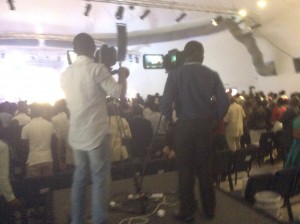
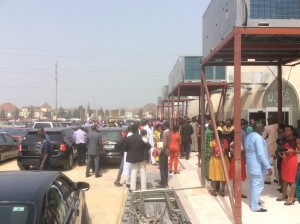
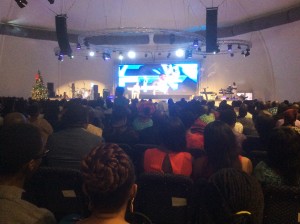 The interest in (and response to) my last post about the demise of decorum was on my mind as I attended church on Sunday, for the second service, at the church’s new location in Lekki. What I realised, along with the fact that I’d painted Nigerian events with too much of a broad brush, is that Christian (and perhaps most religious) events, along with events organised by/for writers are usually better organised than other public events. Maybe the problem of decorum is actually a problem of organisation. The Aké Arts and Book Festival is certainly one of the better organised events I’ve attended in the country, and it continues to improve every year. It is run by young volunteers who put up a more competent performance than many of our public officials (and even private organisers) who earn way more and deliver less.
Now, the Elevation Church moved, this Sunday, to its permanent site along the Lekki-Epe Expressway, and held its first two services there to celebrate the occasion. These photos were taken there. The church structure (made in a tent-like form with steel and tarp) sits on a 17,000 square metre area of land purchased and developed over the last three to four years. Not only was the church programme prompt and well organised (as it has always been), the interior design of the new structure shows attention to detail and to the comfort of the worshippers. For someone with long legs and a phobia for sitting in cramped spaces, believe me when I say that the arrangement for coming in and going out were made with deliberate attention to comfort, security, and aesthetics.
What else can I say? It’s a place of worship, so perhaps we’re usually at our best behaviour in such places. But props should go to the hundreds of unpaid volunteers who spend their time and effort to make each Sunday service a breeze. May I also recommend that anyone interested in a family church with deep social consciousness and connectedness to the environment in the Lekki area, and a beautiful environment of worship and fellowship, should check out the Elevation Church. Take it from this recurring Christian agnostic who has found it a worthy venue for nourishing of the soul and the stimulating of conscience and purpose. Do I sound like a preacher already?
This Sunday service featured – among other things – a live performance by Nigeria’s top music producer Cobhams Asuquo who sang a theme song he’d composed for the church, a Christmas carol, and another about Angels All Around. Those who have ever listened to him or seen his work already understand the depth and breath of his talent. Witnessing him lead a congregation in a soulful worship performance is a bonus delight.
So, what am I trying to say anyway? Can’t remember. But do come to church next Sunday!
I’ve heard it referred to as “the most expensive slum in the world”, usually, after a torrential rainfall that exposes the ugly underbelly of the city’s otherwise pleasant covering. The gutters overflow and the effluence spills onto the roads with smell and other ugly contents. It is the same sight as when riding on a speedboat on one of its waters and having to stop said boat a couple of times during the journey in order to rid the engine of plastic debris and other floating trash. The overwhelming feeling is that management of the city (as improved as it is now from over decades ago) still needs a lot of work.

Lekki, after rainfall
Otherwise, it would not be that Lekki, Ajah, VGC, Victoria Island, Ikoyi, and other highbrow areas of the new Lagos (as opposed to the old mainland) would magically transform to the ugliest sights at the first instance of rain. Simple basic necessities as improved and efficient drainage systems would be in place and water would be properly channeled away from view. It is an island, after all. The last thing one would expect to see again on the little land area remaining would be water in abundance, and in unwanted places. We have the shorelines for that. In the age of threatened deluge from climate change, it’s hardly an encouraging feeling to wake up in the morning to a pond of water having taken over the road meant for motorists and pedestrians.
It “Island” scam isn’t limited to the havoc of rain, of course. In other parts of the world (one imagines places like Jamaica, Cuba, or Barbados), the very idea of an island is that of an exotic location with access to – in the very least – basic ocean amenities and food: shrimps, coconut, squid, fish, etc, at an unbelievably affordable rate. Not in Lagos. Here, to get seafood, one still has to drive for hours in search for one of the highbrow restaurants at Victoria Island. And to get shrimps, one has to get to an expensive supermarket. It begs the question, among others, what our numerous Ilaje fishermen do when they set out in the morning into the deep. They do catch something, right? Where is the crayfish? Catfish? Shrimps? Lobsters? It shouldn’t be that one who lives on the island pays just as expensively as one on the mainland (or in Ibadan, to give an example of a faraway town) for simple pleasures that should be a staple island diet, right? Right?
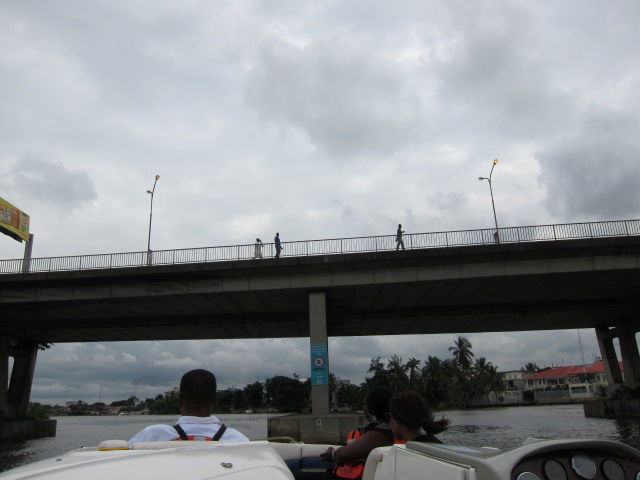 From my experience of the past week, riding by speedboat through some new parts of the city, I eventually realized the potential that has been talked about for so long, by everyone from local journalists to Forbes to local and international politicians. Lagos is the city of the future. Like Lisbon or Venice, the potential for inland water transportation for leisure or for business is huge. Think of gondolas, or kayaks, or just private luxury boats for upwardly-mobile middle class citizens. And like New York, its skyline is ripe for big top class investments in real estate and architecture. We already see traces of it everyday in new construction works (though one hopes that the cultural worldview of the land at least stamps itself, in some way, on the architectural landscape). And what of investments in ferries to move people around in order to clear the roads of so many cars that needn’t be there but serve only to pollute the environment even more (and of course serve the ostentatious needs of their owners).
Well, how do I end this? Friends who read previous posts have advised me to contact the Lagos State ministries in order to share with them my ideas and dreams of a new Lagos where all the possibilities are profitably and usefully exploited. No, I have replied. I don’t have dreams of governing. But I can blog, and detail the things I see. Maybe someone connected to those in charge might see this and begin to think in the right directions. From the history of the new government of the state, it is clear that there is already progress. As citizens, the best way to engage will continue to be giving feedback when necessary, and demanding for more, as the case demands.
Send me your observations at kt@ktravula.com