Kenya’s Nobel Laureate Professor Wangari Maathai’s Facebook update of a few minutes ago asked us all to plant a tree today. I live in the United States, so the message wasn’t meant for me. On the campus where I live at the moment, the gardens and things that have to do with planting are handled by a special group of volunteers who make sure that the campus remains green, and beautiful. It is the same for my University in Ibadan. The last time I visited it, I was greeted by fresh scents of breeze blowing through leaves of newly planted trees.
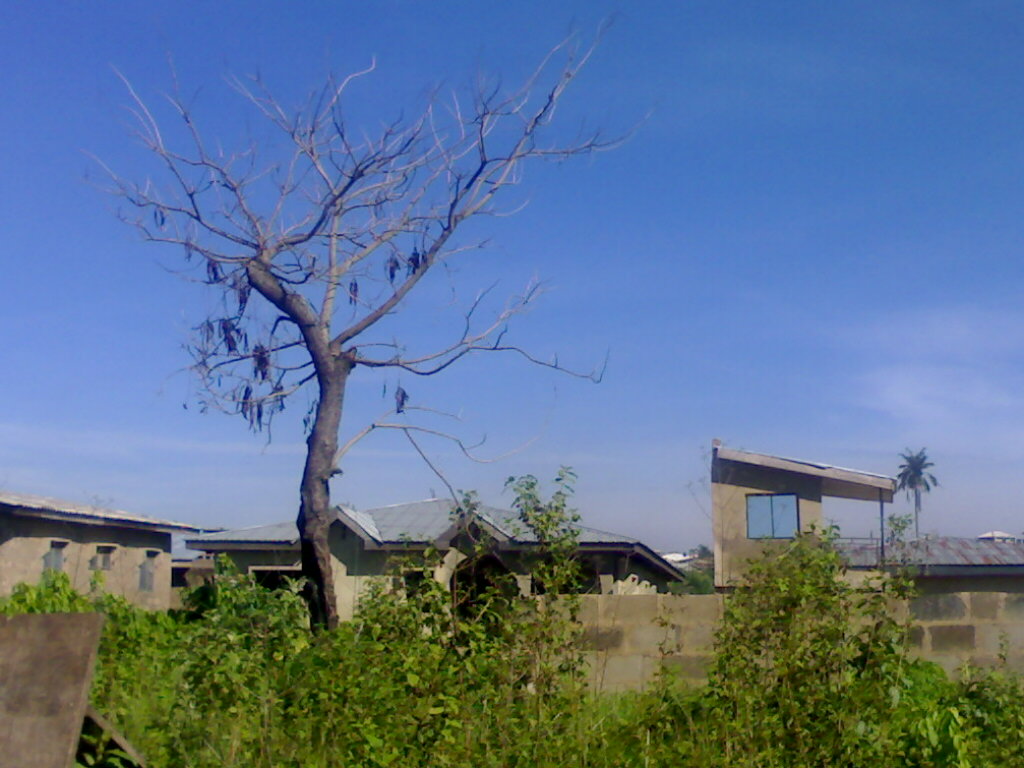 Were this not the case however, I still would not know how to plant trees. I do not know what a tree seedling looks like. I can recognize a few trees by name: mango, guava, iroko (barely) and teak but I have never been good at tree planting. Growing up as a child in a large compound with trees of guava, iyeye and a few others of plantain and banana littered around the house, I am appreciative of their enticing pleasures. The first time I was stung by a bee was from throwing stones at their mound seen on the iyeye tree within our compound. I spent other countless moments of childhood revelry bouncing on top of branches of the guava tree behind my mother’s bedroom. I can’t imagine what childhood would have been like without those experiences. Just thinking about them brings the feeling of cool breeze back around my head.
Plants, greenery add colour and lustre to our lives in many ways than one. On this day designated to celebrate the planting of trees and the contribution and value of forests and forestry to the community, I join those who know how, with only words alas, but also with fond memories of climbing on trees.
And oh, it’s also World Poetry Day. Now what does one have to say about that?