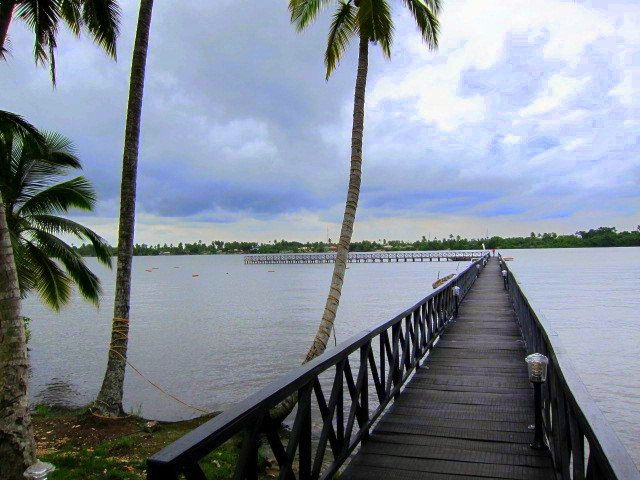

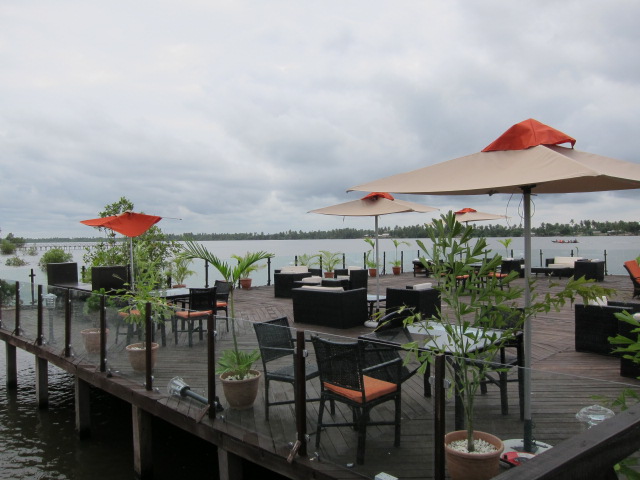
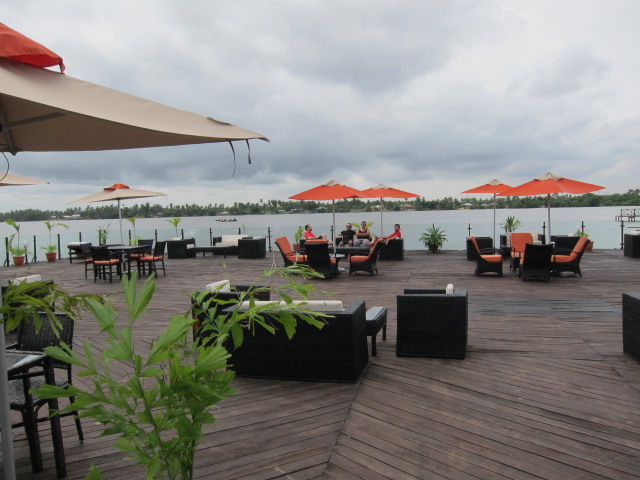
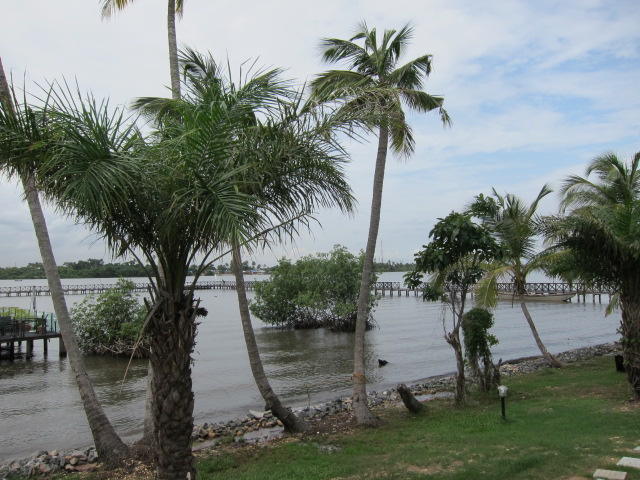
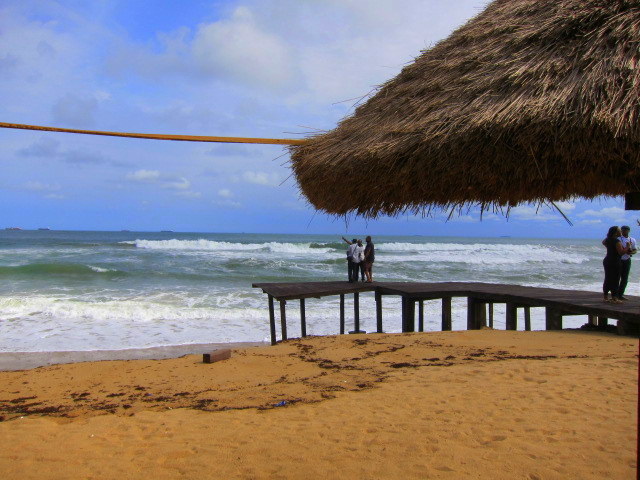
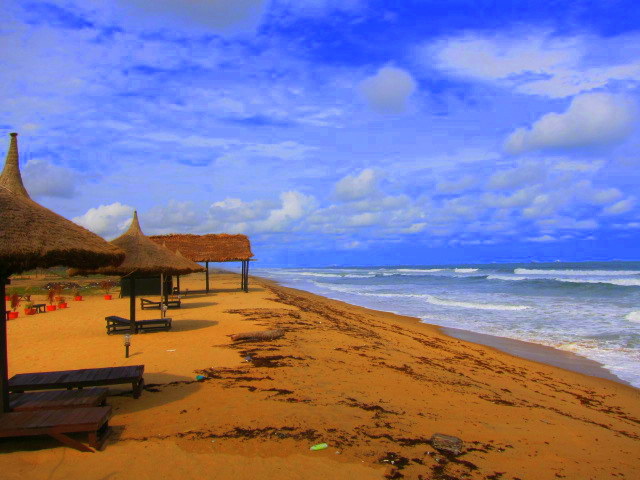
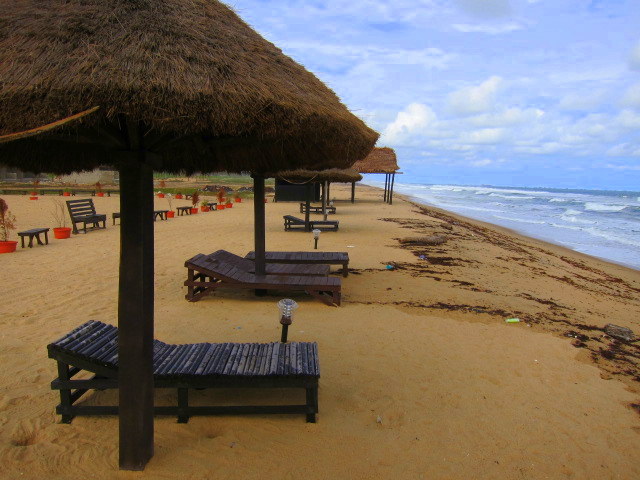
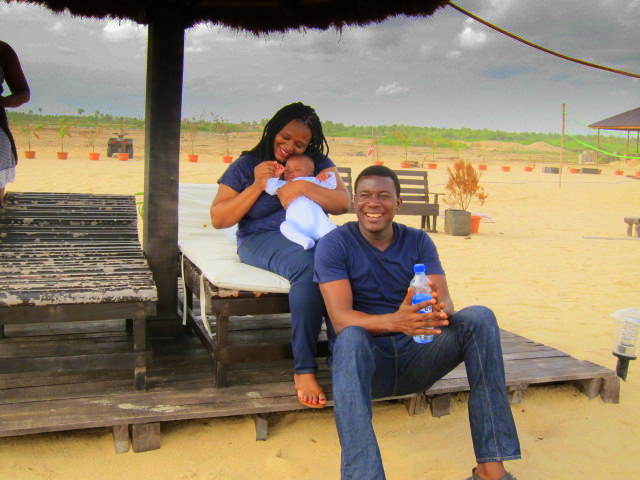
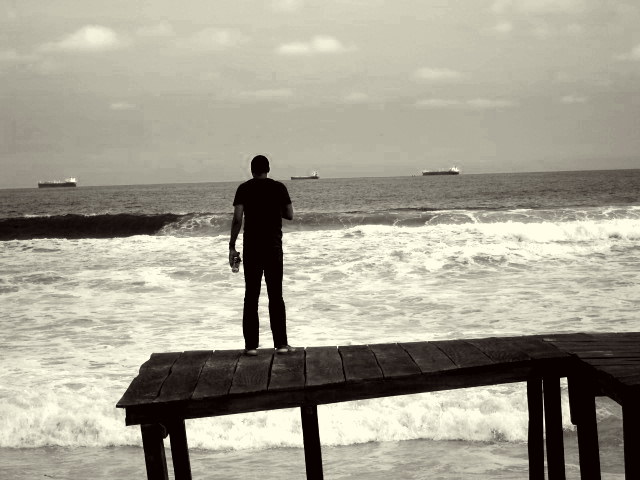
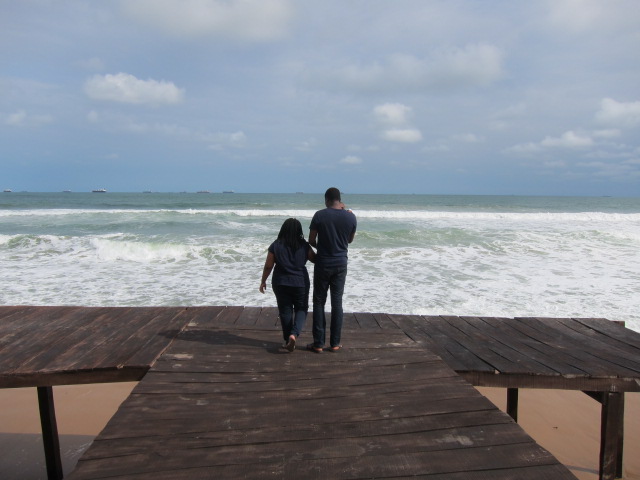


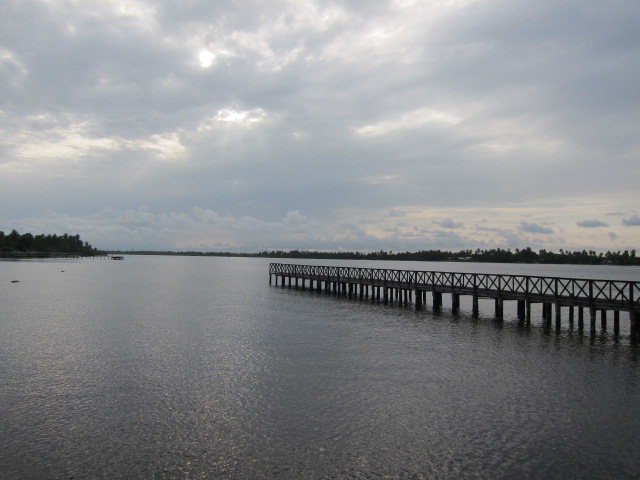
 There is a place in Lagos, surprisingly, where all the typical worries of the busy, bustling city immediately disappears. It is located across from Snake Island, occupying over 3 million square metre land area within a 100 kilometre stretch along the Atlantic Ocean halfway from Badagry. It is called the Inagbe Grand Resorts and Leisure. I was there on Sunday.
On Google Maps (and other maps of the area) the name of the location is spelt “Inogbe”, an Ijebu-sounding name whose meaning I haven’t yet figured out. According to the Managing Director of the company behind the resorts however, his spelling derives from the Yoruba word “Inu Igbe”, meaning “Inside the bush/jungle”, a reference to the remote location of the beautiful resort.
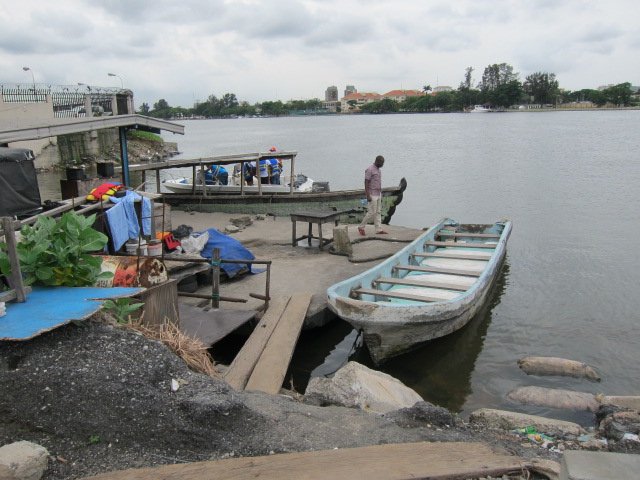
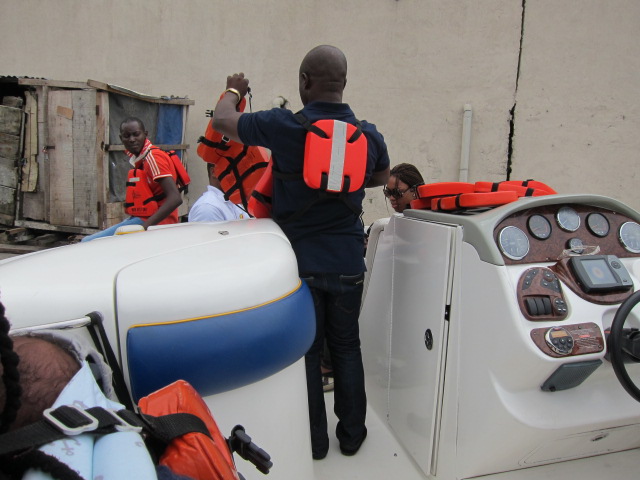
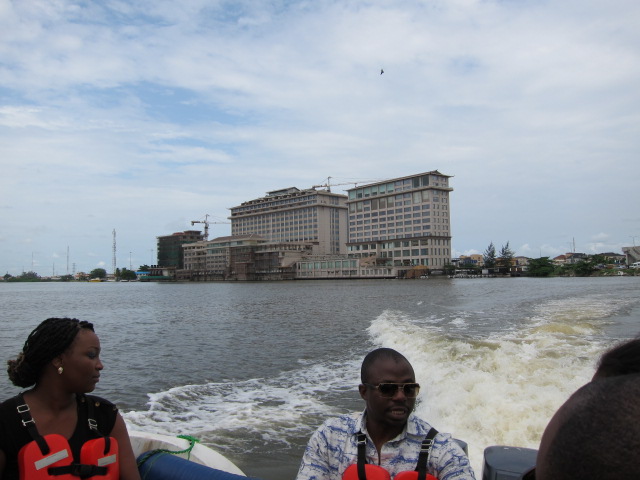
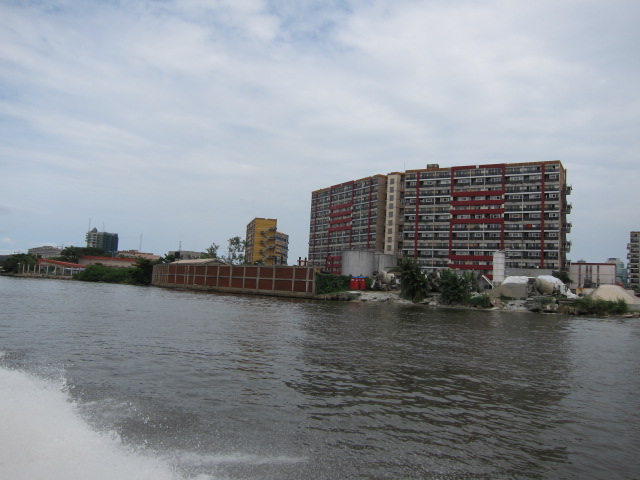
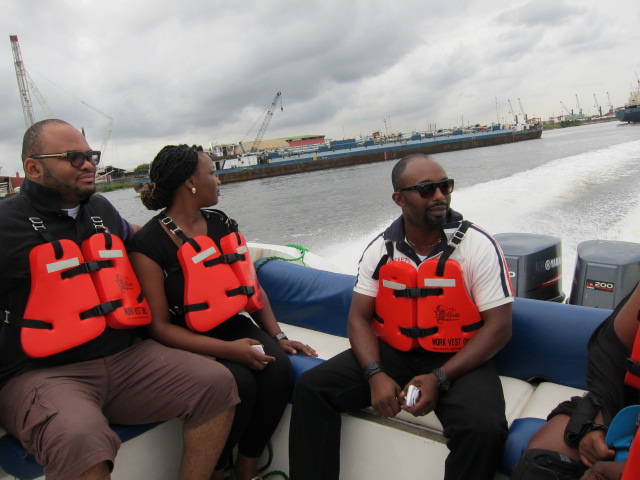
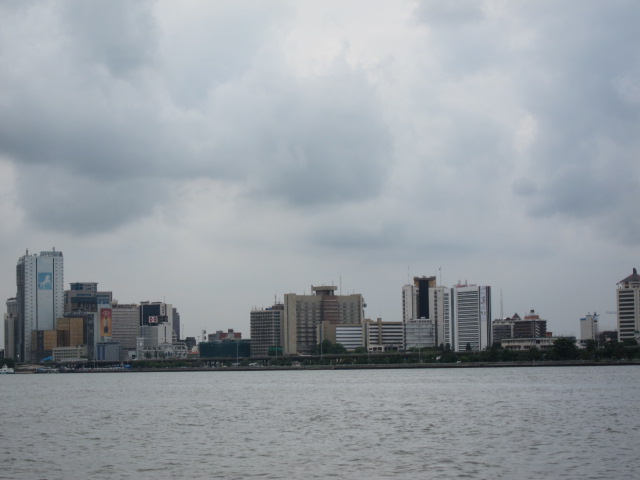
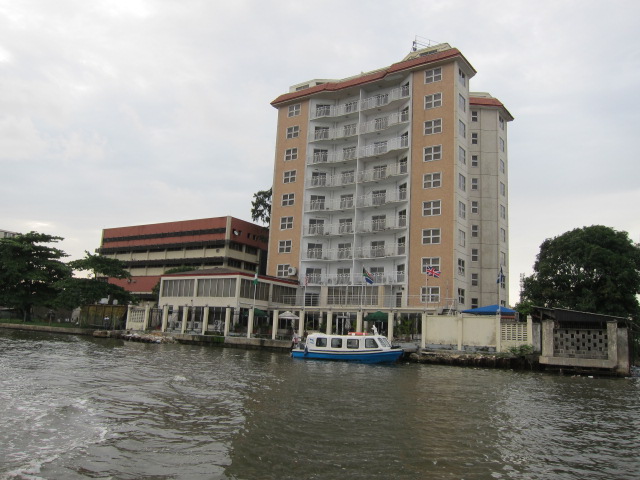
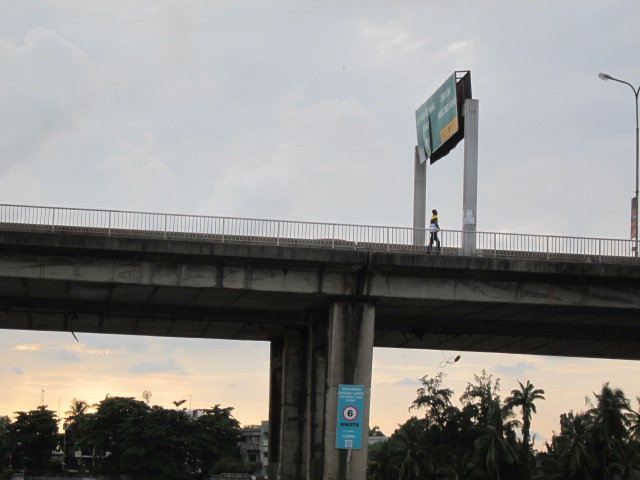
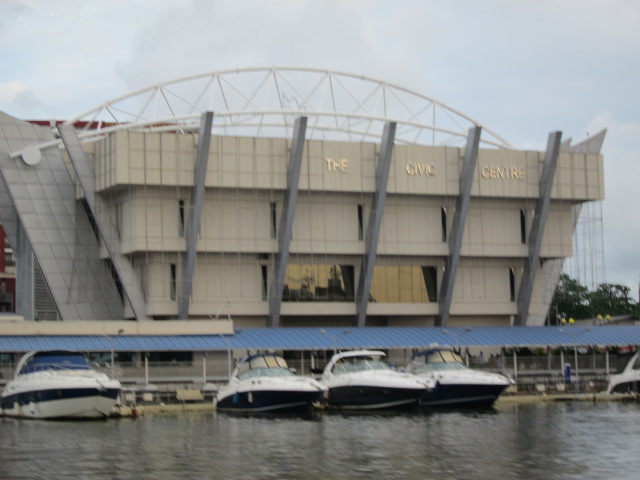
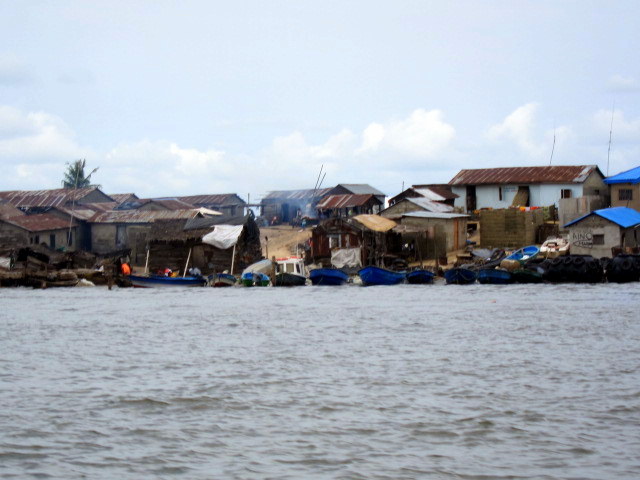
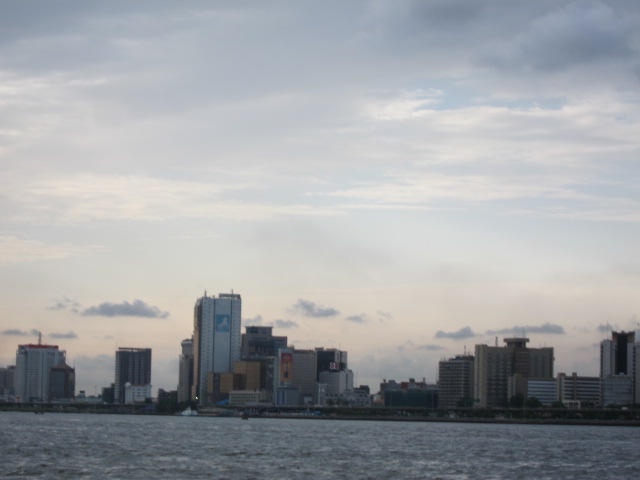
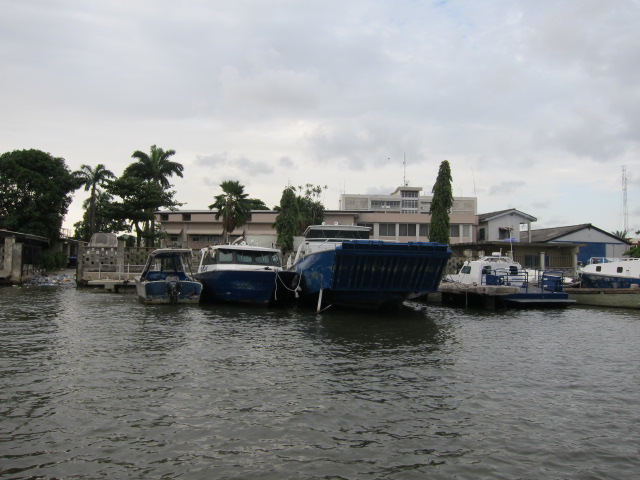
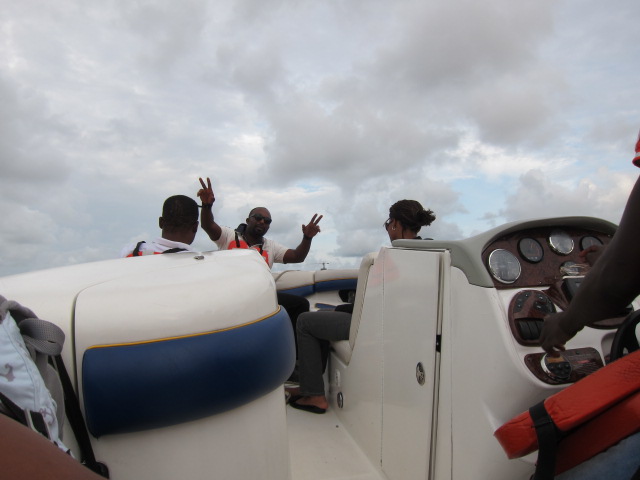
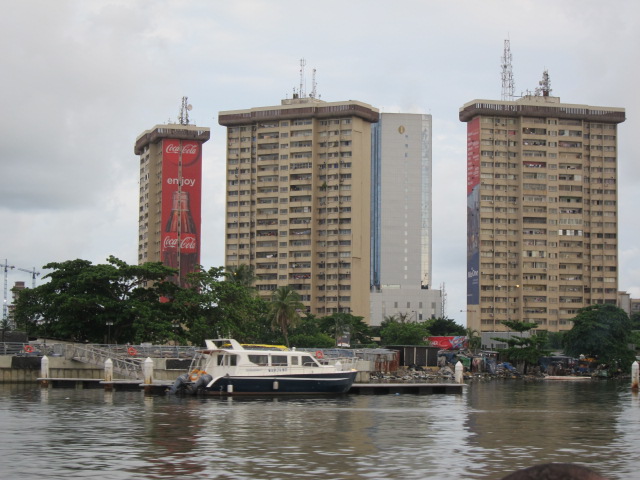
To get there on this day of my visit, we boarded a speedboat from Addax Jetty at Victoria Island (beside Oriental Hotel) and headed westwards through a path of water that went behind the Civic Centre (VI), behind Protea Hotel (Ikoyi) under the Falomo Bridge at Law School, under the Ikoyi Bridge at Bonny Camp, behind the US embassy, and through other waterways that pass by Tin Can, Snake Island, and Apapa, meeting along the way a number of other seafaring people and vehicles.
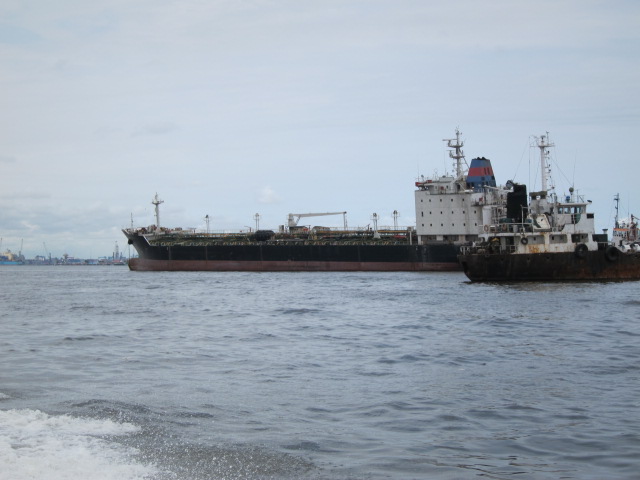
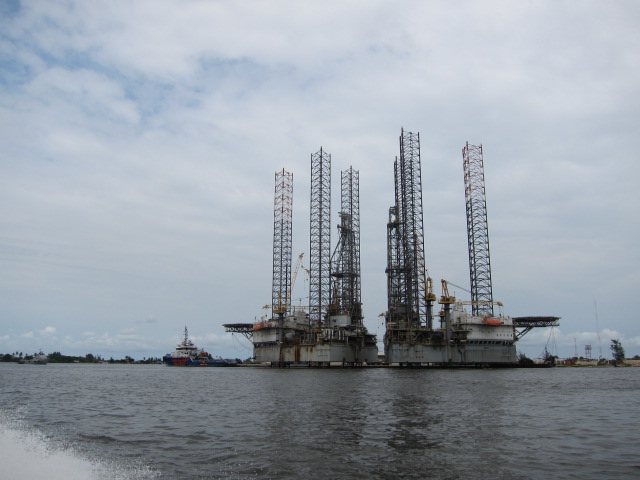
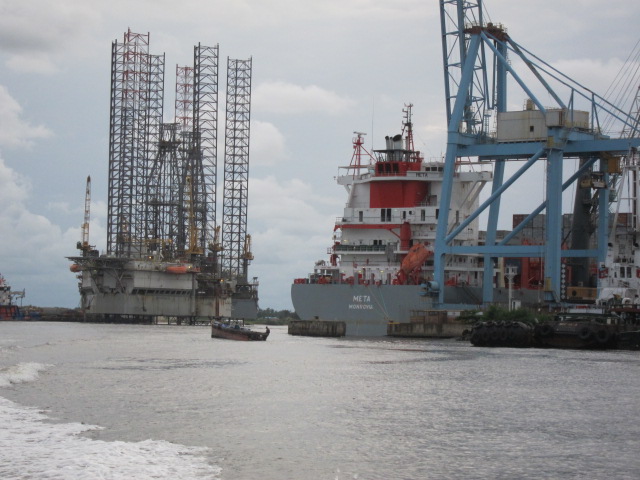
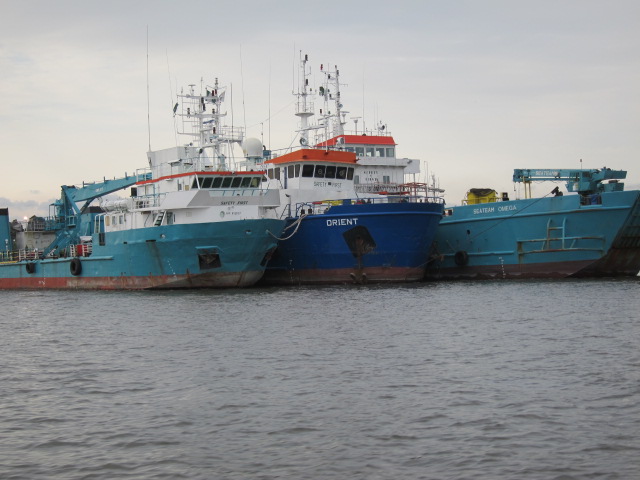
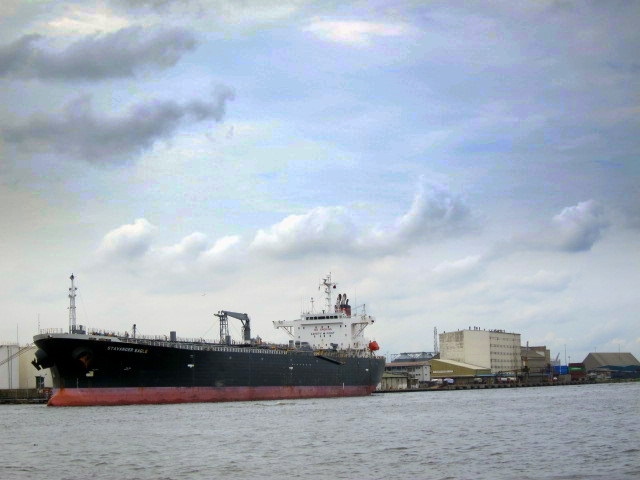
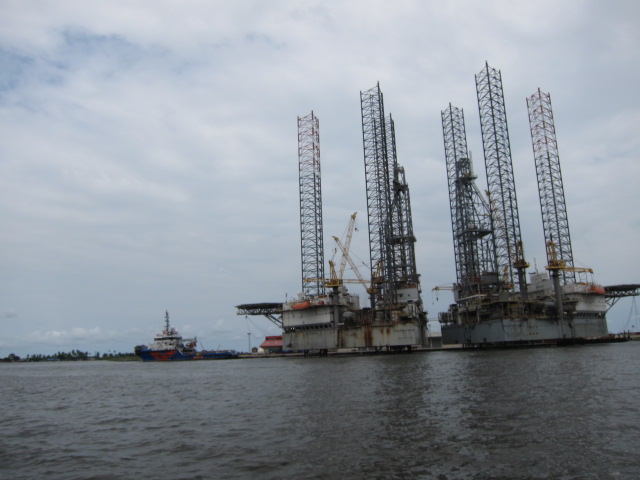
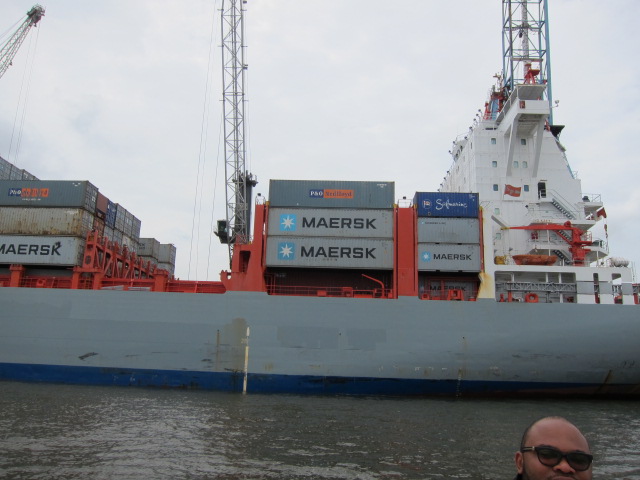
On the way there are a number of views, notable of which are ships and vessels of various sizes. There is an abandoned oil rig about ten minutes into the lagoon, noted, as my guide specified, by the fight to buy and make it viable by a popular bank in Nigeria. The water is clean, and dirty, and clean again at different times, forcing the driver of the speedboat to stop at least once in the middle of the water in order to “flush” out the engine of debris that the boat may have ingested. (Pure water sachets, other plastic bags, combs, toothbrushes, paper, scrap clothings, rags and other flotsam do not belong in the jet engine, one realizes, or in the lagoon, for that matter. But this is the Nigerian Waterways Administration we’re talking about. They haven’t been exactly busy keeping our lagoons clean.)
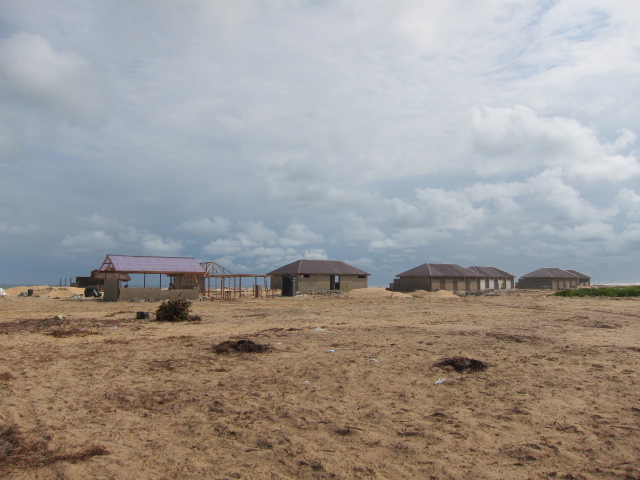
We arrive at the resort eventually, a handiwork of Grand Imperio Resorts, a real estate company based in Lagos and headed by Mr. Adeyeye Ogunwusi (present also on this trip). We met again in Lagos a couple of months ago and he invited me to come take a look at the resort. According to him, the land area was acquired on lease from the Esinmikan Royal Family, who are joint partners in the resort project, many years ago. The ground breaking ceremony to kick off construction was done in August 2013 since when the centre has continued to be developed at such an impressive speed that a visitor would hardly believe that it is still a work in progress.
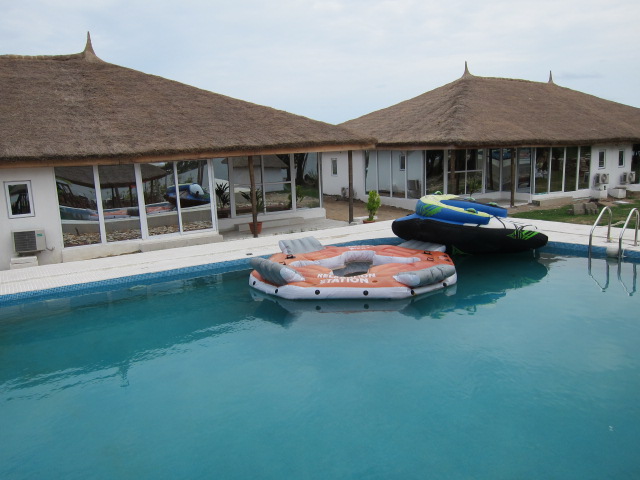
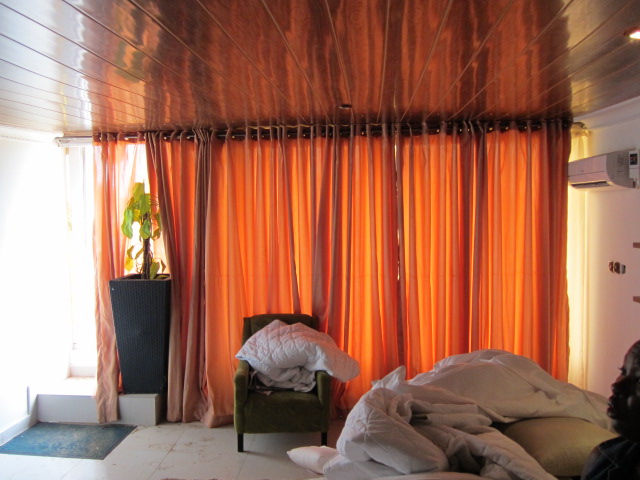
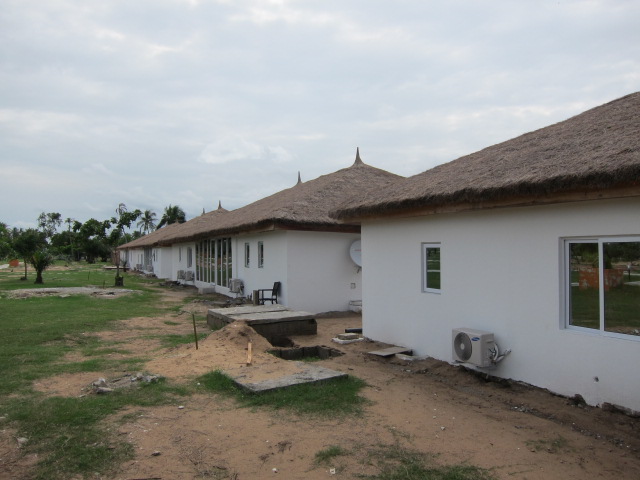
The proposed 18-hole golf course now has 5 holes. Many of the proposed guest chalets have already been developed and open to guests already. And even if the resort isn’t yet officially open to the public, Mr. Ogunwusi says that it is already playing host to a number of prominent and ordinary middle-class Nigerians willing to take a little break out of the busy city for some R&R. One could, he says, register to be a member of the resort (a privilege that costs some money, for those able to afford it) or just come for a one-time or weekend visit. The cost of staying over at the resort is about 35,000 ($200) with complementary breakfast.
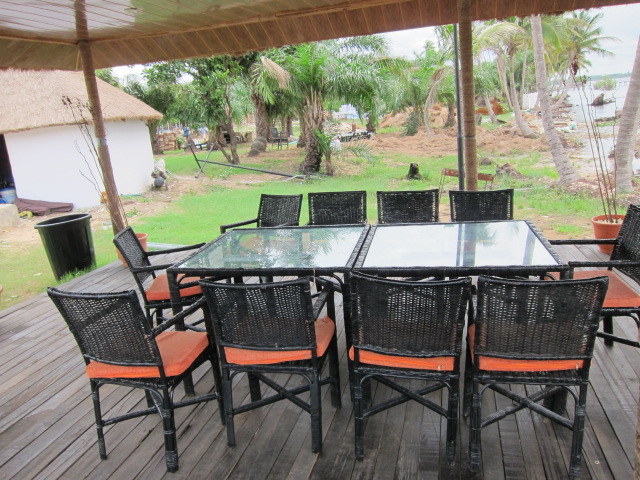
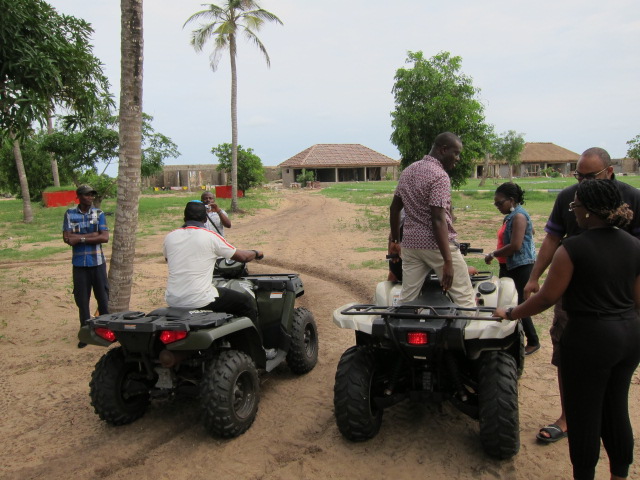
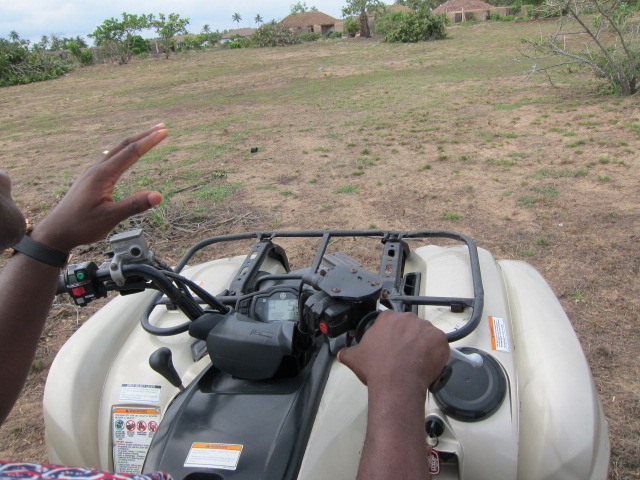
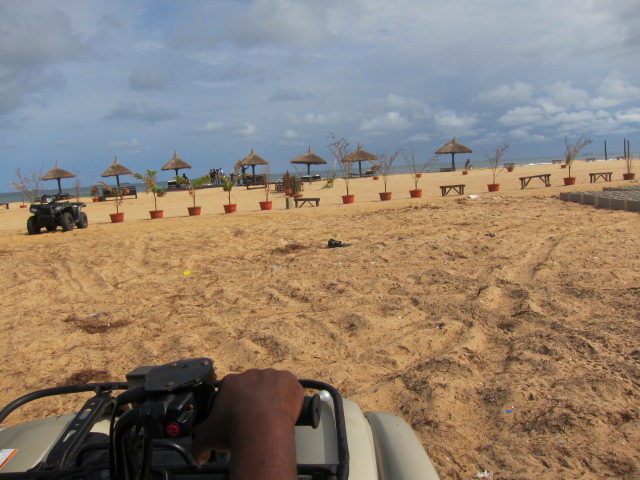
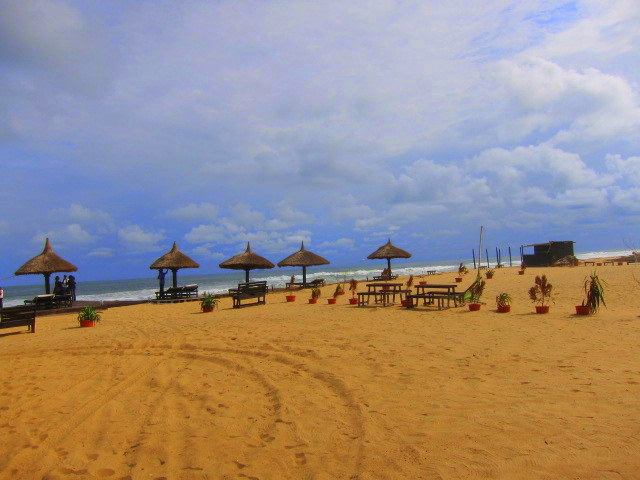
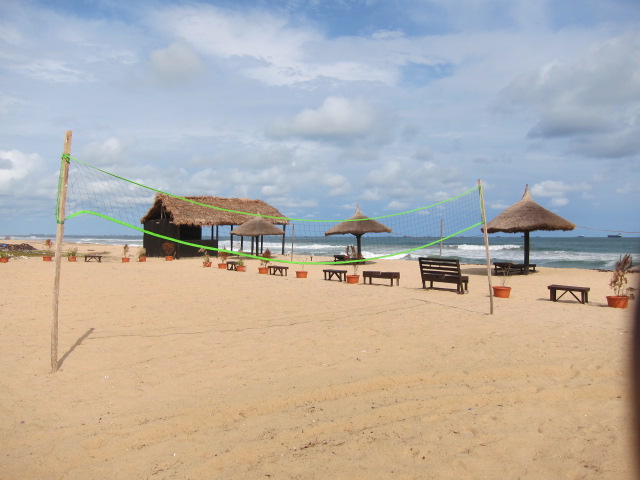
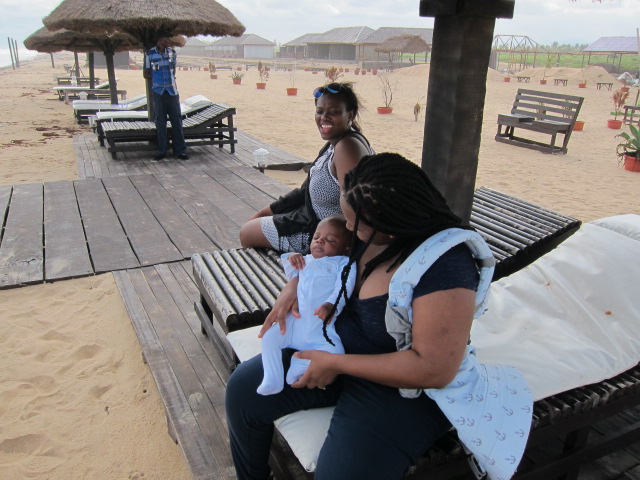
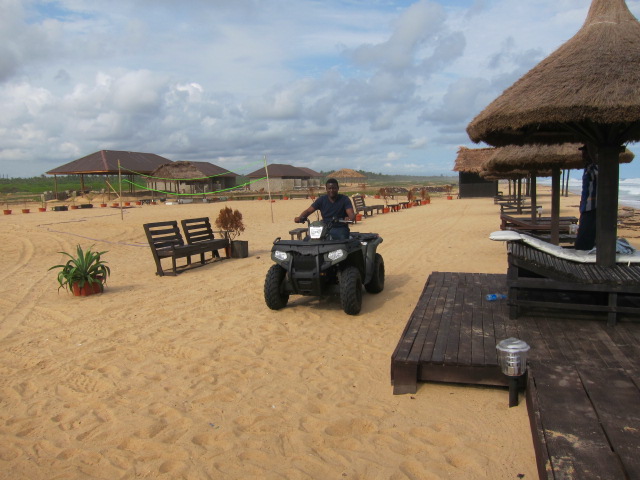
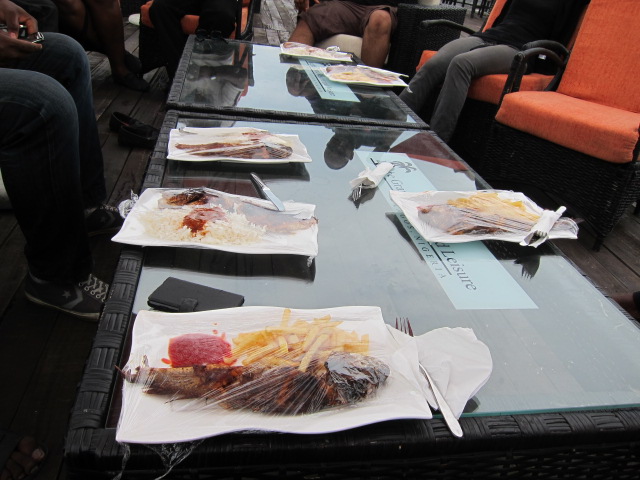
On this visit, we were treated to good food, music, and a trip around the island on a couple of beach buggies (all terrain vehicles which, we were told, will be available for occasional leisure races). Aside from the golf courses, the resort has sites for beach soccer, football pitches, race tracks, lawn tennis pitches, and a lagoon and an ocean view that is rare but impressive. One can already think of many uses for this kind of a place: a destination wedding with only invited guests, an elite birthday get-together, a couples’ retreat (as we found out with a group of young Lagos couples who had come to scout the place out for a retreat they had planned for November with other members of their church group), a writer’s retreat in one of the single-room guest chalets, a conference, an excursion with a group of students, a television reality show, a movie set, a personal pilgrimage away from the city, or just a weekend out with the family.
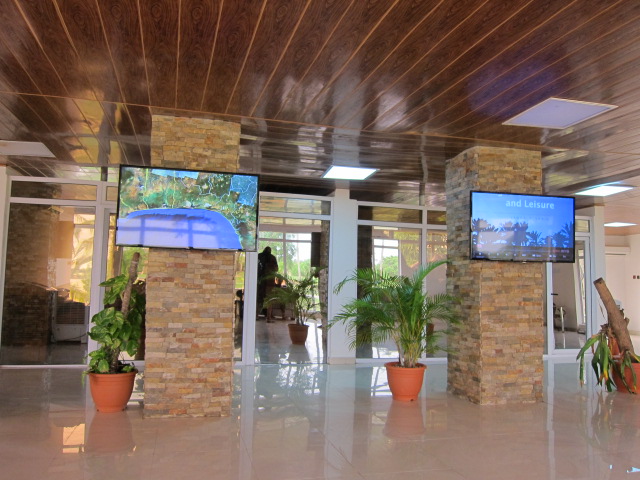
Having been away from Edwardsville for a couple of years, with the luxury of impulsive traveling that usually leads me to great discoveries around the American midwest, I have been pleasantly surprised by what Lagos can offer if one looks hard enough. Here are pictures from Inagbe which, still incomplete as a project, still dazzles with beauty, grace, and a scenery that is rare around the city. I hope to return sometime.
Highly recommended.