Class is winding down in three weeks’ time, but in my case, work will officially close on Monday the 7th of December when all assignments and essays are due for submission. For the final paper, the students have been given two distinct essays to write. The first one – which is unrelated to an anonymous teacher assessment form that they will all have to complete about me anyway at the end of the term – is a standard sized essay which must detail their most memorable experiences in the Yoruba language class. Their essay must say what they learnt, what they wished they had learnt, what their expectations were at the beginning of the course and whether or not it had been met by the end, what they liked and what they hated about the course and about learning the language and culture. They have been given the liberty to be free with whatever they express, but they must write something, and it counts for their assessment, I said.
The second essay, which is mostly academic is a short story that has been decided on as the main final examination. In the beginning of the course, I had made them read a short story titled “Why Atide is Talking To A Coin” by Anja Choon, and write an essay on what they learnt from it. The story is one written by a German friend of mine for her Yoruba language and culture course under Karin Barber in Birmingham, and it gave me a tour of the students’ mind about how they perceived the culture. Since then of course, we have also completed summaries of Toyin Falola’s A Mouth Sweeter Than Salt, an autobiographical novel this time written by a Yoruba man about experiences growing up in Nigeria of the 60s and 7os. The short stories previously submitted by my students but which I have now returned to them with my notes of correction all detail their own imaginative truths about Yoruba people, expressed in nine individual interesting short stories. They are as diverse as they are original. Though written in English, the instructions were followed that the characters must bear Yoruba names, must use a few Yoruba expressions that must be explained in the glossary, and must express Yoruba cultural sensibilities either in dressing or in demeanour. All I wait to receive now on the last day of class is their final draft and corrections of the stories, which I have also promised them to keep close to me as valuable materials from an unforgettable experience. What would be better – as I told them as well – is to discuss with the head of department about the possibility of making the nine stories into a book, a sort of “Collection of Yoruba Stories from an American Yoruba Language Class”. I like the idea, and they liked it too.
Meanwhile the standard anonymous teacher assessment questionnaire is a regular part of the academic review exercise at the end of the American school term which includes students having to say what they felt about the course, the teacher and the whole learning experience. It would be anonymous so that students are free to say what they feel without fear of future victimization. It always plays a part in deciding whether a member of staff is retained or dropped next year, the teacher in question will also have access to the questionnaire at least to see how his students perceive him. I like the idea, and I think that if the Nigerian educational system would adopt it, there would be less victimization, negligence and random lassitude in our educational system as we have now. No Professor will take his/her student for granted if s/he knows that they are the part of the overall deciders of his future position in that place of work.
But until Monday the 7th, I have two more classes to teach where I may or may not tell them about this blog. Now that they will no more be my students, they might need something to keep in touch with my ideas and progress, especially now that I’ve put on hold till 2010 every of their Facebook friendship request intentions.
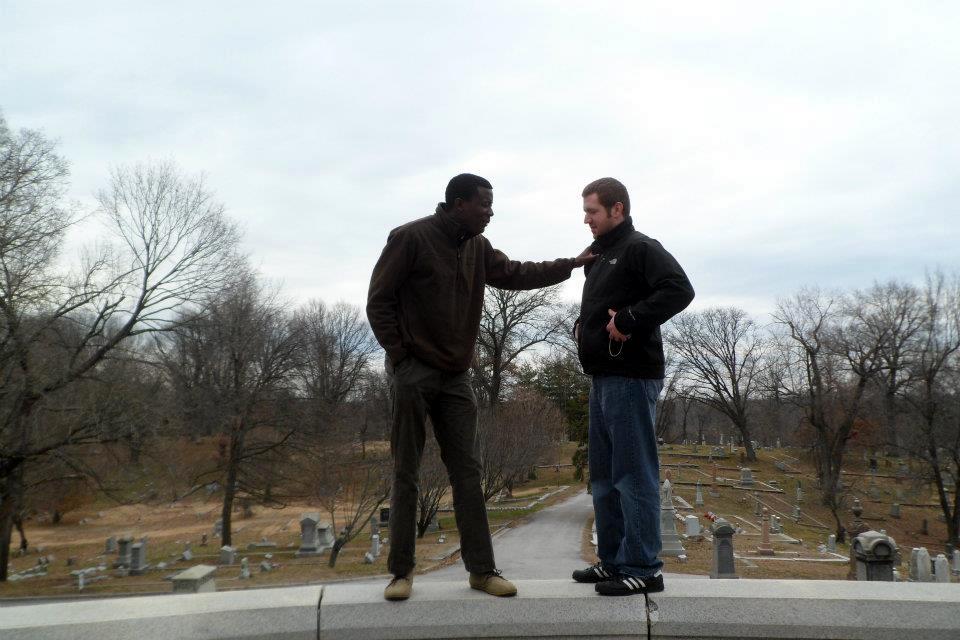 As I have discovered many times over, coming back to the empty page of a new blogpost always brought words back to my fingertips, bringing me back to a required level head to continue my work. In any case, here is what I thought: a solution to an old puzzle. All the (about three thousand) pictures that I have taken since this travelogue began need to go somewhere. As from today, I will be putting one (or two) of them per week out on the blog’s Facebook page with a little back story. If I never eventually make it to writing/completing that travel book of all those experiences, pictures and short back stories would have to do. Of course, you would be missing out on this if you are not already following the page.