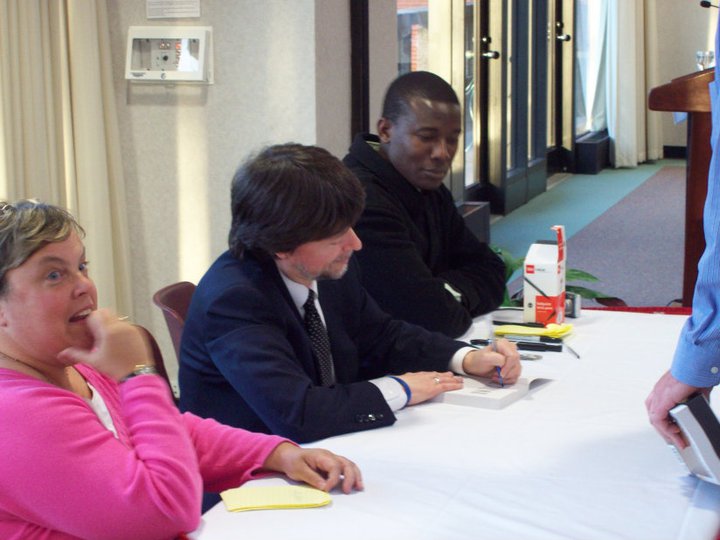
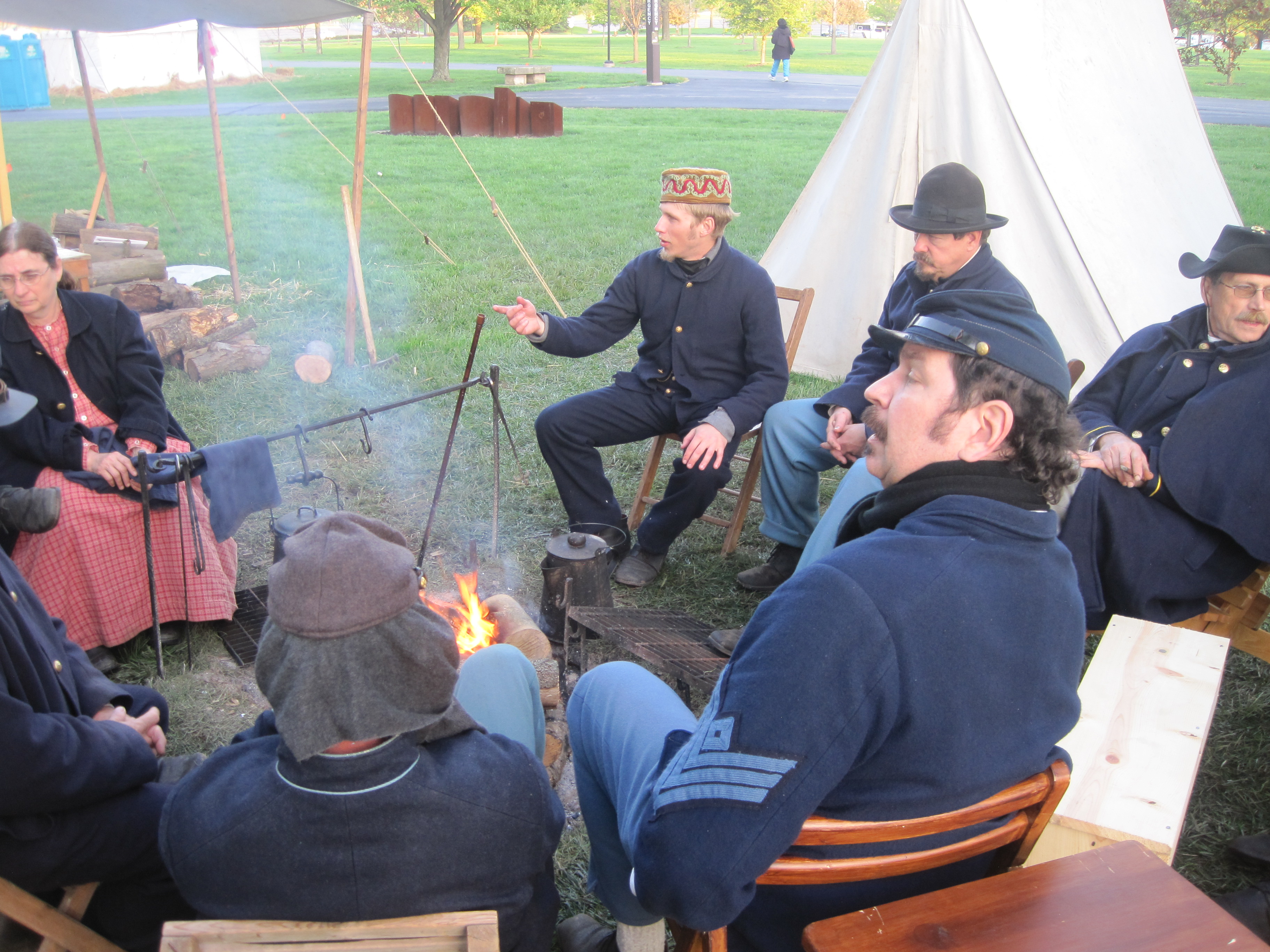
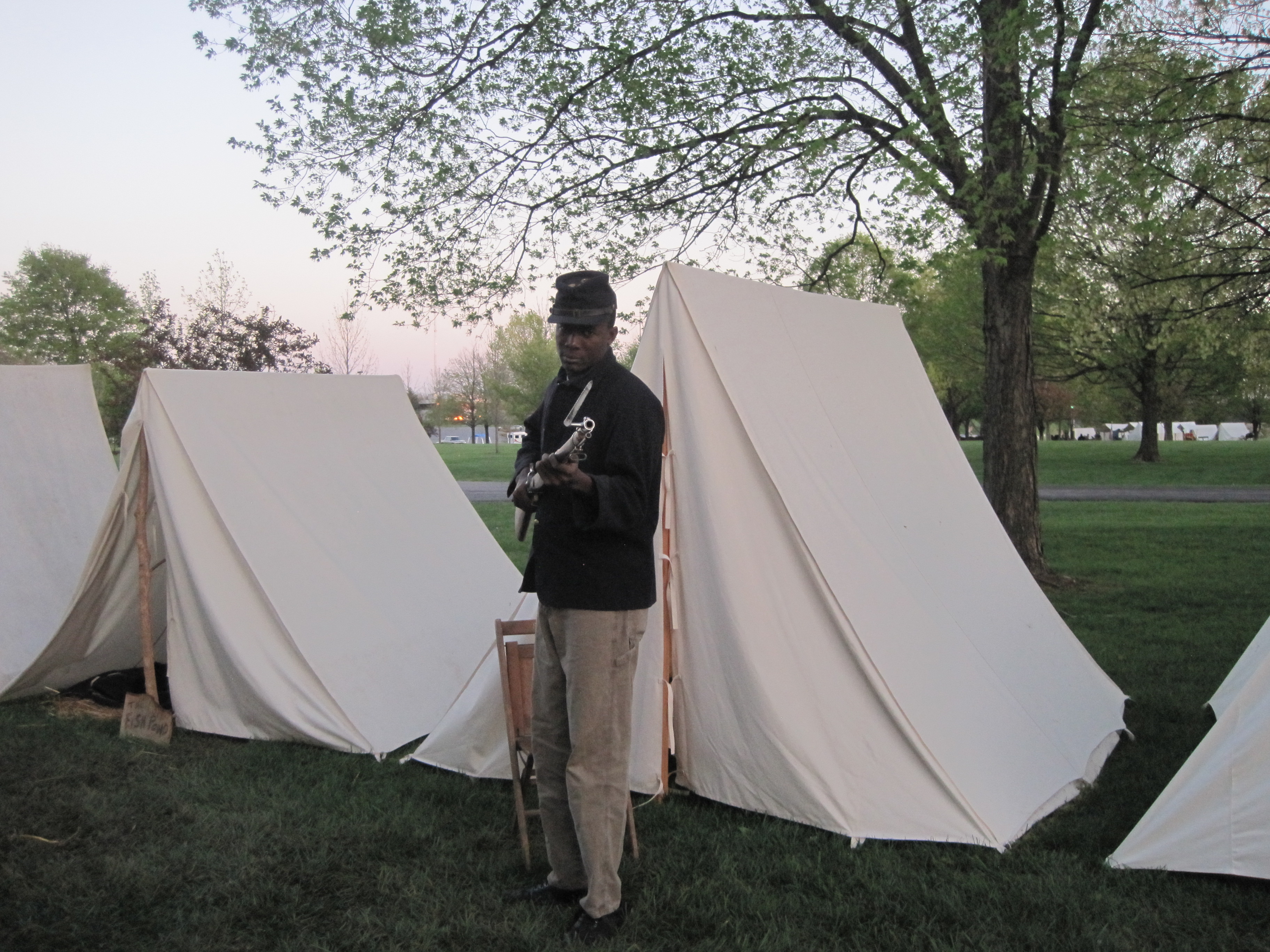
The story of the civil war in America is tied in some way to this state, and not just because of Abraham Lincoln. An abolitionist, printer and minister, Elijah Lovejoy who lived in Alton a few minutes away from here, was killed in 1837 for printing materials supporting the abolition of slavery. Sitting beside Ken Burns a few days ago, a woman of about seventy-five years old walked up to us with two books to sign for her grandchildren. She also had a concern: She works in a museum in Alton and she has been troubled by the conspicuous omission of Elijah Lovejoy from the history of the civil war. What did Ken Burns think of that?
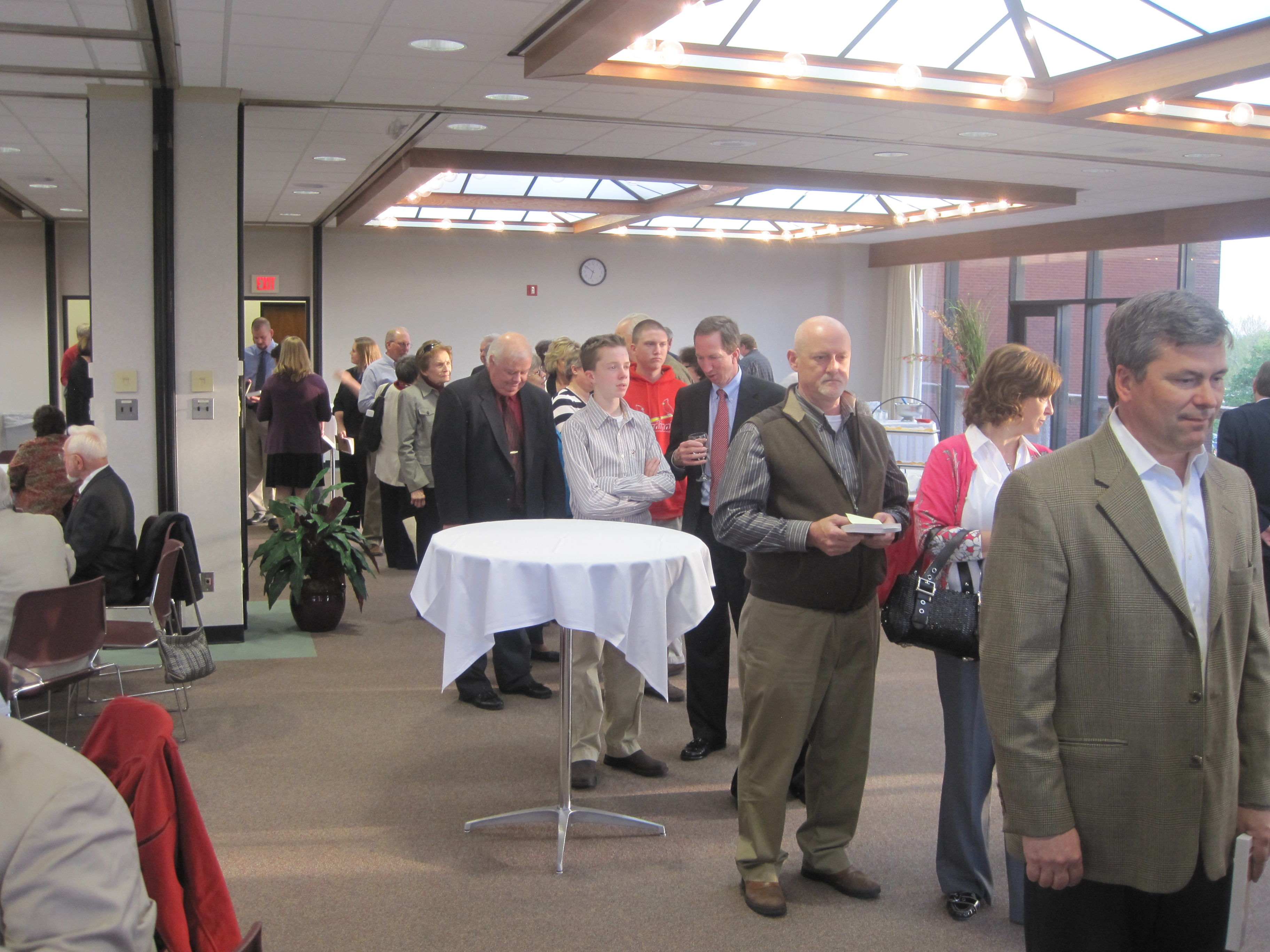 In spite of the many people already in line waiting behind her, Ken took the time to talk to the woman, agreeing, and also insist that the woman be not cowed by the restrictions of revised history. It was important, he said, that the story be told to all the people that visit the museum that indeed Elijah Lovejoy’s story is as important to the beginning of the war as the first recorded gunshot. It was disingenuous that anyone would go to lengths to prevent that part of the story from being told, and Lovejoy could as well have been called the first white casualty of the civil war that began twenty-four years later. A few hours on during the Q&A sessions of his talk itself, the woman came back to the microphone with the same question, this time to the hearing of a larger full-house audience. She got the same response, again, this time along with everyone else: tell the story, and don’t let anyone stop you.
What I took away from the episodes was not just the respect for that level of persistence to get word out about an omitted connection in the larger story that has defined the American history. There was also the added thrill of connectedness: The main library of this university is named after the man. There goes another gap filling in my history lesson.