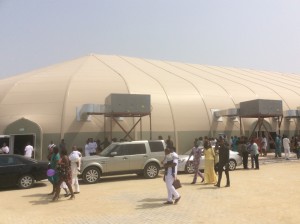
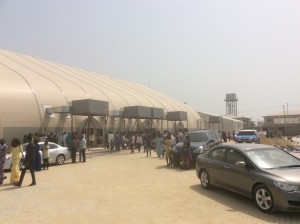
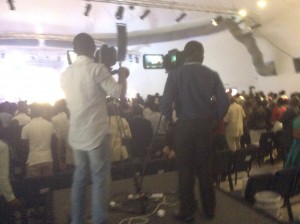
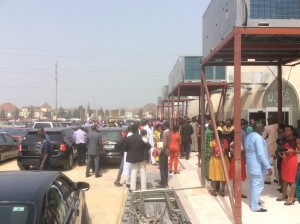
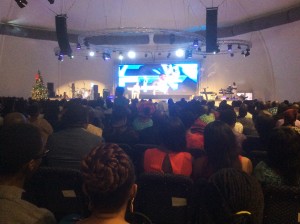
At The Elevation Church on Sunday

IMG_1999 IMG_2001 IMG_2002 IMG_2003 IMG_2004IMG_2006 IMG_2007 IMG_2008IMG_2009IMG_1991 IMG_1982 IMG_1984IMG_1997IMG_2002IMG_1989IMG_2006The interest in (and response to) my last post about the demise of decorum was on my mind as I attended church on Sunday, for the second service, at the church’s new location in Lekki. What I realised, along with the fact that I’d painted Nigerian events with too much of a broad brush, is that Christian (and perhaps most religious) events, along with events organised by/for writers are usually better organised than other public events. Maybe the problem of decorum is actually a problem of organisation. The Aké Arts and Book Festival is certainly one of the better organised events I’ve attended in the country, and it continues to improve every year. It is run by young volunteers who put up a more competent performance than many of our public officials (and even private organisers) who earn way more and deliver less.

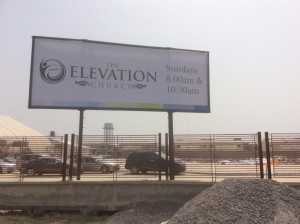
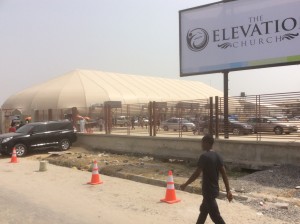
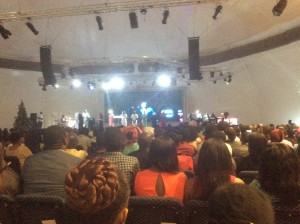
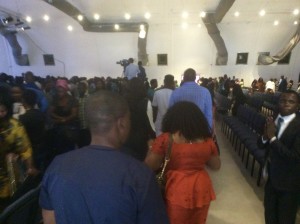
Now, the Elevation Church moved, this Sunday, to its permanent site along the Lekki-Epe Expressway, and held its first two services there to celebrate the occasion. These photos were taken there. The church structure (made in a tent-like form with steel and tarp) sits on a 17,000 square metre area of land purchased and developed over the last three to four years. Not only was the church programme prompt and well organised (as it has always been), the interior design of the new structure shows attention to detail and to the comfort of the worshippers. For someone with long legs and a phobia for sitting in cramped spaces, believe me when I say that the arrangement for coming in and going out were made with deliberate attention to comfort, security, and aesthetics.

What else can I say? It’s a place of worship, so perhaps we’re usually at our best behaviour in such places. But props should go to the hundreds of unpaid volunteers who spend their time and effort to make each Sunday service a breeze. May I also recommend that anyone interested in a family church with deep social consciousness and connectedness to the environment in the Lekki area, and a beautiful environment of worship and fellowship, should check out the Elevation Church. Take it from this recurring Christian agnostic who has found it a worthy venue for nourishing of the soul and the stimulating of conscience and purpose. Do I sound like a preacher already?

This Sunday service featured – among other things – a live performance by Nigeria’s top music producer Cobhams Asuquo who sang a theme song he’d composed for the church, a Christmas carol, and another about Angels All Around. Those who have ever listened to him or seen his work already understand the depth and breath of his talent. Witnessing him lead a congregation in a soulful worship performance is a bonus delight.

So, what am I trying to say anyway? Can’t remember. But do come to church next Sunday!
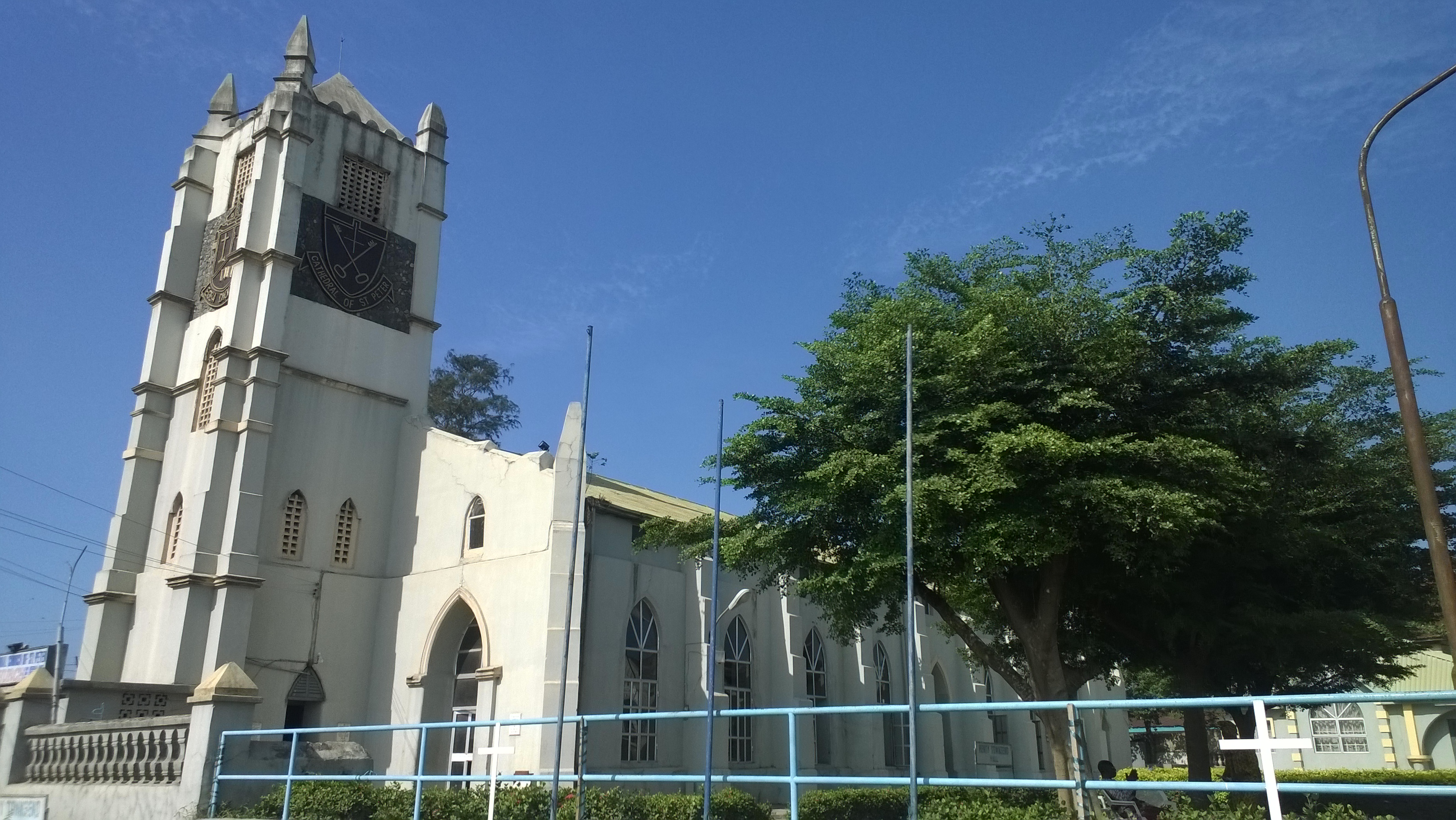
The Church at Abeokuta

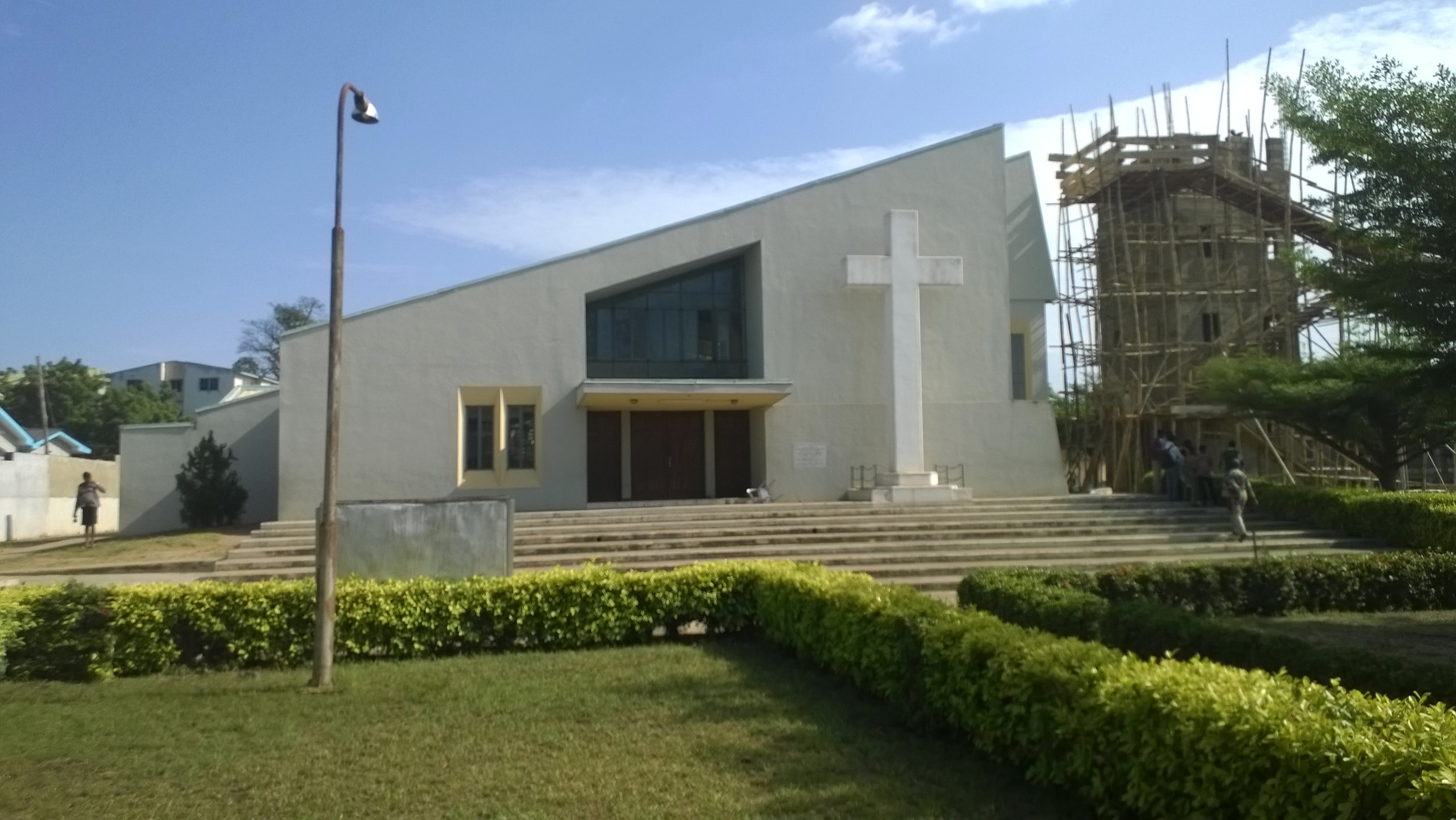
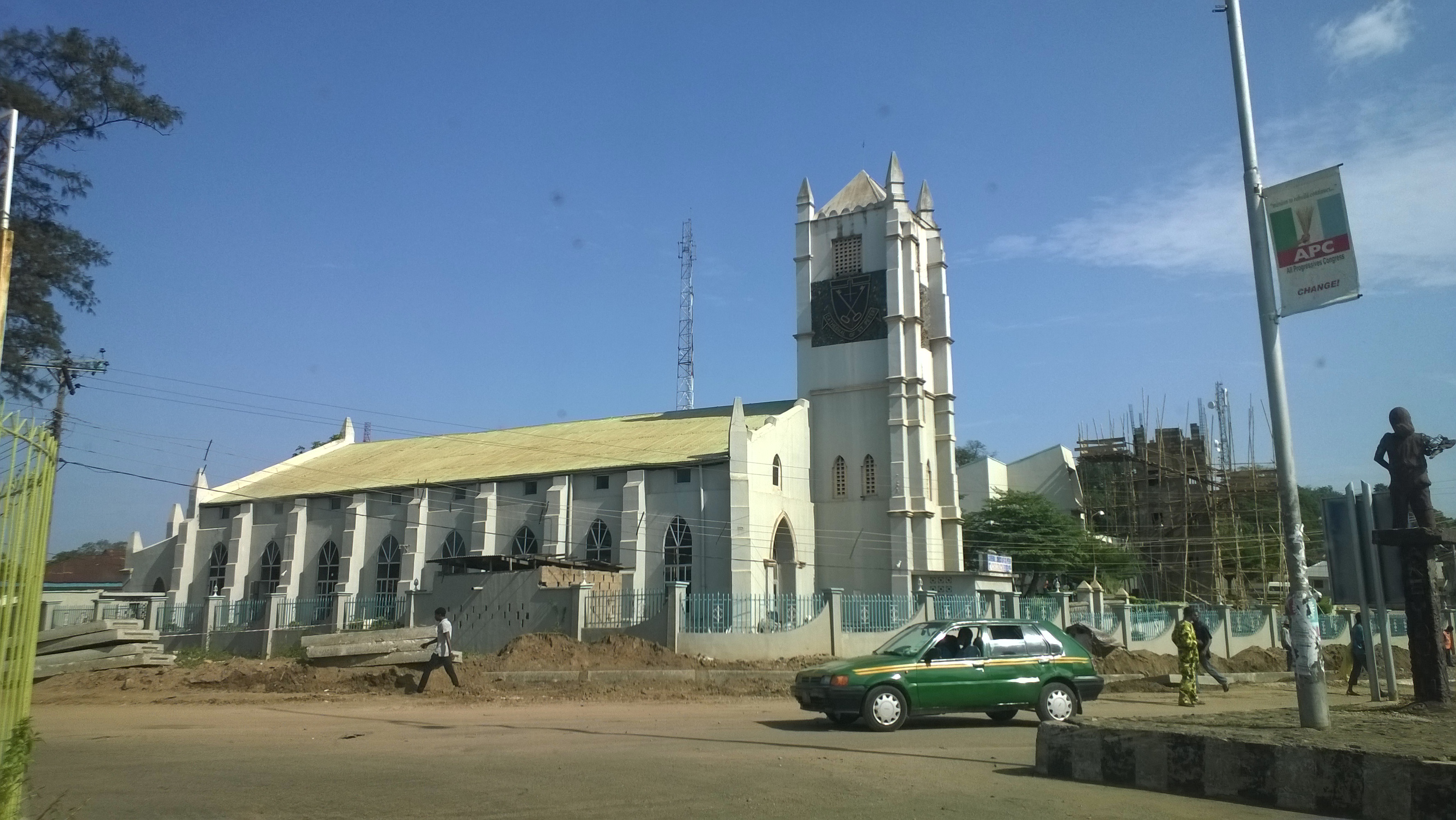
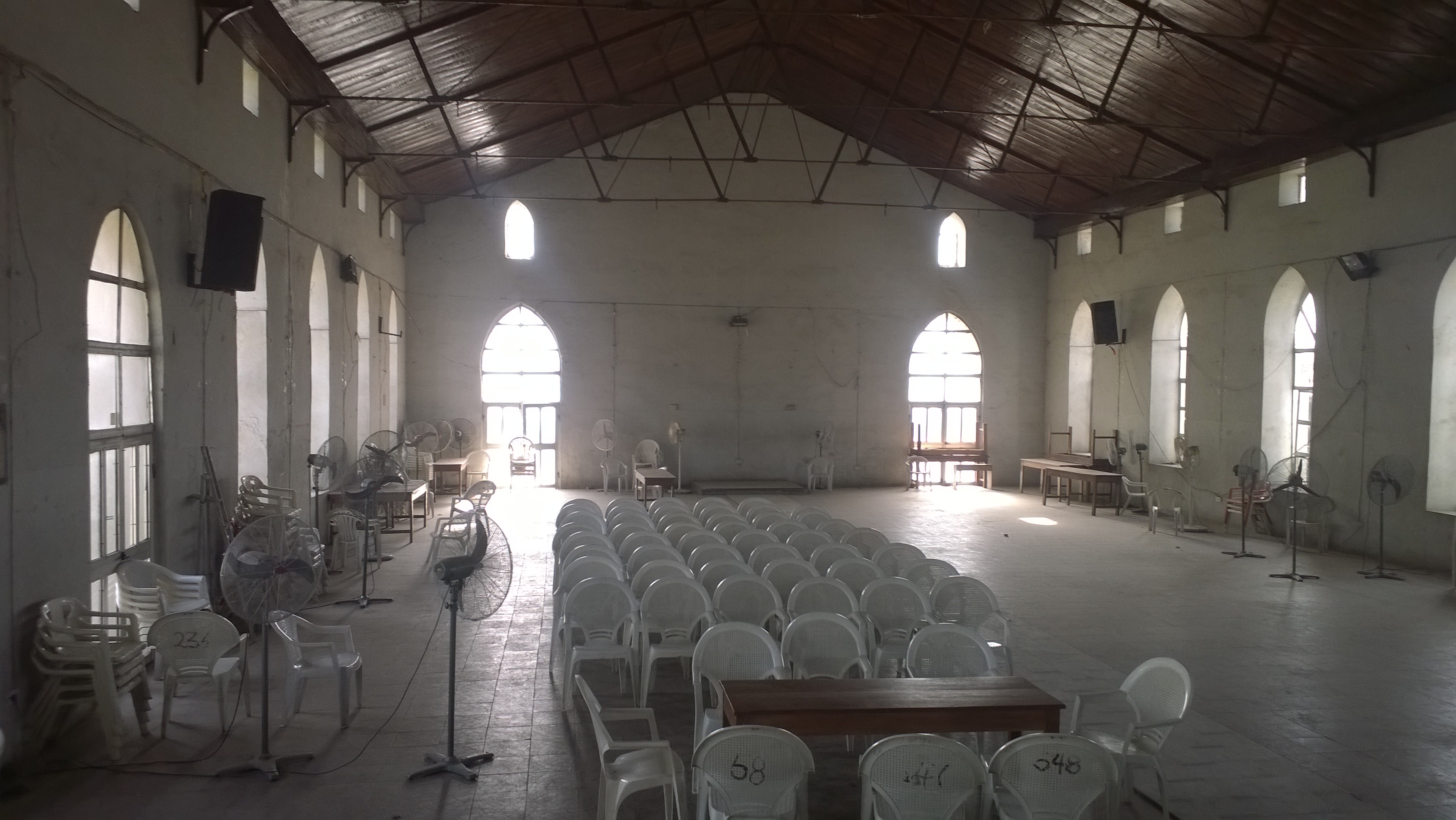
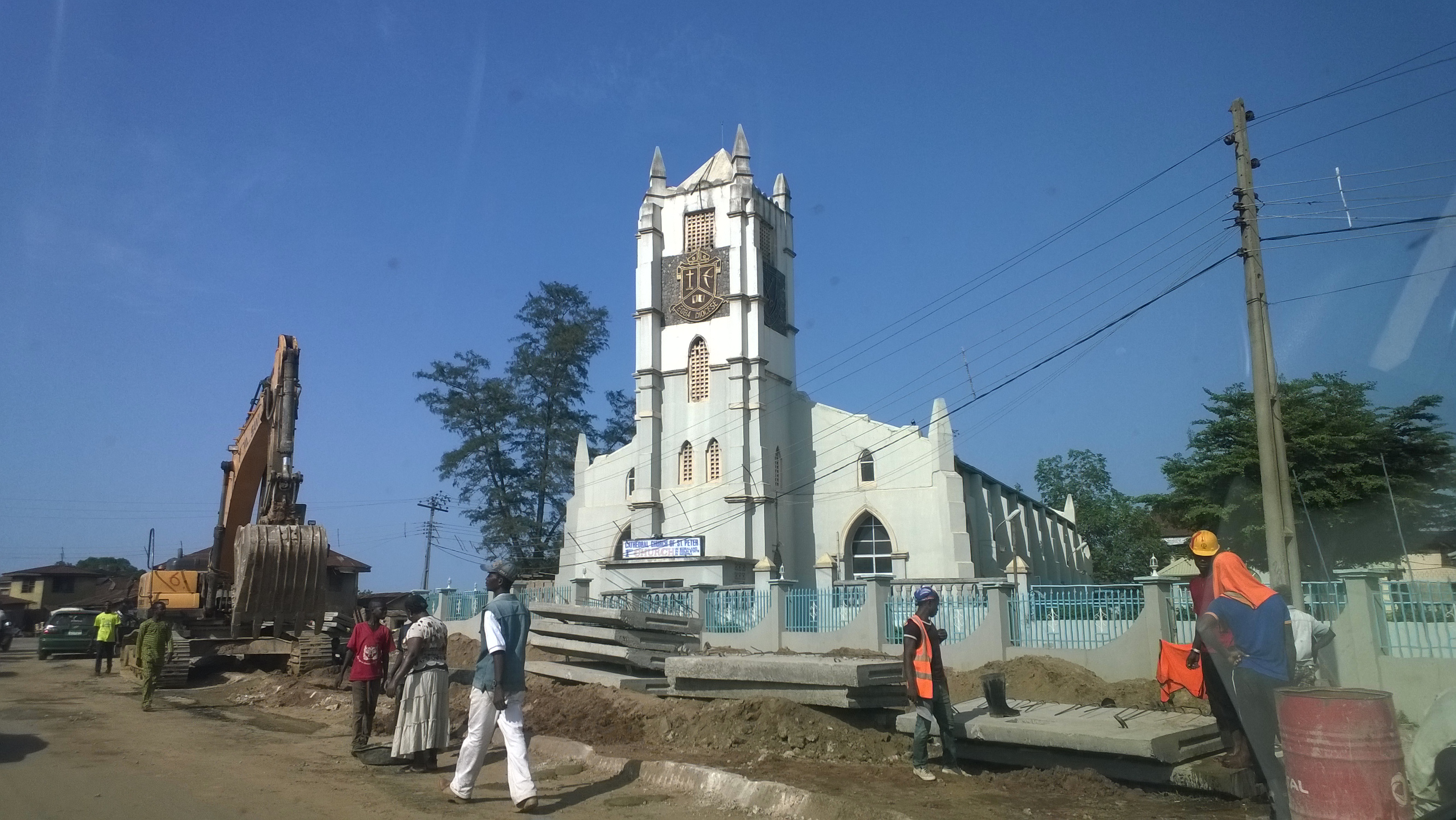
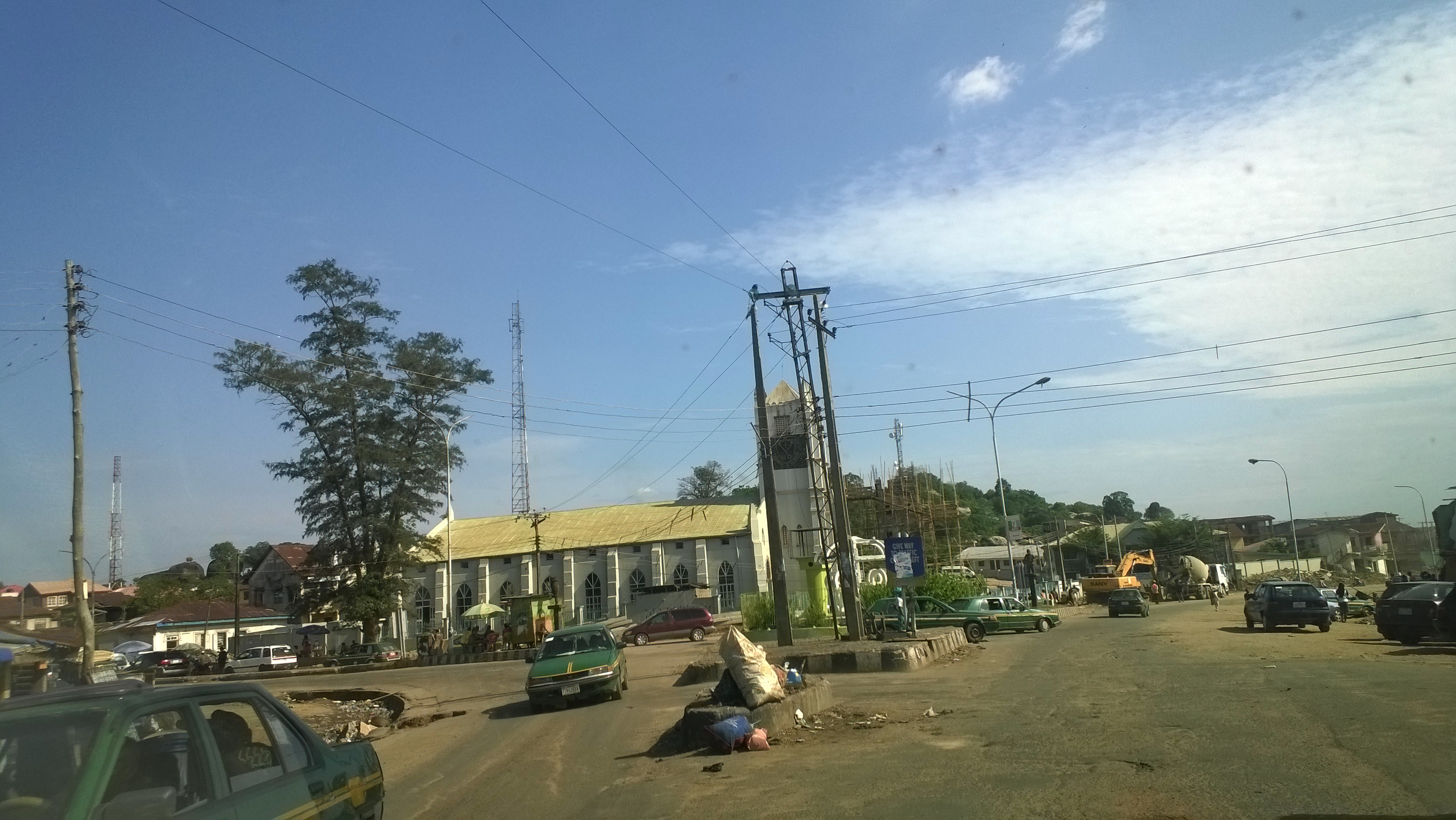
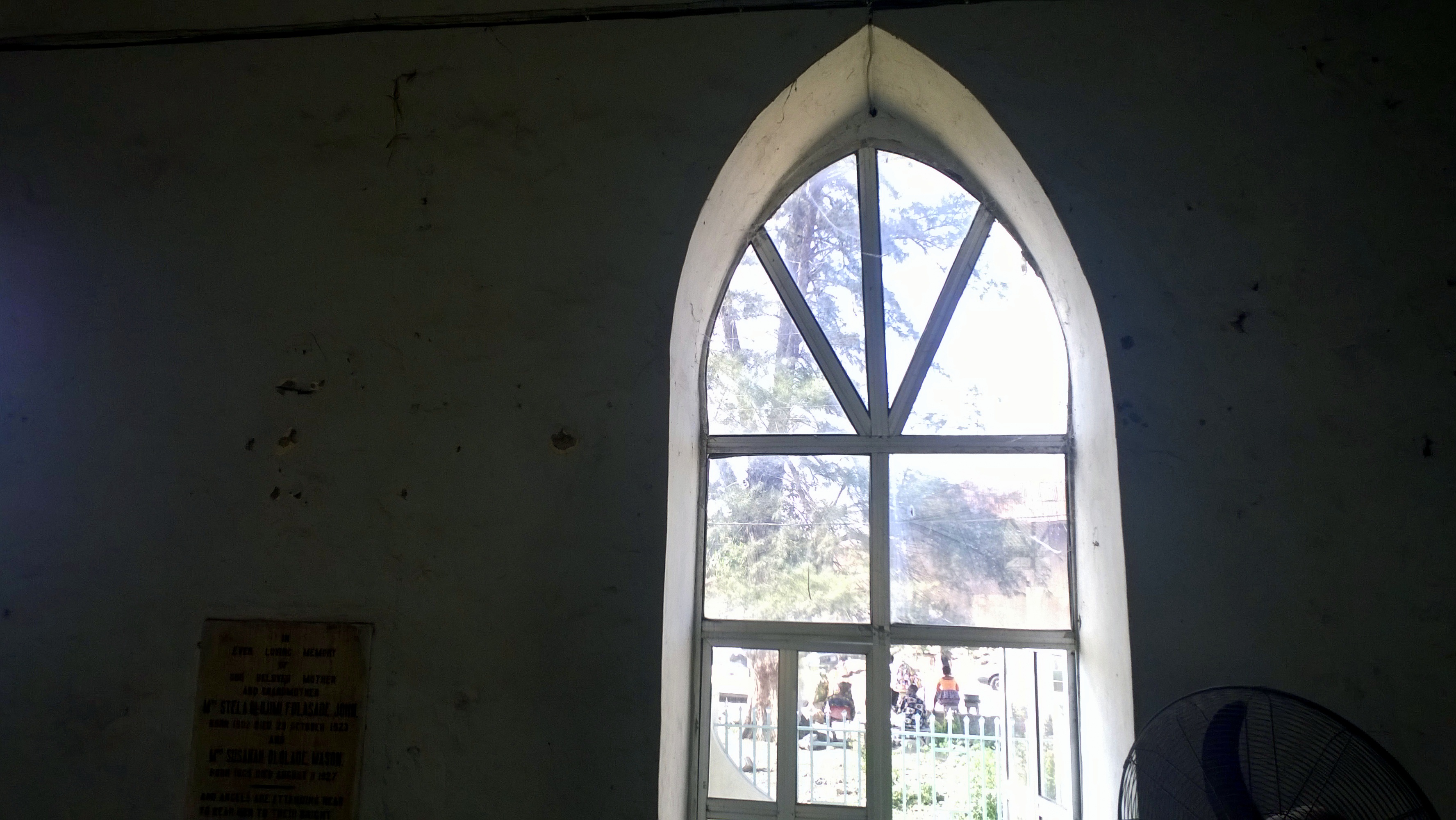
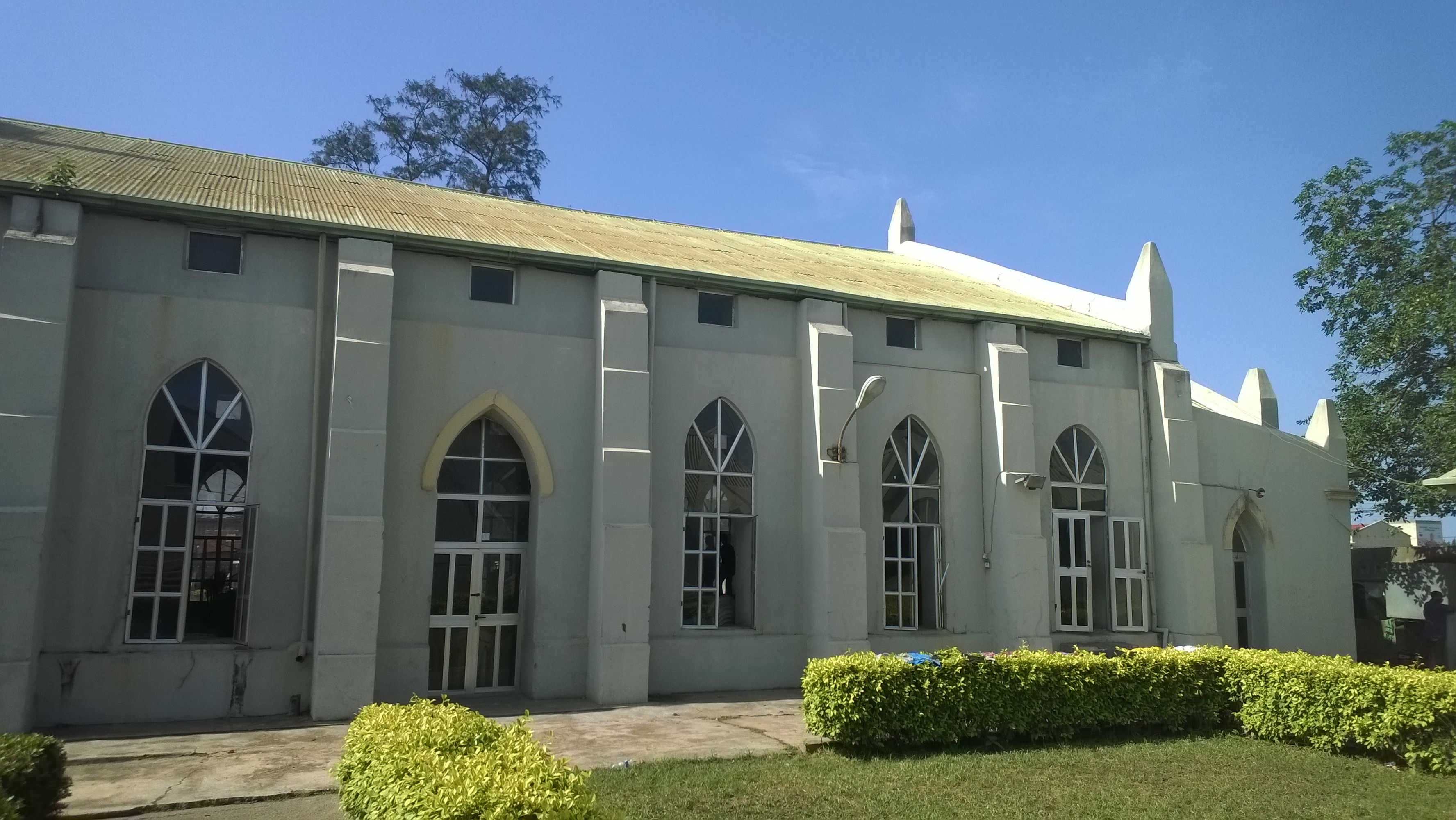
WP_20140410_072WP_20140410_080WP_20140410_069WP_20140410_081WP_20140410_073WP_20140410_079WP_20140410_085WP_20140410_068WP_20140410_076WP_20140410_083The Cathedral of St. Peter at Ake, Abeokuta, is the oldest church in Ake, the oldest church in Abeokuta, the oldest church in Western Nigeria, and – due to the proximity of the town to the Atlantic Ocean and the coming of the first missionaries – the oldest church in all of Nigeria. Built reportedly in 1898, it served as a rallying ground for a number of initial missionaries to Abeokuta many of who played other roles in the government of indirect rule between the Crown in England and the chiefs in Egbaland. The foundation of the church was laid by one Reverend Andrew Desalu Wihelm around 1846, and completed during the time of Henry Townsend.

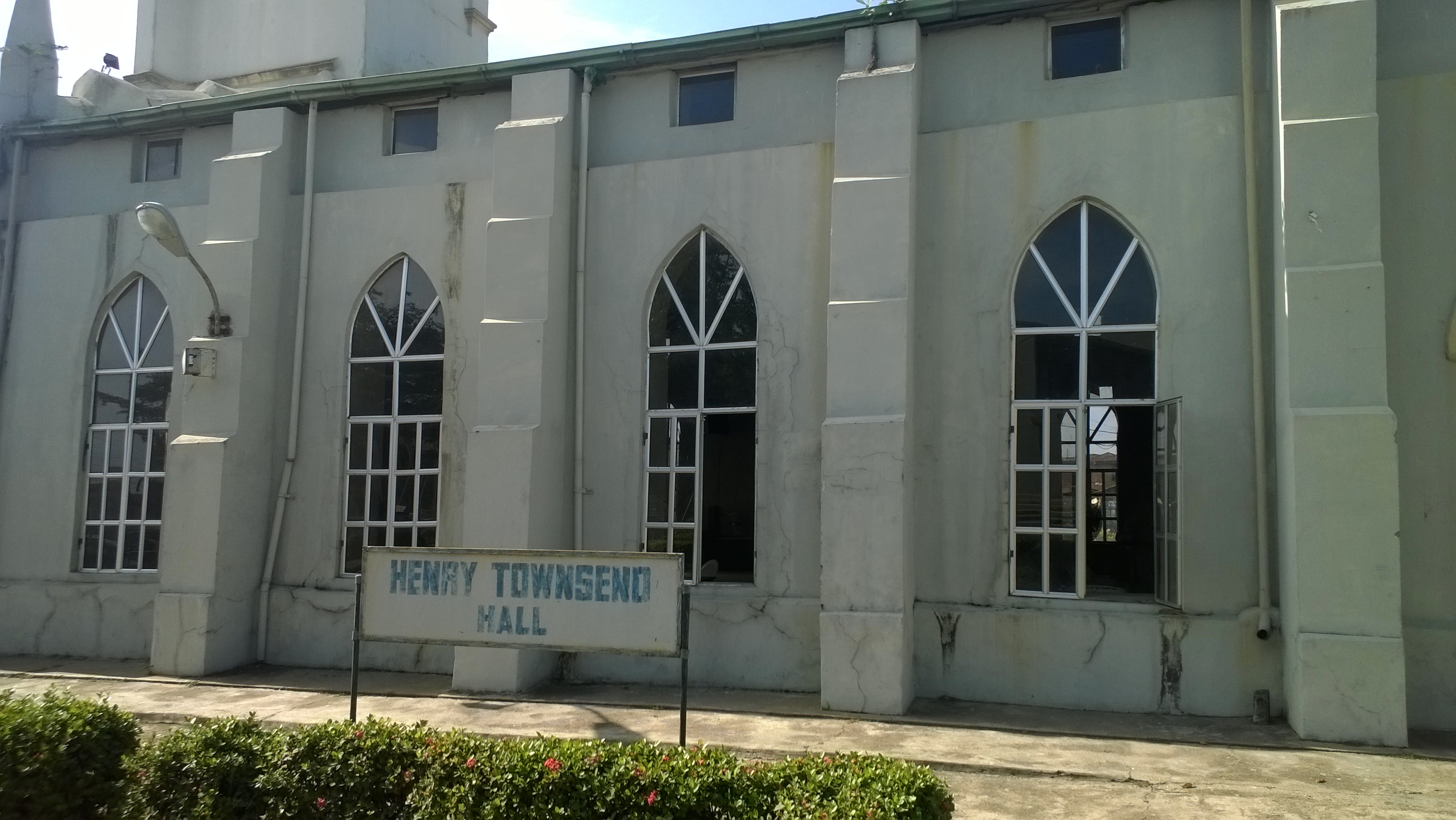
One of the most known pastors of the church include the Reverend Josiah J. Ransome Kuti (also known as the grandfather of Fela Anikulapo Kuti, the inventor of Afrobeat), among many others. A hall in the church premises is named after another famous pastor, the Reverend Henry Townsend.

In some ways, it is the Southern equivalent to the Church in Wusasa – also a first in the north, built in 1902 – whose survival depended very much on the hard work of volunteer priests battling a society that – at the time – very much resisted the change it represented. In the account written in Wole Soyinka’s 1981 Autobiograpy Ake – the Years of Childhood, most of the early missionaries faced life-threatening confrontations with the elders of the town to whom Christianity represented a real and present threat. Many churches fell down after being visited by men from the local cults, sometimes while people worshiped inside. In the case of the Wusasa church, the threat came from the Muslim societies in the north who felt threatened by the new religion. That these structures have lasted so long is homage to maintenance, but more importantly, the cultural place they occupy in the societies that own them.

The Church at Wusasa

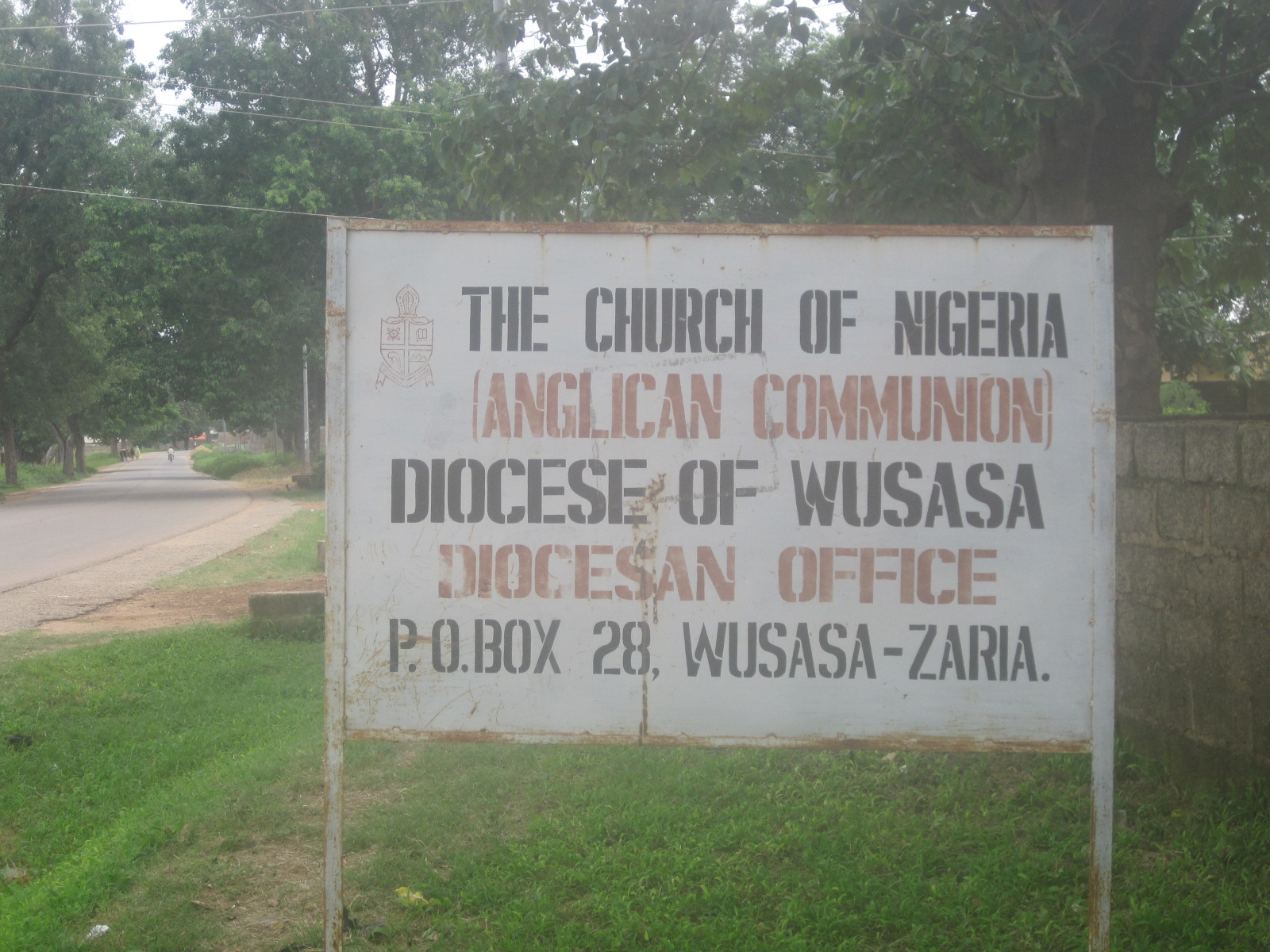
Today, I want to tell you about Wusasa. I never did tell you about my visit to that little village of one square mile, three miles outside Zaria City in Kaduna state, Nigeria. I was there in July.

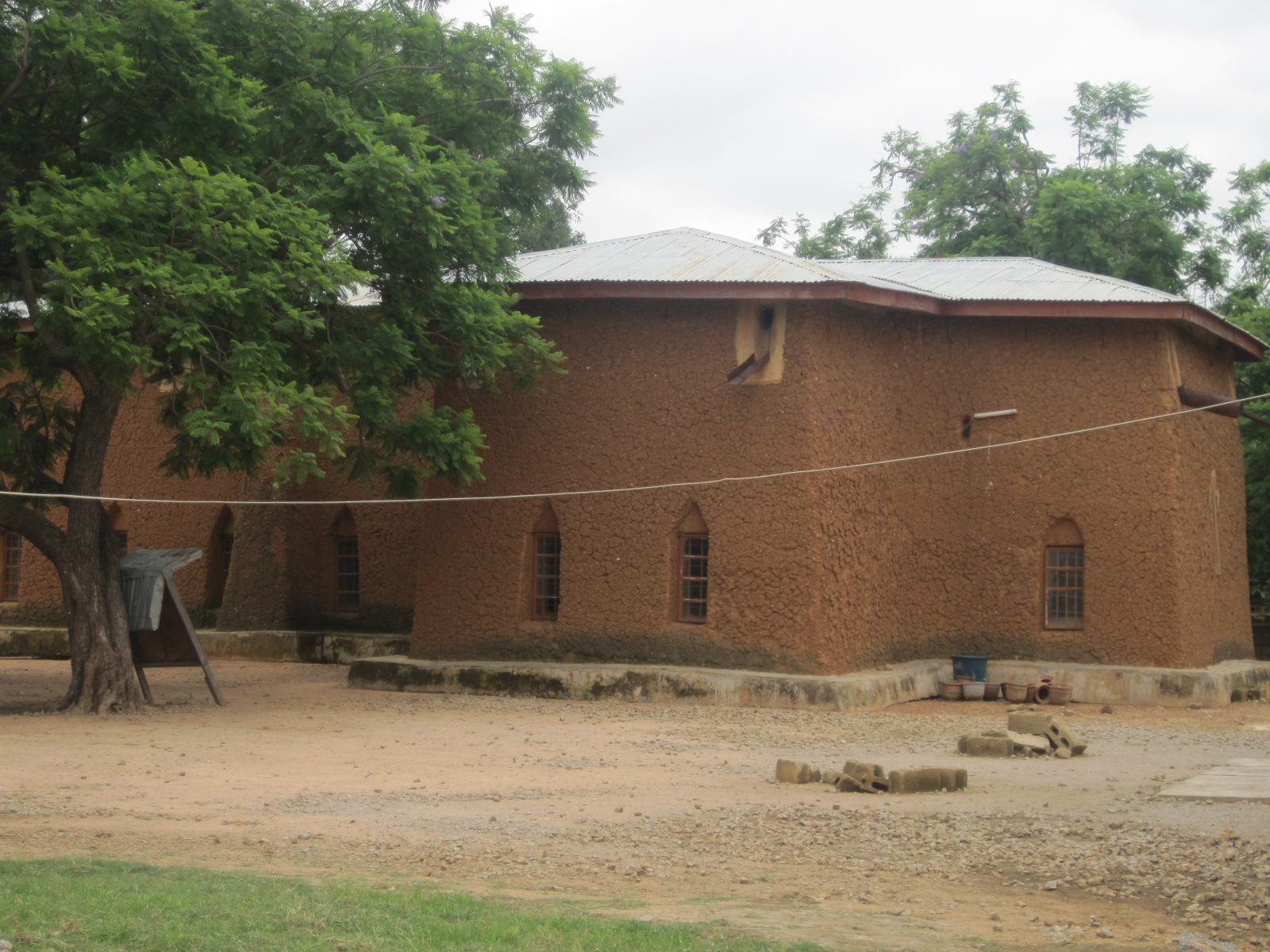
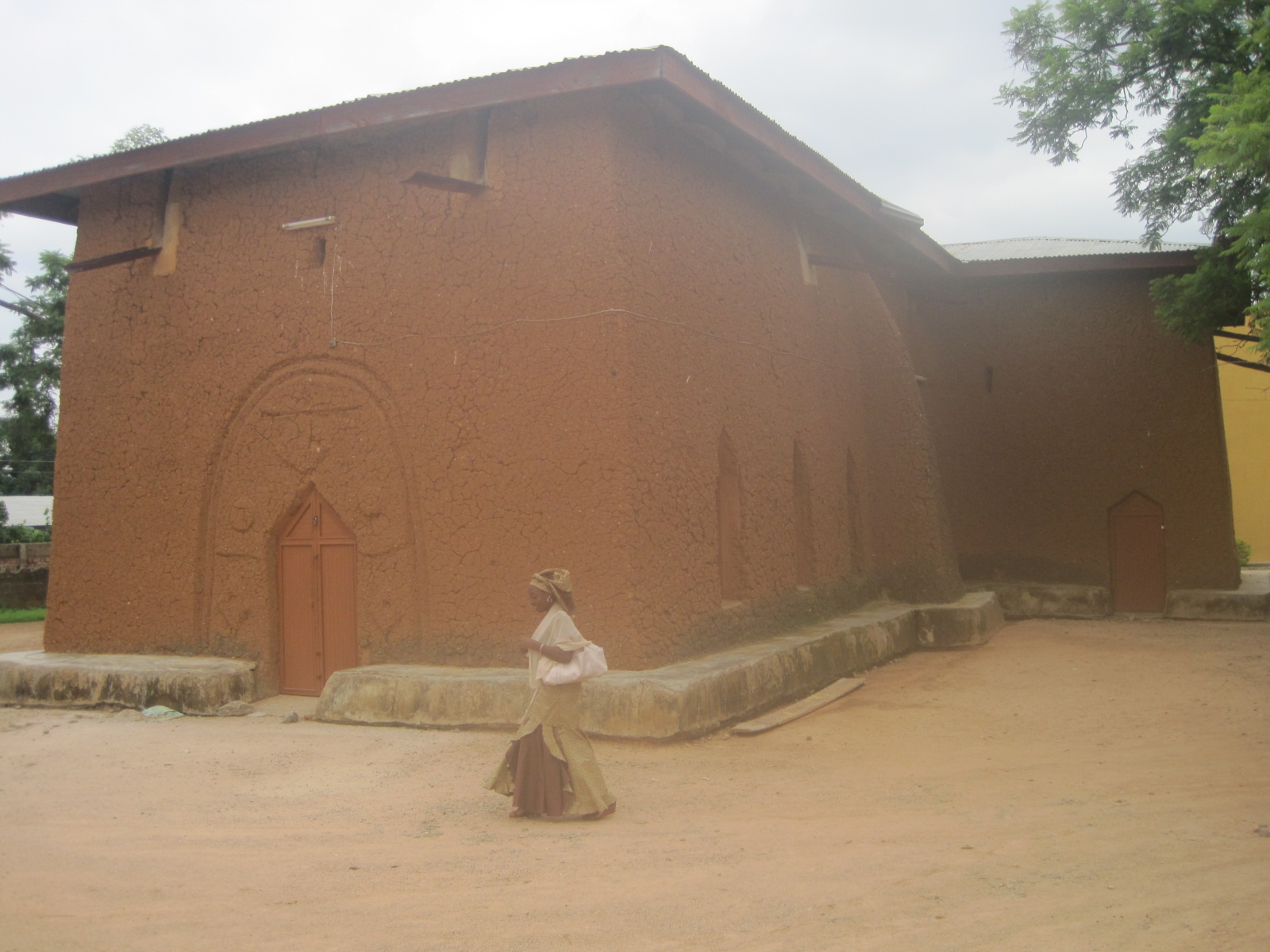
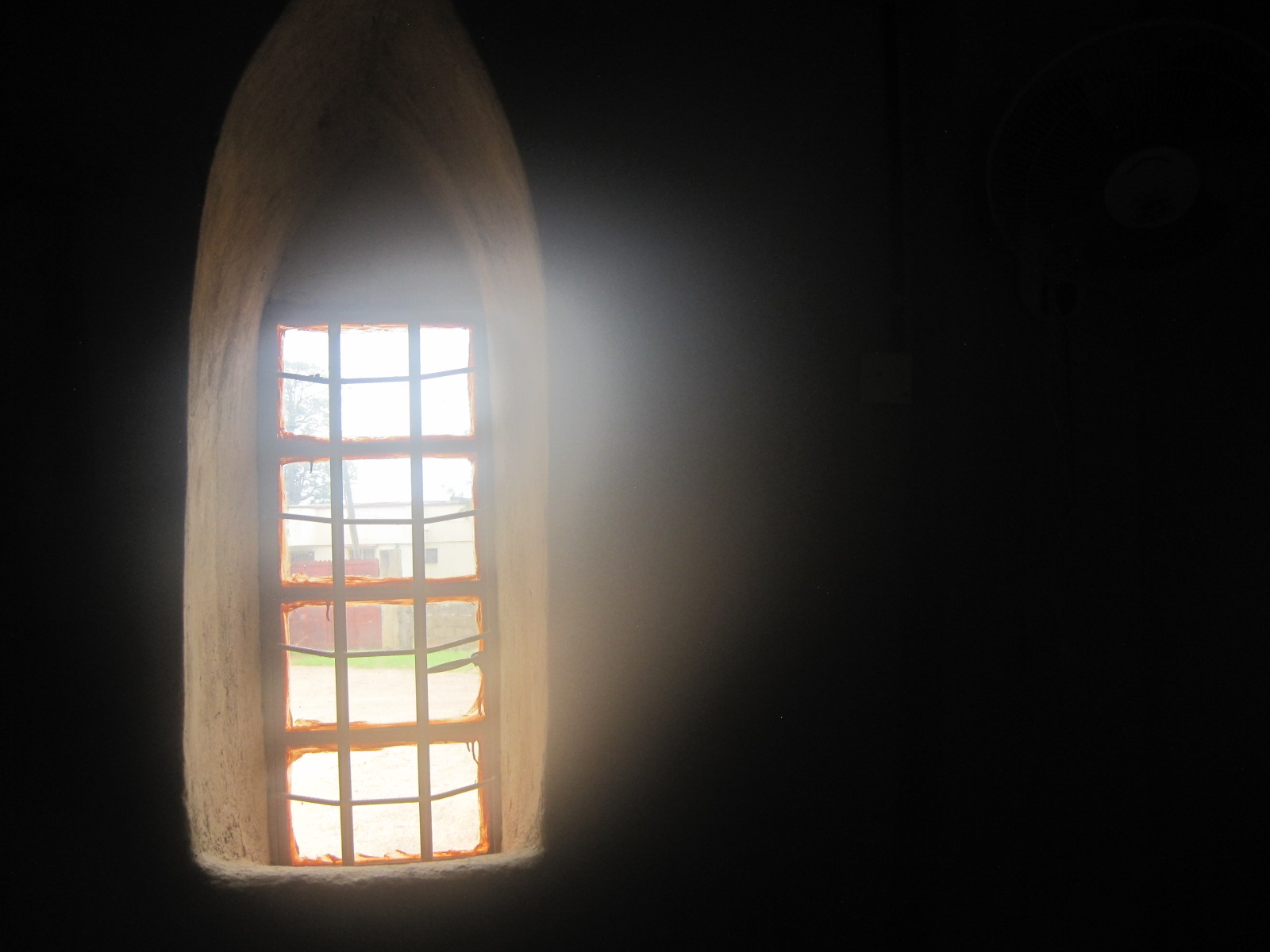
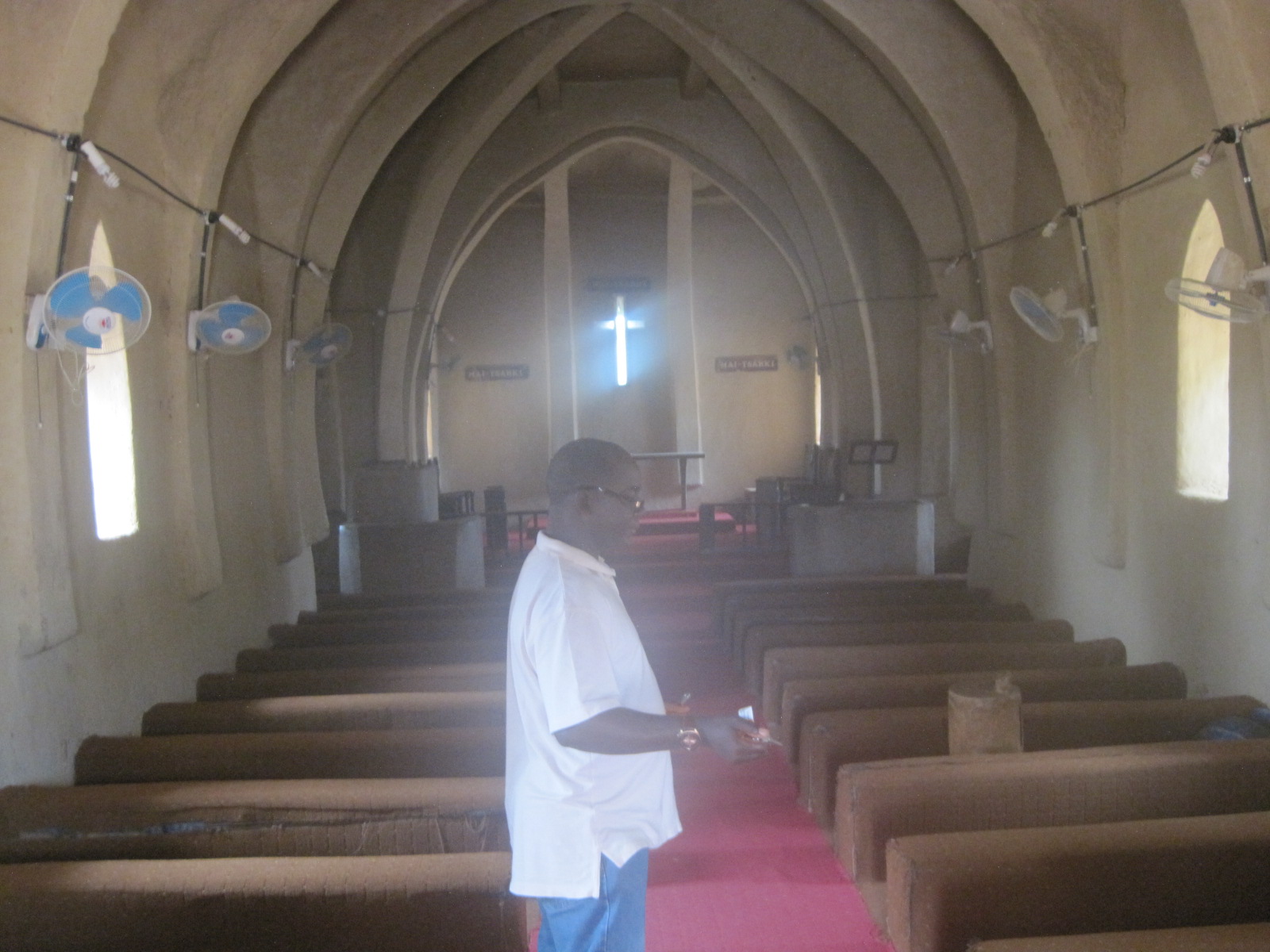
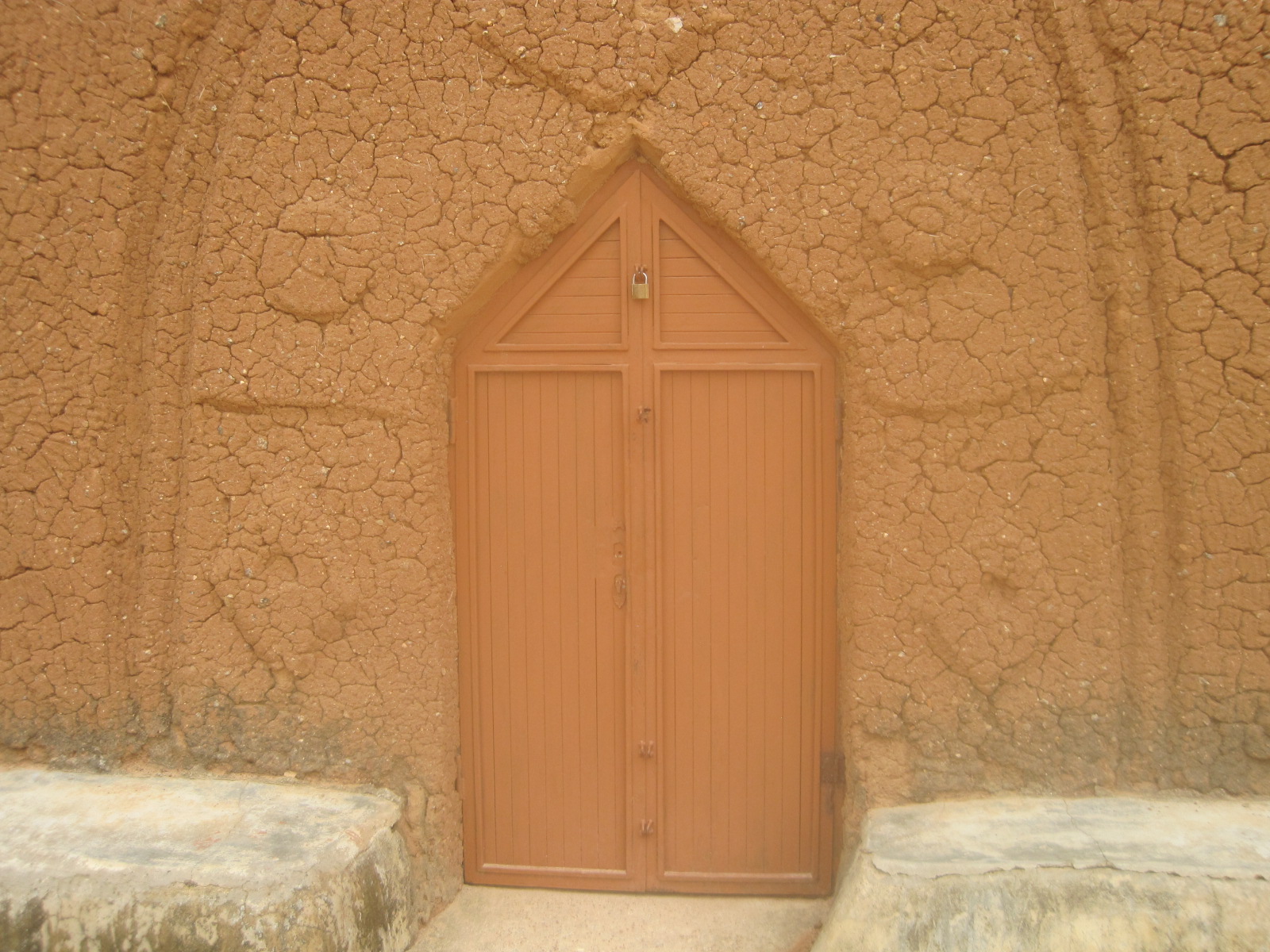
This set of pictures is that of the very first church in Northern Nigeria, according to sources, built by missionaries after they were evicted from the Islamic Zaria City in 1929 not just by the Emirate council, but by the British administrators who did not want to offend the indigenous Northern rulers and upset Indirect Rule.

Due to this policy, development in the region became forever stymied with Wusasa rather than Zaria producing the many firsts in indigenous breakthroughs in Northern Nigeria.  The first Northern Nigerian to qualify as a medical doctor (Dr. R.A.B Dikko), the first Nigerian pharmacist (Mallam S.M.Audu), pediatrician (Professor I.S. Audu), BSc in Economics (Amb John M. Garba), among very many impressive others were born, lived in, or educated in Wusasa. Even General Yakubu Gowon (the first Northern Nigerian Head of State) was raised in the city, and the tour guide showed us his father’s house right behind the Wusasa church.

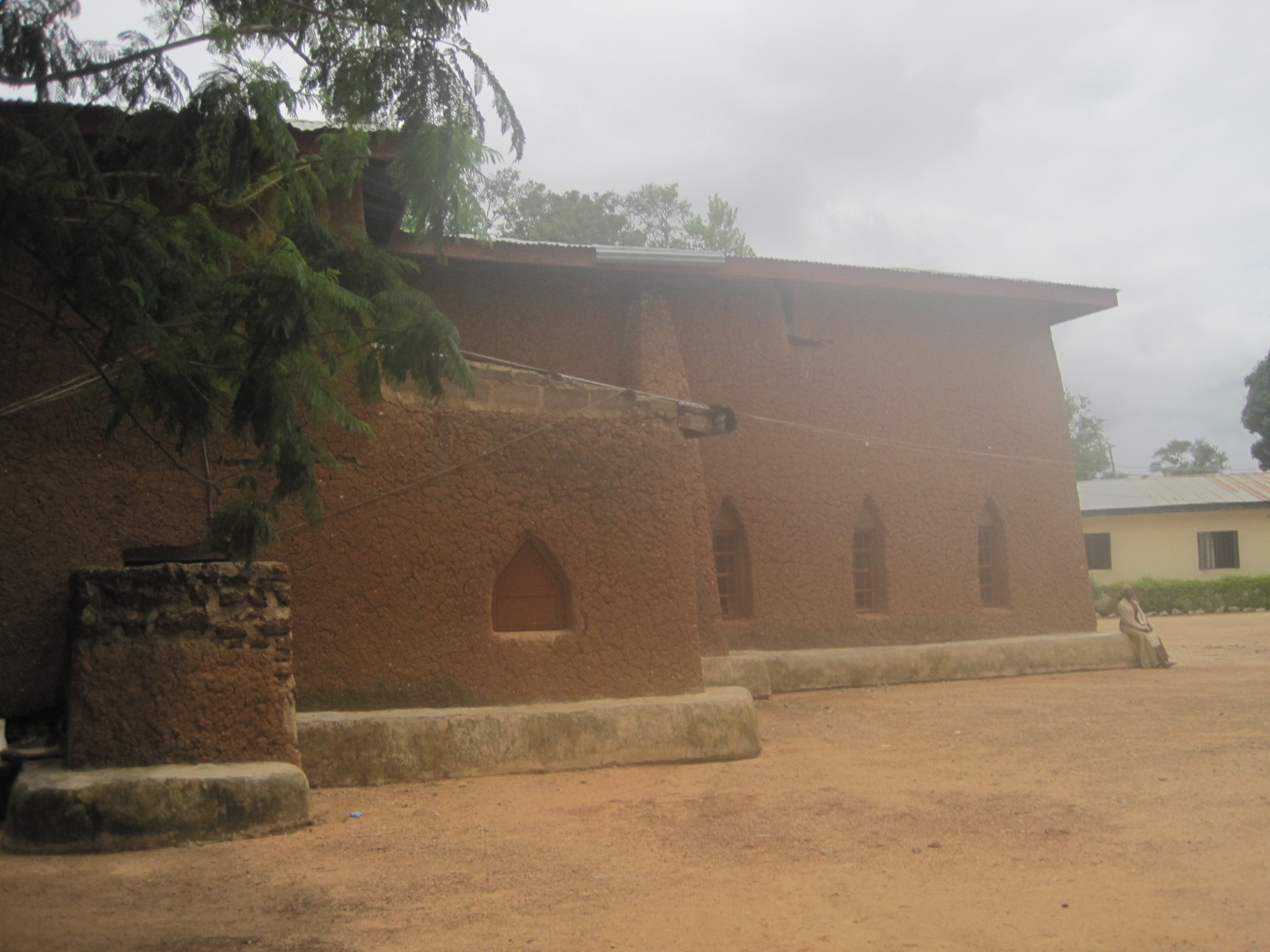
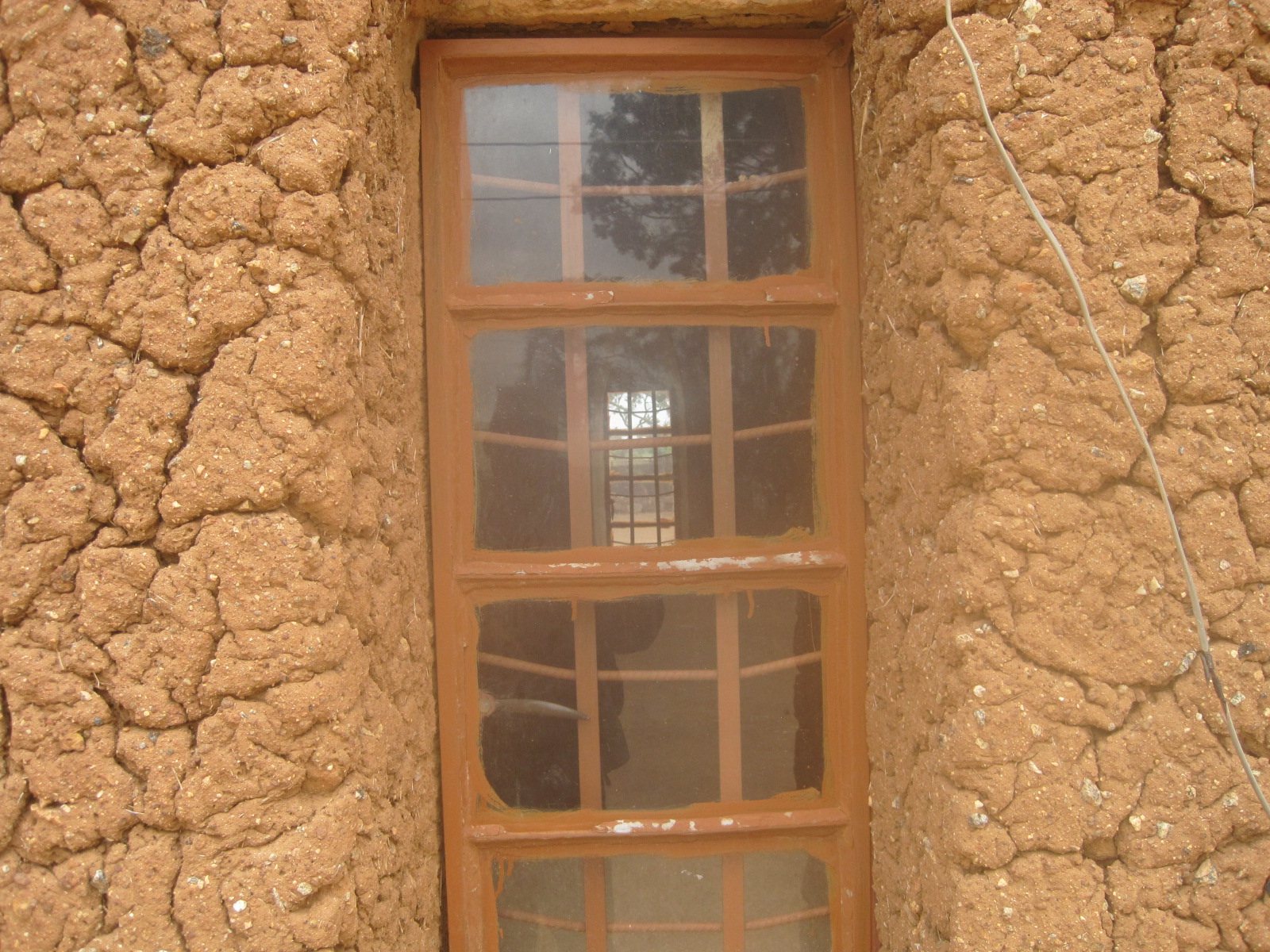
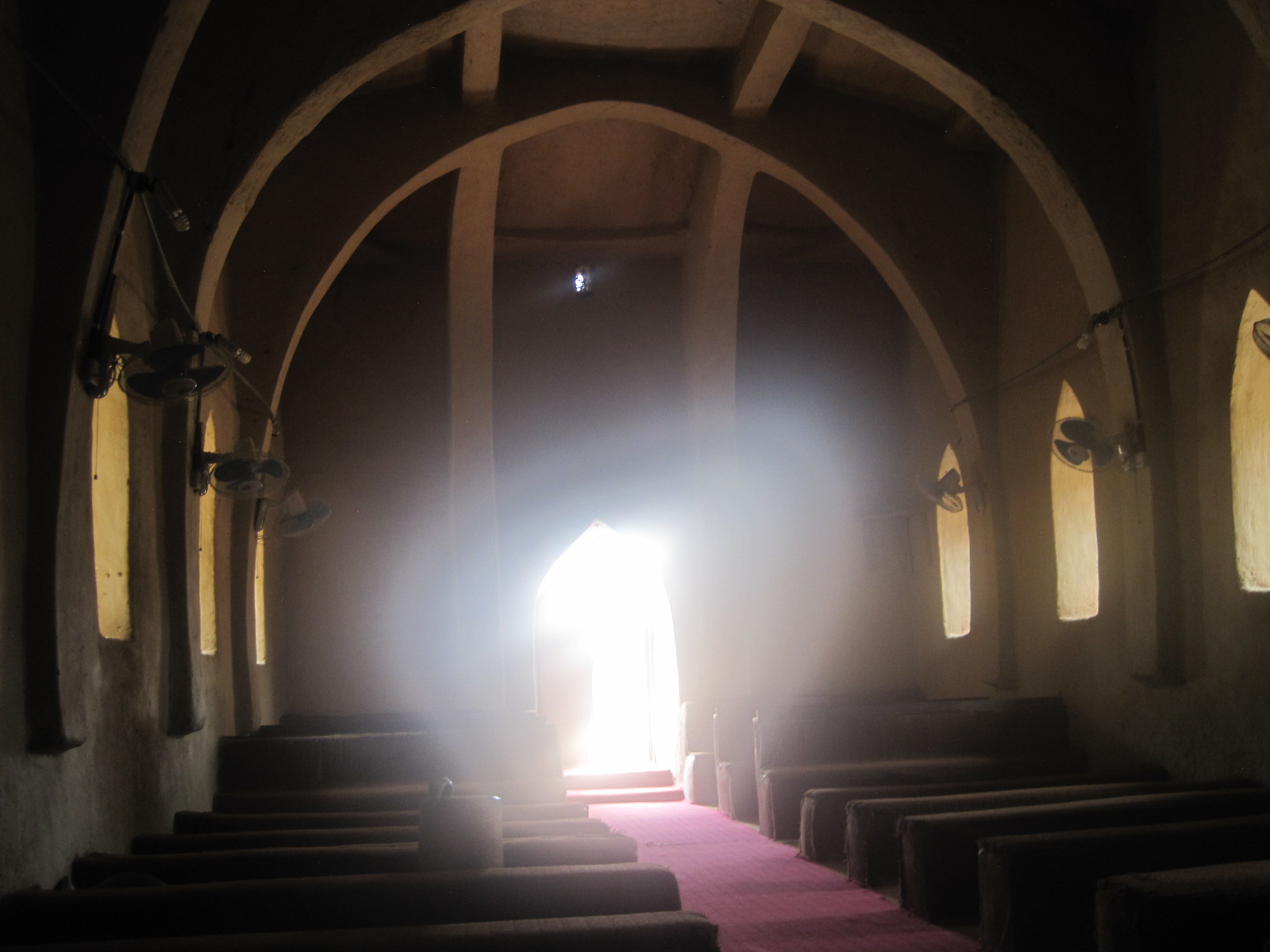
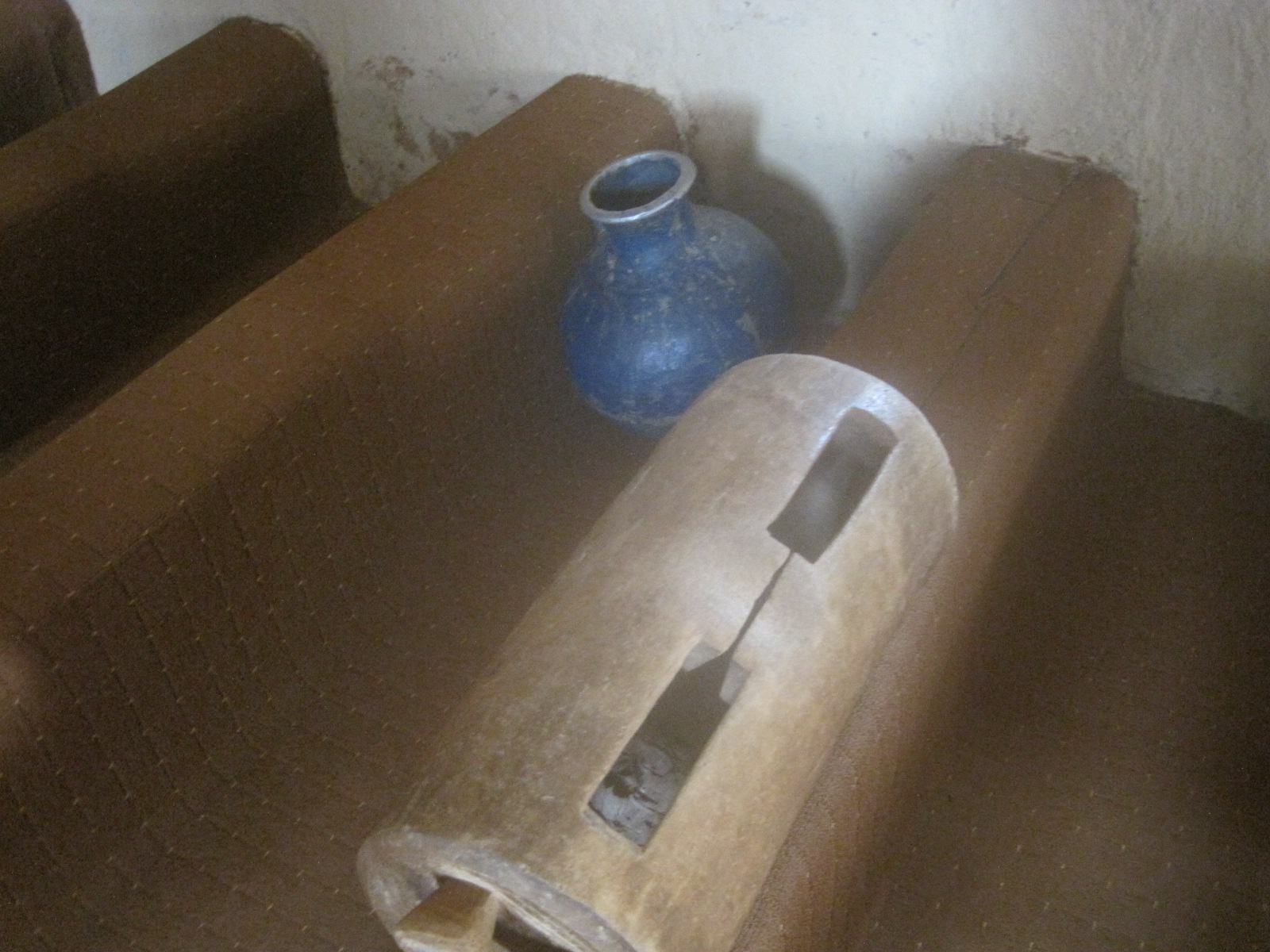
The church (St. Bartholomew’s) was built with local materials and by local architects. It has been attacked a number of times by Islamic extremists during the Northern Nigerian riots, and was even set on fire during those times. The mud materials of the building however withstood the assault, and even got stronger. Prince Charles of Britain, who had visited the church a few years ago, has reportedly been instrumental to its renovation. Now the church has a rug over all the concrete seats, and dozens of fans on its walls. But it retains much of its outward appearance as the oldest church building in Northern Nigeria, and an important one as well to the history and development of the region. Read more about it here.

Special thanks to Zainab Shelley who took me there, and a pastor of the church who gave us a detailed and guided tour on arrival.

At the Cathedral Basilica (ii)

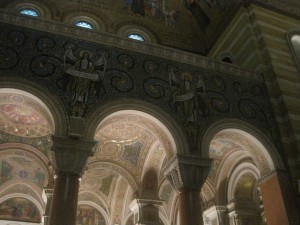
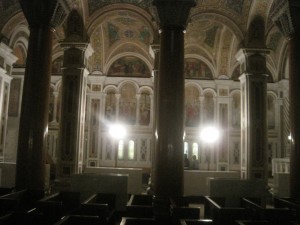
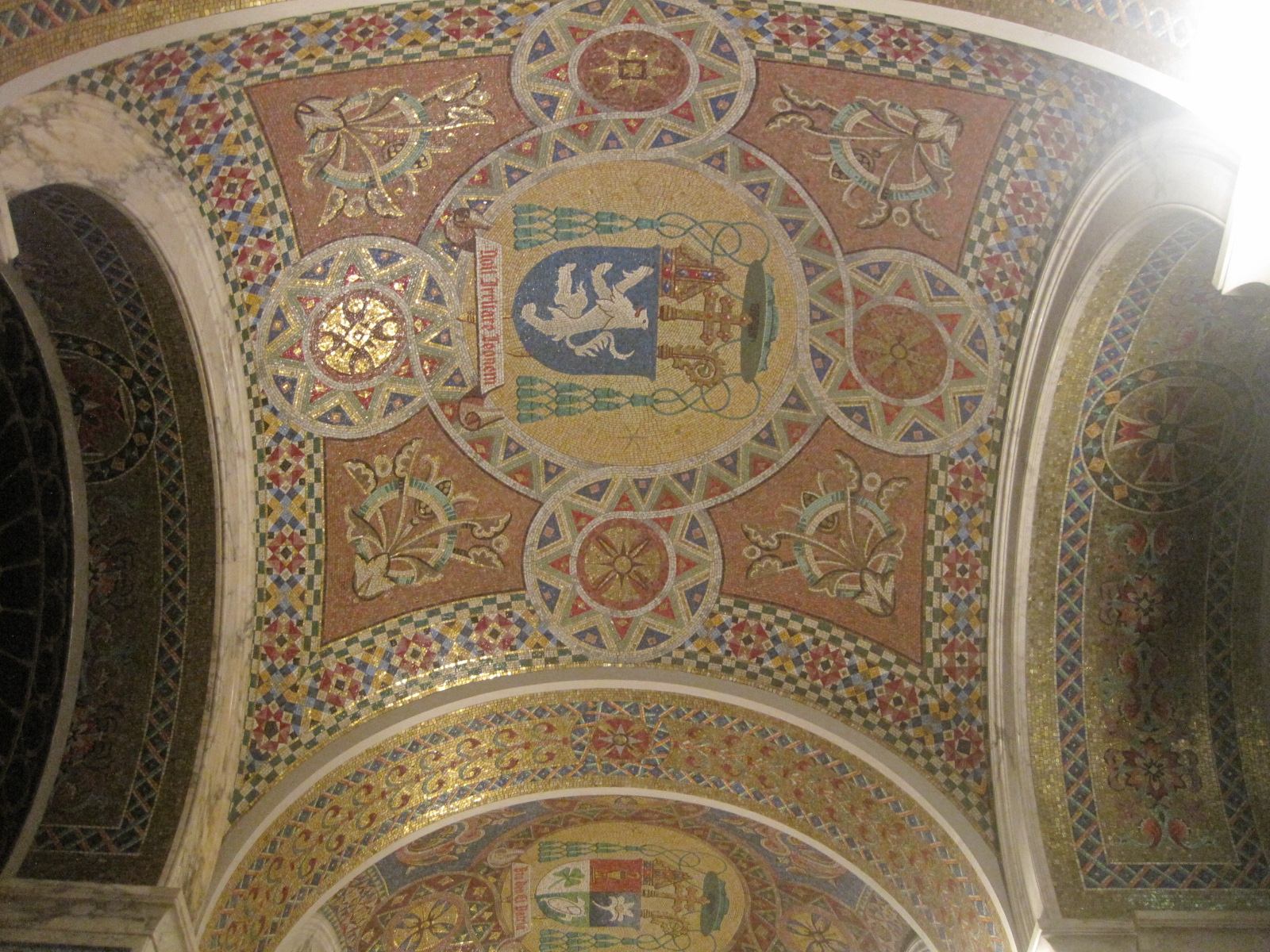
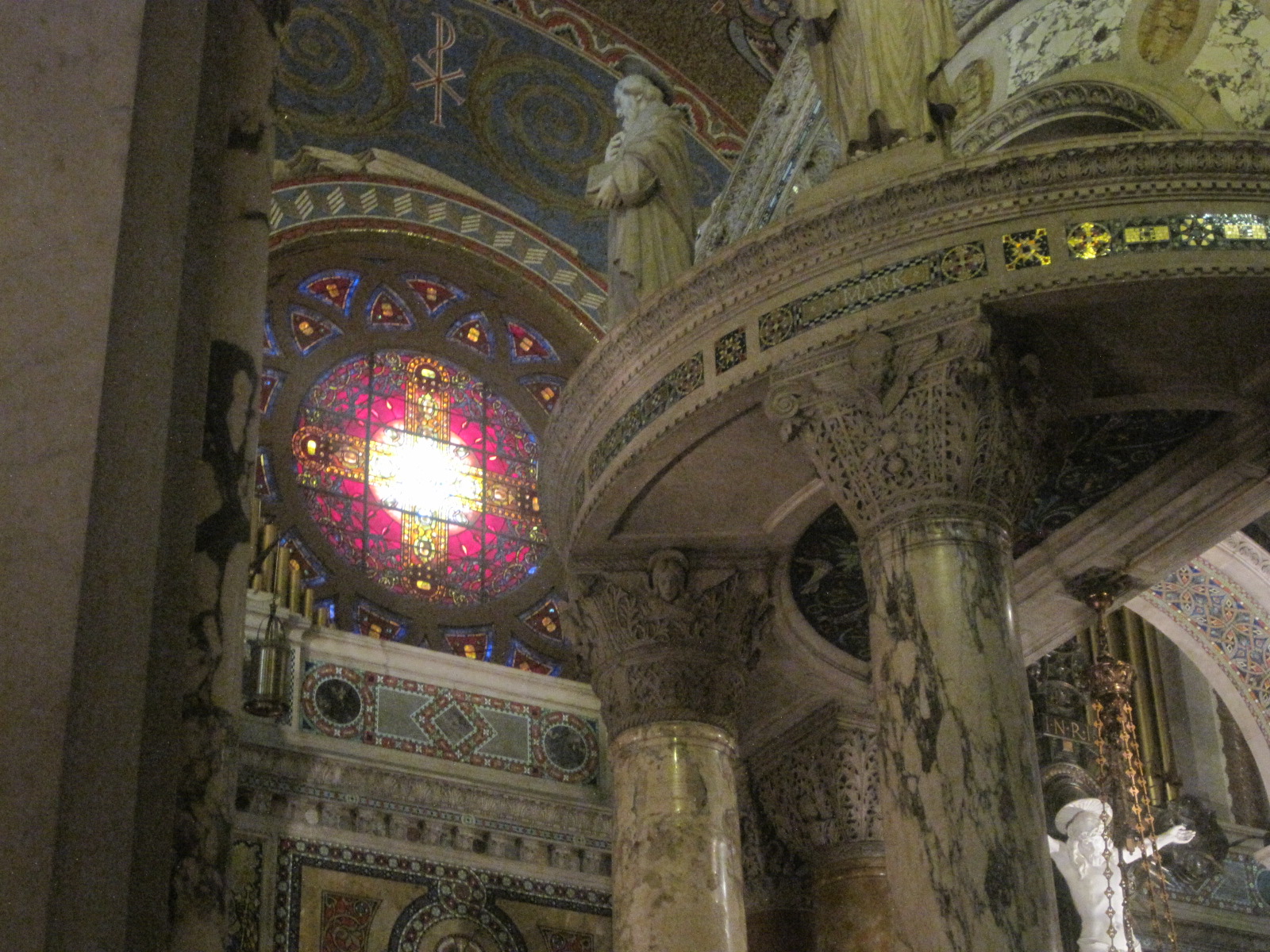
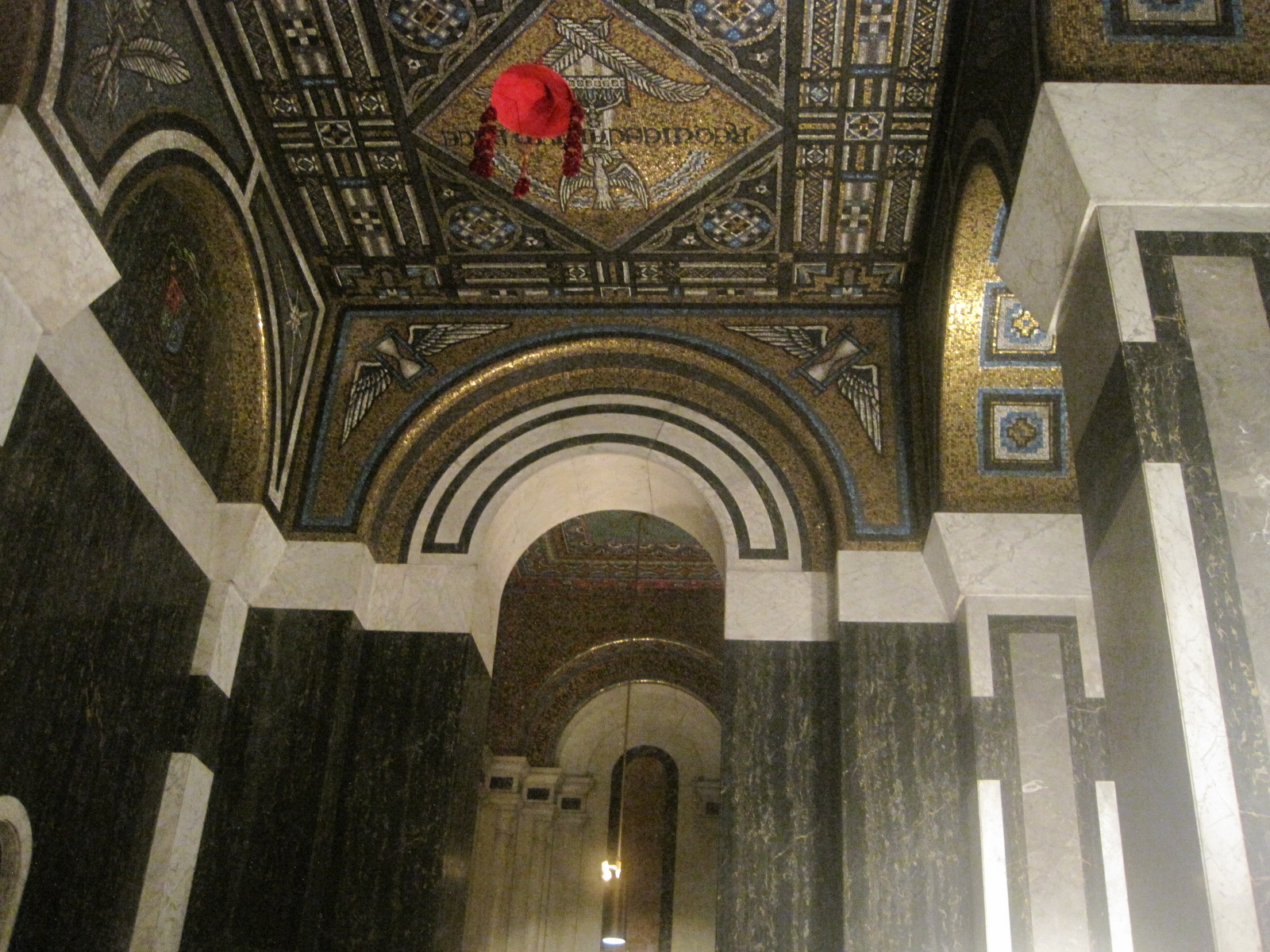
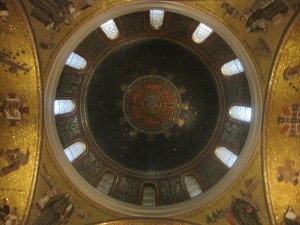
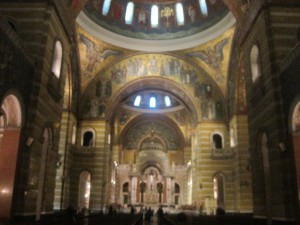
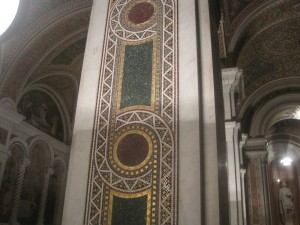
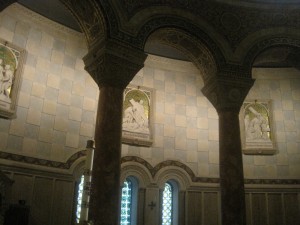
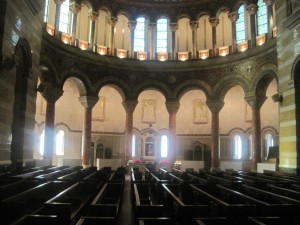
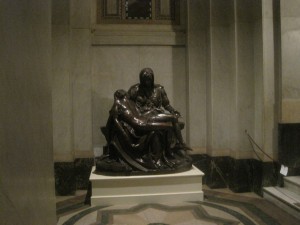
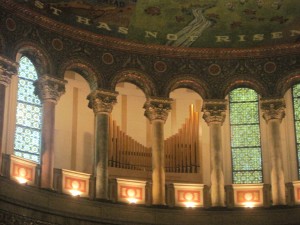
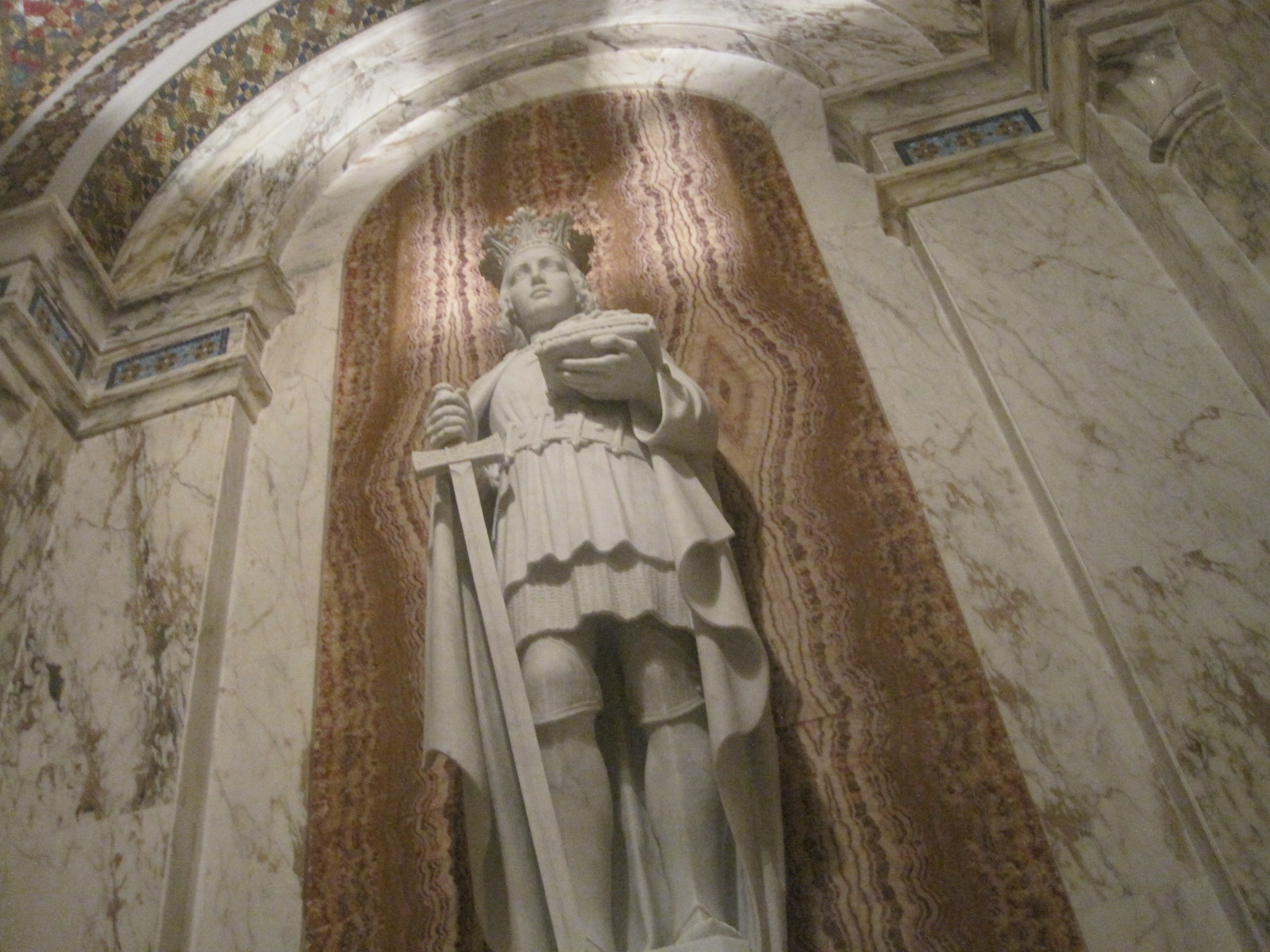
More pictures from the St. Louis Cathedral Basilica.

At the Cathedral Basilica

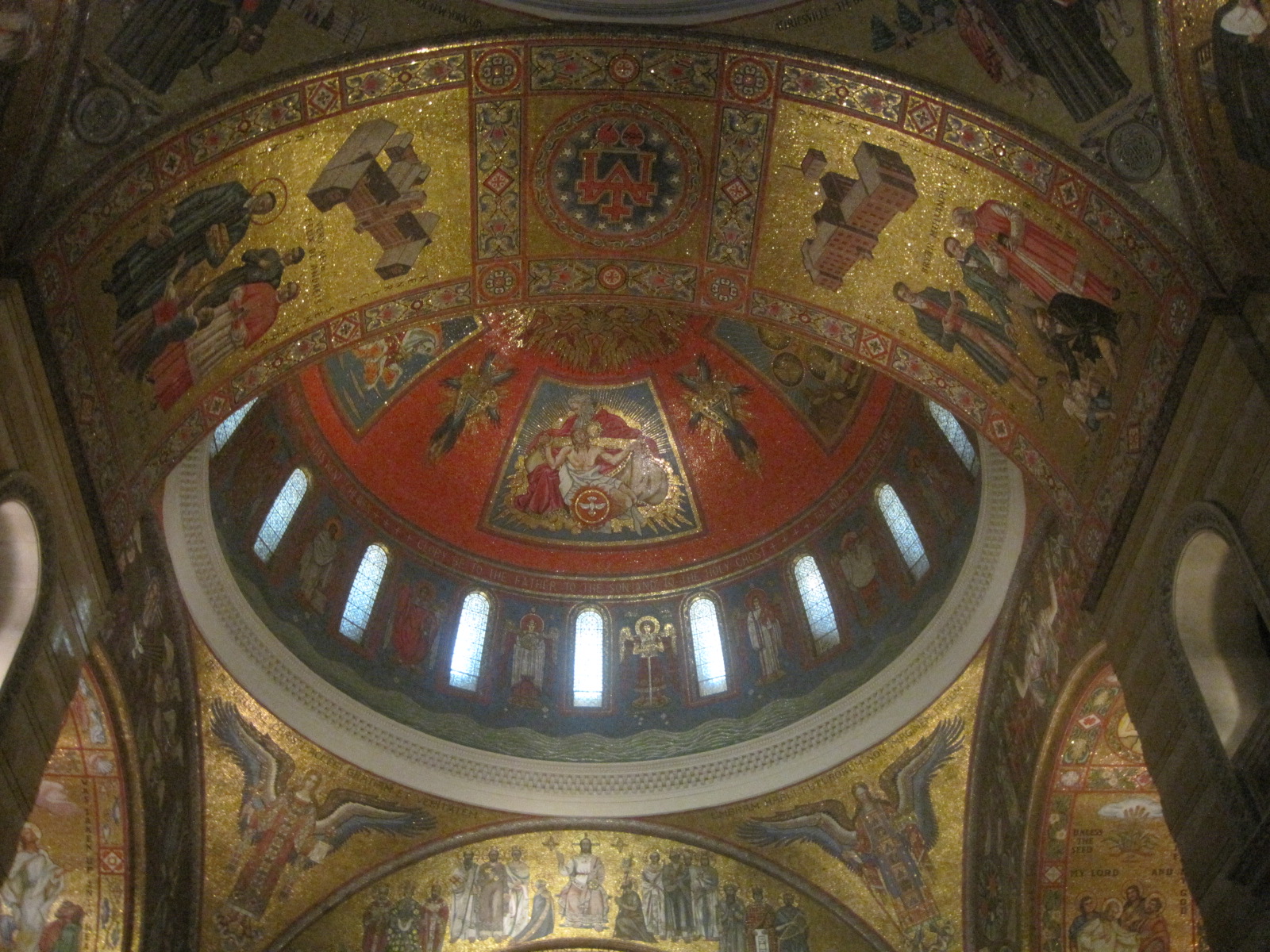
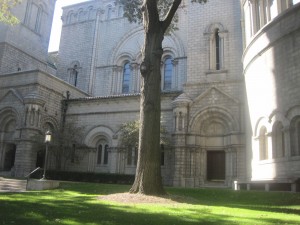
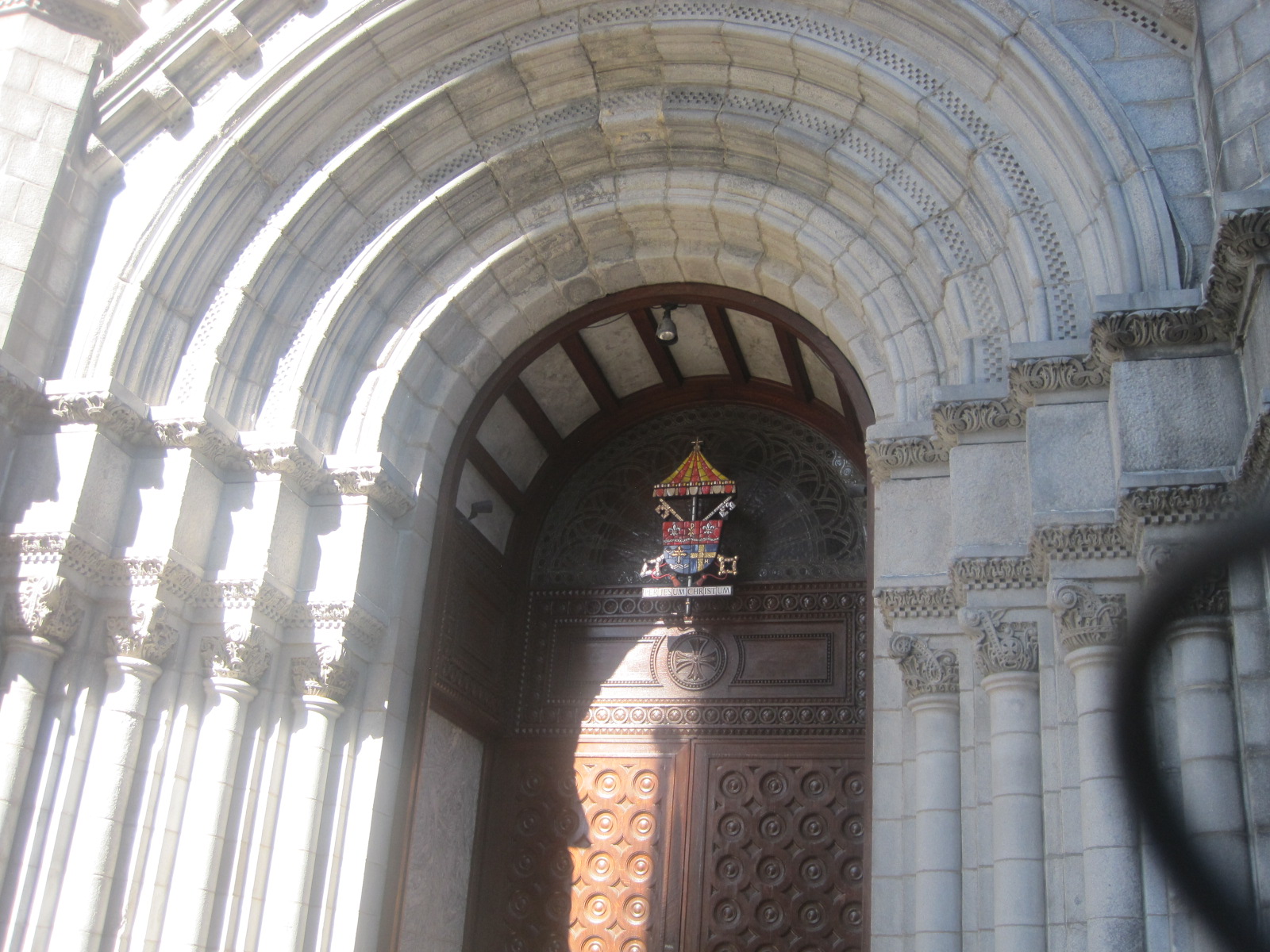
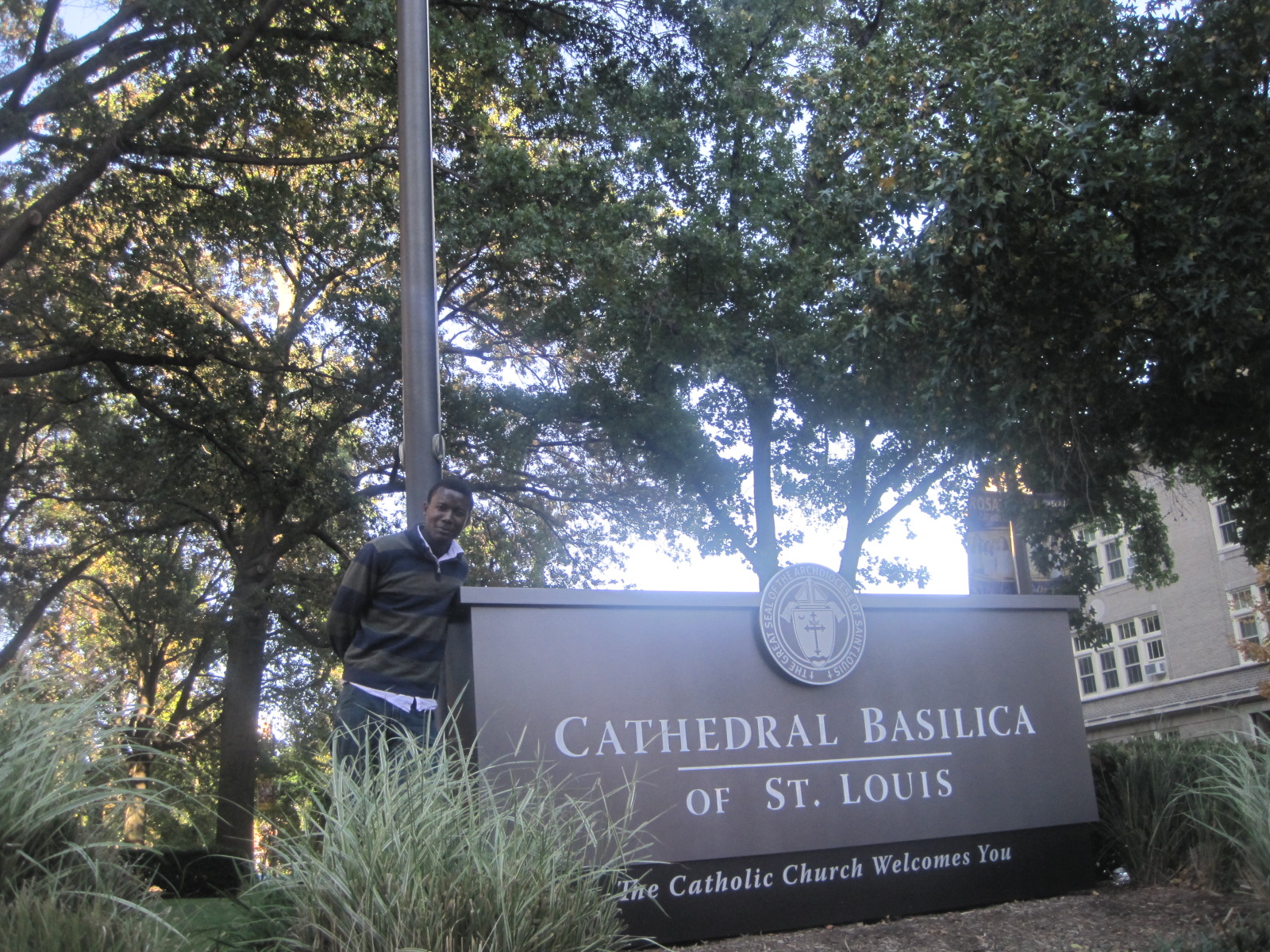
Pictures taken from an inside tour of the St. Louis Cathedral Basilica in St. Louis only a few hours ago. The visit was impressive, the tour guide was nice, knowledgeable and warm. She’s a retired chemist.

The mosaics on the walls and ceilings of the building were nothing short of spectacular, telling stories of the church’s history as well as some key aspects of Christianity as well. There are no painting in the building. None at all. All the drawings on the ceiling and the walls were mosaics all handmade from glass and gold sheets. The St. Louis Cathedral Basilica holds one of the world’s largest collection of mosaic drawings, with over 41 and a half million tiles used for the drawings since the building was completed in 1914. The mosaic drawing was “finished in 1988, uses about 7,000 colors, and covers about 83,000 square feet.” (wiki)

It was only incidental that on this same day, I have got to visit a mosque, and also a synagogue in St. Louis (even participating in a Shabbat service, along with moving songs and readings). More on this later. The experience was worth the journey it took to get there.