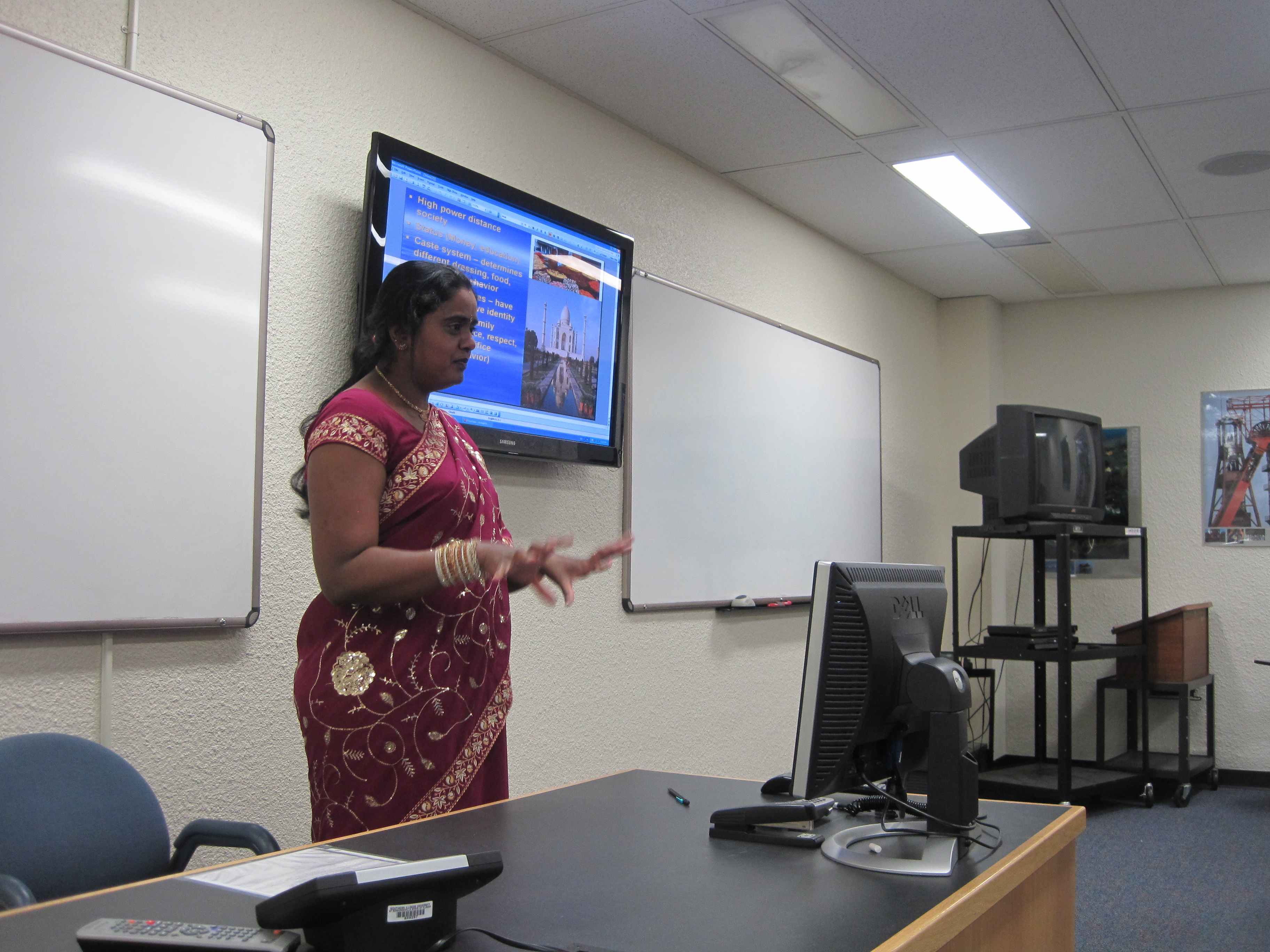
Here’s a guest post by a friend and colleague Catherine Xavier. In this write-up, she talks about the less talked-about “third gender” in India – a class of people maltreated and discriminated against on the basis of their sexual orientation. Read it up to see why they do not fall into the class of homosexuals or lesbians or transgenders, but a different category of men raised or conditioned from birth to behave like women. There is a Youtube video interview with one of them here, for anyone interested in further information on the matter.
_______________________________
The India society is patriarchal to the core – simply stated, men rule the roost. The society in general seems to have resigned to this, while women have been forced to reconcile to be the ‘fairer sex’. However, we are a society that worships women. Our goddesses of strength, wisdom, love, and power, are all personified as women. I cannot understand that irony here; India has one of the highest rates of female infanticide and dowry-deaths, while the society and the government claim to vigorously promote the girl-child and women’s emancipation. How can a society that boasts of a rich, ancient, and varied culture simultaneously glorify and dehumanize women – how can mythical womanhood be celebrated and worshiped in the form of a goddess at the temple, while helpless women are subject to eve-teasing, torture, abuse, discrimination, and unspeakable indignity. I was taught as a young girl that there is greater modesty in ignoring the lewd comments from your male counterparts, as it saves a woman a lot of shame and disgrace – yes, the same society that celebrates week-long festivities in honor of women deities, while sublimely accepting its men resorting to eve-teasing, ogling, and trying to grab women’s breasts in crowded public places.
I could write a lot about the Indian mentality of gender discrimination and the stifling of individual feminine freedom. However, I choose to focus on that part of Indian sexuality and gender that is not broached by most Bollywood movies or Indian novels (You can find this on the BBC though). The simple truth is that the Indian society recognizes only two types of genders – male and female. We prefer to be oblivious to the third gender classification: the hijras or eunuchs.
 Hijras are physiological males with feminine instincts. They adopt feminine identities and don feminine attires. The Indian society describes the hijras as ‘neither men nor women’ thereby, making them the most ostracized section of our society. Young boys with feminine instincts are a shame to their family and to the society. Most times, the family is not supportive because they fear social boycott; they abandon these young men who are forced to live with people like them, thought they are not their kith and kin. I doubt if our society recognizes the trauma that the family and the young man go through in this entire ordeal of family bonding, wanting to belong, social belonging, and social abandonment. Most times, the hijras are castrated and they earn a living by working as sex slaves, and by performing dances at the weddings and birth ceremonies of the so-called cream of our society.
 It is so strange that though the hijras have a recorded history of living in groups in India since the 17 century, the Indian constitution does not guarantee them any rights – it does not even provide validity to the marriage of hijras. Ironically, the Hindu religious texts in India have several references to them since ancient times; while our society has never accorded them any respect. I am sure that in the US, there is greater privacy, legal protection, and respect for human dignity of the parents and the young man involved. In India they are a joke, everyone laughs at them, pokes fun at them, and metes out violence and abuse to them – worse still, Bollywood portrays them as comic relief. They are no special schools for them, and regular boys/girls schools do not admit hijras – hence 95-96% of hijras are uneducated; carrying with them all the evils of illiteracy – who is to blame???
I just discovered today in a conversation with a friend that the Hijras are becoming a more and more organized community in India –the faint sign of conviction of their part and an utter failure of social justice on the part of the Indian society. I was happy to hear that hijras celebrate communal fellowship and festivities every year at a temple in Villupuram district of Tamilnadu in India, and this festivity encompasses their marriage to a god ( because mortals are far too superior for the hijras, I guess), and to discuss their hijra rights. I would be very curious to see how they react – a caste of India that has endured the most unspeakable indignity and shame – they sure have a right to the heights of indignation towards a society that simply fails to acknowledge and respect human dignity. I wish a goddess could appear overnight to shed wisdom on the males and females of our society, while soothing the scars of abuse and shame endured by the hijras in India.
_______________________________