Not personally (though that would have been nice).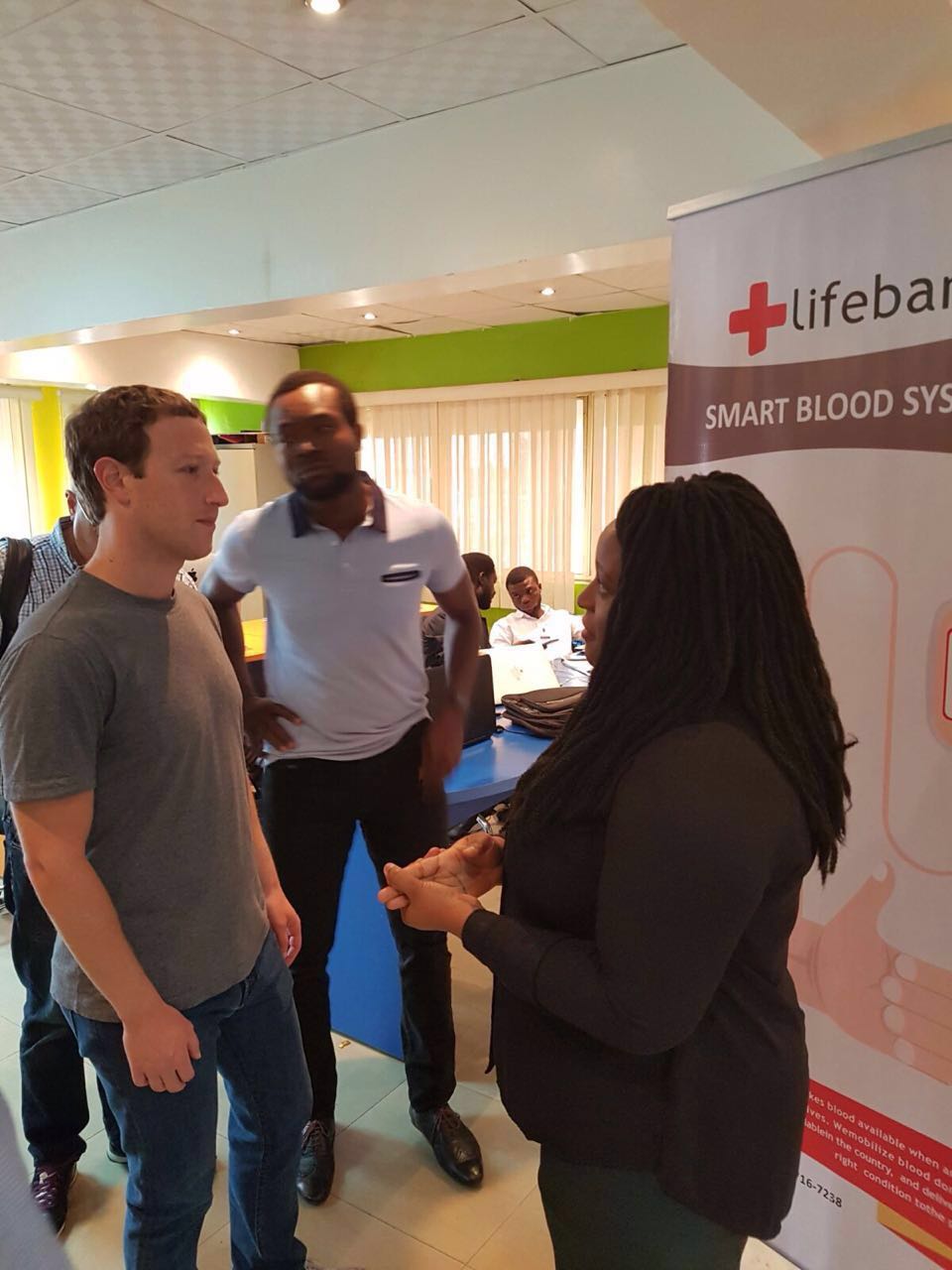
The CEO of Facebook dropped by Lagos, Nigeria yesterday – his first visit to the continent – to visit with the tech community and see for himself what they’re (we’re) doing. He also stopped by places where his foundation has invested millions of dollars, e.g. Andela. Read more here on QZ.
What I’m most pleased by, though (along with the usual delight at his interest in the growing tech space in Nigeria where a number of amazing things are happening every day by young people working very hard with very little) is the fact that he met Temie Giwa whom I’ve talked about on this site countless times – she’s someone whose company LifeBank is doing a lot of good things in the technology space, using a mobile app to connect hospitals and patients to sources of clean and affordable blood supply at record time, thus saving hundreds of lives around Lagos.
What she’s doing hasn’t happened in Nigeria before. Hospitals usually had to physically go around looking for matching blood, usually during emergencies. This has led to many problems, failed matches, and dying patients. The intervention of LifeBank comes to provide not only matching blood types with patients who need it, but also delivering said blood (which has been tested by the lab and by the state government) in record time, and in good condition, to the hospital 24/7. This is poised to change the way healthcare delivery happens in Africa’s most populous country.
Temie talks about the meeting here.
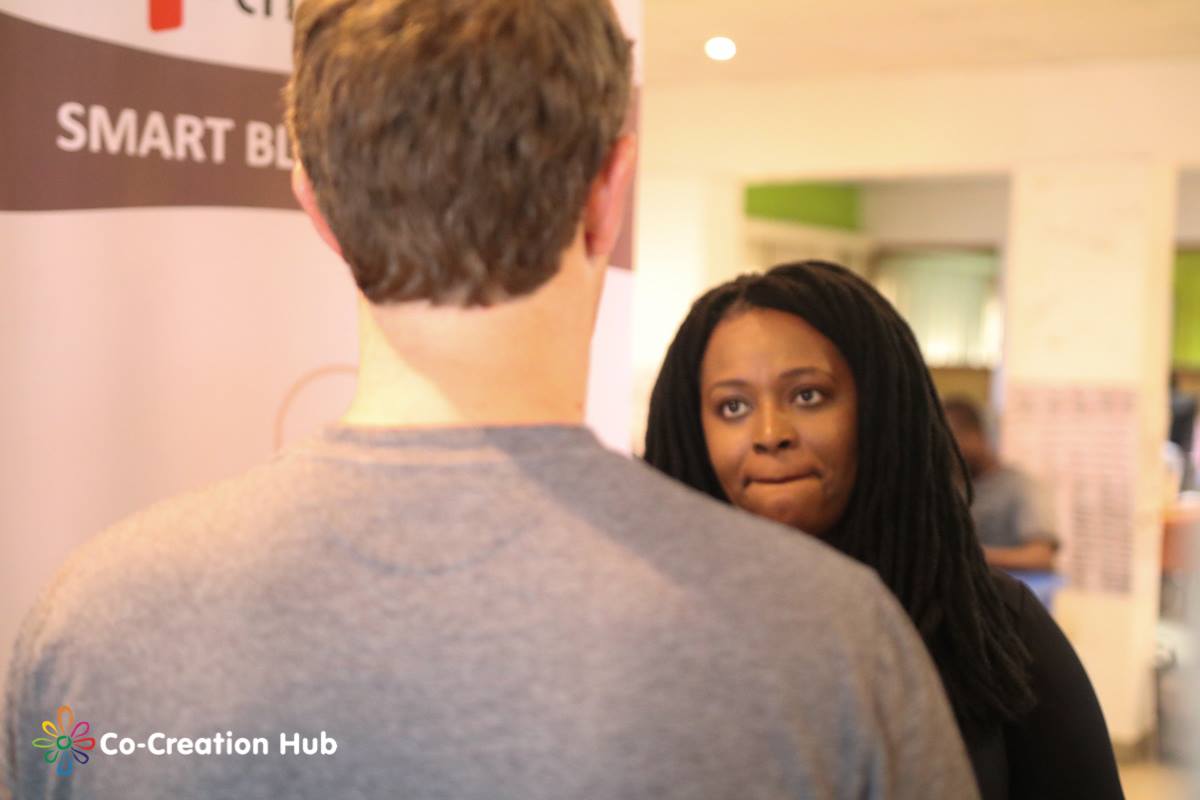 Getting investment from a person of Zuckerberg’s stature in such a startup will be revolutionary for the speed and expansion of LifeBank’s work – and I hope that he considers doing that. Getting it from anyone actually will. The possibility of such eventuality has now hopefully risen with such a public validation, and that’s delightful news. Also delightful is the reality of a dawning future in which technology is being adapted to different field in order to deliver outstanding results. This is the future. Nigeria, now officially in a recession, is certainly in need of such not-so-divine intervention.
This is what Mark has to say about LifeBank (around the 8.30 minute mark in this video):
“If everyone had the opportunity to build something like this, then the world would be a better place… I’ve been to a lot of different cities… people around the world are trying to build stuff like that. If she actually pulls it off, then she’d show a model that will impact not just Lagos, not just Nigeria, but countries all around the world.”
During his live town hall meeting referenced above with developers and entrepreneurs, Mr. Zuckerberg referenced a quote which he said guides much of his work: “The best way to predict the future is to build it.” From the amount of great changes now taking place around the country and around the world fueled by the power of imagination and the tools of technology, it’s hard not to wholeheartedly agree.
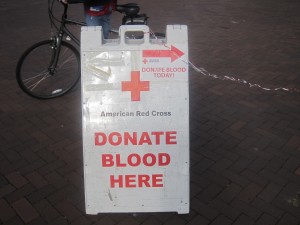
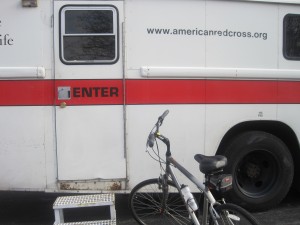 As soon as we passed by the Red Cross blood donation point at the SIUe quadrangle today, Chris and I, and managed to steer our conversation to donation of blood, I knew that I had come to another ktravula moment in the life of this journey. You see, I am conscious of all the dimensions of my Nigerianness, and about a year ago, just after I published my short story
  There was a sign-in sheet on the table. It had the name of those who are on the waiting list. On the examination table is a young woman whose blood was being taken. She had a pump in her right hand.
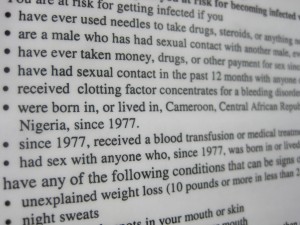 And read I did, carefully, until I got to where I am mentioned. Indeed, it’s written there in clear black ink of the excluded list. If you’re from Nigeria, If you have been to Nigeria, or had “sexual contact” with a Nigerian. Or if you have had malaria in the last three years, you CANNOT donate blood. I called her back and asked her why.