This piece was written after a fascinating experience with the Southern Illinois University Edwardsville’s Black Theatre Workshop, and published on March 6, 2010 in the now defunct 234Next Newspaper, and thus can no longer be found online. I’m reprinting it here for record purposes. The earlier blogpost about it can be found here.
_______________
A Long Time Coming
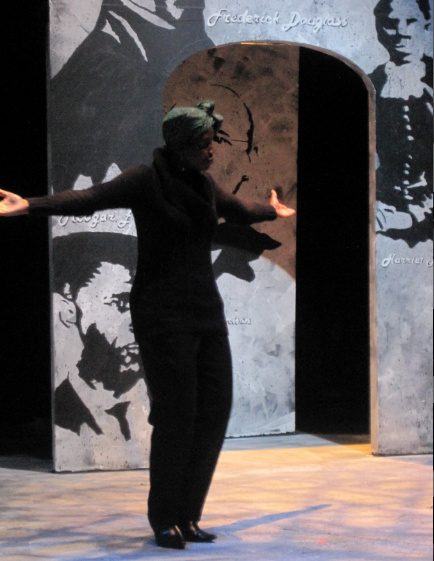 Theatre seems always justified by catharsis. There is nothing as innately fulfilling as the wonderful sense of exhilaration that comes from seeing a performance of moving art pieces on the live stage. There must be, I am not in doubt, something however close to this in the pleasure of penning said stage work or delivering said lines to an audience of colleagues, friends, visitors, acquaintances and other impressionable young men and women in a packed auditorium in a University campus theatre during Black History month.
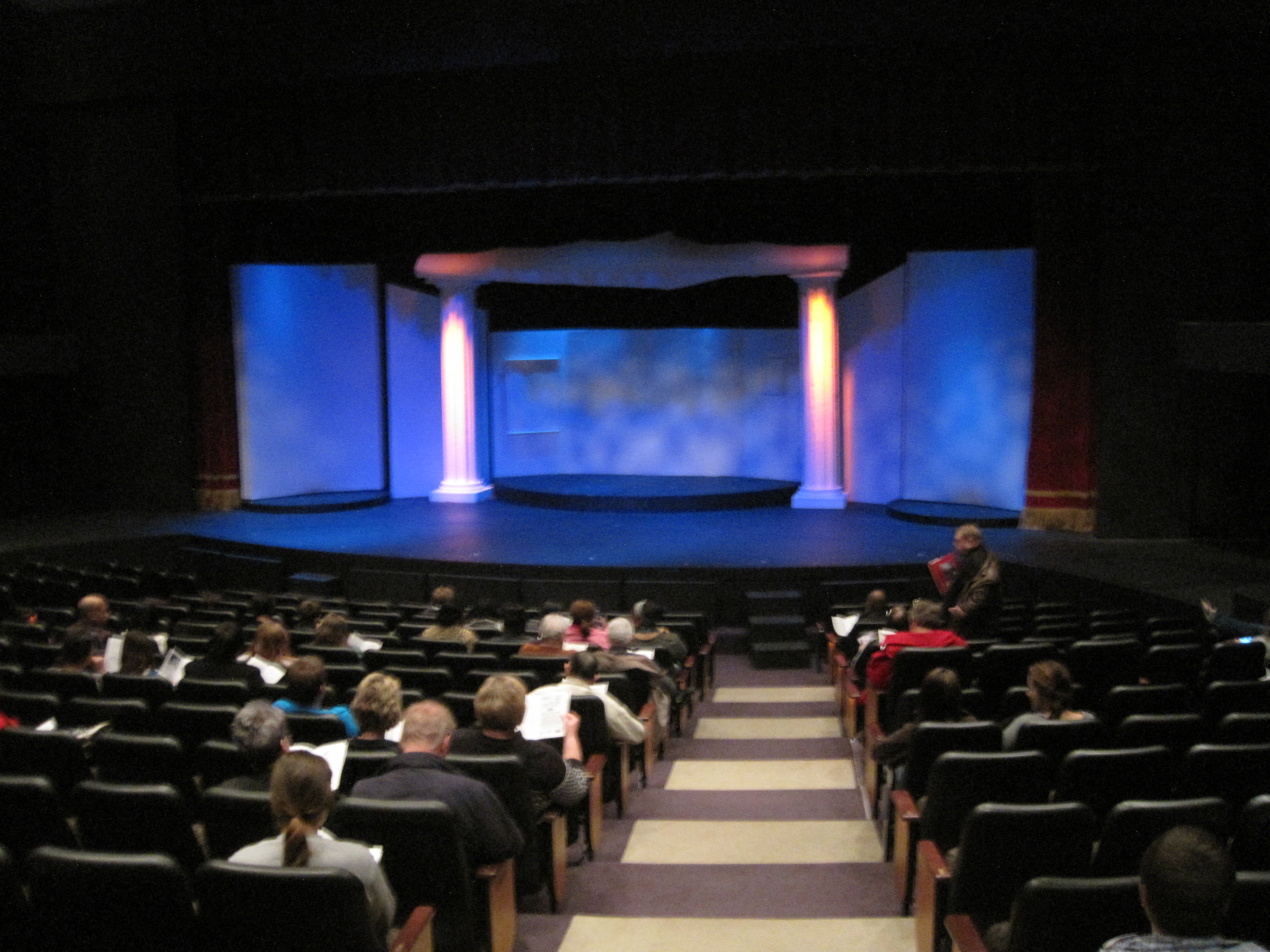
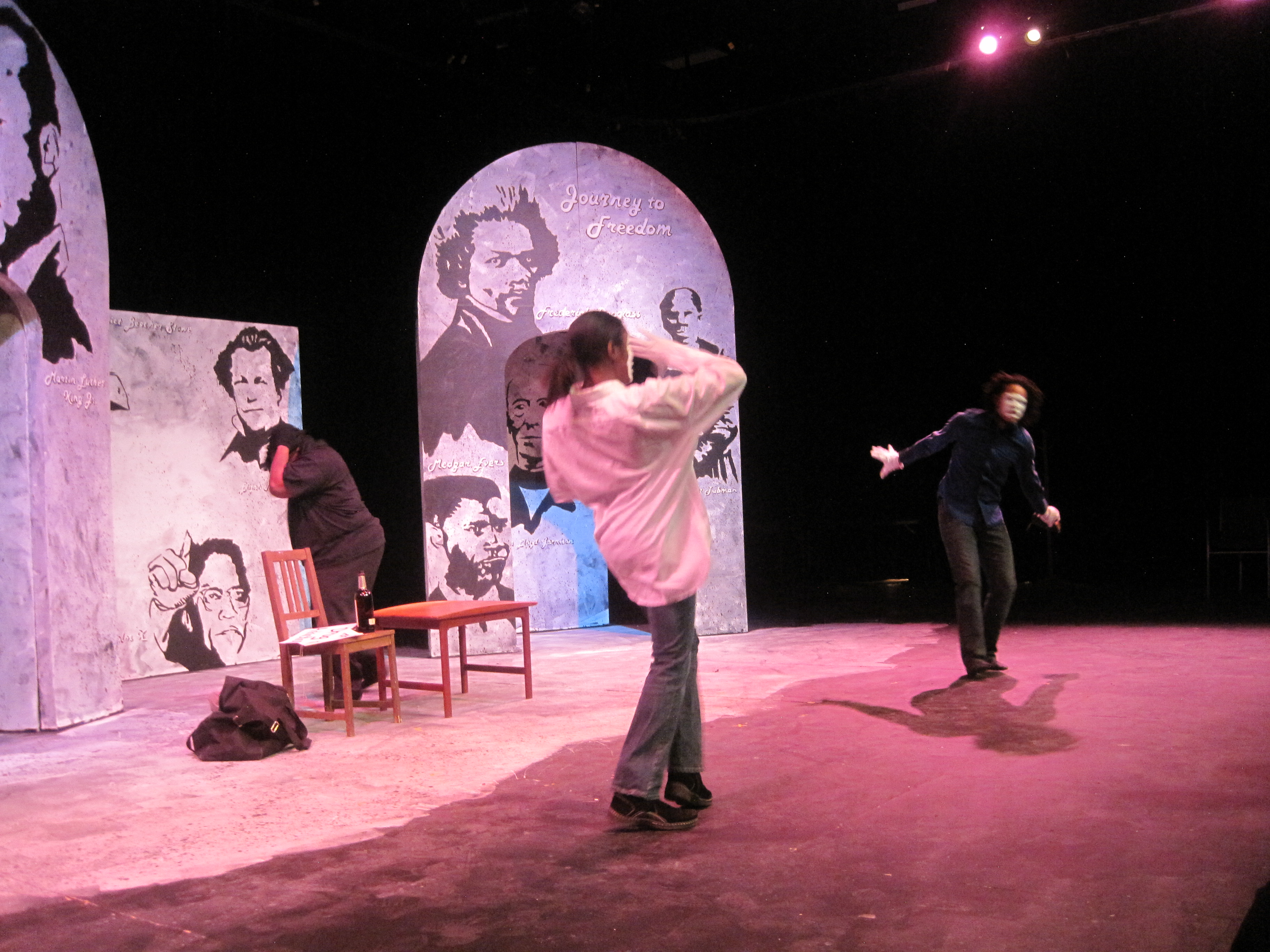
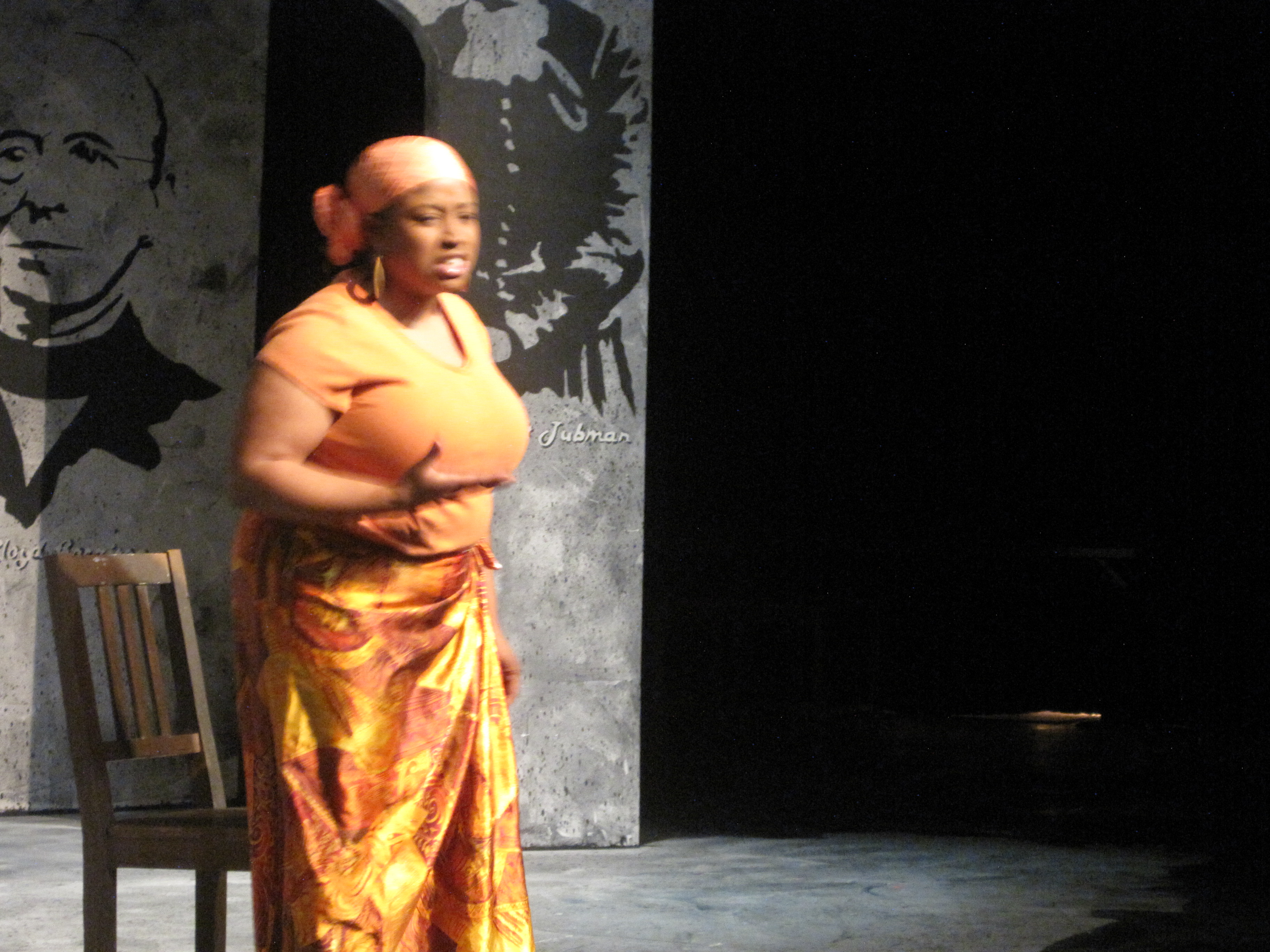
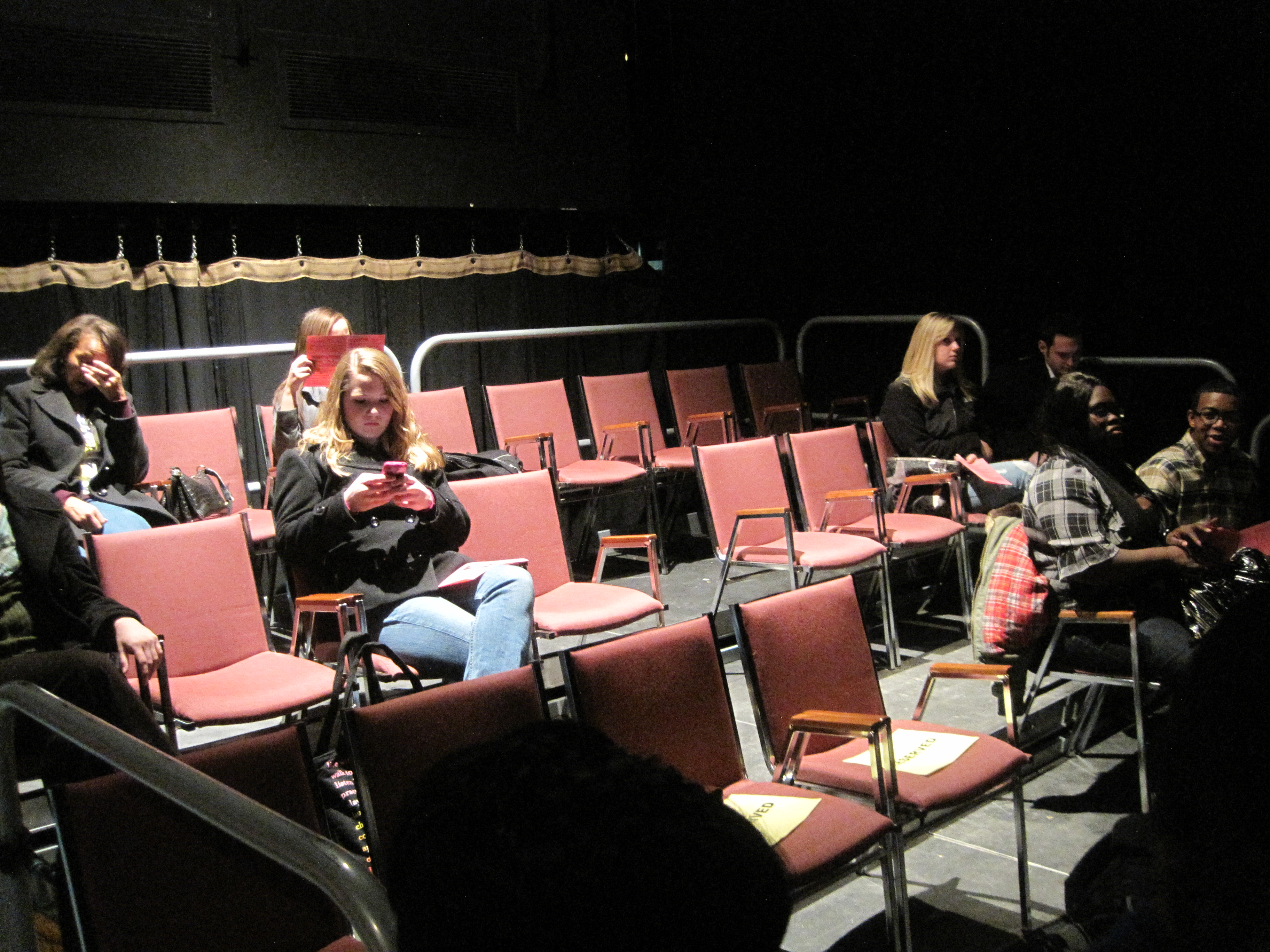
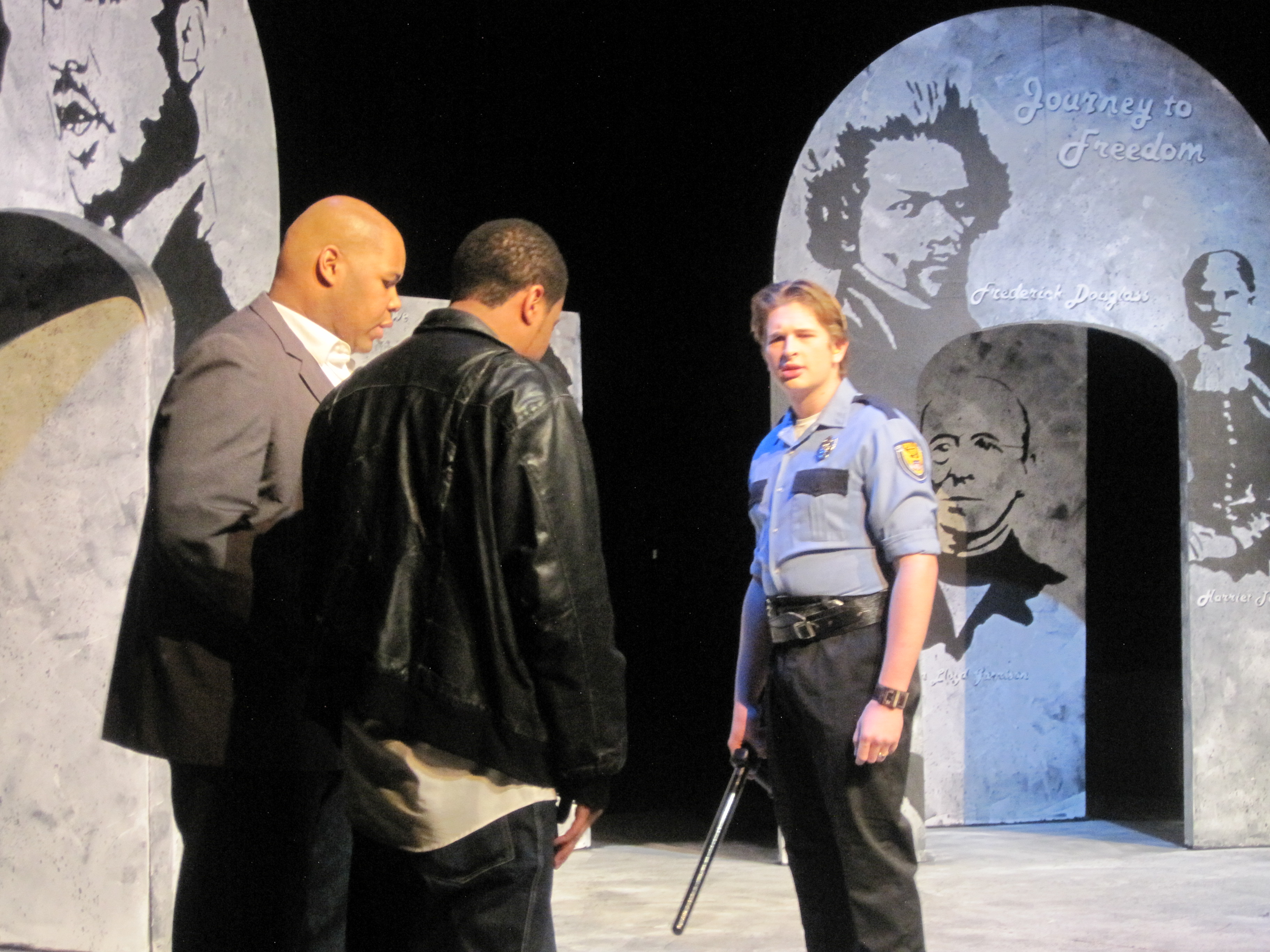
On the door into the theatre was the inscription that warned: “There will be a gun shot during this performance”. The University is the Southern Illinois University Edwardsville, (in the state of Illinois), the date was the night of Friday the nineteenth, the venue was the Metcalf theatre, and the event was a Black Theatre Workshop organized by a bunch of talented volunteers of students, faculty and friends. Themed “The Journey to Freedom”, this cold night of performance felt the warmest in the cheerful ambience of a most attentive and receptive audience from all races. I sat in the front row, camera in hand, as the hours flew past in the face of each beautiful performance. There were about twenty of them, each lasting between ten to fifteen minutes.
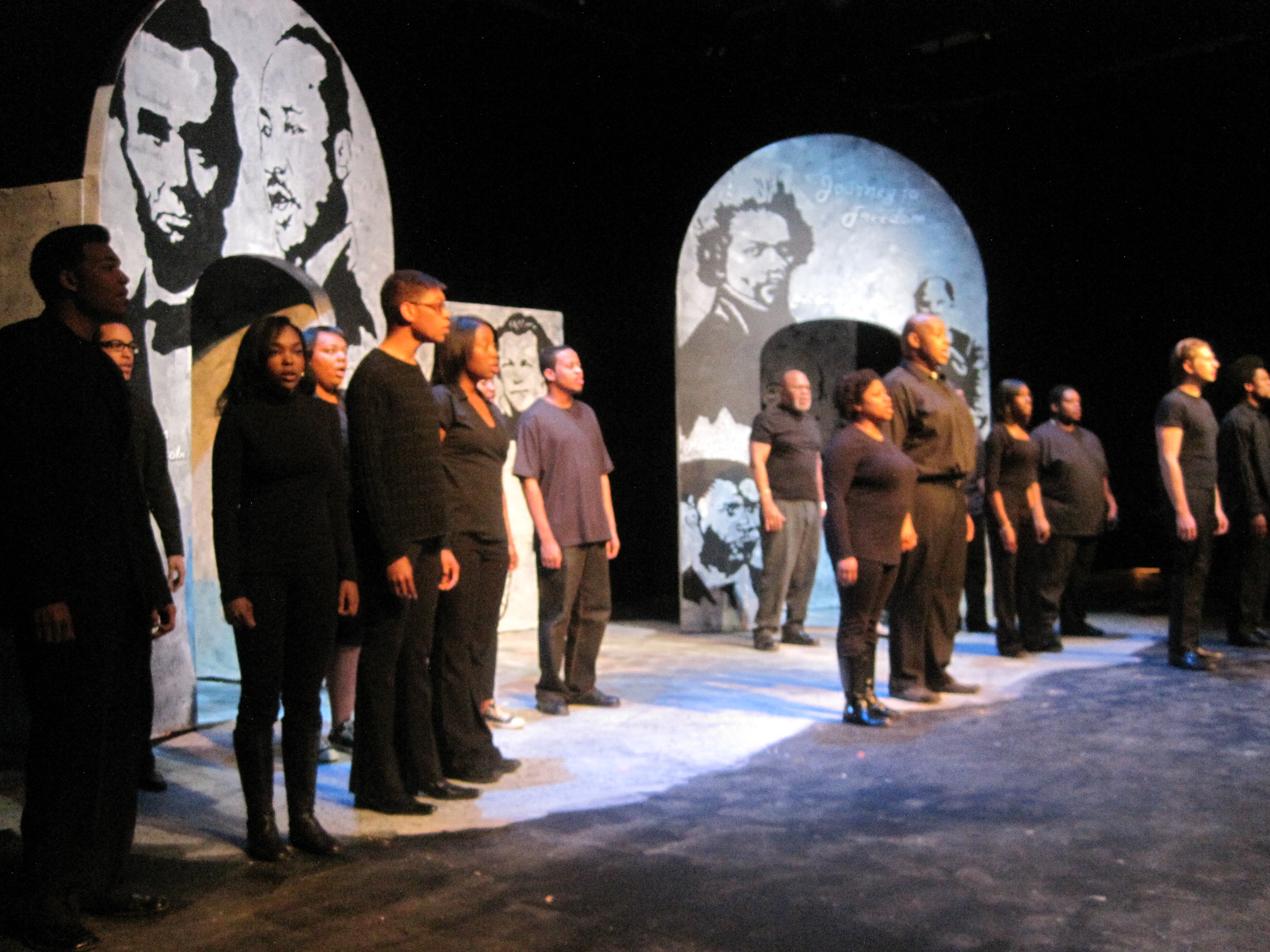
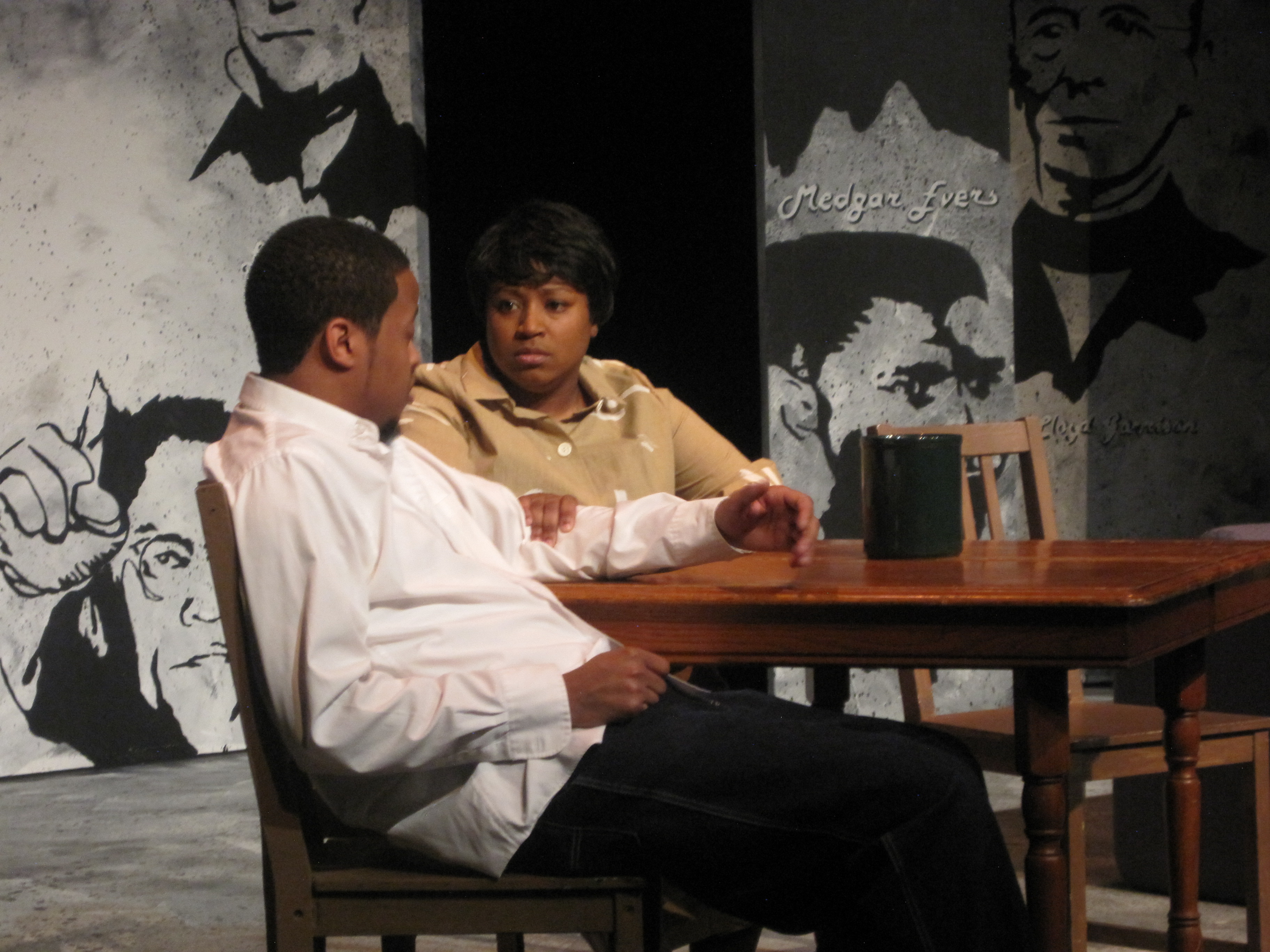
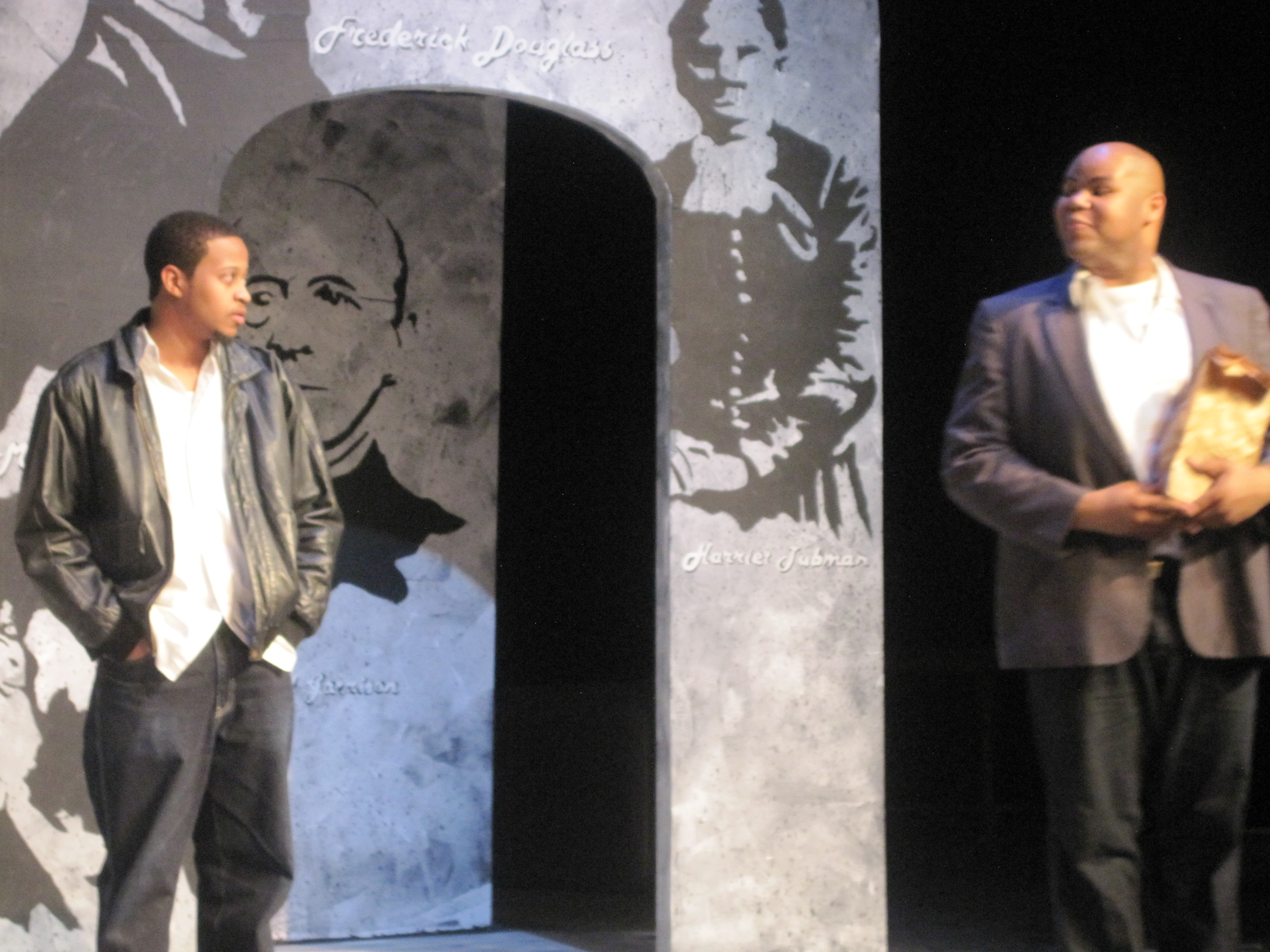
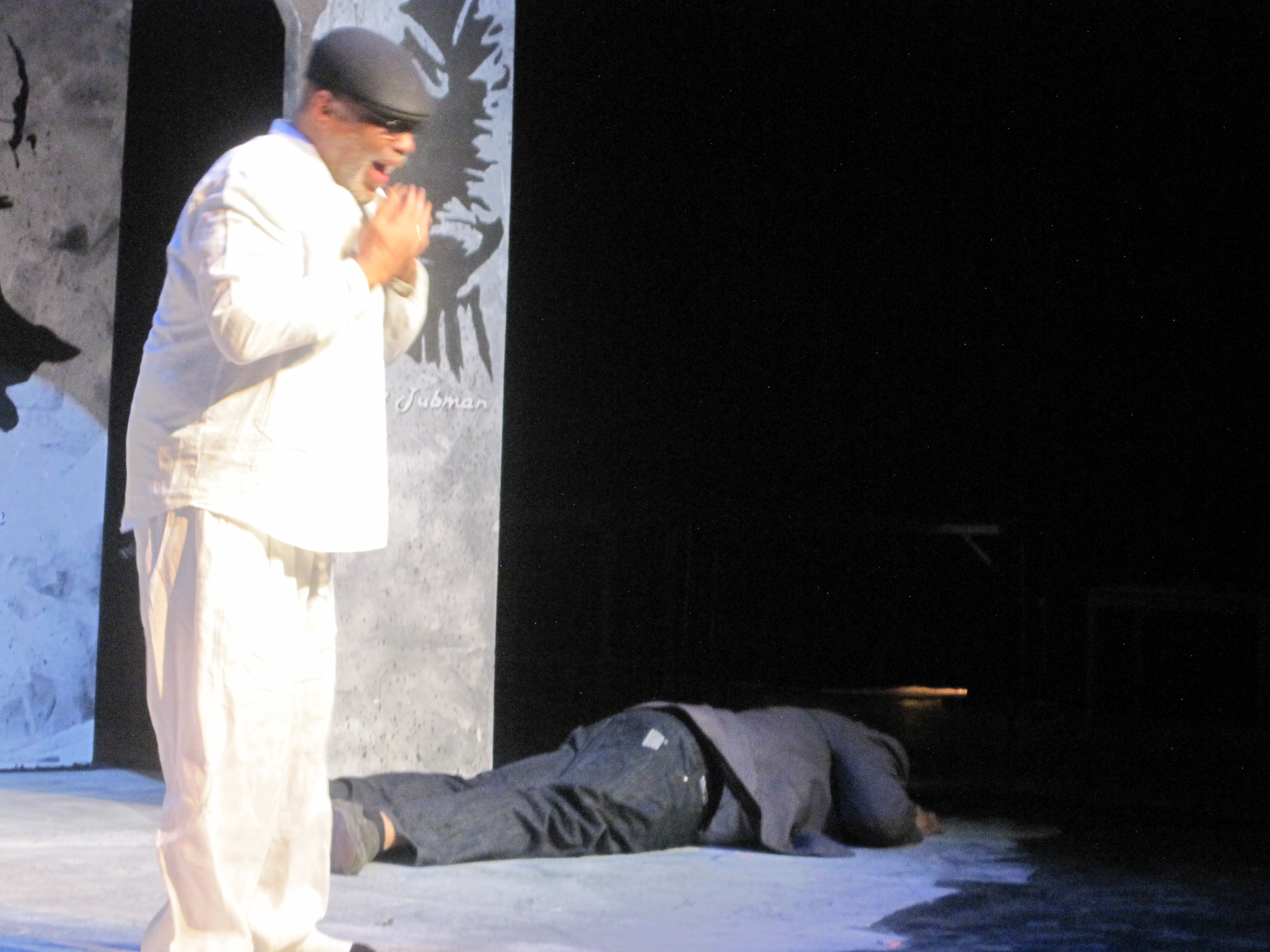
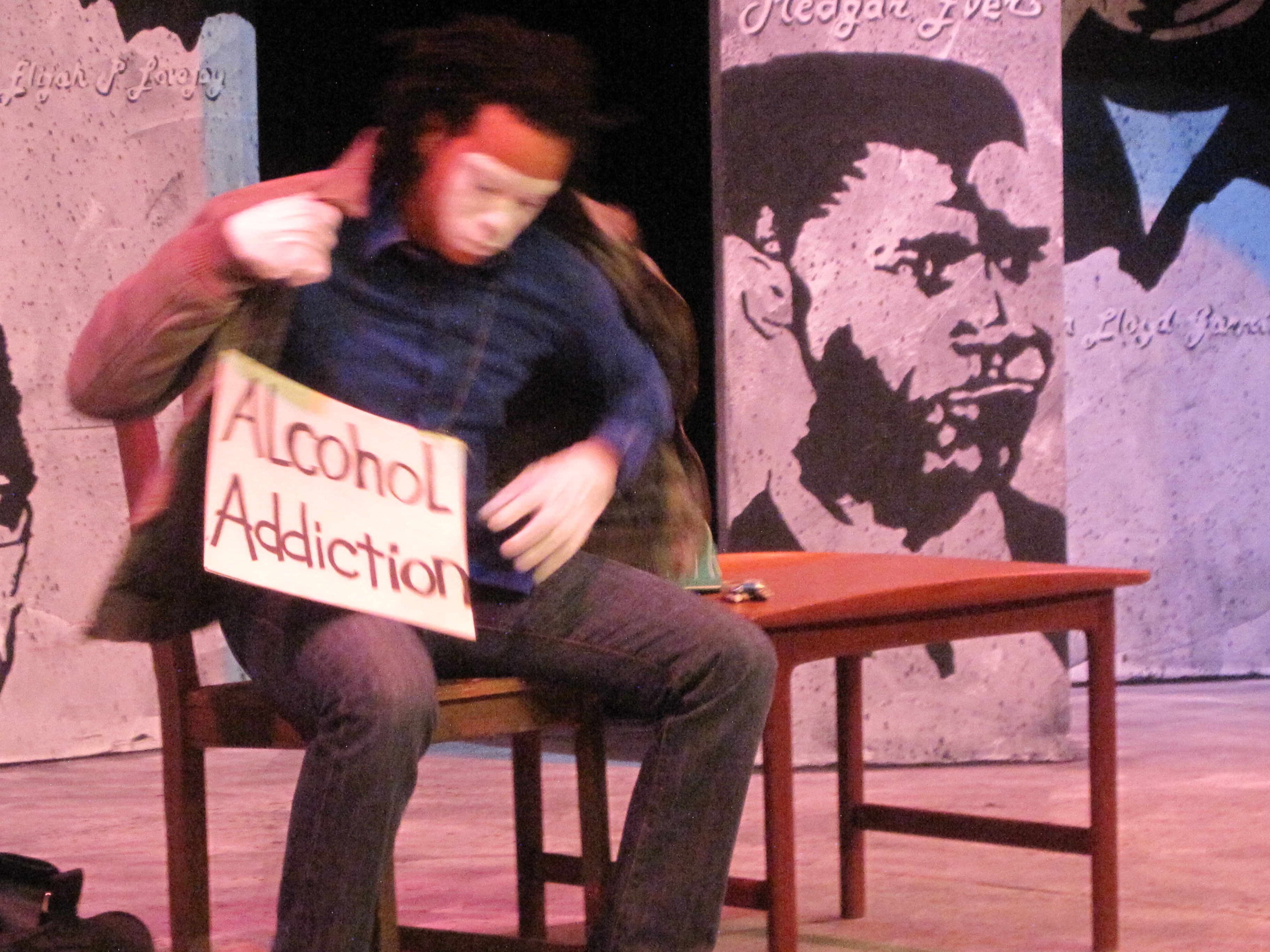
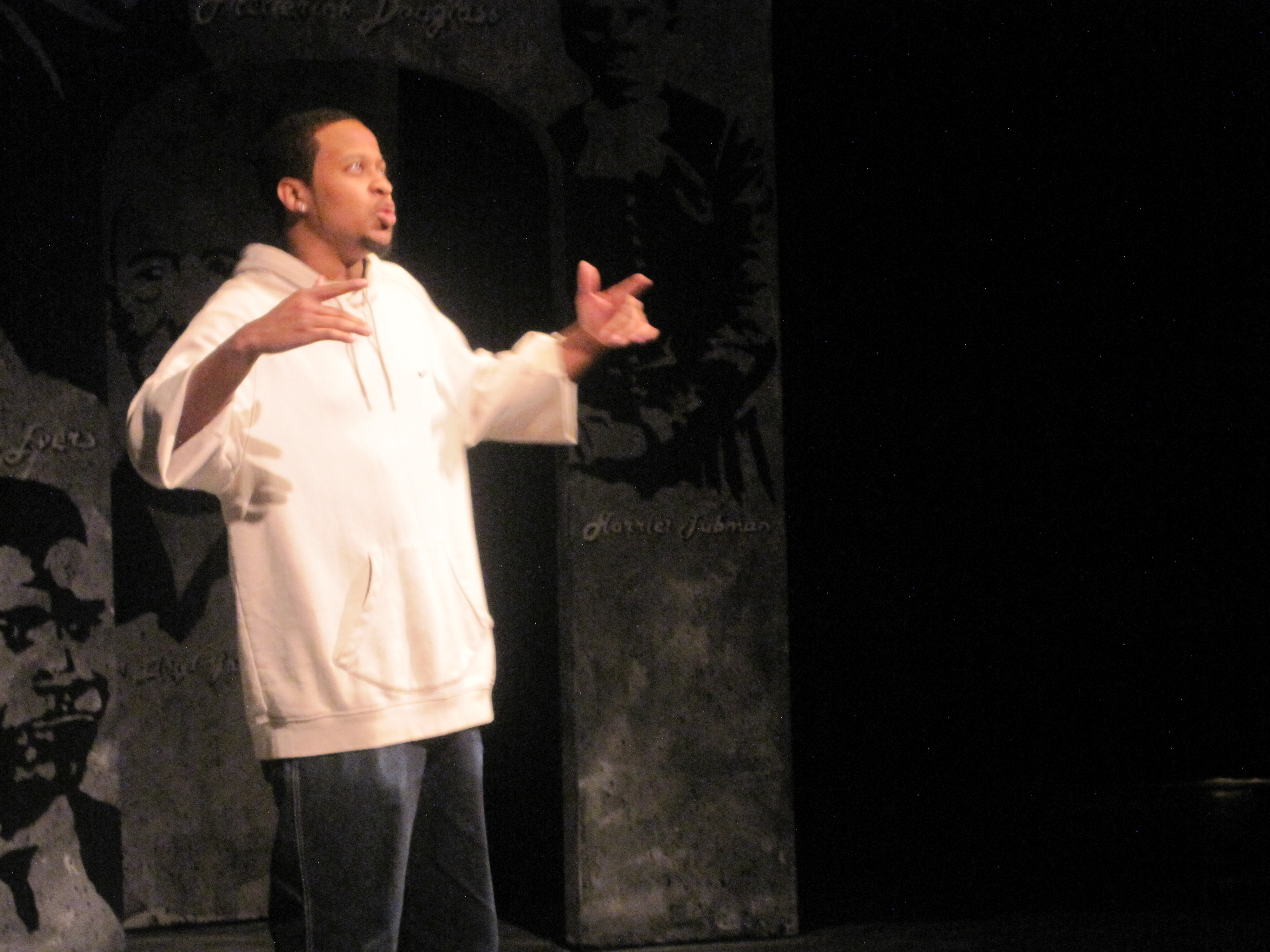
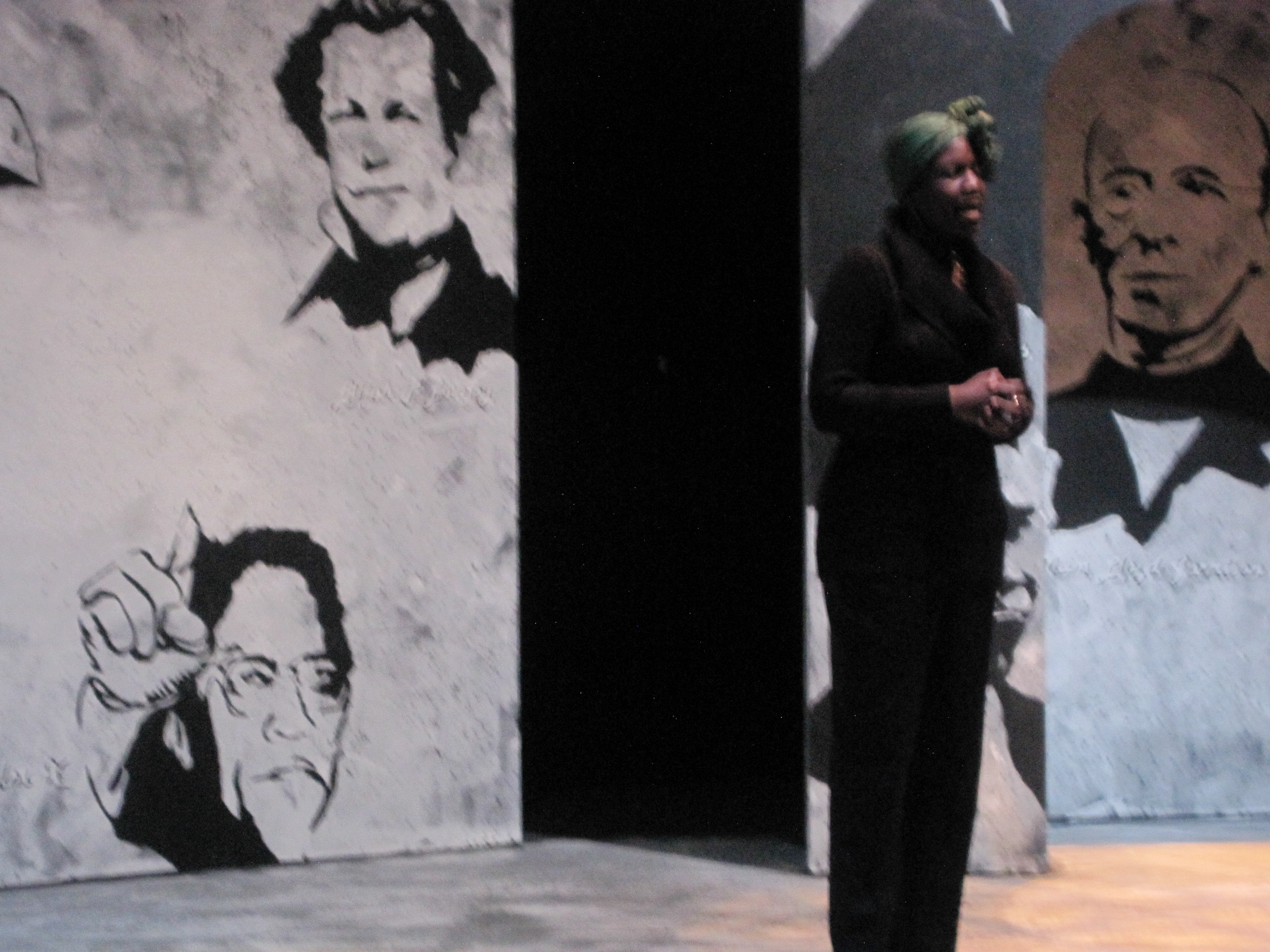
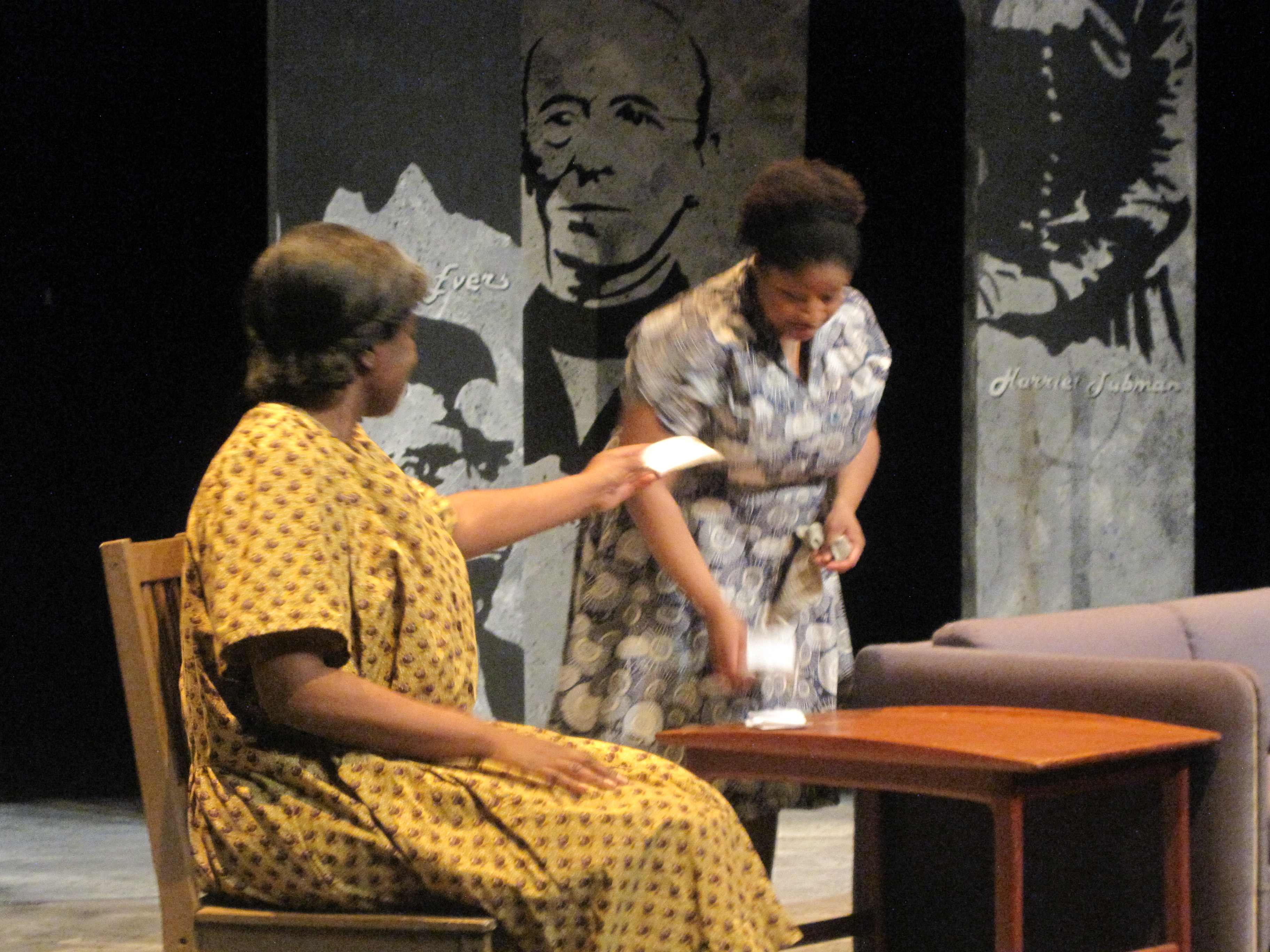
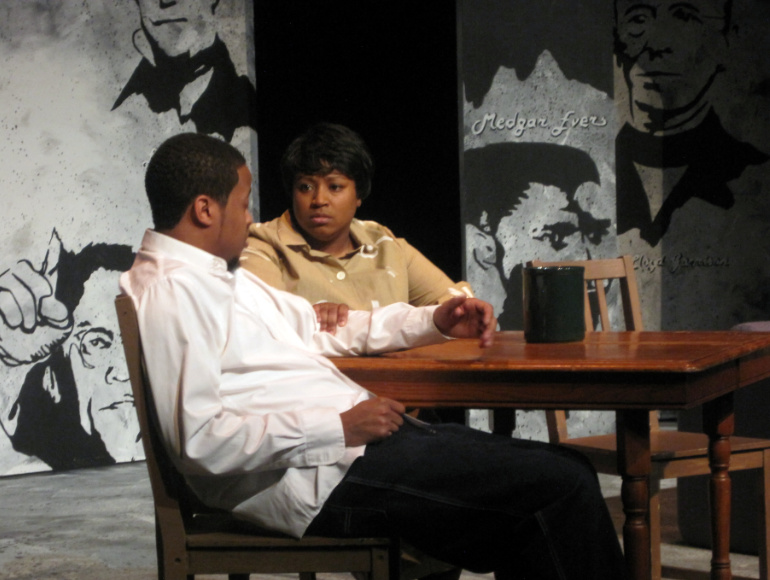 They all spoke of race, racism and race relations in the United States. The actors did, as well as each performed piece, be it dance, poetry recitation, short drama sketches, miming, comedy, spoken word, among others. The drawings on the set background already conditioned the serious mood of the night. Malcolm X is in a corner pointing straight at the camera in bold typical confrontation. Martin Luther King Junior stands in an opposite corner, pointing, as he delivered the “I Have A Dream” speech, right on top of the image of the most famous white leader in the topic of slavery, Abraham Lincoln. Images almost fade into each other, and the stage lights dim and morph into each other in the colours of different emotions. The gun shot came during the performance of a piece called “Escape” written and directed by Curtis Lewis in which a young African-American man (played by Greg Fenner) was shot by a racist police officer (played by Joe Schultz). Also in that short piece was Olivia Neal, Barry Moton and retired 73 year old Professor from the University Papa Rudy Wilson.
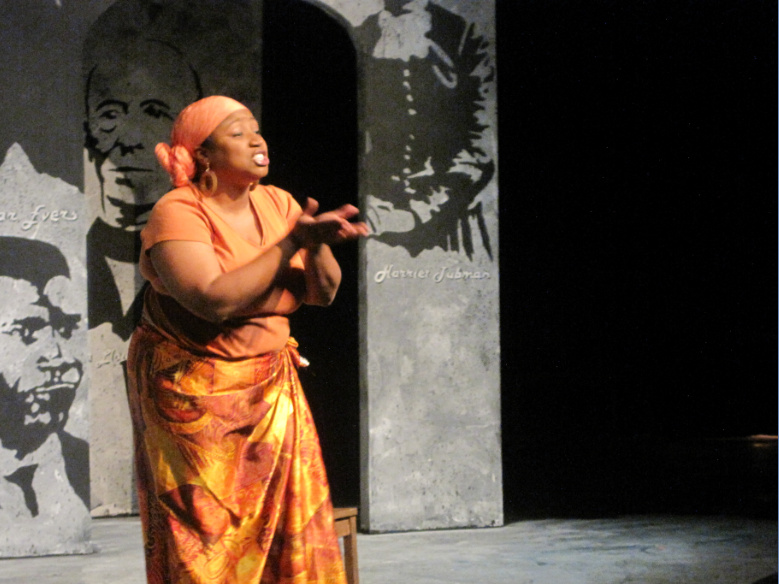 Theatre induces confrontation to resolve crises of emotion and of conscience, and from the discomfort on the faces of many in the audience when lines were spoken that seem to attack the deepest of human’s prejudicial instincts, inciting the society and the audience as a whole, it was clear that the job was well done. There was a recitation of Daniel Beaty’s powerful spoken-word poem Knock Knock by actor Curtis Lewis, A performance of Ricky Dillard’s If We Faint Not by Jushua Anderson, Candice Doze and Fred Ellision, A storytelling session of Robert D. San Souci’s The Talking Eggs by Papa Rudy Wilson, Greg Fenner’s Old People by Greg Fenner, Curtis Lewis, Barry Moton, and Olivia Neal, and Lorraine Hansberry’s A Raisin in the Sun by Kathryn Bentley, Curtis Lewis and Olivia Neal, among many other soulful performances that drew sighs as well as applause.
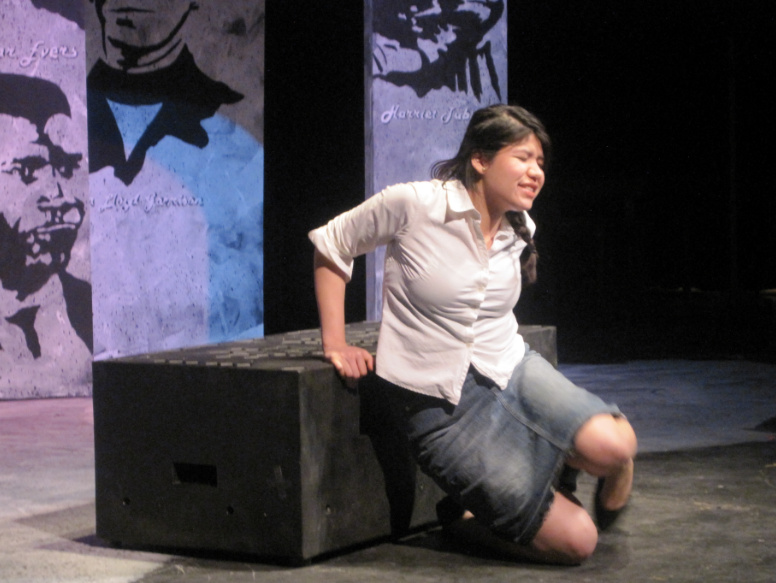 The African-American journey through slavery was a tortuous as well as soulful one, and nothing prepares the audience for the soul journey that they must again encounter in the live confrontation of the stage. It was catharsis. At curtains up, amidst warm hugs, bright lights and cheerful back-pats of pleasant reunion between the actors, the directors and the audience, only the song of Sam Cooke fills the background in his sonorous voice and strings as the night of performance winds to a spectacular end: “And just like the river I’ve been running ever since. It’s been a long time, a long time coming… but I know, a change’s gonna come…”.
- Kola Tubosun is a Fulbright scholar on an academic exchange, and on tour of sites and festivals in the United States.
_____
About the SIUE Black Theatre Workshop: The SIUE Black Theatre Workshop was founded by Lisa Colbert, an assistant professor in the department of Theatre and Dance, and the artistic director of the Black Theatre Workshop at the time of her death in June 2002. It is comprised of students, and other interested members of the University. The 2010 BTW production was the 11th of such since the programme began.