I spent Christmas day on the road to many places. In each of the places were food, drinks, gifts, people and nice conversations. Thousands of kilometres away from home, I was once again relishing the pleasures of American hospitality. At some point in the evening, expecting a profound answer, I asked the guests at the table what the most traditional American meal was. The answer was: The hamburger. I was surprised. I always thought that that belonged to the Germans.
 There’s a long history behind the nation’s diet, all traceable to immigration. The New England Pilgrims brought and eventually grew wheat bread, with turkey and pheasants made into sausages, stews, pies and pastries. The Native Americans ate crabs and salmon among many other sea animals, Italian settlers came with their pasta and some seafood diet, the Spanish brought lamb, the Africans brought pork, the cornbread, and meals made out of potatoes and sweet potatoes, among others. Years after, what we have is a country whose gastronomical map is as diverse as its accents.
The diversity is not always a thing of joy for those from where the food originally came, however. None of my Indian friends ever like foods served in “Indian” restaurants in America. The burritos sold at Taco bell are hardly as authentically Mexican as the ones in Cuernavaca. Poundo yam sold in plastic bags don’t taste like the pounded yam sold at Mama Ope in Bodija, and neither are fortune cookies anymore Chinese than French fries are from France. All the food that cross the Atlantic inevitably lose their old self, and like the people themselves, evolve, sometimes becoming better, and sometimes not, but mostly always remaining delightful. Americana.
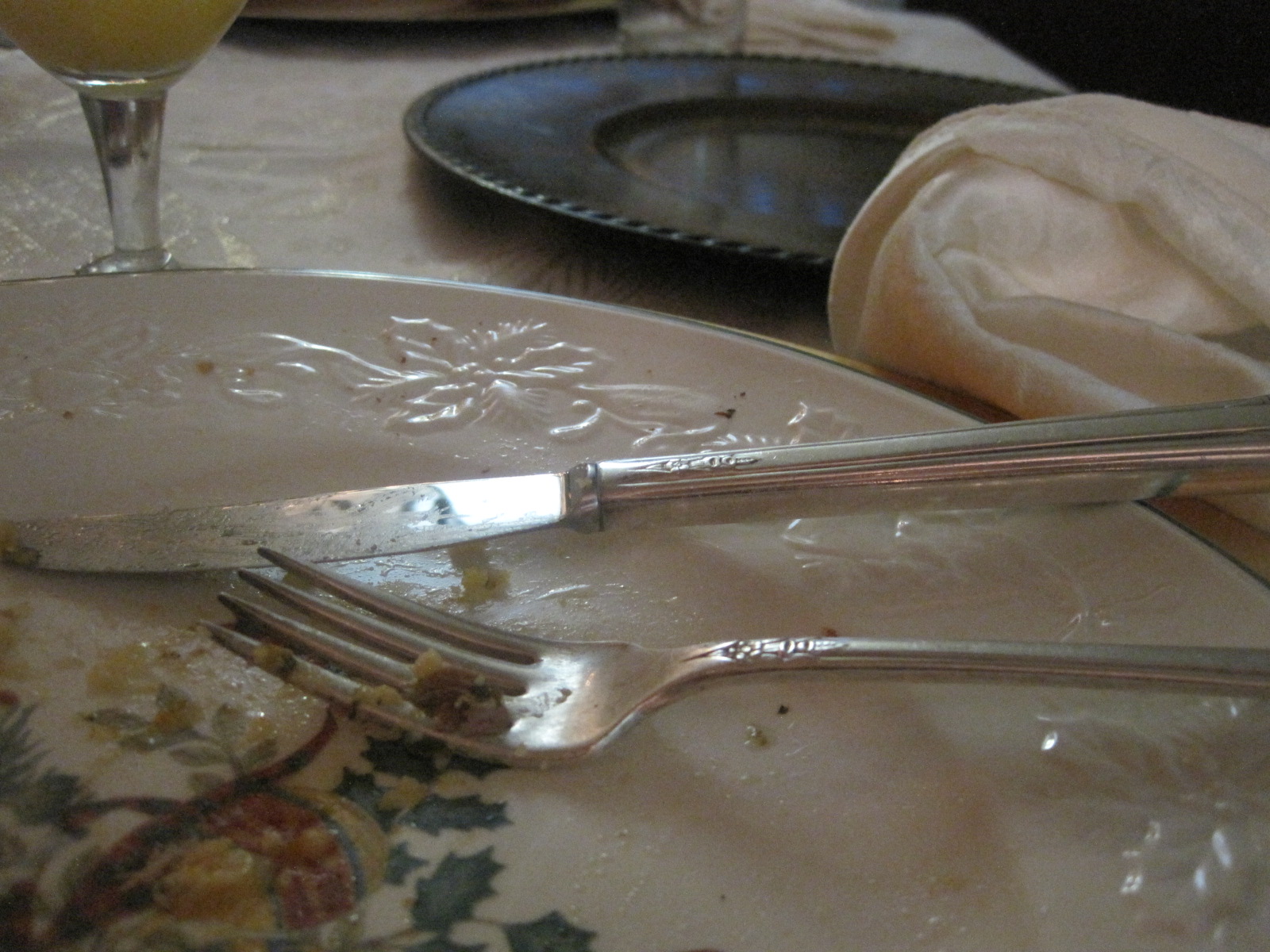 And so my Christmas dinner consisted of lots of lamb, stuffing, mashed potatoes, green beans, asparagus, salmon, capers, salad, bread, corn, chicken, carrots, cakes and perhaps more than I can now presently remember. One major absence however was any sausages, or hamburgers. I guess it’s not so traditional after all. As fast food, yes, but one wouldn’t expect to find them on a table set for a Christmas gathering? No. Yet, I became curious as to how a four inch roasted meat lying in-between two slices of bread (no entendres) came to acquire such fame across the world (and among Americans themselves) as America’s national food.
Away from this all however is my delight in the diversity that made the country what it is. Much like home faraway in Ibadan, the day ended as a thankful tribute to the warmth of friendships and human connection, and the significance of such a wonderful holiday.