Art Chicago II

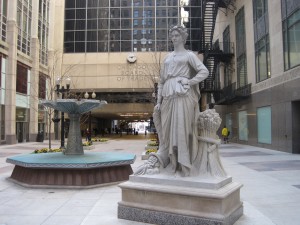
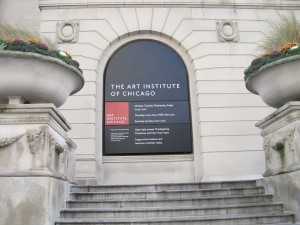
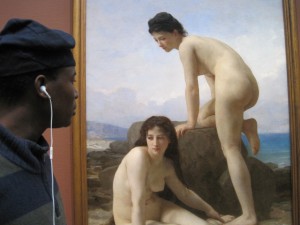
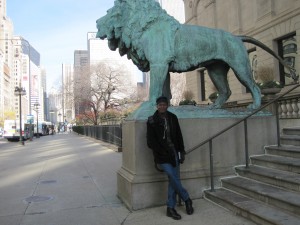
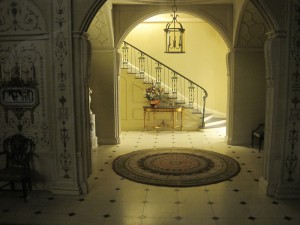
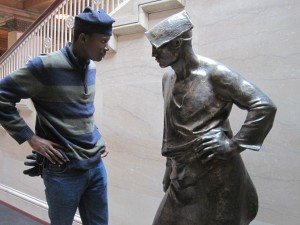
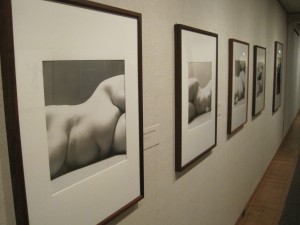
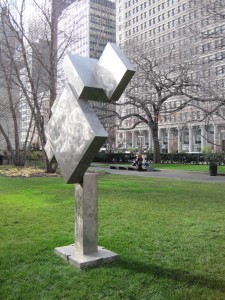
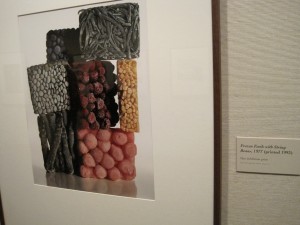
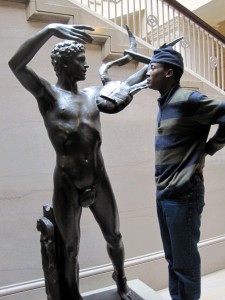
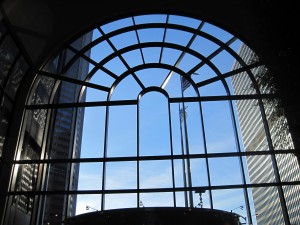
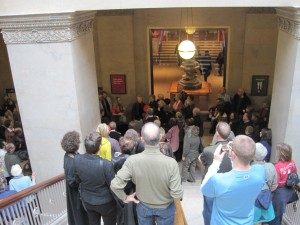
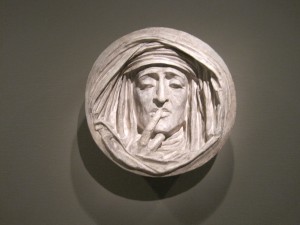
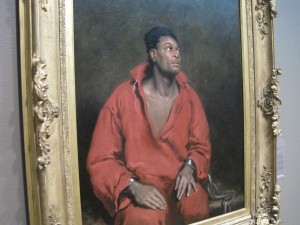
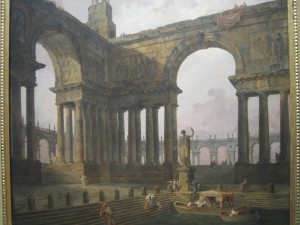
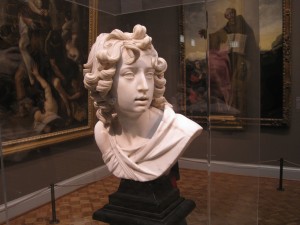
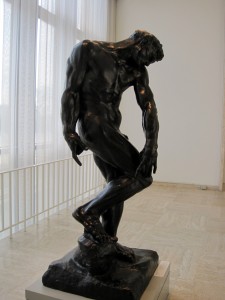
IMG_1907IMG_1913IMG_2066IMG_1937IMG_1985IMG_1914IMG_1948IMG_1967IMG_1959IMG_1939IMG_1964IMG_1969IMG_1902IMG_1958IMG_1986IMG_1976IMG_1972IMG_1980IMG_1981IMG_1978IMG_1977IMG_1974Most of the art works, scruptures and wall reliefs in this collection were shot at the Art Institute of Chicago at South Michigan Avenue. It was our first stop early on Friday morning since the Sears Tower refused to open to visitors on time.

The Art Institute has a collection of world’s most notable

collections of Impressionist and Post-Impressionist art. At one million square feet, according to Wikipedia, it is the second largest art museum in the United States behind only the Metropolitan Museum of Artin New York.

“The collection of the Art Institute of Chicago encompasses more than 5,000 years of human expression from cultures around the world and contains more than 260,000 works of art. The art institute holds works of art ranging from as early as the Japanese prints to the most updated American art.”

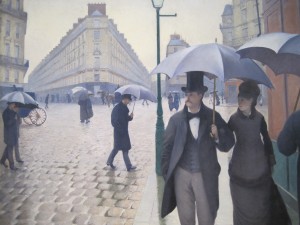
One of its most famous paintings is this one, best known perhaps to addicts of the ABC tv show, Desperate Housewives.

What I Learnt This Week

All my students agreed, to my utmost discomfiture, that the Nigerian musician Lágbájá reminds them in some way of the Klu Klux Klan, even though his costume is neither white, nor as creepy. I wasn’t aware of this, and I had come to class with his most recent video, and a few others, as pointers to an authentic Nigerian musical art form popularized by this masquerade of a man.

“Does he ever show his face?”

No.

“Do people know who he is?”

Yes.

“Is he ever going to take his mask off?”

I don’t know.

And in actual fact, I didn’t. The brand that is Lágbájá has come to be defined by his invisibility, woven into the Yoruba’s mask as a form of cultural expression, along with the namelessness that Lagbaja represents. Lágbájá is a placeholder in Yoruba that means anyone of “anybody”, “nobody”, “everybody” and “somebody”.

In the end, all that mattered was that the students were exposed in some way to a form of artistic expression that both Yorubas and non-Yorubas are proud of as representative of creativity, and art. But that reference to the KKK, by both White and Black students of the class flipped me, and got me wondering just how much we take for granted because of our distance from the scene of events. It wasn’t so much of a consolation that the concept of Lágbájá is the farthest possible kind to that of hate-mongering, racism and intolerance.