East St. Louis

My visit to the East St. Louis Centre of the University yesterday was memorable although very short. It was preceded with a short trip into the neighbourhood of what used to be one of the most prosperous cities in the Midwest. Now it is littered with decrepit houses and abandoned factory warehouses. Many of the abandoned houses had been tagged with graffiti and street art which reminded me that I was in a neighbourhood that is now home to some of the most impoverished, yet resourceful citizens of the state. For a moment while driving through the government housing projcts, I thought I was in one of those Brooklyn type neighbourhoods I’ve seen so many times in movies, with wall art, basketball, fast trains, and violence. There was no violence here. Only silence, from the passage of time, and migrations.
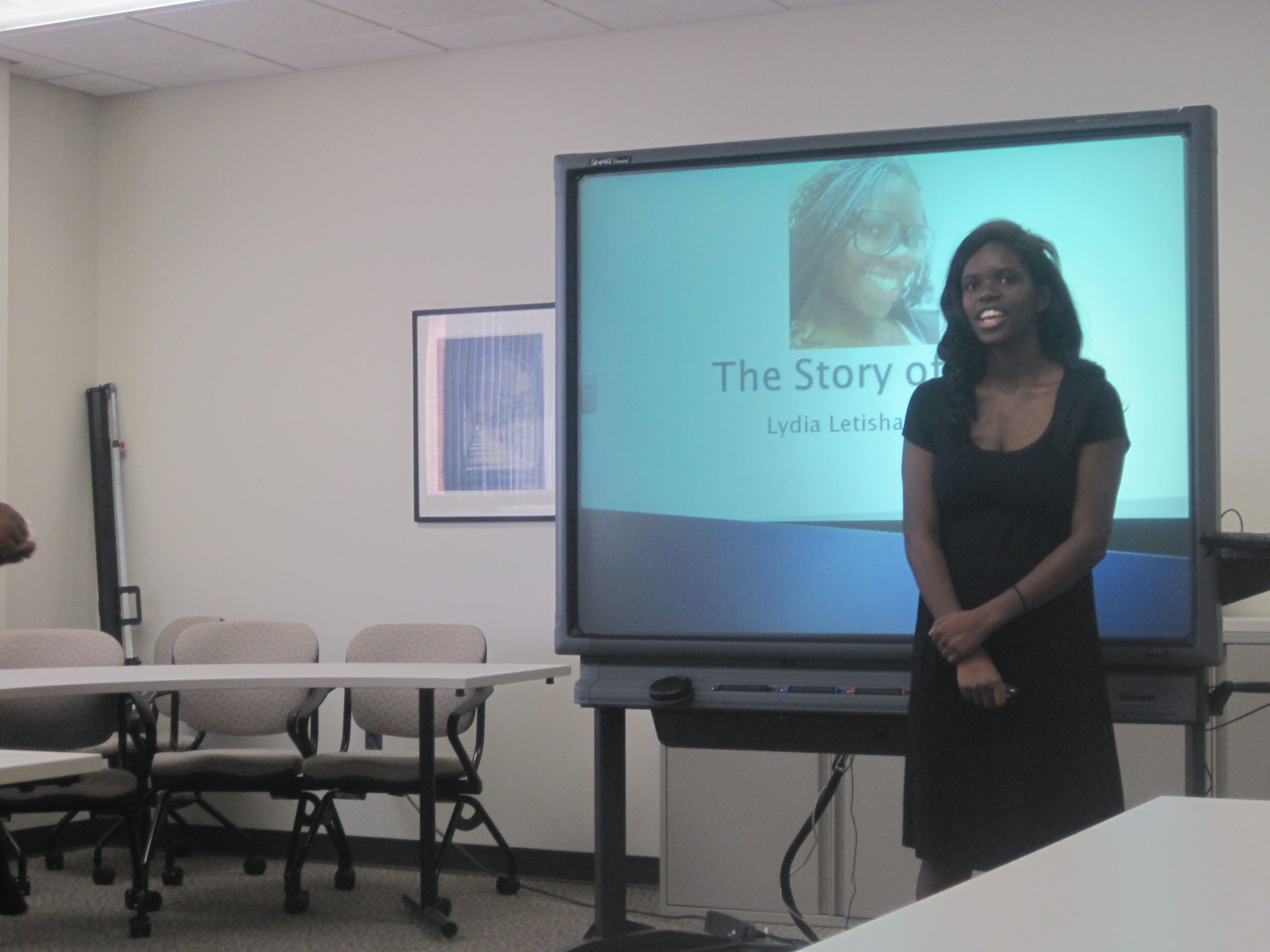
At the Charter School where we had gone to watch a Portfolio presentation by graduation students (all within the 18-19 age range), we met some of the most talented students. The presentation/performance was like a final year project where they had to face a panel and talk about their ideas, motivations, and achievements. Each one of them, as young as they were, brought a very dynamic angle to their presentation and some of them were very emotional. At such a young age, it made me proud that rather than being distracted or going into bad things common to people of their age in other cities and towns, these children were working hard to secure a good future. One of the students was an eighteen year old boy whose fraternal twin brother was already incarcerated. “People think we’re opposites,” he said, “I am here trying to make a good life for myself while he is there in jail.”

We watched each powerpoint presentation narrated by the student and gave valuable suggestions. We also asked them questions on every aspect of their presentation that wasn’t clear, and they answered.
The Charter School is fully funded by the government and serve as a support system for parents who can’t afford to send their children to private schools. The only thing that runs through these students however is not poverty at all, but ambition, skill, hope, brilliance and confidence.

It just happened yesterday that we were in time for the Portfolio presentations. The University Centre is used for several more things than just the Charter School. It houses the Eugene Redmond Writers club, and they meet there regularly for poetry readings, spoken word performances, dance, drama etc. East St. Louis itself is just a riverside city of over 31,000 people. It’s called East St. Louis because it is the last part of Illinois bordering on the eastern part of the River Mississippi just before the city of St. Louis itself that lay on the other side, in the state of Missouri.
Good Friends We Lost

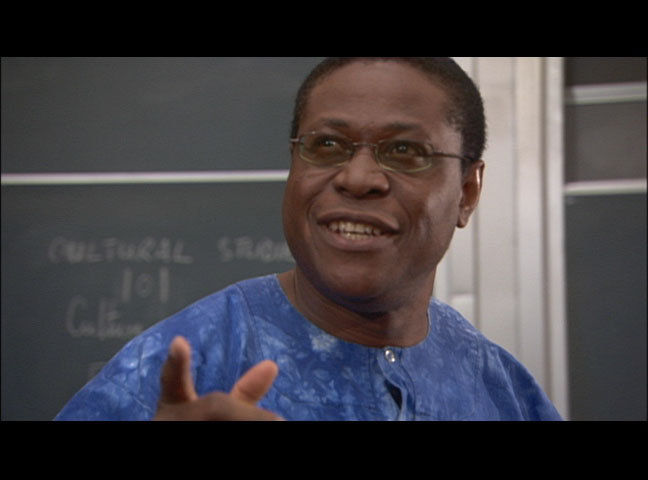
I never met him in person, but his spirit reached out to me from as far back as 2000 at such a distant place as a negligible classroom in the University of Ibadan when I first read Nwokedi. The play featured blood, gore and very very angry philosophical retorts to life. I do not remember any of the lines in the play now, but I still carry its name in my head everywhere I go – was one of my first books to challenge my self-inflicted limits of playwriting imagination. My eyes hang heavy now. Esiaba Irobi, the roaring poet and playwright, has gone to be with the elders. He was greatness personified. I feel as pained to think of him in the past tense as I write a tribute to someone that I got to know only for a fleeting moment, but not nearly enough.

Rarely have books moved me the way Nwokedi did. Perhaps it was my innocence, or my search at that time for meaning and answers, or perhaps the mixed feeling that overwhelmed and sustained me from page to page as I pored over a work nuanced in poetry with satire and anger. I had always wanted to know who he was. Thinking about it now, it must also have been from the amazement that someone with that firebrand imagination and craft could have eluded popular discourse for so long. All we heard then was Wole Soyinka and Femi Osofisan in the field of playwriting. Where was Irobi when these great names were compiled? And why was I discovering this gem only in a first year course in my first week in the University? I forgot about the first year drama class, but I did not forget the name.

And then in 2006 or 2007, I joined the Wole Soyinka Society Yahoo group and was happy to find the man in the same creative space as I. We did not become friends, but we did exchange ideas about so many things. That group owes the robustness of its archives to that man. He was frank and unpretentious, and he was as fiery in his thinking as he was gentle in his appreciation of the little things of life. He wrote love poetry. (Who could tell?). He missed Nigeria and he reminisced about the frustrations he had while living there. At a point in 2008, he volunteered to donate his books free to people in Nigeria who were ready to start a reading club. On his own expenses, he was ready to ship as many as fifty books to whoever had asked for them. I asked for some on behalf of the Union of Campus Journalist in the University of Ibadan whose president I was for 18 months before I left the University, but I didn’t follow up on the request. He promised many other people as well.

A few months later, I learnt that he was fighting cancer. His participation in discussions on the forum dwindled until it was finally nil. And yesterday, I heard of his passing – a very very terrible loss. Those who know him will say how cerebral, and how genuinely personable he was. I can’t say as much, but from the snippets from his brain and person that I met through his novel Nwokedi and another one I read shortly afterwards, and from testimonies of his teaching style, fervour and humour, I wish I had met him. This Facebook Group made for him had celebrated his life for a couple of years now. Now, only tributes mark the wall.

Rest in Peace, oh great intellectual of repute; a joyful fellow, playwright, poet, educator, lover of all things good, storyteller, and in the words of tribute by one of his students in Ohio University where he finally got tenure after years of working, “the most brilliant teacher I’ve ever known.” Sleep well.

Now I have to go find Nwokedi to read again.

Departures

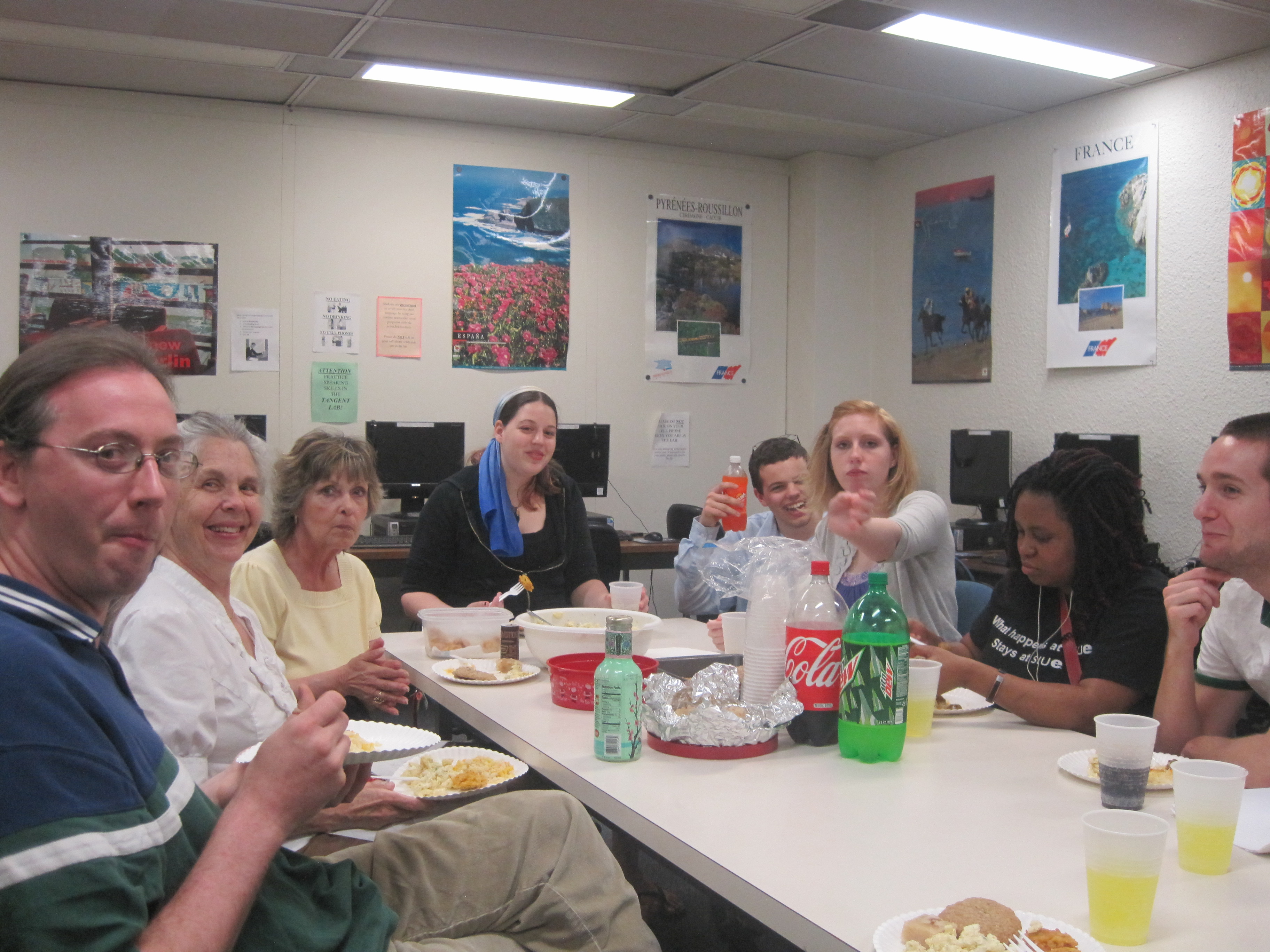
Today, I attended a potluck lunch in my department to mark the end of the semester. It was a gathering of friends and colleagues most of who work in the foreign language teaching lab. On Saturday, I had attended a get-together of international students who had arranged to send us (Reham and I) forth from the US with a small get-together. Both events reminded me of the transience of time, the value of friendship, and the strength of communality. We ate, we chatted, and we exchanged ideas. A few of them, I might not see again in a long time. Many others, I would be seeing again soon. In short it has been a week of goodbyes.

A week ago, Reham and I were hosted in the house of Prof Schaefer the International Programmes Director for the first time. I met his wife, and another scholar from Ibadan who was just completing his PhD thesis. I also met their cats, and got a chance to admire the beauty of their well situated, and well decorated house with artworks from all over the world. He had collaborated with universities and communities in Nigeria for many decades. On Friday this week, there will be a final get-together with the staff of my department to celebrate one of us, and an informal send-forth for both Reham and I. I look forward to it.

Today, I will be visiting the University Centre in East St. Louis. Famous for many of its arts and culture events like poetry readings, spoken word performances, drama etc, the centre boasts of patrons like Eugene B. Redmond the publisher of the famous Drumvoices Revue, among many greats. I’ve never made it to that campus of the University, and I hope to rectify that today.

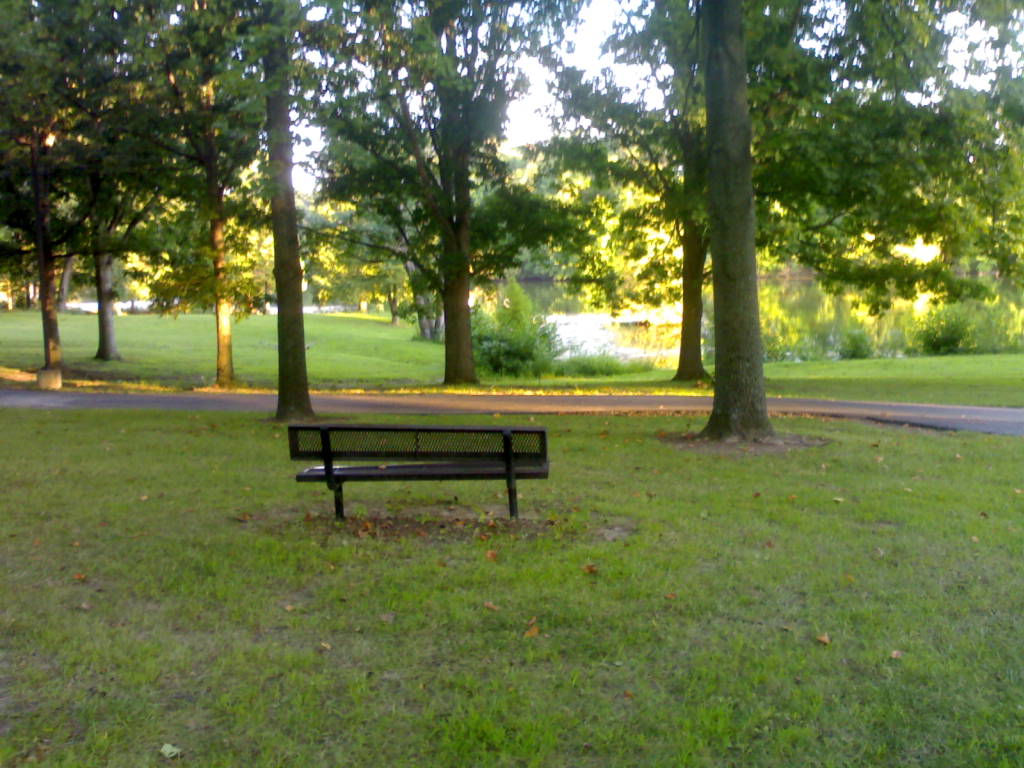
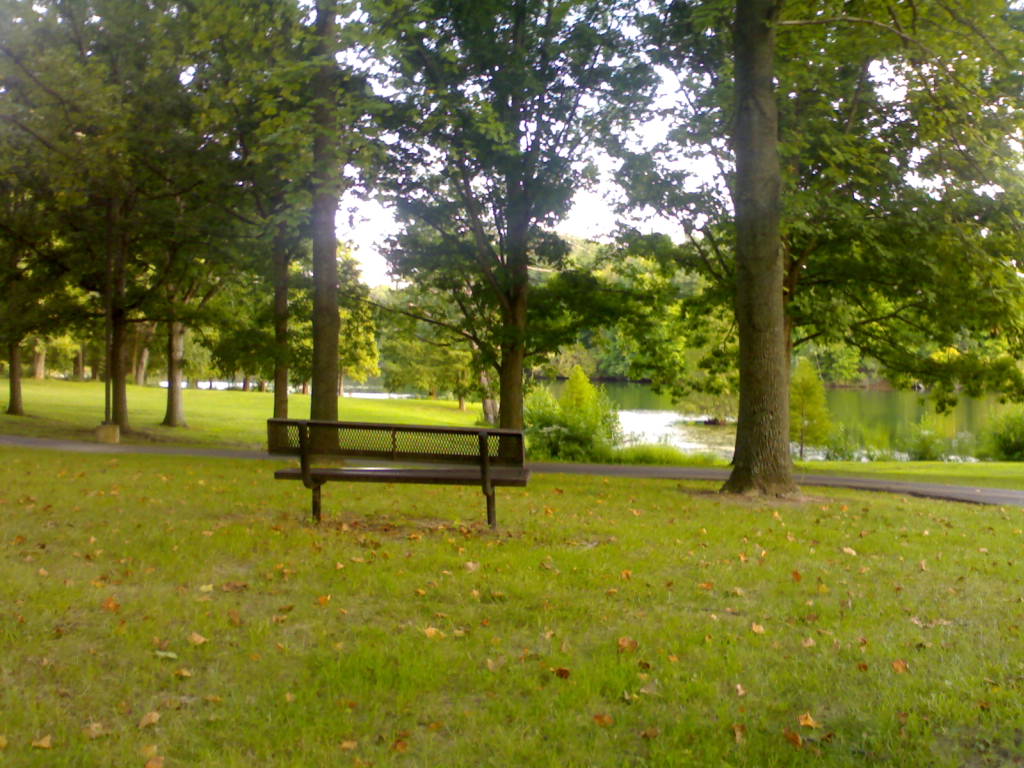
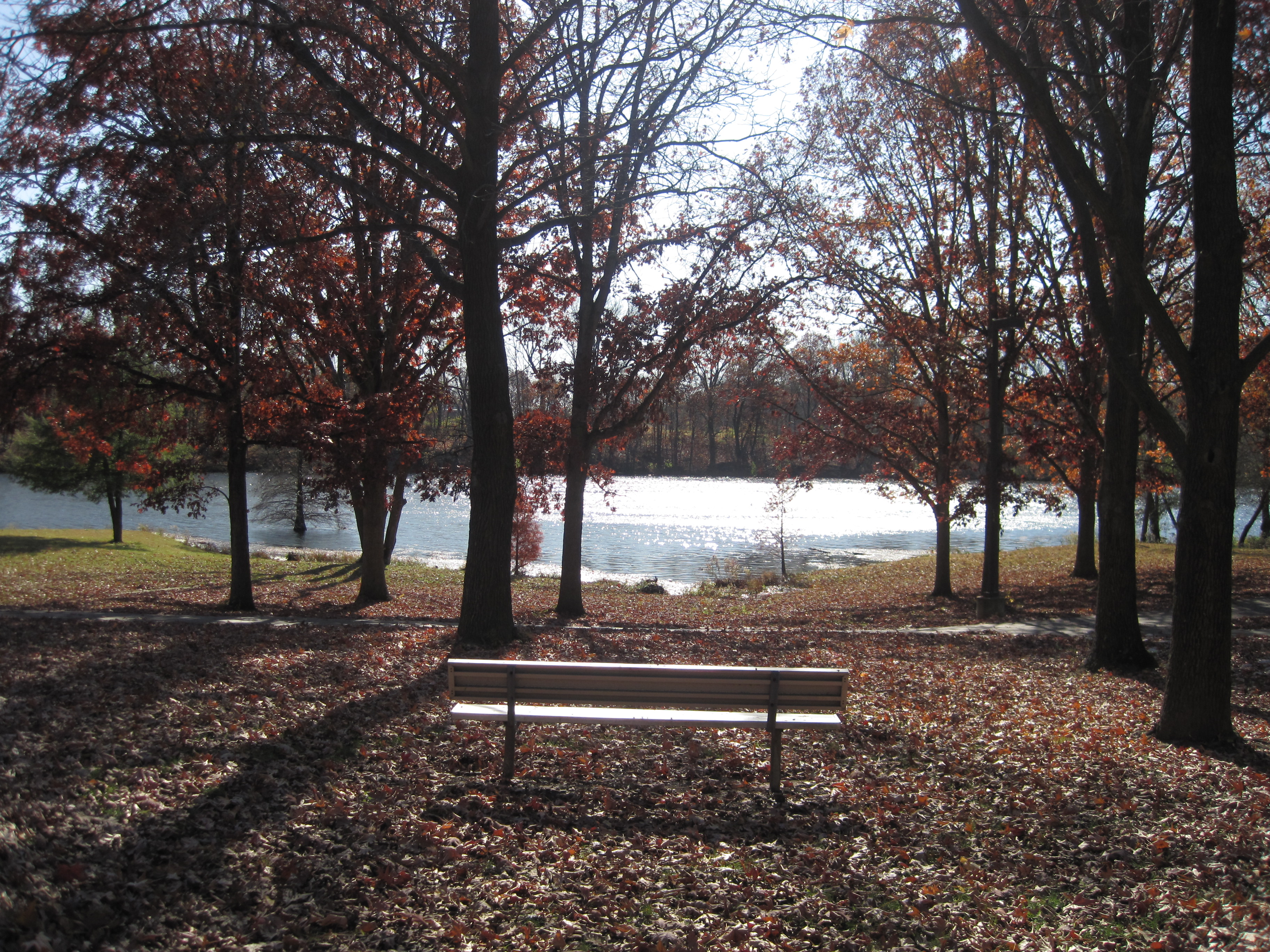
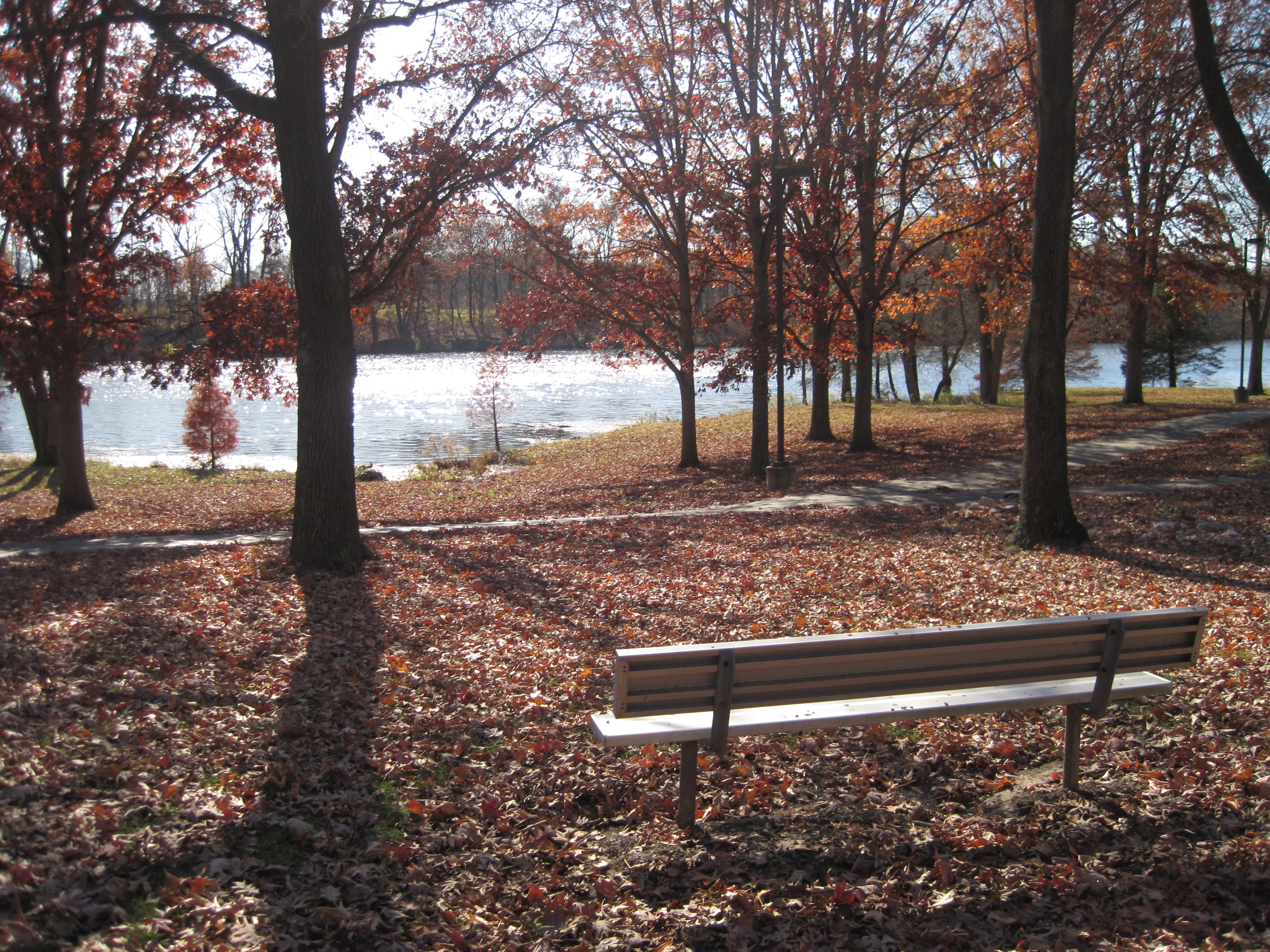
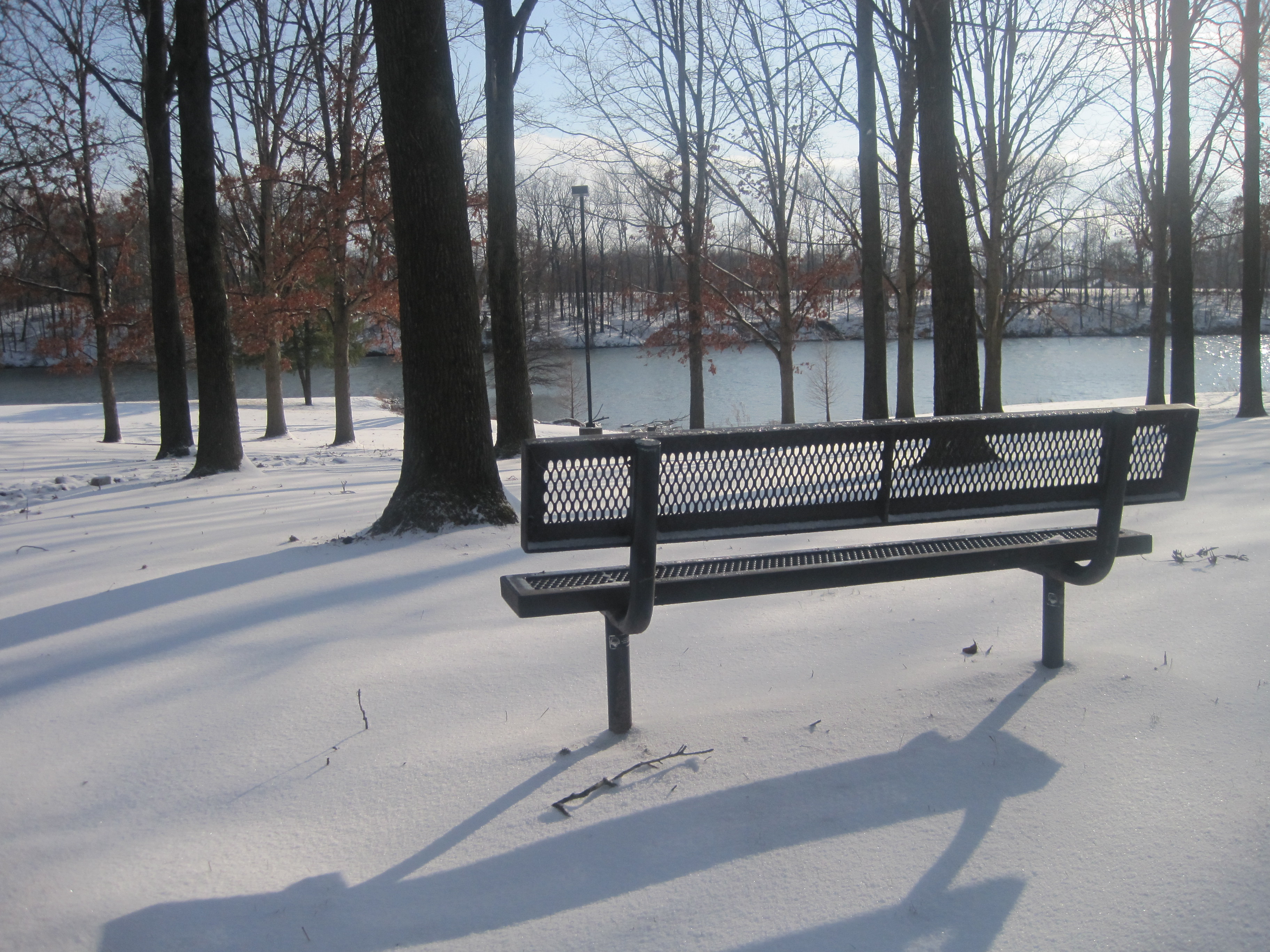
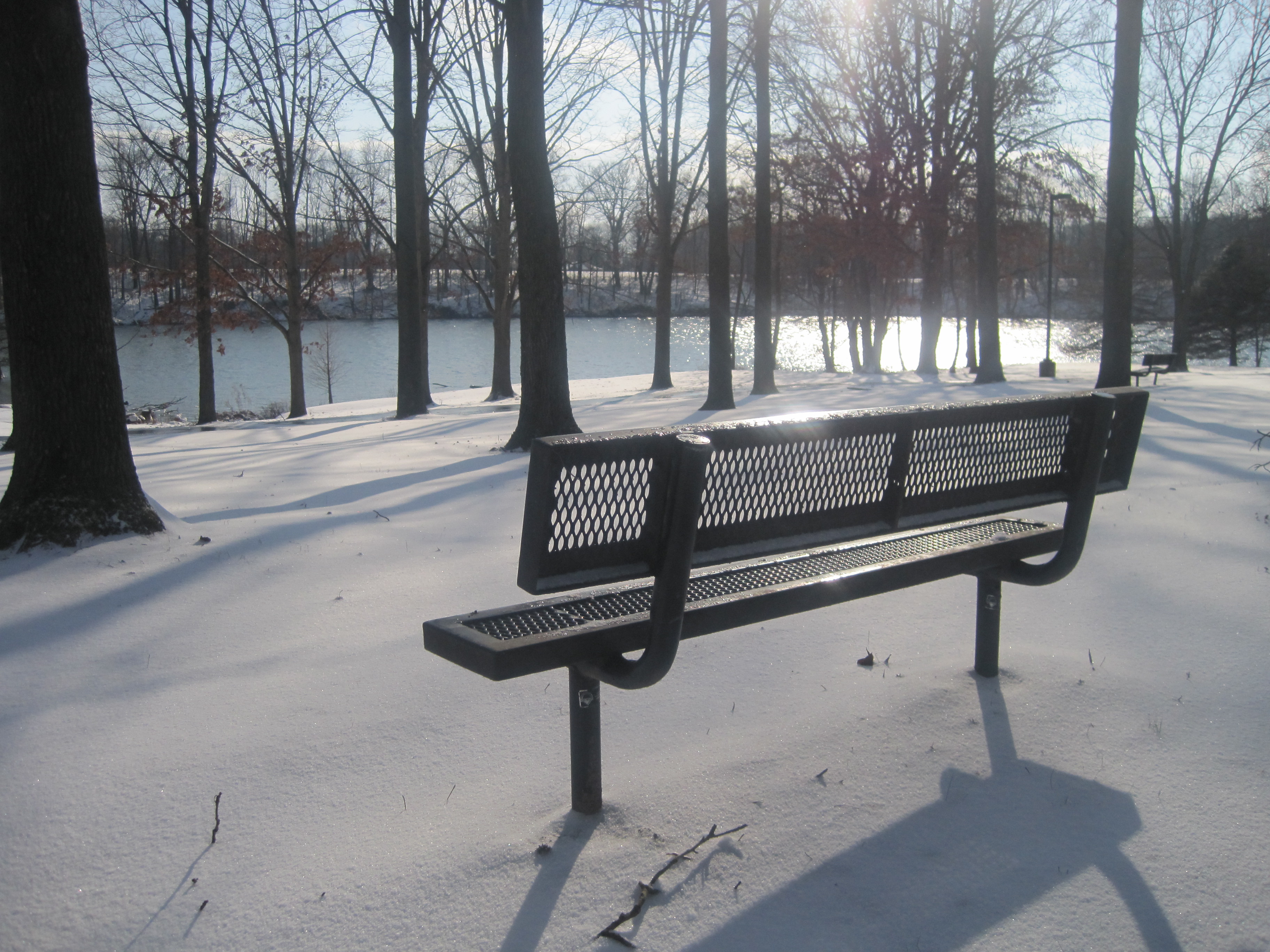
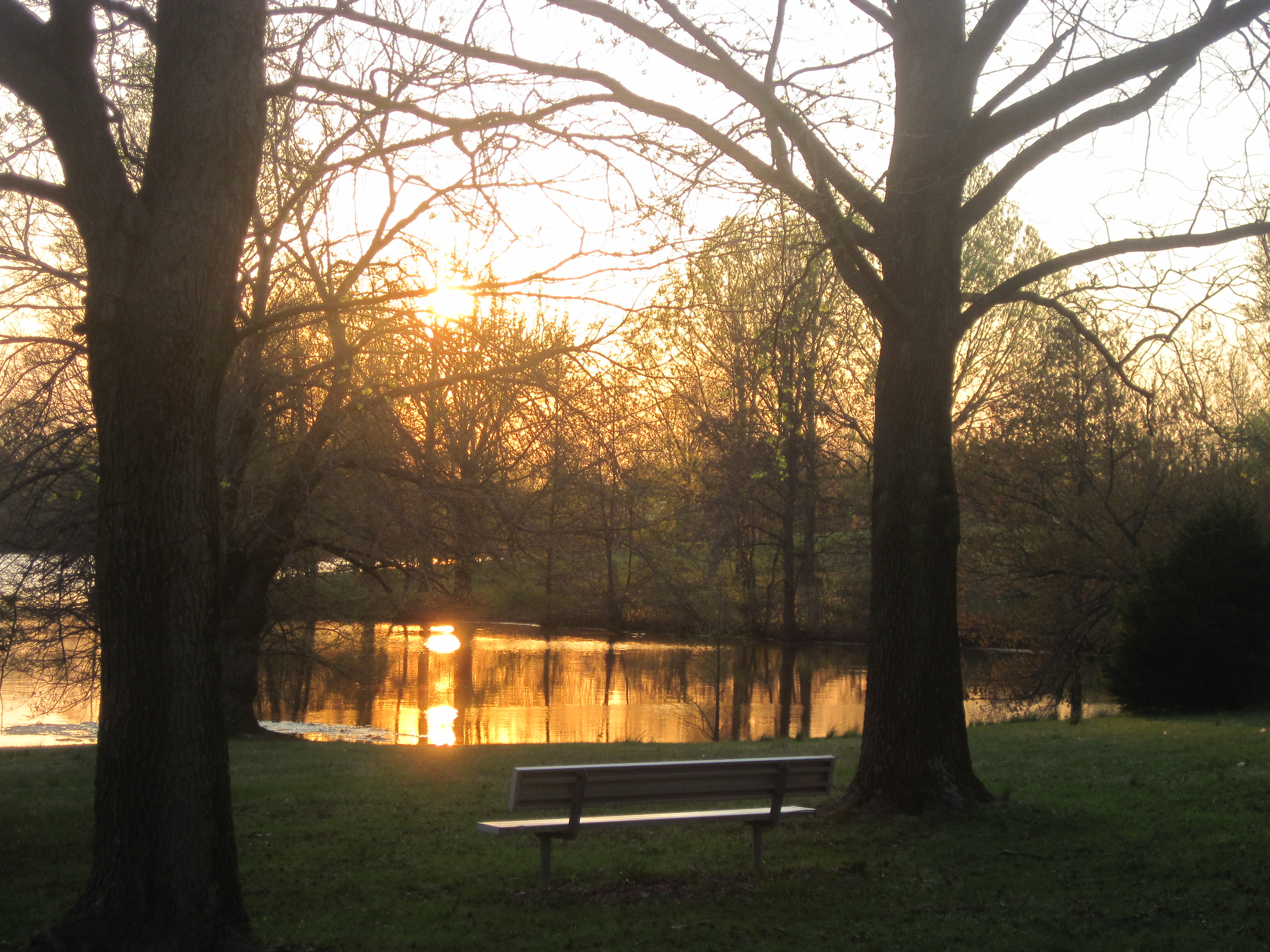
Time-lapse – The Cougar Lake

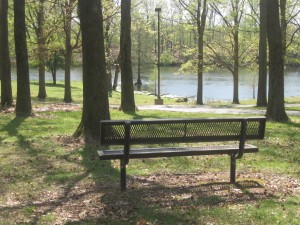
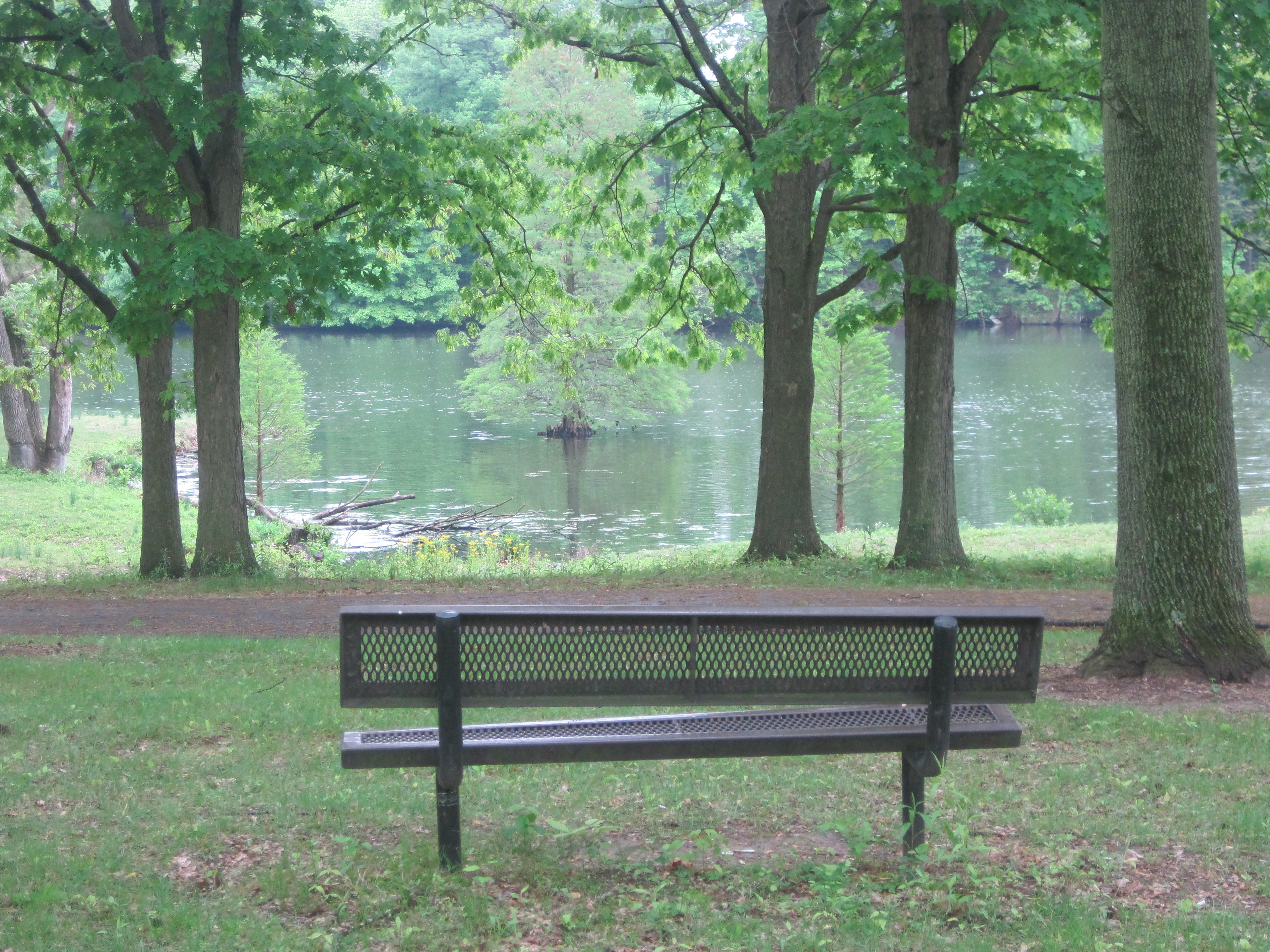
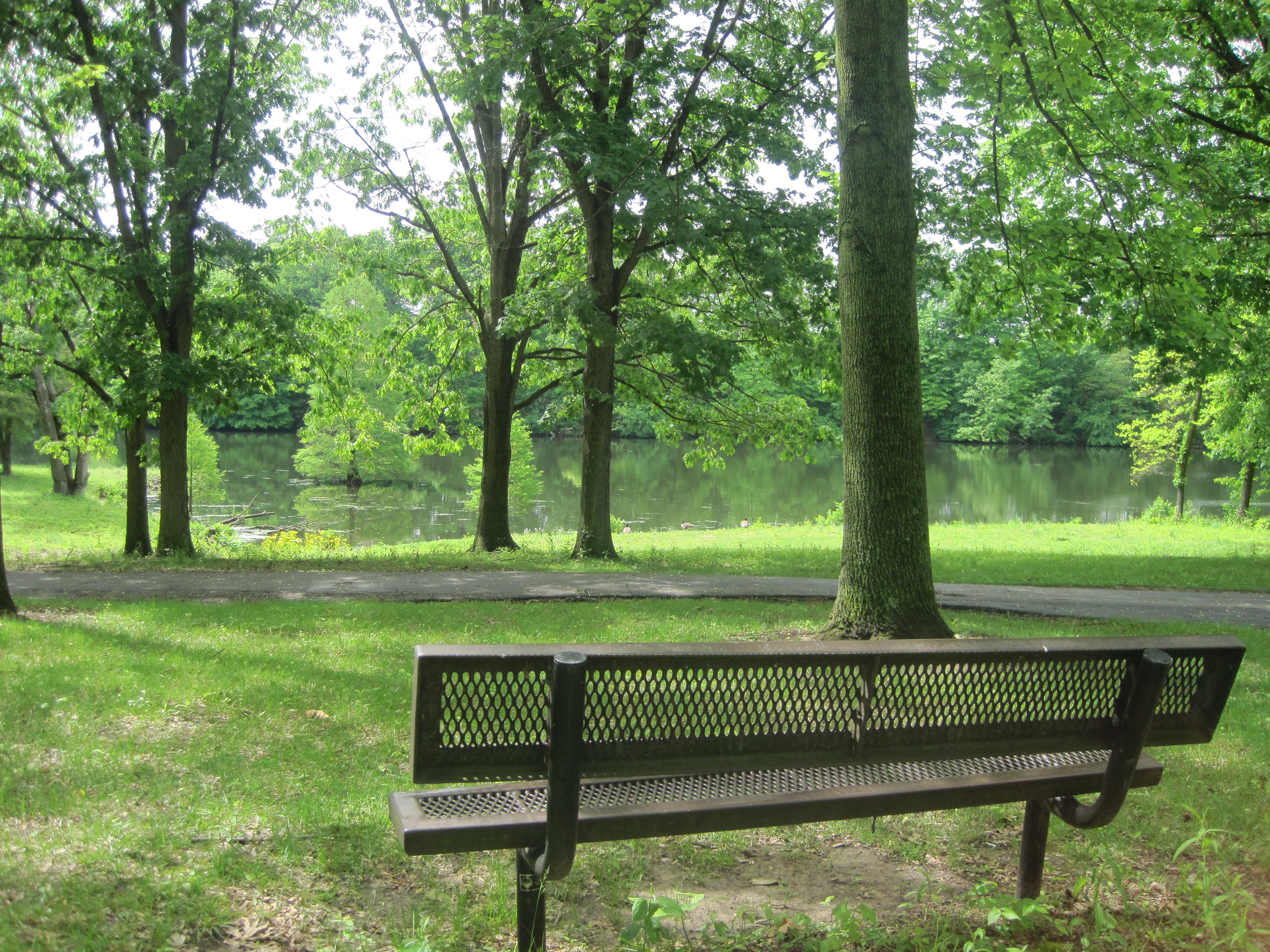
Check out these time-lapse photos of the Cougar Lake behind my apartment from 2009 and how it has undergone some changes along with the seasons. Enjoy.

August 23, 2009

August 31, 2009

November 4, 2009

November 4, 2009

December 27, 2009

December 27, 2009

April 10, 2010

April 12, 2010

April 12, 2010

April 24, 2010

Yesterday...

The Power of Many

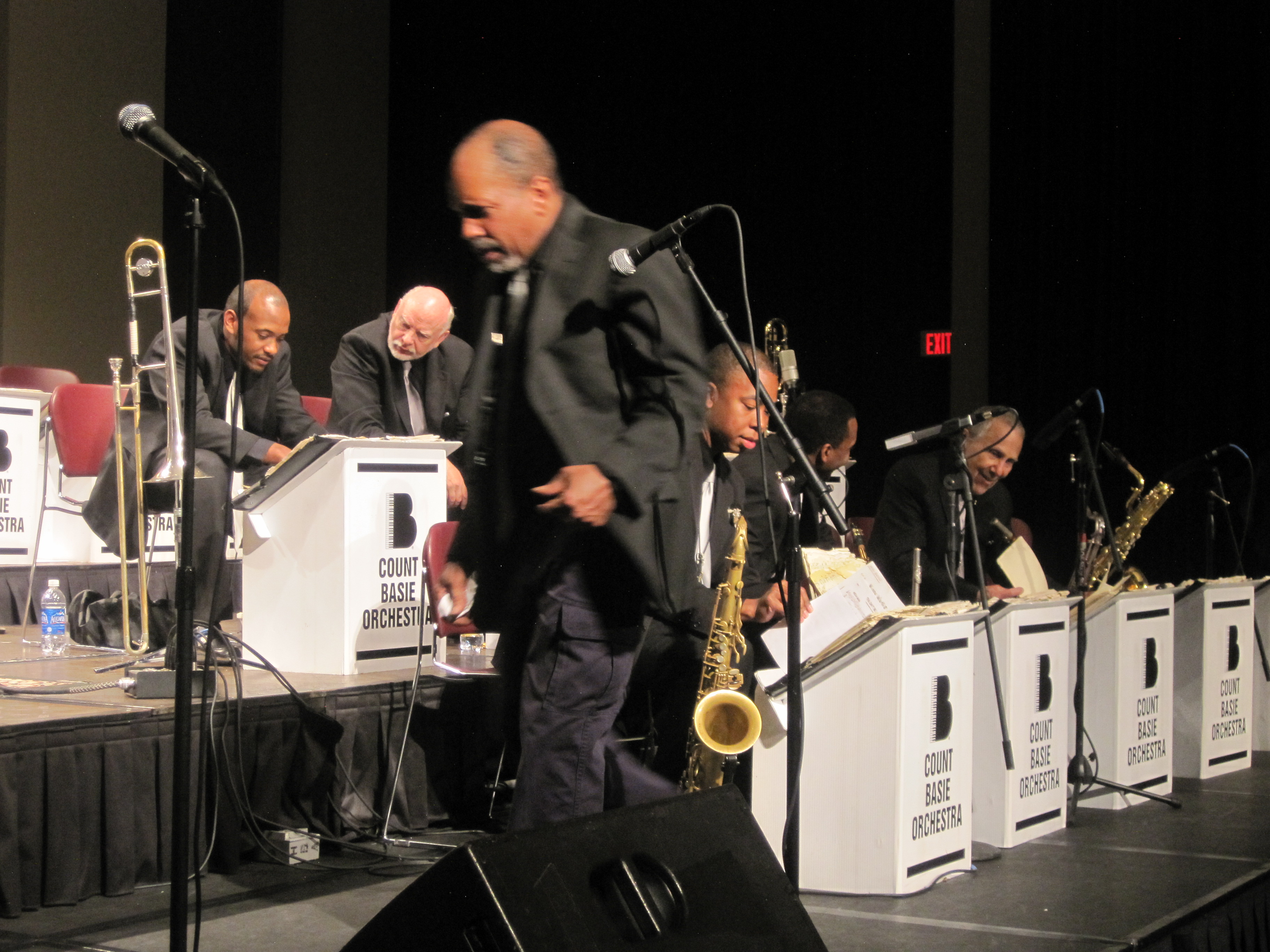
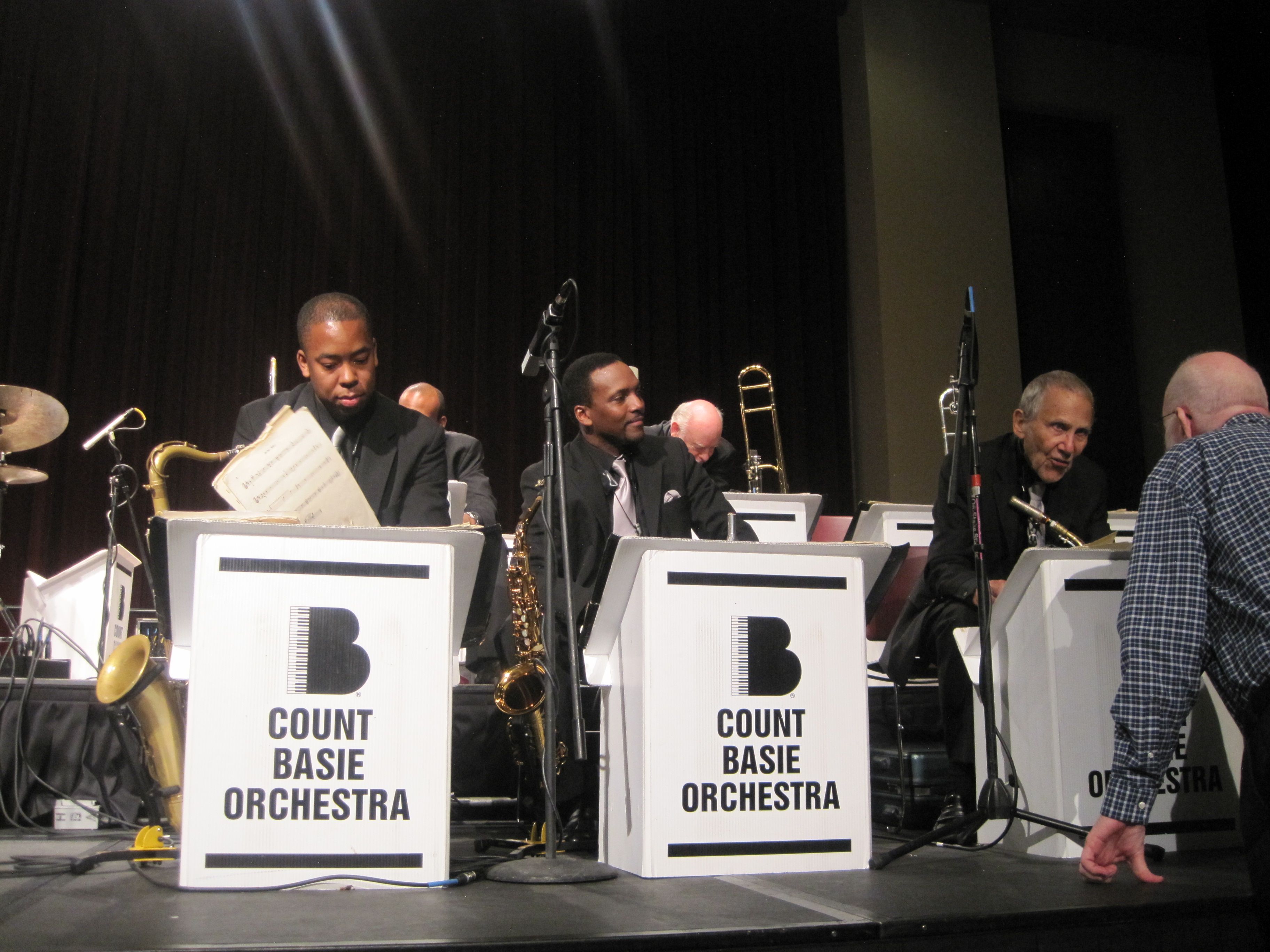
While seated at the back of the Merridian Ballroom on campus yesterday where I had gone to see the legendary big band jazz of the Count Bassie Orchestra, I could not stop thinking about the power of collaboration. The event was the Arts and Issues series of the University as part of the Annual SIUE Jazz Festival. The Merridian Ballroom has played host to very many special events in the life of the University. There it was on March 29, 2005 where the then newly elected Senator Barack Obama first announced that he was going to introduce his first piece of legislation in Washington, D.C. It was in the same venue that the last Arts and Issues event at SIUE took place that I attended. That was the visit by writer and poet Maya Angelou in October 2009.

It wasn’t my first Orchestra attendance, but it was the first that I was attending without much knowledge of the players. Only a late change of mind by my adorable head of department gave me access to the tickets in the first place. And because I didn’t get there on time, I sat at the back, too far to take good pictures but not too far to enjoy the beautiful work of the orchestra. My first orchestra very many years ago at the University of Ibadan featured mostly Yoruba tunes and foreign musical instruments; a stimulating mix which was also easy to follow. The Count Basie Orchestra performance featured tunes mostly famous to Americans, and perhaps more sophisticated Jazz audience to which I obviously didn’t belong. I didn’t know exactly when to clap and when not to. I depended on the crowd which however didn’t disappoint. What the performance lacked in appeal to my expectations in familiarity to its tunes, it more than made up for in satisfaction of my appetite for good music, brilliant compositions, amazing vocals, laughter, a few theatrics, and general geniality expected of a world class orchestra of its reputation. I have now begun to look for their songs on iTunes.

William “Count” Basie is widely regarded as one of the most important jazz bandleaders of his day. He came out of the Kansas City Swing scene in the mid-1930s and assembled a sound that became an anthem for a generation. The group has won every musical award imaginable, including 17 Grammys, and has been named to every respected jazz poll in the world at least once.  Some members of the orchestra are new, as could be found on the youth of their faces. But, according to the literature inviting us to the event, “the majority of sound still swings from musicians handpicked by Count Basie himself.” He died in April 1984 after having led the band for nearly fifty years.

The SIUE Jazz Festival, presented by the SIUE Jazz Studies program in the Department of Music, is a non-competitive, educational event that celebrates jazz innovators.   This season’s festival features the music of Count Basie.  In addition to jam sessions and clinics, performances will include high school and middle school bands plus an appearance by the SIUE Concert Jazz Band.