Badagry

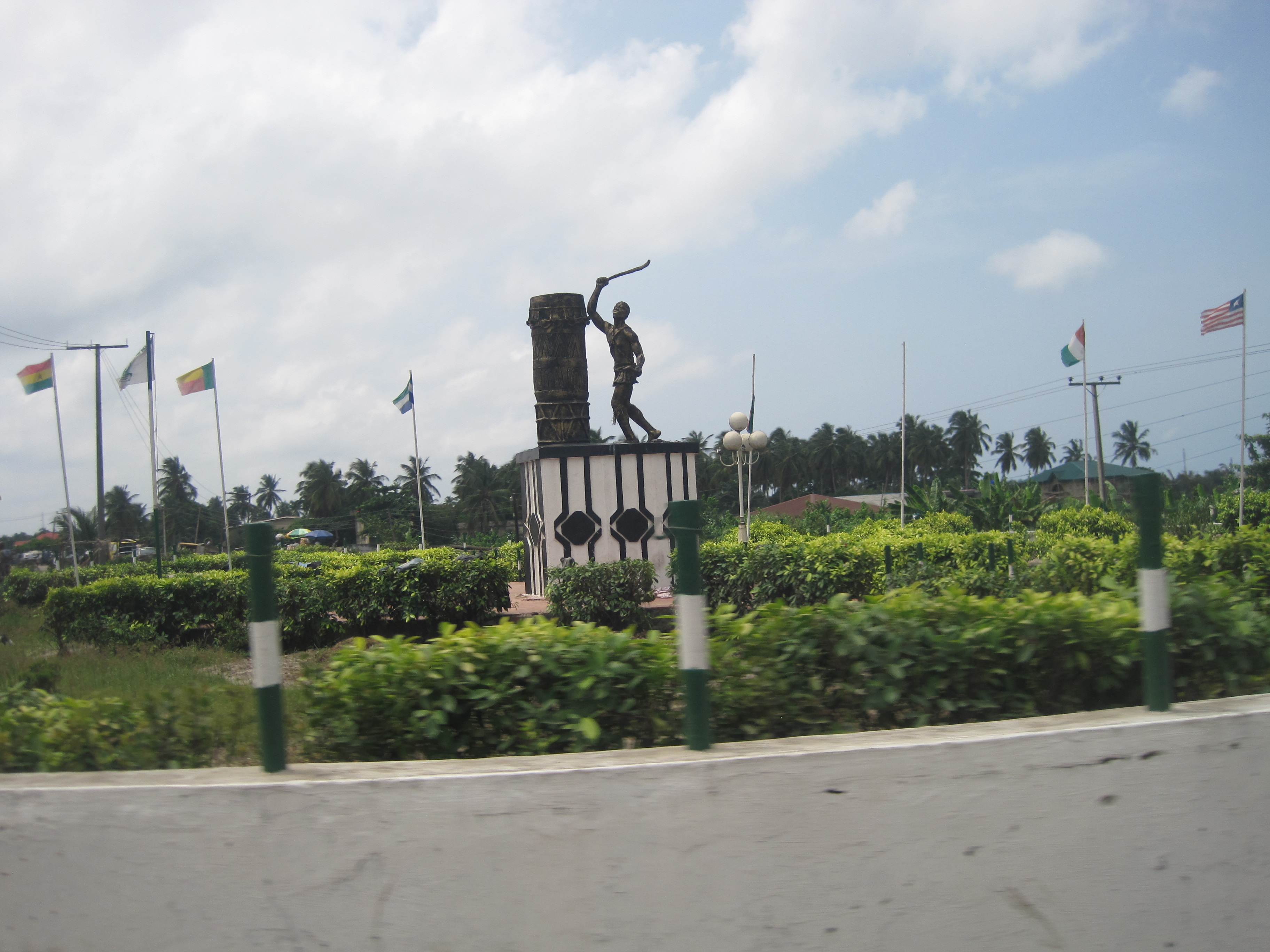
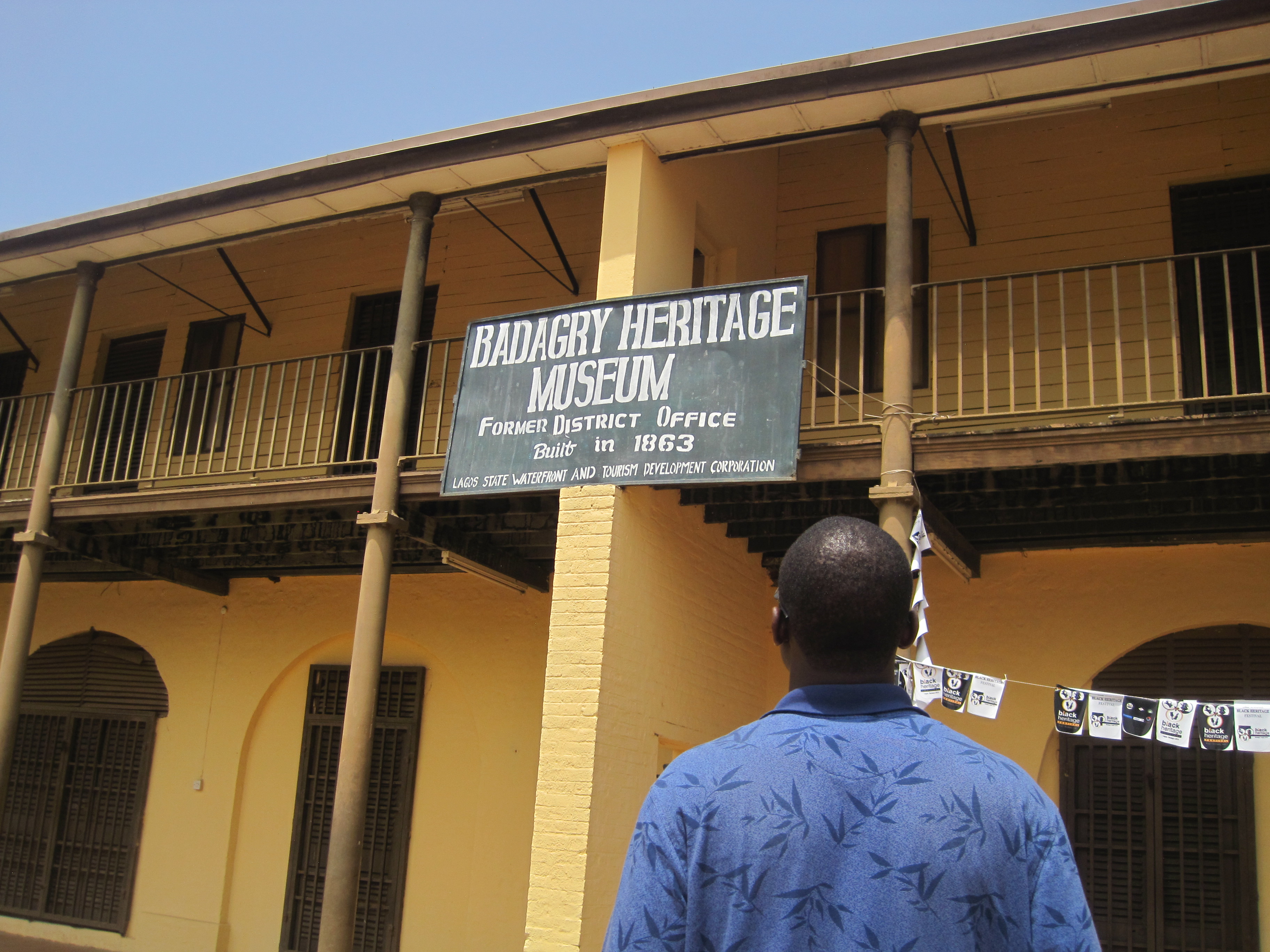
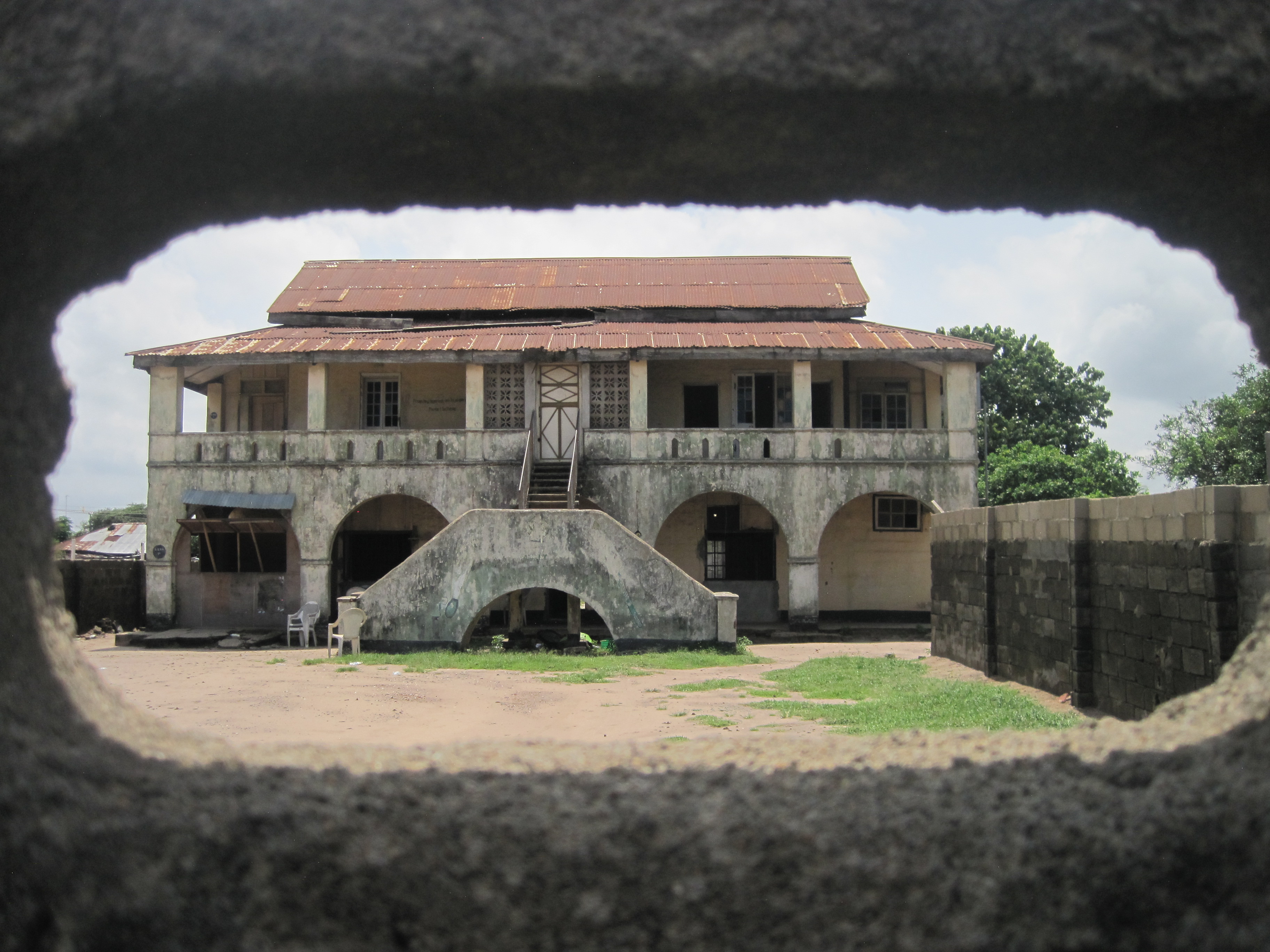
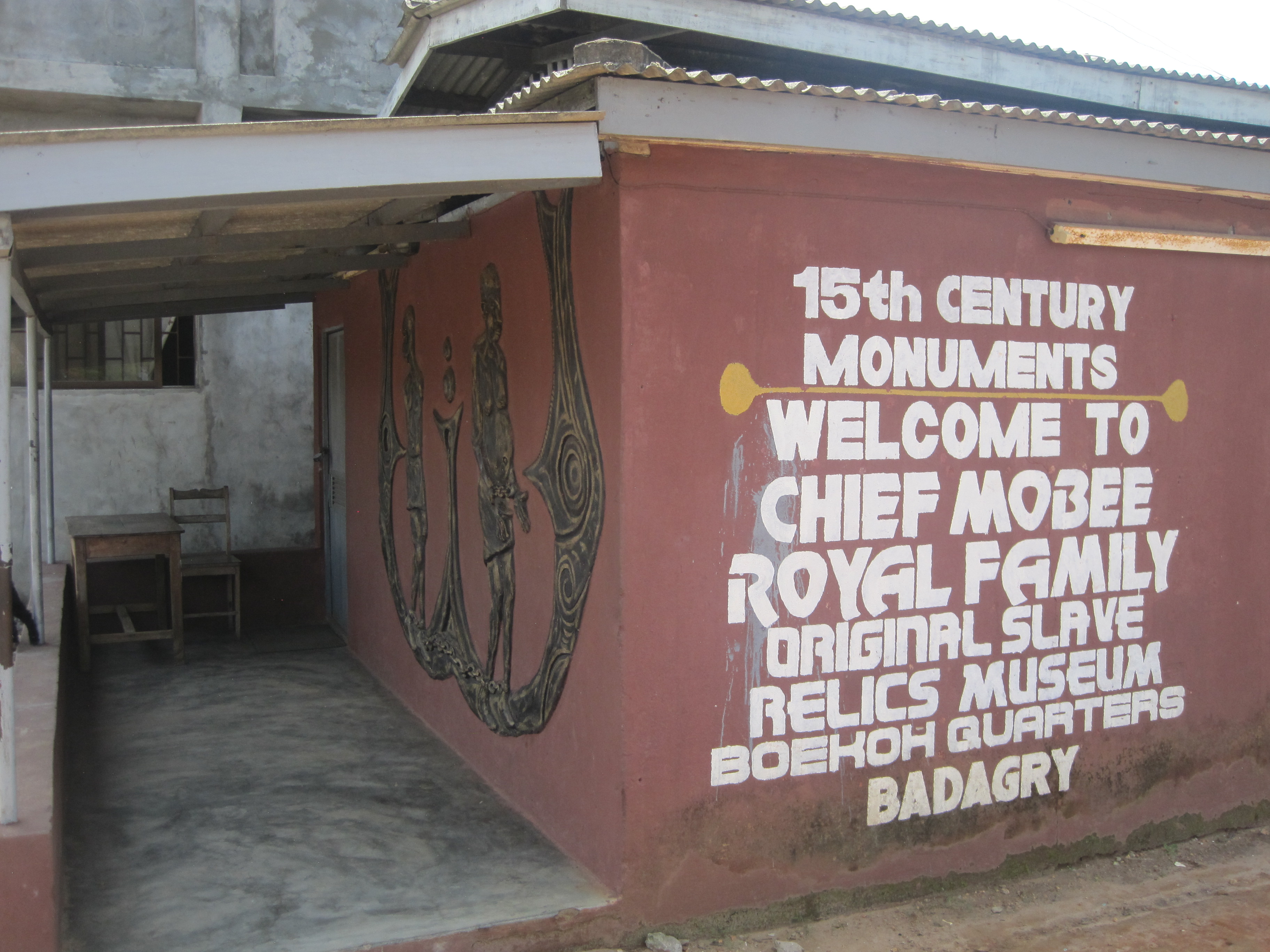
The First Storey Building in NigeriaBeginning my promised trip to yet undiscovered places in Nigeria, I took a long overdue trip to the slave town of Badagry on Sunday in company of a friend. It was an educative and enlightening experience that took us to the first storey building in Nigeria where the bible was first translated, the house in which the Amalgamation of Northern and Southern Nigeria was signed, and a house now used as the Badagry Heritage Museum that was built in 1863.

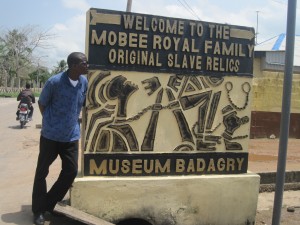
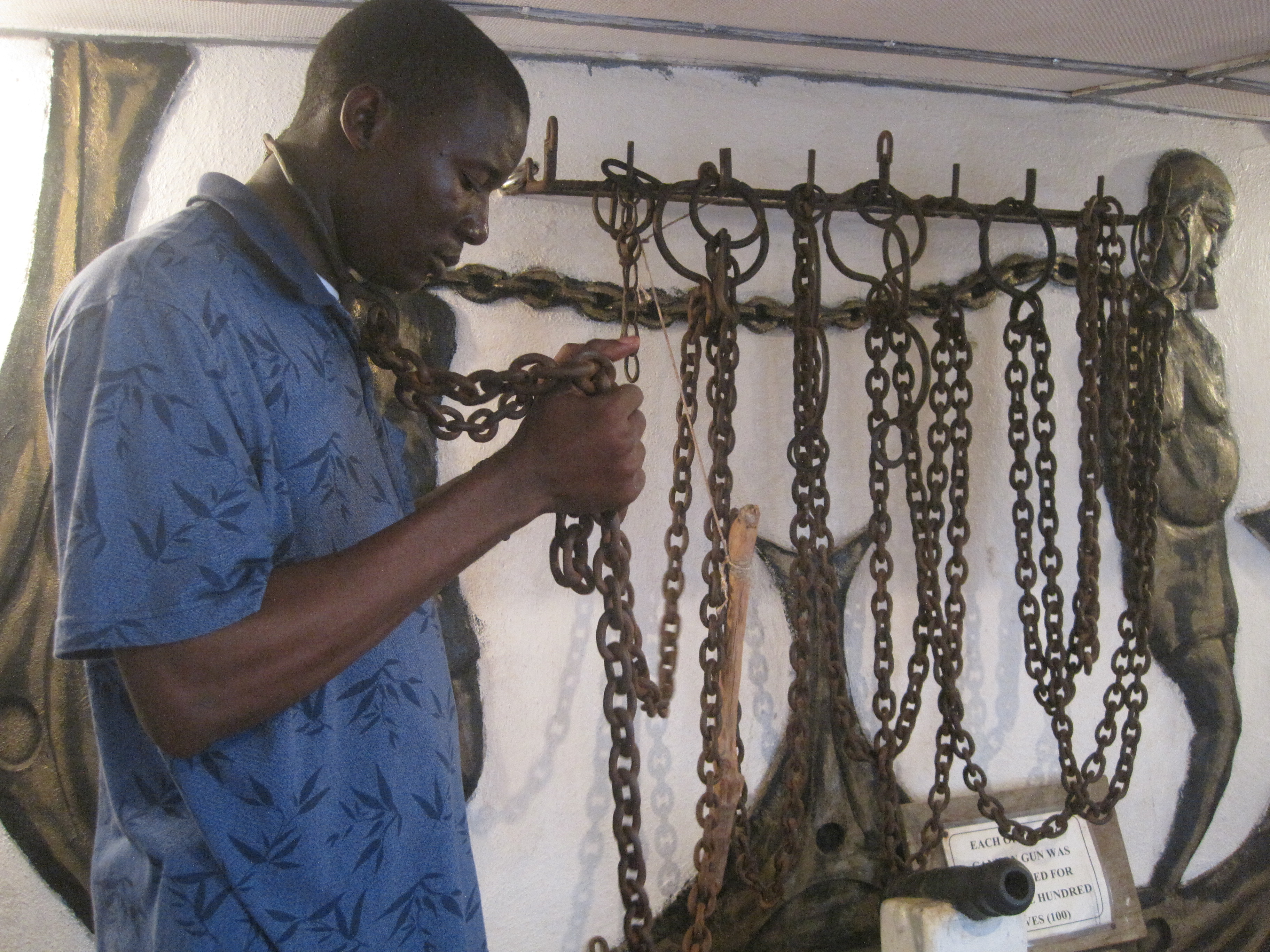
We also saw the slave relics, and I got to try on some of the chains and manacles – a very moving experience. Then we saw the Brazilian baracoons where the slaves were kept before being shipped, and we saw the grave sites of the many influential figures in the slave trade. Then we went to the lagoon front and enjoyed the breeze while pondering history.

Enjoy these few pictures from the experience while I write a more detailed  report. I’ll put up more pictures when I have the time.

Photos by Liz Ughoro
An Update

My internet is gone crazy. Or is it Google Chrome? When I try to open a page, it takes forever and then takes me to an error page written in Turkish. Terrible, I tell you. I spent the whole of yesterday battling with my internet, trying to either upload a picture or leave a comment on a blog. I didn’t succeed. At this rate, I might not catch up with my scheduled number of posts per month. And this is a source of worry, not because I’ve never used slow internet before – after all, I grew up here when there was no internet at all, and I first used the internet on my own in 1999 – but because it doesn’t make much sense to pay as much as we do here in the country for internet access, and get so little back. Twenty-four hour internet connection costs $100, and it is barely half as fast as it is in some other parts of the world where they pay much less. There’s something wrong somewhere, and something should be done about it. Business opportunity, anyone?

I spent last Sunday in the town of Badagry examining original relics of the slave trade. It was a moving experience, much like my visit to the burial place of Abraham Lincoln. There is much to tell you here, and I will in my next post. I just need to let you know that I have not forgotten you or my promise to keep you updated about everywhere I go. I got a (hopefully summer) job at my old University. I’ve been invited to work with a flagship internation exchange programme where Americans come and spend some time in the University learning, teaching and touring – much like the Fulbright exchange. But this one is not sponsored by the Fulbright, and it only involves Americans coming here. I’m considering the offer, and I might return to Ibadan as soon as possible to check it out, but I’m only going to take it if it gives me the needed freedom to still be able to move around. If I have to sit in one place for more than four hours in one day, I might go crazy.

The result of the blog awards turned out a surprise, but not a bad one. I have now regained my rights to a sound sleep after all the excitement of the past week and all the campaign to all known and unknown persons to “please vote for my blog, and do it now.” But it was fun, and worth the effort, and I can say that a blog less than a year old got such an unprecedented eleven nominations. For the rest, which was determined by election, I’ll take away a lesson that I should never ever become a politician, no matter how juicy the offer or how loud the ovation. This is not a recent decision though. So I congratulate the winners in all categories, and give  a special standing ovation to all the other wonderful nominees many of who deserved to win even more than myself. It turned out that friends who saw the result before me were even more disappointed than I could ever have been. Let me say to them, “Come on, relax. I was joking when I said that the winner gets to be Nigeria’s president for a day.” 😉

Finally, I had a wonderful interview with one of the editors of African Roar, author from Zimbabwe, Ivor Hartmann over the weekend. I am now editing it for the news outlets and literary journals willing to publish it. It was one of the most fun conversations I have had with any author, and you should look forward to reading it. I’ll provide a link here as soon as it comes out. Ivor is one of the bright futures of literature in Africa, I have no doubt about it, and you will also see why. More picture posts coming up soon if the internet will allow. Lagos has given my camera sooo much work to do. Hope you have a wonderful week ahead.

A Case for Blogging

‘”The book is dead” – Ikhide. “Ikhide is dead.” – The Book ‘ – Grafitti.

There is no doubt that new technologies taking over the culture of publishing have sort of made the book redundant. But how total is that overthrow of the almighty good old hard cover material once known as the book? In the beginning, there were scrolls, nay, first there were hieroglyphics and scrawling on stone cave walls. And that was after communications went on via drum beats, gongs, and loud whistles across farm fields. Skip to the present, across generations of texts, scrolls and patches bearing thousands of important scriptures, texts and messages for generations.

We have the ebook, and many electronic ways of communicating ideas, almost like the book. Almost like most ancient means of communication. The iPhone could as well be a smooth but feathered pebble sent across from a far village to transmit a short message from a dying man to another – aroko; a phone call a mystical connection of voices between distances. Even babalawos might be able to explain that with some of their ancient texts. The man rubbed his head three times, chewed on the sour kola as he stood on top of the hill and called the name of his son seven times, and from where he was thousands of miles away, the young man rose from his sleep, dusted his mat, and headed homewards, without even saying goodbye to his expectant wife… From generations to generations, communication has evolved and will continue to do so, surprising each generation after the other. The graphic design of a recent cover of the Economist has Apple boss Steve Jobs holding two iPads on either arm. The headline was The Book of Jobs but the image was that of Moses returning from the mountain with two stone tablets – each as big as the iPad – in his hands.

The book should die, if it must, as soon as possible. For one, it will remove the pressure of traditional publishing, and an author of a short story in an anthology of eleven might not have to wait forever to lay his hands on the first copy of such a work. Where does the book get off with that distinct characteristic of charm that breeds suspense, and an always pleasing first touch, smell and feel? Try as we may, that first touch never fails to surprise and to please. Yet I protest. How many words does it take to write a novel? Forty to a hundred thousand? How many words have I written on this blog so far? Over two hundred and twenty- seven thousand words and over a thousand nine hundred pictures. Bollocks! Die book, die! A magazine editor won’t publish an already blogged poem. Bollocks. A newspaper requires exclusive rights to published articles and won’t allow for reprints on the author’s blog. Die book, die!

But who am I kidding? Until the Nobel Committee decides on a day in the distant future to award the Nobel Prize for Literature to an author that writes using only the blogging medium will that day have truly come when the book is totally dead. And members of that Nobel Committee would have to have been first generation digital natives, born and bred in the world of hypertext. Until then, maybe we could do with a little amendment to the criminal code that gives the opportunity of only a phone call to an arrested suspect. If you want to arrest and lock me up, why don’t you give me internet access instead. All I need is twenty minutes for my next post, then you can have me in for all the time you want. At least until the next day when the next blogging cycle begins.

The book is dead. Of course it’s not. But long live its very many other manifestations, including the one you’re now reading.

Food, For Clarissa.

My initial plan was to not only put up pictures of food, but to write a recipe of making them as well. Now, the temptation is just to give you the pictures, and send the recipes later. Or how about I just tell you their names first, and we deal with the making them later?

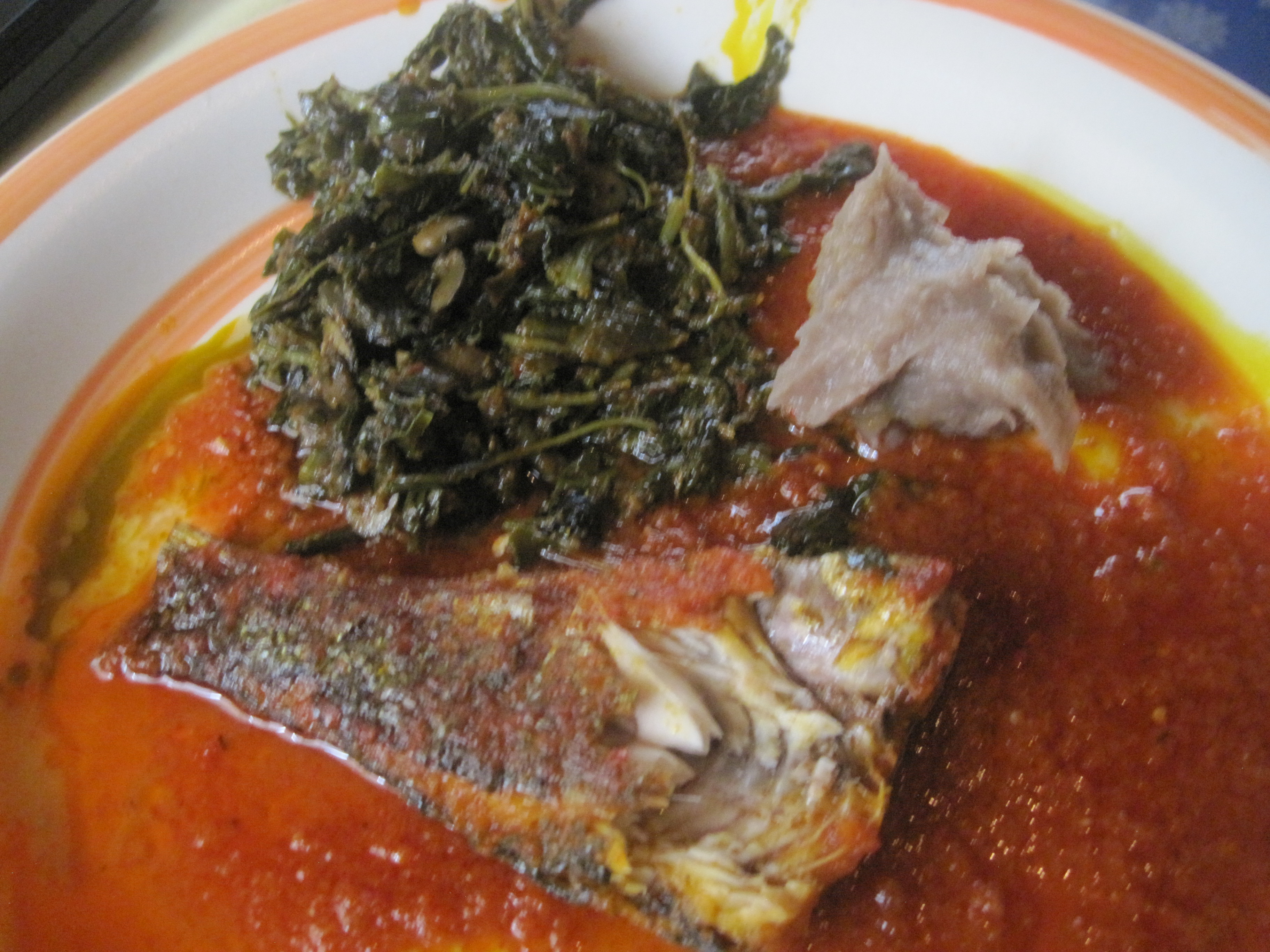
From the top, clockwise, we have:

1. Fried fish, with cooked (salted) spinach and locust beans, and a morsel of amala. This kind of amala is made from yam powder.

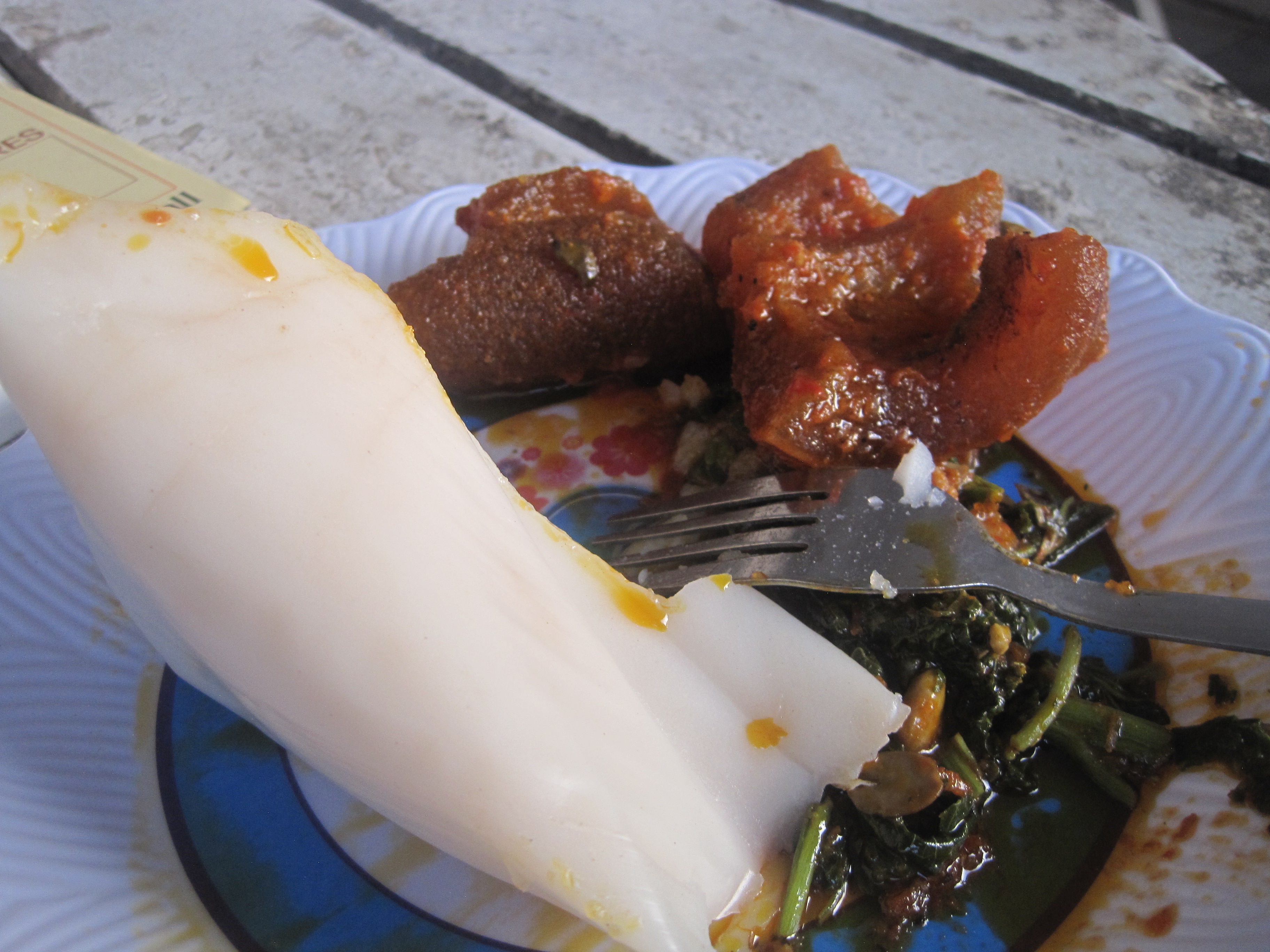
2. Eko (the white solid paste) made from corn, ponmo (from cow skin), and some more cooked spinach.

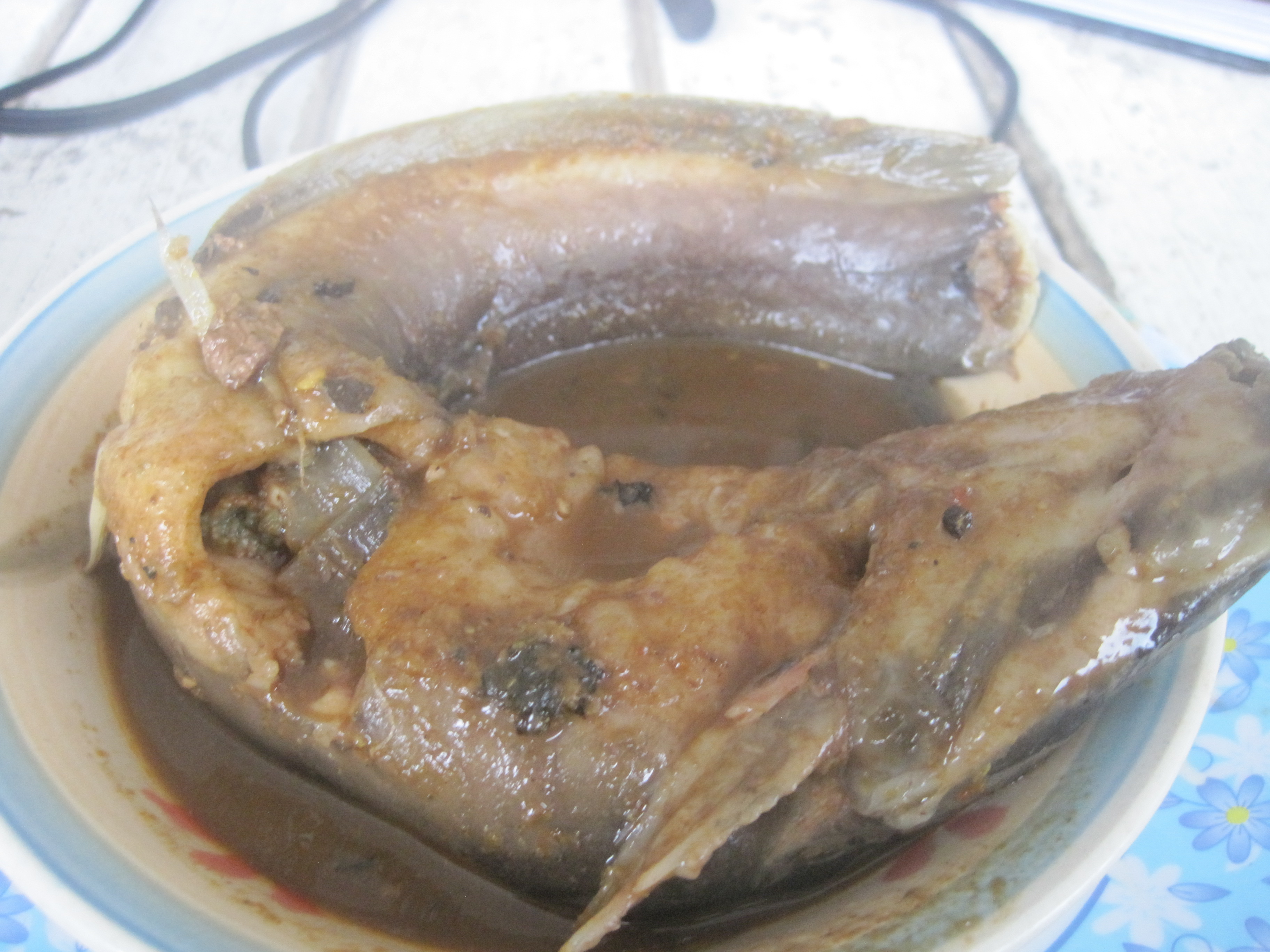
3. Catfish in peppersoup.

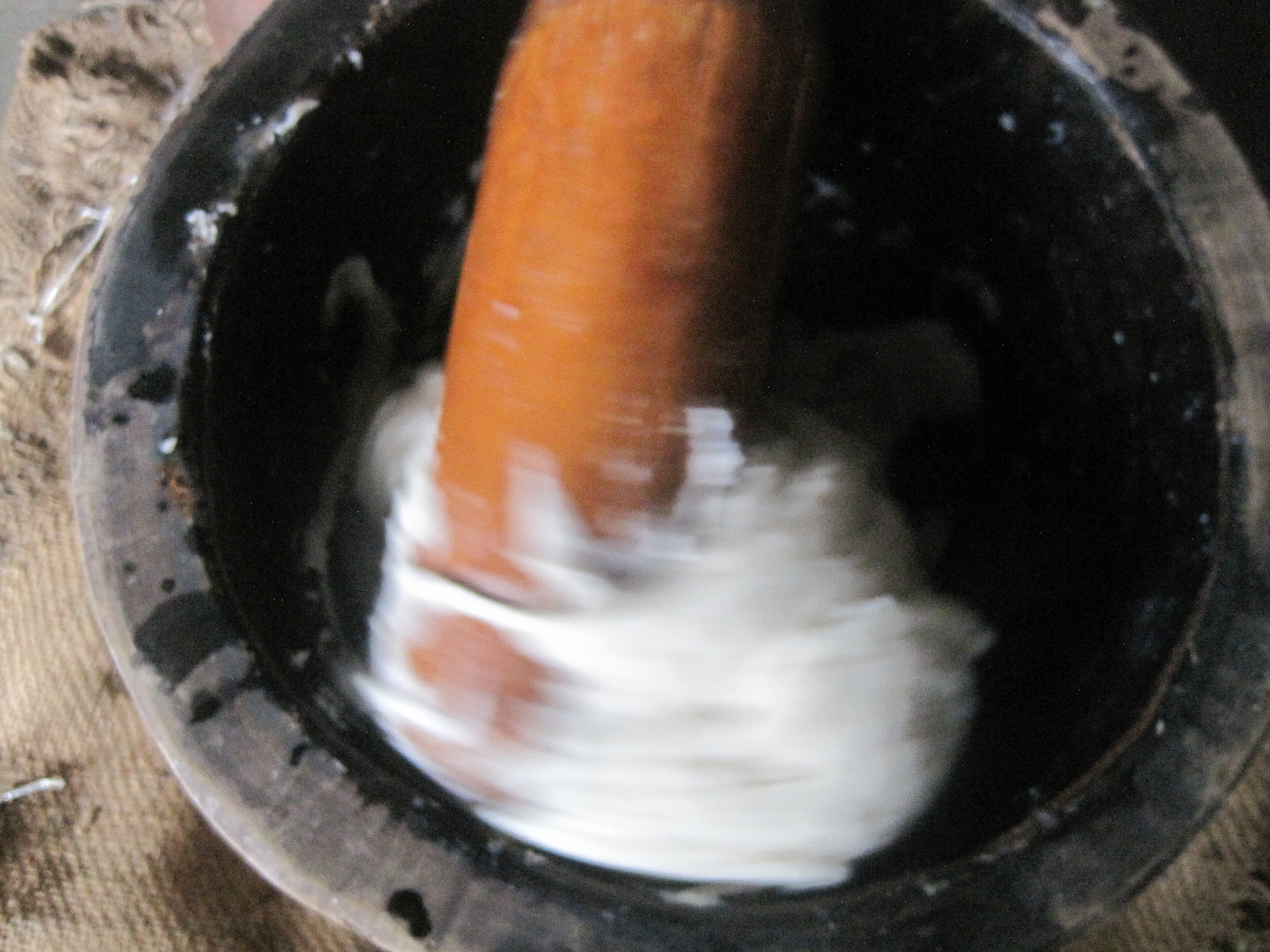
4. Pounded yam in the making. (You peel the yam, cook it without salt, and pound it until fine and doughy, then eat with any soup or vegetable of choice.)

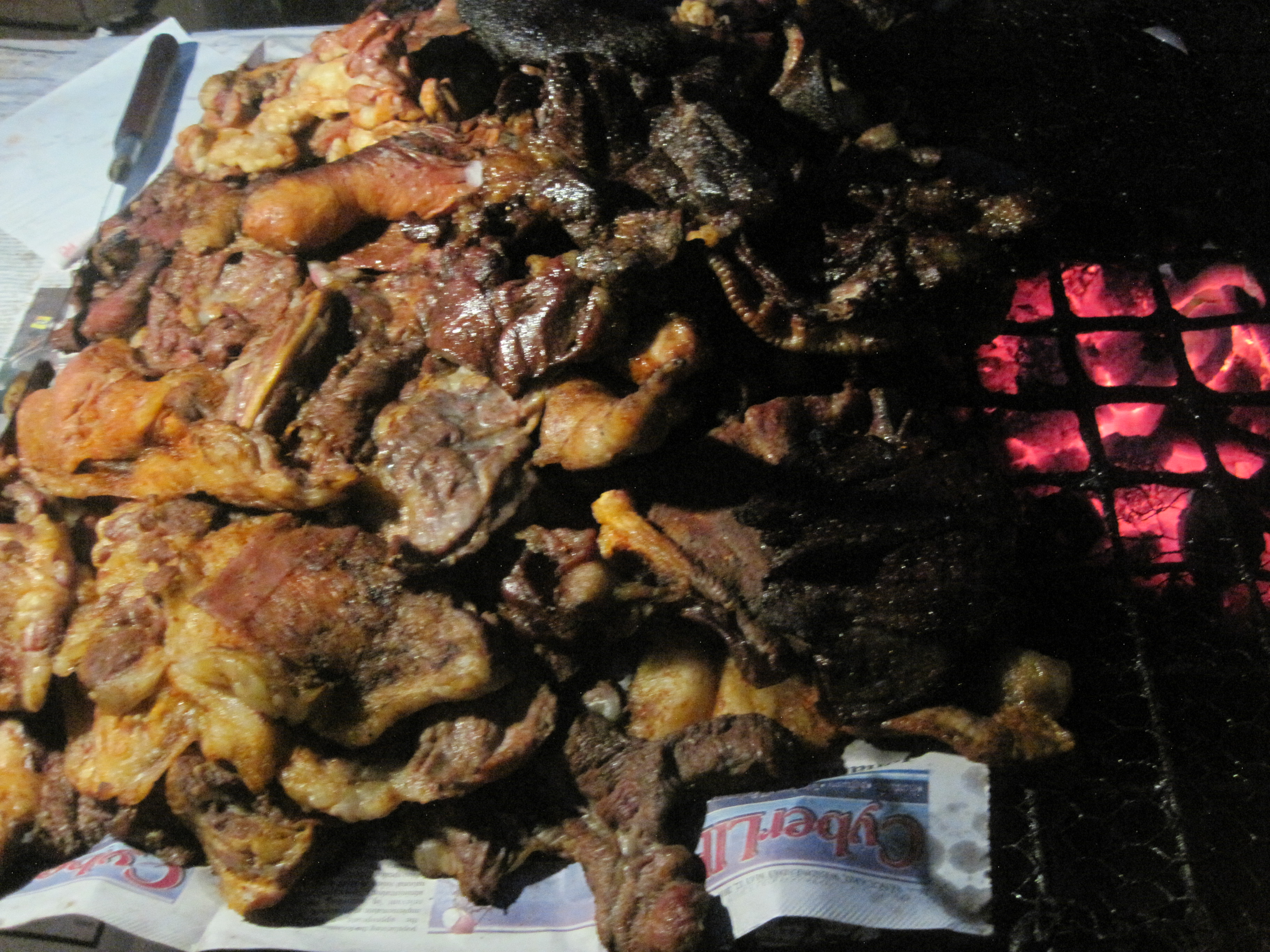
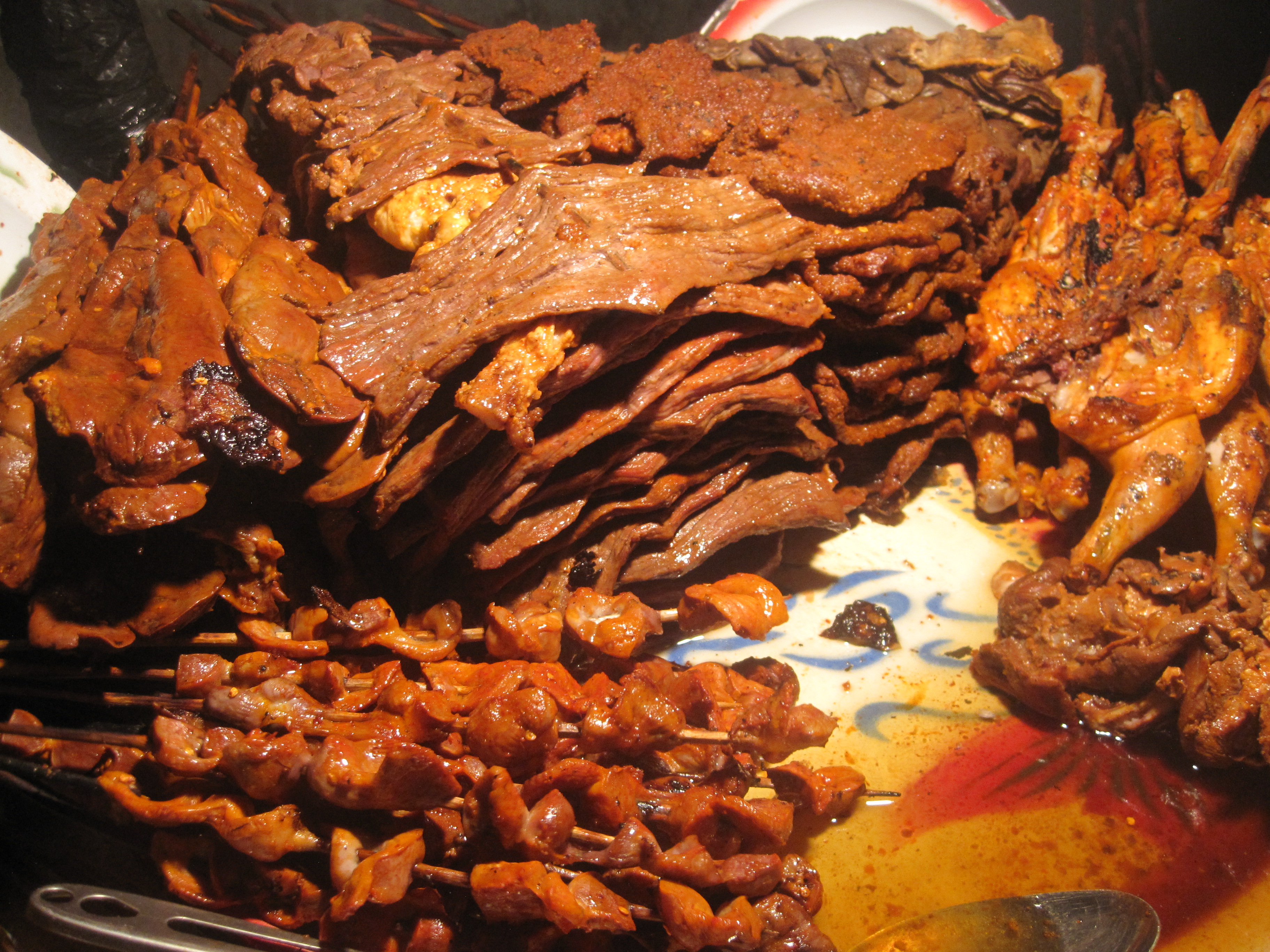
5. Suya. This is a typically Nigerian delicacy. It is cow meat roasted on an open fire with plenty spices, and eaten with cabbages, onions and some more spices.

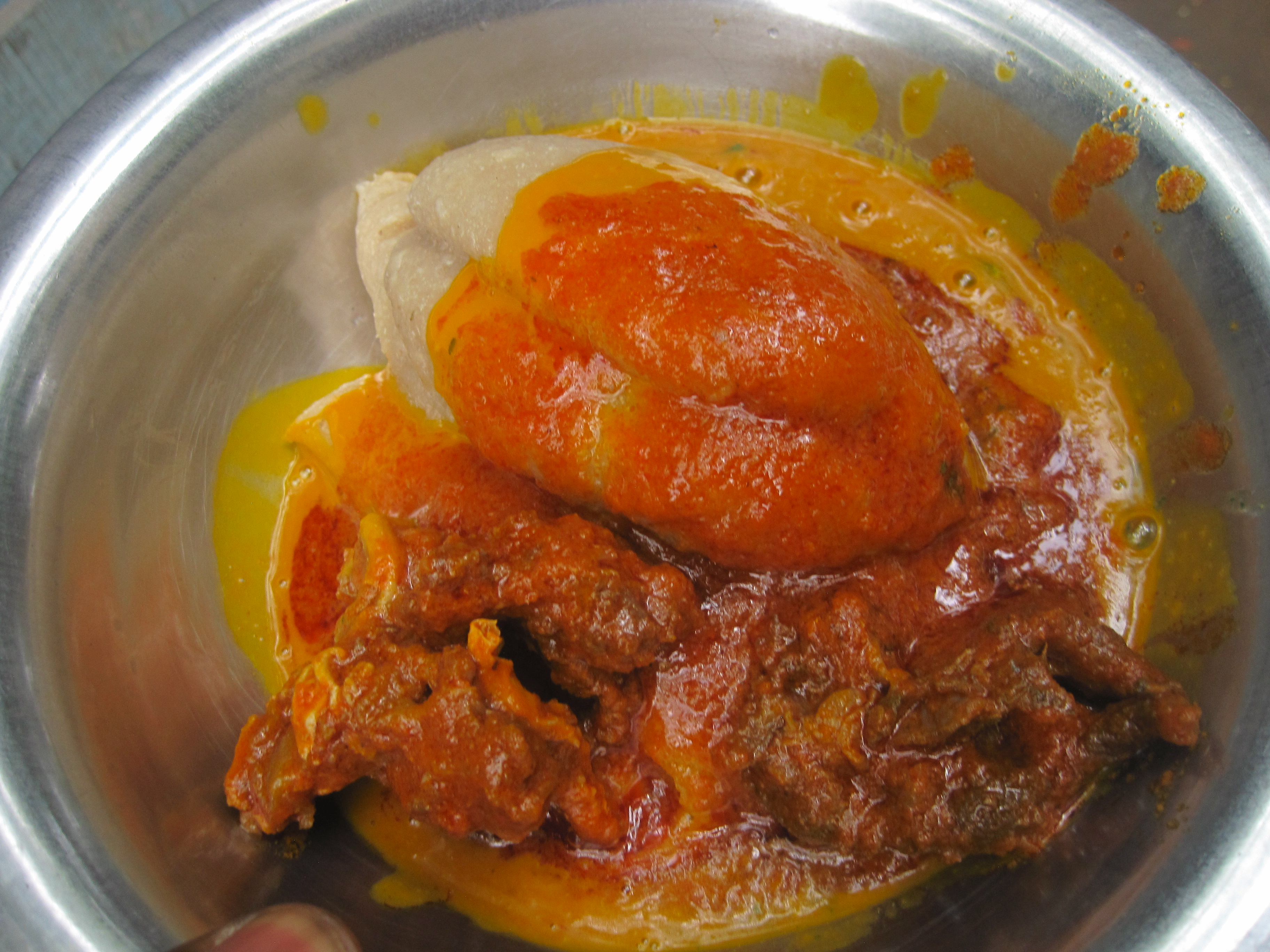
6. White amala (made from cassava flour) in black-eyed peas soup (also called gbegiri), pepper sauce, and some beef.

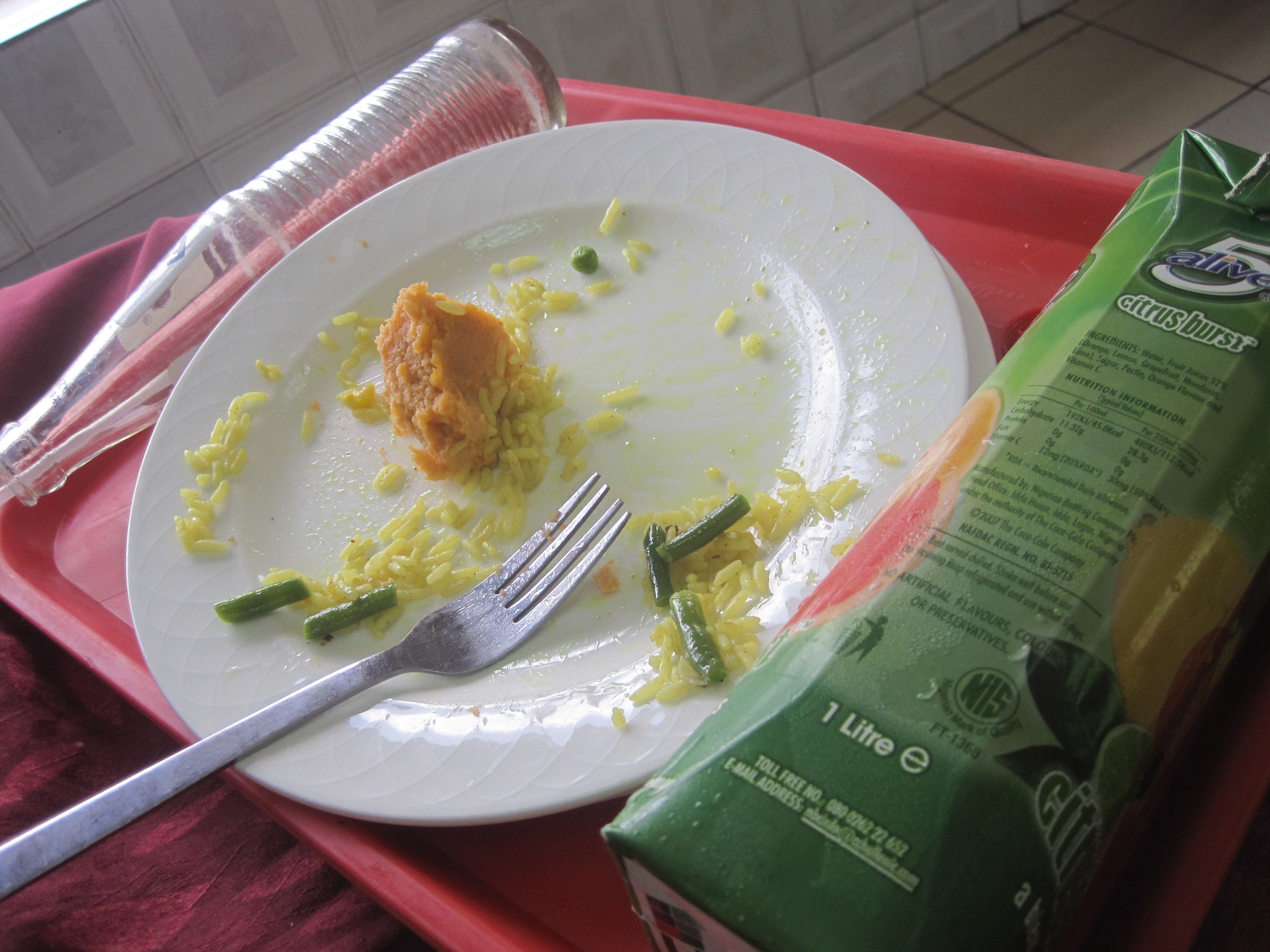
7. No comments. This is an almost empty plate of fried rice and moinmoin. Moinmoin is made from blending black-eyed peas (we actually call it beans) together with pepper, and other spices, and cooking it with crayfish or shrimps until solid.

8. More suya. This one is cooked slightly differently from the one in #5. This is stacked on sticks and placed on the fire with the spices. In this picture are three different kinds: chicken, beef and chicken gizzards, all on sticks.

Alright, I’m done here. Ikhide Ikheloa, let me now formally invite you back to Nigeria. 🙂

What Shall We Do With The Next Election?

According to a recent insightful post at Nigerian Curiosity, there is a looming civilian coup in Nigeria, and we are not paying enough attention. According to several clear pointers, it is not likely that the next election holds on schedule if it holds at all. A new chairman for the electoral commission has not been appointed, and the acting one has confessed that there are no enough funds, infrastructure or time to conduct the a free and fair election next year. The next president is expected to be signed in on May 29, 2011 and the electoral body needs at least six months to prepare for the election if it must be credible. INEC must also leave at least four months (I don’t know if this bit is in the constitution) between the time the new politicians are elected and the time they’re sworn in – so as to give room for all needed litigations.

The questions are:

When will the new chairman of the electoral body be announced by the president?

When will the new Electoral Laws be passed by the Senate in time to guide the new INEC head to conduct a free and fair election?

What does the constitution say about a situation where polls are inconclusive by the end of the four years tenure of incumbent politicians?

Is anyone really listening that none of these seem feasible in the next couple of months due to the nonchalance of politicians that stand to gain so much from the chaos that will mandate them to retain their seats in the absence of an election?

My Suggestions

Let us all send strong letters, opinions, articles and phone calls in the way of our elected officials to do the right thing right now. Let’s have your own suggestions. The time to act is now.