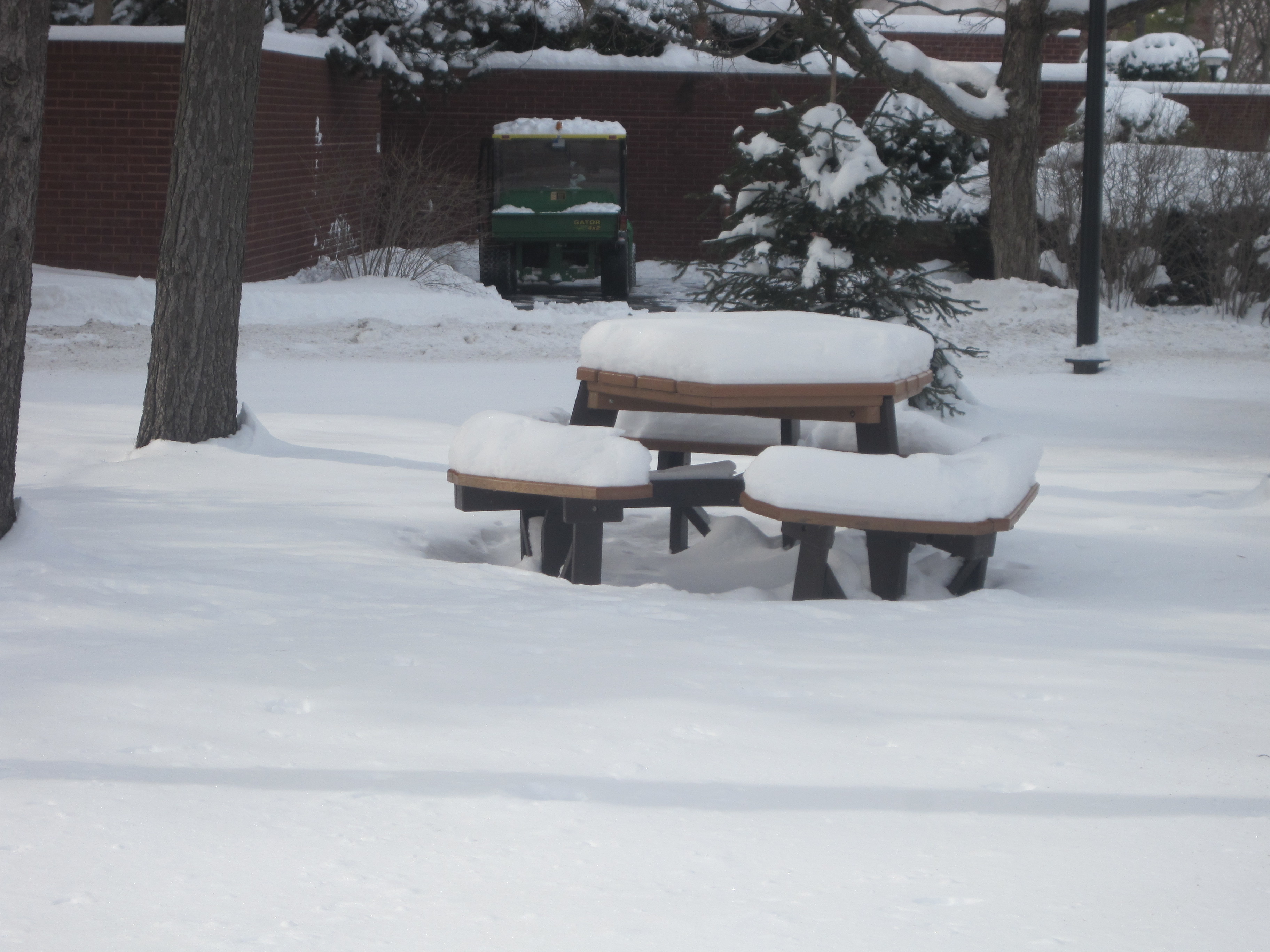
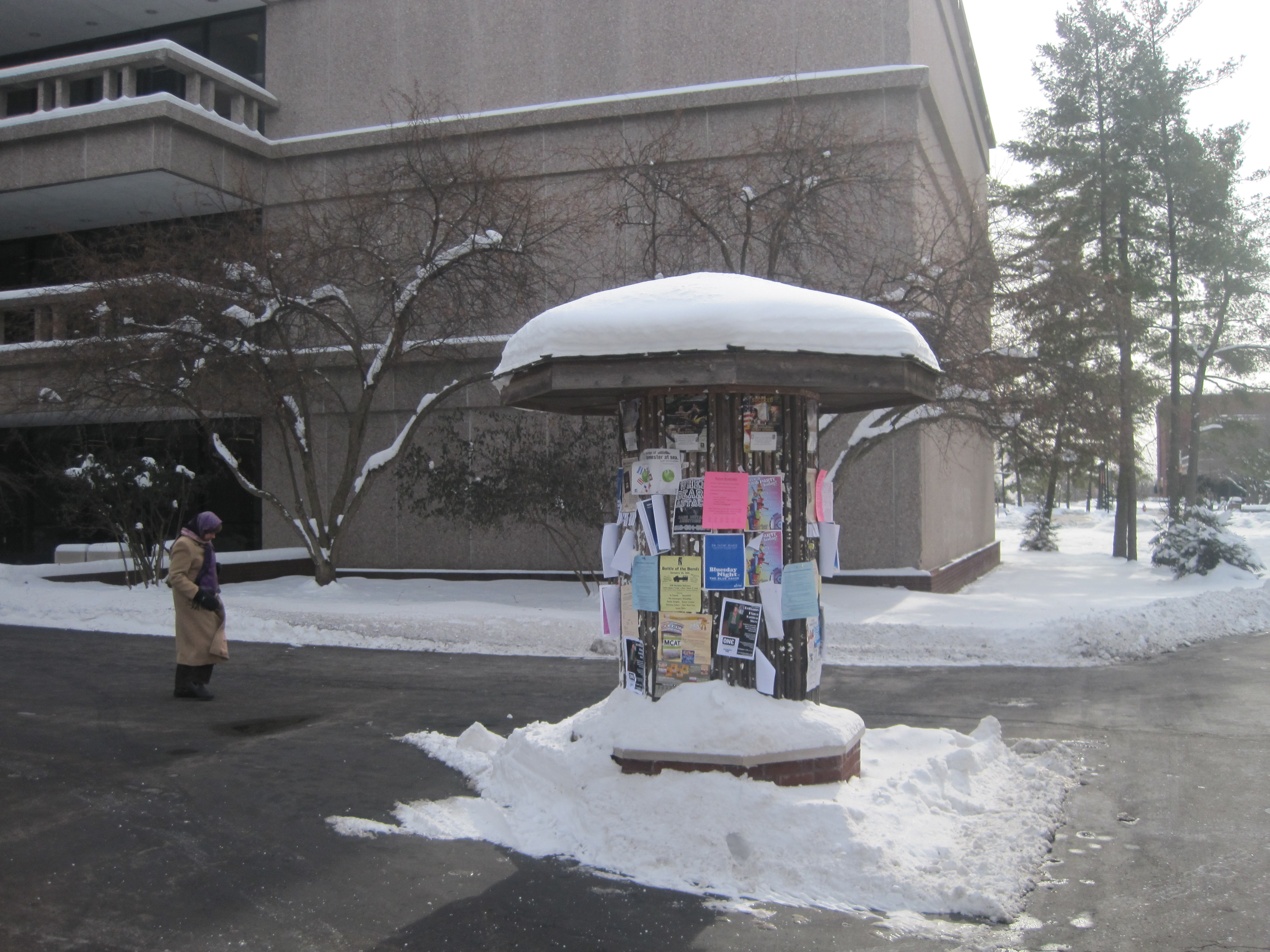

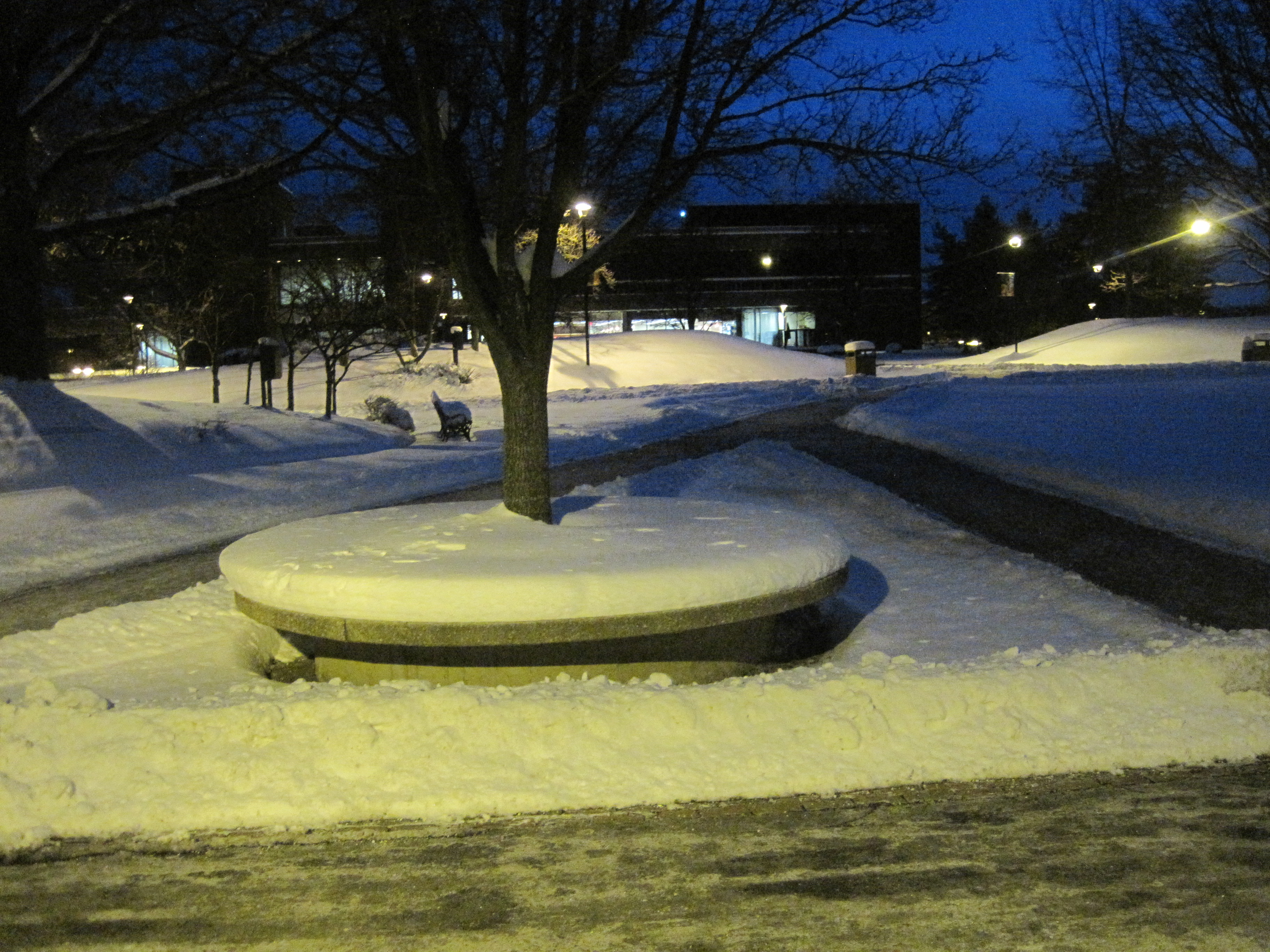
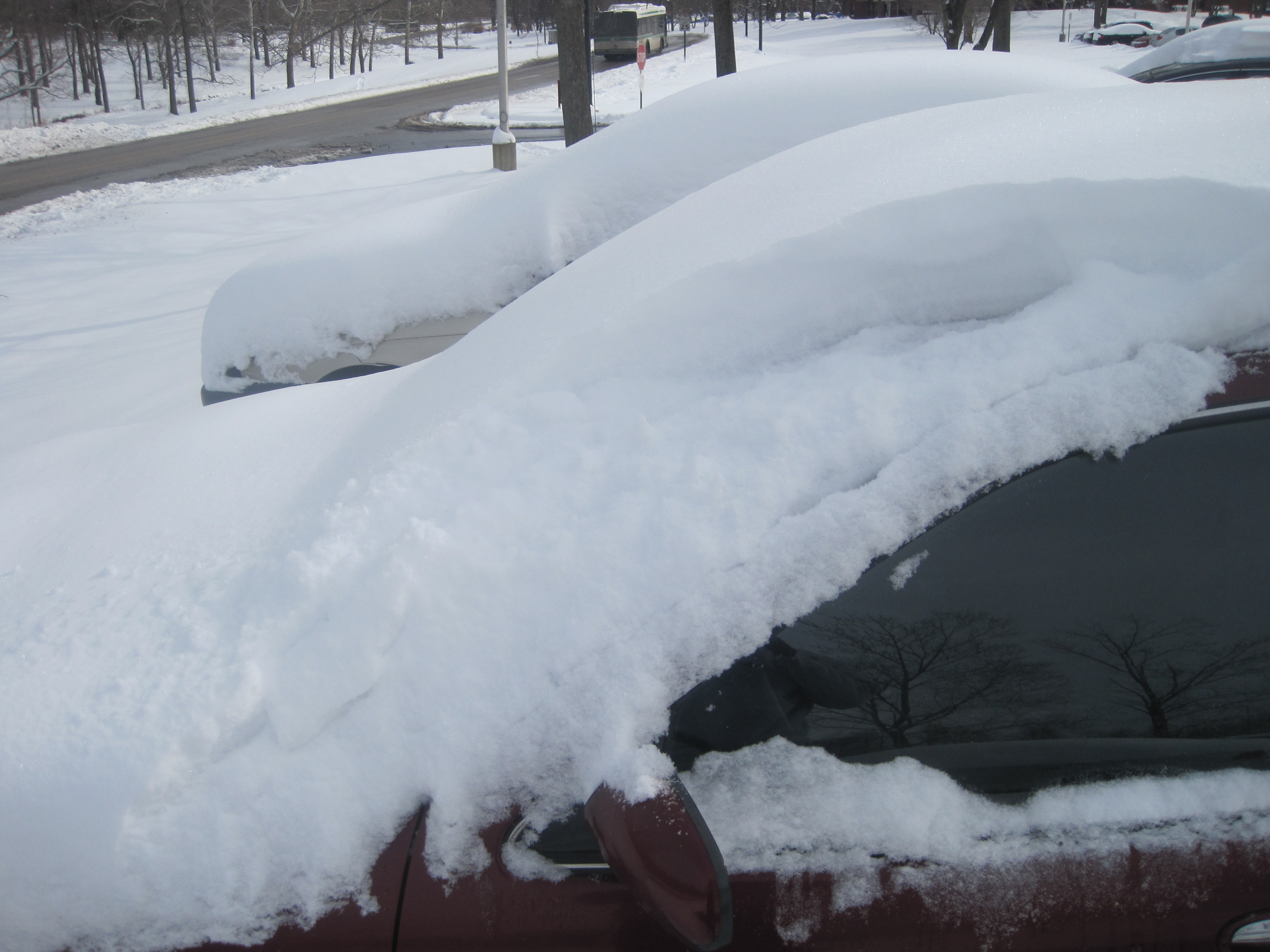
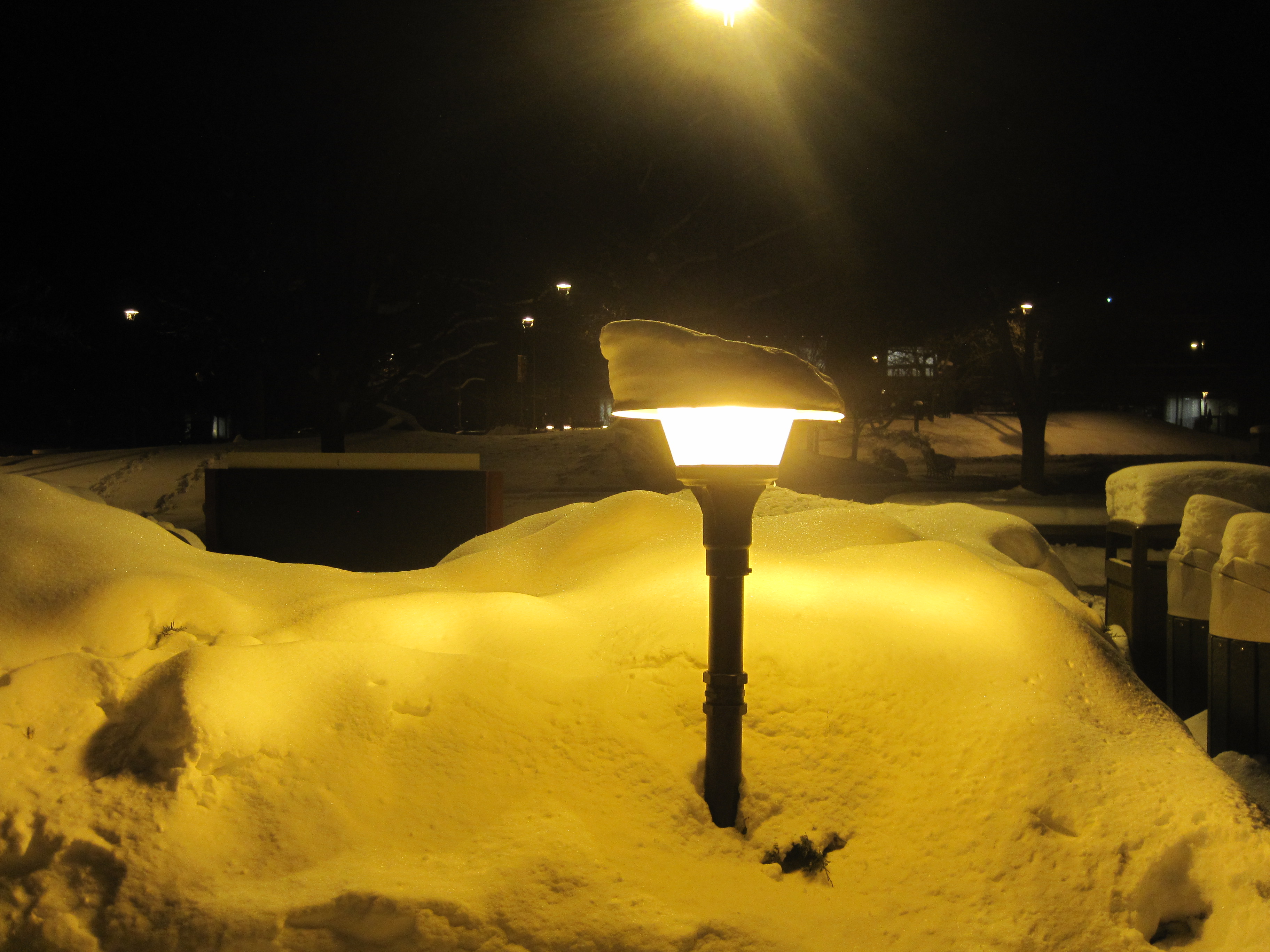
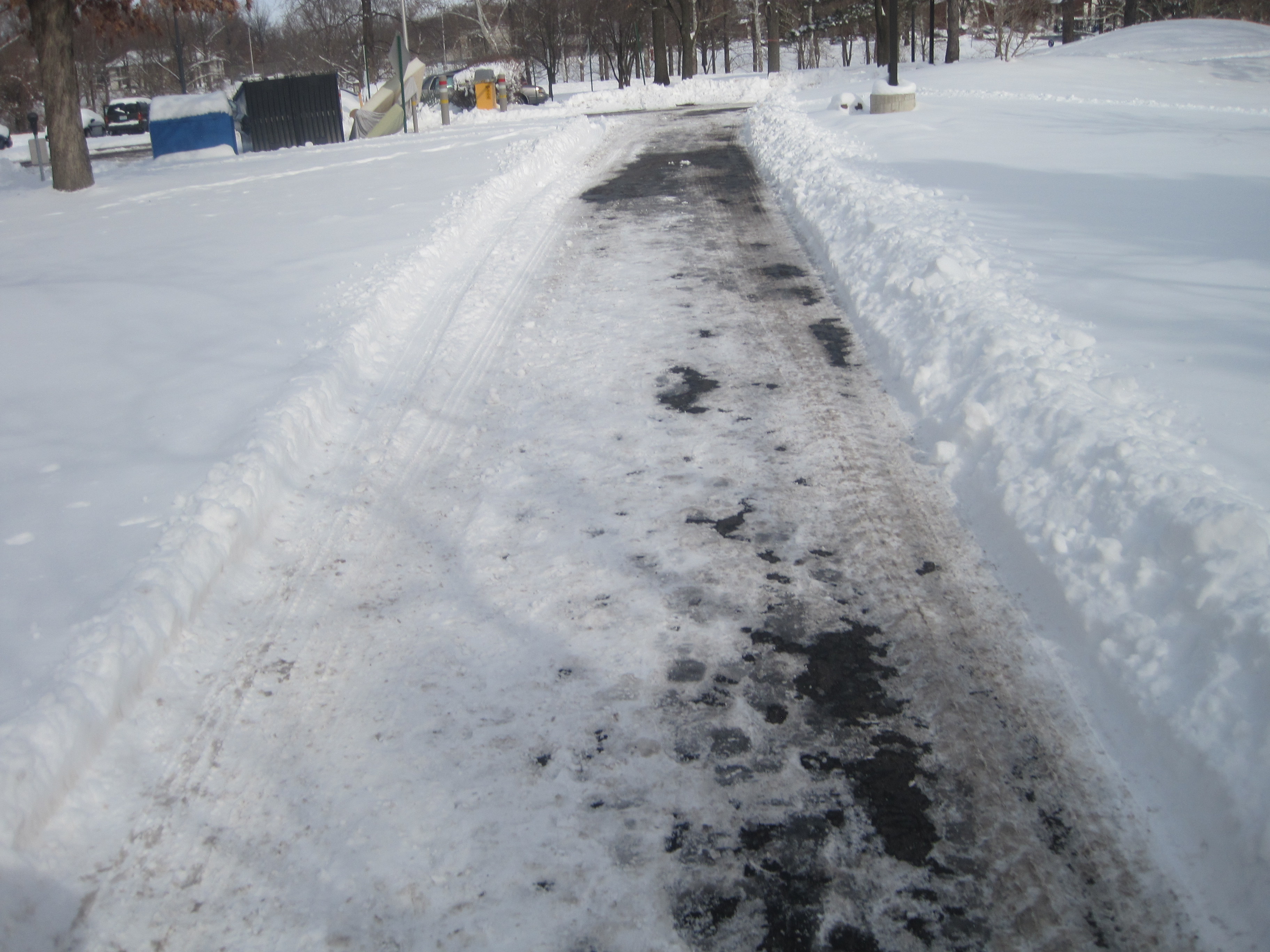
 Photos from around campus after the 12 inches snowfall.
When life offers you snow lemons, make picture lemonades. Or at least try.
Photos from around campus after the 12 inches snowfall.
When life offers you snow lemons, make picture lemonades. Or at least try.
The Urban Dictionary defines “Just sayin'” as “a term coined to be used at the end of something insulting or offensive to take the heat off you when you say it.” Here is the example that comes with the definition:
”
Jordan: Anna you have really let yourself go.
Anna: What the hell! What is your freaking problem?!
Jordan: Just sayin’
Anna: Oh well in that case, I suppose its okay.
Jordan: Friends?
Anna: Fer Sure.
”
There is a phrase in Yoruba that translates to just that. It’s often just used as “I’m just saying my own”, or in plain English, “I’m just giving my own opinion. Don’t crucify me for it.” Now we have the Urban Dictionary for telling us what we already know. In other news, the expression “What is doing this one?” will be a perfectly correct Nigerian English expression of exasperation at someone/something that you don’t understand. What’s wrong with him/her?
Those of you not on twitter would have missed the trending topic of a few days back, titled “English Made in Nigeria.” Check out more of them here before they disappear from off the internet. If you can sort through the pidgin rubble, you’ll come away with some golden gems, like: “She’s my senior sister” meaning “older sister.”
Here’s an old joke I first heard 2001. The characters in it are no longer as relevant as before, but with President Hu of China presently in the United States on a state visit, you might still get some laugh out of it. It’s something about language, accents and idiosyncrasies.
Language use and language attitudes is a very interesting subject for me. More than any other classes I’ve ever attended in school, I found the sociolinguistics classes to be the most fun. Everything in it relates to something out of the class into the real world. From discussing language attitudes and language variations to examining language use and the ever expanding argument about what is a language and what is a dialect, I’ve always found things to relate to. The downside of this renewed delight in the sociolinguistics class is the realization that I’ve been here before. It’s new only because it’s a new, graduate class. It is old because I encountered it in my undergraduate days as well. It is fulfilling however because the examples are fresh, and so are the perspectives of classmates. And there is always something to discuss.
It also helps that the teacher is originally from Turkey and was brought up speaking British English. Words like “pavement”, “veranda”, “parlor” and “groundnut” are slowly returning into my vocabulary in the presence of someone who might actually understand them. I’m also learning new ones like “griddle cakes”, “goobers”, “scallions”, among many others. One of the most positive features of (my) American classes has to be the presence of people who speak a different kind of English, and come with a different kind of linguistic outlook. Nothing beats that.
It rained today as soon as the day warmed up enough. Or maybe I was deceived by the wetness on the ground. For all we know, the snow could just have melted and given the appearance of the after effects of rain. The undeniable fact is that it felt wet and warm, and the air smelled fresh and beautiful. Like spring. No, like the beginning of the raining season in a tropical place.
 How do seasons operate? Smells of rain stays the same wherever you go. One day you’re running in shorts in the mud of loam in the back garden of a big house, planting corn and peas and swatting roaming bees around your head, and on another, you’re looking behind your back in a lakeside house in the winter aftermath of rain with the eerie feeling of having smelt this before. The humid air, the smell of leaves and the general atmosphere of creation.
So, back to that garden, there was a notable incident that had the little boy staring for long moments at a black heap of loam where he had just buried two pieces of corn. And with a feeling of satisfaction at the work gone before – clearing the little garden, making the required ridges, adding humus from a nearby poultry farm – he stared at the ground and felt proud of himself, until a voice sounded from the house. It was his mother, peeping through the window. “It looks like you’re waiting for it to sprout already. Give it a few days. It doesn’t grow immediately.”
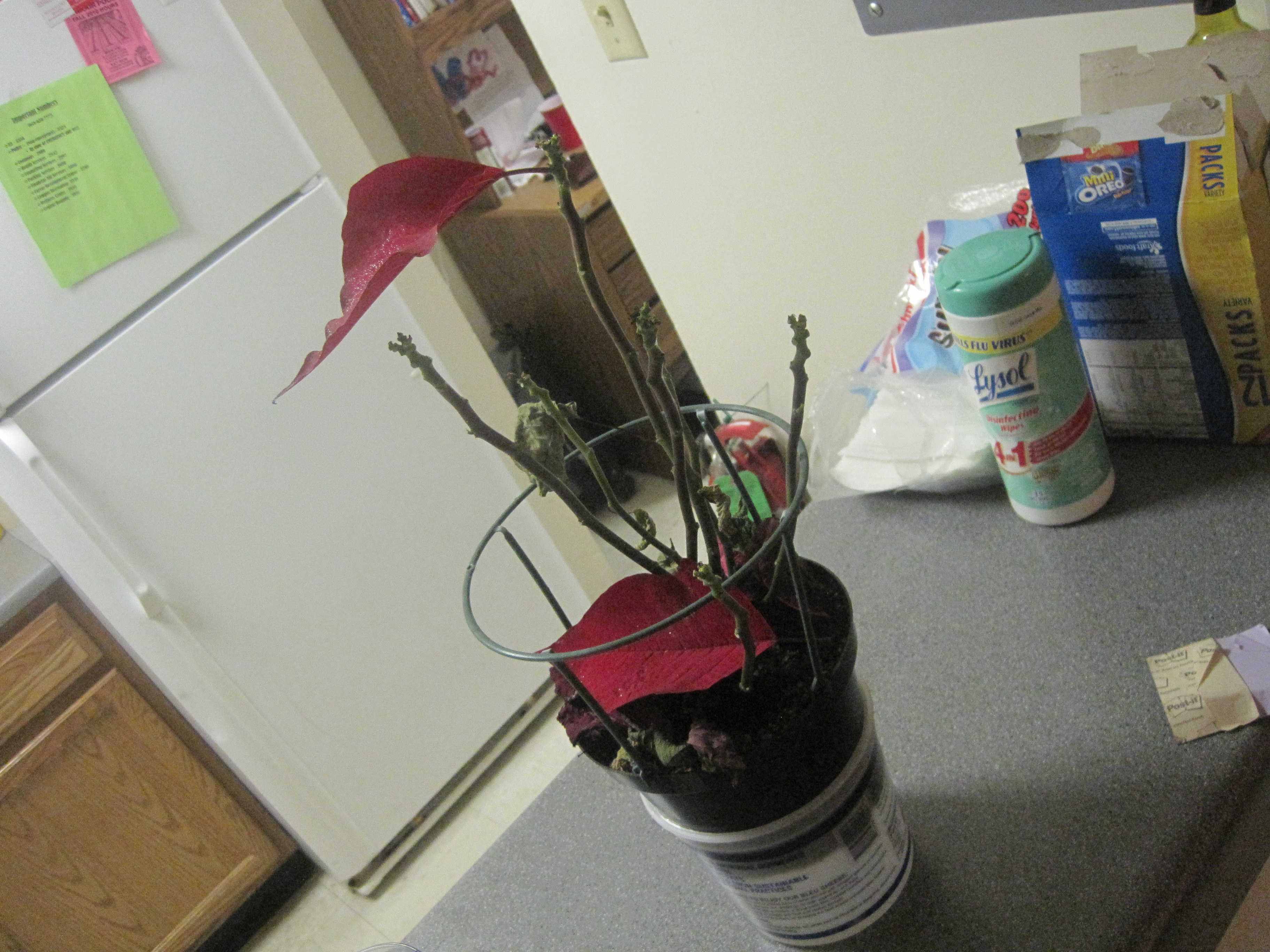
It is the smell of rain that usually defines those times. After months of dryness, the first few days of rain comes with a freshness that can’t be described. Add that to the pleasure of tilling the soil in an innocent attempt at farming, and you have the poetry of the season. It is sweet to the senses. The flower I tried to raise in my apartment a few weeks ago however has not survived. It may have to do with the house warmer and the absence of sunlight. Yet, life’s pleasures endure.