When I started teaching in Lagos, in 2012, on return from Edwardsville, one of the things I had in mind was finding a way to combine my passion for literature with my training and vocation as a teacher and linguist. First through a series of “Meet-A-Writer” events where we brought practising writers to meet and interact with the students, and also through excursions to events to fire up students’ artistic sensibilities, I succeeded to a reasonable extent. One of the highlights of the last Ake Arts and Books Festival, for me as a guest and as a guide to the students of mine that I brought along, was the ride home listening to the literary and creative aspirations of the students and their prospects for the future.
Gradually becoming disenchanted with the overall purpose of teaching English language as a compulsory subject (and a medium of instruction) in a post-colonial society, the idea of literature as a flight of fancy and a window into the mind and creativity of young adults became something more interesting, and certainly more rewarding than teaching grammar in a language compelled by law, sustained by an illusion, and limiting in the true sense of the capability to express the identity of the continent. There’s an irony here, of course, in the fact that these literatures, for now, are also expressed in this same “limiting” language. But that’s a story for another day.
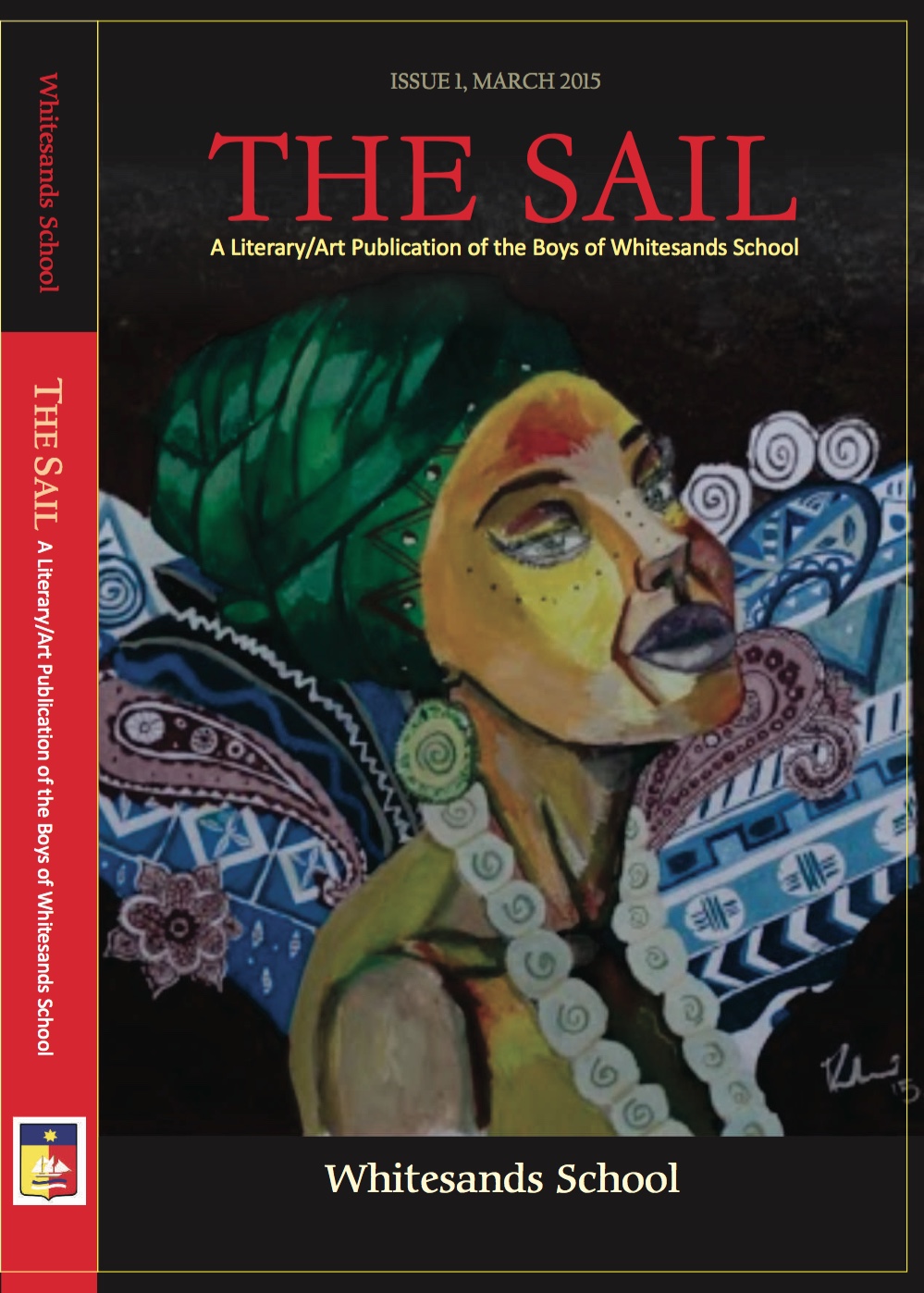
 Last year, an idea I’ve had for a while on the possibility of harnessing students’ creative energy in a book form found enthusiastic audience with the school administration. The result is an 86-paged anthology of students’ work in poetry, prose fiction, drama, essay, and visual arts, published by Whitesands School and Feathers & Ink publishing house in Ibadan. Along with the privilege of being in the book, a few of the students are also being rewarded with positions when their work is compared with the others. We were also privileged to have prominent literary practitioners in Nigeria read and judge the prizes beforehand. For this first edition, these judges were Chika Unigwe and Tade Ipadeola, both previous winners of the Nigerian Prize for Literature (worth $100,000). In short, it was a thoroughly emotionally and intellectually stimulating experience for the teachers and the students.
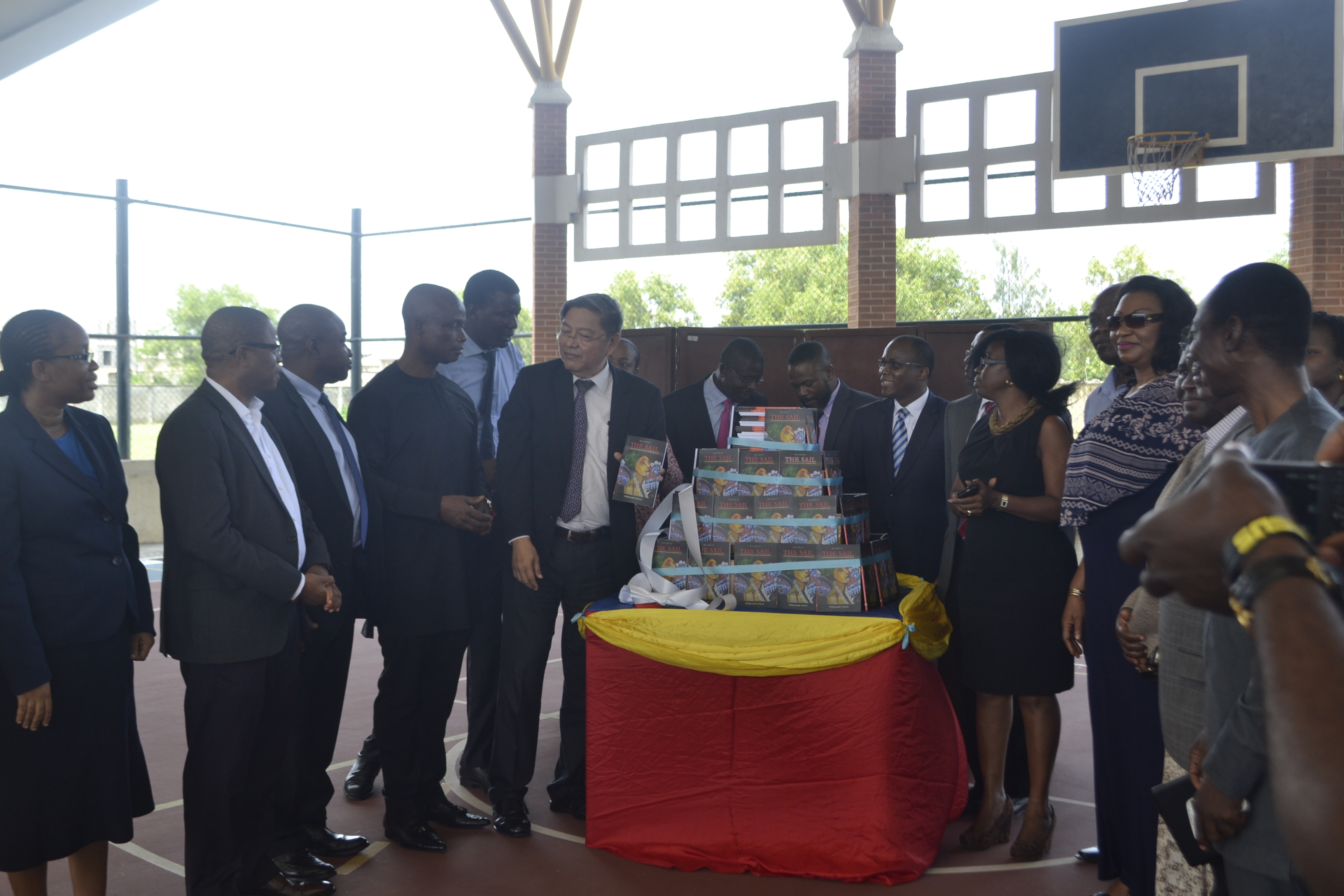
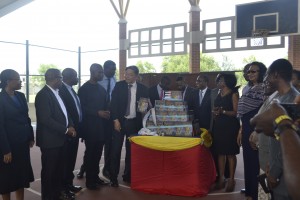 The book was publicly presented on June 25 at the school, with parents of winning students present. The book is also being given to all the over 400 students in the school as an incentive to working hard to be selected for the next edition. From what I’ve heard, it is having precisely that effect. For the students whose work appear in it as well, there’s an obvious air of pride and accomplishment. In the next couple of weeks, the book should also be on Amazon and other internet outlets for free download. From what I’ve heard as positive reviews of the project, even the idea itself is ripe for scaling. Given adequate sponsorship, there’s plenty more dimensions in which this can go. For now, however, the pride of being able to accomplish something this little with substantial impact is unquantifiable. Read Tade Ipadeola’s review.
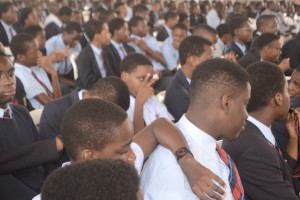 Here’s one anecdote that almost brought me to tears. Yesterday, the vice-principal of the school called to tell me of the decision of a parent of one of the students to pull out the child. As a dual citizen of the United States and Nigeria, the parents thought it was time for the child to relocate and join his other siblings. Not having told the boy before now, he was devastated, but not for an obvious reason. According to the father, the child expressed regret that having missed a chance to be published in The Sail: Issue 1, he had already started working towards entering as many creative work as possible so as to get a chance for the next issue (due January, 2016). Now, that dream is being taken away from him, without an agency to influence the process.
I have been extraordinarily buoyed by the sadness of that story for the last 24 hours. It’s almost enough to compensate for everything else wrong with the compulsion in English language learning.
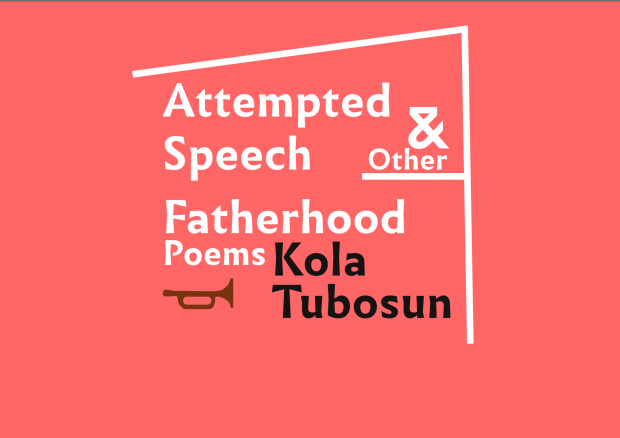 Some good news! This morning, my first (adult*) chapbook of poems was published on Saraba Magazine. It is a collection of 15 (mostly*) never-before published poems. It is titled Attempted Speech & Other Fatherhood Poems.