Jos is a small town in Plateau State, in the middle of Nigeria, at approximately 1200 metres above sea level, making it one of the highest points in the country. It was originally occupied by the Nok people in the early Iron Age, but has now been populated by people from all around Nigeria. The cold environment was particularly attractive to the Fulani because it was an uninhabitable place for the tsetse fly which caused sleeping sickness in their cattle.
The famous rock formation near Riyom in Plateau State
I’ve lived in jos all my life and as such, I’ve grown accustomed to the weather in this beautiful city. Right from time I was introduced to custom of wearing multiple layers of clothing paired with socks no matter the type of footwear I donned on my feet.
One of my most notable experiences with the Jos cold came from my time in secondary school — I attended Baptist High School, Jos, a boarding school. We took our baths, when we could, with cold water, because who was going to gift you hot water as a JSS1 student? The harmattan period which usually came around November – January was a true test of grit.
One day, my roommate and I had secured a bucket of water at night to avoid the long queues to get water in the morning. We had been worried that the water would have been stolen by other students. The next morning, we soon found out why it was left untouched, our water had ice in it! Not large ice blocks as you may think but thin sheets of ice on it! We had to dry clean ourselves — an act where you only wash your hands, legs and face — before heading off to class.
We later learned from our more experienced seniors that to prevent your water from getting colder at night you need to use a towel or thick piece of cloth and cover the top of your bucket leaving no gaps. As time passed and it got colder we eventually avoided morning baths and opted to have our baths after classes mid-afternoon. The school also noticed how the cold was increasing and made it a rule for each student to wear a sweater at all times.
As time went by, the students also found ways to keep warm such as creating fires to boil water using hot coals gotten from the kitchen and any available metal bucket in the vicinity. This wasn’t as effective as it may sound because it was limited, not everyone in school could boil water, just a few people who hustled to get to those hot coals early enough.
Around 2011, the PTA decided to build heater rooms to provide hot water for the students so we could cope with the weather. Things are much easier these days as I’m told, more measures have been put in place to combat the cold.
Jos weather is often said to be bi-polar, because of the way it randomly changes. You could be shivering by 7 am and sweating by 3 pm. Yet despite all these, the city is still the preferred location for most people, especially those who grew up here. The people of Jos are so accustomed to the cold it’s sometimes uncomfortable to live elsewhere. Some residents even joke that the cold weather prepares them for various trips outside the country.
The city experiences low temperatures because it lies on a slope. Jos is approximately 1200m above sea level and at heights such as that the weather gets colder and the air thinner.
On the 3rd of January, it recorded a low temperature of 6.7ºC. This was the lowest recorded throughout the harmattan period. For contrast, London on the same day recorded a temperature of 9ºC. The high altitude of Jos makes it susceptible to jet streams which are fast-moving air propagated by the northeast trade winds. Due to the sun, the air around warms up in the afternoon period but drops once it’s evening and the sun has set.
What are the effects of being in a region this cold?
Unlike places abroad that deal with cold weather on a more frequent basis, Jos does not have the resources to keep its residents warm. There is a lack of room heaters in offices, eateries, and homes.
This causes people to limit their sources of ventilation. You turn off your air conditioner, turn off your fan and maybe close some windows to stop all that cold breeze from coming through. This raises some health concerns.
Boys gathered around a fire to keep warm
The harmattan and dust combine to propagate different types of viruses that may cause illnesses such as pneumonia. Due to the cold weather, people tend to congregate and stay in groups, this alone makes it easier to pass along germs and bacteria from one person to the next.
According to a health service provider at the Jos University Teaching Hospital, Ifechukwu Ezeonugo, this period brings an influx of patients who bear symptoms of a common cold, the majority being children and the elderly.
How do the residents cope with the cold?
A resident of Jos all covered up because of the cold
The people of Jos cope in many different ways, I for one carry around a flask of hot water or tea wherever I’m going, to drink and keep me warm. I Always wear socks and if possible gloves when I’m going out to run errands. The cold affects different people in different ways. I decided to get a few stories from people working in Jos to get their perspective.
The Keke drivers
Keke drivers in jos have a curfew of 9 pm, after which they aren’t permitted to work till the next morning due to security measures.
Usman, 30, says since the cold began business has been a bit tougher for him. “I no de too see customers like that again, nobody wan de comot for this kain cold may breeze de blow them on top,” he says. He has had to change his routes a couple of times to get more customers. He doesn’t like to come out as early as he used to because sometimes the cold can be unbearable in the early hours of the morning so he waits for time to pass and hits the road by 7 am then he closes by 8:30 pm so he has some time to get back to his family. The cold affects his work because he can’t increase his rates due to the cold alone, seeing as the fuel price and distances remain constant. He has had to cope with the cold as best he can.
The office workers
I strolled into a popular bank (they wish their name to be kept off the record) to ask how they were faring with the weather and the woman at the bank teller said it’s tough. They don’t use their air conditioners or fans anymore and it’s hard to get to work each morning. You see fewer public transportation so she has to wait outside more than she does on a normal day because of the cold.
Something else that bothered her was the body odour some customers had, “You can tell some of them skipped having their showers this morning, but I understand that due to the cold it is unpleasant to shower so early in the morning,’’ she said. The cold hasn’t affected the flow of business in the bank, things just go as they always do.
The bike men
Bikes aren’t too popular in Jos, they have been restricted for some years from the main roads, so they operate in inner settlements of the city. I walked around for some time until I found a bike man who was willing to talk to me. Mr Dung says he doesn’t come out to work till 8am, because the cold is so severe in the mornings. He also does not have his bath till mid-afternoon when the sun is out and its a bit warmer.
He dares not forget his sweater, head warmer, gloves, and socks. It’s suicide to leave even one. He said that because he operates within a small settlement, people have no choice but to make use of his services. If not, they would have to brave the cold and make the long trek to the junction where they can get a cab to their desired destination.
The maishai (tea makers)
There are a few maishai around Jos. You can spot them carrying large trays on their head containing flasks of hot water and nylon filled with loaves of bread. I walked around till I could spot one. And although he was busy, he obliged me and answered the few questions I had for him. He said the cold is nothing new to him, he expects it. He has lived his whole life in Jos and has only been to a few other northern states.
To cope, he takes his bath early and always with very hot water and comes out as early as he can. Business is booming for him this period, he says. Everyone who goes about their business outside such as drivers, hawkers, and even pedestrians can get cold and need a hot drink to keep warm. He says business is so good that he has to go home and refill every few times.
For him, the Jos cold is a blessing.
The traders
I walked into this shop because, at first sight, it just felt like a warm place to be in at the moment. After feeding my eyes I walked over to talk to the owner of the shop find out how the cold was treating him and his business.
He entertained me briefly because he had customers to attend to. The period was the best for him, he said, because he had to get more wares ahead of time so he’ll have enough blankets and sweaters to sell to his customers. He has no shortage of customers. Most of his clients are mothers buying extra blankets and sweaters for their wards going back to school in this harsh weather, he says.
He’s covered head to toe in warm clothing, moving back and forth and responding to the needs of his various customers. He is one of the benefactors of the cold that comes around this period.
Here are some common myths about the Jos cold
It snows. Sorry to disappoint you but it hasn’t snowed in Jos and the likelihood of it ever happening is low due to its geographical location.
It rains ice. Technically it doesn’t rain ice, but Jos has been known to experience hailstones during the rainy season and not the harmattan.
Pipes bring out ice water. While this is a possibility, in the past few years there has been no documentation of such happening in the state, a few videos have gone round saying otherwise but those are videos taken from other locations.
How to survive in the Jos cold
Never leave home without a sweater. You might come out in the afternoon and the weather feels a bit warm and you say to yourself I can do without a sweater, my dear brother/sister this is a bad idea. Remember what I said about Jos weather being bipolar? In a split second the weather can change and you’re left in cold chattering your teeth and rubbing your palms together to create warmth.
Avoid dust at all costs. Dust inhaled can cause loads of health problems for you including asthma and pneumonia. You can get a surgical mask to prevent inhaling dust or use your handkerchief as a makeshift cover if you can’t find one.
Get extra clothing. Additional clothing such as gloves, scarves, head warmers, and socks are incredibly helpful.
Avoid cold water and fluids. The weather is already cold no need to make your body feel it anymore, use hot water to bath and only consume drinks at room temperature or warmer if possible.
When all that’s said and done, Jos is an interesting place to visit during the harmattan period. You get to experience the feel of a different region entirely and see firsthand how people cope with the weather.
____
Chijioke Chris Chuwa is a chemical engineer who loves to write. He is based in Nigeria and writes articles, short stories and poems. He is also a content creator and digital marketer.
Chinenye Mgbojikwe is nutritionist and a student at the University of Ìbàdàn, where she is currently doing her masters in Public health. She is a model who has worked with several brands. During her free time, she indulges her love for books by editing.
On July 18, 2019, The Advisory Board for The Nigeria Prize for Literature announced the shortlist of 11 books, taken from 173 books entered for the 2019 edition of the prize.
The 11 books on the shortlist of 11, in alphabetical order by title of book, are:
A Hero’s Welcome, Ndidi Enenmor
Boom, Boom, Jude Idada
Buried Beneath the Baobab Tree, Adaobi Tricia Nwaubani
Double ‘A’ for Adventure, Anisa Daniel-Oniko
Ginika’s Adventures, Nnena Ochiche
Igho Goes to Farm, Anote Ajeluorou
Mystery at Ebenezer’s Lodge, Dunni Olatunde
Obioma: A Girl’s Journey to Self-Discovery, Nkiru Uzoh
She Calls Him Daddy, Oladele Medaiyese
Spurred Surprises, Lami Adejoh Opawale
The Great Walls of Benin, O. T. Begho
The list was presented by the chairman, panel of judges for this year’s prize, Professor Obodimma Oha, professor of Cultural Semiotics and Stylistics in the Department of English, University of Ìbàdàn. Other members of the panel of judges include Professor Asabe Usman Kabir, professor of Oral and African Literatures at Usmanu Danfodiyo University Sokoto and Dr. Patrick Oloko, a Senior lecturer at the University of Lagos Nigeria who specialises in African postcolonial literature, gender and cultural studies.
A shortlist of three is expected in September, and a winner will be announced by the Advisory Board in October.
Today, Sunday, July 28, 2019, there will be a Book Party with the 11 shortlisted writers, to discuss their work and interact with the public. The event will hold at Shell Hall, Muson Centre, Onikan, Lagos, at 2pm.
Evolusi Hiburan Slot Online Modern dan Pengalaman Gaming Digital Masa Kini
Dunia hiburan online terus mengalami perubahan yang sangat cepat seiring agendunia55 perkembangan teknologi yang menghadirkan berbagai cara baru bagi masyarakat untuk menikmati pengalaman digital yang lebih interaktif. Dari sekian banyak jenis hiburan berbasis internet, permainan bergaya slot digital menjadi salah satu kategori yang banyak diperbincangkan karena menghadirkan perpaduan antara kreativitas visual, kemudahan akses, serta konsep permainan yang dinamis. Saat ini, platform hiburan digital tidak lagi hanya bergantung pada perangkat dinasti33.xyz komputer seperti zaman dahulu. Pengguna kini dapat menikmati berbagai pengalaman gaming melalui smartphone, tablet, maupun perangkat pintar lainnya dengan tampilan yang semakin responsif dan nyaman digunakan.
Perkembangan industri gaming online telah menciptakan eslot era baru di mana faktor kemudahan, inovasi, dan kualitas layanan menjadi hal yang sangat diperhatikan. Pengguna modern tidak hanya mencari sebuah platform yang dapat diakses dengan cepat, tetapi juga menginginkan pengalaman yang simpel, lancar, dan sesuai dengan kebutuhan mereka. Karena itu, banyak pengembang https://eslot.sbs/ terus melakukan pembaruan agar sistem yang dibuat terasa lebih modern, interaktif, serta memberikan kenyamanan maksimal bagi penggunanya.
Perubahan Teknologi Dalam Dunia Hiburan Digital
Salah satu perubahan terbesar dalam beberapa tahun terakhir indobet adalah meningkatnya kemampuan teknologi mobile. Smartphone kini bukan hanya digunakan untuk komunikasi, tetapi juga menjadi perangkat hiburan yang praktis dan fleksibel. Pengguna dapat mengakses berbagai permainan digital kapan saja, baik ketika sedang santai di rumah, mengisi waktu luang saat perjalanan, maupun menikmati waktu istirahat singkat. Kecepatan akses yang semakin baik, kualitas grafis yang lebih detail, serta desain antarmuka yang lebih ringan membuat pengalaman bermain https://indobet.cfd/ terasa semakin dekat dengan aplikasi hiburan premium.
Perkembangan teknologi membuat industri hiburan situs indobet semakin kompetitif. Setiap platform berlomba menghadirkan layanan yang lebih cepat, stabil, dan mudah digunakan. Tidak hanya mengandalkan tampilan visual, tetapi juga memperhatikan pengalaman indowin88jp pengguna secara menyeluruh mulai dari proses akses hingga kenyamanan saat menggunakan layanan.
Faktor Utama Perkembangan Platform Digital Modern
Beberapa faktor yang membuat hiburan digital berkembang pesat antara rajapoker lain adalah kemajuan teknologi, perubahan gaya hidup masyarakat, serta meningkatnya kebutuhan terhadap hiburan yang fleksibel. Saat ini pengguna ingin mendapatkan pengalaman yang dapat menyesuaikan aktivitas sehari-hari tanpa batasan tempat dan waktu.
Akses digital yang semakin cepat melalui perangkat mobile.
Desain platform yang lebih sederhana dan mudah dipahami.
Performa sistem yang lebih stabil untuk pengalaman pengguna.
Inovasi fitur yang mengikuti tren teknologi terbaru.
Peningkatan keamanan untuk memberikan kenyamanan digital.
Peran Sistem Pembayaran Digital Dalam Ekosistem Online
Selain perkembangan perangkat, sistem pembayaran digital juga menjadi bagian penting dalam perubahan dunia hiburan online. Saat ini banyak pengguna menginginkan metode transaksi yang praktis, cepat, dan mudah dipahami. Kehadiran berbagai teknologi pembayaran online memberikan kemudahan dalam mengelola aktivitas digital secara lebih efisien. Sistem keamanan transaksi, proses verifikasi yang semakin baik, serta perlindungan data pengguna menjadi faktor penting yang membantu membangun rasa percaya terhadap layanan digital.
Kemudahan pembayaran menjadi salah satu alasan mengapa berbagai layanan https://rajapoker.top/ semakin diterima oleh masyarakat modern. Pengguna kini lebih terbiasa dengan sistem online yang menawarkan proses sederhana tanpa prosedur rumit. Hal tersebut mendorong industri digital untuk terus meningkatkan kualitas layanan agar tetap relevan dengan kebutuhan pengguna.
Kreativitas dan Inovasi Dalam Permainan Digital
Daya tarik hiburan slot digital modern juga tidak terlepas dari kreativitas dalam desain dan konsep permainan. Para pengembang terus menghadirkan tema yang beragam, animasi menarik, efek suara berkualitas, serta fitur interaktif yang membuat pengalaman slotvip terasa lebih hidup. Jika sebelumnya permainan hanya berfokus pada konsep sederhana, kini banyak produk digital menggabungkan unsur cerita, visual futuristik, dan mekanisme unik agar mampu memberikan pengalaman yang lebih imersif.
Perubahan ini menunjukkan bahwa dunia gaming tidak hanya mengutamakan fungsi utama sebuah permainan, tetapi juga memperhatikan aspek hiburan secara keseluruhan. Desain menarik, pengalaman visual, dan kemudahan navigasi menjadi kombinasi yang membuat pengguna merasa lebih nyaman ketika menjelajahi sebuah platform digital.
Elemen Penting Dalam Pengalaman Gaming Modern
Tampilan visual yang menarik dan mengikuti perkembangan desain digital.
Fitur interaktif yang memberikan pengalaman lebih dinamis.
Sistem navigasi sederhana agar mudah digunakan berbagai kalangan.
Optimalisasi perangkat mobile untuk akses yang lebih fleksibel.
Pengaruh Komunitas Online Terhadap Tren Digital
Perkembangan komunitas online juga memberikan pengaruh besar terhadap cara masyarakat mengenal dan membahas dunia gaming digital. Melalui media sosial, forum internet, serta komunitas pengguna, banyak orang dapat berbagi pengalaman, memberikan pendapat, dan mengikuti tren terbaru. Interaksi digital ini membuat dunia hiburan online menjadi semakin luas karena informasi dapat menyebar dengan cepat melalui berbagai jaringan komunitas.
Budaya komunitas membuat industri digital semakin berkembang karena pengguna tidak hanya menjadi konsumen, tetapi juga ikut memberikan pengaruh terhadap arah perkembangan layanan. Masukan, ulasan, dan diskusi online menjadi bagian penting dalam menciptakan inovasi baru yang sesuai dengan kebutuhan pasar.
Keamanan dan Kepercayaan Dalam Dunia Digital
Pengguna masa kini juga semakin pintar dalam memilih layanan https://slotvip.cfd/. Mereka tidak hanya tertarik dengan tampilan yang menarik, tetapi juga memperhatikan faktor keamanan, stabilitas sistem, transparansi informasi, serta kualitas pengalaman secara keseluruhan. Sebuah platform dengan tampilan rapi, performa stabil, dan navigasi yang mudah biasanya lebih mampu memberikan kesan positif dibandingkan layanan yang hanya mengandalkan promosi berlebihan.
Keamanan digital menjadi aspek yang semakin penting seiring meningkatnya penggunaan layanan berbasis internet. Perlindungan informasi pribadi, sistem keamanan akun, dan teknologi enkripsi menjadi bagian dari standar modern yang harus diperhatikan oleh penyedia layanan digital.
Aspek Keamanan Yang Menjadi Perhatian Pengguna
Perlindungan data pribadi pengguna.
Sistem keamanan akun yang lebih kuat.
Teknologi verifikasi untuk meningkatkan kepercayaan.
Pengelolaan layanan yang lebih transparan.
Masa Depan Hiburan Digital Dengan Teknologi Baru
Teknologi akan terus menjadi faktor utama dalam membentuk masa depan hiburan https://www.ktravula.com/2019/04/the-nigeria-prize-receives-173-entries-for-childrens-literature/. Perkembangan kecerdasan buatan, peningkatan kualitas mesin grafis, sistem berbasis cloud, serta jaringan internet yang semakin cepat membuka peluang baru bagi industri gaming. Berbagai inovasi tersebut memungkinkan pengembang menciptakan layanan yang lebih personal, memiliki rekomendasi lebih pintar, serta menghadirkan fitur interaktif yang semakin menarik.
Teknologi cloud juga membawa perubahan besar dalam cara layanan hiburan digital digunakan. Pengguna tidak selalu membutuhkan perangkat dengan spesifikasi tinggi karena berbagai sistem dapat dijalankan melalui jaringan online. Hal ini membuat akses terhadap hiburan digital menjadi lebih fleksibel dan memungkinkan lebih banyak orang menikmati pengalaman modern menggunakan perangkat yang sudah mereka miliki.
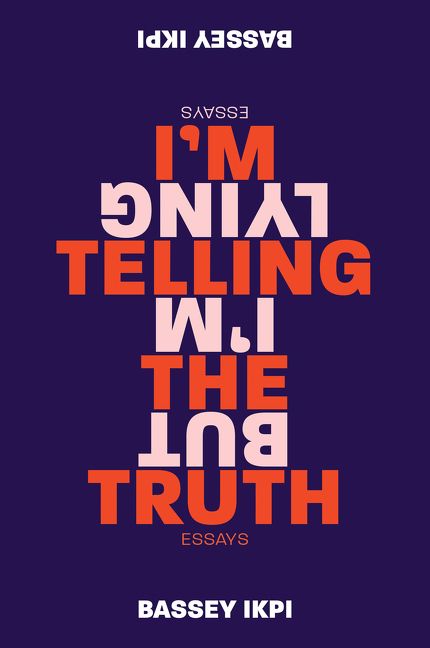
I read an advanced copy of Bassey Ikpi’s new memoir a couple of weeks ago, and I haven’t stopped thinking about how important it is that the work exists in the world. I wrote an earlier review much of which I’ve now discarded for focusing less on the unique nature of Ikpi’s intervention in the space of writings about mental illness than about its similarities — or otherwise — of other books of its nature.
Bassey’s book of essays, titled I’m Telling the Truth but I’m Lying focuses on the writer’s life and upbringing, first as an immigrant child in an America she didn’t immediately adjust to, then as a young adult unable to name the mental issues that afflicted her, and into an adult that had to fight and struggle through the most destructive phases of a bipolar disorder. This summary, however, does no justice to the beautiful piece of literature that is Ikpi’s book. It is a memoir (don’t let the “essays” tag fool you), written mostly in first person, except when — in a style deliberately designed, perhaps, to help the reader simulate the rollercoaster nature of the writer’s journey through the ailment — parts were written in the second person, allowing the reader to pretend, for a second, to be a participant in the ordeal.
The book is honest, though the writer warns us in the title and in many other parts of the book, not to take her too seriously as a reliable narrator. It is raw and unflinching. It peels back an often opaque veil to show the extent to which people suffering ailments of this nature can go in order to feel “normal”, and extent to which mental disorders contribute in the blurring of lines between self-destruction and self-awareness.
“All my life, I feared being “bad.” I already felt broken, already felt like there was something irreparably wrong with me, the least I could do was coat myself in the “goodness”: this idea that who we are is based on how we are seen I already feel broken; I followed the rules but now I wanted to feel something different– to feel better, to feel unbroken–more than I wanted anything else. I wanted something other than this Novocain and numbness. Its very name revealed its power: I wanted ecstasy.”
Page 93.
But more than a confessional — it skips mention of a number of specific personal details on the writer’s professional life, so those looking to learn about the writer’s illustrious career as a travelling artist on the Spoken Word circuit through America will have to wait for another book — Ikpi’s book is a kind of map for those interested in learning about how mental illness affects people. “If I were a nurse or a teacher,” she tells me in a private conversation “It would have shown up the same way.”
And yet, it is not a grim book, because we know that the writer survived to tell the story. It is not a morality tale either. Let me quote Erin Wicks, an editor at Harper Collins here: “What you will find within these pages is something far riskier and far braver: a human breaking down her external wall to show us the structures beneath, and then examining them before our very eyes with great honesty, and love, and brutality, and rawness, and vitality, and mourning.”
I have interviewed Bassey Ikpi in the past, when she lived, briefly, in Nigeria in 2014. She continues to be an advocate for openness in speaking about mental illness. To a layman, especially in Nigeria, all mental illnesses are the same. In most African cultures, there is just one word for them: an equivalent of “mad”. In literature, and in reality, there are many dynamics and diagnoses, one not looking the same as the other. Dysthymia is not bipolar disorder, which is not dissociative identity disorder, which is not schizophrenia, which is not chronic depression. So, through the experiences of others, written — in this case with Bassey’s book — with prose that is as honest as enchanting, one hopes that the reader can build both a bank of knowledge and a muscle for empathy.
It is to our benefit that works like Ikpi’s exist and continue to put the conversation right before our eyes. While the illnesses may never quite cure, the result of the human will to thrive in spite of it, as evident in this beautiful book, is a spectacular reward of its own.
Or maybe I won’t, but I have always harbored a premonition in my underbelly that death will crawl into my bones, quietly, when I turn thirty-five. If you ask me how I know this, I cannot give you a suitable explanation because, truthfully, I have no idea how this feeling has stuck to the back of my mind.
Sometimes, in our depressive reverie, we play out visuals of our lives forward to a certain point where we can see through the threadbare façade of existence; a sort of virtual exploration of the probable things that our lives might likely turn out to become. Somehow, if we put all our experiences together, weigh them against our present realities, it is possible to ascertain the things that might befall a person—the knowledge of the past demystifies the past, clarifies the present, and illuminates the future.
It started when I was fifteen; at least that’s when I clearly understood what the number ‘thirty-five’, which always found a way to seep into everything I did, meant. For reasons I’d probably never be able to ascertain, I could never see my life beyond that age: you know how people picture themselves at age ninety, surrounded by children and grand-children, sporting a smile that leaked out tales of a life well-spent—even if it’s just for the camera—I have never experienced this bliss, this assuaging breath of fulfillment that portends a lengthy span of existence as a living organism. In my case, the dream of visualizing my future runs out at thirty-five, like sand in an hourglass. I could never see my life beyond the threshold of corporeal expiration that my mind has created.
I am twenty-five. Months after I became a quarter of a century, my life has been mired in a rollercoaster of experiences that make it seem as though the reality of dying at thirty-five has grown into a more vivid and likely possibility. Exactly five days after my birthday, I broke off an estranged and largely inadequate three-year relationship without so much as batting an eyelid. I do not have a problem with breaking off relationships; I have broken more that I care to admit, even if breaking wasn’t necessarily the right thing to do in those moments. However, it would be deceptive to say that breaking this particular relationship didn’t feel like breaking something inside me. The whole love thing is an experience I am continuously trying to get a hang of, so it was not the emotional attachment that made it worse. It was the fact that I felt like I had wasted three years of my life. For someone who seems to think that he’s got limited time, that hurts like hell. A week after that, I lost a friend, not to the dainty clutches of death, but to whims of my venomous mood swings; the calming, unchecked propensity to live life without getting too attached to people who, when the friendship becomes a bond, would hold me back from losing myself, closing off my mind, and running away from it all. All that mattered was maximizing the ten years my mind tells me I have left, if dying at thirty-five became a reality like I wish it did.
Dambuzo Marachera. Photo from Johannesburg Review of Books
In my sophomore year in the university, my best friend introduced me to Dambudzo Marechera. Dambudzo was a Zimbabwean novelist, short story writer, playwright and poet. Apart from his radical outpost, iconoclasm, literary experimentation and his striking individualism, what attracts me to the cynicism of his existence was the fact the he died at thirty-five, of an AIDS-related pulmonary disorder. And not just that. The similarities in our penchant for social awkwardness, something that makes me call writers and other creatives, misfits. Our verbal daring and strange obsession for living life by the way we choose seems too close to home to be just a coincidence. Dambudzo was a virtual kindred-spirit. Because he shared most of my sentiments; at least from his writings, and anecdotes from people who knew him, about the way he lived his life. I drowned myself into imagining what his life must have been; the relentless drinking spree, the strong disregard for materialistic tendencies; the perception of life as a fickle, brittle string of physical occupation of the earth, nothing more. And more importantly, his love of his own writings.
We are never entirely in control of our consciousness. Our opinions are influenced by things beyond our definition; or even if we can define them, we still cannot cordon off our minds from being triggered by their profound efficacy. I know this feeling of intending demise is intensified by a cold, empty feeling of uncertainty that sinks into the innermost core of my being every once in a while, which sends me spiraling down into myself, into a place that freezes time, constricts my breath, chokes me with a barrage of unanswered questions that will never be answered. But, deep within me, seated like a rock, is a personal conviction of guilt, of self-immolation and damnation.
The first few weeks of being 25 have been saturated with recurring bouts of depression, emptiness, uncertainty, and a raging urge to walk away from everything familiar. It has been weeks of cold, sinking feelings spiced with a garnish of self-doubt—doubts about becoming a writer, about having a writing career that validates my abilities as a writer. Even amidst all the guilt and thinning dreams, though, death is an unyielding companion.
In the year I turned 18, I had my second bike accident.
The first time I was involved in an accident with a bike, I must have been 8. We were playing football that evening when one of the over excited boys fired an unnecessary long-range shot. In obeisance, the ball flew right out of the circumference of the make-shift field and crossed to the other side of the road. Because I didn’t want to pause the interesting flow of the game, I ran blindly into the road, with the intention to fetch the ball. That was when I slipped and fell. You wouldn’t believe what happened next unless you were there that afternoon. An oncoming bike crashed into me, sending me some inches away from the point of contact. Perhaps, because of the impact, the rider, who turned out to be one of my father’s church members, couldn’t pull the brake timely. So the bike ran blindly around my body and eventually stopped atop my chest, few inches away from my neck. With a little difficulty, the rider heaved the weight of the bike off my chest, and I stood up, still with the intention to retrieve the lost ball. The shouts of concern by all present didn’t make sense to me because I didn’t think that anything was wrong with me after the impact. I was whisked home by some friends, given food and drugs, and told to rest. That hurt like hell. I wanted to play football, and I didn’t think I needed to rest.
Death has always been a recurring feature in my life. I court it, flirt with it, and mostly live my life on the edge, with no fear of death, no holding back. There was not a time that I have ever been afraid of dying. Instead, I saw death as a departure. As surviving, too. As a means to an end, the end being eternal rest and tranquility, if truly we won’t continue our existence in another plane, another form. As Tolu Daniel says in his Barren Magazine essay, What Does It Mean To Survive? “an escape from the stress and the pain inflicted by life on the mortal body to a dimension of ease.” So all my life, I have always toyed with the idea of dying, and dying young. There are times when, after I have smoked a blunt or two, I meditate and fantasize about my death, creating scenarios of how I’d die and the circumstances surrounding my death. As gory as it might sound, these thoughts of death, especially when I am dealing with the mental issues that has become my fate in the ‘in-between moment’ when my head is an ant farm, help me to find clarity, and see things clearly. Somehow, death, at least the thought of it, is therapeutic for me.
My second bike accident came when I was much older and wiser. I was in my second year in the university when it happened. One bright afternoon, when the sun scorched the earth like it was threatening to burst out of the clouds and melt everything in its wake, I was dressing up to go visit a friend against my mum’s vocal warnings not to step out. Before then, she had always queried my restlessness, my inability to stay in one place. I always found a way to move about, even in confined spaces. My spirit animal must be a Cheetah or any other animal that finds it almost impossible to be static. It had never been something that I was comfortable doing. Every admonition to remain at home, especially when I was not reading, was seen as an attempt to kill me or lock up my existence in a physical space. So I shrugged off my mother’s warnings as just one of those things mothers always guilt-tripped their children into doing. So I jumped on a bike with my elder brother who was on his way to a social function. We had not ridden for more than five minutes when the bike plunged into a giant pothole, sending me reeling on the floor where I met the jagged road with my jaw. I could taste the blood on my tongue; it was warm and metallic that sunny afternoon. It tasted like pain, like the bitterness that comes with knowing that your body would be riddled with scars. It tasted like the sour fruit of disobedience and the associated repercussions. I looked at the bruises that had formed on my wrist and in that moment, I wondered why I had not listened to my mother. The friend I was going to see could have been visited the next day.
Perhaps, the striking thing about predestination or fate is how it chokes the mind in a fierce grip and banishes every idea of rational thinking. Then, even against reason, our hearts are trapped in an unwholesome movement in the direction of that which is bound to happen to us or even hurt us. A kind of hubris that intersperses with the false step that leads to the catastrophic fall in social, physical or intellectual pedestal. But if predestination was merely a fallacy, then maybe that afternoon that I collided with the crooked floor in a macabre dance, I was only paying for my disobedience, a particularly grave offence in the Yoruba worldview: “obedience is better than ritual/sacrifice”—a literal translation of “prevention is better than cure.”
Death always loomed over my body. I still tell people that I am surprised to be alive today. Because in all my life, I have always seen doom flickering somewhere around the fringe of my eyes. I remember for years, between the ages of nine and seventeen, I suffered from severe stomach upset. This stomach upset always came intermittently. And when it did, I always felt like it was the last time I’d ever experience that level of pain and distress. Because I always thought that death would finally overwhelm my weary body. But I was wrong, the pain did not kill me. Rather, it diluted my existence, soaked it with the bile of redundancy so much that I forgot how to be a happy, playful child. You’d find me in the house, with a book, chewing hurt and regret and the force of the pain that threatened to burst out of my bowels. I was nicknamed ‘Sickler’ by kids my age who thought that the only reason a 9 year old would live between hospitals was because he had to be very sick all the time. I was always in the company of my mother who, due to the frequent visits to hospitals and labs and even traditional medicine, was starting to look like a shadow of herself, with worry lines that shone against the flakes of her skin. I pitied her those times when I’d scream due to the pain and she’d watch helplessly, unable to do anything other than to pray for me, to assuage the pain. One of the worst things that could happen to a mother is to watch her child battle a pain that is beyond her powers. It eats her up, makes her feel worthless. Like it is her fault that her child is suffering from a great discomfort.
Through all the numerous medical tests and diagnosis that showed that nothing was wrong with me, I suffered greatly from a serious case of anxiety and panic attacks in anticipation of the stomach pain that would always resurface. Those times, it was hard to plan my future or things I wanted to do. Somehow, even my parents knew not to plan for things beyond two days because of the uncertainty that loomed. In a weird way, my life was not in my hands between the period when my stomach hurt. My life was at the mercy of something that even modern science could not comprehend.
Sometimes, the darkness you think you’ve left behind creeps back in, throbbing, thrashing about the mind, enveloping it in utter darkness. I am terrified of the intolerable in-between moments when my mind is caged in an opaque couch of mental turmoil and emotional distress. As such, distractions make the nights slightly bearable. “Being human is a condition that requires a little anesthesia.” Weed and alcohol becomes permanent feature of my night life before sleep, bits and pieces of it, is at least attained. There are times when I see cheesy television adverts warning against smoking and alcohol consumption and I begin to wander if perhaps, dying slowly is a form penance. The way the disease eats up a part of the body, weaken it, making it almost useless, and how the pain sets into the bones, slowly ebbing life away. I think about dying from a disease atimes. Pain for me is the first chapter in the cannon of departure.
We’re all suffering from something so, for some of us, our departure won’t be as a result of our physical inadequacies. There would be those of us that would exit through the axes of their mental realm. Some will go out through panic or anxiety arrests or seizure, some through the route of suicide fueled by years of living between the excessive recesses of the fragile human mind. I have lost many friends to the cold clutch of depressive phases, suicide and the many excesses that the human mind harbors during the quiet, tortuous in between moments when it is almost impossible to get out of your own head. This is how I will go out, I think. When depression hits consistently at an all-time high, and the mind is lost in moments of fluctuations between realities, and alcohol and weed are the lubricants that make the nights somewhat bearable, addiction, maybe mildly, sets in, and there seems to be an incomprehensible dependence on these soothing fuel. That way, you would have won a continuous stretch of temporary happiness, but then, the body loses something in return to the excessive consumption of substances used for mental tranquilization. That is how it is for some of my friends. Not me. For me, I am at the point where I indulge consistently in the use of alcohol and weed. Although they ease the pain, I do not see them as indispensable elements necessary for my mental stability. But if they were, I am at the point where, perhaps because of the way inexplicable grief and pain sit rigidly somewhere in my head, and breathing is a tedious act, I indulge in most things that I believe hasten death.
One night in my third year in the university, largely inebriated from the binge-drinking that came with attending the official pageant of the school, I was accosted by two guys with one carrying a gun. One of my friends had come visiting that night and because it was late it was wise to see her off till she got a bus or bike. So while standing at the bus-stop, two guys walked towards us, and just immediately, as though they had rehearsed the moment, one of them brought out a gun, threatening to shoot us if we did not give them our phones and monies. It was an old black revolver with paper tape clasped firmly around nuzzle. Ideally, it made sense to immediately kneel and surrender everything we had to them. It was a wise thing to do in the case of such confrontation and would have saved us from any eventuality. But in that moment, there was not a single dose of fear in my mind. My friend had liquid fears streaming down her eyes. You could tell that she was terrified. It was the first time she saw a gun pointing to her face. That’s when I knew that I’d never let anyone get away with scaring another human being that way, reducing their personality to tears, jitters, and fears, so I concluded that the only way they could get anything off us was to kill me or shoot at my friend. Perhaps, seeing her in pain or dead would have softened my resolve and I probably would have let up. I groggily moved closer to the two of them, stared at them right in the face and said, “Bros, why we go give you our phone and money?” The guys were astounded. I was sure they were wondering why anyone would dare the sight of a gun and risk losing his life in a moment of fatal bravery. I didn’t put myself in a position of self-pity where I’d wonder what would happen if I died. I just knew that I wasn’t going to be helpless in that situation. And even if I did die, it would be on my own terms; fighting back against injustice. That night, after about 20 minutes of cajoling and threats and heavy voices, the only thing the guys got from us was the warm handshake I gave them when we settled while I was lucky to get a stick of cigarette from one of them.
When death stares at us coldly in the face, the natural reaction is to flee. As sensible as this admonition might seem, it however reinforces the age-long rubric that “cowards die a thousand times before their death.” The inconsistency of human intelligence that bugs me about death is this: if we all agree that we won’t get out of the world alive, and that predestination exists, why are we afraid to speak up against injustice? Why do we keep quiet in situations where opening our mouth to speak might be the only saving grace we have? Why are we afraid of losing our lives if we truly believe that we will die eventually, when the time is right? To me, this particular scenario of emotional detachment from perceived reality seems like a clear case of mismanagement of the “he who is down needs fear no fall” rubric that most humans, who live their lives without holding back in an attempt to suspend or avoid their own death, have come to cherish. I believe, like Vladimir Putin said, that “whoever is destined to be hanged won’t drown.”
I’ll die at 35. Or maybe I won’t. but that is not something within my mortal capabilities to alter. As such, I am regularly trying to live on my own terms; take each day, split it open, pour enough memories into it while chasing the next story in the eyes of people. More than a writer, I prefer to see myself as a collector of voices. Because, in the end, these voices, these memories, emotions, and experiences serve as lubricants to make departure easy. So, whether humans maintain a docile attitude to life, and decide to play by the books of normalcy, departure, or death, as it were, is something we will never be able to escape. Except, of course, if the earth spits us out as an expression of its anger against environmental despoliation. At best, our existence, even from birth, is a synopsis of departure. Because, even when we achieve everything humanly possible here, our lives are a continuous stream, antithetical and climatic, in the entire plot of death. Every speck and moment in our existence is a chapter in the book of death. Our life, as we see it, is really just an unfolding of our end.
Adéfọlámí Adémọ́lá is a writer and social commentator whose poems have appeared in Sentinel Literary Quarterly, Prosopisia, New Orleans Review, BlackRoom, Poetry Potion, Prachya Review, Arts & Africa among others. His nonfiction pieces have been published or are forthcoming in Akoma, The Nerve Africa, The Afro Vibe, Ynaija, Newshunter, Ebedi Review, Entropy Magazine, Anathema Magazine. A 2016 PIN (Poets in Nigeria) Poets’ Residency Fellow, his poem, “Memories, regurgitated” was a finalist for the 2016 edition of the Korea/Nigeria Cultural Poetry Fiesta. His personal essay Dying in Installments was recently published in the print edition of the Selves Anthology of Creative Nonfiction. He is Marketing Manager at Ouida Books.
Memahami Pengalaman Platform Slot Online Modern
Dunia gaming online telah mengalami perubahan yang cukup besar agendunia55.cyou dalam beberapa tahun terakhir. Jika dulu permainan digital hanya terasa seperti kumpulan game sederhana yang dimainkan secara online, sekarang ekosistemnya sudah berkembang menjadi ruang hiburan digital yang lebih luas. Fokusnya bukan hanya pada permainan, tetapi juga pada kemudahan akses, desain antarmuka, variasi konten, serta kenyamanan penggunaan melalui perangkat mobile. Saat ini, platform slot online dinasti33 dirancang untuk memberikan navigasi yang cepat, koleksi game dengan tampilan menarik, pilihan metode pembayaran yang fleksibel, serta pengalaman yang dapat diakses melalui berbagai perangkat.
Tampilan dan Navigasi Platform
Bagi banyak pengguna, kesan pertama terhadap sebuah platform gaming online eslot.cfd biasanya dimulai dari tampilan websitenya. Antarmuka yang bersih, navigasi yang simpel, halaman yang responsif, serta informasi yang disajikan dengan jelas dapat memberikan perbedaan yang cukup signifikan. Tidak ada orang yang ingin menghabiskan waktu berlama-lama hanya untuk mencari game tertentu atau menemukan fitur akun karena harus melewati menu yang membingungkan. Karena itu, platform modern cenderung mengutamakan konsep eslot yang sederhana dan praktis sehingga pengguna dapat berpindah dari satu bagian ke bagian lainnya tanpa ribet.
Perkembangan Akses Mobile
Perubahan besar lainnya terlihat dari semakin pentingnya akses melalui indobet perangkat mobile. Smartphone kini sudah menjadi bagian dari aktivitas digital sehari-hari. Tidak heran jika banyak website gaming mulai memberikan perhatian lebih pada desain responsif yang dapat berjalan dengan nyaman di layar berukuran kecil. Interface mobile yang dirancang dengan baik seharusnya memiliki tombol yang mudah disentuh, menu yang gampang dipahami, serta informasi yang tetap terbaca tanpa harus terus-menerus https://indobet.cfd/ melakukan scrolling. Dengan begitu, pengguna smartphone maupun tablet bisa mendapatkan pengalaman yang lebih praktis dibandingkan harus selalu menggunakan komputer desktop.
Variasi Permainan Online
Variasi permainan juga menjadi salah satu bagian penting dalam pengalaman indobet.sbs platform modern. Koleksi slot online dapat menghadirkan beragam tema, gaya visual, mekanisme permainan, hingga format penyajian. Beberapa game mengusung desain klasik yang terinspirasi dari simbol buah, sedangkan game lainnya menawarkan dunia fantasi, petualangan, grafis futuristik, mitologi, hingga konsep yang terasa seperti film. Keberagaman tersebut membuat pengguna dapat mengeksplorasi berbagai indowin88jp.cyou gaya permainan tanpa terpaku pada satu tampilan saja.
Organisasi Koleksi Game
Namun, memiliki koleksi game yang sangat banyak bukan berarti sebuah rajapoker platform otomatis menjadi lebih baik. Cara menyusun dan mengelola koleksi tersebut juga sama pentingnya. Fitur kategori, pencarian, filter, serta bagian khusus untuk game terbaru dapat membantu pengguna menemukan permainan dengan lebih efisien. Ketika seluruh informasi disusun secara logis dan teratur, pengalaman menggunakan platform terasa lebih profesional, nyaman, dan tidak bikin pusing meskipun rajapoker.top pilihan yang tersedia cukup banyak.
Promosi dan Ketentuan Penawaran
Bahasa promosi juga menjadi salah satu karakteristik yang cukup mudah ditemukan dalam industri gaming online. Banyak platform menggunakan istilah seperti bonus, reward, promosi, penawaran khusus, serta berbagai keuntungan keanggotaan untuk menarik perhatian pengguna. Memang, istilah-istilah tersebut terdengar menarik, tetapi pengguna sebaiknya tetap membaca ketentuan yang berlaku sebelum mengikuti sebuah promosi. Persyaratan, aturan kelayakan, ketentuan taruhan, masa berlaku, hingga batasan penarikan dapat berbeda-beda pada setiap platform.
Pentingnya Memahami Informasi Promosi
Di sinilah pentingnya menjadi pengguna yang lebih kritis slotvip dan tidak gampang terbawa hype. Daripada hanya terpaku pada headline yang terlihat bombastis atau janji hasil luar biasa, lebih baik perhatikan detail sebenarnya di balik sebuah penawaran. Platform yang profesional seharusnya memberikan informasi promosi secara jelas dan mudah dipahami, bukan hanya mengandalkan kalimat marketing yang terlalu berlebihan.
Kemudahan Metode Pembayaran
Kemudahan pembayaran juga kini menjadi bagian penting dari pengalaman gaming slotvip.cfd. Pengguna semakin mengharapkan adanya berbagai metode transaksi dengan prosedur yang sederhana dan mudah dipahami. Bergantung pada platform serta wilayah pengguna, metode yang tersedia dapat mencakup transfer bank, layanan pembayaran elektronik, pembayaran berbasis QR, maupun sistem transaksi digital lainnya.
Keamanan dalam Transaksi
Meski praktis tentu menjadi nilai plus, kenyamanan seharusnya tidak mengorbankan aspek keamanan. Sebelum menggunakan metode pembayaran tertentu, pengguna perlu memahami bagaimana proses deposit, penarikan dana, konfirmasi transaksi, serta verifikasi akun dilakukan. Prosedur finansial yang jelas dapat mengurangi kebingungan dan membuat keseluruhan proses terasa lebih transparan.
Keamanan Akun Pengguna
Keamanan akun juga tidak kalah penting. Platform online modern seharusnya menerapkan langkah-langkah yang wajar untuk melindungi informasi pengguna dan akses terhadap akun. Namun, pengguna juga memiliki tanggung jawab dalam menjaga keamanan akunnya sendiri. Menggunakan password yang kuat, menghindari tautan mencurigakan, serta tidak pernah membagikan informasi login kepada orang lain merupakan langkah dasar yang sebaiknya selalu diperhatikan.
Memahami RTP dalam Gaming Online
Istilah lain yang cukup sering muncul dalam pembahasan gaming online adalah RTP atau return to player. RTP merupakan persentase statistik yang berkaitan dengan suatu permainan dan biasanya dihitung berdasarkan jumlah permainan yang sangat besar. Angka tersebut tidak boleh dianggap sebagai jaminan bahwa seorang pemain akan memperoleh hasil tertentu. Hasil dalam jangka pendek dapat berubah secara signifikan karena setiap putaran memiliki hasil yang tidak dapat dipastikan sebelumnya.
Istilah Promosi dan Ekspektasi Hasil
Prinsip yang sama juga berlaku pada istilah seperti “hot”, “gacor”, “easy win”, atau “guaranteed jackpot”. Kata-kata tersebut memang sering digunakan dalam pemasaran online maupun komunitas gaming informal, tetapi tidak seharusnya dianggap sebagai prediksi yang dapat diandalkan mengenai hasil berikutnya. Hasil permainan sebelumnya juga tidak dapat menjamin apa yang akan terjadi pada putaran selanjutnya.
Pentingnya Bermain Secara Bertanggung Jawab
Karena itu, bermain secara bertanggung jawab tetap menjadi bagian penting dalam pembahasan gaming modern. Pengguna perlu memahami bahwa permainan slot mengandalkan faktor keberuntungan dan selalu memiliki kemungkinan mengalami kerugian. Menentukan batas anggaran sebelum bermain dapat membantu mencegah pengeluaran melebihi kemampuan atau rencana awal. Gaming juga lebih baik dipandang sebagai bentuk hiburan, bukan sebagai metode yang menjamin seseorang mendapatkan penghasilan.
Manajemen Waktu
Manajemen waktu juga tidak boleh dilupakan. Platform digital dapat tersedia sepanjang waktu, sehingga pengguna terkadang bisa bermain lebih lama dari yang awalnya direncanakan. Memberikan jeda secara berkala dan menyadari berapa banyak waktu yang telah digunakan untuk bermain dapat membantu menciptakan hubungan yang lebih sehat dengan aktivitas hiburan digital.
Kualitas Layanan Pelanggan
Kualitas layanan pelanggan juga dapat memengaruhi keseluruhan pengalaman menggunakan platform. Ketika pengguna menghadapi masalah akun, pertanyaan mengenai pembayaran, kendala teknis, atau proses verifikasi, layanan bantuan yang mudah diakses tentunya akan sangat membantu. Saluran kontak yang jelas dan informasi bantuan yang lengkap menunjukkan bahwa sebuah platform benar-benar memperhatikan kebutuhan penggunanya.
Transparansi Platform
Transparansi juga menjadi karakteristik yang patut diperhatikan. Informasi mengenai syarat dan ketentuan, kebijakan privasi, aturan permainan yang bertanggung jawab, prosedur pembayaran, serta persyaratan akun idealnya dapat ditemukan dengan mudah. Pengguna seharusnya tidak perlu membuka terlalu banyak halaman hanya untuk memahami aturan penting yang berkaitan dengan penggunaan sebuah layanan.
Peran Teknologi dalam Gaming Online
Teknologi terus memberikan pengaruh terhadap cara platform gaming online beroperasi. Website yang lebih cepat, kualitas grafis yang semakin baik, layanan berbasis cloud, desain responsif, serta interface yang semakin canggih telah membantu menciptakan pengalaman digital yang lebih mulus. Di sisi lain, pengguna juga semakin punya ekspektasi tinggi. Mereka menginginkan website yang cepat dibuka, dapat berfungsi dengan baik di perangkat mobile, serta mampu menyajikan informasi secara efisien tanpa proses yang bertele-tele.
Personalisasi Pengalaman Pengguna
Personalisasi juga menjadi salah satu fitur yang semakin berkembang. Layanan digital modern sering menggunakan rekomendasi, daftar game yang baru dilihat, favorit, serta menu yang dapat disesuaikan untuk membuat navigasi terasa lebih praktis. Walaupun personalisasi bisa meningkatkan kenyamanan, pengguna tetap perlu memperhatikan pengaturan privasi dan memahami bagaimana informasi mereka dapat digunakan atau dikelola oleh suatu layanan.
Pengaruh Mesin Pencari
Mesin pencari juga ikut memengaruhi cara orang menemukan platform gaming. Berbagai istilah yang berkaitan dengan slot online, mobile gaming, koleksi permainan terbaru, promosi, serta metode pembayaran dapat menarik perhatian pengguna internet. Kondisi tersebut kemudian mendorong berbagai website untuk menyediakan artikel, panduan, FAQ, dan konten edukatif yang bertujuan menjawab pertanyaan umum.
Pentingnya Konten Berkualitas
Konten yang berkualitas seharusnya memberikan informasi yang benar-benar bermanfaat, bukan sekadar mengulang kalimat promosi. Artikel yang informatif dapat menjelaskan cara kerja mekanisme slot, pengertian RTP, sistem pembayaran, pentingnya bermain secara bertanggung jawab, serta hal-hal yang perlu diperiksa sebelum membuat akun. Pendekatan seperti ini tentunya memberikan nilai lebih dibandingkan sekadar mengatakan bahwa sebuah website adalah yang terbaik atau sebuah game mampu memberikan hasil yang sudah pasti.
Kesimpulan tentang Pengalaman Slot Online Modern
Pada akhirnya, pengalaman menggunakan slot online modern bukan hanya soal membuka game lalu menekan tombol. Kualitas interface, kemudahan akses, variasi permainan, transparansi, keamanan, kenyamanan pembayaran, layanan pelanggan, serta perilaku bermain yang bertanggung jawab semuanya memiliki peran dalam membentuk pengalaman secara keseluruhan.
Seiring berkembangnya hiburan digital, pengguna juga semakin mampu membedakan antara marketing yang sekadar menarik perhatian dengan informasi yang benar-benar berguna. Kalimat promosi yang bombastis mungkin bisa mencuri perhatian sesaat, tetapi kebijakan yang jelas, sistem yang dapat diandalkan, praktik yang bertanggung jawab, dan komunikasi yang transparan jauh lebih penting untuk membangun kepercayaan dalam jangka panjang.
Pendekatan yang paling masuk akal adalah menjelajahi platform gaming online dengan pola pikir yang seimbang. Bandingkan fitur yang tersedia, baca informasi dengan teliti, pahami aturan yang berlaku, lindungi data akun pribadi, dan jangan pernah menganggap bahasa promosi sebagai jaminan hasil tertentu. Teknologi memang dapat membuat pengalaman gaming digital menjadi semakin praktis dan menarik secara visual, tetapi faktor keberuntungan tetaplah faktor keberuntungan.
Dengan sudut pandang tersebut, pengguna dapat memahami dengan lebih baik apa saja https://www.ktravula.com/2018/02/my-korean-nostalgia/ yang ditawarkan oleh platform slot online masa kini sekaligus membuat keputusan yang lebih bijak dalam berinteraksi dengan hiburan digital. Industri ini mungkin akan terus menghadirkan desain baru, teknologi pembayaran yang semakin berkembang, konsep permainan yang lebih kreatif, serta fitur mobile yang semakin canggih. Namun, prinsip dasarnya tetap sama: aksesibilitas, transparansi, keamanan, dan penggunaan yang bertanggung jawab seharusnya selalu lebih diutamakan daripada janji-janji yang berlebihan.
Over the last twenty-four hours, I have been inundated by messages from friends and colleagues over my purported appointment as Vice-Chancellor of Dominion University, Ìbàdàn.
I wish to state categorically that I have not been so appointed, neither have I been under consideration at any stage for the position. The Pioneer Vice-Chancellor is Professor Doyin Soyibo who is a retired Professor of Economics at the University of Ìbàdàn, and an eminently qualified individual whose credentials are in the public space.
My association with Dominion University started many years ago as Chairman of the Proposal Implementation Committee. That assignment ended when the proposed university was granted a license at the beginning of 2019. I have also been involved in the takeoff planning and implementation. Dominion University is a mentee University to the University of Ìbàdàn.
I was part of the team that paid a courtesy call on the UI management at 1 pm on Tuesday 7th May. At the event, the Pioneer Vice-Chancellor was introduced and he sat by the VC of UI. From the discussions that went on, there was absolutely no ground for any form of ambiguities, misrepresentation or confusion as to the rightful person of the VC of Dominion University. In fact, I had no role or function at the event throughout. I am therefore most embarrassed to be the object of a most embarrassing fake news about my appointment as VC of Dominion University.
The source of the information is the Media Assistant to the Vice-Chancellor. Responsible authorities have also provided credible imprint to the unfortunate piece of fake news. Just last night, I was fortunate to have the opportunity to stop a major news source from relaying the falsehood. I have waited patiently for a retraction or at least a correction if indeed, this was an error. I am forced to use this medium to set the records straight.
As a responsible stakeholder, I have chosen to follow this path rather than seek redress through other appropriate means in order to minimize the damage that such steps can have on the reputation of the University of Ìbàdàn.
Thank you.
Professor Francis EGBOKHARE. Professor of Linguistics and President, Nigerian Academy of Letters.
Menjelajahi Pengalaman Demo Slot Modern: Simulasi Gratis, Fitur, dan Hiburan Digital
Dunia gaming online telah berkembang jauh melampaui tampilan beton88.sbs sederhana yang dulu begitu familiar. Saat ini, platform simulasi permainan dirancang dengan mengutamakan kemudahan akses, kualitas visual, teknologi yang responsif, serta pengalaman yang semakin berorientasi pada perangkat mobile. Salah satu format yang cukup populer adalah simulasi permainan bergaya slot digital, yang memungkinkan pengguna mengenal berbagai mekanisme permainan tanpa harus langsung menggunakan dana sungguhan. Konsep ini menghadirkan cara yang lebih santai bagi siapa saja yang ingin memahami sistem permainan sambil menikmati pengalaman hiburan interaktif.
Lingkungan Demo Slot Modern
Lingkungan demo slot modern dapat diibaratkan sebagai arena virtual bolaklik.cfd untuk bereksplorasi. Di dalamnya, pengguna bisa mengenal berbagai tema, mekanisme, simbol, fitur bonus, hingga efek visual tanpa harus terbebani oleh tekanan finansial seperti ketika menggunakan permainan dengan uang sungguhan. Alih-alih memikirkan deposit atau penarikan dana, pengguna dapat lebih fokus memahami tampilan antarmuka dan cara kerja setiap permainan. Sederhananya, ini menjadi langkah awal yang cukup nyaman untuk mengenali sebuah permainan sebelum menentukan apakah gaya dan fiturnya memang sesuai dengan selera pribadi.
Kemudahan Akses dan Pengalaman Digital
Salah satu daya tarik utama pengalaman berbasis simulasi adalah kemudahan molaplay.cc aksesnya. Banyak platform kini dirancang agar dapat digunakan langsung melalui browser, sehingga permainan bisa diakses melalui smartphone, tablet, laptop, maupun komputer desktop. Dalam banyak situasi, pengguna tidak perlu repot melewati proses instalasi yang rumit. Cukup dengan beberapa ketukan atau klik, antarmuka permainan sudah dapat dibuka dan digunakan. Bagi mereka yang menyukai hiburan serba praktis dan instan, kemudahan seperti ini jelas menjadi nilai tambah yang cukup signifikan.
Meningkatnya popularitas mode simulasi gratis juga tidak lepas dari mpo88.sbs perubahan kebiasaan masyarakat dalam menikmati hiburan digital. Pengguna masa kini mengharapkan sebuah situs dapat dimuat dengan cepat, memiliki respons yang mulus, serta menyediakan navigasi yang terasa natural di berbagai ukuran layar. Situs yang lambat atau membingungkan bisa langsung bikin pengalaman terasa kurang nyaman. Karena itu, platform gaming modern semakin memberikan perhatian pada desain responsif, proses loading yang efisien, menu yang jelas, serta perpindahan halaman yang terasa lancar.
Keberagaman Tema dalam Simulasi
Hal menarik lainnya adalah keberagaman tema yang tersedia dalam simulasi permainan mpo88.cfd bergaya slot digital. Sebagian permainan mengusung konsep visual tradisional, sementara lainnya membawa tema mitologi, petualangan, fantasi, hewan, peradaban kuno, dunia futuristik, hingga desain penuh warna yang terinspirasi dari permainan arcade. Variasi tersebut memberikan kebebasan bagi pengguna untuk memilih pengalaman berdasarkan selera visual, bukan hanya mempertimbangkan mekanisme permainan slot777.party. Bagi pemain kasual, tampilan dan atmosfer sebuah permainan terkadang sama pentingnya dengan fungsi gameplay itu sendiri.
Fitur dan Mekanisme Simulasi
Format simulasi yang populer biasanya menghadirkan mekanisme tebaknomor.cfd berbasis gulungan, kombinasi simbol, ronde bonus, pengganda, fitur bergaya putaran gratis, serta berbagai efek animasi. Elemen-elemen tersebut dirancang agar pengalaman bermain terasa lebih dinamis dibandingkan sekadar menekan tombol lalu melihat hasil yang muncul secara statis. Antarmuka modern bahkan dapat menghadirkan animasi yang detail, efek suara, serta respons visual yang mengikuti interaksi pengguna sehingga setiap sesi terasa lebih hidup dan imersif.
Simulasi sebagai Ruang Belajar bagi Pemula
Bagi pemula, simulasi demo juga dapat berfungsi sebagai ruang belajar. Seseorang yang belum familiar dengan sebuah permainan mungkin belum langsung memahami arti berbagai simbol atau bagaimana mekanisme bonus bekerja. Mode simulasi gratis memberikan kesempatan untuk mempelajari elemen tersebut secara santai sesuai ritme masing-masing. Pengguna dapat memperhatikan pergerakan gulungan, mengenali simbol khusus, mencoba berbagai tombol pada antarmuka, serta memahami alur permainan tanpa harus mempertaruhkan dana sungguhan.
Konsep ini tentunya cukup berguna bagi mereka yang tertarik pada sisi hiburan tetapi mpo77.icu ingin memahami mekanismenya terlebih dahulu. Daripada buru-buru melakukan transaksi finansial, pengguna dapat meluangkan waktu untuk mengenal tampilan dan sistem permainan. Langkah sederhana tersebut dapat membantu seseorang membuat keputusan yang lebih matang sekaligus mendorong kebiasaan bermain yang lebih bertanggung jawab.
Memahami Istilah “Gacor”
Istilah “gacor” sendiri cukup sering digunakan secara santai dalam komunitas sbobet gaming online di Indonesia untuk menggambarkan permainan yang dianggap sedang seru, aktif, atau kerap dikaitkan dengan hasil yang menguntungkan. Meski begitu, penting untuk memahami bahwa istilah tersebut bersifat informal dan bukan jaminan mengenai hasil yang akan datang. Sistem permainan yang menggunakan mekanisme acak tidak otomatis menjadi dapat diprediksi hanya karena sebuah permainan sebelumnya menunjukkan rangkaian hasil tertentu. Hasil sebelumnya tidak menentukan hasil berikutnya.
Demo sebagai Hiburan dan Eksperimen
Inilah salah satu alasan mengapa mode simulasi sebaiknya dipandang terutama sebagai sarana hiburan dan eksperimen, bukan sebagai strategi yang menjamin keuntungan finansial. Sesi demo memang dapat memperlihatkan tampilan dan cara kerja sebuah permainan, tetapi tidak dapat secara akurat memprediksi hasil ketika seseorang menggunakan dana sungguhan. Sebuah sesi mungkin terasa mulus, seru, atau menghasilkan rangkaian hasil yang menarik, tetapi kesan tersebut tidak seharusnya dianggap sebagai kepastian.
Klaim Pengganda dan Pola Kemenangan
Prinsip yang sama juga berlaku pada berbagai klaim mengenai pengganda dengan nilai sangat https://www.ktravula.com/2018/08/chapter-11-a-reading-space-in-lekki/ tinggi atau pola kemenangan yang disebut-sebut bisa memberikan hasil tertentu secara konsisten. Komunitas gaming digital sering membicarakan istilah seperti pengganda besar, pola khusus, bonus yang sering muncul, maupun fitur yang dianggap sangat menguntungkan. Walaupun istilah tersebut mampu membuat konten terasa lebih menarik, semuanya tidak seharusnya diperlakukan sebagai janji faktual. Pengguna yang bijak perlu membedakan antara bahasa promosi, slang komunitas, dan mekanisme permainan yang benar-benar dapat diamati.
Kompatibilitas Mobile
Perkembangan besar lainnya terlihat dari semakin pentingnya kompatibilitas mobile. Smartphone kini menjadi bagian utama dalam aktivitas hiburan digital sehari-hari, sehingga platform permainan modern diharapkan mampu berfungsi dengan baik pada layar yang lebih kecil. Antarmuka mobile yang dirancang dengan baik seharusnya membuat tombol mudah ditemukan, teks tetap nyaman dibaca, dan gameplay terasa responsif tanpa mengharuskan pengguna terus-menerus melakukan zoom atau scrolling. Hasilnya adalah pengalaman yang lebih nyaman bagi mereka yang menikmati hiburan secara santai melalui perangkat mobile.
Performa dan Responsivitas Platform
Performa juga menjadi faktor yang tidak kalah penting. Simulasi yang responsif seharusnya dapat menerima input pengguna dengan cepat dan meminimalkan gangguan yang tidak diperlukan. Ketika animasi, transisi, serta kontrol berjalan secara mulus, keseluruhan pengalaman akan terasa jauh lebih polished dan modern. Bahkan detail kecil seperti posisi tombol atau kecepatan loading dapat memengaruhi kesan pengguna terhadap apakah sebuah platform terlihat kekinian atau justru terasa ketinggalan zaman.
Menjelajahi Berbagai Permainan dalam Satu Lingkungan
Fitur lain yang sering diapresiasi adalah kemampuan untuk menjelajahi berbagai permainan dalam satu lingkungan. Daripada harus berulang kali mencari platform berbeda, sebuah perpustakaan simulasi terpusat dapat menyediakan beragam tema dan mekanisme dalam satu tempat. Hal tersebut membuat proses eksplorasi menjadi lebih praktis sekaligus memberikan kesempatan kepada pengguna untuk membandingkan berbagai gaya permainan sebelum memilih pengalaman yang paling menarik bagi mereka.
Antarmuka yang solid juga seharusnya membuat proses eksperimen terasa mudah. Pengguna mungkin ingin berpindah dari satu permainan ke permainan lainnya, melihat bagaimana fitur bonus bekerja, atau sekadar menghabiskan beberapa menit untuk menikmati desain visualnya. Ketika navigasi dibuat sederhana dan intuitif, hambatan antara menemukan permainan dan mencoba mode simulasinya menjadi jauh lebih kecil.
Konsep Akses Gratis
Konsep akses gratis juga semakin relevan dalam ekosistem digital modern. Banyak pengguna cenderung enggan memberikan informasi finansial sebelum mengetahui dengan jelas apa yang sebenarnya ditawarkan sebuah platform. Pilihan simulasi dapat mengurangi hambatan awal tersebut dengan memberikan kesempatan kepada pengunjung untuk mengeksplorasi fungsi dasar tanpa harus langsung membuat komitmen finansial. Dengan begitu, proses mengenal sebuah layanan dapat terasa lebih transparan dan ramah bagi pengguna.
Keamanan dan Kredibilitas Platform
Meski demikian, pengguna tetap perlu memperhatikan kredibilitas dan keamanan situs yang mereka kunjungi. Akses gratis bukan berarti setiap platform otomatis dapat dipercaya. Sebaiknya tetap waspada terhadap situs yang meminta informasi pribadi secara berlebihan, menggunakan promosi secara agresif, atau memberikan klaim yang terdengar terlalu muluk mengenai hasil yang dijamin. Kebiasaan menjaga keamanan digital tetap penting, baik ketika seseorang hanya menggunakan mode gratis maupun ketika berhadapan dengan permainan yang melibatkan uang sungguhan.
Pengalaman Demo sebagai Sarana Eksplorasi
Pada akhirnya, pengalaman demo slot modern bukan semata-mata soal mengejar hasil yang dijamin, melainkan tentang eksplorasi. Konsep ini menyediakan lingkungan yang praktis bagi pengguna untuk mengenal berbagai antarmuka, tema, mekanisme, dan gaya hiburan digital. Pengalamannya dapat dibuat santai, menarik secara visual, serta mudah diakses, terutama ketika platform tersebut memang dirancang mengikuti kebutuhan smartphone dan browser modern.
Perkembangan Ekosistem Gaming Digital
Seiring perkembangan hiburan digital yang semakin cepat, mode simulasi kemungkinan akan tetap menjadi bagian penting dari ekosistem gaming secara luas. Grafik yang semakin detail, antarmuka yang lebih cepat, kompatibilitas mobile yang semakin baik, serta konsep permainan yang makin kreatif akan terus memengaruhi cara masyarakat menemukan dan menikmati permainan digital. Pada saat yang sama, penggunaan yang bertanggung jawab tetap menjadi hal utama. Tidak ada efek visual, fitur bonus, istilah komunitas, ataupun pengganda fantastis yang seharusnya dianggap sebagai jaminan terhadap hasil di masa depan.
Pendekatan Bijak dalam Menggunakan Demo
Bagi siapa pun yang ingin mengeksplorasi jenis hiburan seperti ini, pendekatan paling masuk akal adalah memperlakukan gameplay demo sebagaimana mestinya: sebuah simulasi. Luangkan waktu untuk memahami mekanisme, jelajahi berbagai tema, nikmati presentasi visualnya, dan jangan menyamakan fitur hiburan dengan janji keuntungan finansial. Dengan pola pikir tersebut, lingkungan demo dapat menjadi cara yang seru, santai, dan minim tekanan untuk mengenal perkembangan dunia desain game digital yang terus berubah.