Today, I went to the Principia College, Elsah Illinois with a two professors from SIUe and another international student from here. Retired Professor Wilson had been invited to give a talk on diversity to a few students in the University, and it turned out to be a nice experience. The campus of the College (called University in Nigeria) is located at a site off the river road and overlooking the great Mississippi River. No words can describe the grandeur of the river as seen from the road while driving. I’m much convinced that it would look and feel so much better while on a bicycle. According to Prof Wilson, Mark Twain the writer used to come over to the river to get inspiration. Oh well.
The journey to Principia took a little over thirty minutes from the SIUe campus, and we had to pass through a few small towns including Alton and Elsah, each with a repertoire of historical information, especially about the Native Americans that made the area their habitation for many years before their forceful dispersal. Alton has the famous Clark Bridge, and there is a famous painting of a prehistoric piasa bird on the face of the cliff also overlooking the Mississippi river. According to Wikipedia, Alton has “its steep-sloped streets filled with silos, railroad tracks, and brick commercial buildings”, and it counts among its famous former residents Miles Davies, the legendary trumpeter/musician, Elijah Lovejoy, an abolitionist who was murdered in 1937 for his role in anti-slavery movements (and after whom the Library at SIUe is named), and James Earl Ray, the murderer of civil rights activist Martin Luther King Jnr.
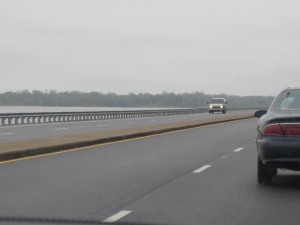 Today, I went to the Principia College, Elsah Illinois with two professors from SIUe and another international student from here. Retired Professor Wilson had been invited to give a talk on diversity to a few students in the University, and it turned out to be a nice experience. The campus of the College (called University in Nigeria) is located at a site off the river road and overlooking the great Mississippi River. No words can describe the grandeur of the river as seen from the road while driving. I’m much convinced that it would look and feel so much better while on a bicycle. According to Prof Wilson, Mark Twain the writer used to come over to the river to get inspiration. Oh well.
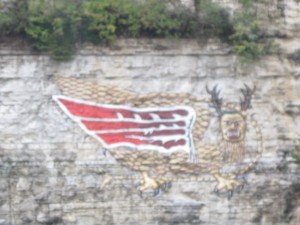 The journey to Principia took a little over thirty minutes from the SIUe campus, and we had to pass through a few small towns including Alton and Elsah, each with a repertoire of historical information, especially about the Native Americans that made the area their habitation for many years before their forceful dispersal. Alton has the famous Clark Bridge, and the even famous painting of a prehistoric piasa bird on the face of the cliff also overlooking the Mississippi river. According to Wikipedia, Alton has “its steep-sloped streets filled with silos, railroad tracks, and brick commercial buildings”, and it counts among its famous former residents Miles Davies, the legendary trumpeter/musician, Elijah Lovejoy, an abolitionist who was murdered in 1937 for his role in anti-slavery movements (and after whom the Library at SIUe is named), and James Earl Ray, the murderer of civil rights activist Martin Luther King Jnr.
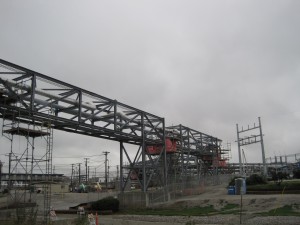 One of the notable sights on the way from Edwardsville are the many oil refineries in Illinois that litter the way. “Those refineries refine the crude oil from Nigeria”, the professor quipped “before they are sold in the United States at different rates.” The crude oil is brought from different parts of the world – and indeed from Nigeria – in large ocean vessels, are refined, and sold as “gas”. What he didn’t know until I told him was that the finished petroleum products are also sold back to Nigeria – like chocolate products – at exorbitant prices whenever the steam engines of Nigeria’s refineries go down and the continent’s petroleum giant finds it hard to refine its own products. Passing through those areas of Illinois that I’ve never been before only reminded me of Nigeria’s Niger Delta: plenty smoke in the air, and plenty smell of gas – a depleting environment under serious gas pollution.
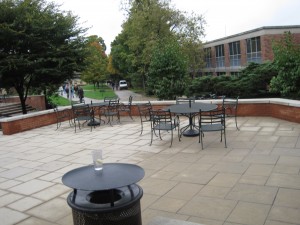 The Principia College is an institution for Christian Scientists and it graduated its first products in 1934. The campus is small, yet beautiful. The student population is 490 and from the little we saw, the students are warm, and all find a way of interacting with one another much more than one would find in a large campus as SIU because of the size. An interesting discovery I made was that one in every five students there was an international student. And over seventy percent of those international students are from Kenya. All of a sudden, it felt like if I was back on the campus of Moi University in Kenya again. I still haven’t discovered the reason for this density in Kenyan students population. At SIUe, the international students population is mainly Indian, and then a few others. In 1993,according to Wikipedia, the campus was designated a National Historic Landmark by the United States Department of the Interior.
The visit ended with a very delicious lunch at the University cafeteria where many of the international students worked as kitchen staff among others. The food also somehow reminded me of my stay in Kenya in 2005. Maybe it was because it was the first time I was eating rice again in a very long time. Luckily, we made it out of the campus early enough to get back to campus so that I was still able to get to class where my students, who had already waited for nine minutes, said that I was indeed lucky by a minute, or I would have met another empty class. Spoiled brats, those kids.
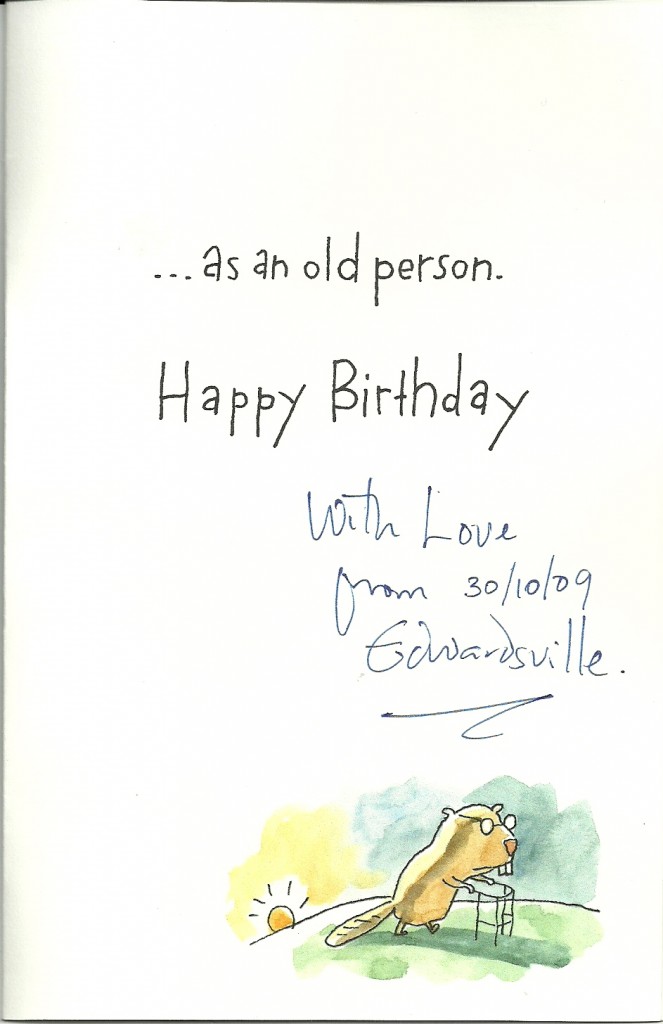


 Considering how much you beat the living shit out of me while we were growing up, even for the filmsiest reasons, 😀 please consider this form of public greeting a mild recompense for all those fun times. Sorry, the plane ticket to Britain is beyond me at this moment, or I’d have come over to deliver these cards myself* ;). You’re my only brother after all – as far as I know (haha), and it would have been fun to catch up. But heck, have a blast with your family. I wish you the very best on this your special day. May the rest of your days be the best of your days!
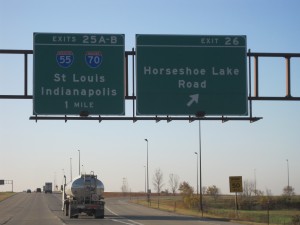
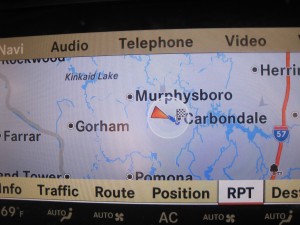
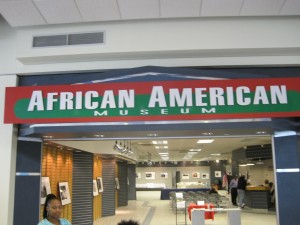
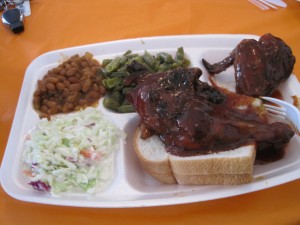
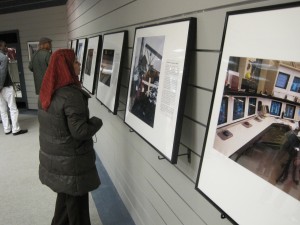
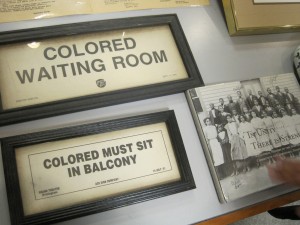 These are a few from the pictures I took today on the way to Carbondale and back. I had gone with Reham and a few other student friends for the regional Fulbright get-together/ barbeque and a visit to the African-American Museum on the campus of the Southern Illinois University in the town.

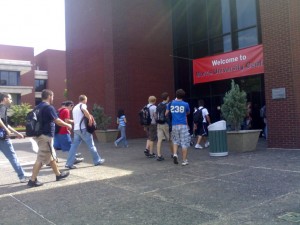 Whenever I tell my American friends that I’ve been here for only two months, they immediately ask for my opinion on everything I’ve seen and experienced. And, instead of going with a previously standard response of “Oh it’s nothing. Except for the cold, it’s not much different here from where I’m from,” I now have to go into a long discussion on my very many notable observations, wonder, amazement, dread, lonesomeness and all, just to avoid a long stare or an awkward moment of uncomfortable silence that have now begun to attend any seemingly self-confident response. “It’s okay to feel lonely at times, and miss home, you know.” My classmate had said to me once, and he’s right. I should desist from this present stoic, often impersonal response to this distance, and really break down into my true status as a lost stranger in a distant land. Maybe only then can I find another part of myself necessary for the true experience of travelling. The problem is, it’s not working out for me. I wonder if there’s anything wrong with that.