He must have spotted me from afar as I haggled prices with some of the other motorcycle operators in front of the University. Although I didn’t know exactly where I was going, I knew that starting with the lowest possible price is the best strategy of getting a good price. I had failed, and was heading into the University on a plan B when I was approached.
“Where are you going?” He said.
“The Opa Oranmiyan.”
“How much do you have?”
“180 naira. That’s my last offer. The other guys said 250 and I can’t afford to pay that.”
“But it’s quite far.”
“Yes, I’m aware of that. Do you know the place?”
“Of course yes. I am an Ife native. Can’t you tell form my accent?”
“I thought so,” I said. “So shall we?”
“Alright let’s go.”
I mounted the motorbike to murmurs from the other guys and headed for the site of the famous obelisk. It was indeed far and worth the amount. The problem was that on getting there, the gate was locked. I could see the obelisk from a side of the fence but I couldn’t go inside. All I wanted was to be able to pose beside it, perhaps measure who is taller.
“Now what?”
“Do you really want to go in?” He asked in return
“Yes.”
“There is a way. I’m an Ife boy. Come with me.”
“Cool.”
We went around huts deep into the cluster of houses around the compound of the monument and found ourselves in front of a smaller gate far at the back. It was closed, and there were about a dozen women in front of their own houses directly opposite the entrance, and they were not going to allow us in without questioning.
“What happened to this gate ma.” He asked one of them after greetings.
“It’s locked now. You can’t go in. You have to use the main entrance.” She replied.
I could already feel a flurry of curious gazes around my stranger frame with a backpack and an ipod. Who on earth is this guy and what is he looking for? More: what has this motorbike man promised to show him to make him follow him this far off the road?
“Let’s go,” he said. “I’ll take you to the man in charge of the gate.”
“I would think that there is a place where we can pay, get tickets, and go in without any hassles. Why is it so difficult?”
“I don’t know. They open the gates at particular times of the year. When the time comes, you may enter. But not now.”
I observed to him that I found the obelisk different from what I’d seen in pictures. Even the surroundings seem renovated.
“Yes,” he concurred. “Last year, UNESCO or so provided money to turn it into a heritage site. You must have noticed the new toilet and office buildings within the compounds too. They are all paid for because of that renovation.”
“I see.”
“You must have noticed that piece of cloth around the base of the Obelisk. That’s put there by worshippers who come here at particular times of the year to perform sacrifices.”
We spent a few more minutes trying to see the person authorized to open the gates, without luck. The man then took me to an even closer part of the fence where I took much nicer photos. “If I had come here by myself, I’d have climbed over the fence into the premises. I’m just worried for you, because you’re not from the town.” He said.
On the way back to campus where he had picked me up, I asked him to verify the rumour that there are still human sacrifices in Ife today, especially during some major festivals. I’d been told that strangers to the town are usually the major victims. He laughed and said that I too had fallen to unfounded rumours. “No,” he said, “human sacrifices died long ago. Today they use goats and rams. Next time, try to come during the Olojo festival and you’ll see for yourself.”
________________________
Browsing the archives for the Travelling category.
 There is a certain delusion that comes with writing, or having a blog that is read by people in different countries and continents, by different nationalities of different age ranges. More than that, there is a certain delusion that must come from the belief that one can change the world by what one writes. As far as that is concerned, I’ve been careful to be a very skeptical citizen, choosing instead to adopt a motto that reads: “I’m trying to change the world by not always trying to change the world.” This helps. The reason is that in the face of some physical realities, and consequences of human behaviour, I have often wondered if anything one says or does actually changes anything for good. Or if it does, whether it does as fast as one hopes. For the most part, having a pseudo-skeptical attitude to the power of words to effect fast positive change has helped to keep hope alive that even if the change doesn’t come as fast as one wants, one is not disappointed or disillusioned.
 My journey around the country was a personal as well as a creative and spiritual endeavour, a need to connect with places that have meant much to me over time. By the time I arrived at my final place of visit, I felt a sense of completeness. But my host looked at me, glad to be seeing me after about one and a half years and gave me his plan: “Tomorrow, we’ll go to Ebonyi, then Aba, then maybe Owerri, and then Port Harcourt to see my folks. I haven’t seen them in years. You want to go around Nigeria, right?” It was a very good idea, and I said yes immediately. A few hours later, I got an email that I had to be in Lagos for an important event two days later, and the plan was botched. Who knows how much more fun I’d have had if I could visit the East for the very first time. It would certainly have been fun for this blog and its readers that have given me enormous pleasure over the past months. Next time, right?
 Like everyone else, I’d love the situation in Jos to be quickly resolved. The same with the spate of kidnappings by restless and hopeless youths in the eastern part of the country. The country is rich with so much that one wonders why what we have is never sufficient to ensure a peaceful and egalitarian society, and all we hear are the bad discouraging news. We build houses with high fences and spikes “to keep out unwanted intruders” and in the process imprison ourselves within its walls. We have nothing to fear but fear itself, as one president once said. Can we just step out of our comfort zones and enjoy the richness that the country offers? What’s more, can we make the country more conducive for living for ourselves and our future generation? I think we can, and every step counts, whether or not the solution comes as quick as we hope it does. Or maybe we’re just too deluded to think that man can change the course of history. Maybe everything is already predestined, and we’re just players in the hands of the invisible forces.
Well, well. I’ve been talking too much. Now let me share with you a few last pictures around the country, and then move to other (encouraging) matters. 🙂
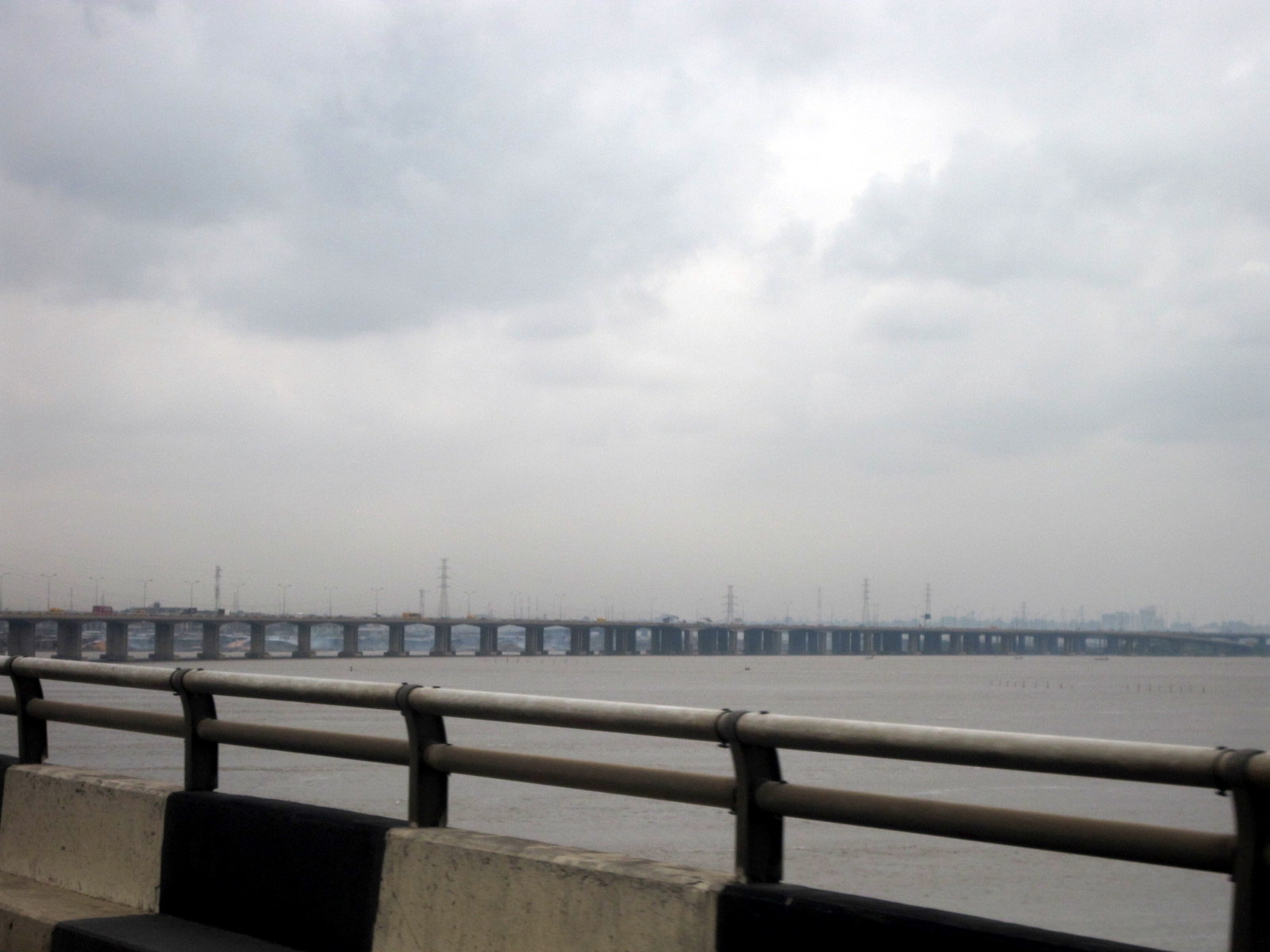
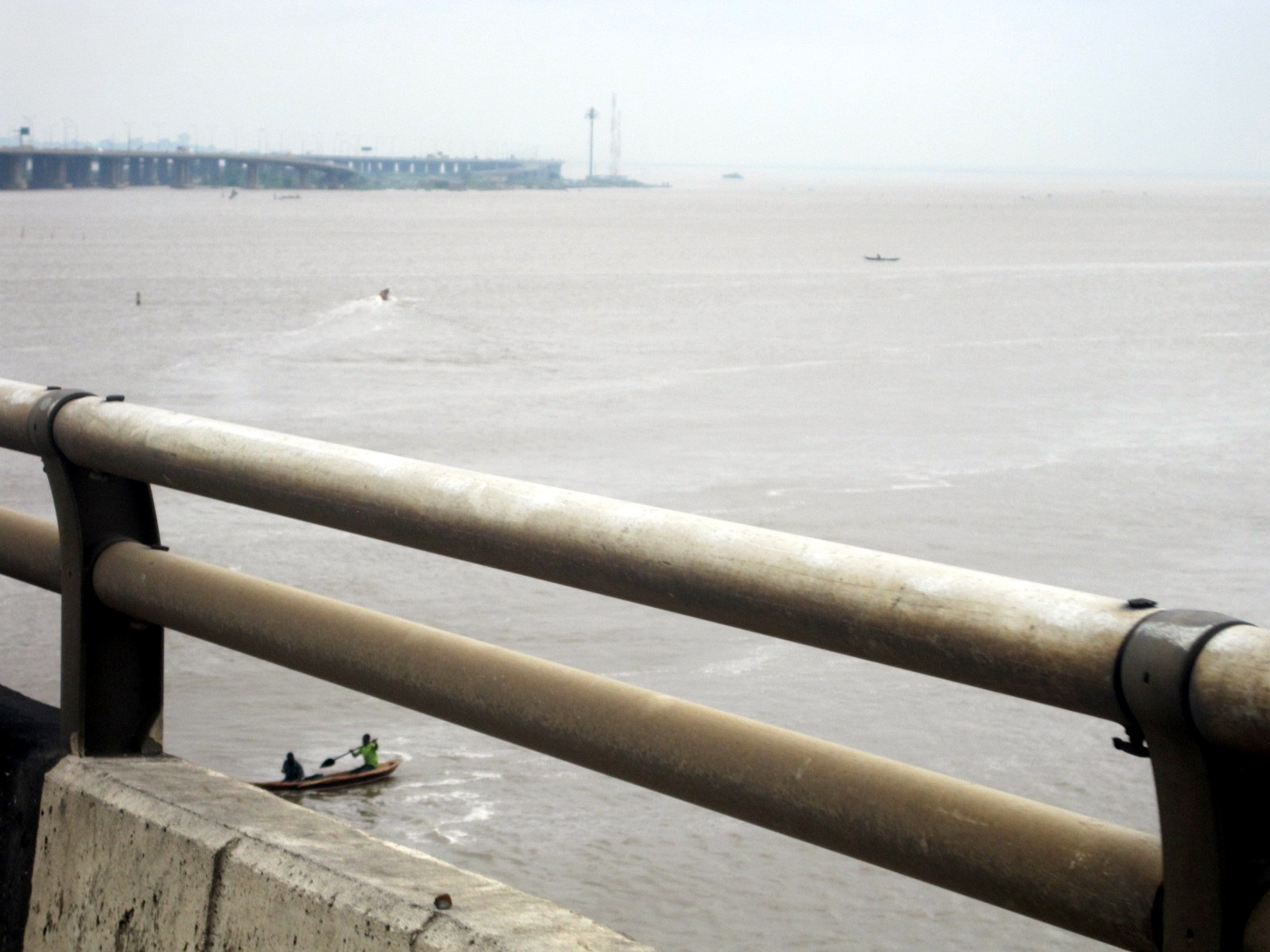
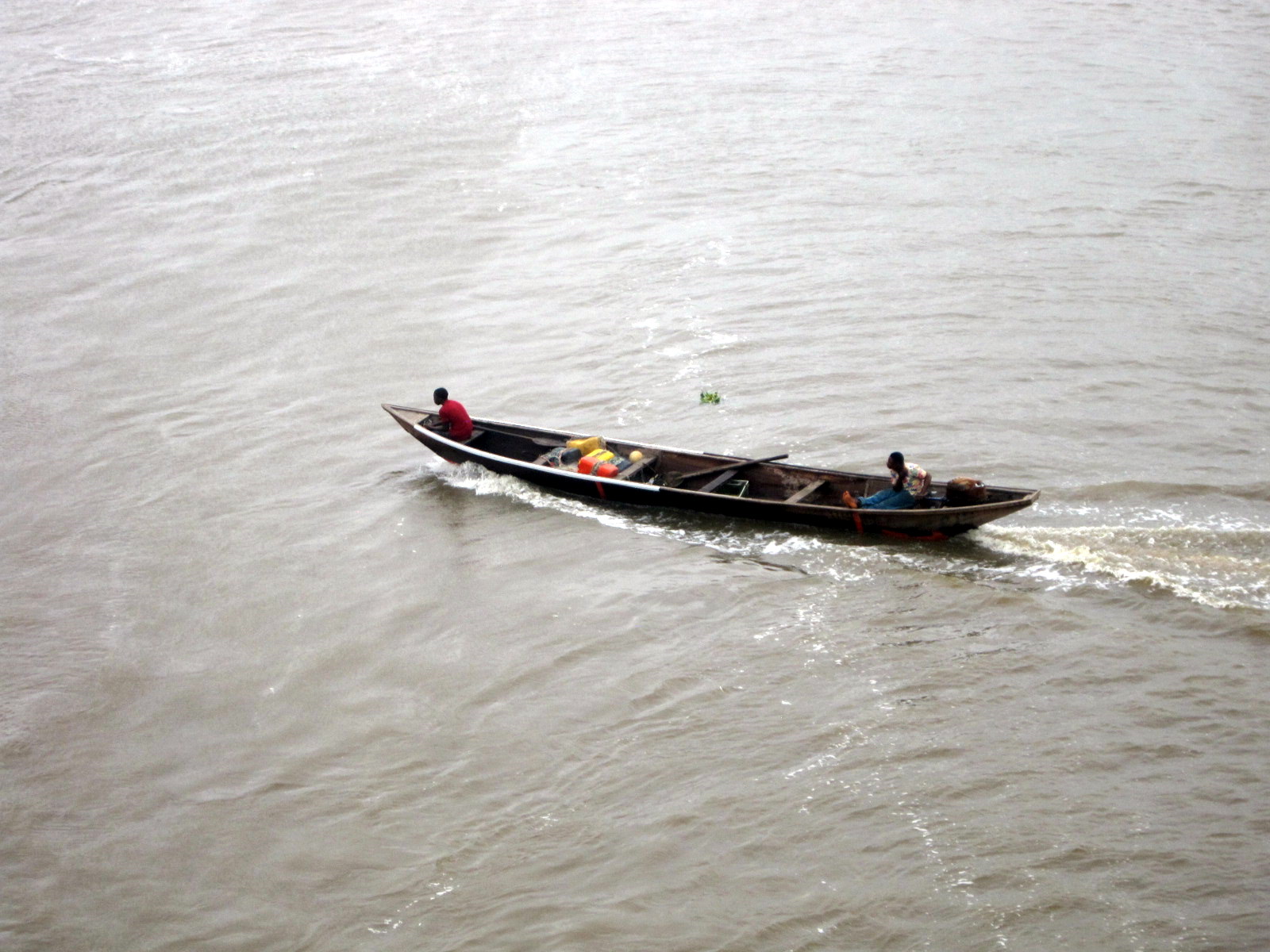
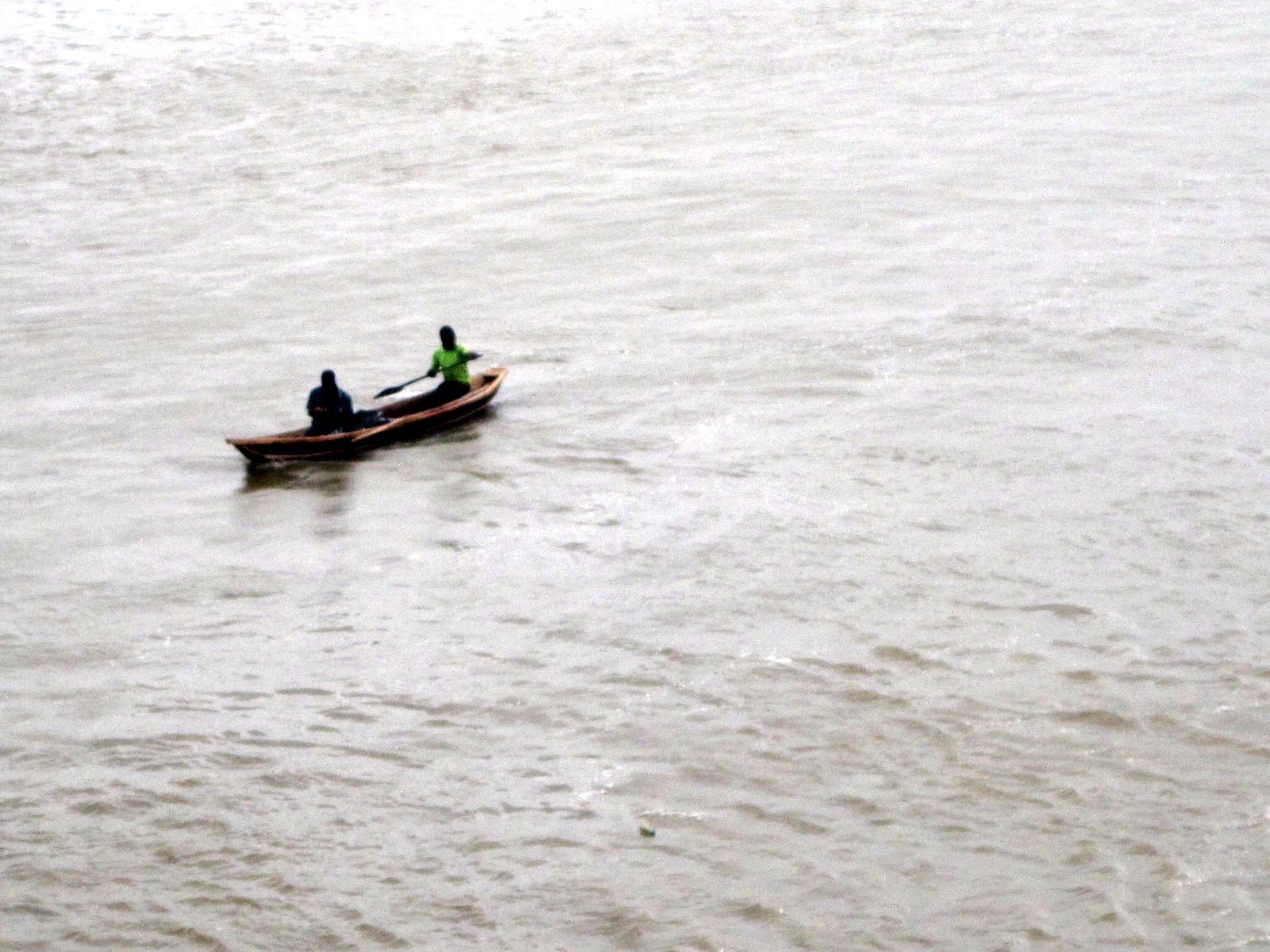
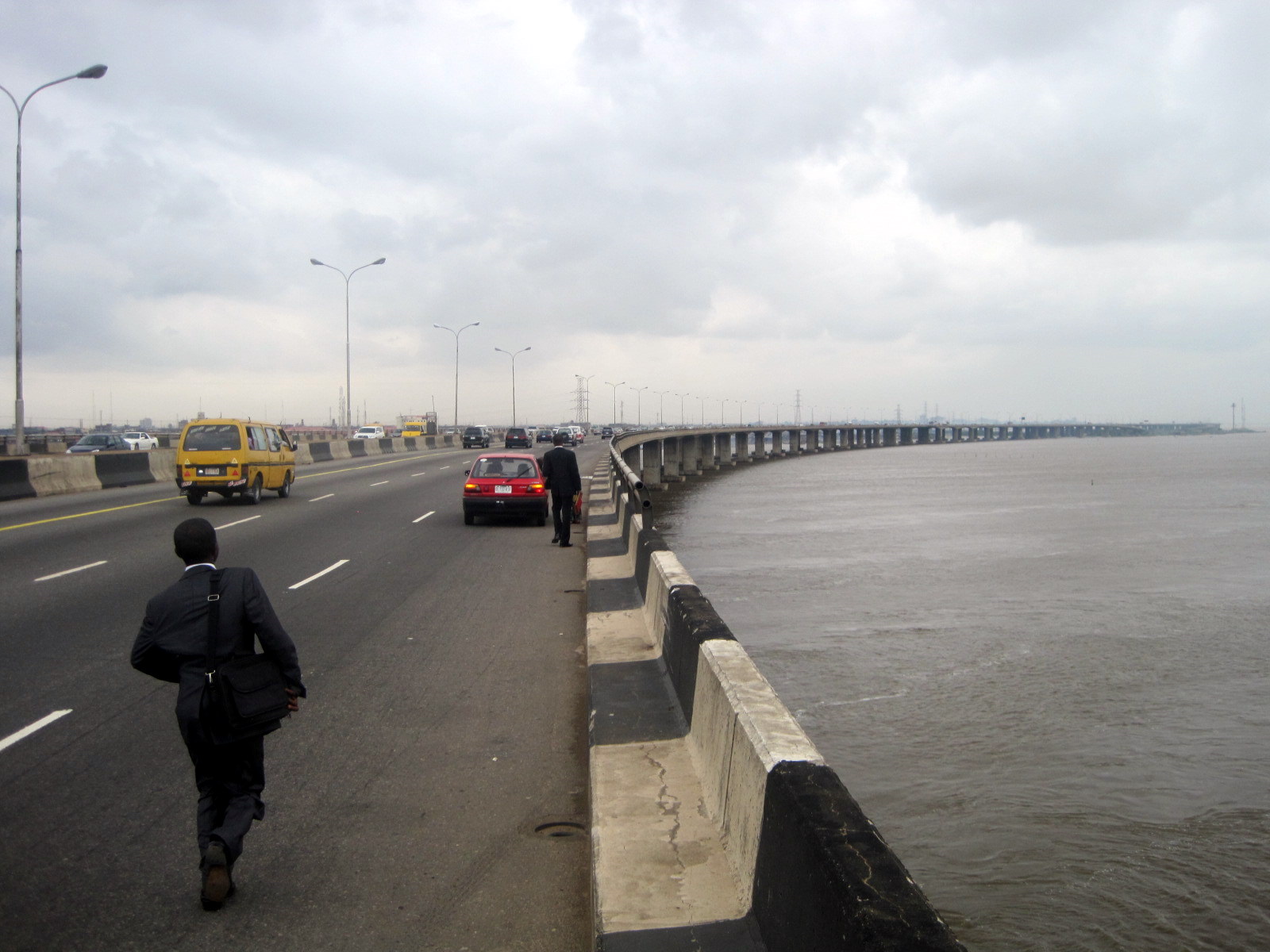
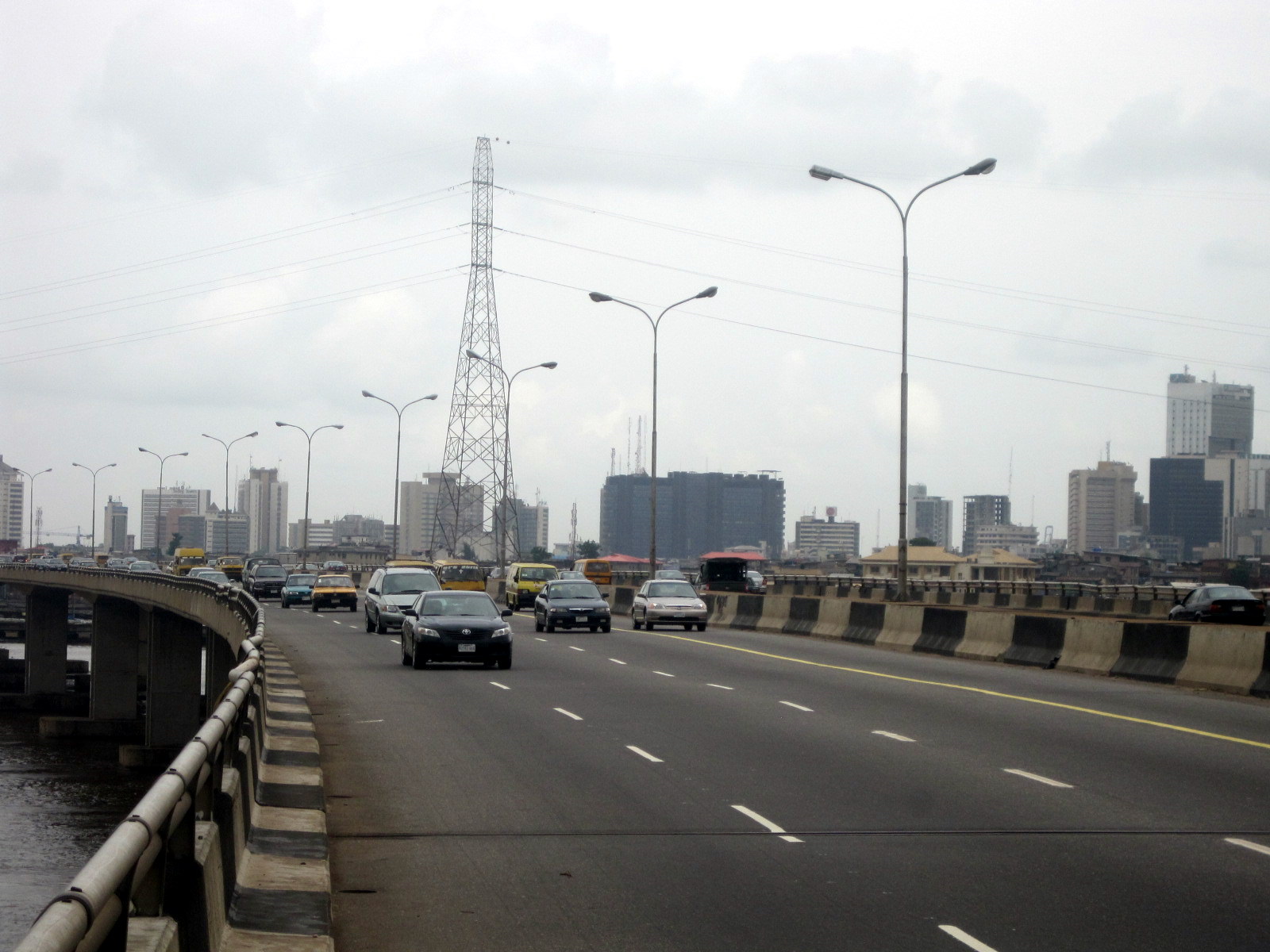
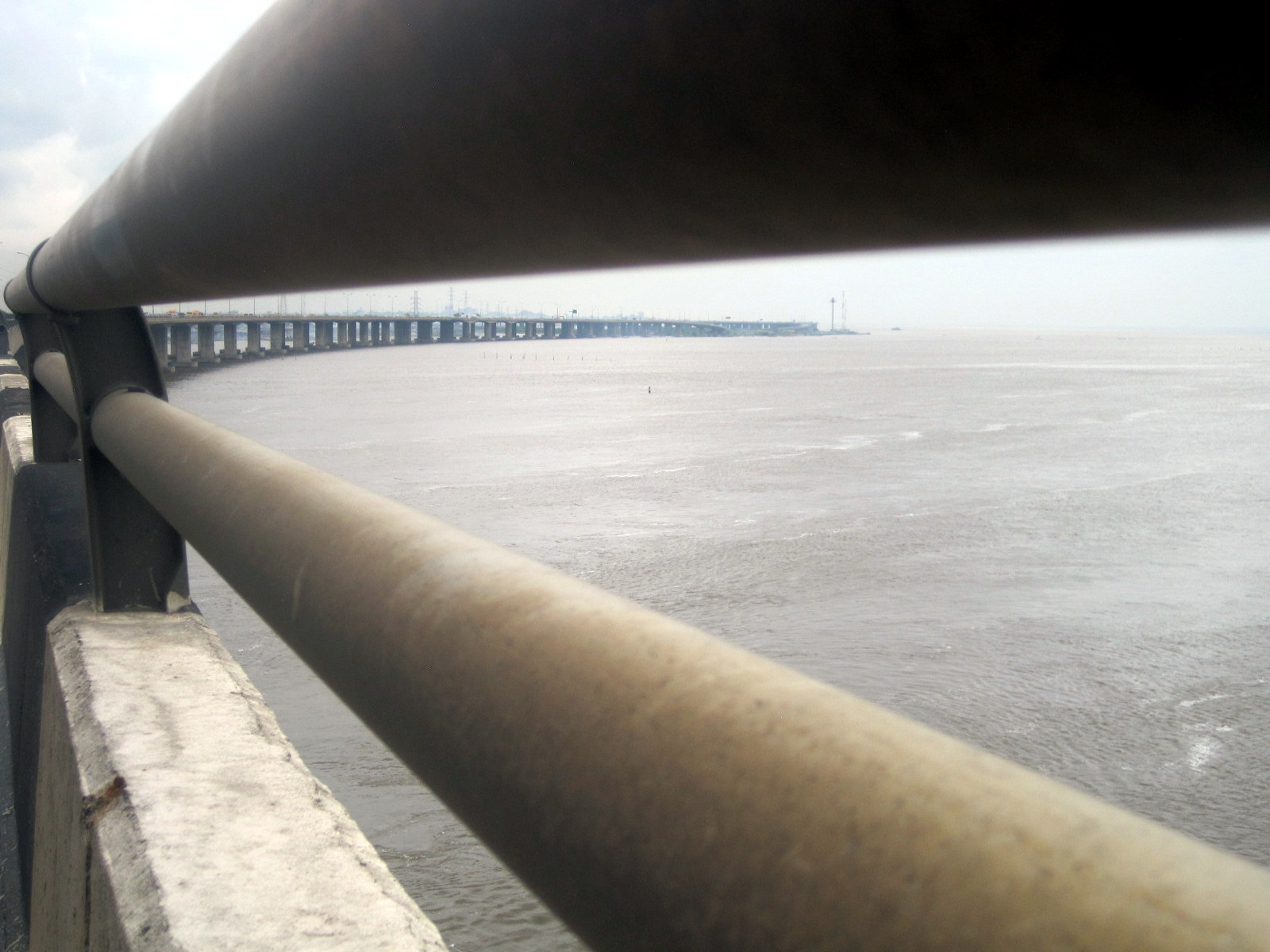

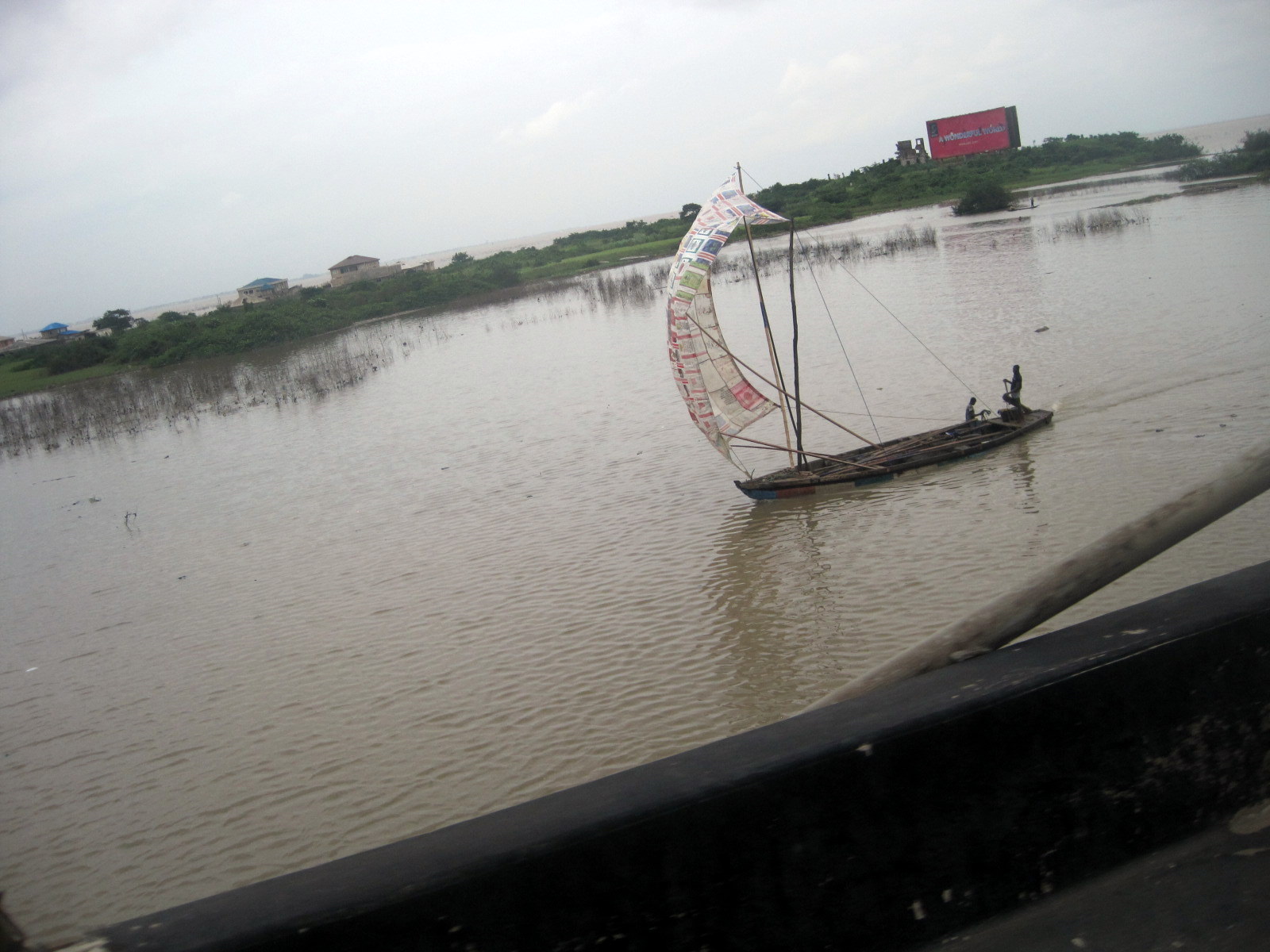 Pictures from a thirty minutes walking time around the continent’s longest overhead bridge.
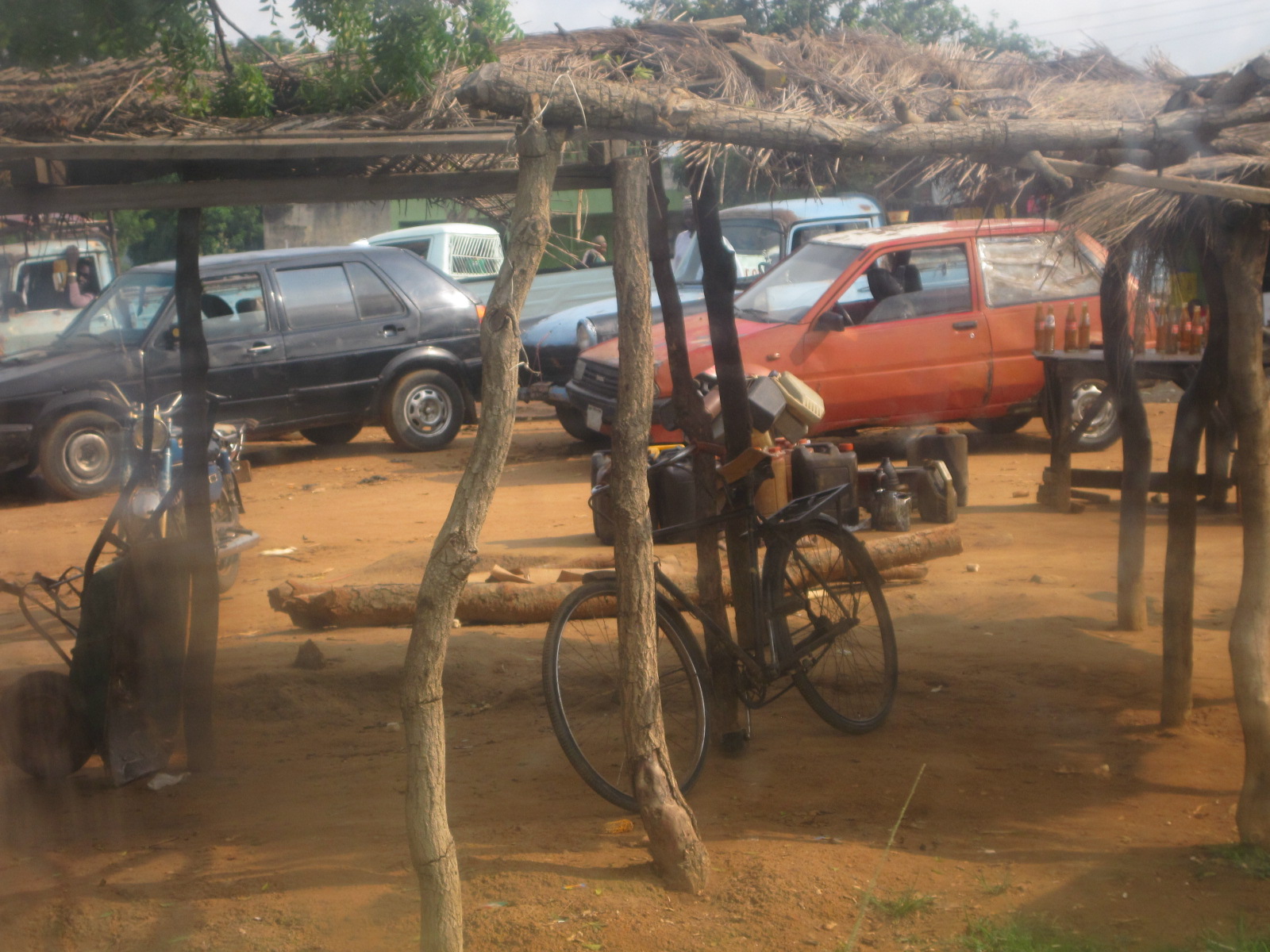
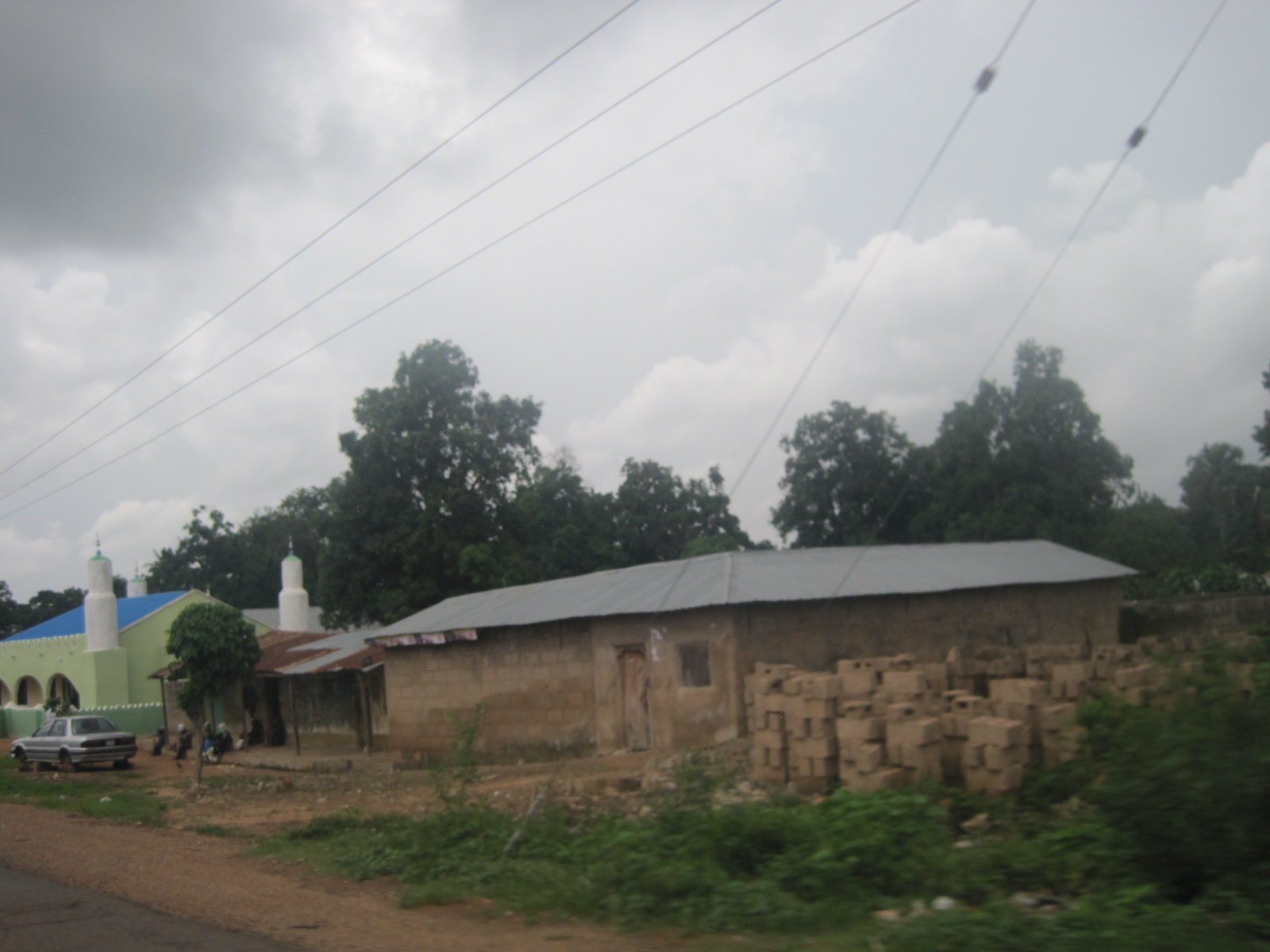
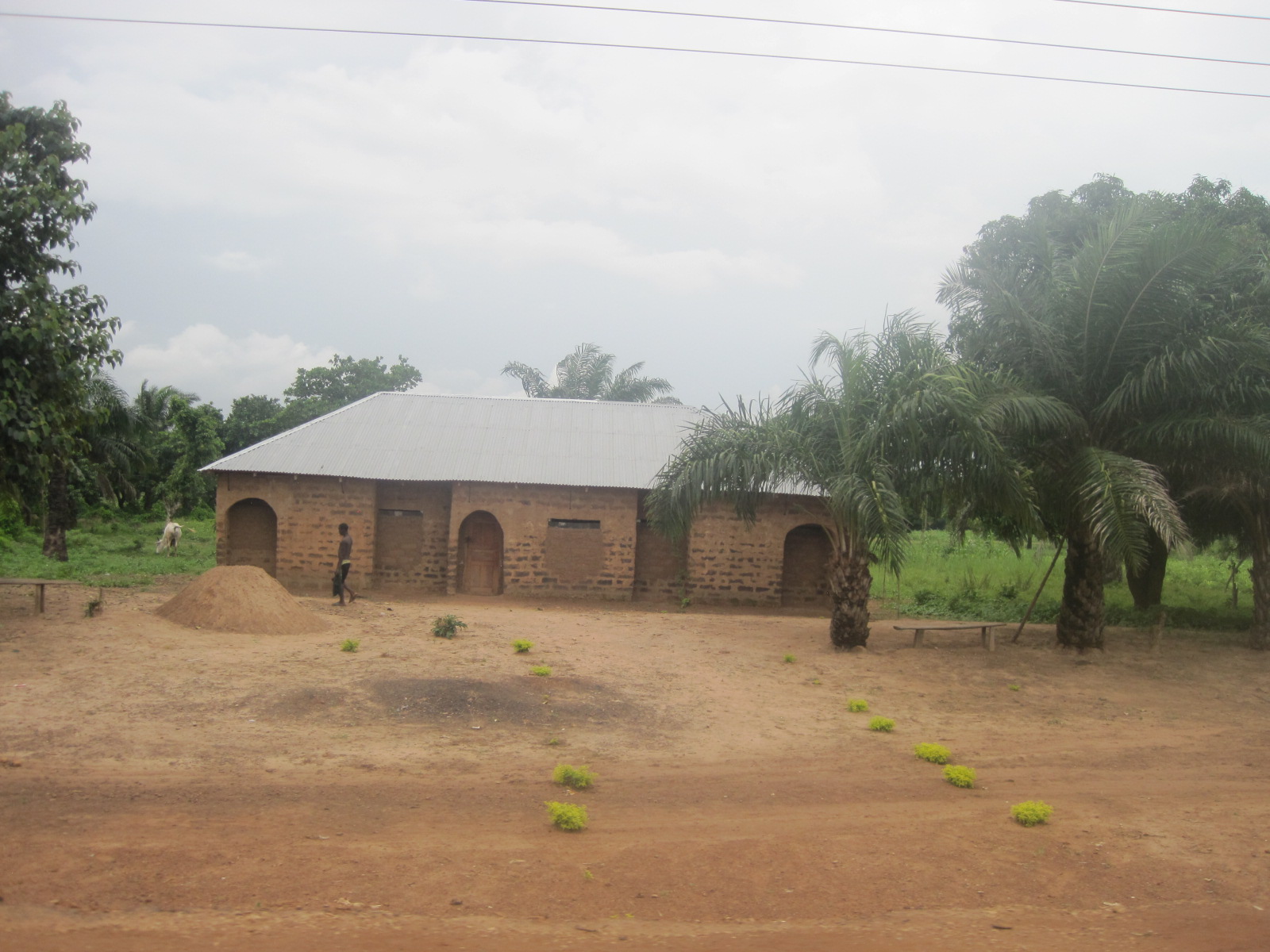
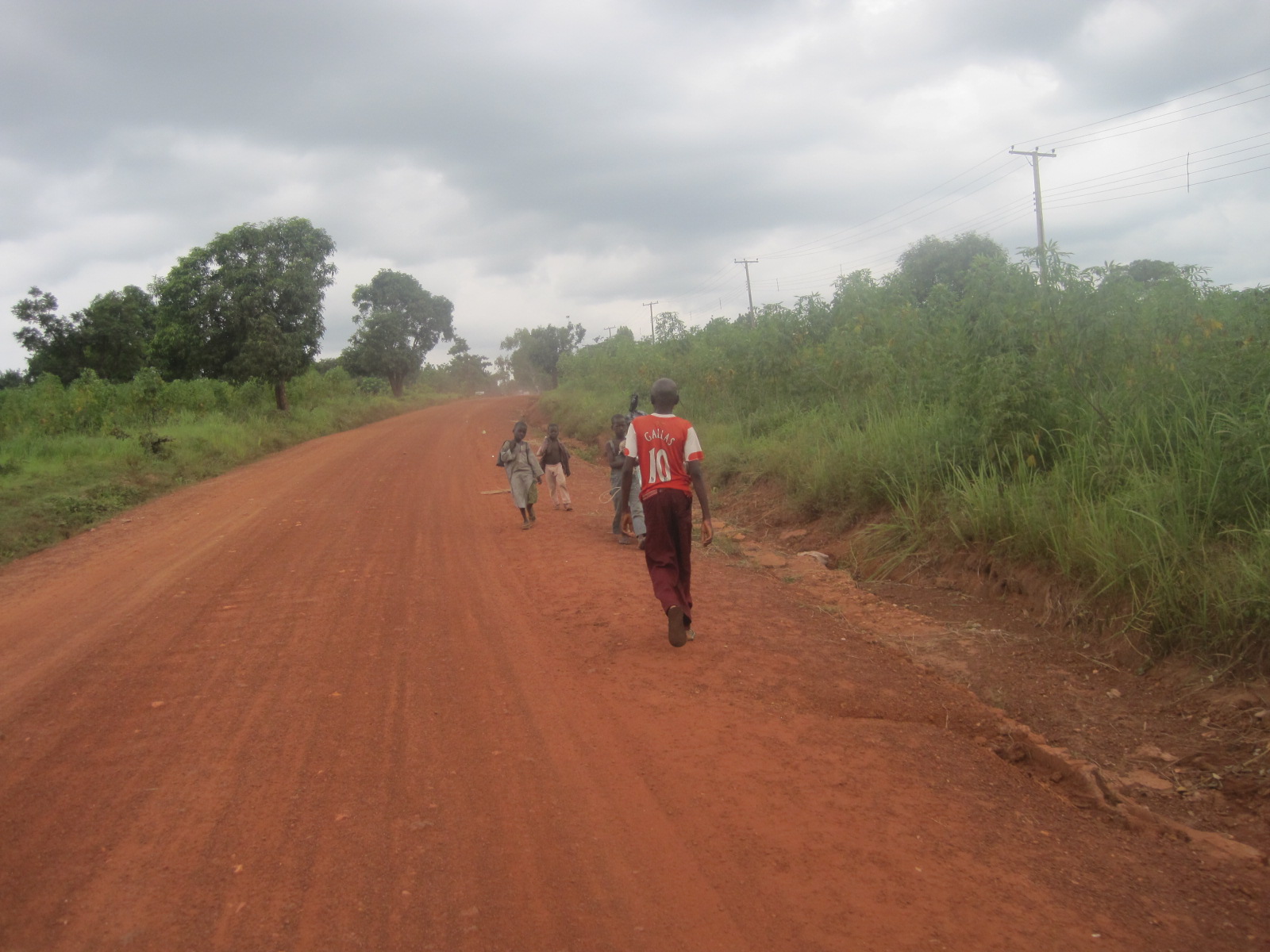
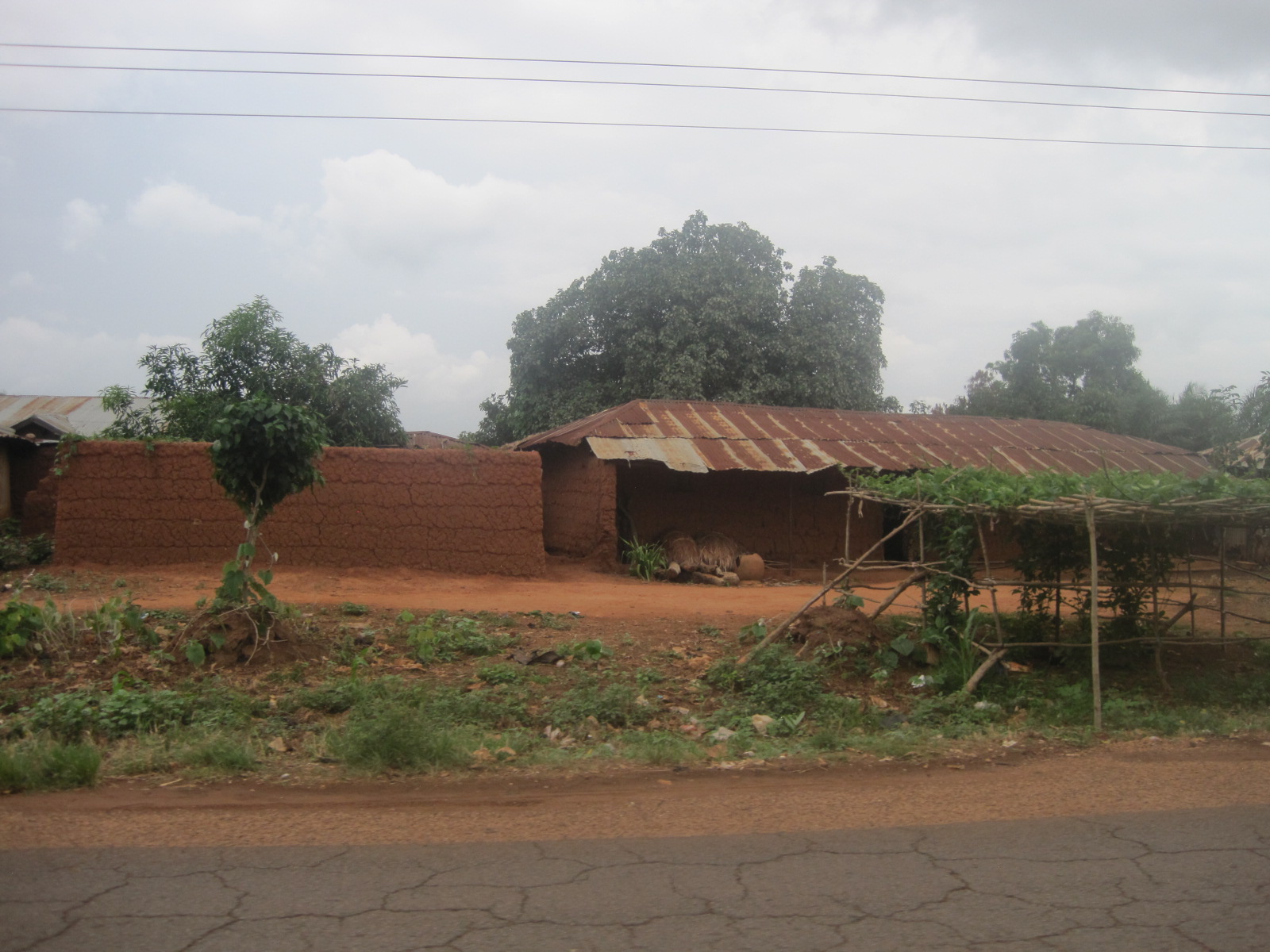
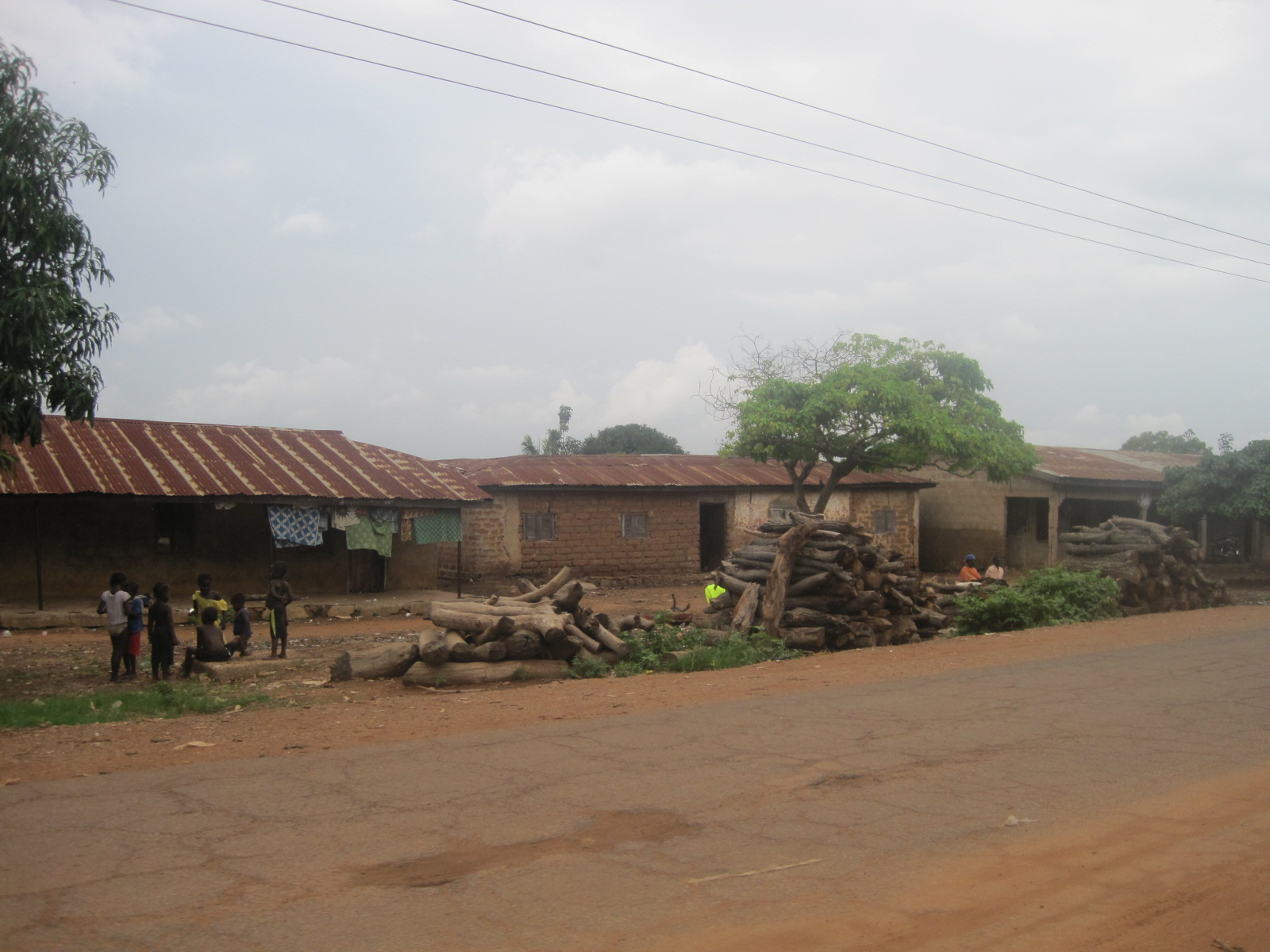
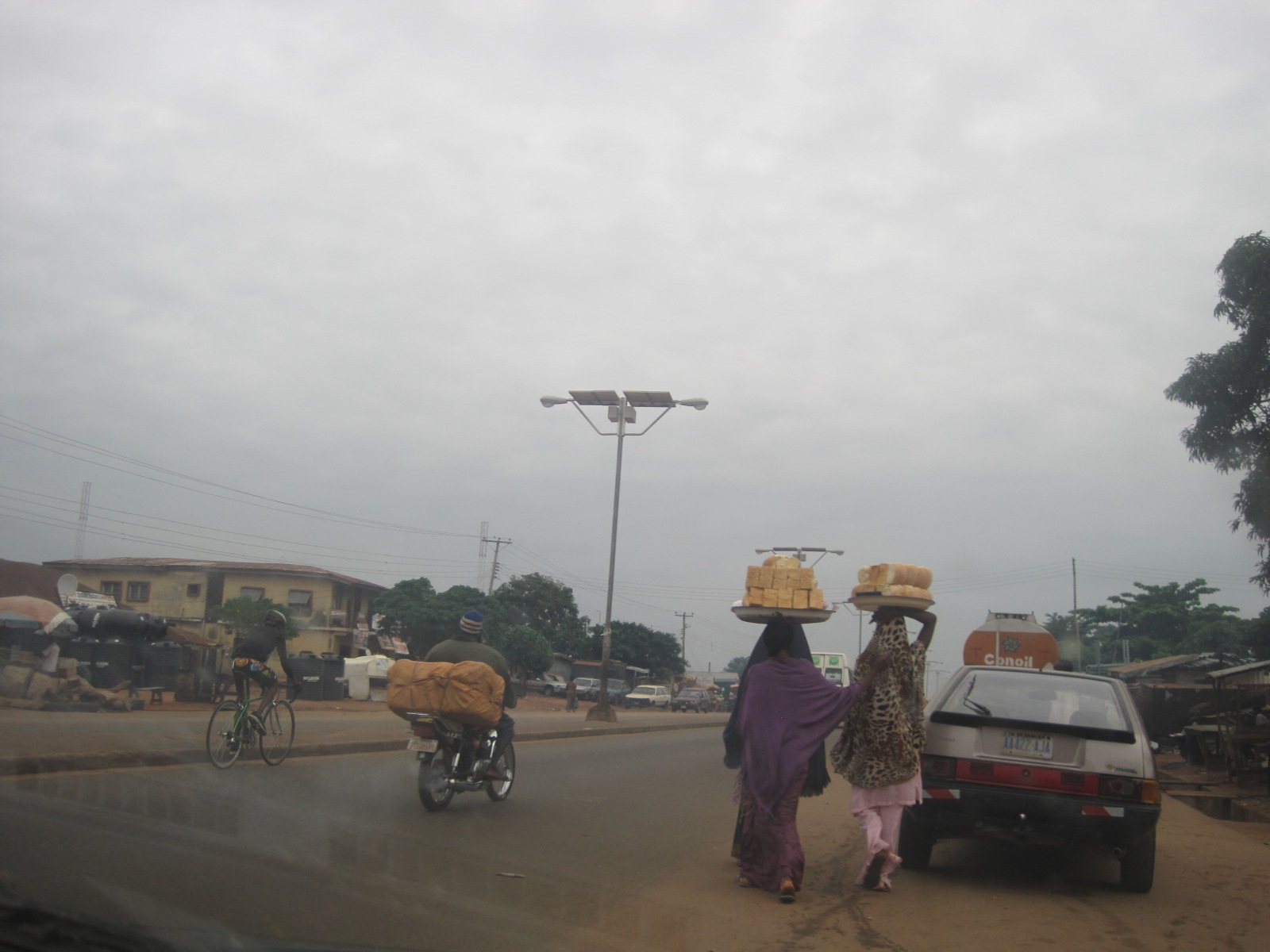
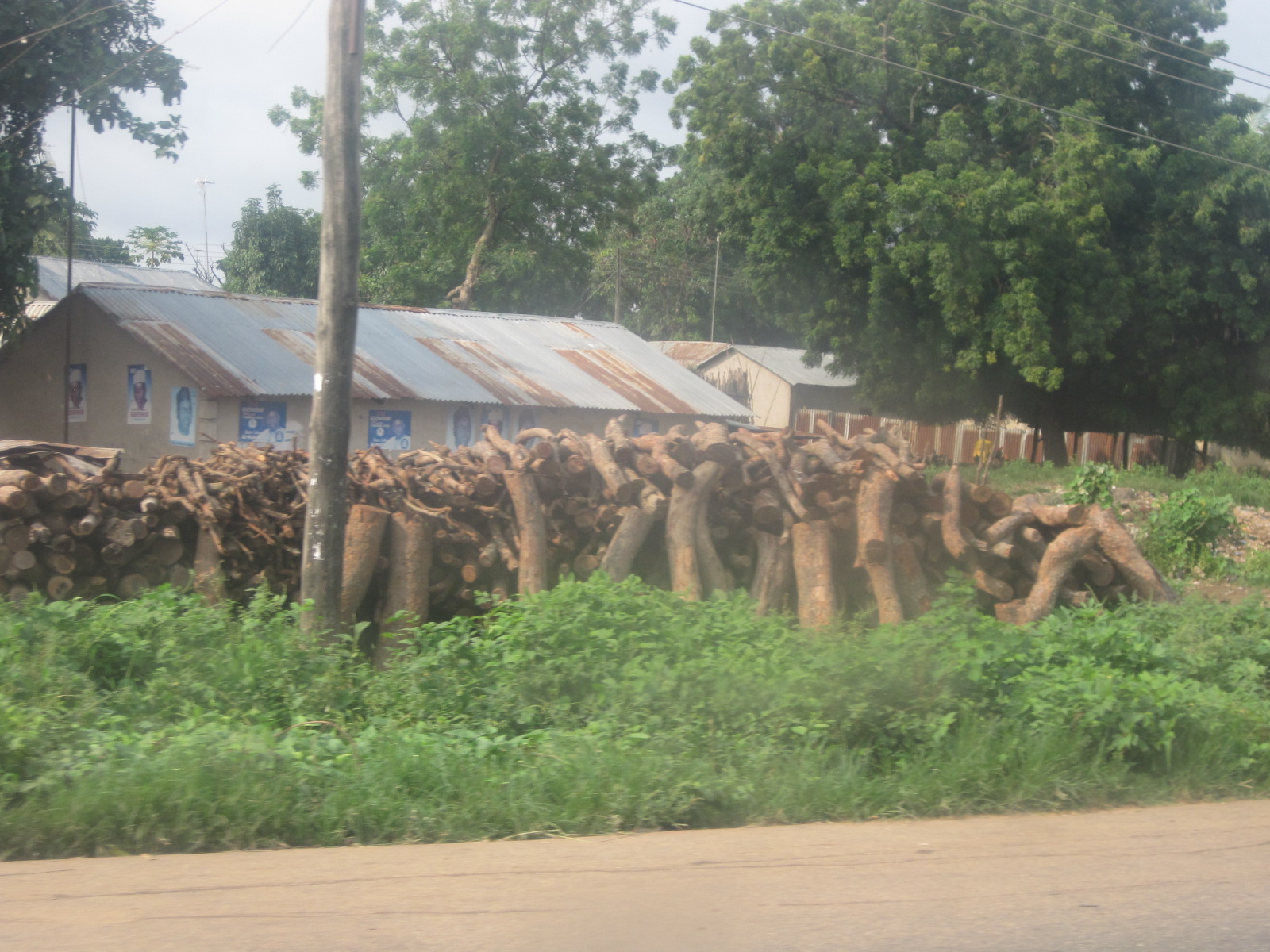
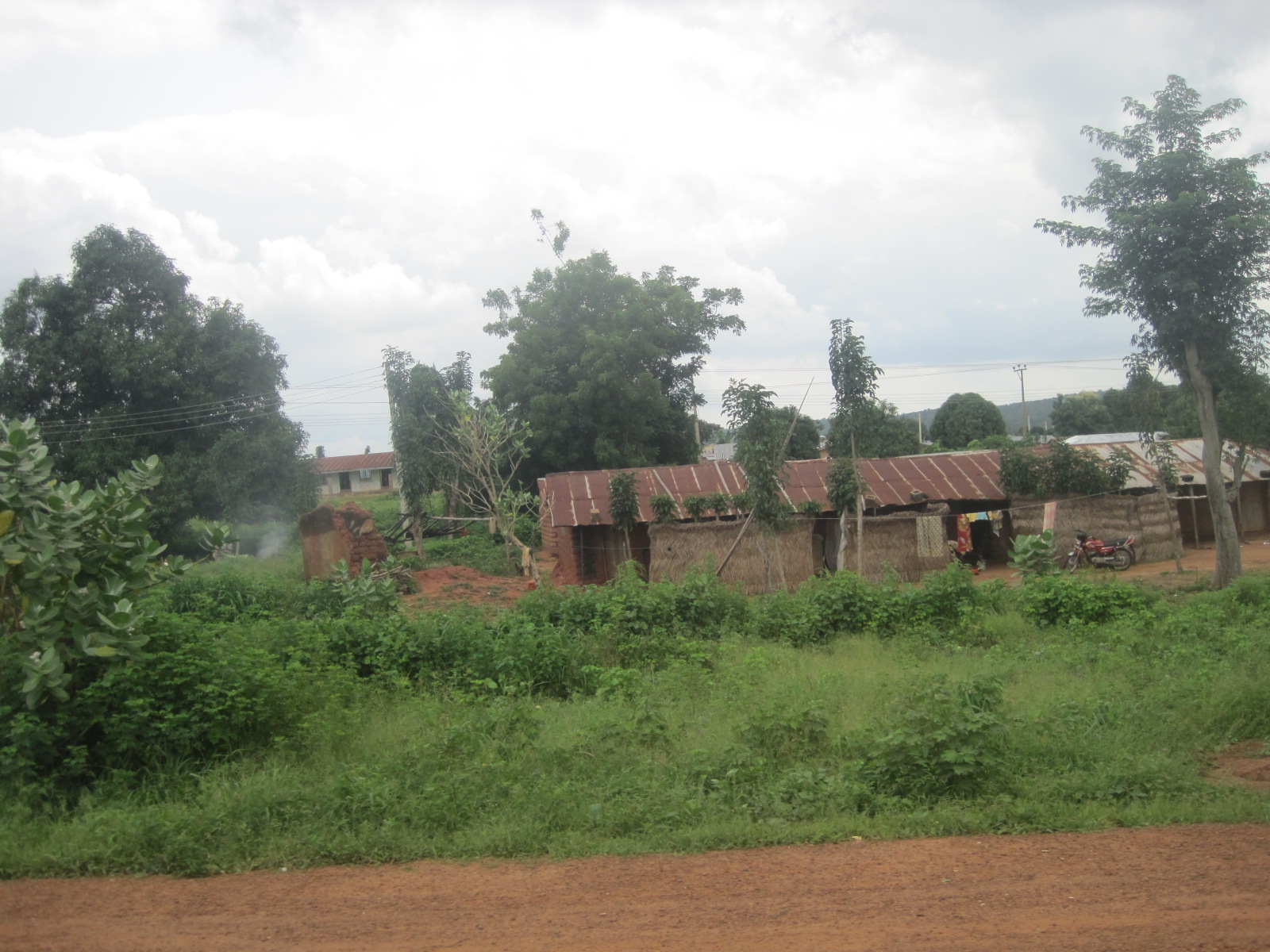
 Obi is a very small town about thirty minutes by car from Lafia. Unlike how the name sounds, it is not an Igbo town. It is inhabited mainly by a people called the Alago. Their language is also called by the same name, and the king is called the Usuko. As small as it is, it enjoys a relatively regular supply of electricity, a good road, and a clinic where my frien, the doctor, works. The rain of two days ago flooded much of the town and overran the main bridge. A few hours later, it had subsided and life went on as usual.
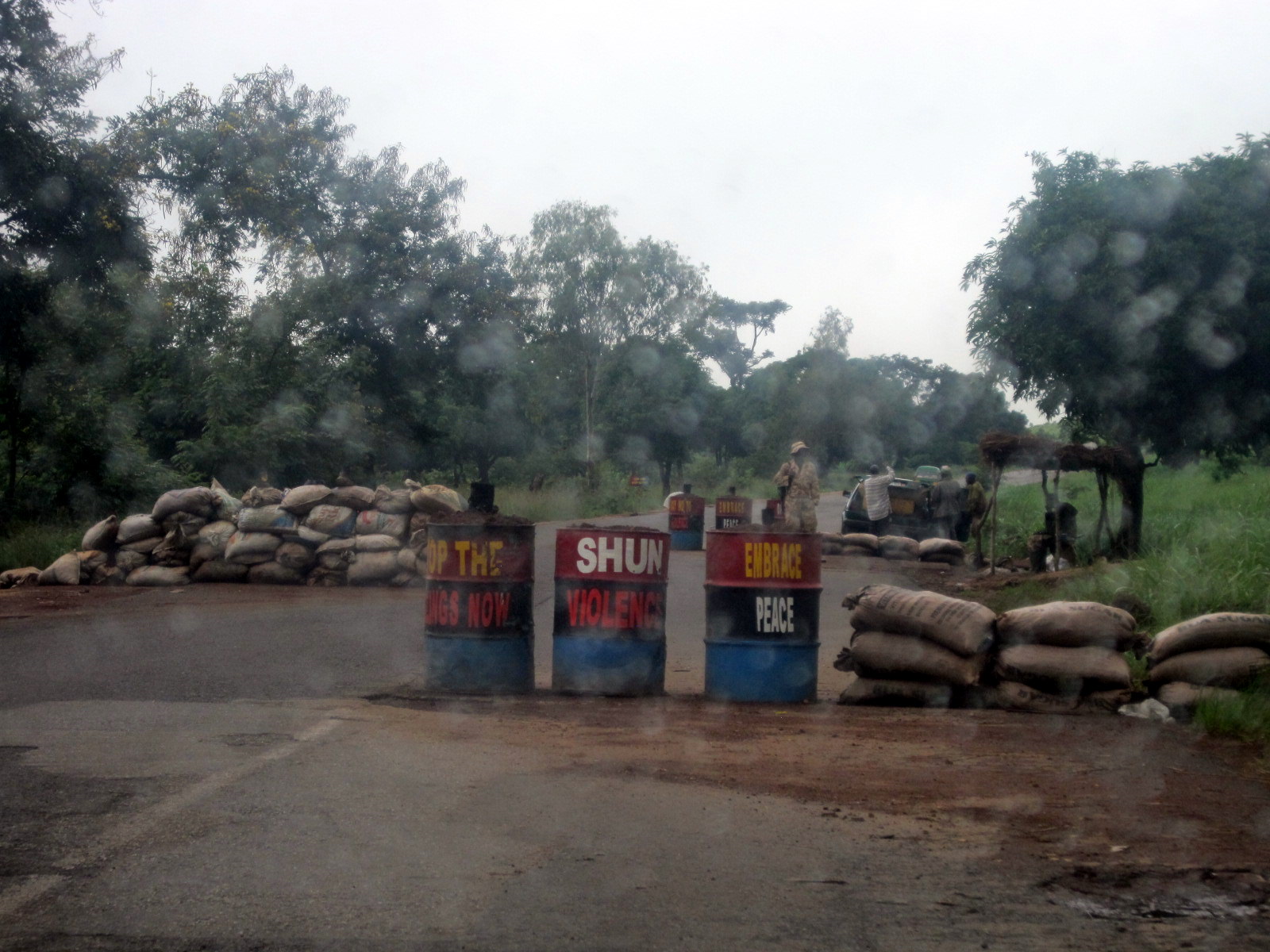
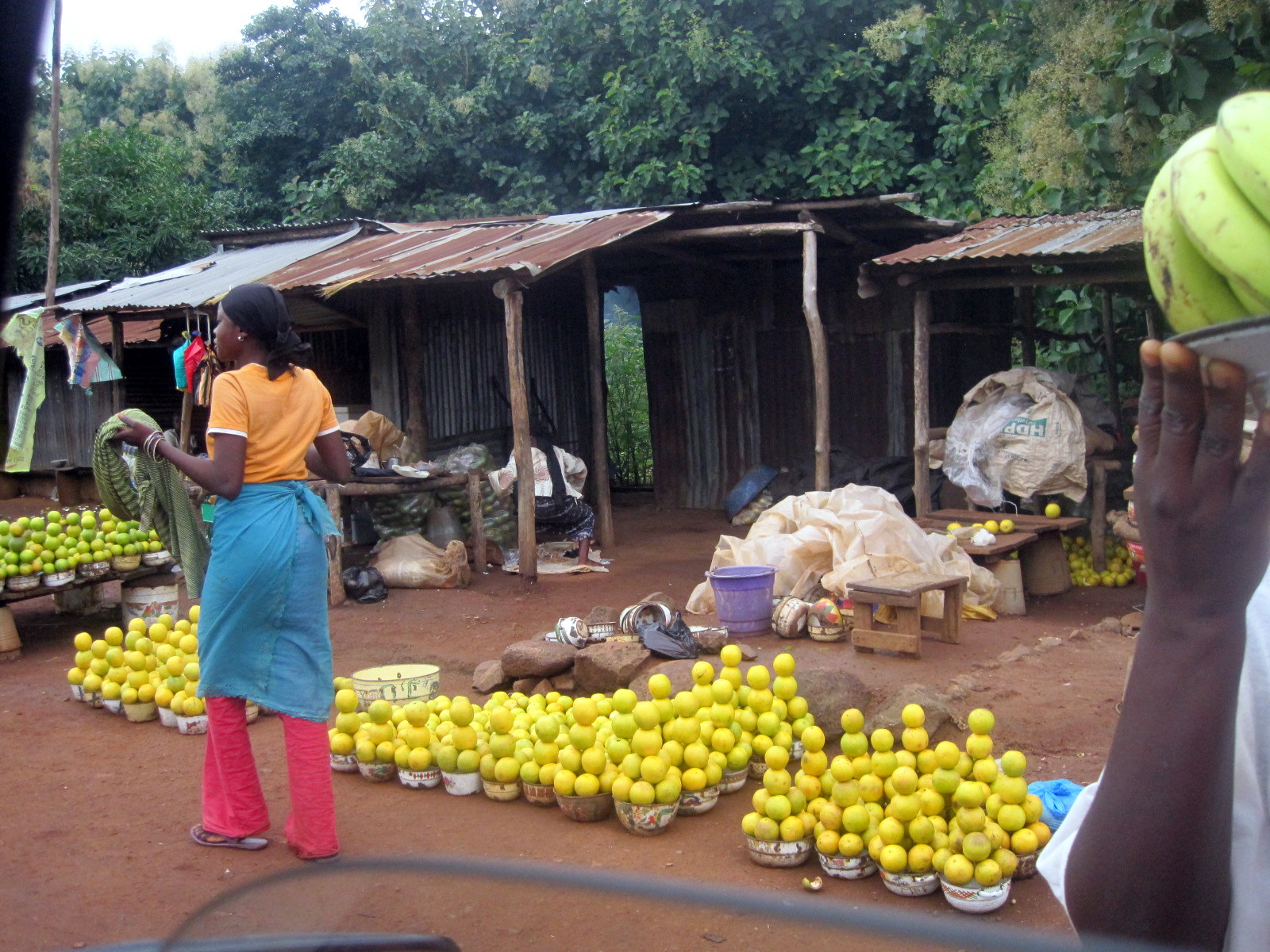
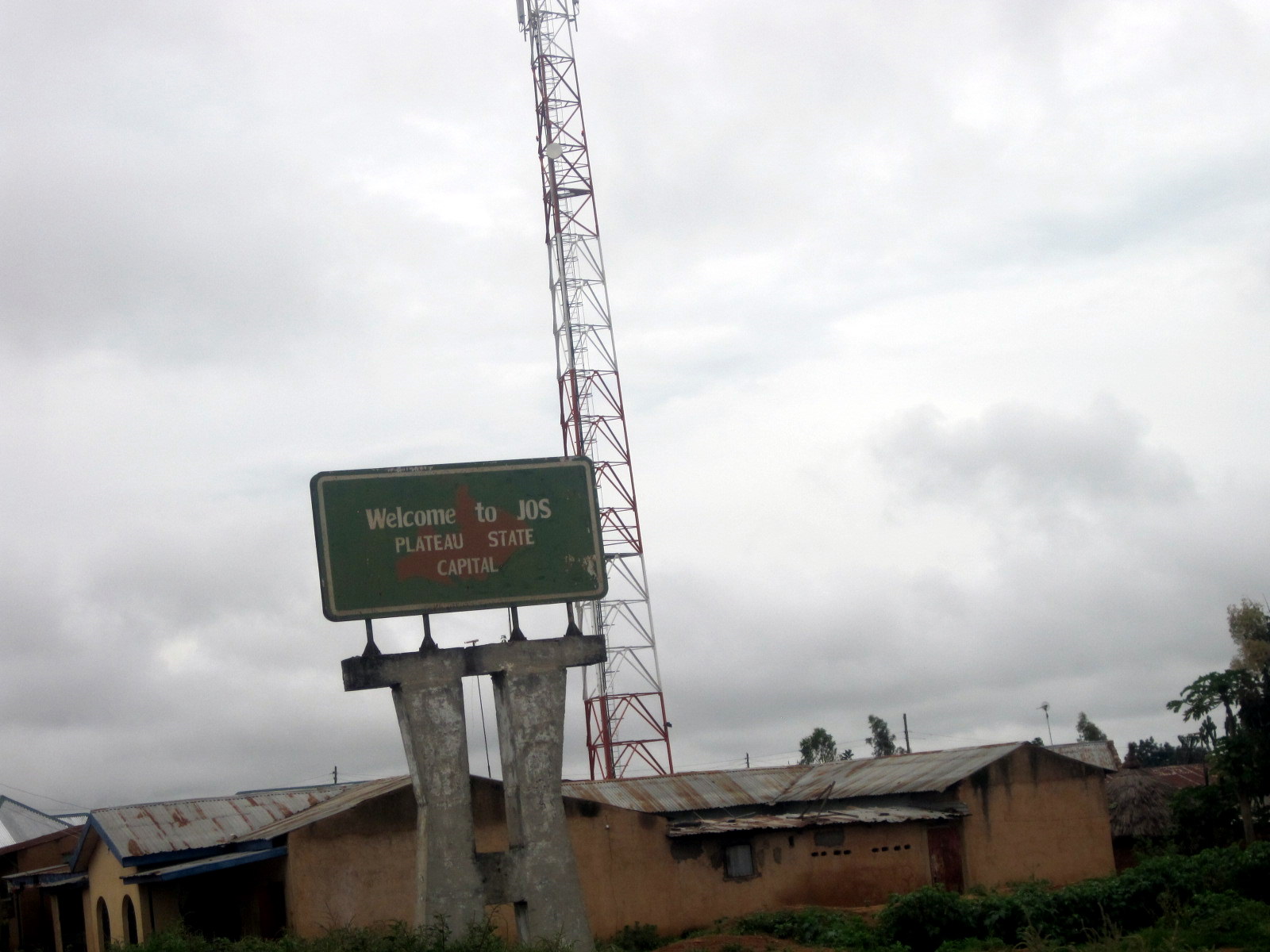
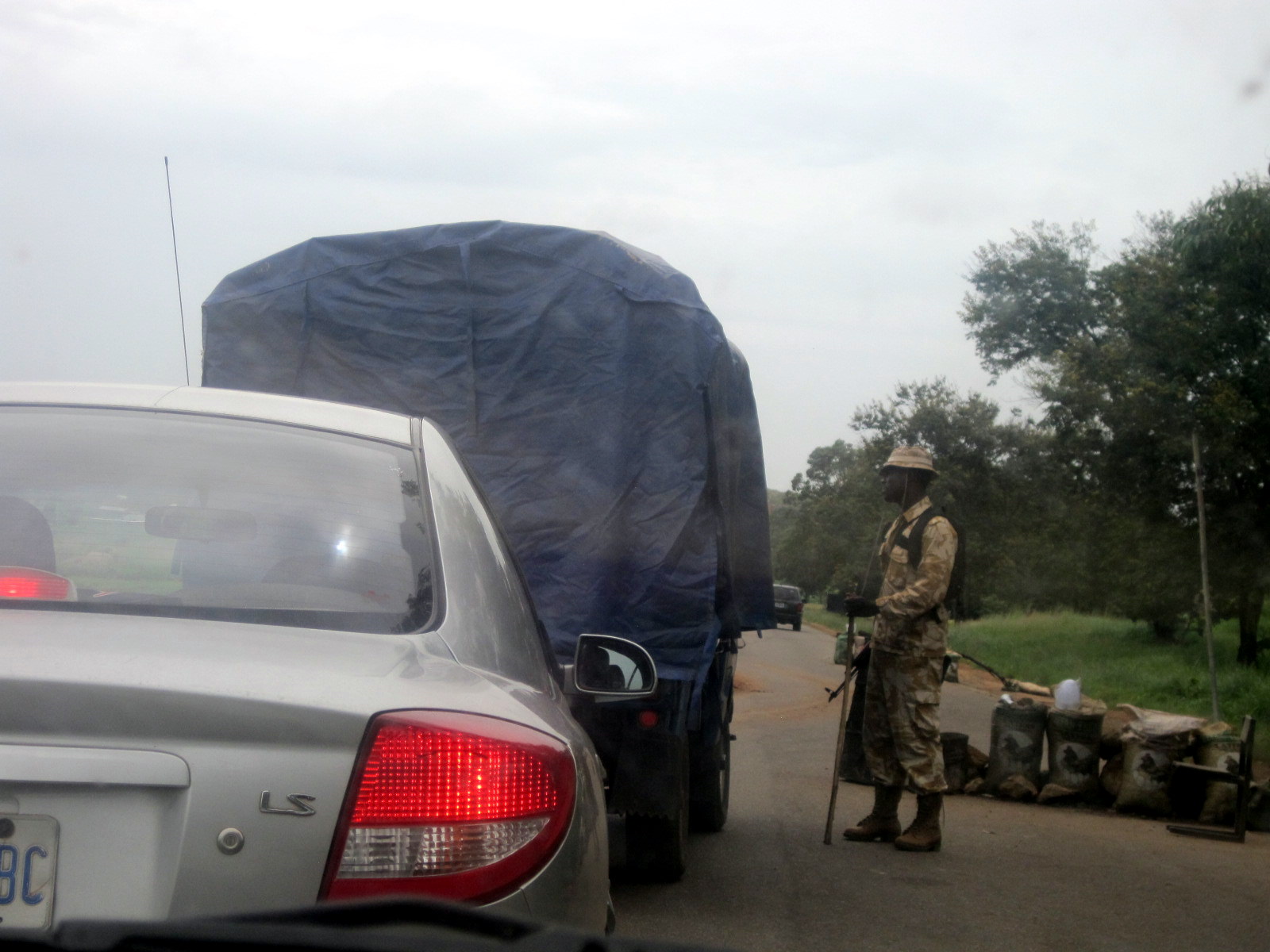
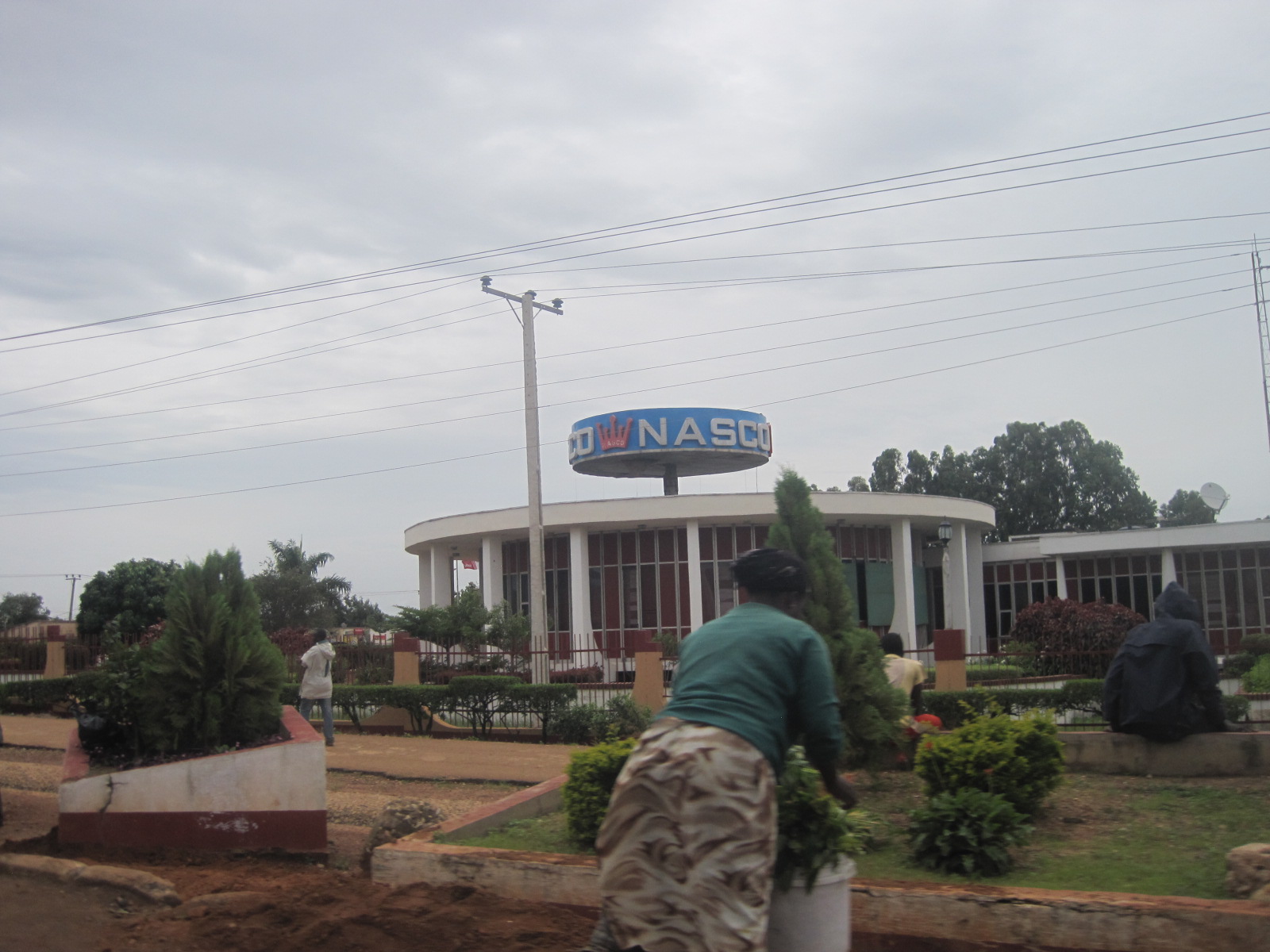
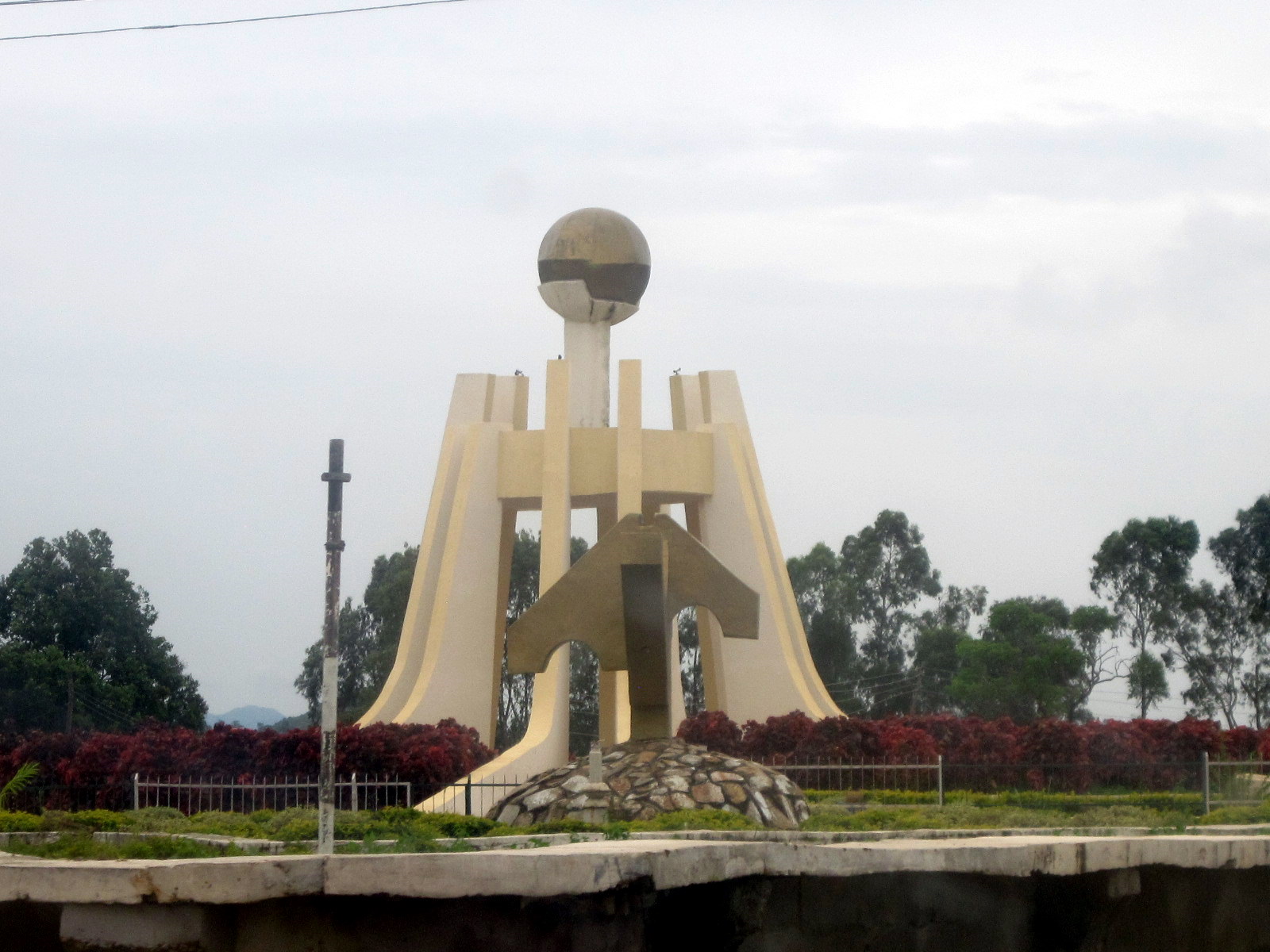

 I entered Jos with some trepidation, but with an open mind, and a five year nostalgia waiting to be assuaged. I also went with an exhilaration reserved for a beautiful place that has gone with me everywhere I went since we first met. When I left the town a few hours later in the evening of Tuesday, I left with some sadness, and a mild confusion as to where the State is headed, and where the crises will lead. On the one hand are ubiquitous police patrols at every hundred metres from Ta Hoss to Makira to Riyom, and on the other hand is a town that still moves as it always does, cheerful, without any hint of danger. Well, welcome to Jos.
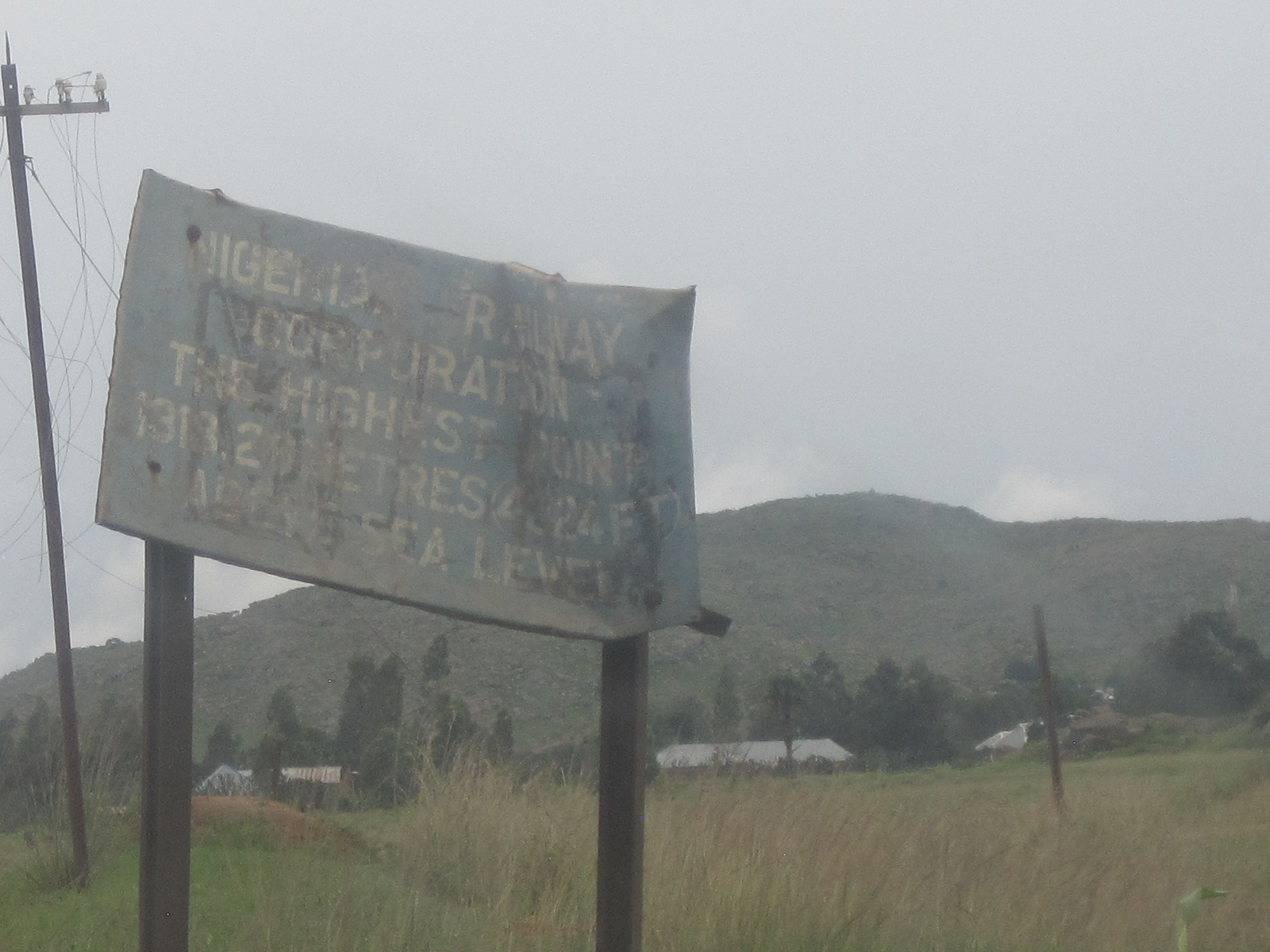
Picture #3 is the sign at Kuru which reads: “Nigerian Railway Corporation: The Highest Point in Nigerian Railway. 1318.20 metres or 4324 ft above sea level.
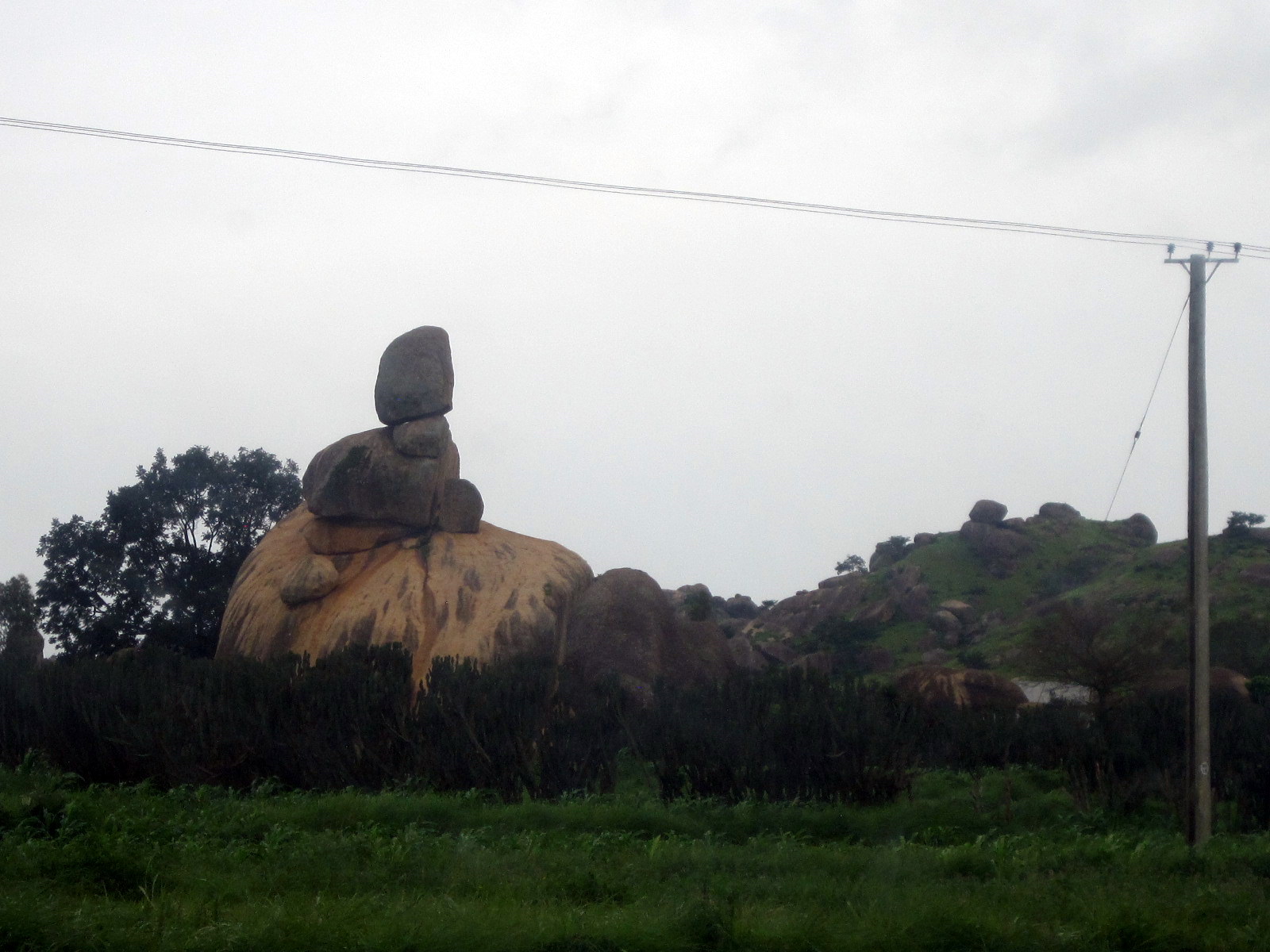
Picture #8 is the famous Riyom rocks that have stood in that delicate design since centuries.
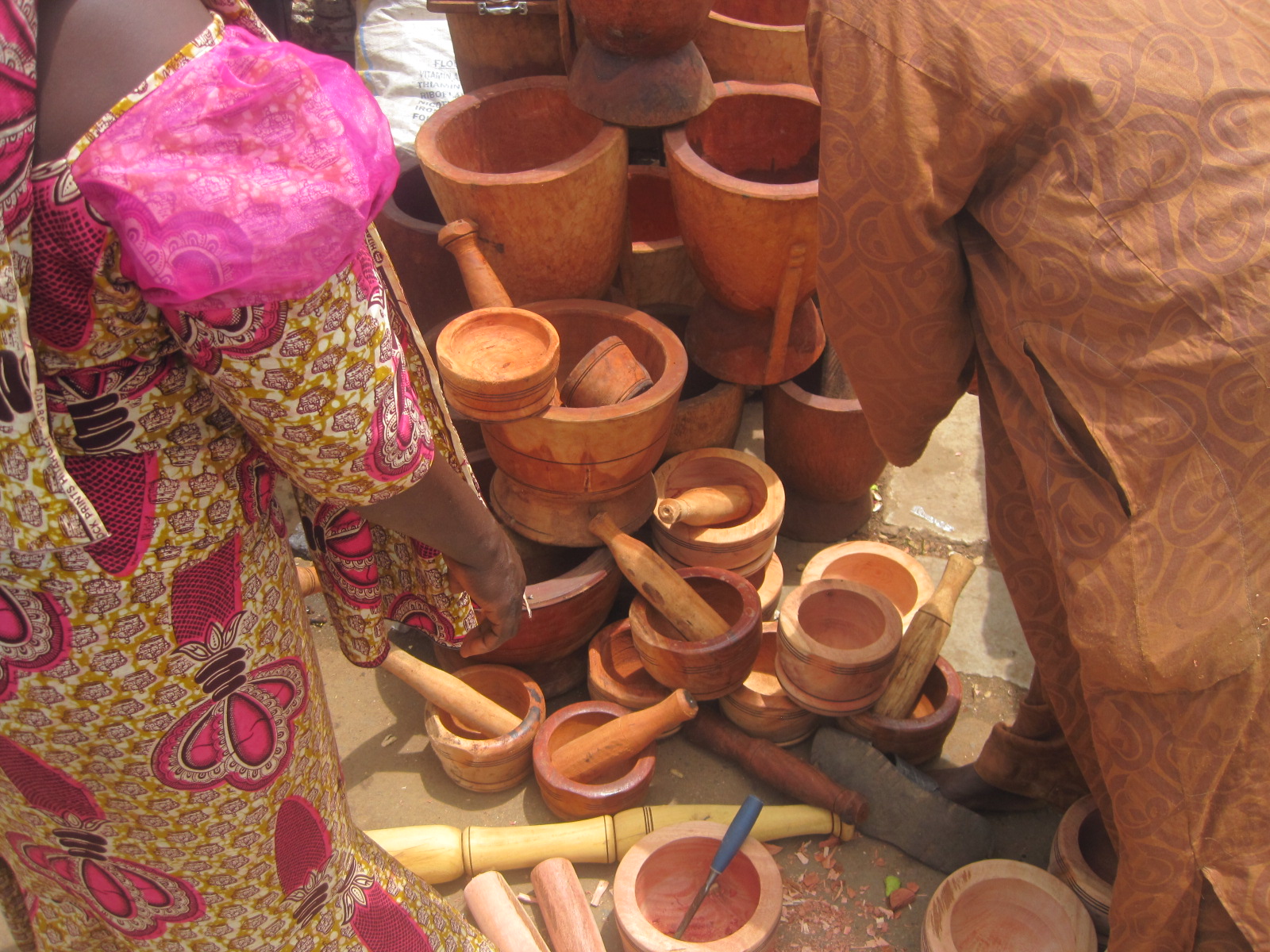
Picture #9 is a carver I saw in Jos, making mortar and pestles with his hand, a chisel and a wooden mallet.