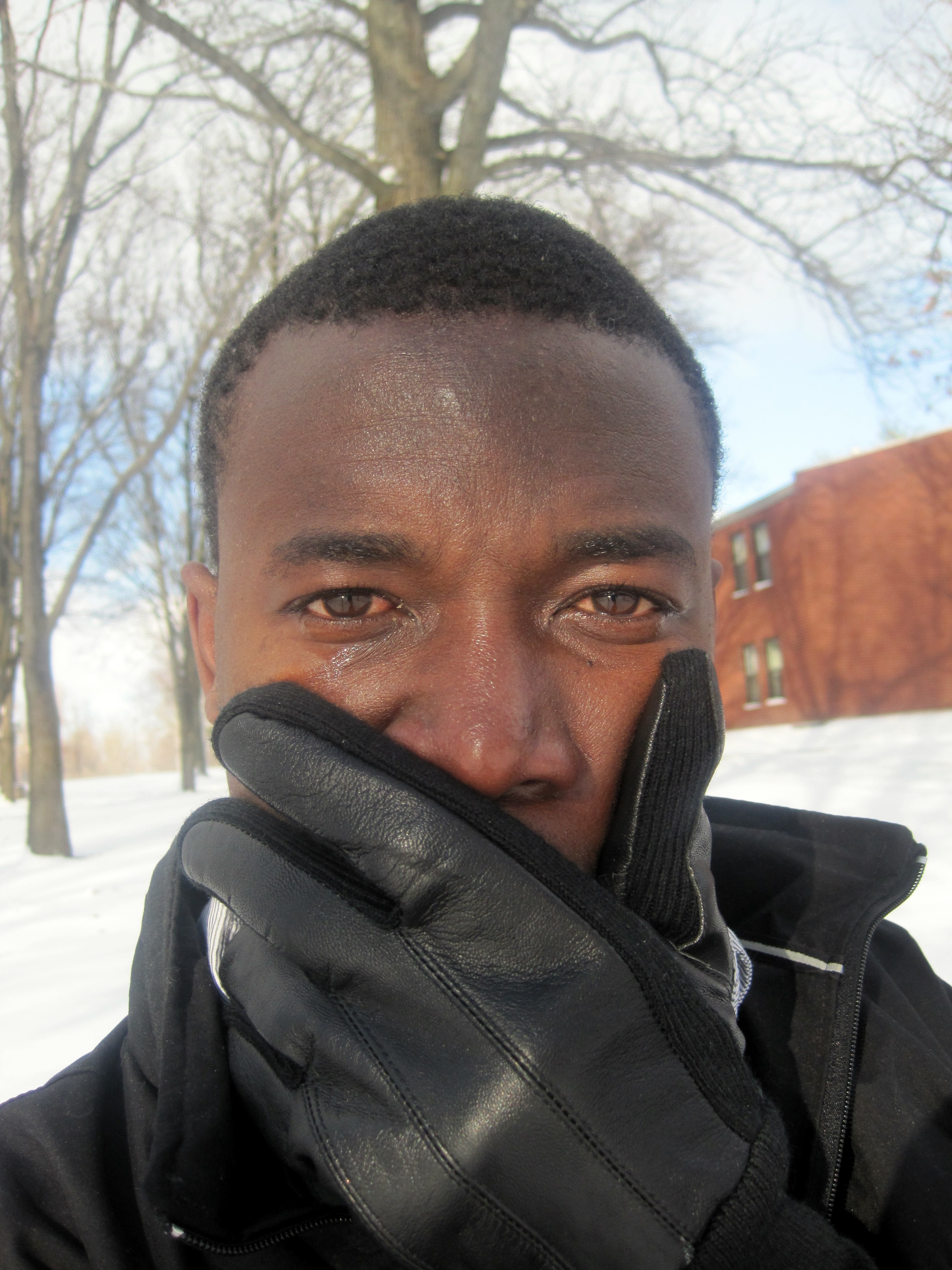
 I am Nigerian. What exactly does that mean right now? What has it always meant? What has it ever meant? What do I mean to the world? I come from a country that has produced one of the inventors of the supercomputer Phillip Emeagwali, a Nobel Literature Prize winner Wole Soyinka and countless entertainers on the world stage. If there ceases to be an entity called Nigeria in its current political form, what would I be? What would I mean to the world? What would be my identity?
I’ve never been a fan of division, of separation, for a simple reason that even if we change the current political structure of the country, we would still not be able to do anything about our geographical contiguity. We are in fact still a bunch of different peoples living around each other. The British creation called Nigeria never really made us one, so removing the “Nigerianness” would not make us any different, or separate, than we already are. We still all live around the Niger River. The North is still the north, with its attendant conservatism, and the South still the south with its liberalism. If we wake up tomorrow and have ten nation states in that region instead of this large one called Nigeria, our problems would not immediately disappear, if they will at all. We would still be the same different people, still fighting ourselves, this time with our sovereign mights and alliances.
It is three days before a new year, and I am worried, very worried, that there is going to be crises in Nigeria. I hope not. I am praying against it because my friends and relatives are there. Selfish, I know. Right now, there is a shortage of fuel (gas) even though we are the 6th largest producer of crude oil in the world. The president of the country is in a hospital, and his state of health is uncertain. I’d joked around last week that I’m afraid that the customary new year’s message from the nation’s president will be delivered this time with a Morse code. Now, I’m beginning to fear that I may be right. It has been thirty-eight days and we have not heard a single word from the country’s leader. Is he alive? Is he conscious? If he can’t speak, can he write? Can he at least tap out his messages on a board? By December 31st, the Chief Justice of the nation will be ending his term, and ONLY the president can sign his tenure extension or his replacement. If the president is unconscious in a hospital as it now seems, and the National Assembly can’t remove him, as it now seems, come January the 1st, there will not only be a vacuum in the Executive, there will be one in the Judiciary as well. Just what the country needs.
I am Nigerian. I want to remain Nigerian, but what exactly does that mean right now? What has it always meant? What has it ever meant beyond the negative? What do I mean to the world? I come from a country that has produced great brains in various fields. So what? If there ceases to be an entity called Nigeria, what would I be? What would that mean to me? What would be my identity besides being the man from that country that is now no more? Who am I? Where are my people? Who are they? And what do we mean to the world?
 Dear Blog,
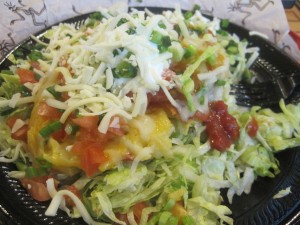 The food is horrible, and I’ve returned 3/4 of it uneaten. It’s nothing that I recognize, and I should have obeyed my inner voice never to make an order on the advice of the waitress… The lemonade is good though, and I get a free refill while Fela Kuti sings Follow Follow into my ears. Oh yea, there is also this book that I just bought: The Men Who Stare At Goats by Jon Ronson. It has been made into a movie featuring George Clooney and Kevin Spacey among others. Well, I haven’t seen the movie, but nothing says that I can’t read the book first. The woman at the cashier when I bought the book said I could return it anytime within 90 days and get half the money back. I’ve told her that I have no such intention, yet she gave me the coupon nevertheless. It was so cold out today. You should see how many layers of clothing I’m wearing, yet suffering from occasional invasion from the random wind that blows in my direction even here where I sit in the corner of an indoor cafe.