


 The most noticeable sign of the new season is the budding of flowers and leaves on trees. They are not all fully green yet. The trees on the bike train on my way to campus have not totally recovered their leaves, but from the grass to a few branches, you can see new signs of life coming forth.
Browsing the archives for the Observations category.
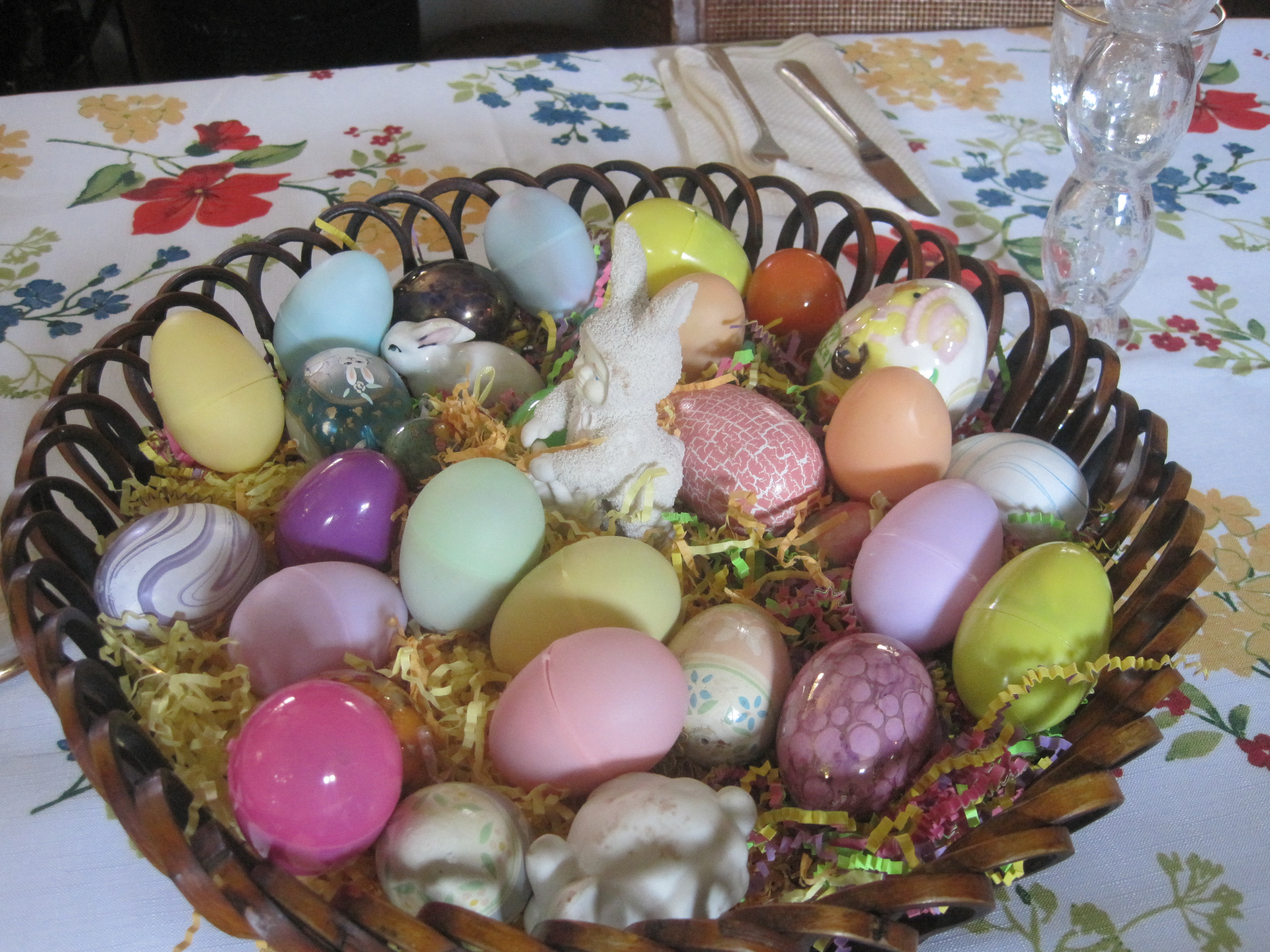
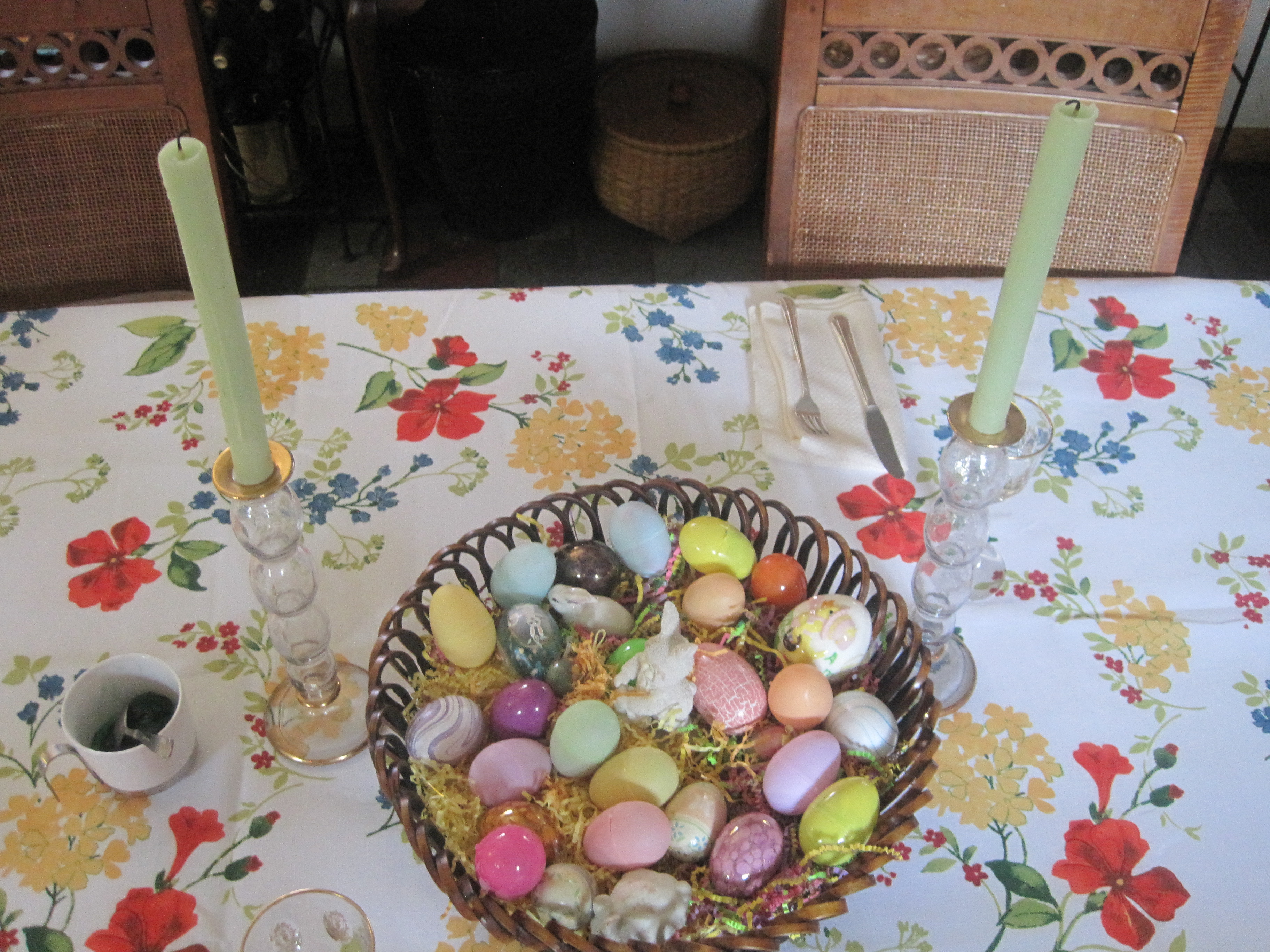
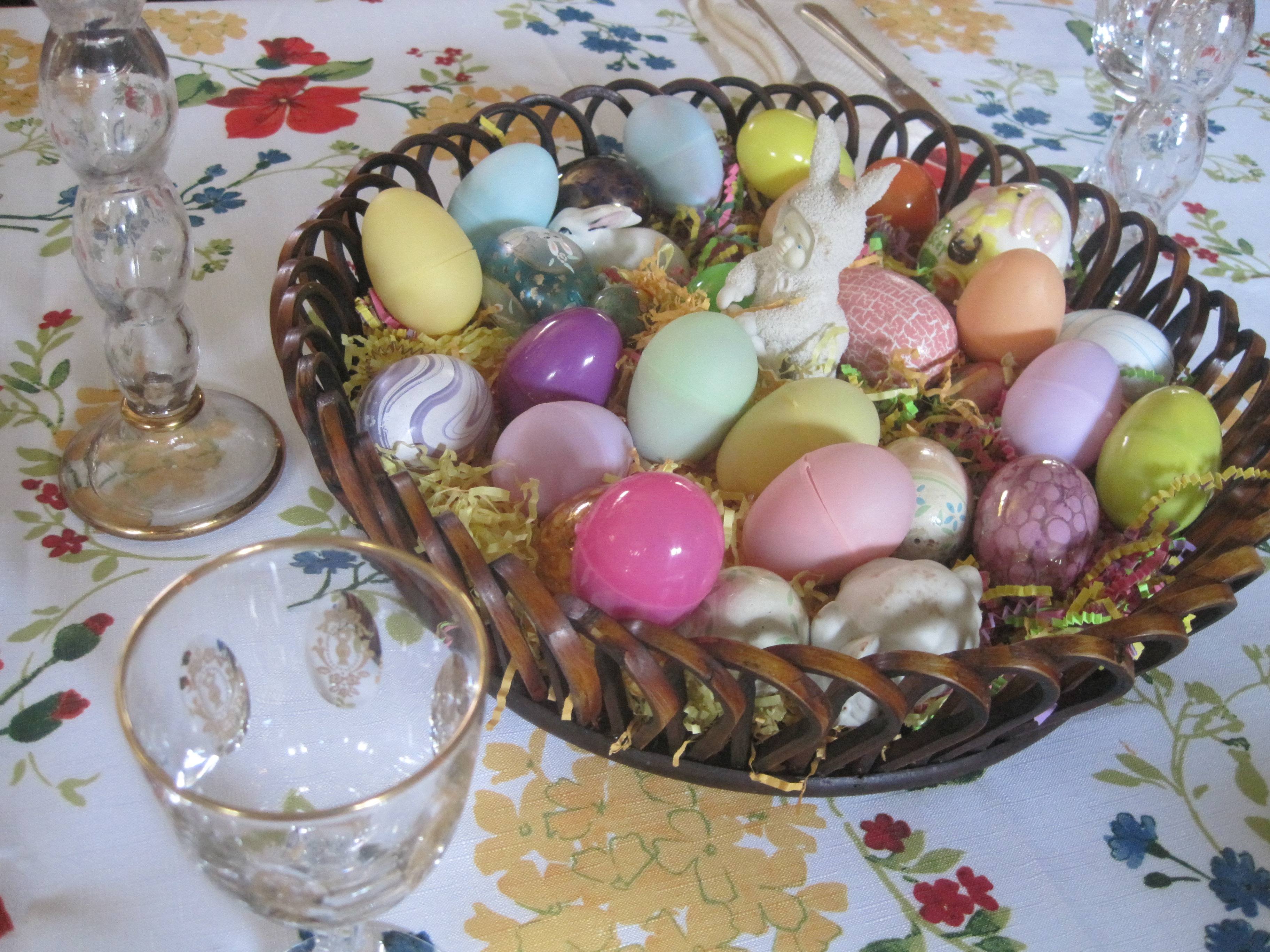
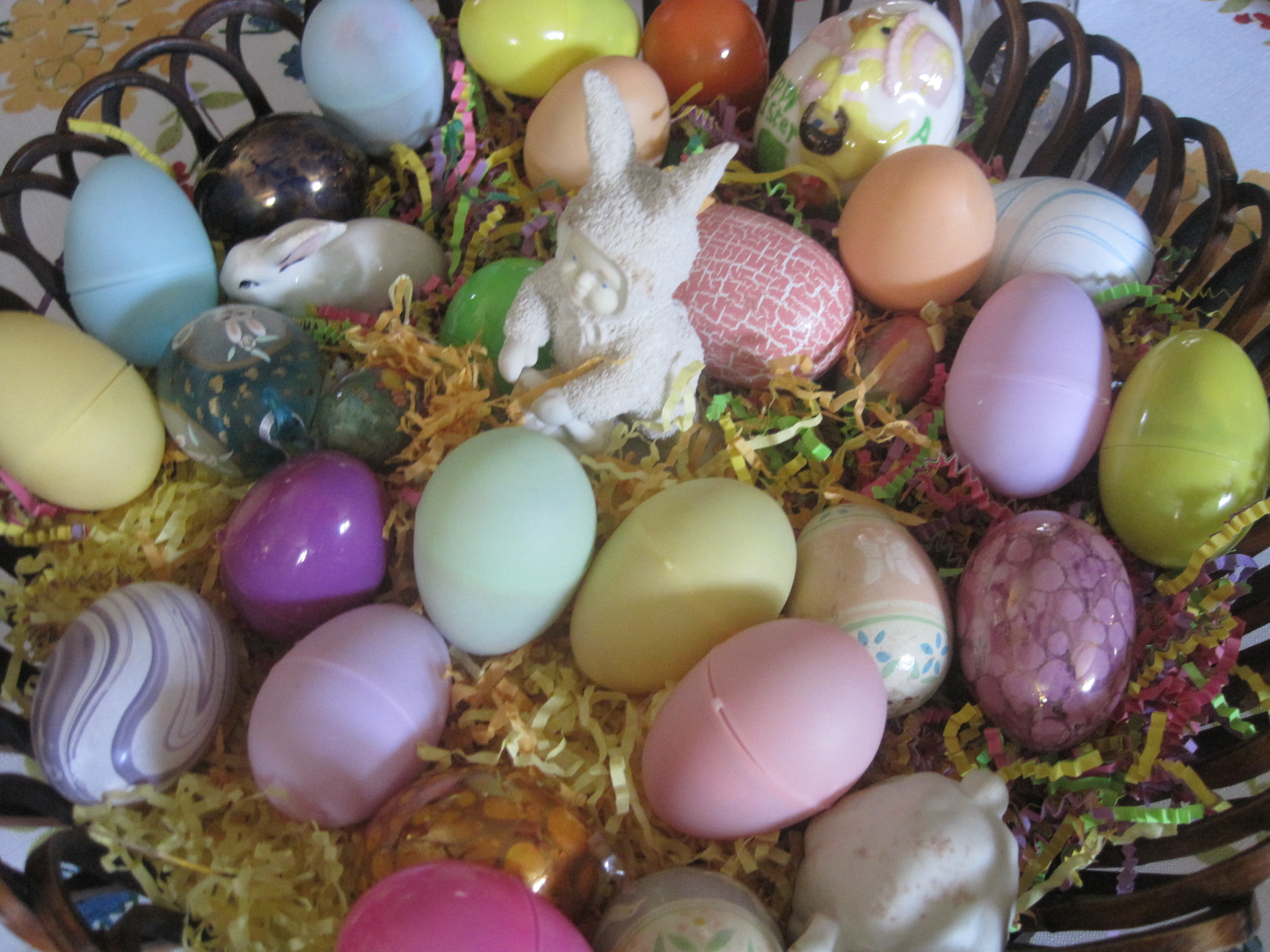 According to Wikipedia the “egg was a symbol of the rebirth of the earth in celebrations of spring and was adopted by early Christians as a symbol of the resurrection of Jesus.”
One more thing I discovered today is that unlike in Nigeria, Easter Monday is not a public holiday. It’s a good thing that I’ve discovered this early enough to send an email to tell my students that contrary to an earlier one wishing them a good work-free Monday, we will be meeting in class. Sigh. The life of an American professor. I can’t complain though. 😀
Here are a few blogs about literature, travelling and journalism that you should check out. I have also recently added them to my Favourite page.
Richard Ali on Nigerian Literature and the Arts.
Belinda Otas – Journalist, Writer, Blogger and theatre fanatic.
Naijablog – A British academic in Nigeria: views, observations and links.
Jude Dibia – Author of Unbridled and Walking With Shadows.
Novuyo Rosa – The Pen and I: Thoughts of a South-African writer.
Ruona Godwin-Agbroko – a Nigerian Journalist and 2010 Nial Fitzgerald Scholar in South Africa
Loomnie – thoughts of a Nigerian Anthropologist in Europe.
Ethan Zuckerman – My Heart’s in Accra.
Wordsbody – Nigerian Writer and Arts Journalist
It began with a suggestion by a German friend to get an old book that offers perspective on feminism and new ways to look at the world of women. Against my better judgement, I was not skeptical about it this time because she had recommended two similar books before that turned out great. The first was Roald Dahl’s My Uncle Oswald which is actually not anything about feminism at all as it is a fictitious look at the life of a philanderer, beautifully written with one of the best humour styles I’ve ever encountered in writing. The author is one of Britain’s best known children novelists. The other book was Eve Ensler’s The Vagina Monologues that went on to become a global sensation and a staple for feminist agitators in many parts of the world.
So when she mentioned Nancy Friday‘s Women on Top, I ordered it without thinking. Unfortunately, since I got it, I had not been able to get beyond a the few random lines that I encountered in my first random opening of the pages. First impression: boring prose. I just never developed sufficient curiosity to go beyond the unimpressive first impression that stared me in the face and pore through the novel’s thick pages. Yet whenever we conversed, she asked me how I was doing on the book and I told her, she told me that I was missing out on interesting ideas that I could benefit from either as a writer or as a curious reader. I believed.
In any case, I still haven’t read it till today, and I may not any time soon. But when my friend Chris stayed over at my apartment this weekend, he stumbled on it and read it almost all night, and he has now been bombarding me with questions about why any woman would write such “depraved” or “perverted” book disguised as experiences and fantasies of real-life women. In his words, some of the details were not only sometimes too disgusting for words (bestiality etc), but they were too far-fetched to have been dreamed up by real-life human beings. Nevertheless, he seemed attached enough to give the book more than one more reading before he left. According to what I’ve now read on Wikipedia, and the review in Time Magazine, I believe that the author has tried to use the book to show that men do not have the monopoly of perverted thoughts or sexual experimentation. If this is a victory for feminism or not – like The Vagina Monologues perhaps, or plain pornographic literature – I have no idea, and I doubt it, but I’m not going to find out soon. However it looks like a very bold statement of new directions. Not new actually, it was published in 1991.