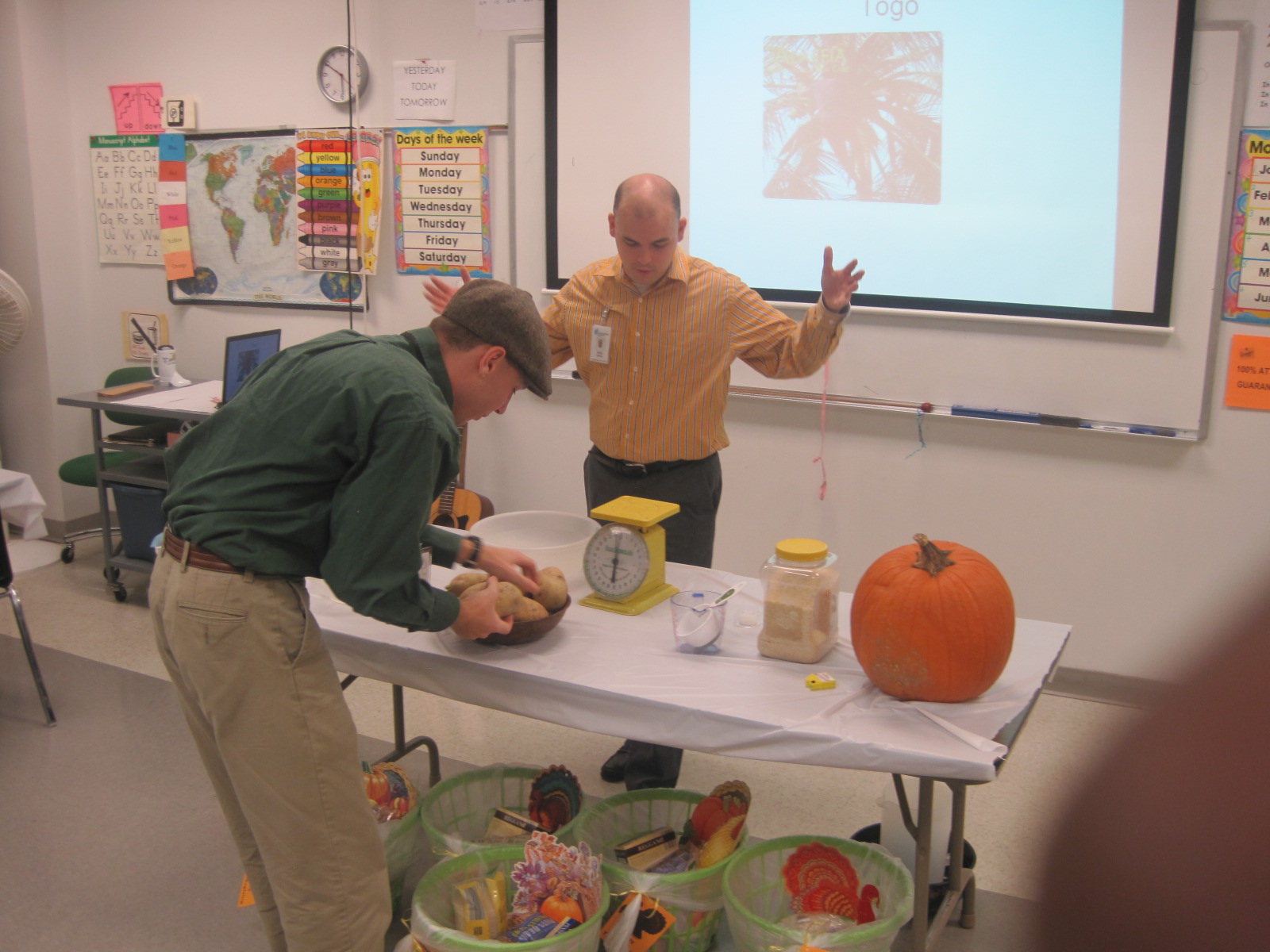
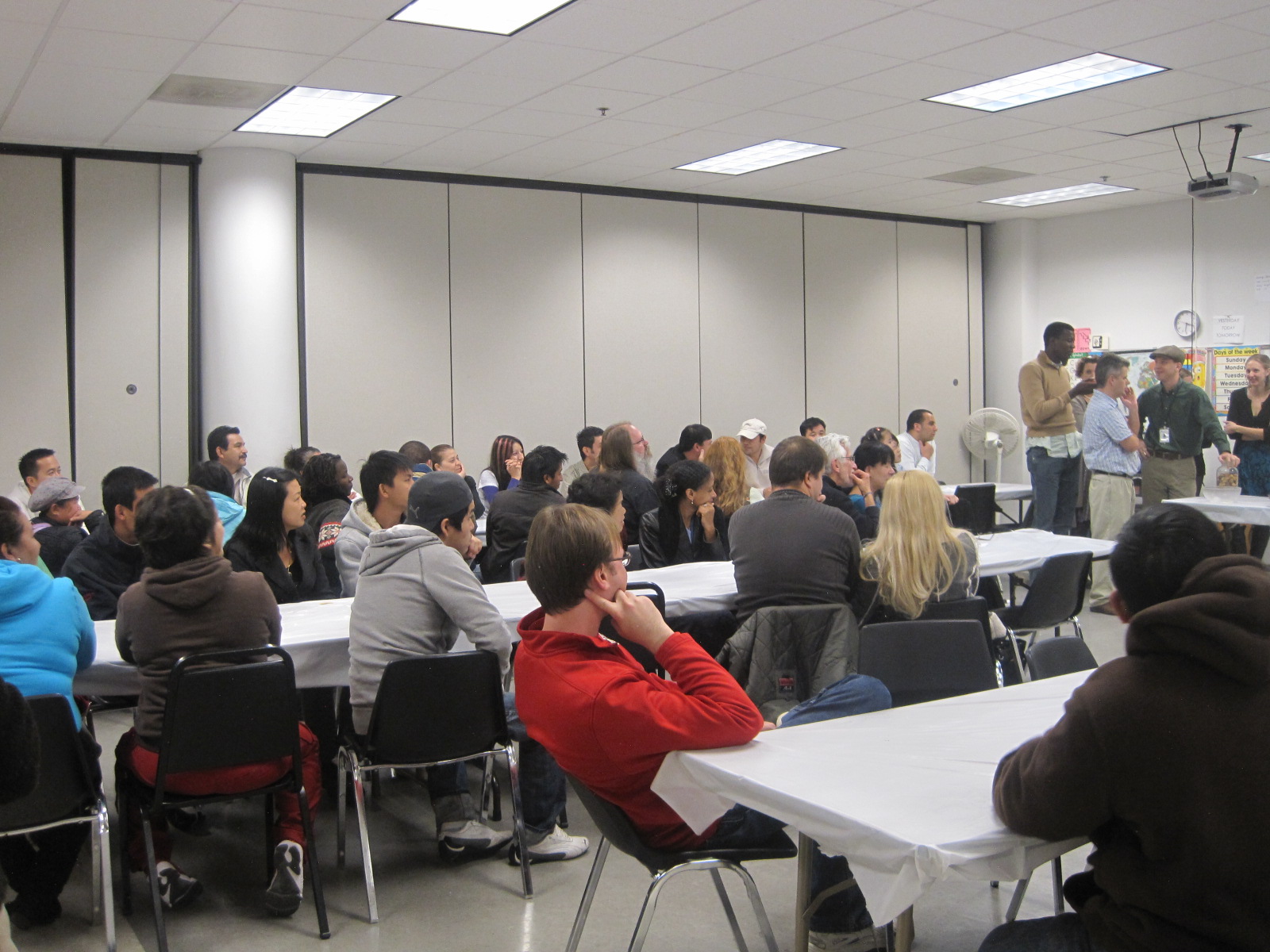

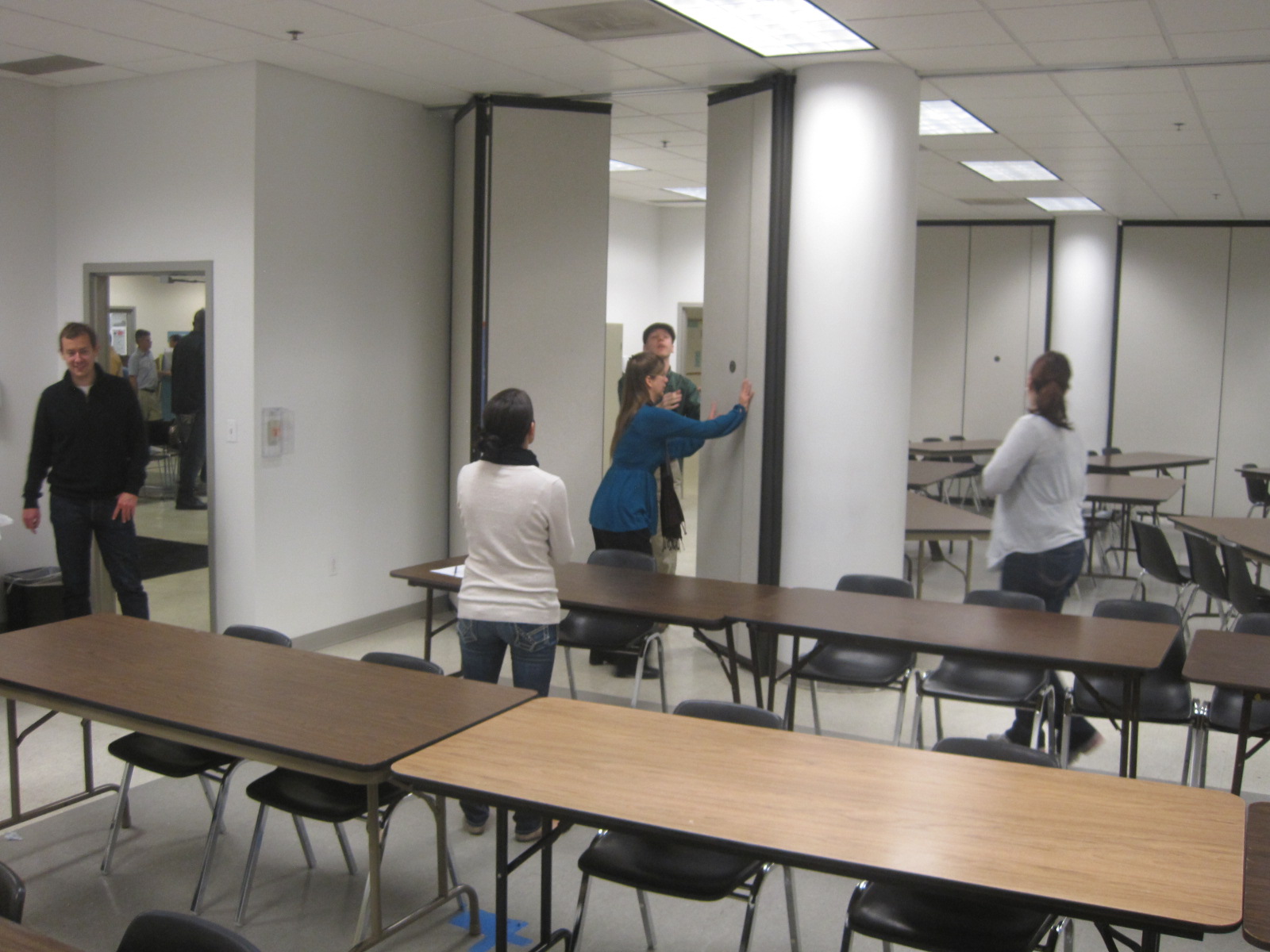
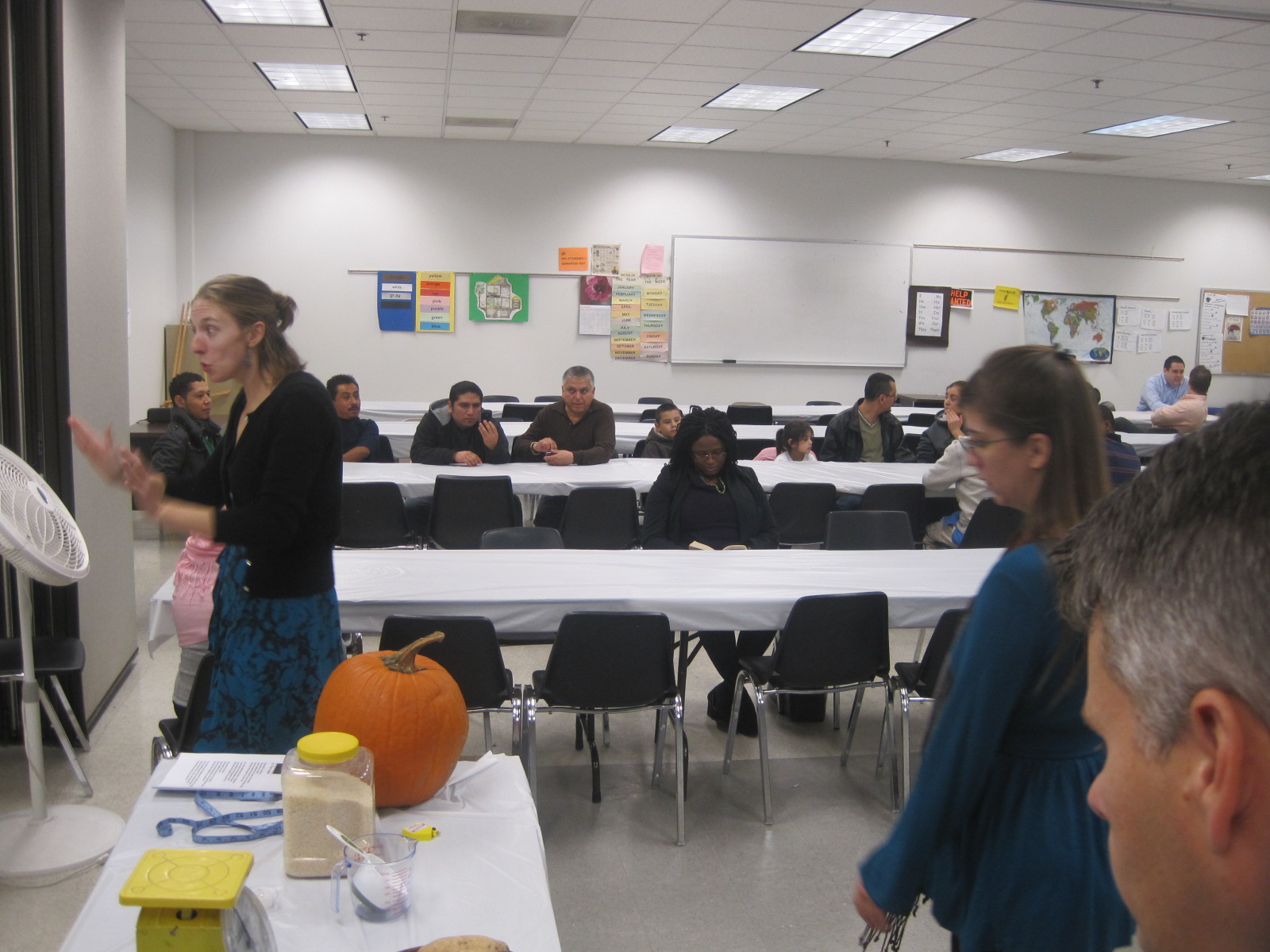
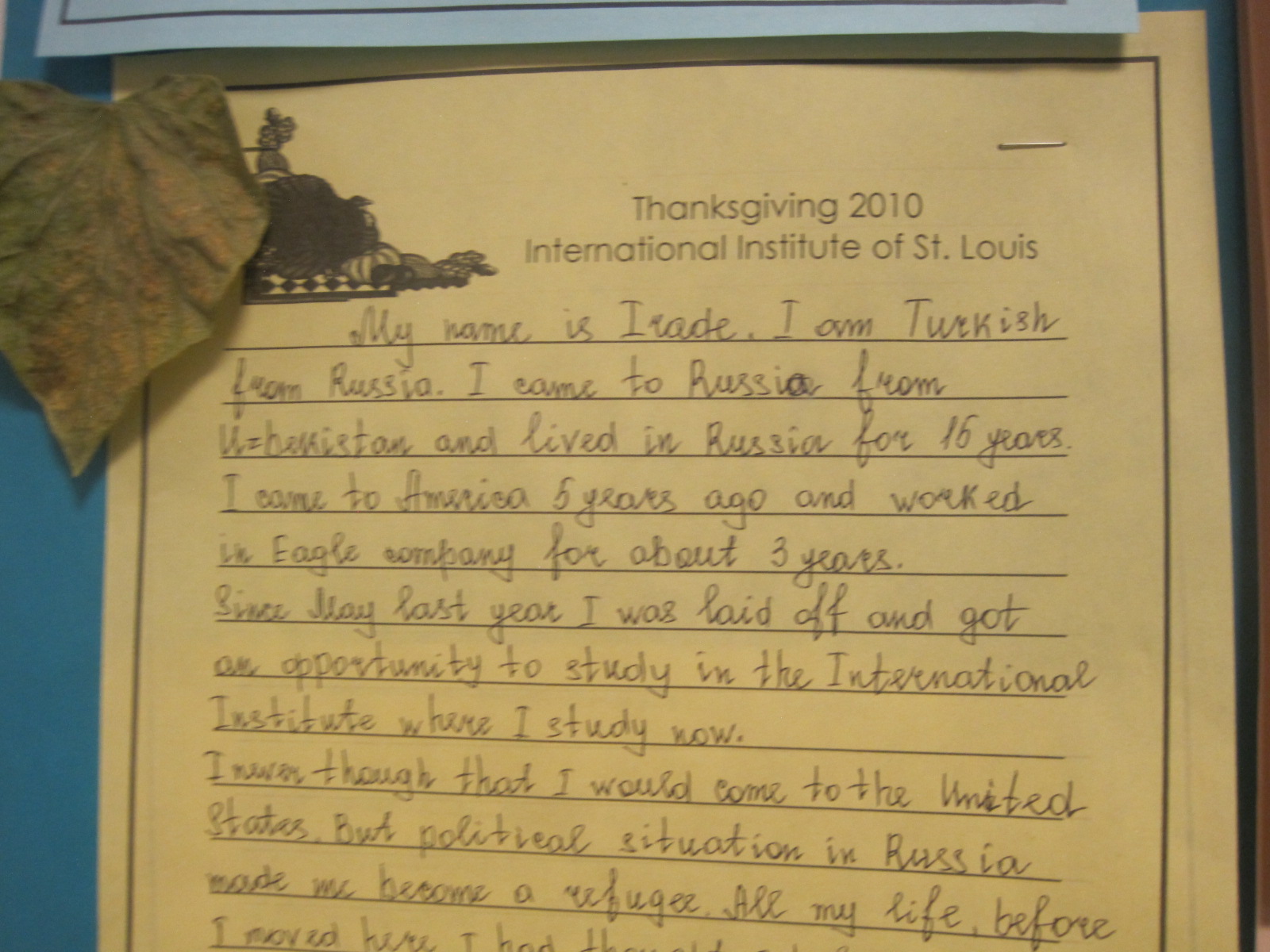
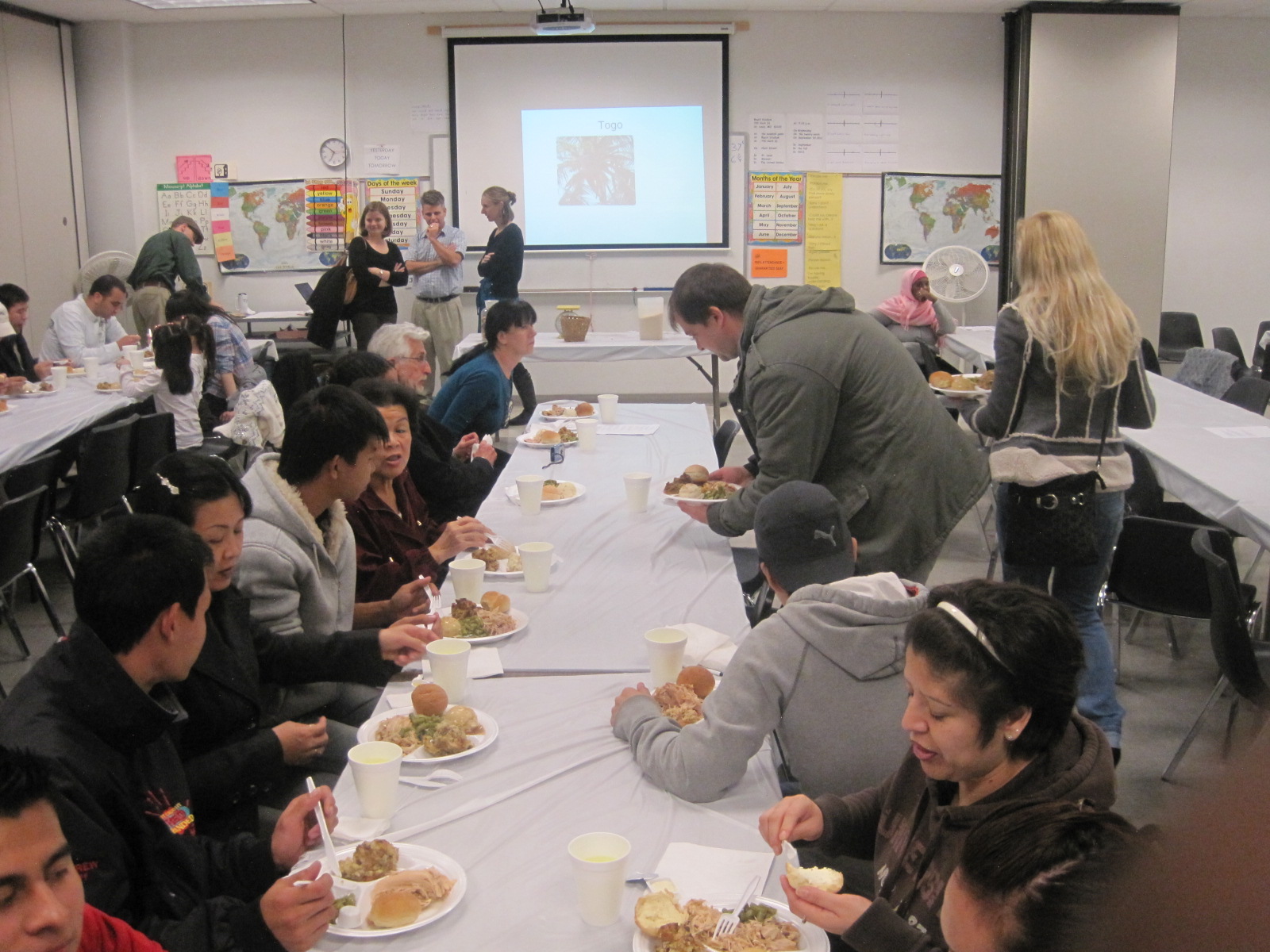
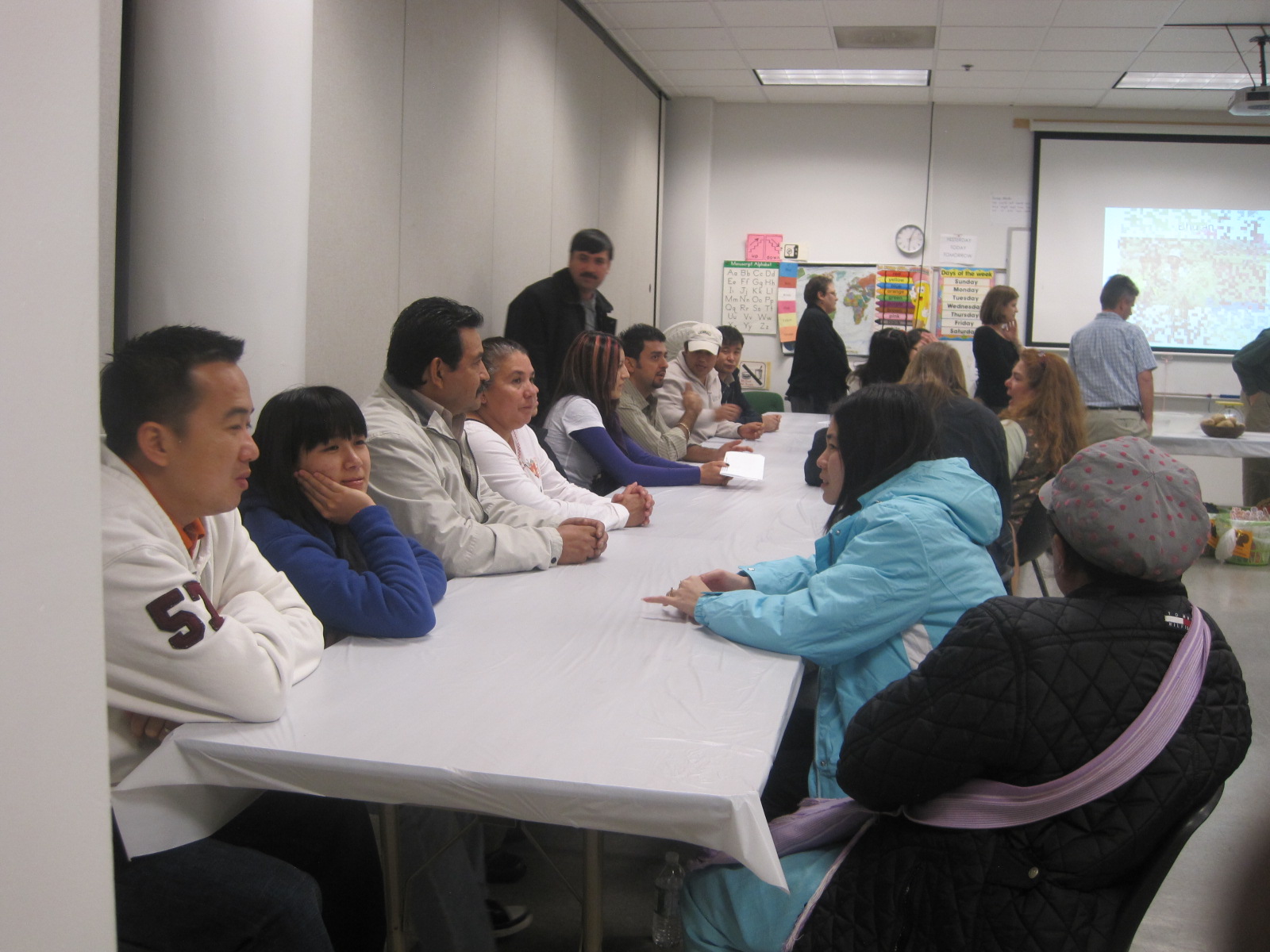
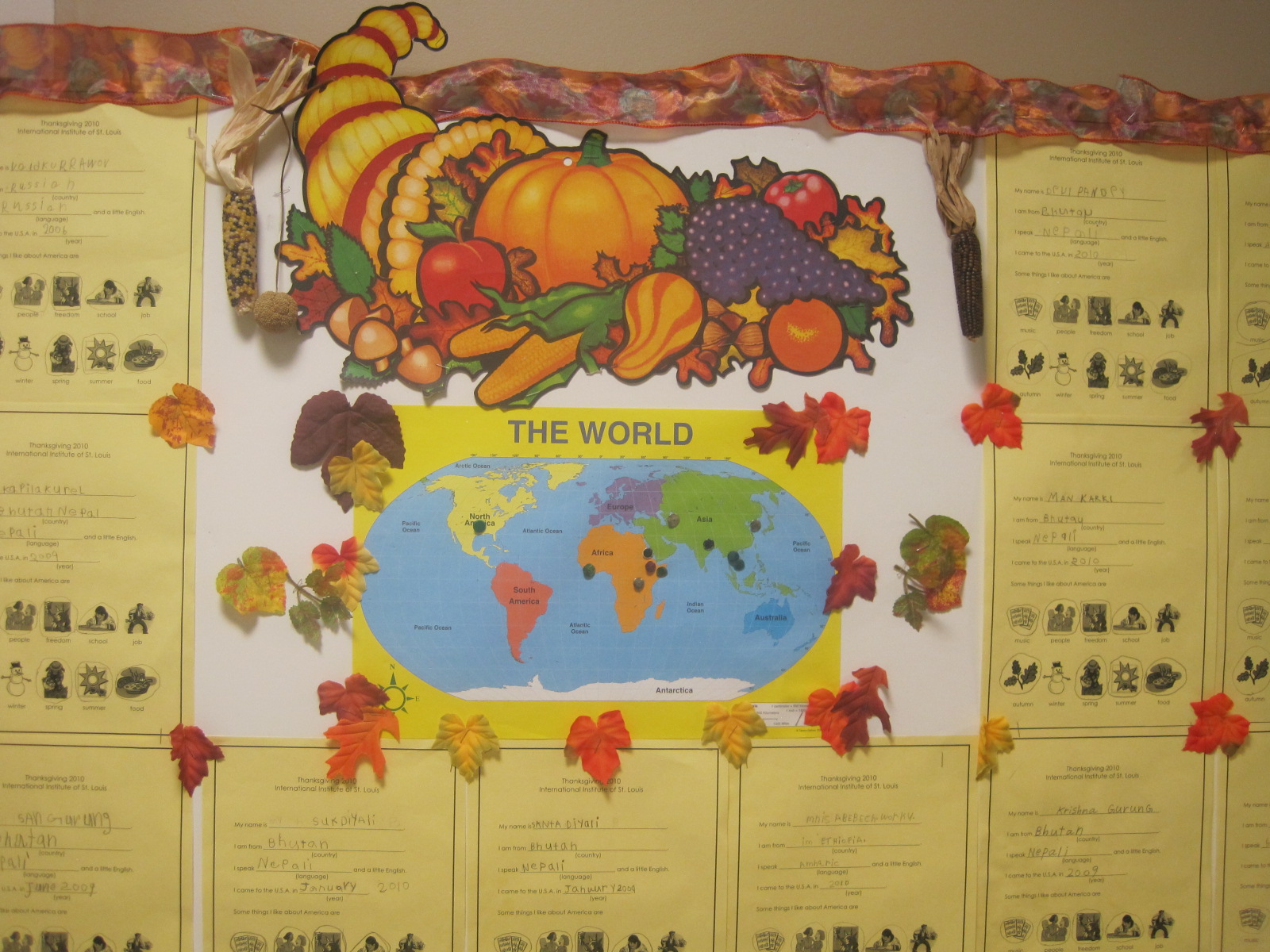
 The International Institute in St. Louis threw a series of early Thanksgiving dinners for students and tutors yesterday.
Here are a few pictures from the event.
Browsing the archives for the Observations category.
The International Institute in St. Louis threw a series of early Thanksgiving dinners for students and tutors yesterday.
Here are a few pictures from the event.
A guest post by Temie Giwa
 I often wonder how people go about deciding which country or countries deserves their allegiance. I suppose if you have lived in one country all your life it wouldn’t matter. However, when you have the special fortune of having dual citizenships then it becomes a topic worth exploration. I am Nigerian. I was born there. I also have an interesting relationship with the USA. I live here, and I vote here. I am often told by my Nigerian friends and colleagues how American I am. And anytime I attempt to pronounce “house, hot, and or home”, I am reminded that I am a proud daughter of Oduduwa, and his stamp remains in my syntax.
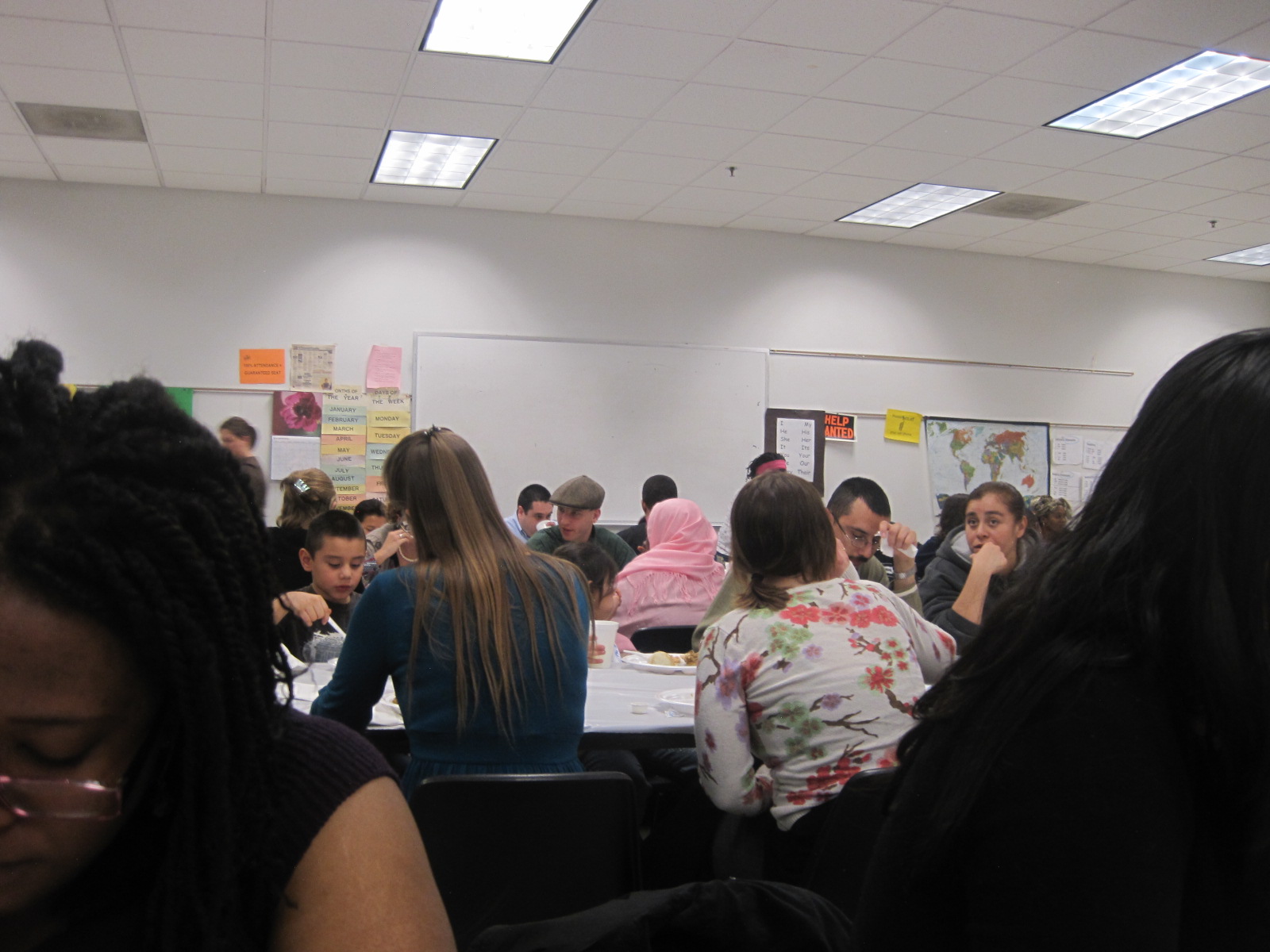 I had the opportunity of spending last evening with a group of individuals learning English and the American culture at the international Institute in St. Louis Missouri. They hail from as far as Bhutan, a little country in the south of Asia and some were Mexicans, our Southern neighbor. I also had a conversation with a Nigerian woman from Ogun State and another from China. They all were interested in America, eager to learn her history and above all so grateful to their teachers and the country that has given them a second chance. For a moment I was touched and I could not help but sing along with everyone to the song that best illustrates the magic that is America. “This Land”. This land, I hope truly belongs to all of them.
 I love Americans, but I never expected to become one, or to like being one. The citizenship was not something I sought nor did I have control over it. My parents gave me a blue passport on my 16th birthday and that was that. I suppose if I had gone through the naturalization process like the men and women in the American citizenship class, I might have felt more comfortable with my American self. Oh I get away with a lot. People already expect me to be loud, obnoxious and fat. So I just shrug away moments when I feel like being loud, obnoxious and fat as my American moments, it suits me well. And whenever I find my self in Nigeria, any rudeness to the elders is automatically forgiven, this I tell you is a major blessing.
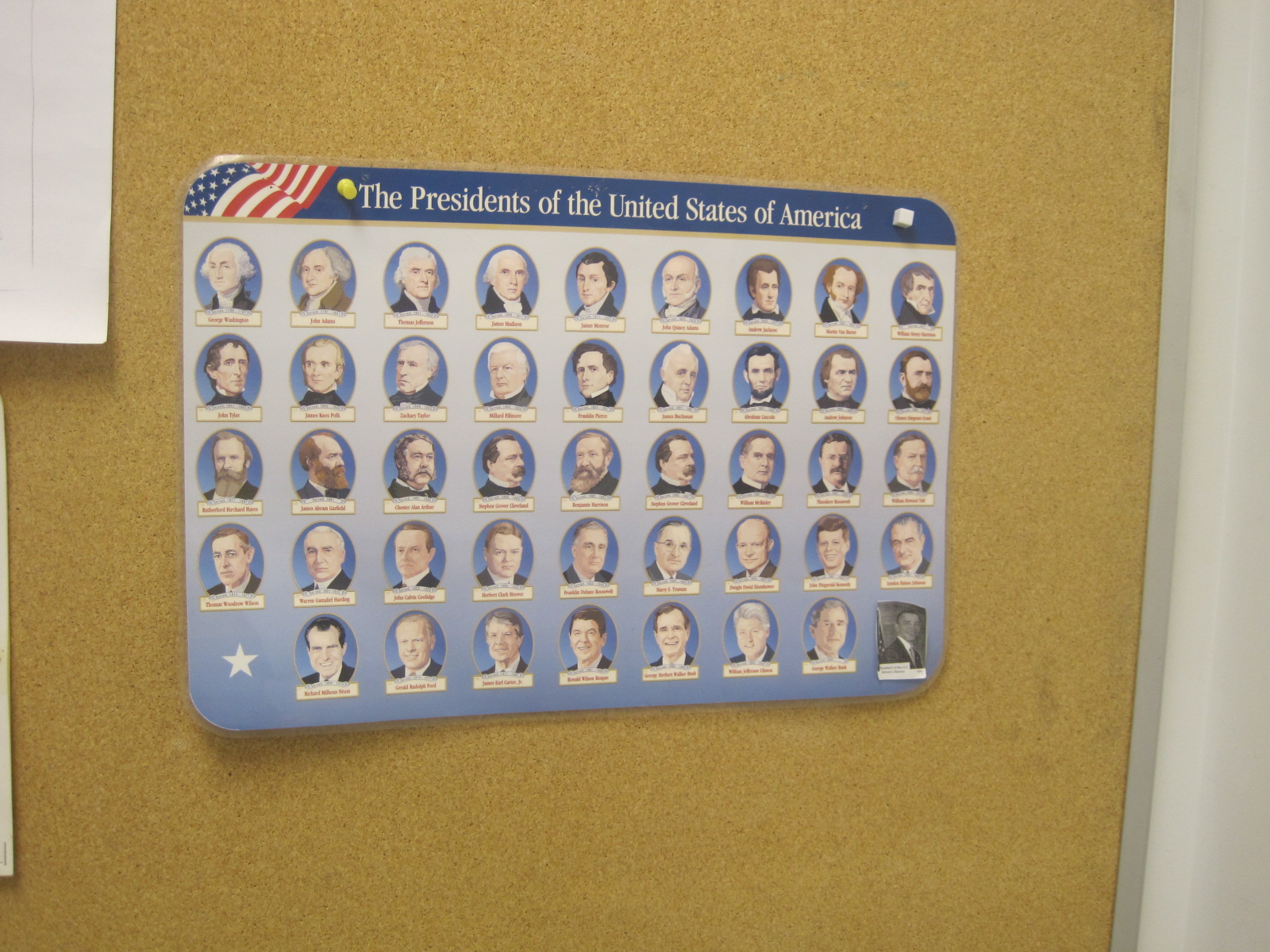
 The evening started with a tour of the Institute and one thing that arrested my attention was a little poster displaying famous American immigrants. Among them were Albert Einstein, Madeline Albright, and Pulitzer. These individuals like myself immigrated to the United States and were able to create lives that still inspire the world. The evening proceeded predictably. On the main stage was a PowerPoint presentation of flags and snapshots of all countries whose members have migrated to the United States. Turkeys were given out in celebration of thanksgiving and we sang and laughed and clapped. I am especially thankful for a country that invokes hope in the heart of so many. The people who spend their free time teaching others how to make a new life in a new country are the very essence of what makes this country oh so great.
I recently came across these blogs of the American students on the Flagship Yoruba Programme in my home University in Ibadan via Facebook, (thanks to Buchi). I mentioned this Flagship Programme on this blog once while I was in Ibadan in the summer before the students arrived. I want to share it with you now. From this distance, I have a new pride and a new appreciation for the field of language teaching as well as a chance to share in the journeys and experience of these new students in their immersion in the language and culture of my homeland.
Follow their blogs and share in their experience as they move through Nigeria:
http://www.northoflagos.wordpress.com by Cara “Titilayo” Harshman.
http://irinajoyinbo.wordpress.com by Kevin “Kayode” Barry.
http://wellesleyh.wordpress.com by Lauren Halloran
Here are some of the videos from the blogs. Note that much of the Yoruba language capability of the person in this video was acquired long before she even set foot on Nigerian soil. This is a testament to the progress of Yoruba language studies in the Wisconsin University at Madison, and a victory for globalization.
http://www.youtube.com/watch?v=-SlgnGAGFsU and http://www.youtube.com/watch?v=gsltcnHxzfI. And in this amazing one, (http://www.youtube.com/watch?v=uLzWfxBRa8Q), where Titi takes a walk around the University of Ibadan.
Enjoy, and leave them some encouraging comments too.
 The whole of the coming week is all free of work here on this side of the Atlantic. (Yay!) We will all be busy travelling to places that warms our hearts and gathering at happy family tables to eat to our heart’s delight. It is the annual Thanksgiving celebration in the United States. The casualties this year, as in every, are the turkeys (and geese, for those with exotic taste buds), which would decorate each family table on Thursday amidst smiles and thankfulness. Last year, I spent the celebration in company of my wonderful host parents. This year, I would be spending it with the family of a friend. But on Tuesday, I would be at the International Institute to celebrate with other volunteers and international students.
More importantly, I would spend it in celebration of life, and much more: friends, family, adoptive parents, wonderful colleagues and co-workers, close and loved ones, distant well-wishers, blog readers and commenters, students, plantain chips, pounded yam and pepper soup, NPR, the dollar store, movies, music, Axe detailer, low gas prices in Missouri, eagled-eyed editors, warm socks, languages, smiling strangers, awesome classmates, amazing teachers, fast internet, long distance phone calls, Amazon.com, Skype, Krispy Kreme doughnuts, BreadCo, and the very many things and people that make live worth living.
 Today, after about a year of absence and distant hand wavings from across the road across the river, I visited the Gateway Arch again. It’s been a while. The Arch – a monument to dreams, as it was tagged when it was opened in 1968 – lay as enticing as it has always been from a distance, shining in the sun. The trip to the top took four minutes in a little tram that seats only five people. The trip downwards took three minutes. The monument 630ft tall retained its grandeur and charm as a symbol of possibilities, and a landmark to living history.
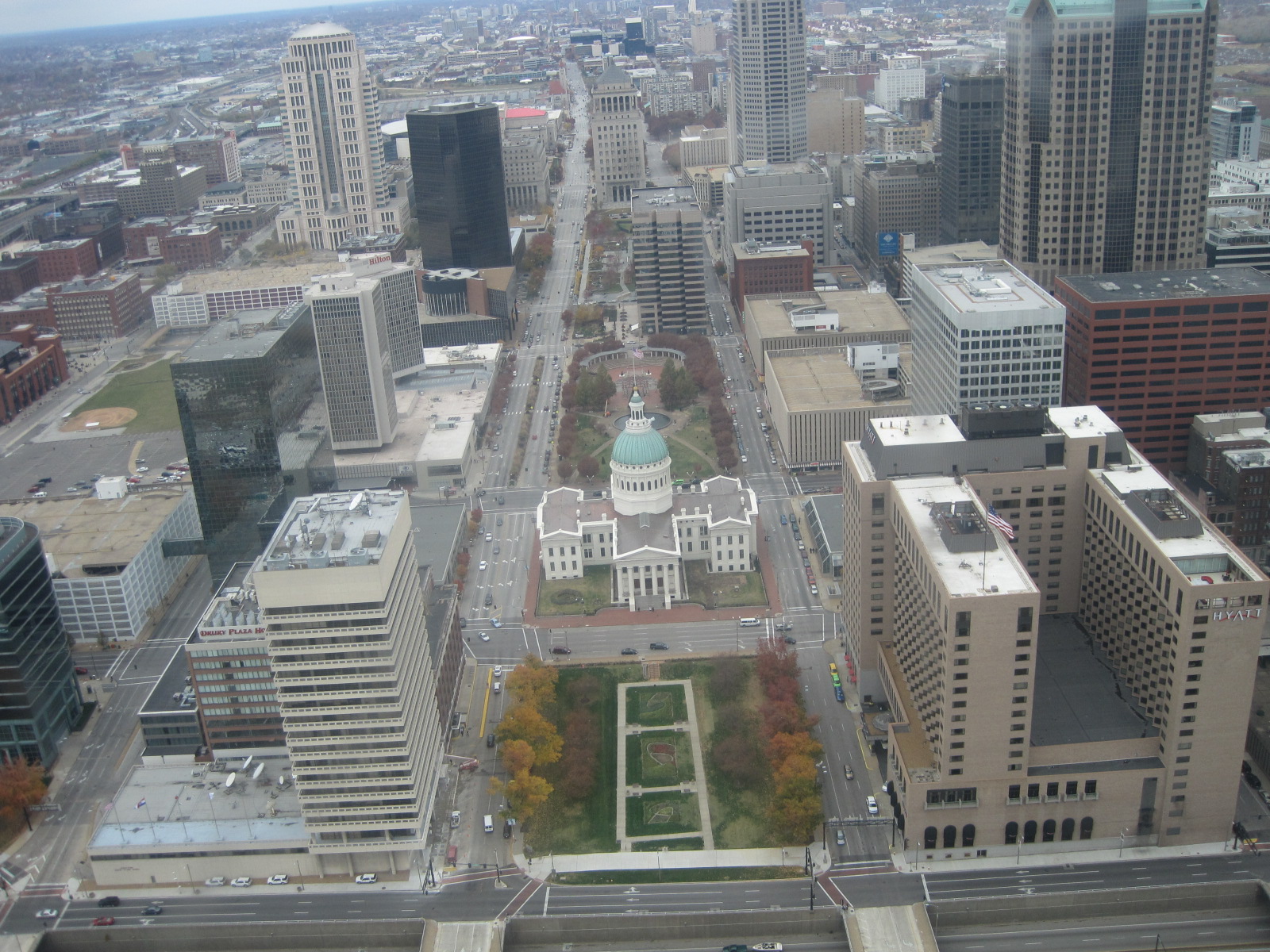 The Museum of Westward Expansion at the basement of the Arch itself didn’t disappoint, along with a 35 minutes movie presentation about how the structure was inspired, conceptualized, designed and constructed. Since 1968 when it was opened, it has remained a beacon – the tallest monument in the country. Still standing, still charming, still inspiring. If you ever find yourself in St. Louis, do check it out. A new regulation however is that, before entering the structure, you had to go through a series of checks, body scans and searches. And for good reason too.
I won’t trust the safety of such an important monument to just the pureness of heart of the rest of humanity either.