Browsing the archives for the News category.

EVENT: The Pre-Emptive Bulldozer

Wole

The Media is invited to an URGENT exchange on the above subject, in the context of the demolition of the Artists’ Village at the National Theatre, Iganmu. The venue of this exchange could not be more symbolic and pertinent, since Freedom Park itself is the product of a spirited struggle by a few individuals who were committed to a creative option for the disposition of national landmarks, pitted against real-estate developers.

Please make time to join, and contribute to, the debate.

VENUE: Freedom Park.
DATE: Tuesday, Jan 26
TIME: 11 a.m. Please be PUNCTUAL.

This Press invitation is being copied to the Federal Minister for Information and Culture, as Special Invitee.

Convener: Wole Soyinka.

___________

For background, read this long Facebook post by Qudus Onikeku about the National Theatre DG ((Kabiru Yusuf)’s armed invasion of the Artists’ Village in Lagos on Saturday, January 23, 2016.

Nigerian Artists in Solidarity with Ashraf Fayadh

unnamed

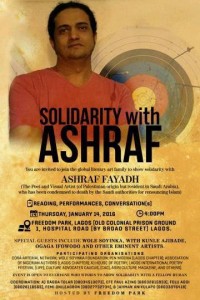
If you are in Lagos today, please join Africa’s first Nobel Laureate in Literature Prof. Wole Soyinka and other eminent artists in solidarity with Ashraf Fayadh.

 —-

Events: READING, PERFORMANCES, CONVERSATION(s)

Date: THURSDAY, JANUARY 14, 2016

Time: 4PM

Venue: Freedom Park (Old Colonial Prison Ground),

1 Hospital Road (by Broad Street) Lagos

On Ashraf Fayadh

Ashraf, 35, has been active in the art scene in Saudi Arabia and has organized and curated exhibitions of Saudi art in Europe and Saudi Arabia. A key member of the British-Saudi art organisation Edge of Arabia, he was originally sentenced to four years in prison and 800 lashes by the general court in Abha, a city in the south-west of the ultraconservative kingdom, in May 2014. But after his appeal was dismissed he was retried recently, and a new panel of judges ruled that his repentance did not prevent his execution.

Ideas of Identity

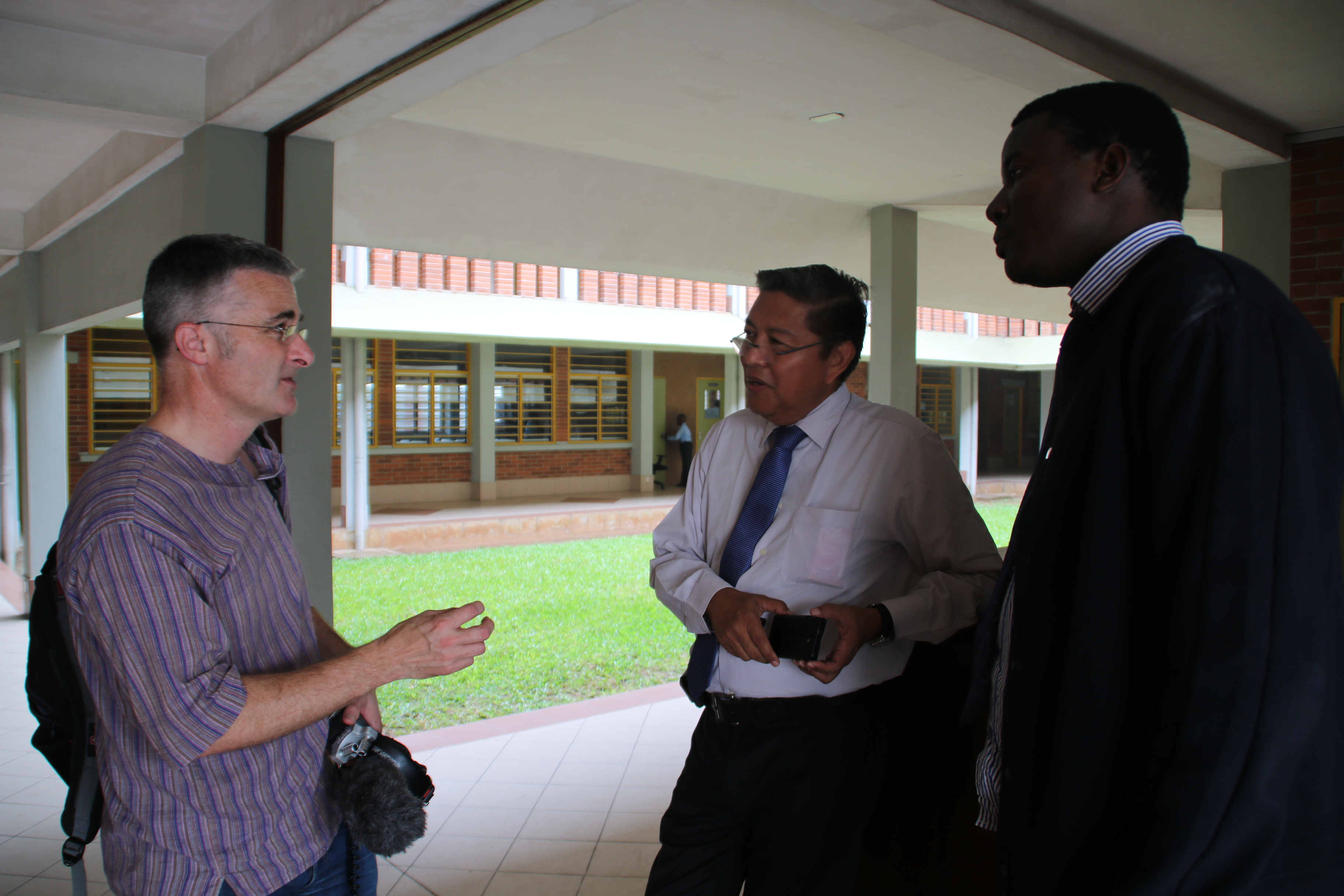
IMG_4054A BBC Radio 4 feature on Nigerian writing today, with a focus on the diverse ways in which Nigerian writers are interrogating identity, aired today at 12.30pm Lagos Time. The theme was Ideas of Identity.

Along with other contemporary Nigerian writers, I was interviewed on my work in Yorùbá and on the dearth of literature in the local language in the country today.

You can listen to it here. The programme was produced by Jeremy Grange (who himself is passionate about the resurgence of local languages – Welsh in particular – in his native country), recorded in September 2015, and narrated by Wana Udobang.

MultiChoice Dinner and the Sub-Desk

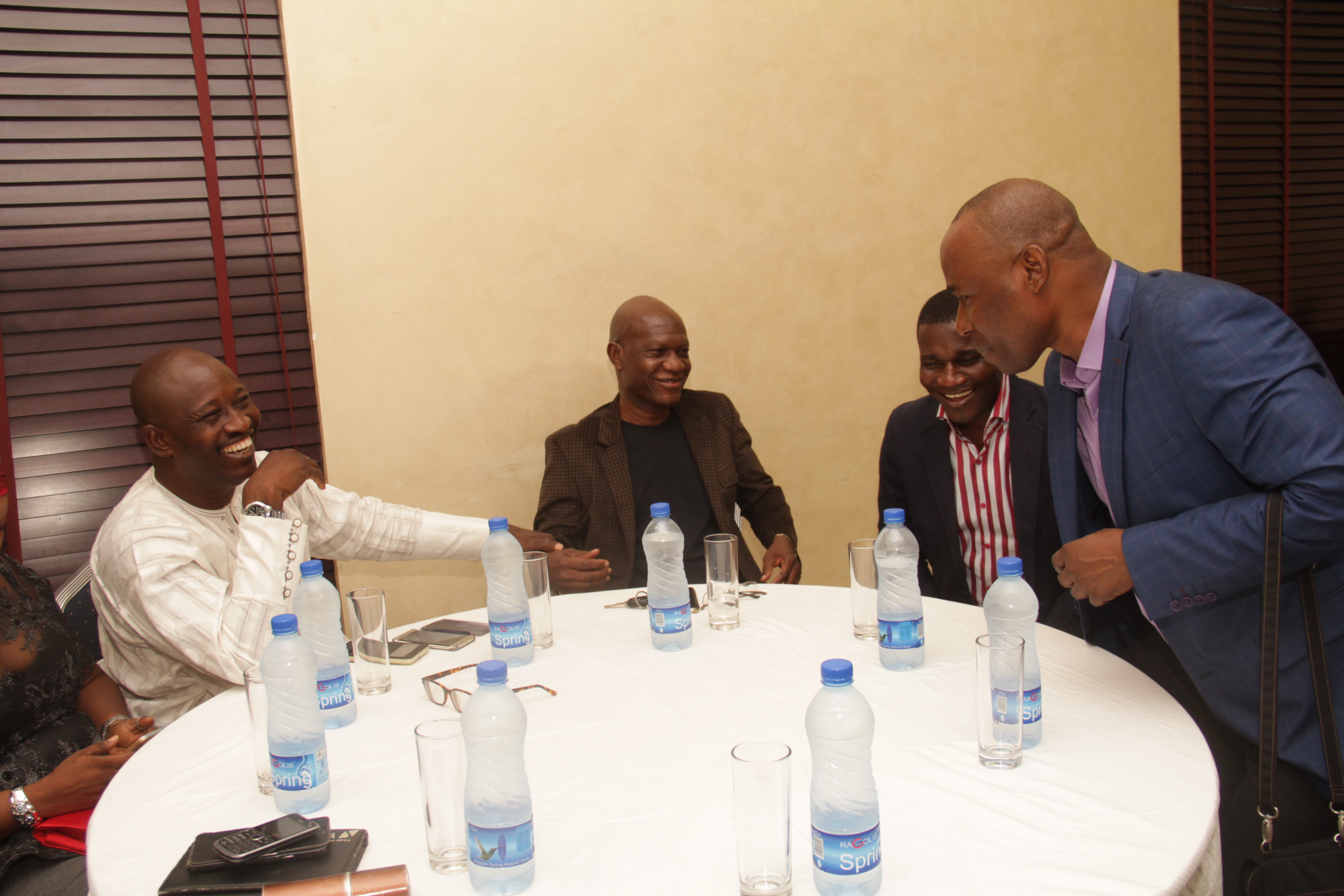
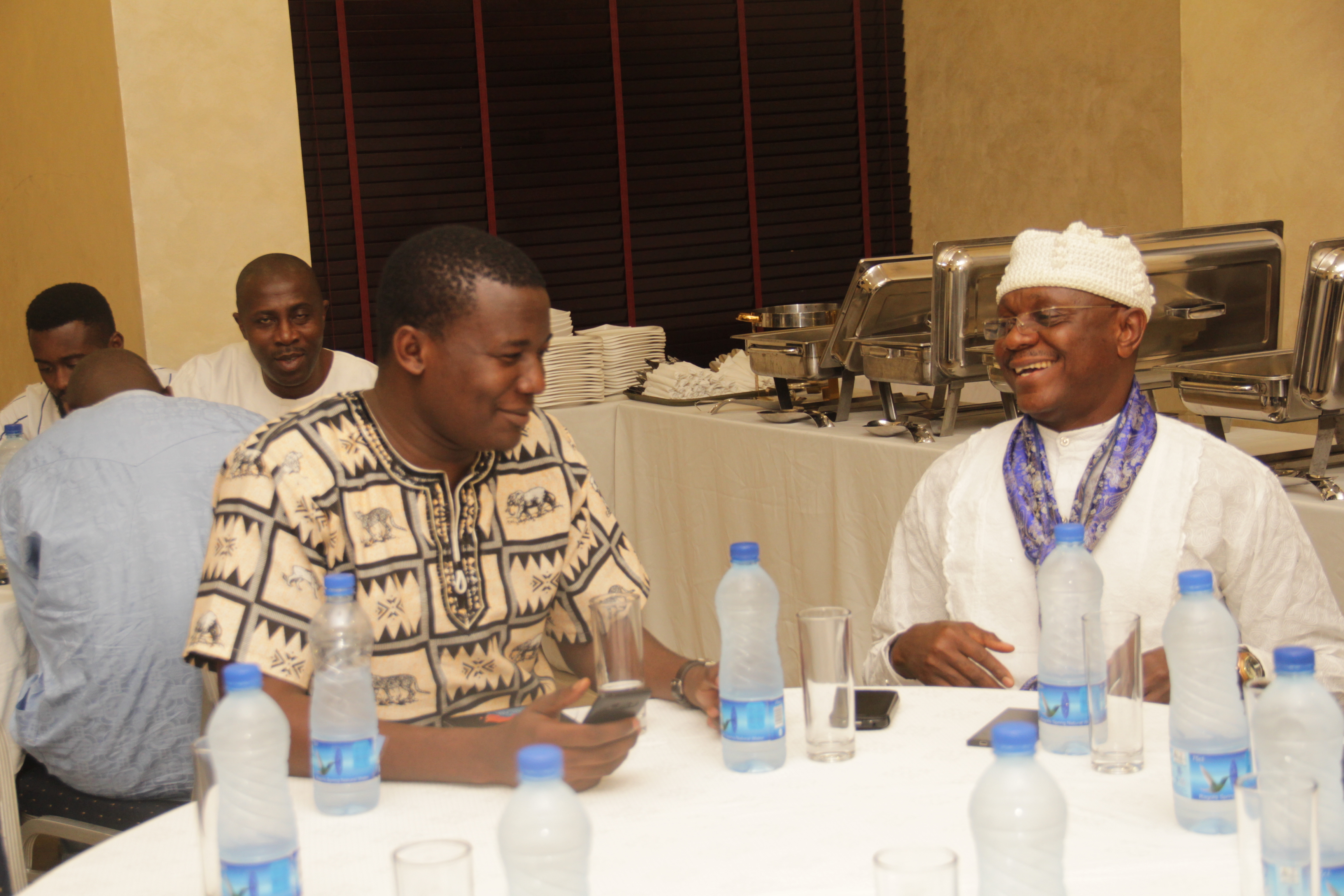
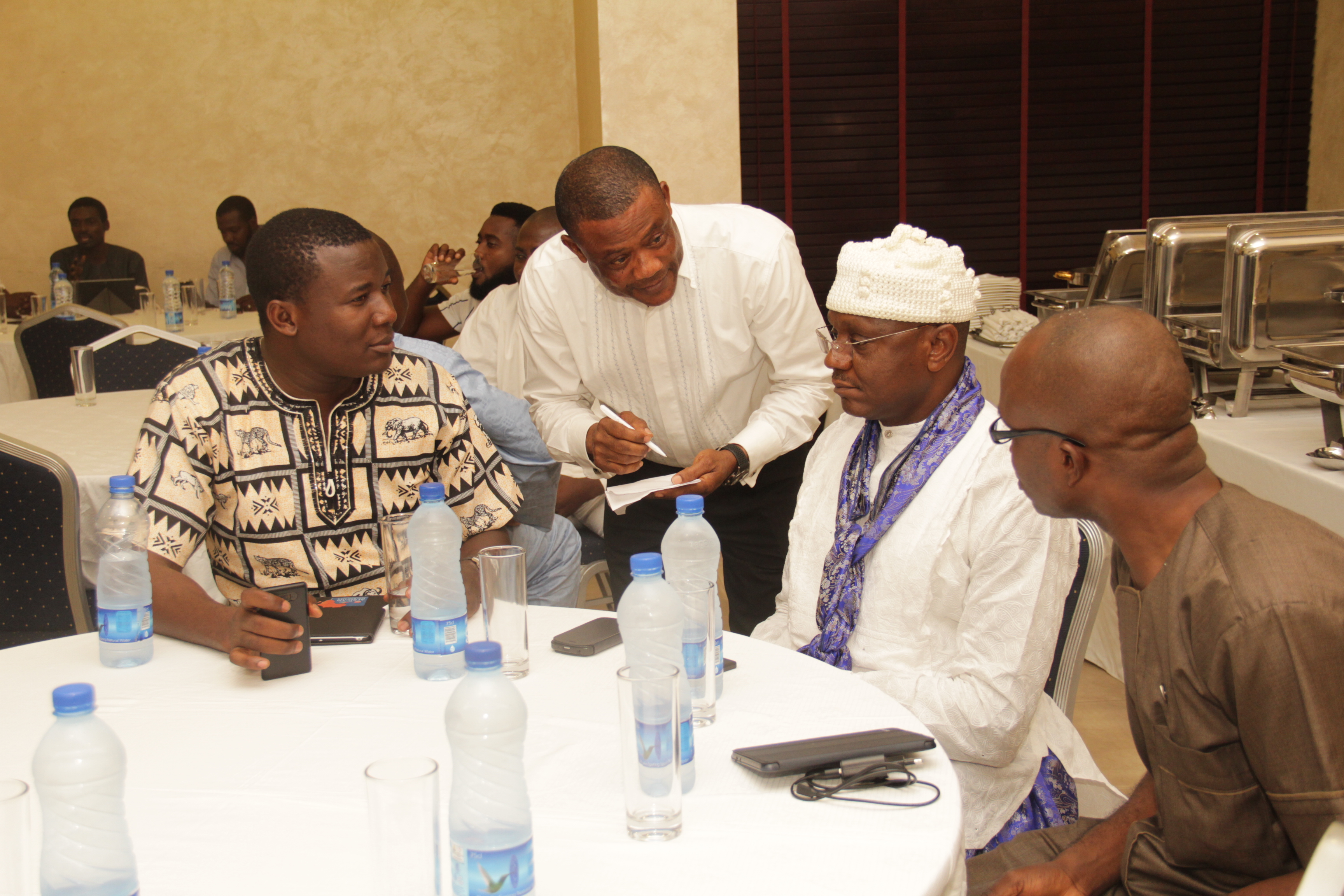
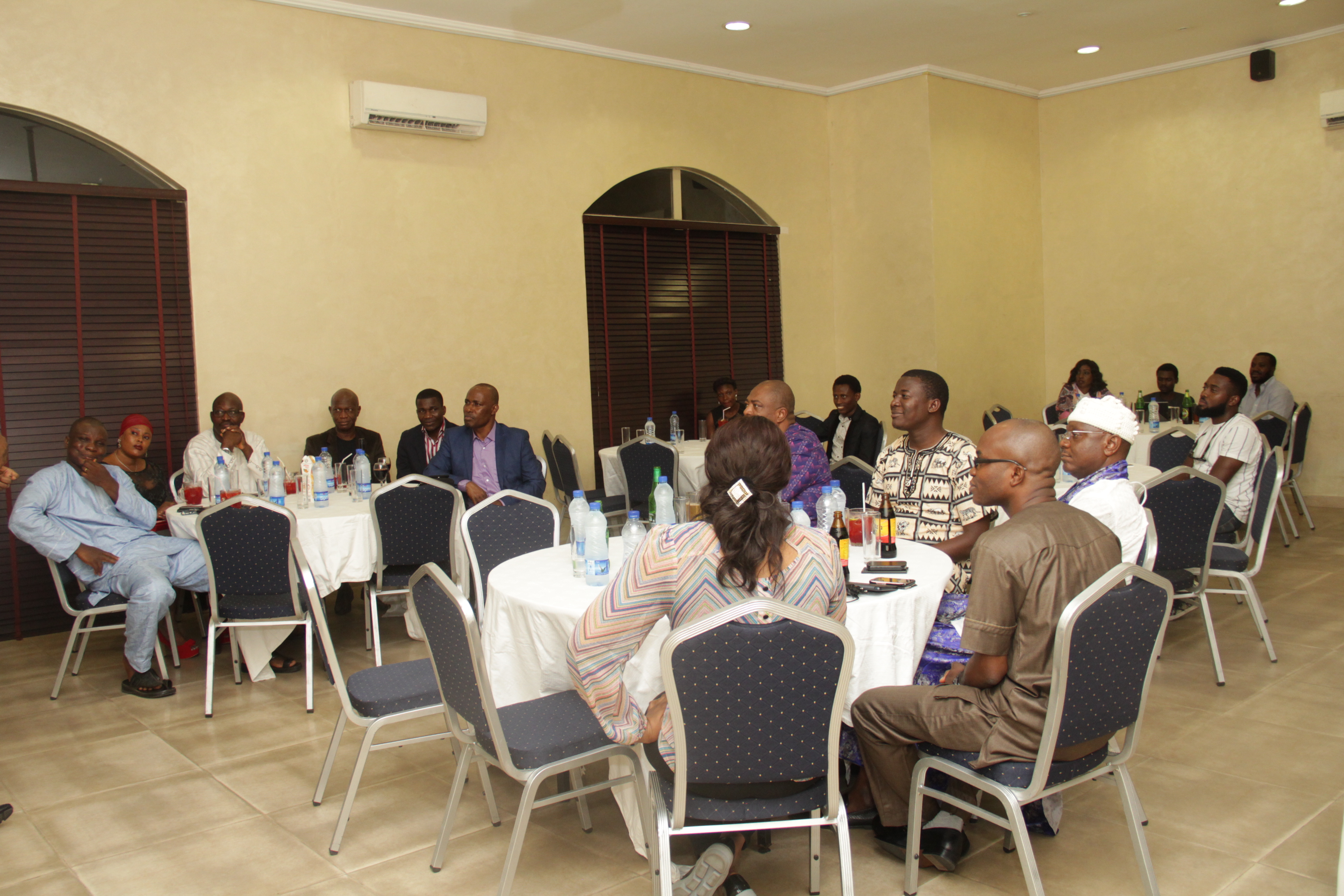
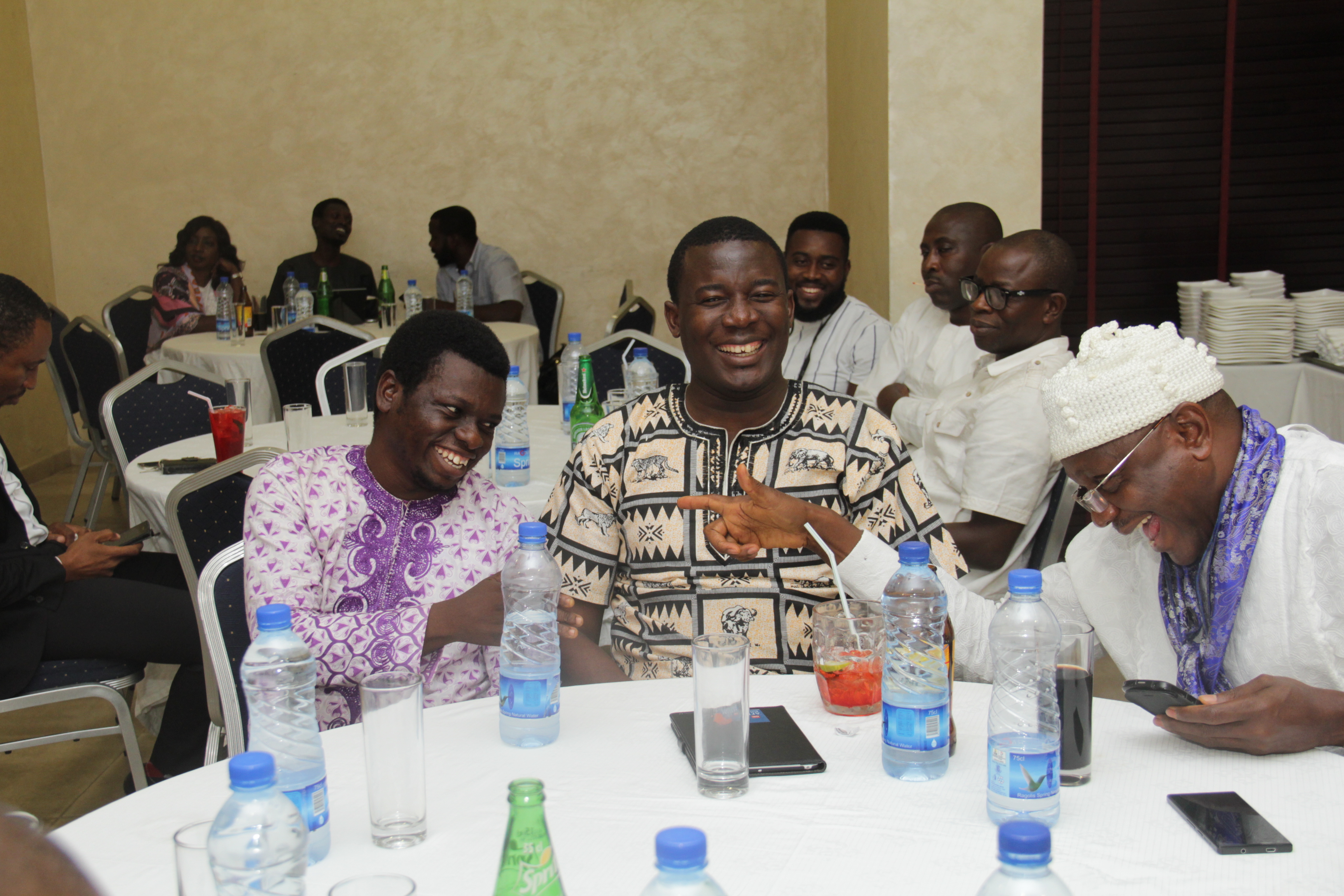
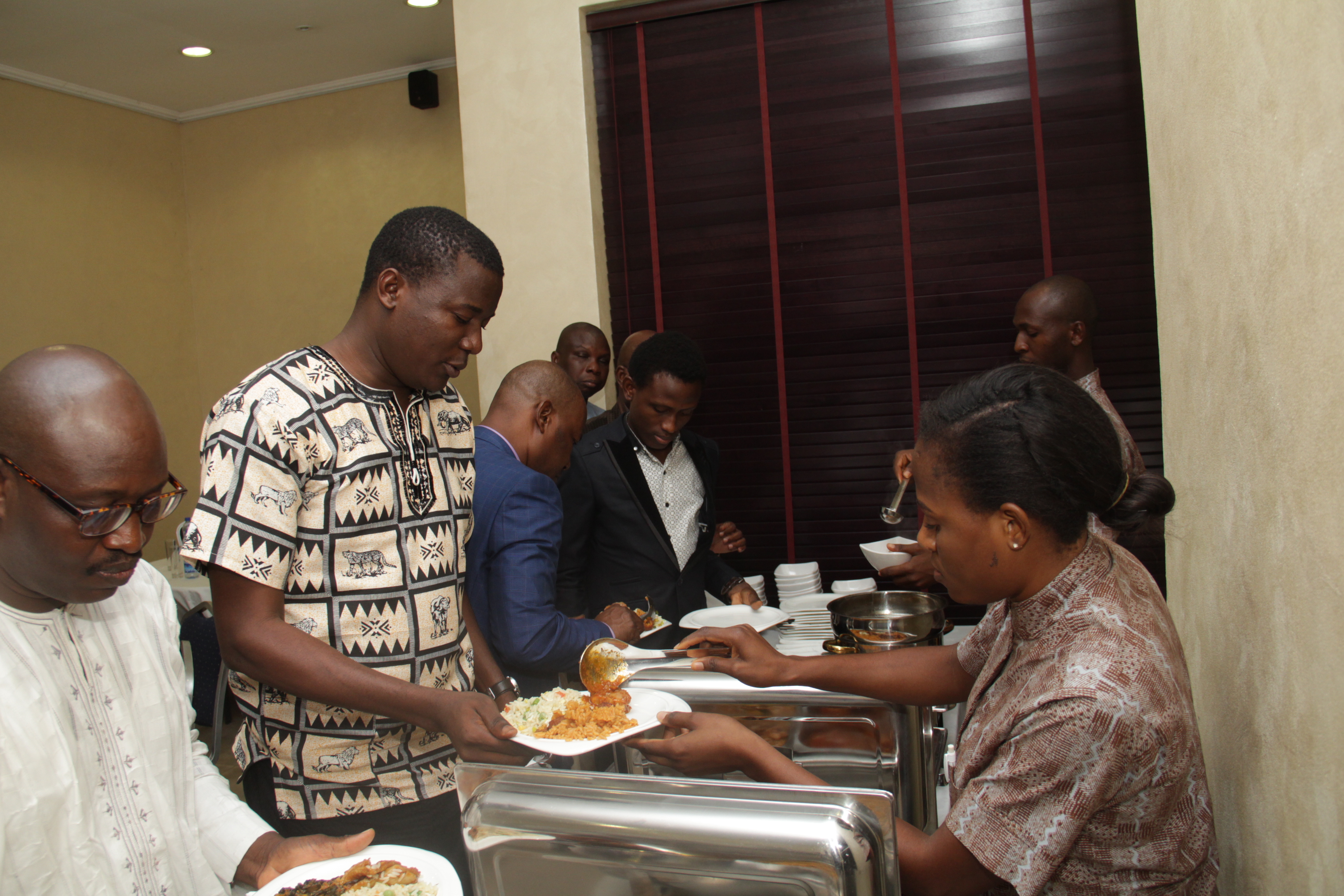
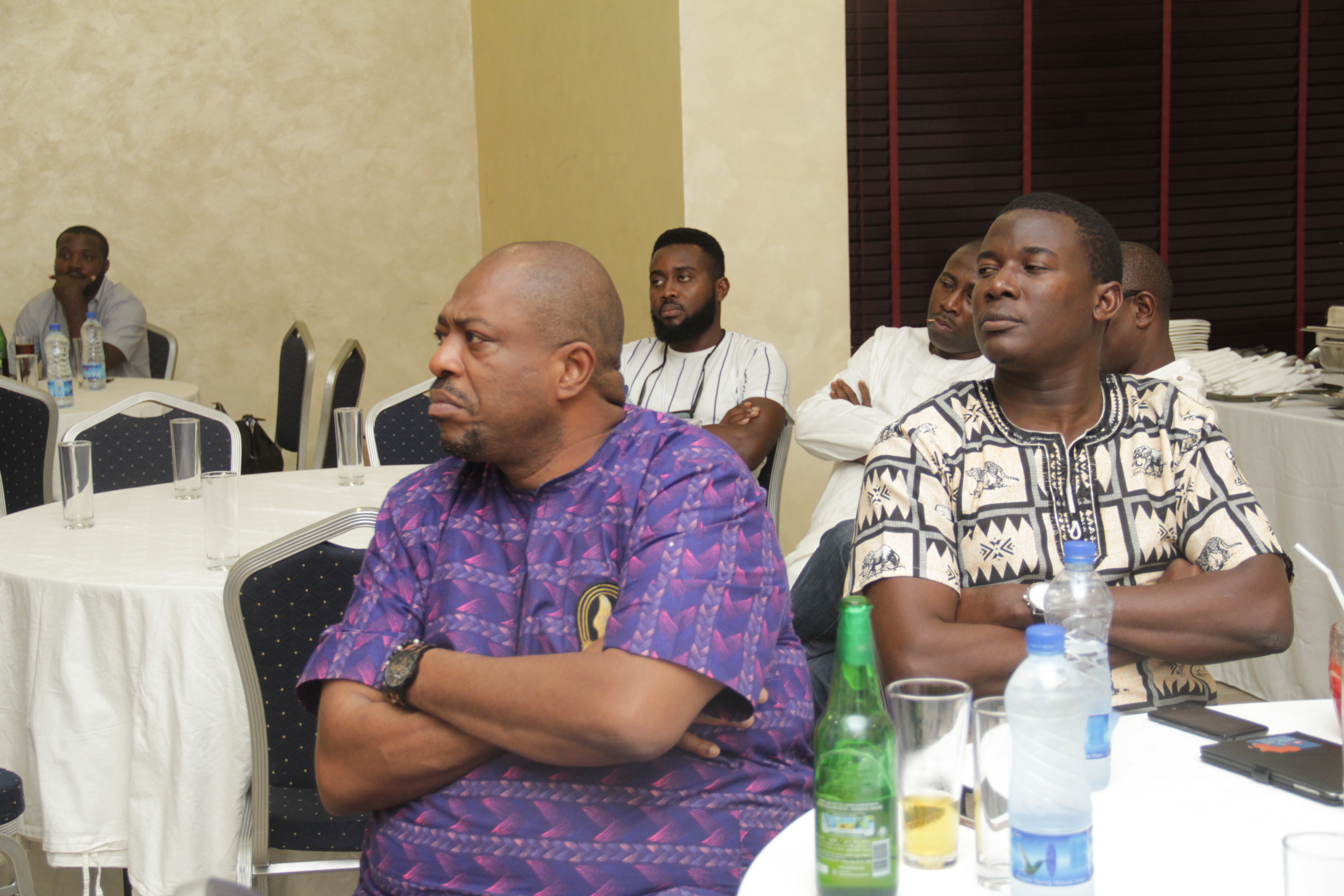
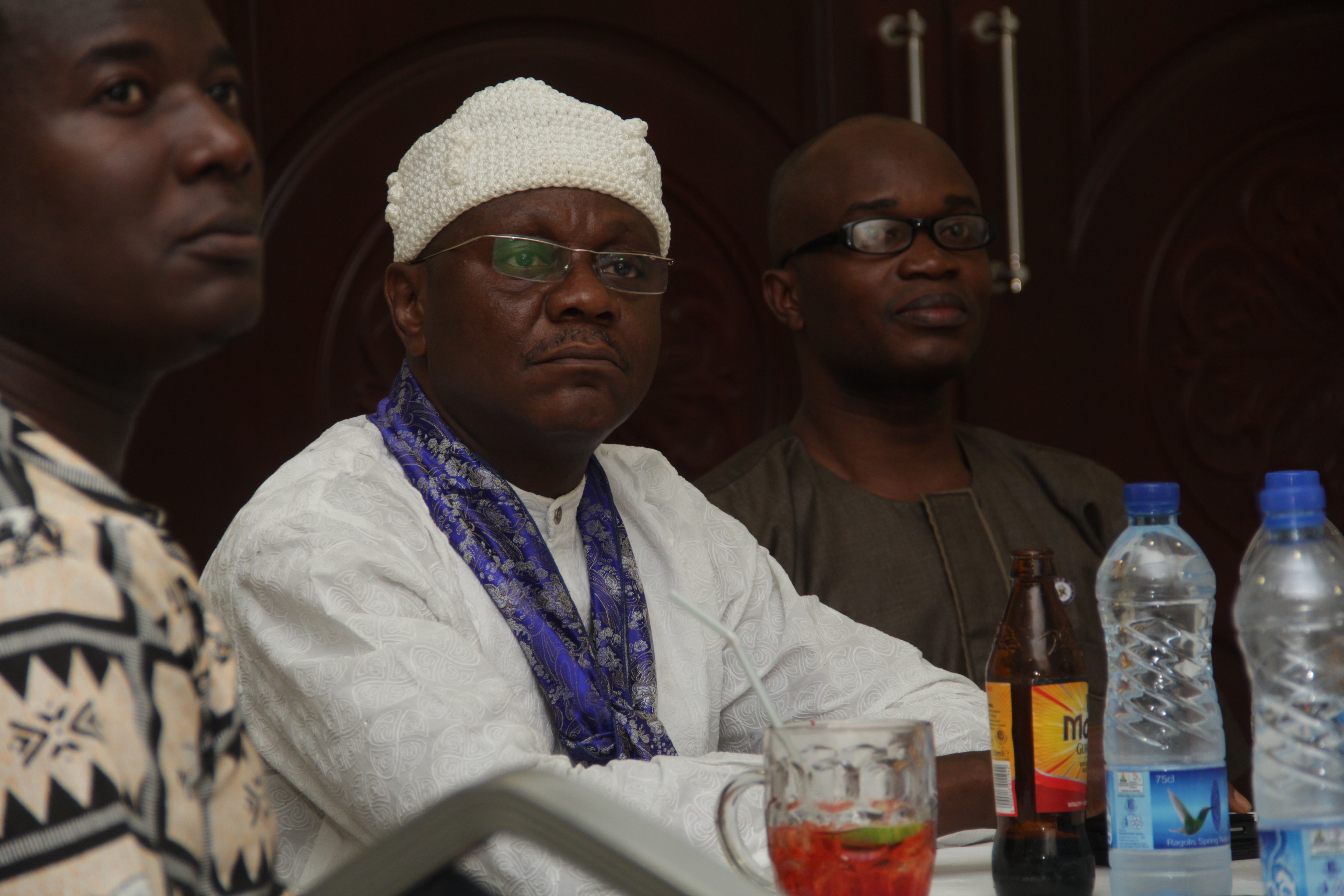
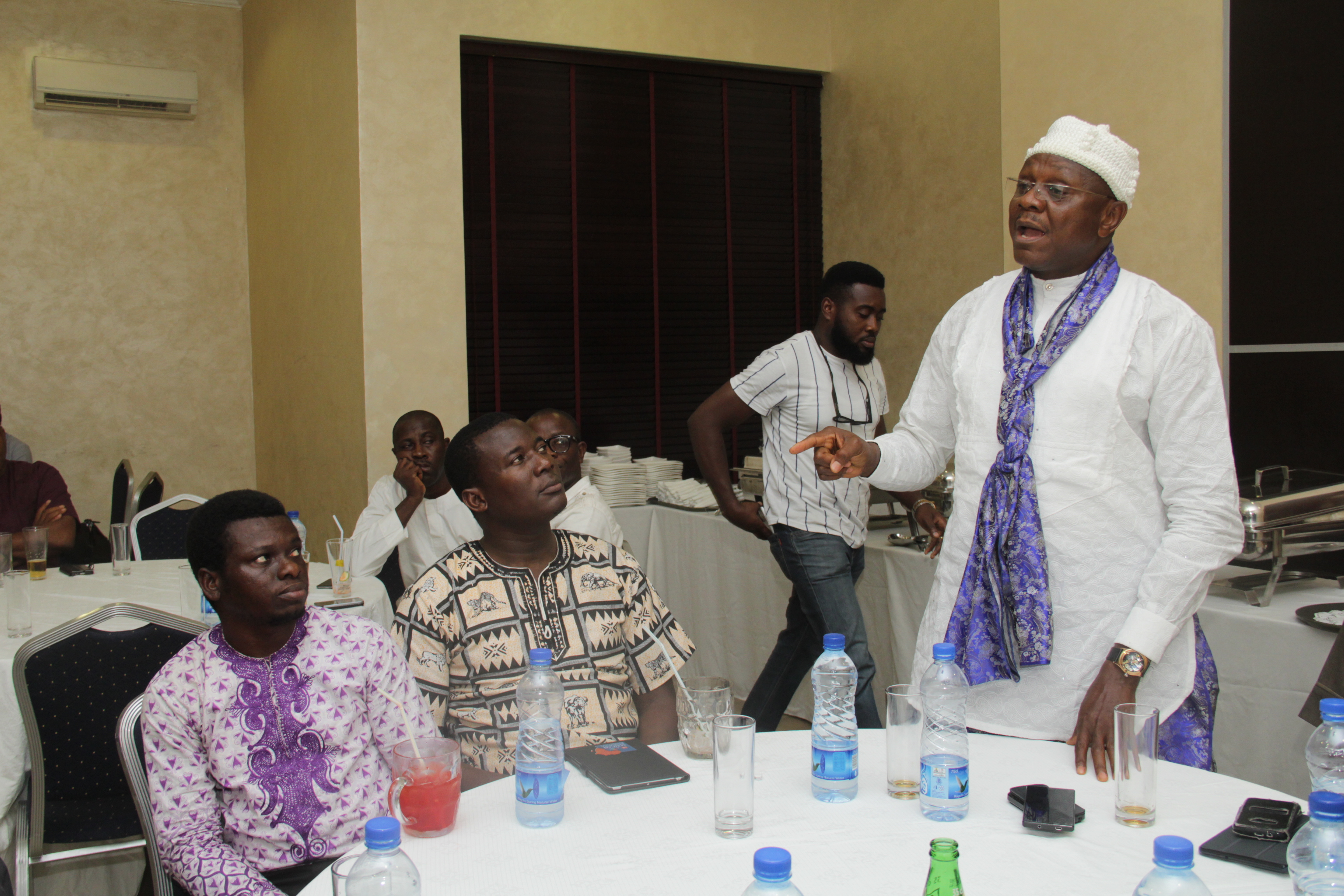
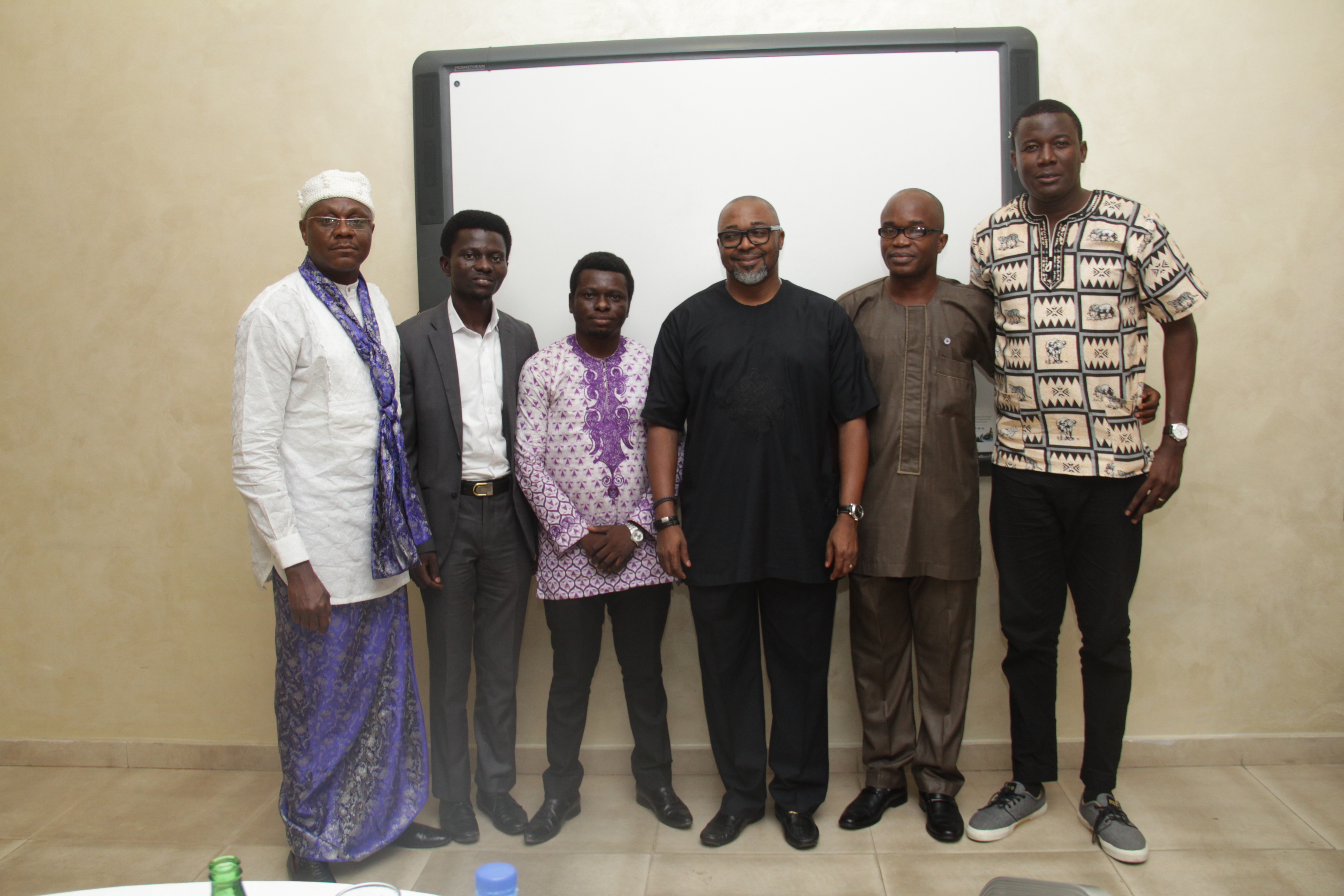
IMG_8224 IMG_8234 IMG_8236 IMG_8353 IMG_8355 IMG_8364 IMG_8432 IMG_8511 IMG_8598IMG_8398 IMG_8426 IMG_8478 IMG_8646IMG_8651 IMG_8593 IMG_8602 IMG_8609Last week Friday, I was at the home-welcoming party organised by MultiChoice Nigeria for the five Nigerian contingents/nominees at the 2015 African Journalist Awards in Nairobi, Kenya. It was a get-together dinner with veteran journalists in the country and a chance to review the state of journalism in Nigeria, discuss the problems that need solving, and appreciate us, the contingents, for “making the country proud.”  The event held at The Regent hotel in Ikeja and had in attendance all the five Nigerian nominees (out of which four won in their categories) Wálé Ẹmósù (Tribune), Ibanga Isine (Premium Times), Fẹ́mi Asu (Punch), Arukaino Umokoro (Punch) and yours truly. Also present were editors of The New Telegraph (Yẹmí Àjàyí), The Nation (Festus Eriye), Business Day (Philip Isakpa), The Guardian (Martins Ọlọ́jà), The Punch (Martin Ayankọ́lá), and other journalists and friends.

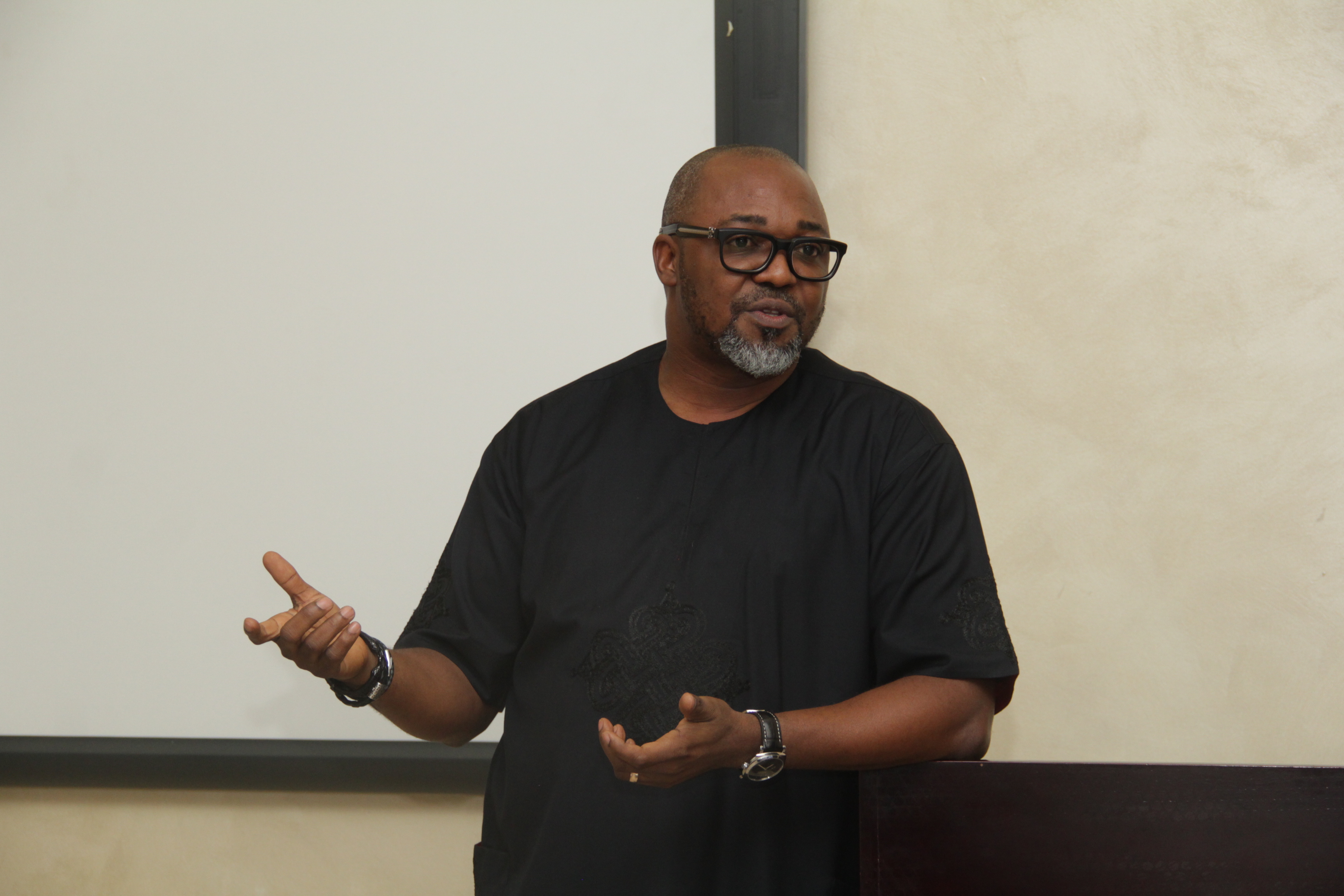
Speaking first after necessary introductions by the MC, Mr. Jenkins Alumona, the MD of MultiChoice Mr. John Ugbe spoke of the dedication of his company to the sustenance of good journalistic practice in Nigeria. He spoke particularly of his new-found fascination with what is called the sub-desk in media houses where news stories are doubly and triply vetted by dedicated editors before publication, as a way of ensuring quality of the feature in terms of grammar and facts. Responding to the charge, each of the editors present spoke to their experience with the sub-desk and how important it was in making them into the kind of writers they became. They also spoke of the unfortunate disappearance of the desk in today’s media houses because editors no longer want to spend money to maintain it or because journalists don’t find the work done there as “juicy” or exciting. The consensus, however, seemed to be that something drastic needs to be done to get the quality of writing in Nigerian newspaper up to global standard.

As a blogger with no allegiance to any particular editor-in-chief but myself and self-selected critical (but competent) friends, the discussion intrigued me and I said so. The idea, thrown up by the Multichoice MD, of organising an annual workshop for all nominees for the CNN/Multichoice Awards, before the awards, as a way of contributing to the development of the journalistic practice in the country is a good one and should be applauded. I agree that it will lead to increased competence by all concerned. It will also add a bigger purpose to the annual event that is mostly celebratory. Something else that will greatly help – which I should probably have brought up when I had the chance on Friday – is an annual training of Nigerian journalists on plagiarism, how to avoid it and how to operate by global best practices regarding fair use of other people’s intellectual materials. I’ve been a victim of plagiarism by print media organisations a few times, as have many of my friends. It’s not something that should continue.

When responses were allowed, one of us, Ibanga Isine, challenged the editors present to also get off their butts. Rather than point fingers at what’s going wrong in the practice, they should also get out into the field and file reports like everyone else like they used to before they became content as title holders of “editor” positions. It is a sentiment I wholeheartedly support. The benefit I have, as a blogger, is the opportunity to be a reporter and an editor at the same time. Most media houses today have editors who do neither editing nor reporting, but merely sit down and earn heavy pay and a title that opens doors for them with no added benefit for the newspaper or the profession. In all, it was a warm and stimulating evening sharing ideas and listening to the veterans of the profession interact at close quarters.

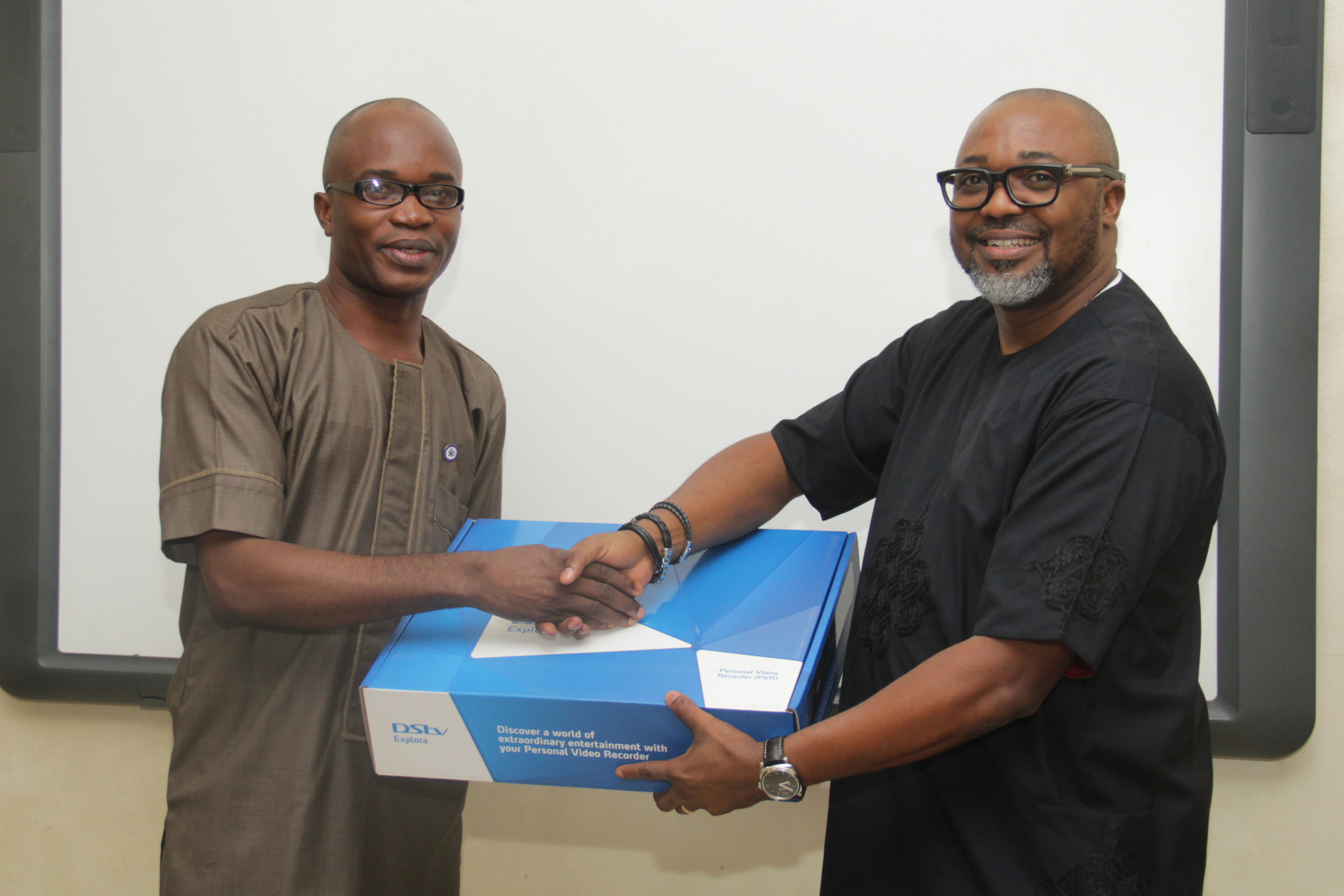
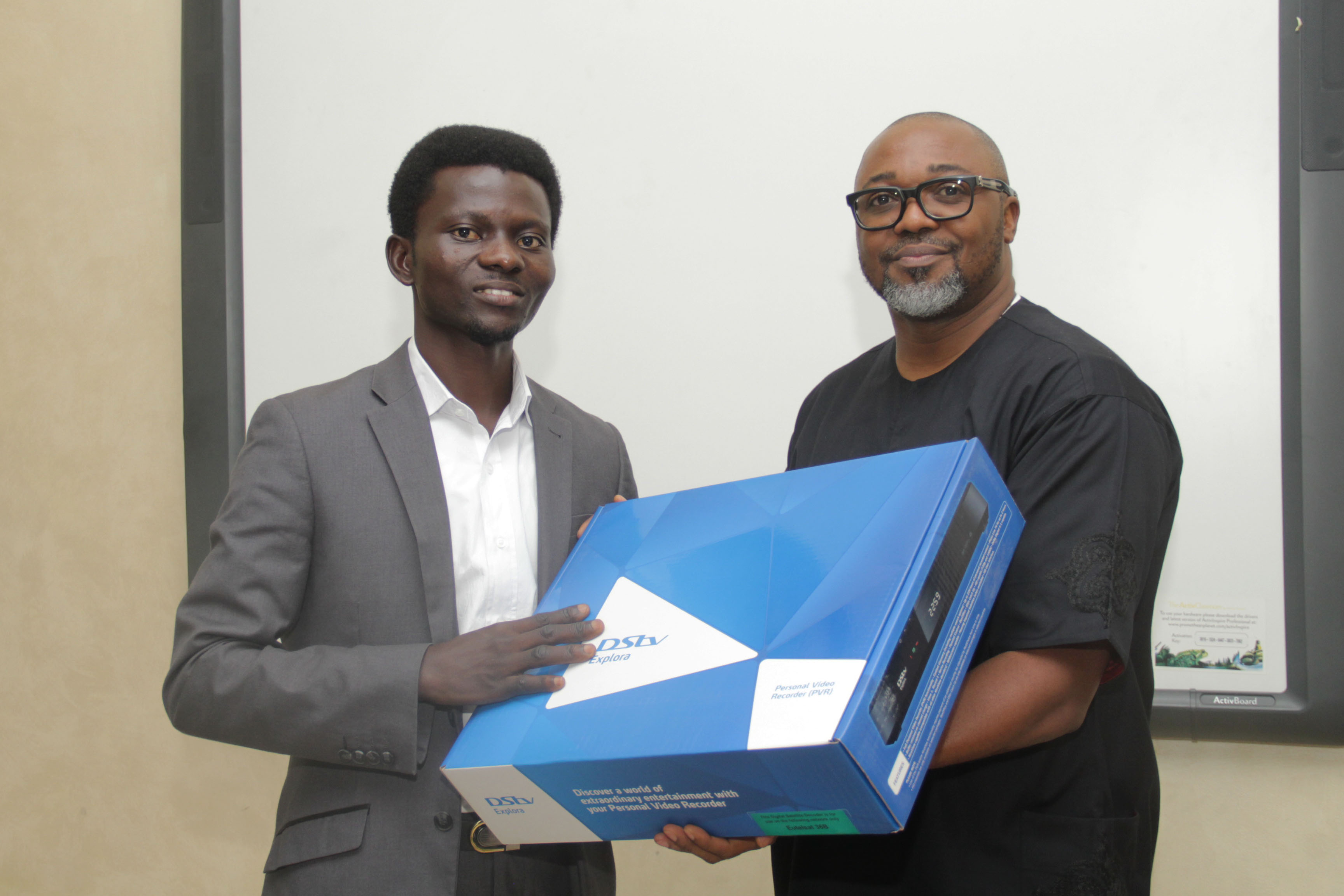
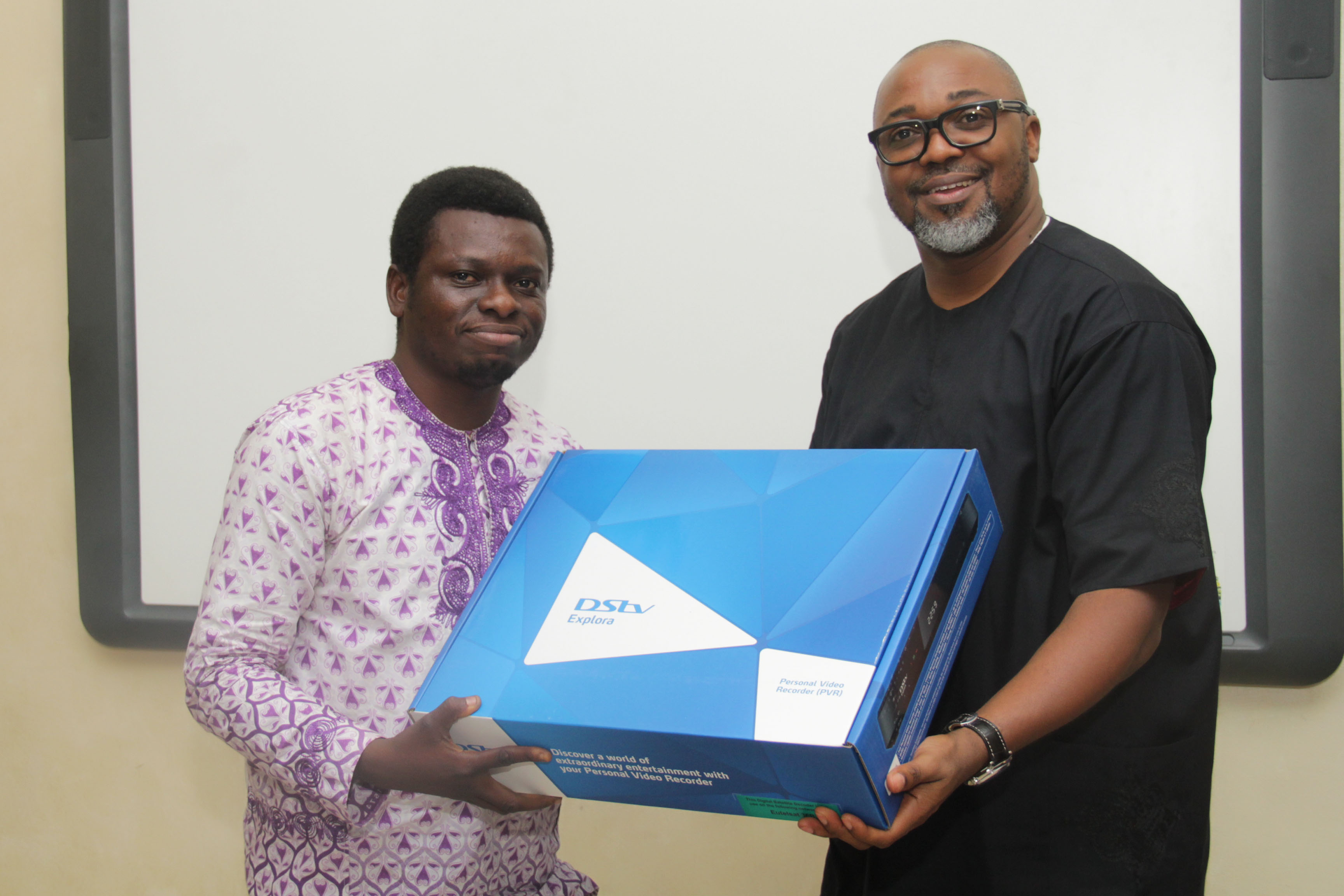
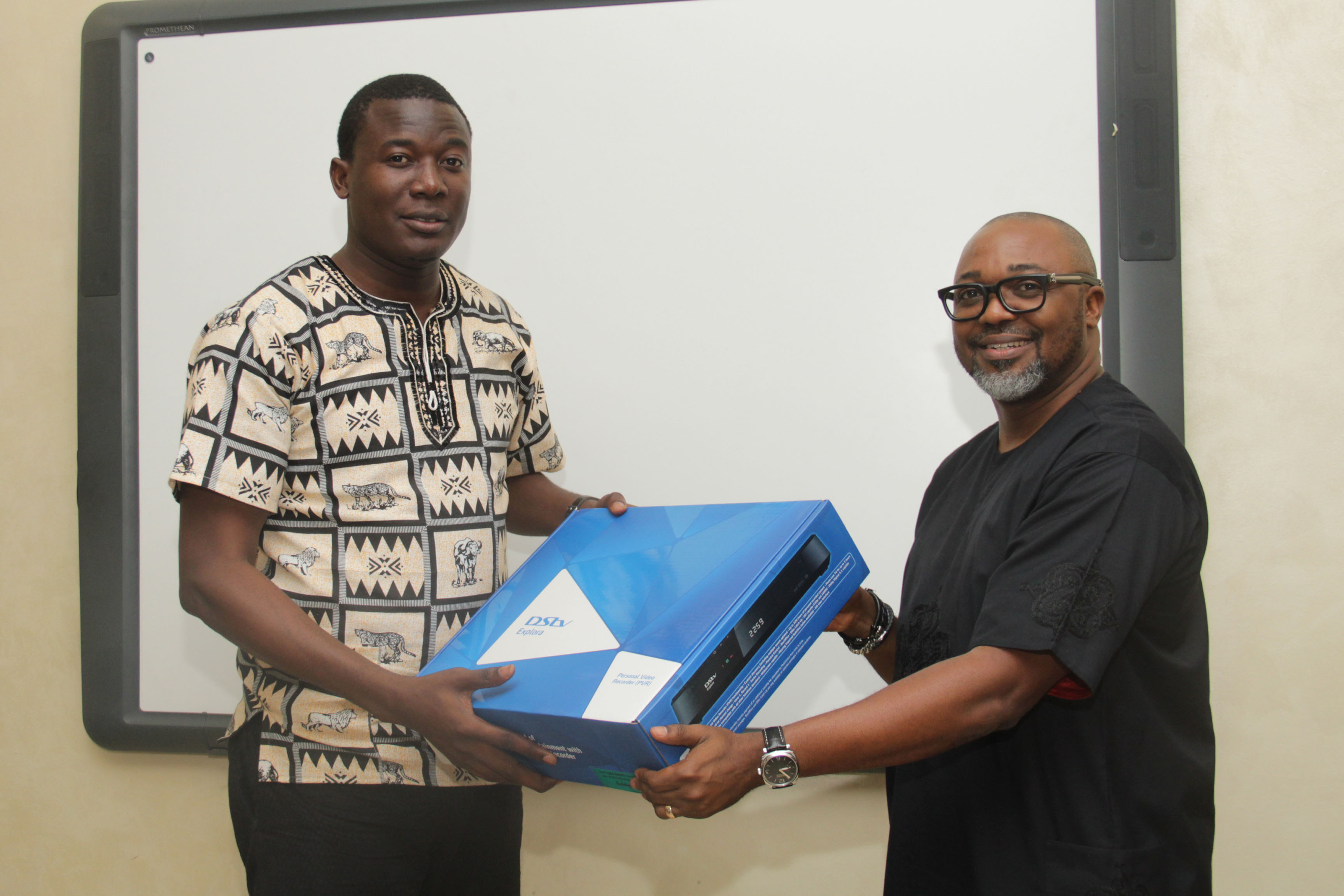
After all the talk, we settled down for a nice dinner, after which the MD of Multichoice presented us with a free DSTV Explora decoder set with free three months subscription. That was nice. I’ve never been a cable person, but I’m now about to give it a try. I thank them.


_____

(Photo credit: Multichoice)

Let’s Save Binyavanga!

BinjOn October 31st, 2015, Kenyan writer and all-round brilliant mind Binyavanga Wainaina suffered a stroke. We didn’t know this until he himself wrote about it on a Facebook post that he has since deleted.

For those who don’t know him, Binj, as he’s fondly called by friends and acquaintances is the winner of the 2002 Caine Prize (which had on its shortlist Nigeria’s Chimamanda Adichie) and the founder of Kwani? online magazine, which he founded with his Caine Prize winnings. He authored the famous Granta essay How To Write About Africa and the memoir One Day I Will Write About This Place (2001). In January 2014, he came out as gay in an online essay titled “I’m Homosexual, Mom.” In the same year, he was featured as one of Time Magazine’s 100 Most Influential People. The profile was written by his good friend, Chimamanda.

More than any of his literary prizes however, Binyavanga is an all round humane (and childlike) soul. He is friendly, unassuming, and down-to-earth, as many who know him will attest. About five weeks ago, I featured him on Writer Sightings, using pictures taken during my last conversation with him in his house at Karen, on the outskirts of Nairobi. There was no hint that he was about to break down nor that he would not be making this year’s Aké Festival. His energy was as infectious as ever, and we talked into the evening, discussing everything in African writing, art, entertainment, language, among others, over mandazi and cold smoothie. Having him still come to Facebook to write, “like” posts, and share interesting links (as he has done many times) after the stroke is a testament first to his resilience, and his commitment to never be silenced.
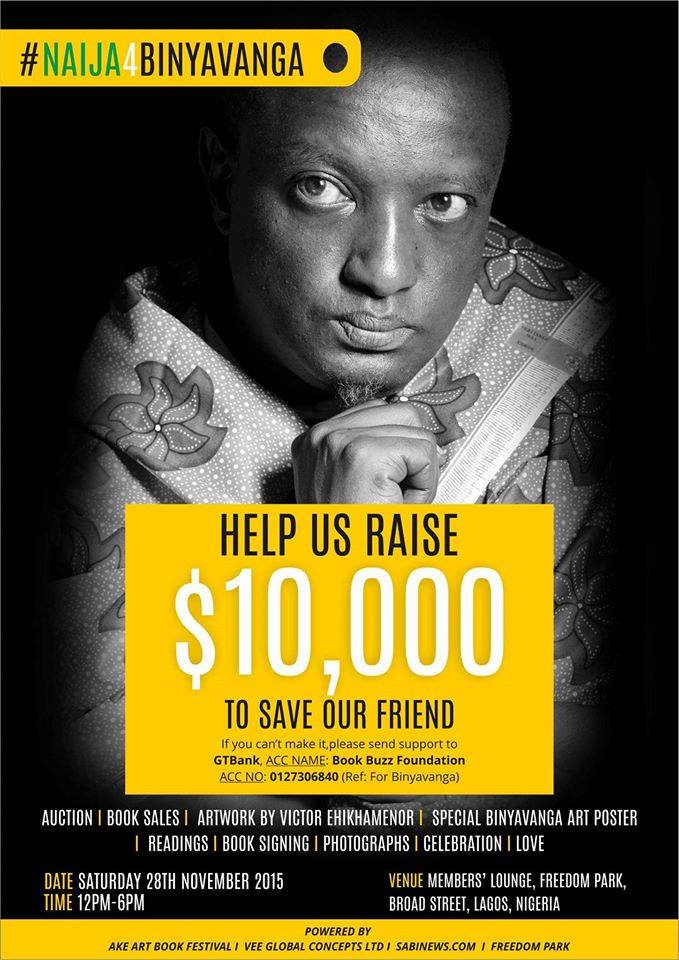
IMG_4651He is now about to undergo some medical procedures in India to put him back together, and a few fundraising efforts have been set up to support his treatment. This morning, I gave my token to this cause, run by Kwani Trust (that has now raised 50% of the target goal. You can do the same, with Paypal or any other means, particularly if you live in Kenya, or anywhere else where Paypal works). For those living in Nigeria, Ake Arts and Book Festival (in collaboration with Nigerian artists, writers, and friends of Binyavanga) has set up a fundraiser this weekend at Freedom Park (poster attached). You can also donate through the Nigerian bank account that you can also see on the poster above.

Needless to say, this is a worthy cause. Binyavanga is one of Africa’s (and certainly this generation’s) living original and finest thinkers. Through his work, his words, and his life, he has given so many people new ways of interrogating set assumptions, and charting a new course for a battered continent. For this, for his large heart, and for more, he deserves our prayers, but more importantly, our help.

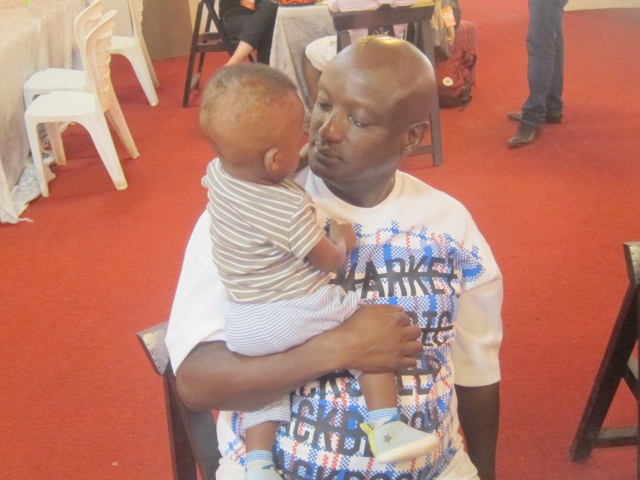
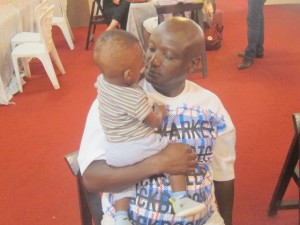
In the picture, he’s there holding my son who seemed to have fallen in love with him. Photo was taken at Aké Festival 2014 in Abẹ́òkuta.