Browsing the archives for the Literature category.

Lagos Theatre Festival

The British Council today announced details of the 2nd edition of the Lagos Theatre Festival, the largest ever outdoor theatre festival to take place in the city which will run from 28 February to 2 March 2014.  Part theatrical experience, part real life and part city journey, the festival will transform historic Freedom Park, a public space born out of the ruins of a colonial prison and reconstructed to preserve the history and cultural heritage of Nigeria.

Look Left Look Right, a Multi award-winning interactive theatre company based in the UK will premiere their new production Make We Waka a collaboration with Nigerian performers that invites the audience to take part in an intimate promenade performance, exploring the hidden corners of the space. Using an audio guide, participants will delve into the world of the Park and the stories it has to tell.

More here.

At Ake Arts and Book Festival

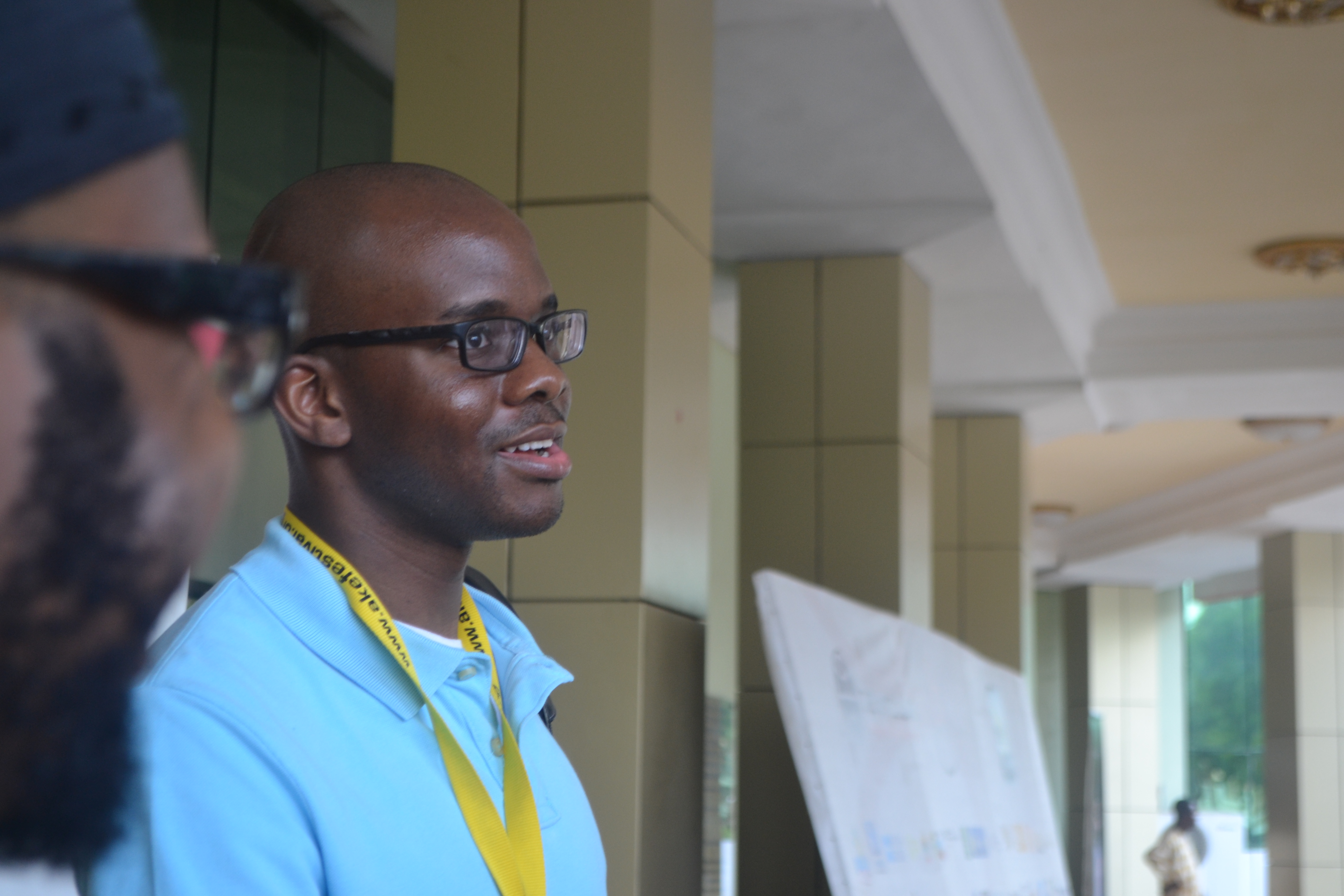
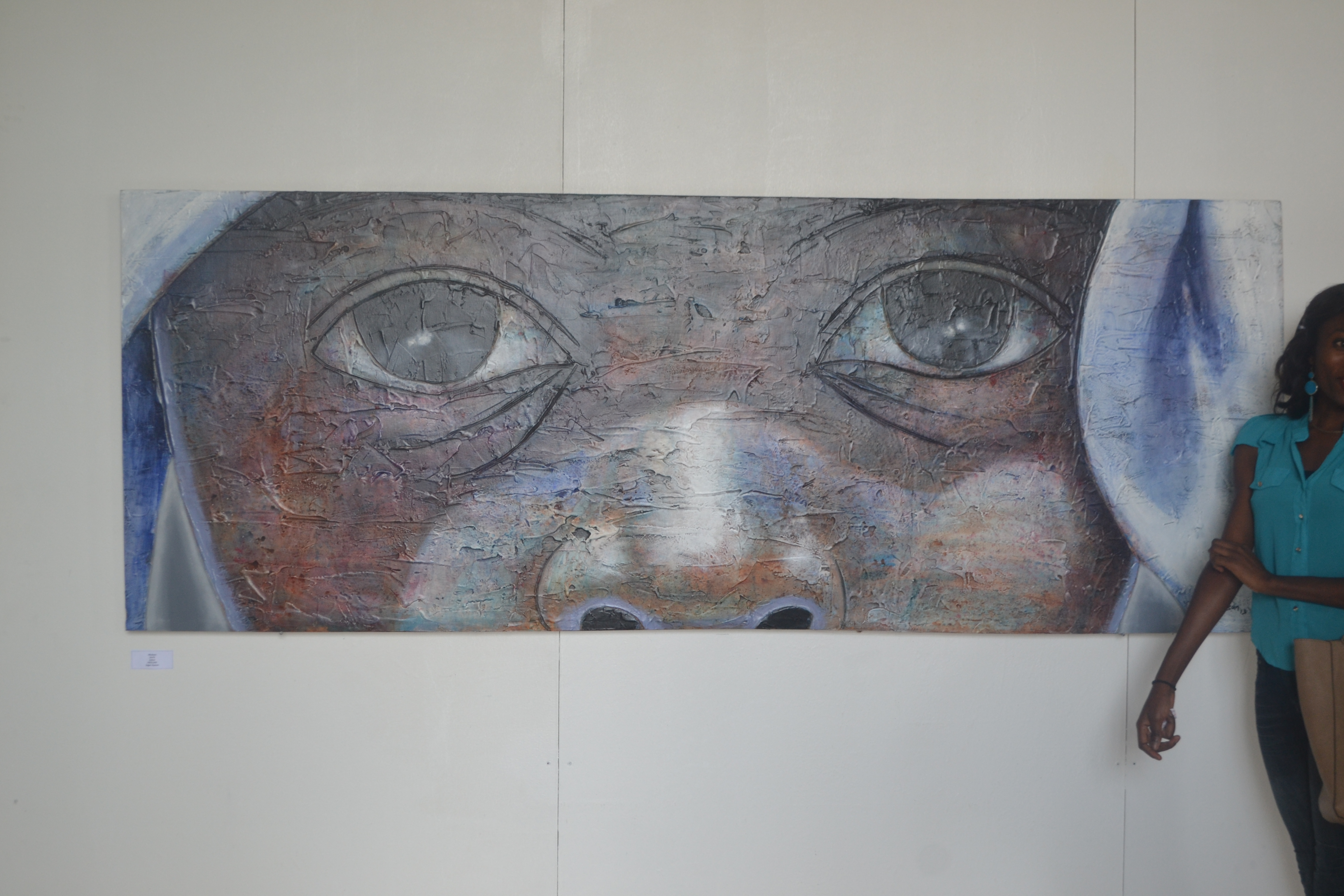
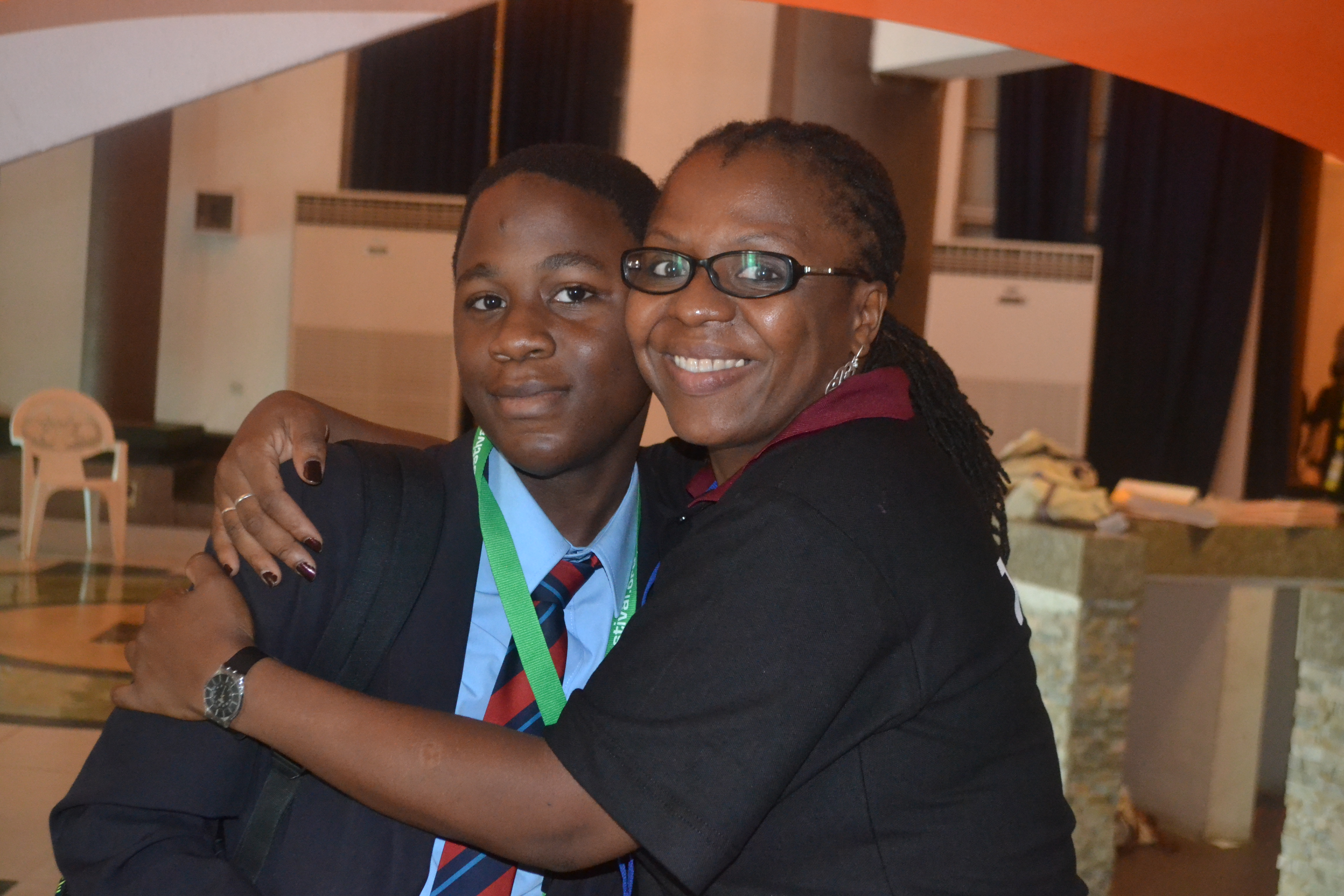
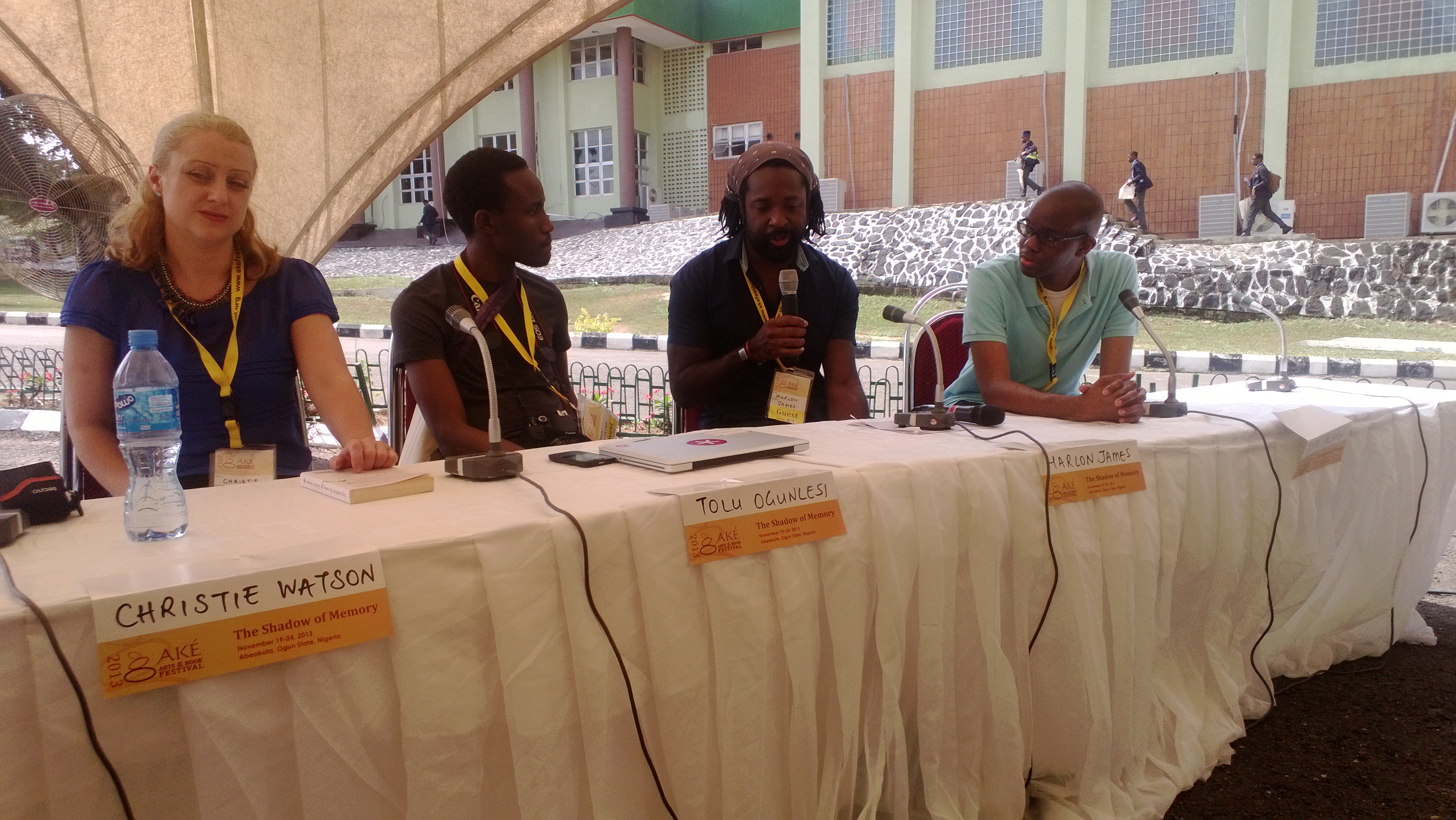
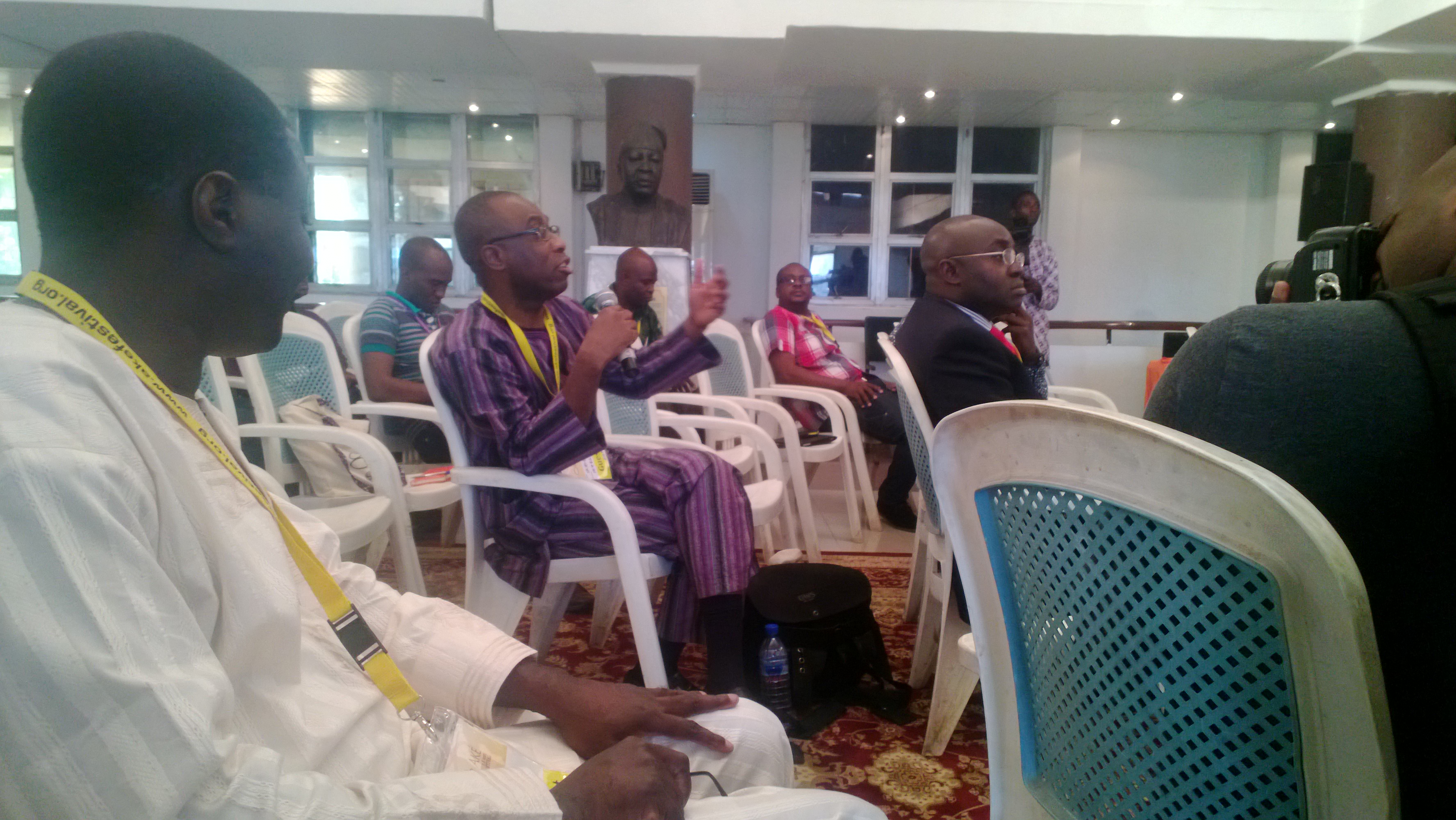
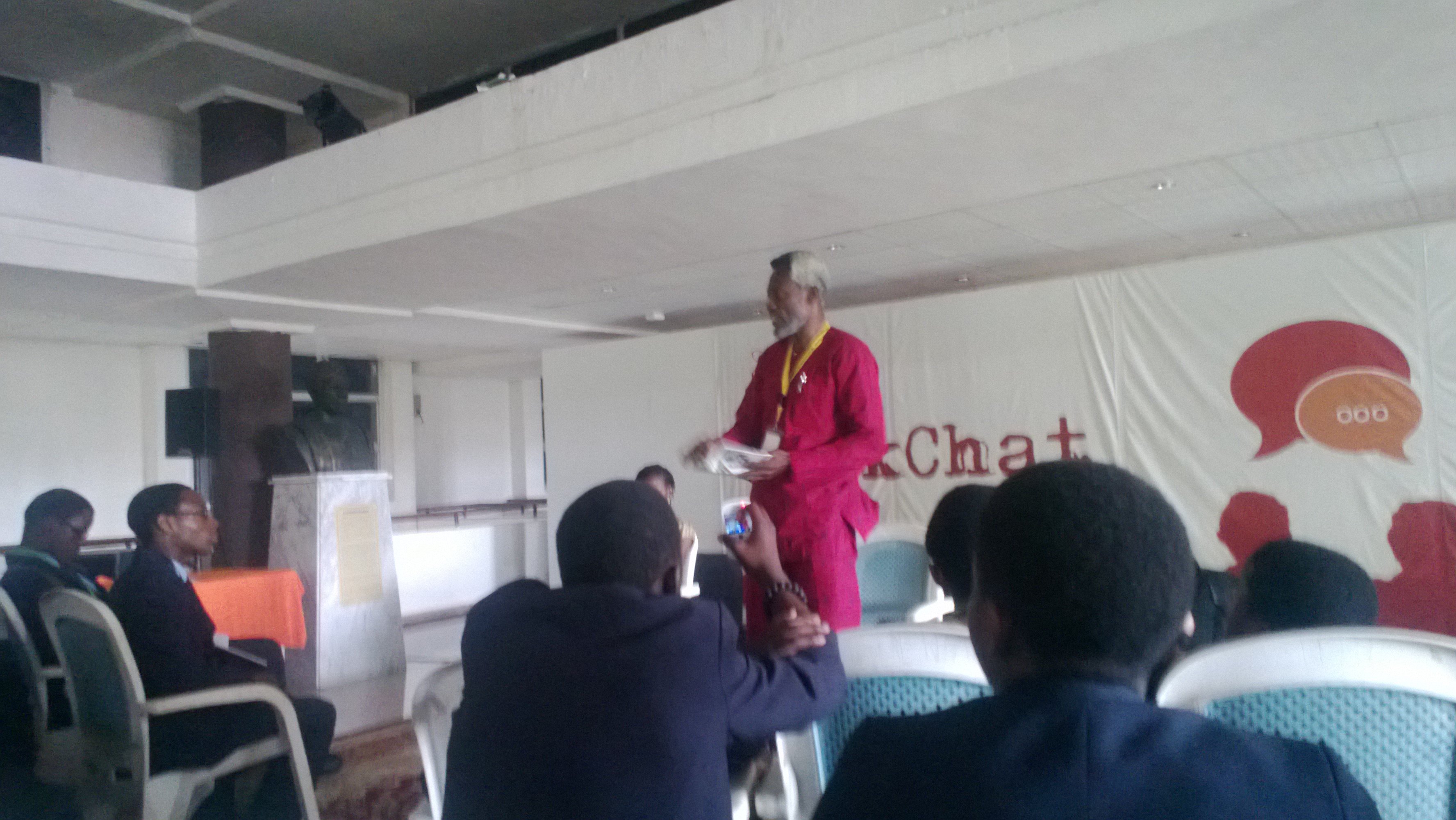
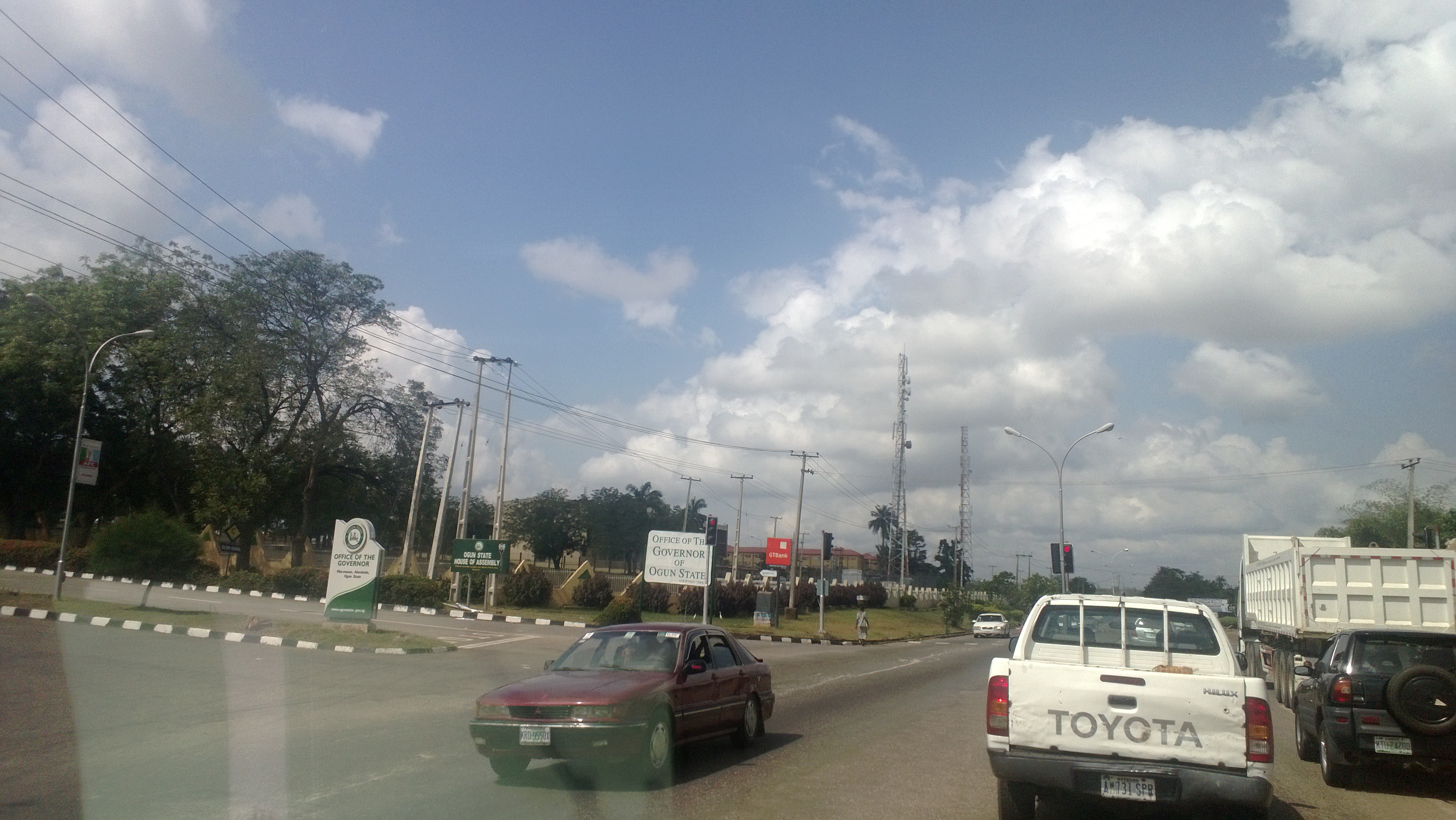
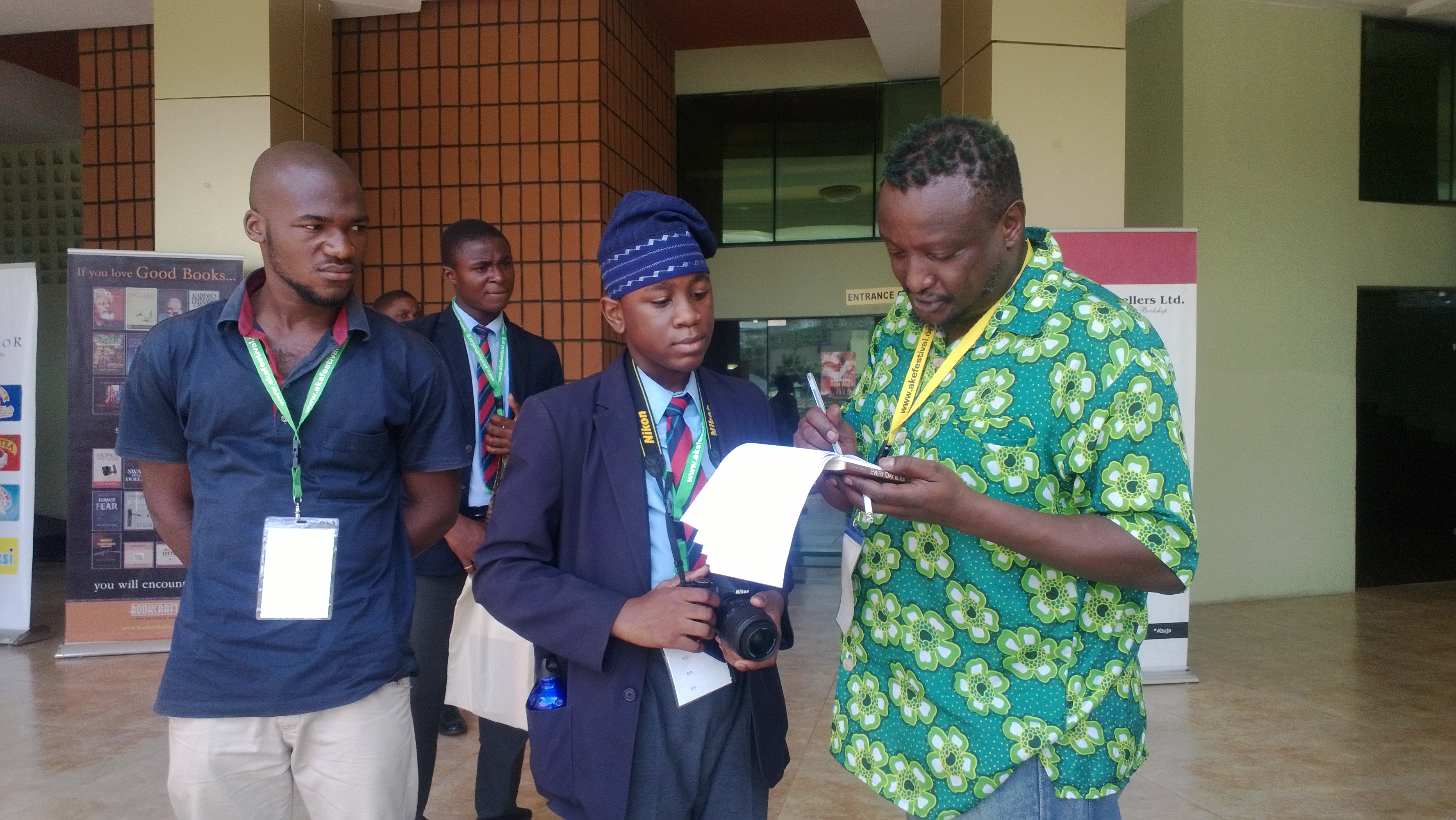
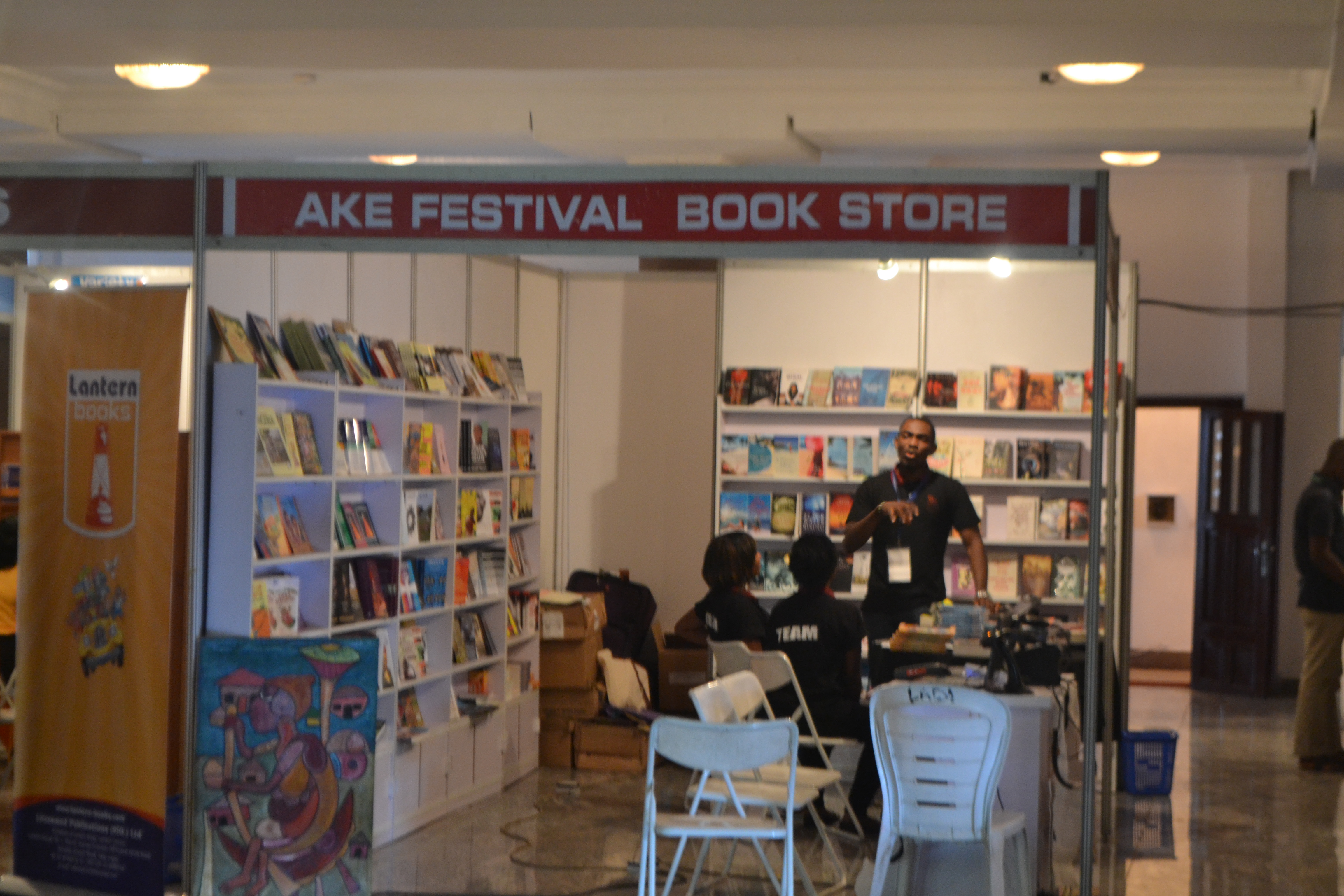
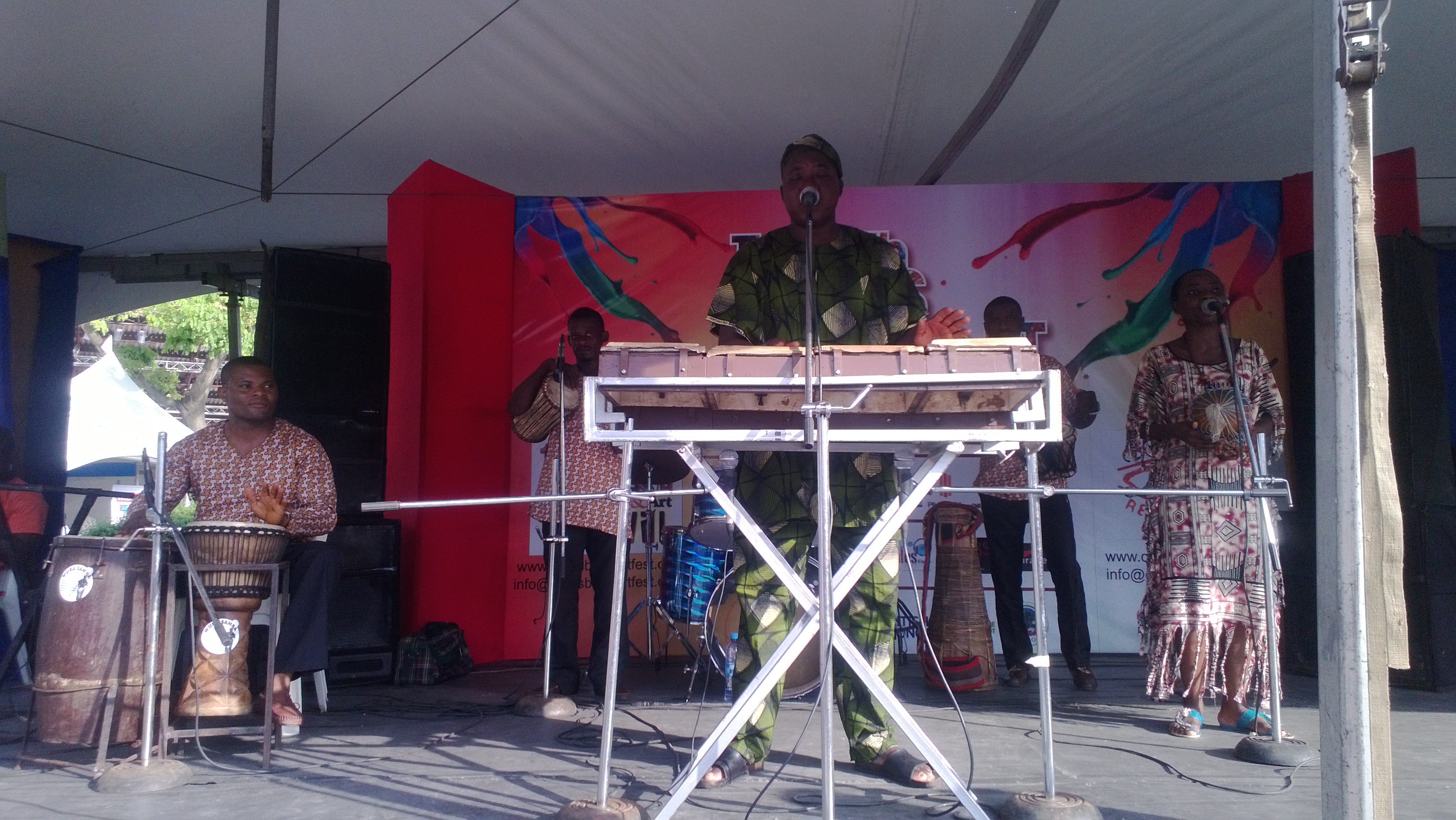
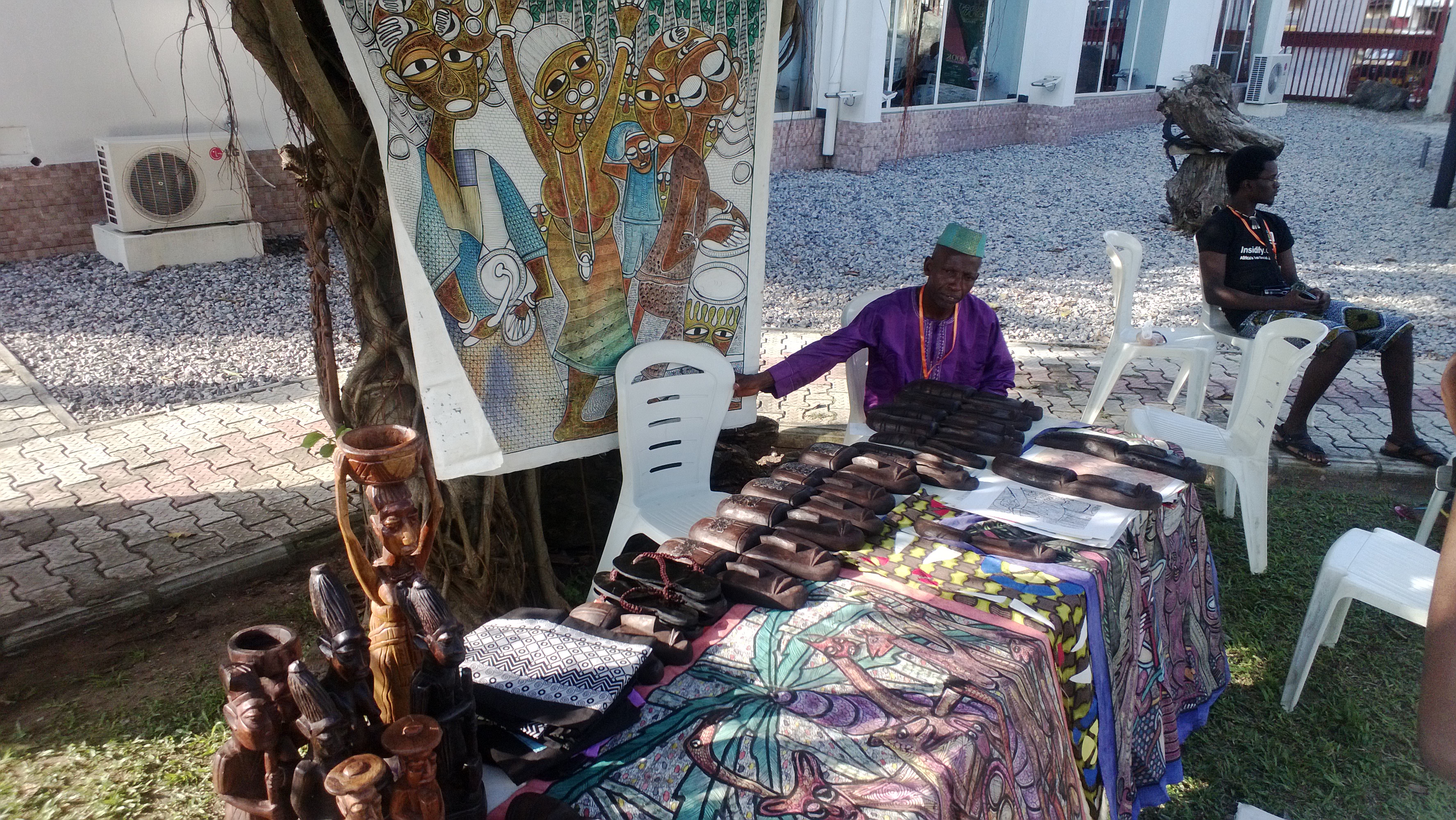
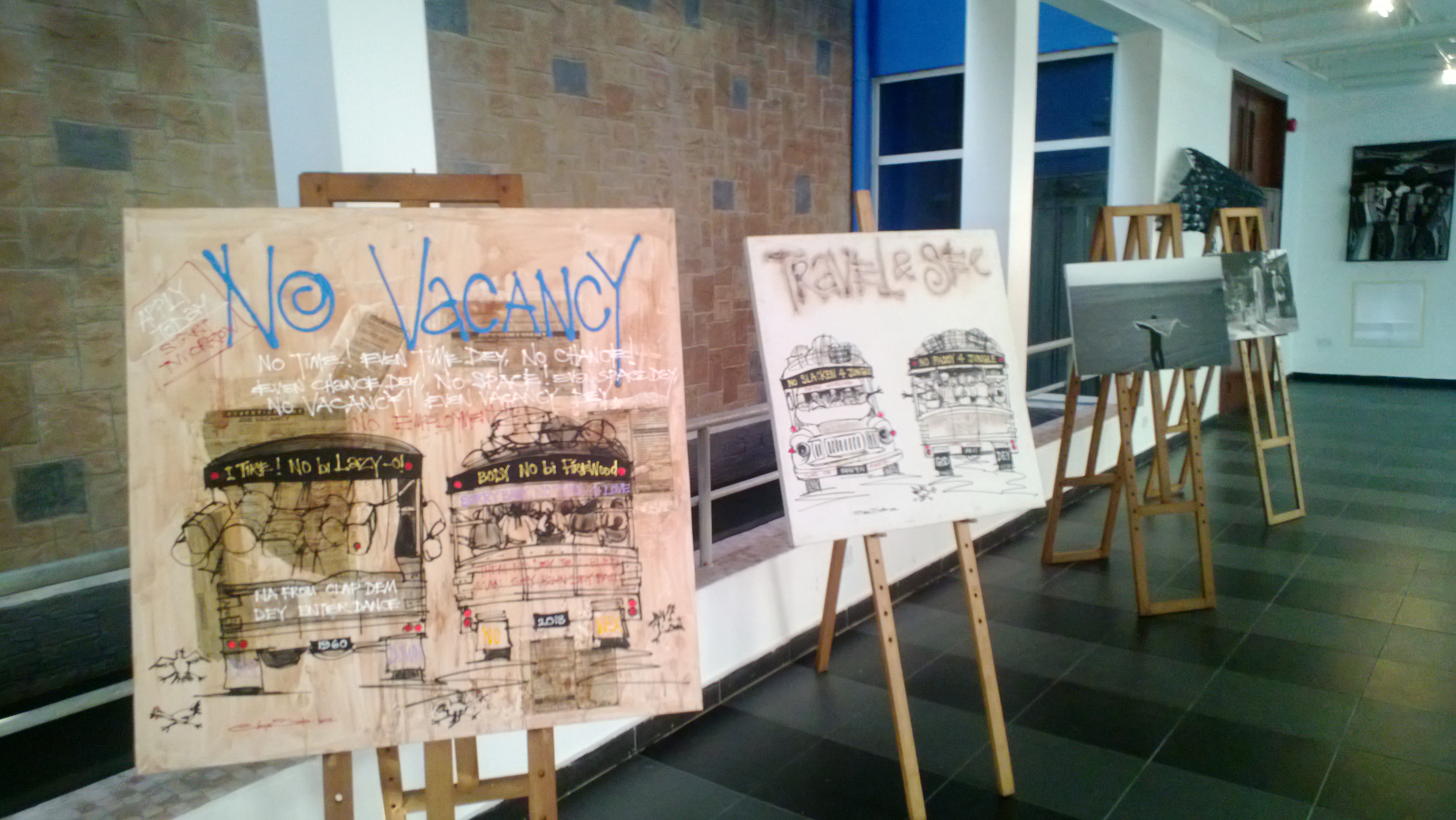
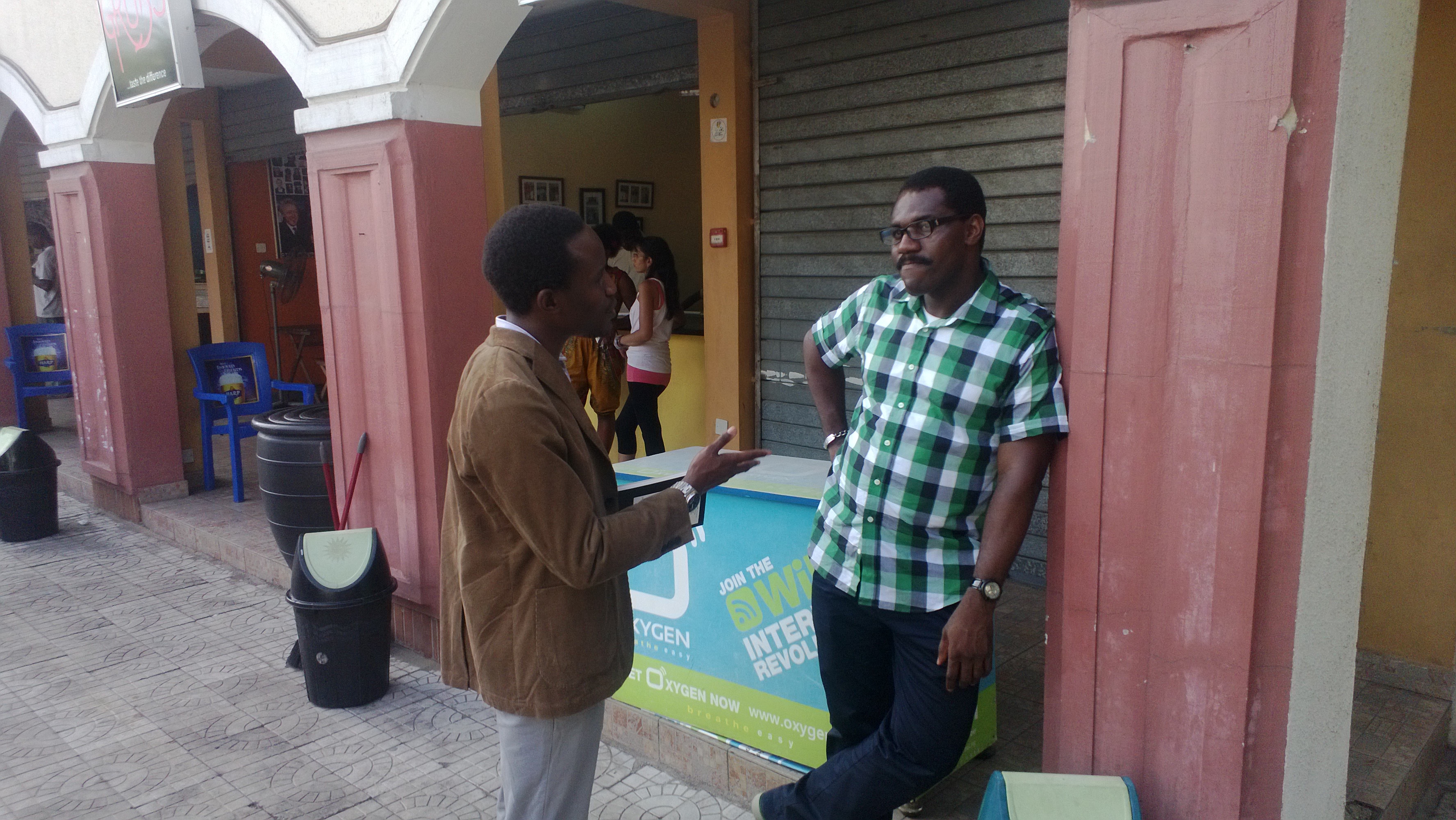
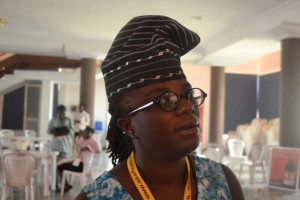
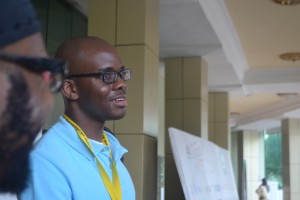
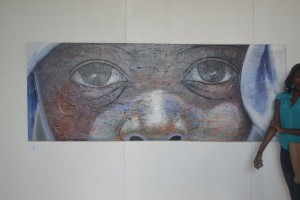
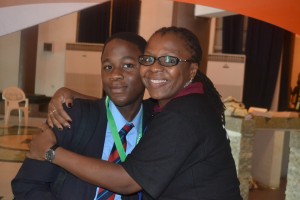
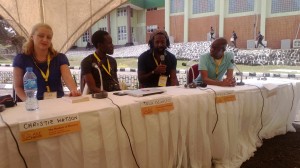
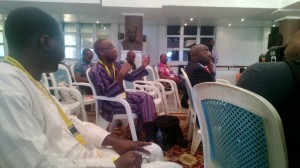
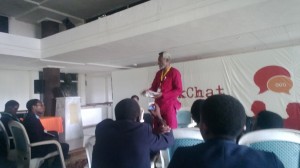
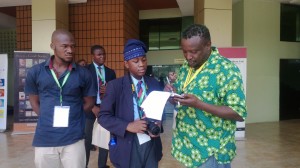
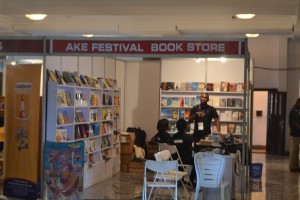
DSC_0034DSC_0063DSC_0046DSC_1178WP_20131122_039WP_20131122_008WP_20131122_015WP_20131122_005WP_20131122_032DSC_0069For the last six days since Tuesday November 19th, writers, artists, book lovers, poets, and a few politicians, have gathered in Abeokuta for the maiden Ake Arts and Book Festival. A brain child of writer and poet Lola Shoneyin, the Festival played host to hundreds (and perhaps thousands) of visitors in the rock-head town, home to Africa’s first Nobel Laureate, Wole Soyinka – himself a presence at the event which took place at the June 12 Cultural Centre, Kuto.

The Festival featured the launching of Wole Soyinka’s play Alapata Apata as well as the command performance of the (Caine Prize-winning Rotimi Babatunde’s) stage adaptation of Lola Shoneyin’s The Secret Lives of Baba Segi’s Wives. There was also a number of “Book Chats” and dialogues with authors, as well as art exhibitions, symposiums, book fairs, one-one-one conversations with Wole Soyinka, poetry reading, among very many others.

Other writers and artists present for the Festival include Chibundu Onuzo (The Spider’s Daughter), Tope Folarin (Winner of the 2012 Caine Prize for African Writing), Peter Akinlabi (notable poet), Teju Cole (Open City), Ikhide Ikheloa (writer and critic), Victor Ehikhamenor (artist, and author of Excuse Me!), Molara Wood (blogger and author of Indigo), Binyavanga Wainaina (One Day I Will Write About This Place), Eghosa Imasuen (Fine Boys), Ayodele Morocco-Clarke, Igoni Barrett, Christie Watson, Remi Raji, Marlon James, Pelu Awofeso, Tolu Ogunlesi, Toni Kan, Ayodele Olofintuade, Chuma Nwokolo, Kunle Ajibade, among very many others. There was also the governor of Ekiti State, Kayode Fayemi and the Commisioner of Health in Ogun State, Dr. Olaokun Soyinka.

Pictures courtesy of KT and Tamilore Ogunbanjo
Writer Things at the Freedom Park

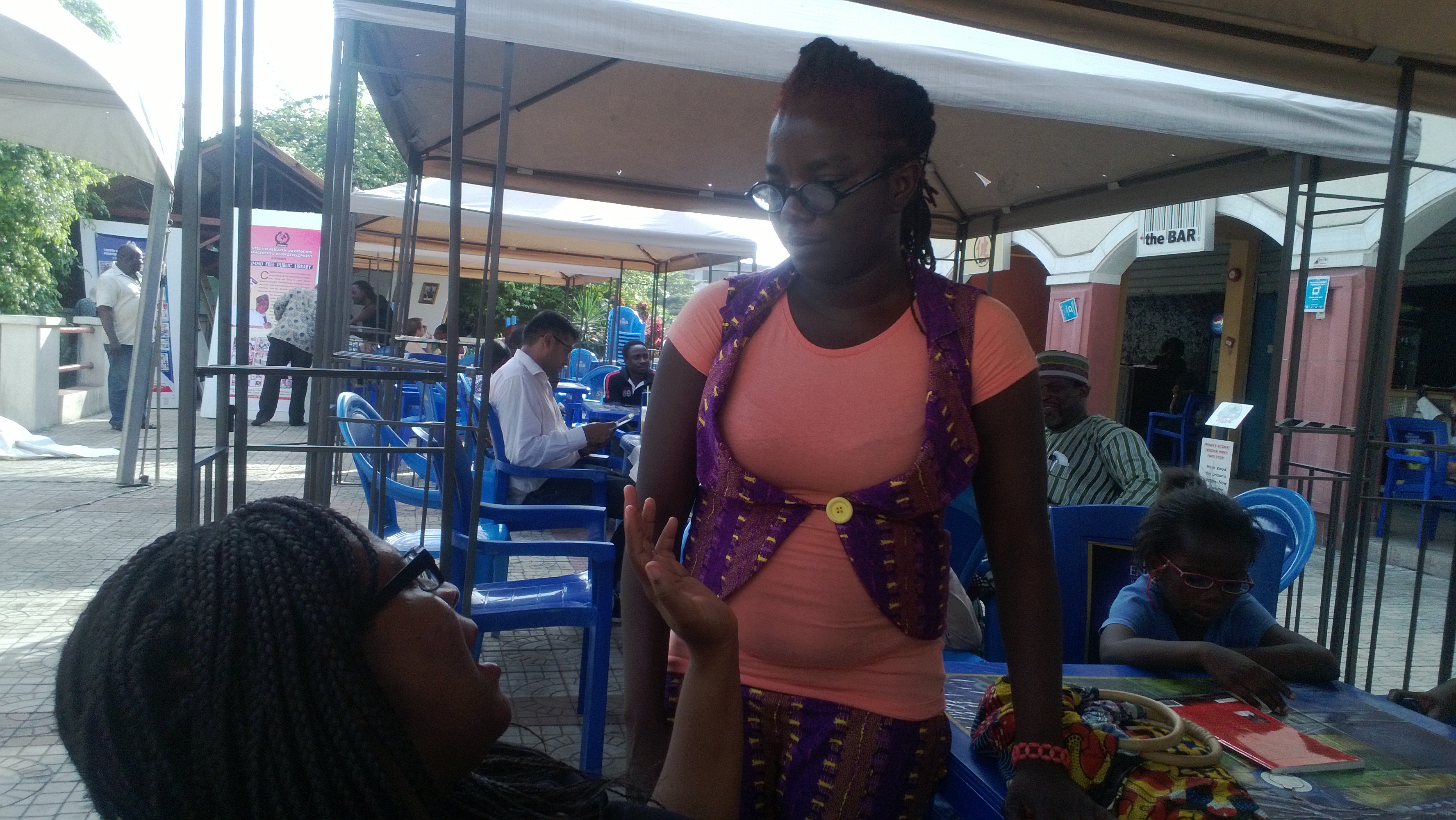
WP_20131116_017WP_20131116_024WP_20131116_026WP_20131116_021The Lagos Arts and Book Festival (LABAF) has come and gone, occupying the spaces of the (now named) Freedom Park on Broad Street. The annual event organized by the Committee for Relevant Arts (CORA) took place between 15th and 17th November, and it featured a number of art-related activities from “Art Stampede” to “Book Trek”, “Jazz Nite”, “Writers’ Seminar”, “Musical Concert”, “Visual Art Exhibition”, among others.

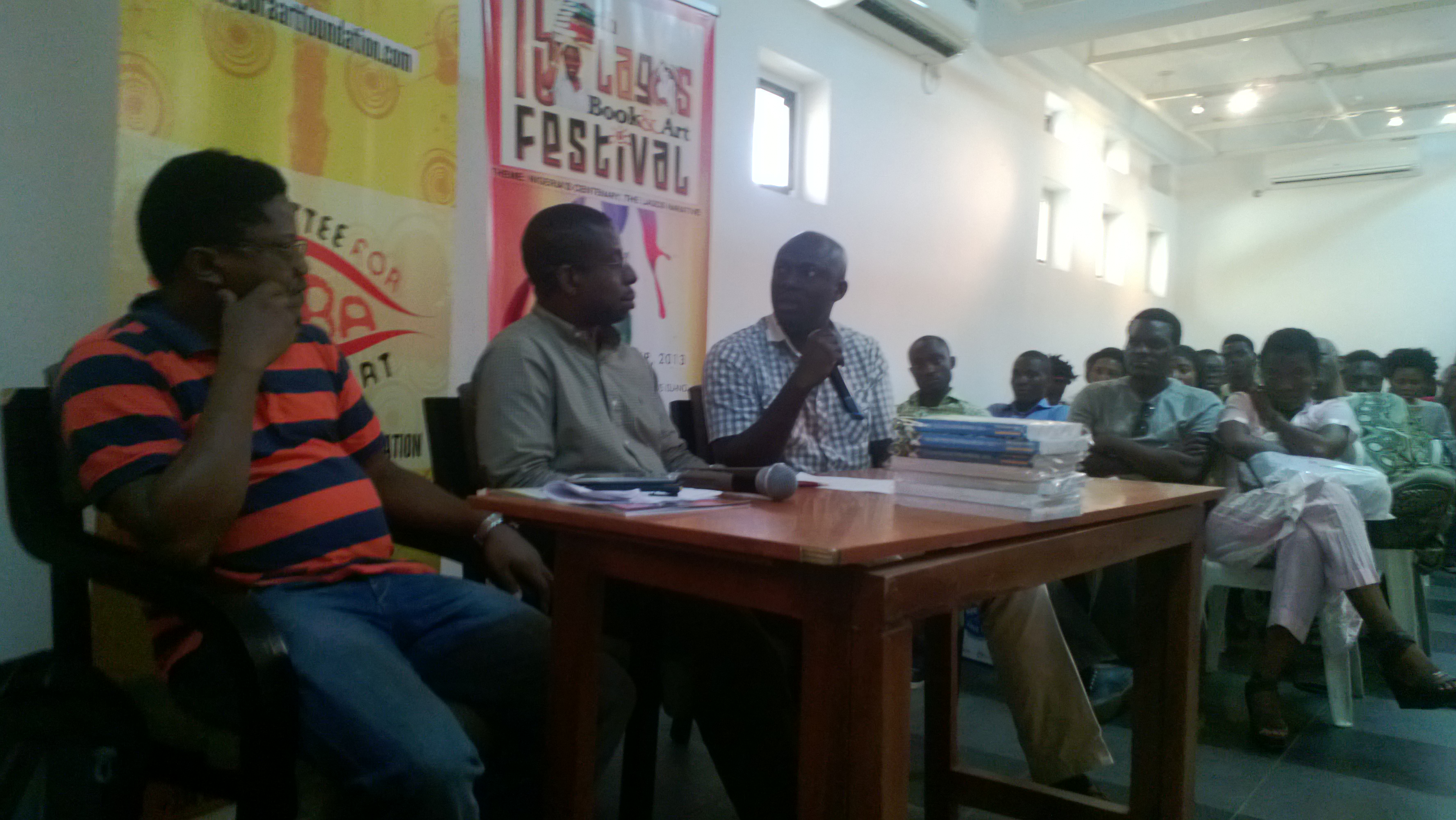
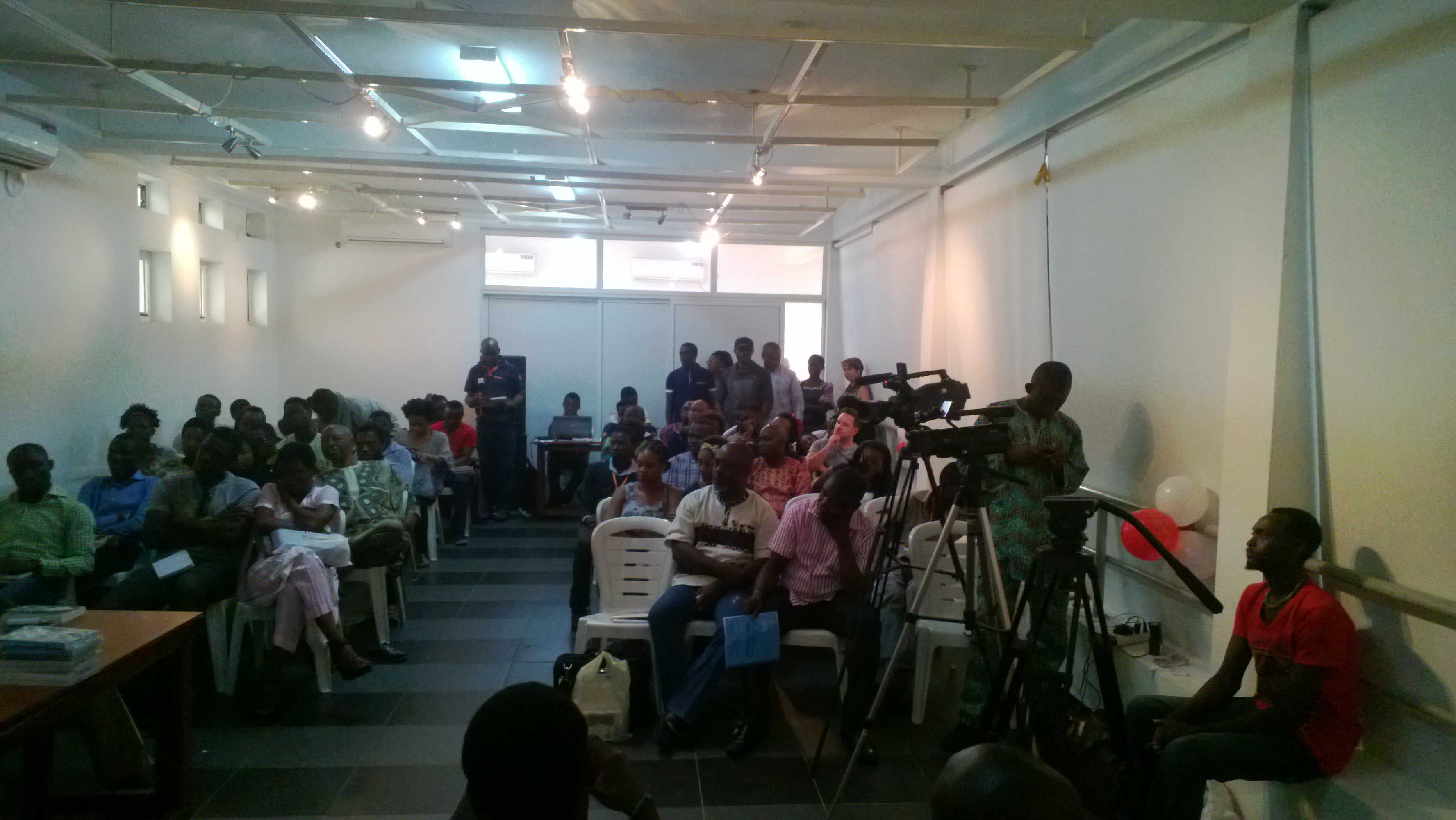
I attended one day of the events on Saturday, which featured a colloquium/workship titled the Caine Prize for Nigerian Writing. It featured discussions by Caine Prize Winner Rotimi Babatunde and Caine Prize Nominee/Finalist Elnathan John. The session was moderated by James Baldwin lookalike Ogaga Ifowodo. Conversation ranged from the influence of foreign money in African literature prizes (with Elnathan taking the position that the source and stature of foreign prizes inadvertently condition the nature and content of African stories, and Rotimi arguing that the effect is negligent, or at best an equally important addition to the dialogue and the medium of storytelling). to the influence of the Caine Prize itself on today’s writing, especially its influence on breeding more fiction than poetry writers.

WP_20131116_032WP_20131116_034WP_20131116_030WP_20131116_013WP_20131116_014The Freedom Park where the events took place used to be a colonial minimum-security prison which housed famous inmates like Chief Obafemi Awolowo, Sir Herbert Macaulay, Alhaji Lateef  Jakande, and Chief Anthony Enahoro at some point or the other. It also housed Esther Johnson, arguably its most (in)famous death-row inmate, sentenced to death in 1956 for the murder of her British husband who she stabbed with a pair of scissors in throes of a jealous passion. (More about her here). It has now been turned into a multi-purpose art venue with a serene environment for intellectual exchange. On Saturday however, it was a lively village of countless creative heads.

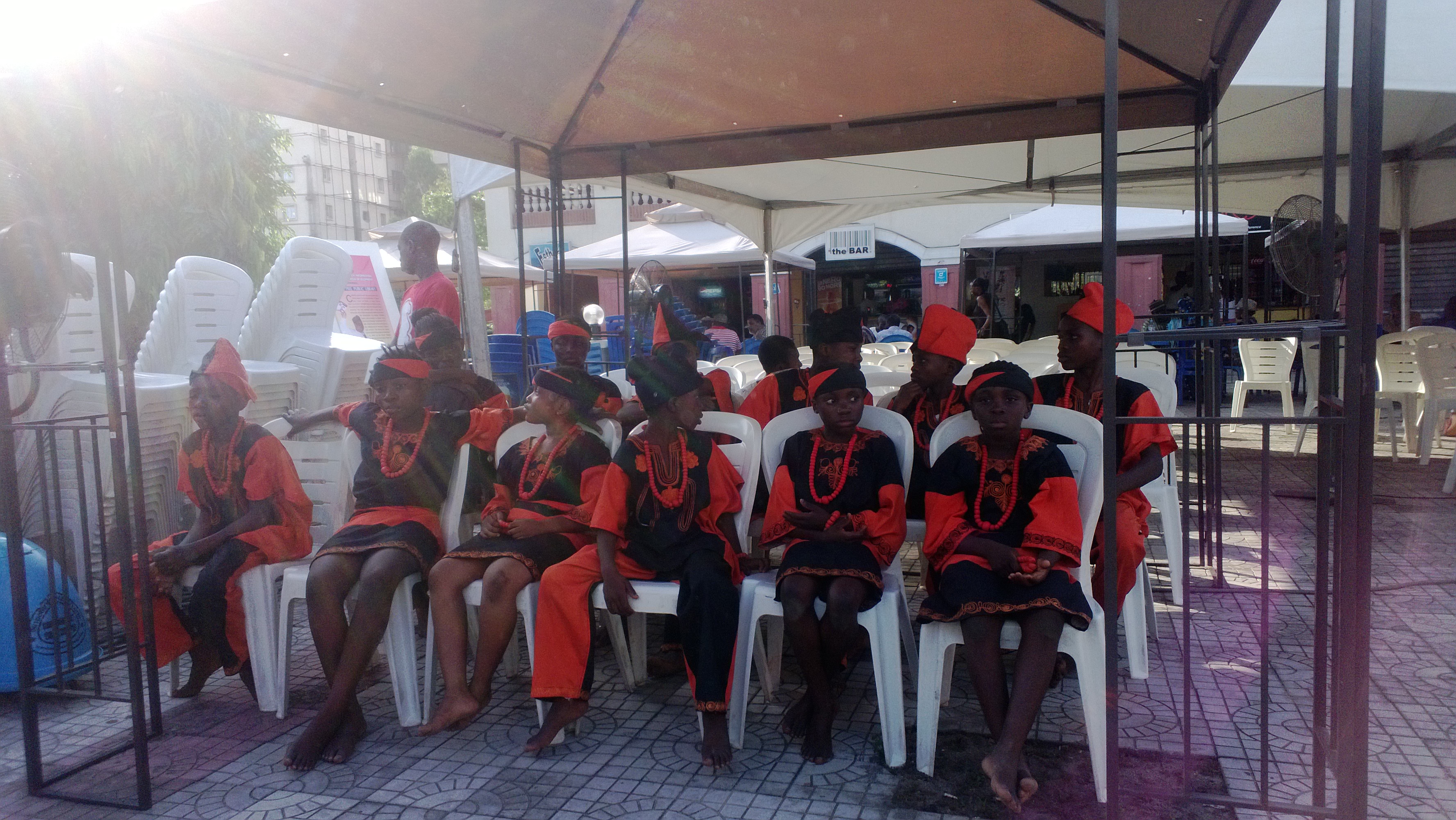
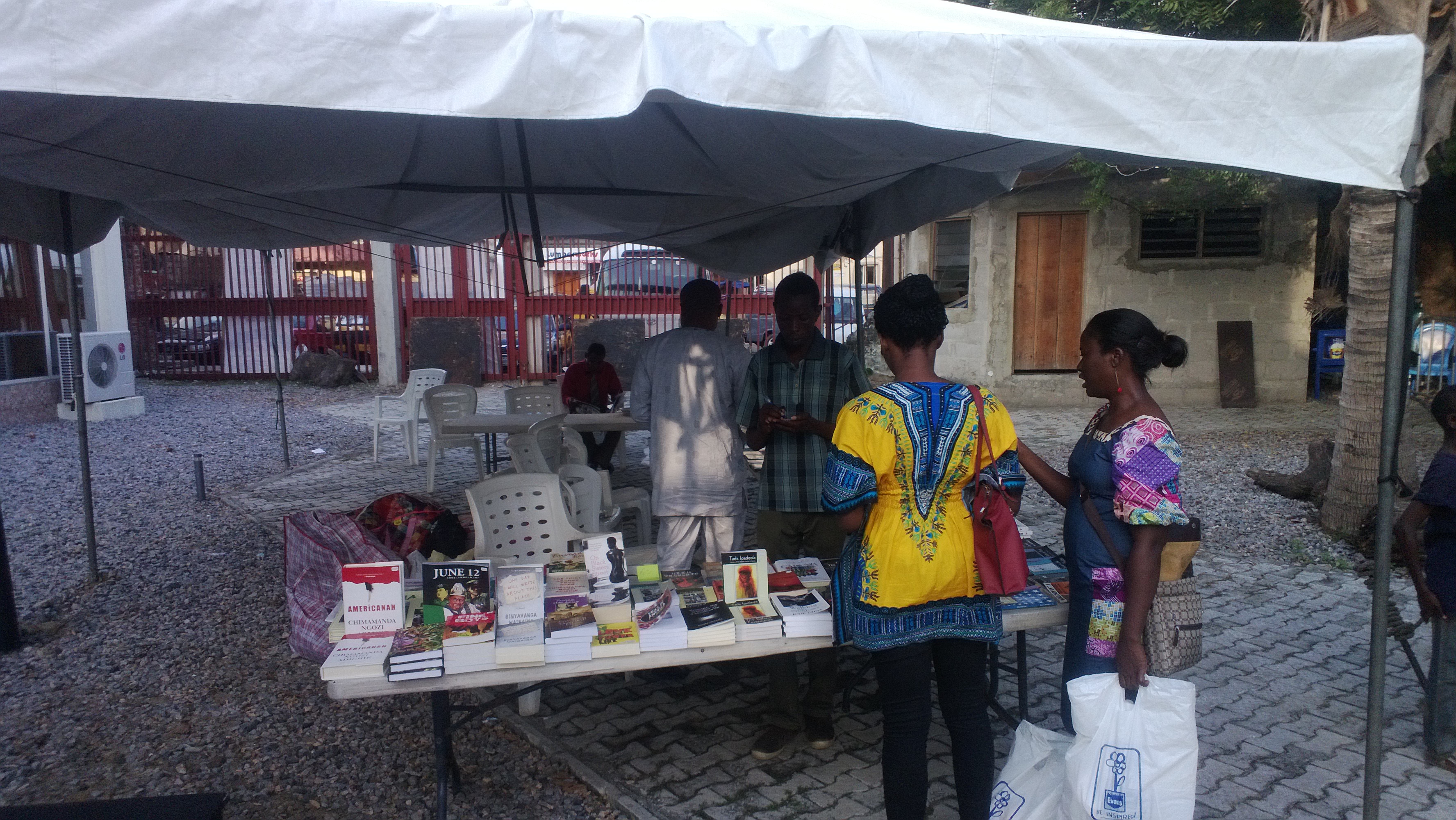
Guests at the Saturday event included writers and artists of various stripes, among whom were Victor Ehikhamenor, Ayodele Olofintuade, Pearl Osibu, Tade Ipadeola, Biyi Olasope, Toni Kan, Tolu Ogunlesi, Jumoke Verissimo, Molara Wood (author of the newly-released and critically acclaimed Indigo, a collection of short stories), Jahman Anikulapo (of CORA), Sylva Nze Ifedigbo among many others. There was music, drumming and dancing, and stage performances by a group of young children. There was also an exhibition of books and arts, with this blogger being able to buy a few – one of which was Teju Cole’s Everyday is for the Thief.

Barrett and Wainaina in Lagos

PRESS RELEASE —

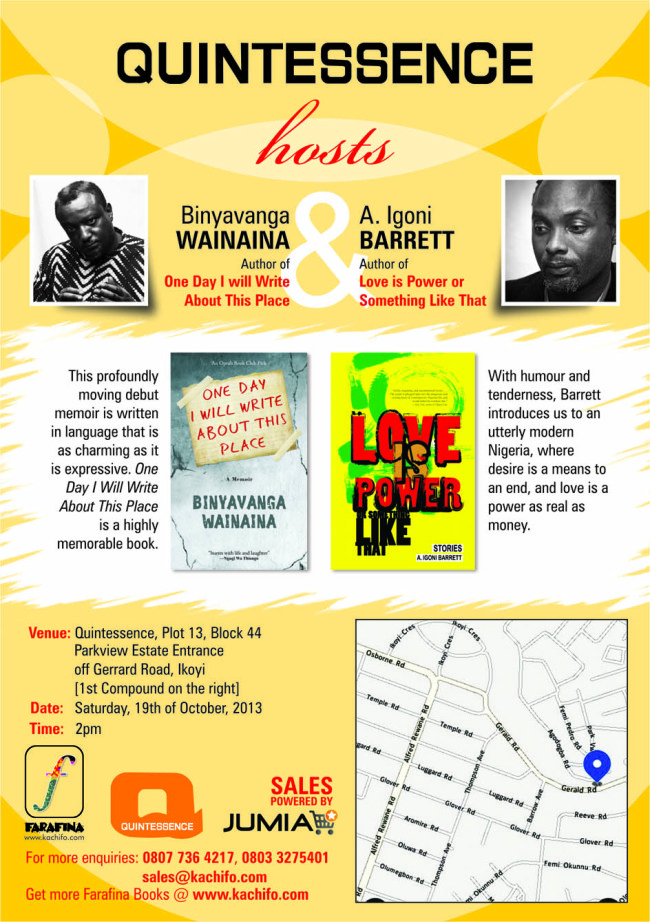
Twitter09e4c13_jpgQuintessence will, on Saturday the 19th of October, host the first readings of the Nigerian editions of critically acclaimed books by two authors.

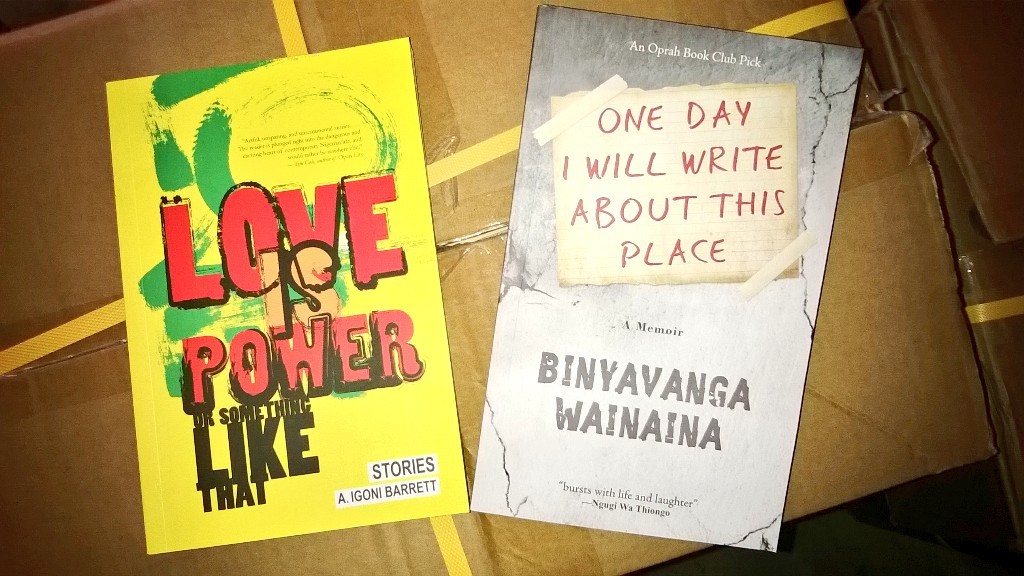
book-reading-quintessenceIgoni Barrett’s Love is Power, or Something Like That has been described as “Something alive, like that,” by none other than Nadine Gordimer. In this, his second collection of short stories, Igoni, with humour and tenderness, introduces us to an utterly modern Nigeria, where desire is a means to an end, and love is a power as real as money.

Binyavanga Wainaina, storyteller, essayist, and force of nature, won the Caine Prize in 2002 for his short story cum essay Discovering Home. This brilliant story has now been fleshed out into the incredible memoir of life lived, and home found, One Day I Will Write About This Place.

At 2 pm on Saturday 19 October 2013, Farafina presents the Nigerian editions of both books at the event of the year: Igoni and Binyavanga under one roof. We hope you can attend this double-billed reading, which will hold at Quintessence, Plot 13, Block 44 Parkview Estate Entrance, off Gerrard Road, Ikoyi. This links to the a blog post with further details of the event is here.

Fagunwa Meets Adichie

Daniel O. Fagunwa (foremost Yoruba novelist) to Chimamanda N. Adichie (contemporary novelist):

Let me leave you with a prophecy. After all, what sort of ghost would I be if I didn’t say something profound about the future? Here it goes:

‘The great African novel will come. But it will not come from writers who insist on writing stories that mirror an African reality that they have reduced to a set of social issues. It will not come from the Afropolitan generation who mistake affluence for worldliness. It will not come from realism because Africans do not like the cannibalism of being fed repacked versions of their own lives. It will come from a mind that understands what the people want, their deepest darkest fears, the archetypes that shape their dreams, the past they’ve placed beyond memory and that has for that reason become their future, their delirious present, their sadness and their fantasy. A mind that imagines a story that is an alchemy of all these, that creates out of these something strange and beautiful, something that Africans understand whether the rest of the world gets it or not, a story that Africans can hold up as a mystery that dissolves their differences. That mind is the African writer to come, the messiah that, like other messiahs, “will only arrive when we no longer need him.”’

Read the rest of the stimulating fictional metadrama here. (via Brittle Paper)