Browsing the archives for the Fun category.

BookJam At Silverbird

“The BookJam @ Silverbird” is a monthly event that consists of book readings, discussions, musical performances, poetry recitals, book signings and a raffle draw.
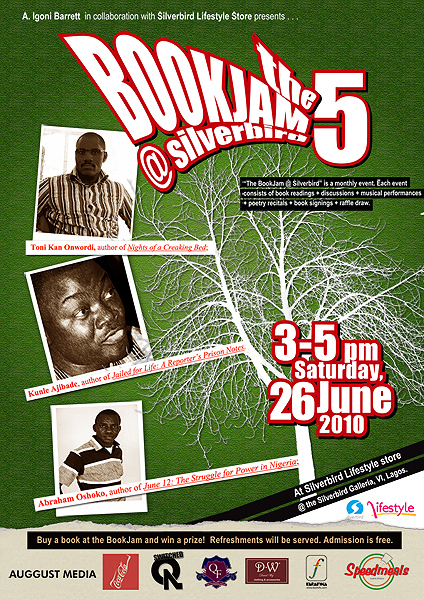
The BookJam is hosted by A. Igoni Barrett and the Silverbird Lifestyle store.

The 5th edition of “The BookJam @ Silverbird” will hold between 3 to 5 pm on Saturday 26 June, 2010 at the Silverbird Lifestyle store, Silverbird Galleria, Victoria Island, Lagos.

The guest writers are:

  • Toni Kan Onwordi, author of Nights of the Creaking Bed;
  • Abraham Oshoko, author of June 12: The Struggle for Power in Nigeria;
  • Kunle Ajibade, author of Jailed for Life: A Reporter’s Prison Notes.

Admission to the BookJam is free. Members of the audience who purchase books during the event stand a chance to win a special prize in a raffle draw.

For more information send an email to auggustmedia@gmail.com.
New World Cup Words

For those following this blog and the World Cup 2010 going on in South Africa, the following might come in handy. New words…

1. “Kaitastrophy” (as seen on Facebook): Derived from the name of the Nigerian player who got the team’s first red card due to a misbehaviour. Usage: “What a kaitastrophy!” or “What a kaitastrophic performance/act.”

2. “KTravuzela” or “KTravuvuzela” or “Travuzela” (coined): A musical instrument almost like the horn used for celebration and jubilation. It is more musical and less noisy as the South African vuvuzela. The problem is, it is in short supply, and can only be blown around the Traveller. Usage: “Would you like to blow my KTravuvuzela?” There are usually no double entendres intended.

PS: The Nigerian team is not out yet, so I bet there will me more opportunities to make up more words as the game progresses. Go Mexico. Go USA! Go Nigeria.

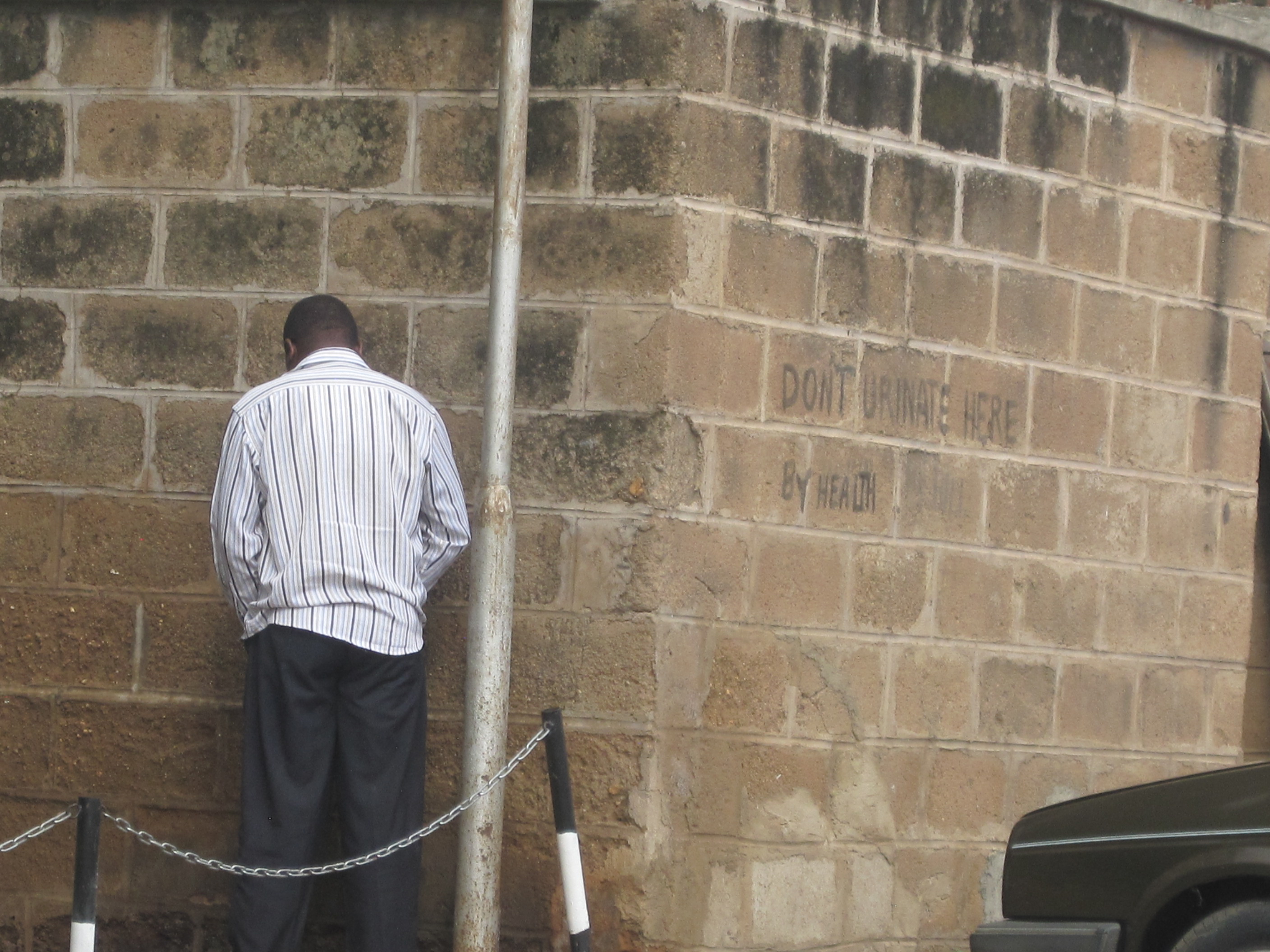
Candid

Seen at UCH, Ibadan.

The inscription on the wall beside the man reads “Don’t Urinate Here…”

Badagry

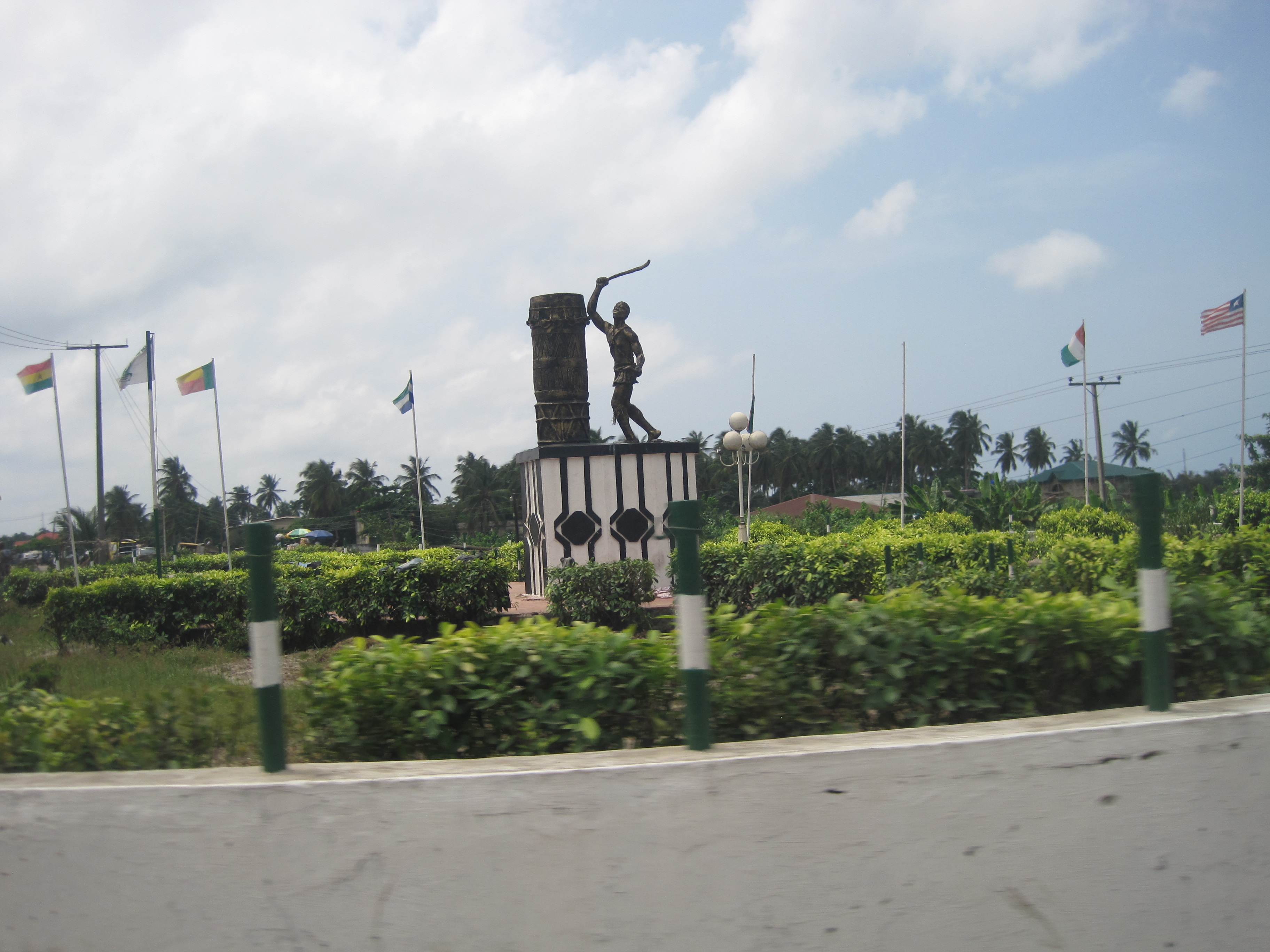
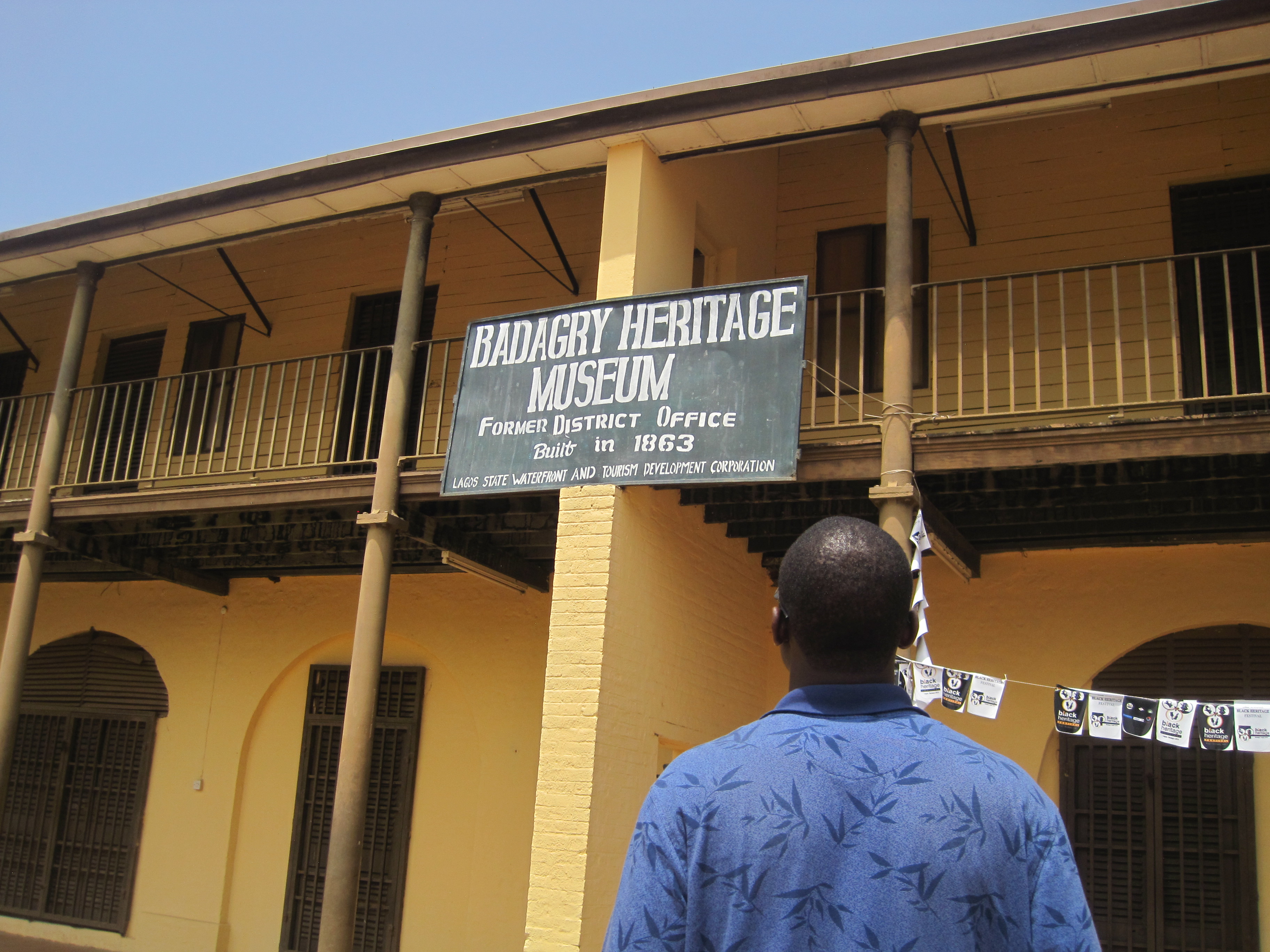
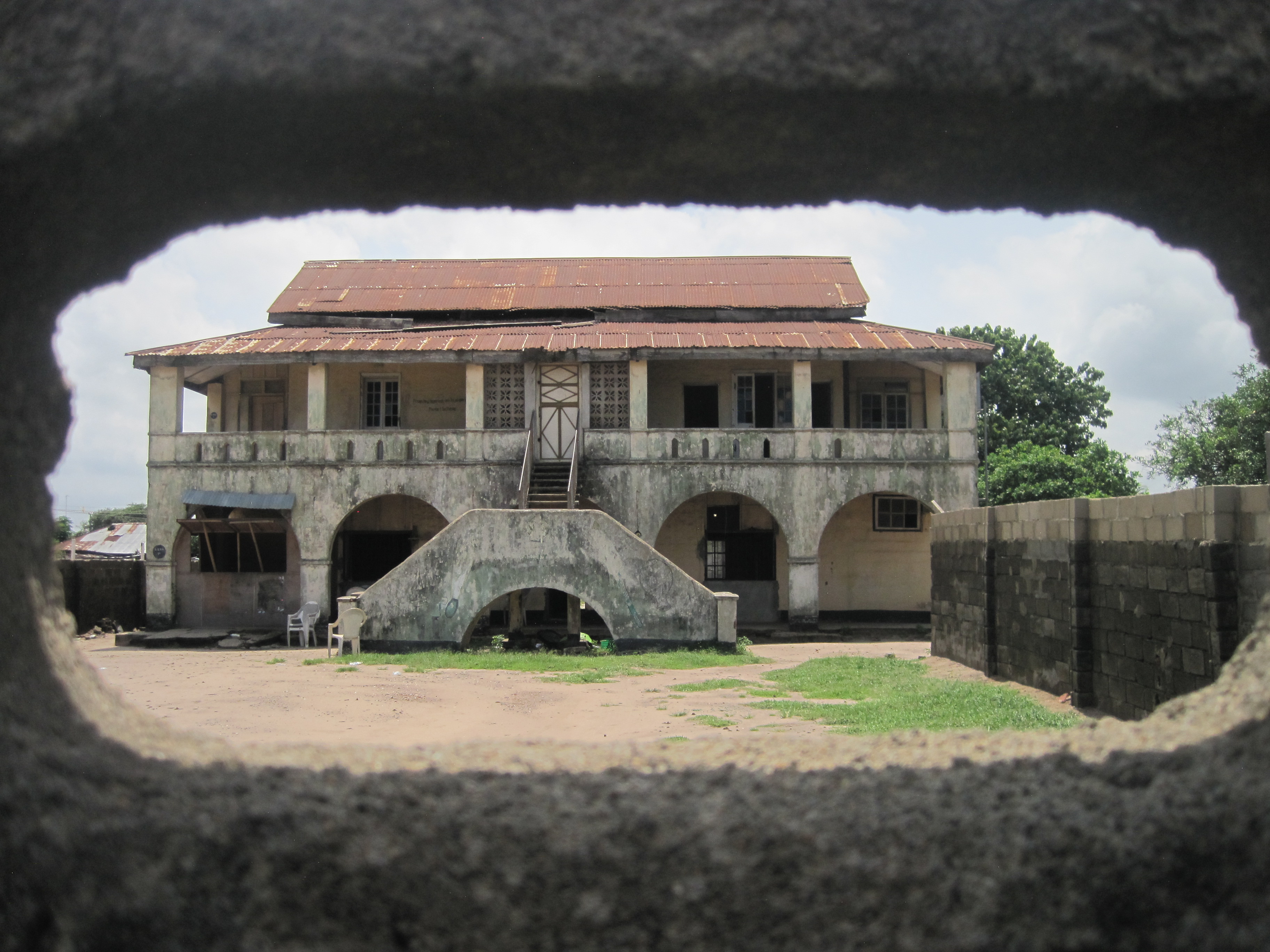
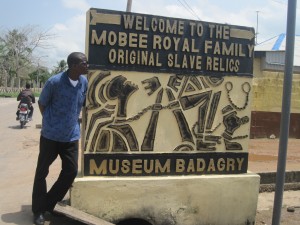
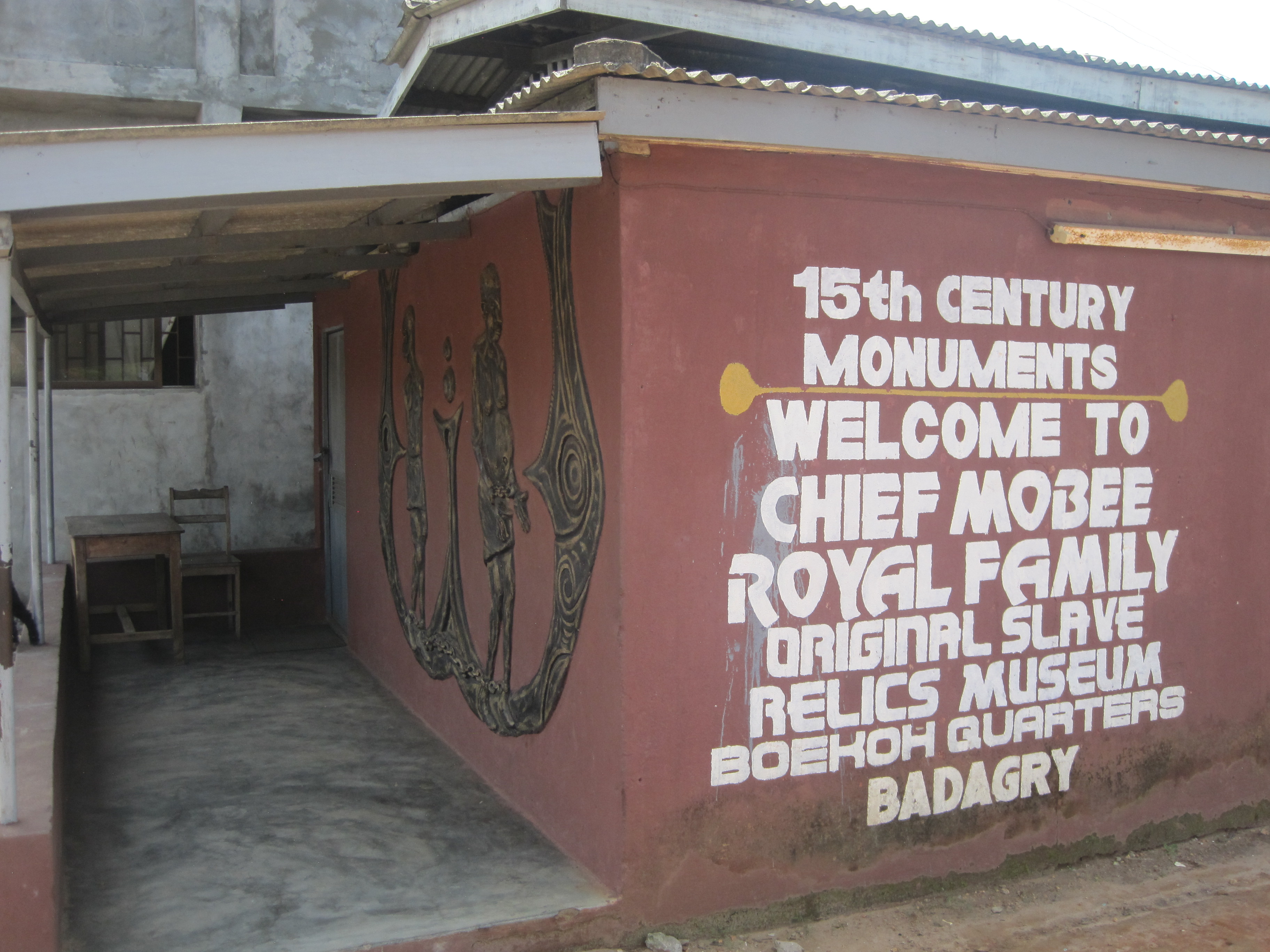
The First Storey Building in NigeriaBeginning my promised trip to yet undiscovered places in Nigeria, I took a long overdue trip to the slave town of Badagry on Sunday in company of a friend. It was an educative and enlightening experience that took us to the first storey building in Nigeria where the bible was first translated, the house in which the Amalgamation of Northern and Southern Nigeria was signed, and a house now used as the Badagry Heritage Museum that was built in 1863.

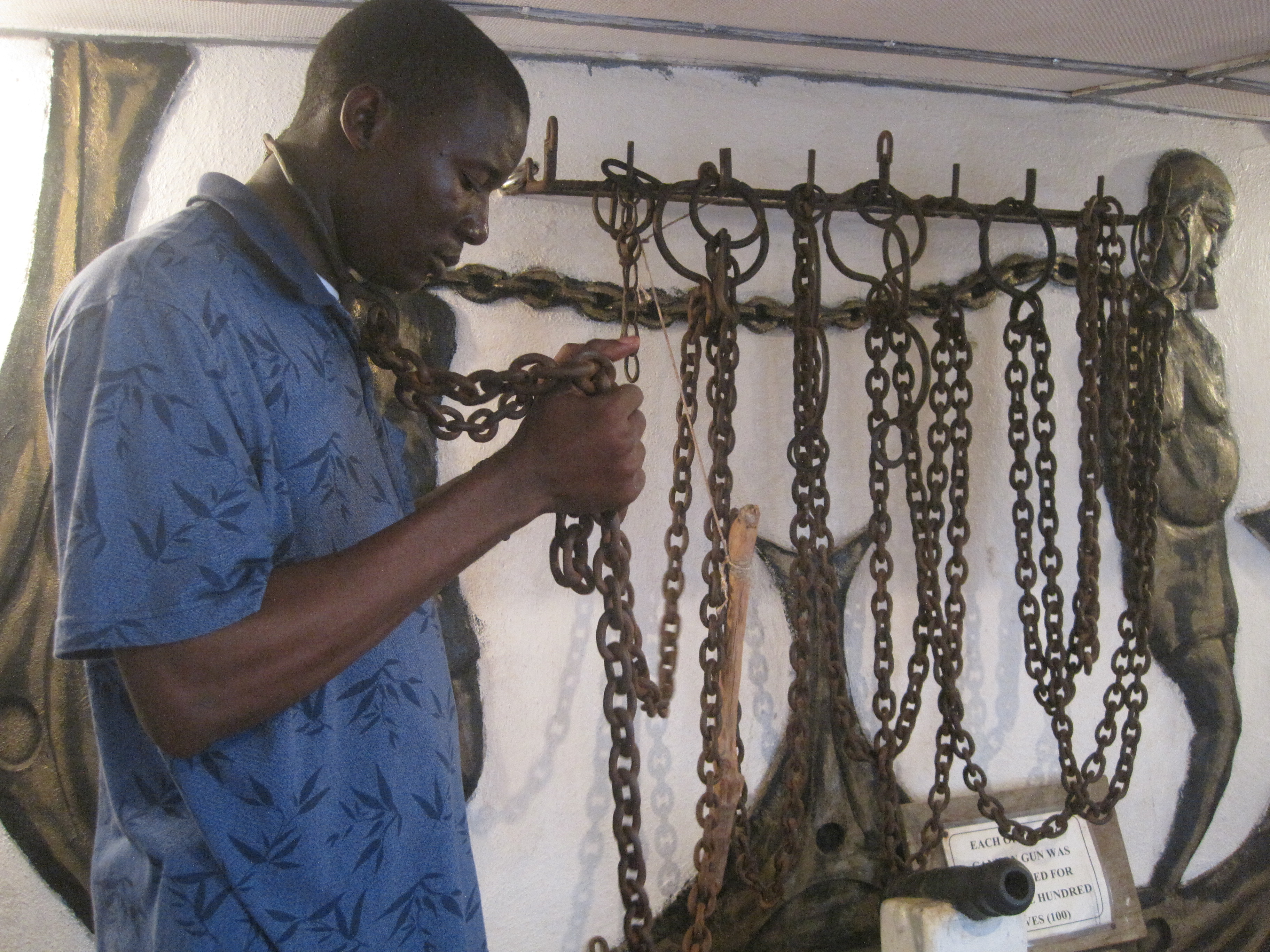
We also saw the slave relics, and I got to try on some of the chains and manacles – a very moving experience. Then we saw the Brazilian baracoons where the slaves were kept before being shipped, and we saw the grave sites of the many influential figures in the slave trade. Then we went to the lagoon front and enjoyed the breeze while pondering history.

Enjoy these few pictures from the experience while I write a more detailed  report. I’ll put up more pictures when I have the time.

Photos by Liz Ughoro

Food, For Clarissa.

My initial plan was to not only put up pictures of food, but to write a recipe of making them as well. Now, the temptation is just to give you the pictures, and send the recipes later. Or how about I just tell you their names first, and we deal with the making them later?

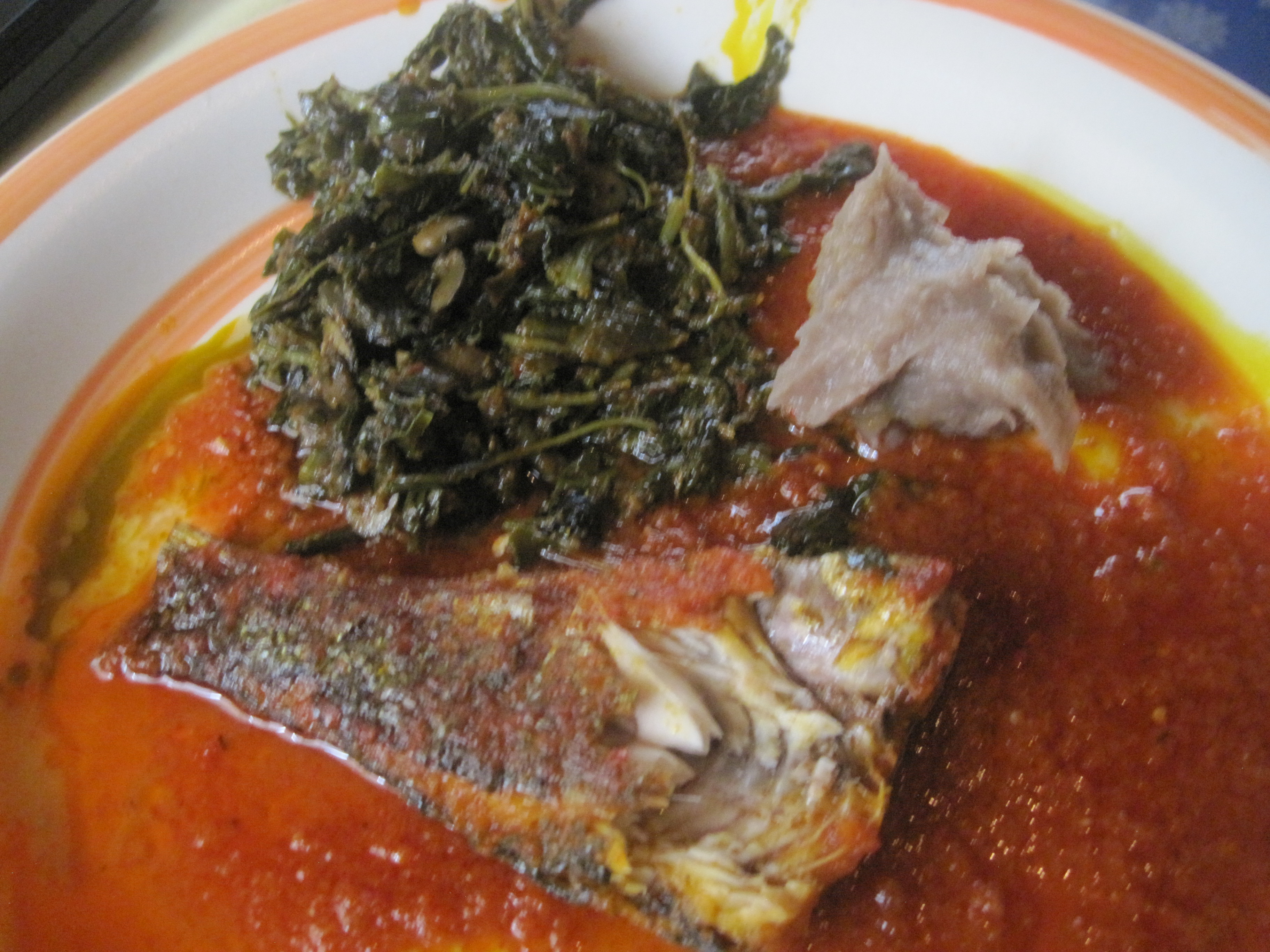
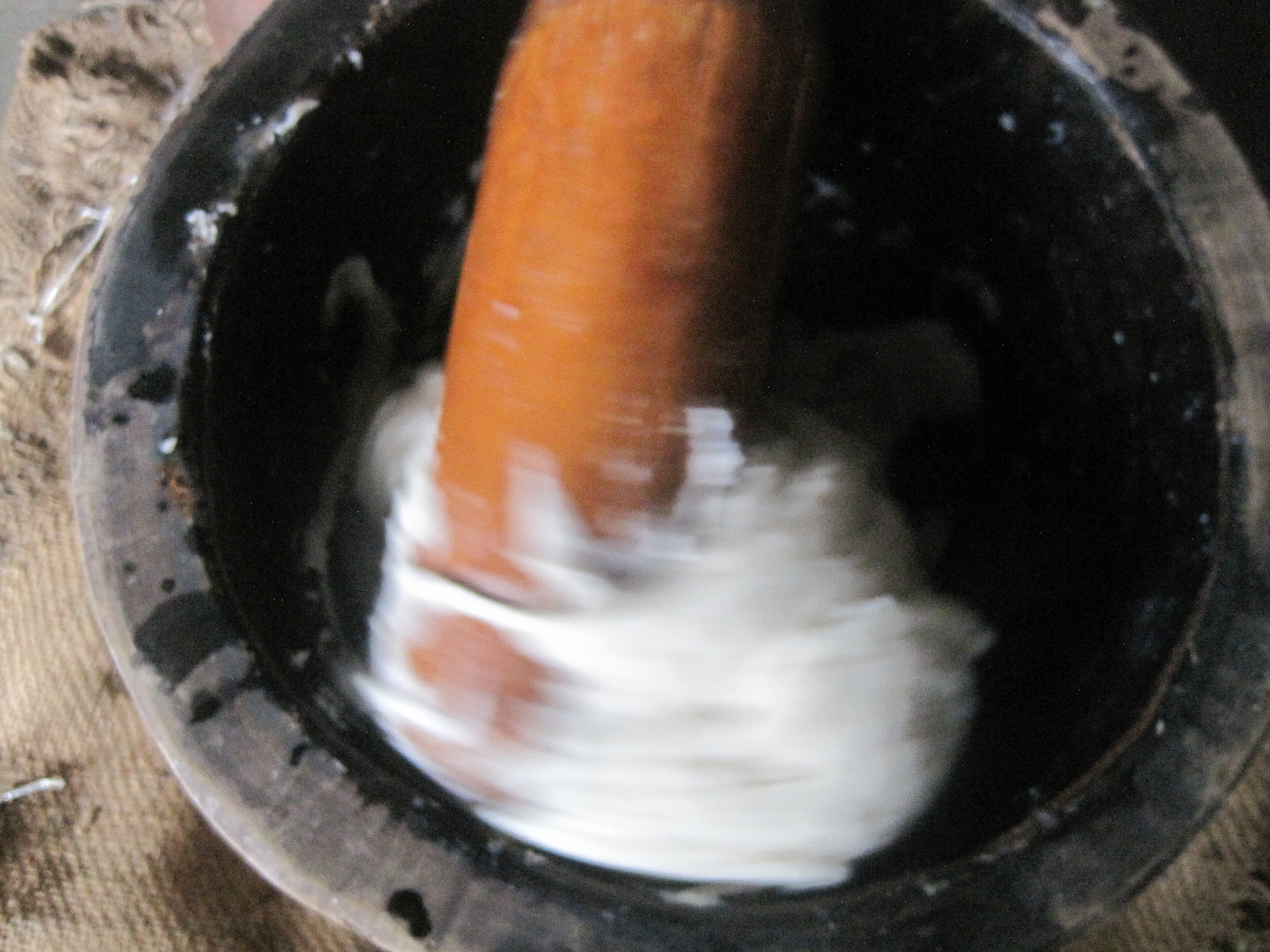
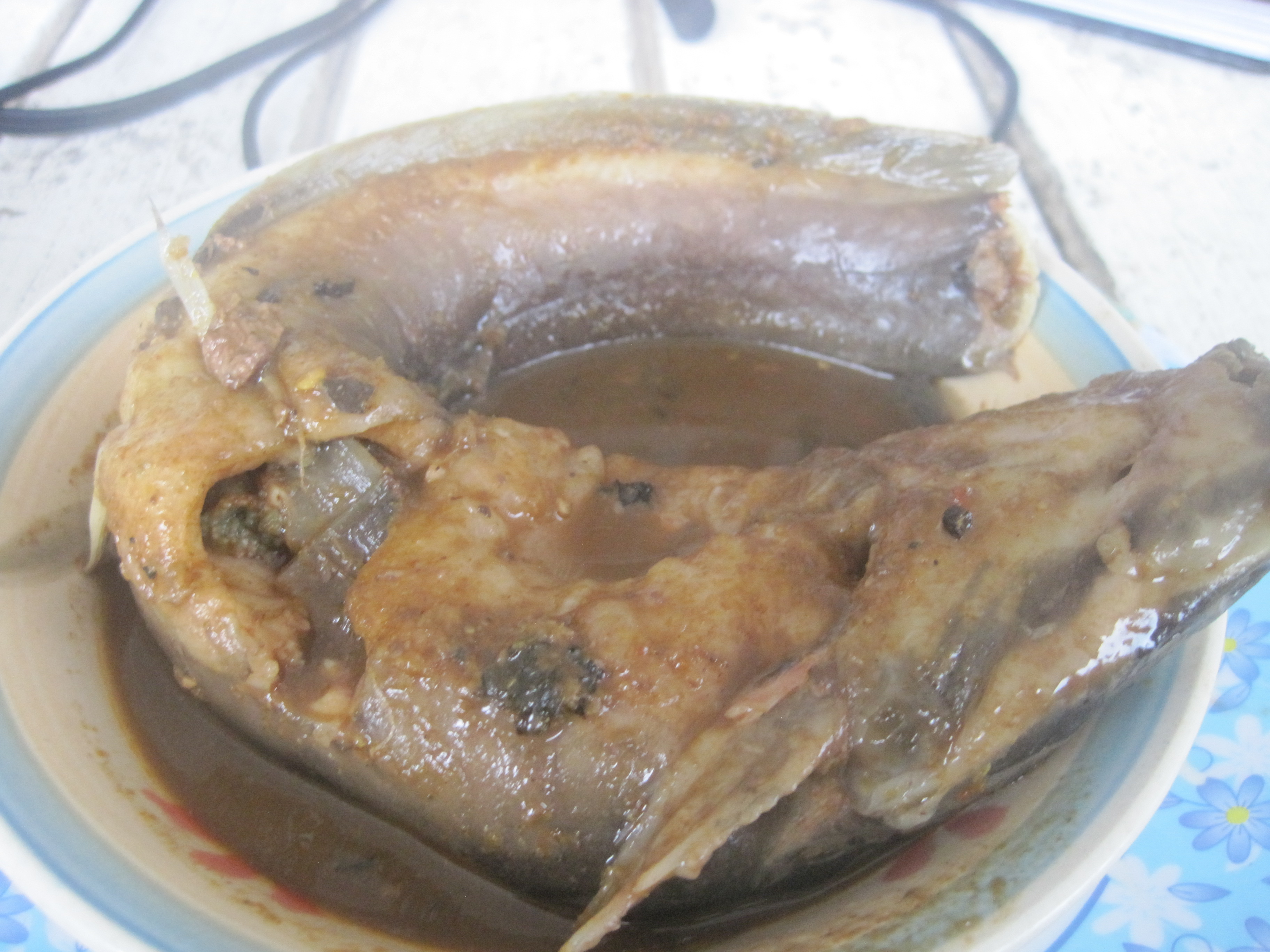
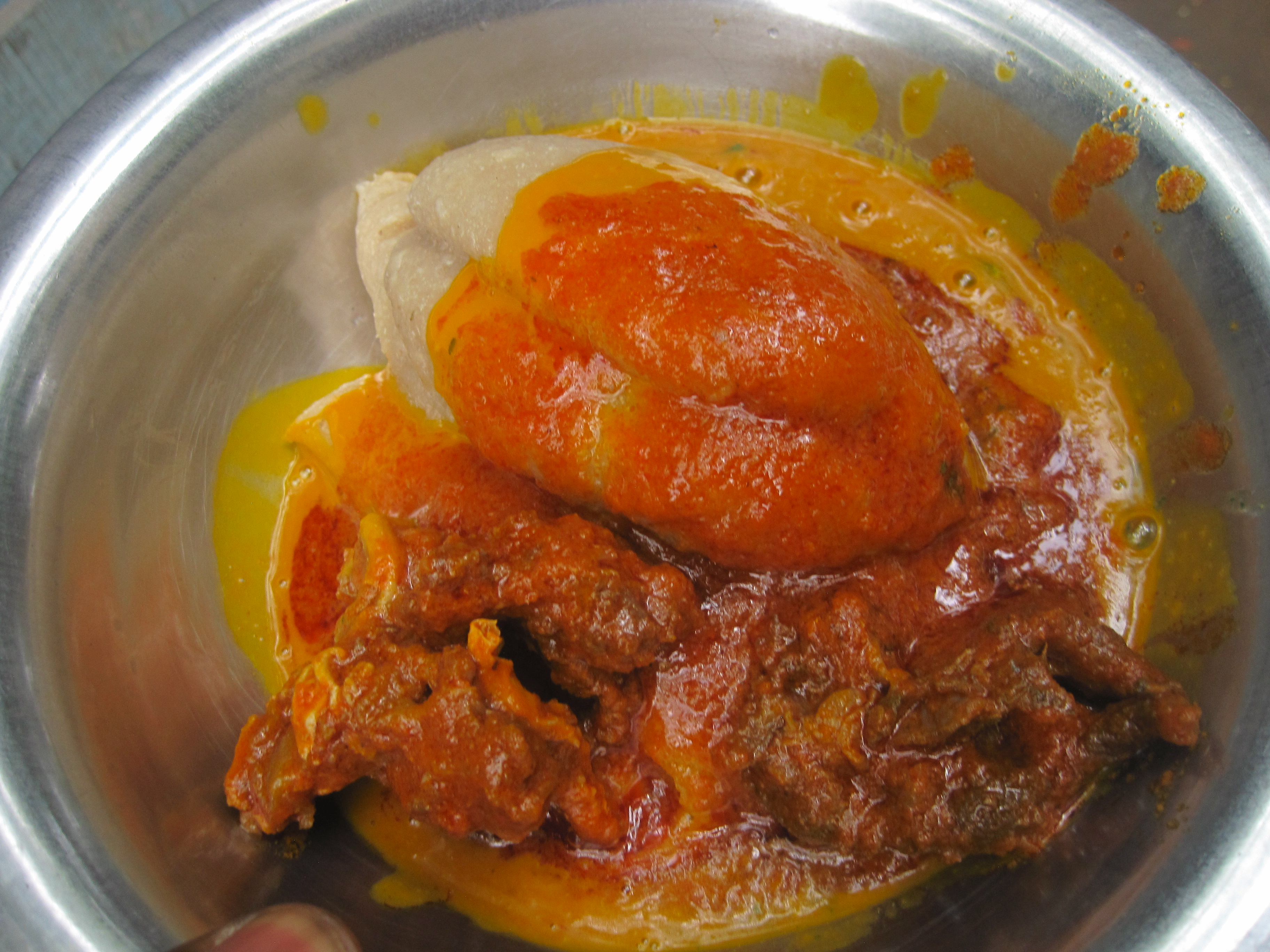
From the top, clockwise, we have:

1. Fried fish, with cooked (salted) spinach and locust beans, and a morsel of amala. This kind of amala is made from yam powder.

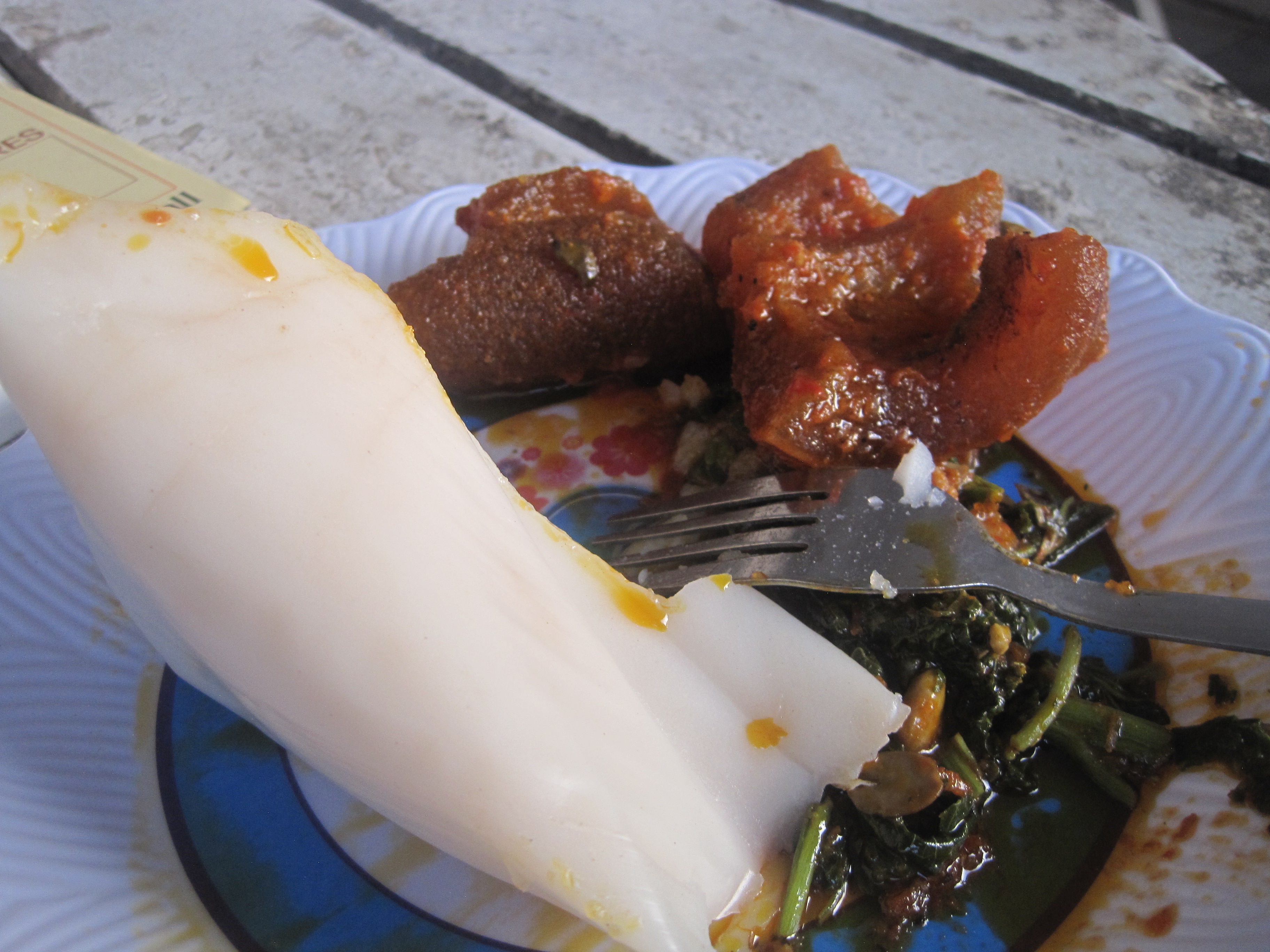
2. Eko (the white solid paste) made from corn, ponmo (from cow skin), and some more cooked spinach.

3. Catfish in peppersoup.

4. Pounded yam in the making. (You peel the yam, cook it without salt, and pound it until fine and doughy, then eat with any soup or vegetable of choice.)

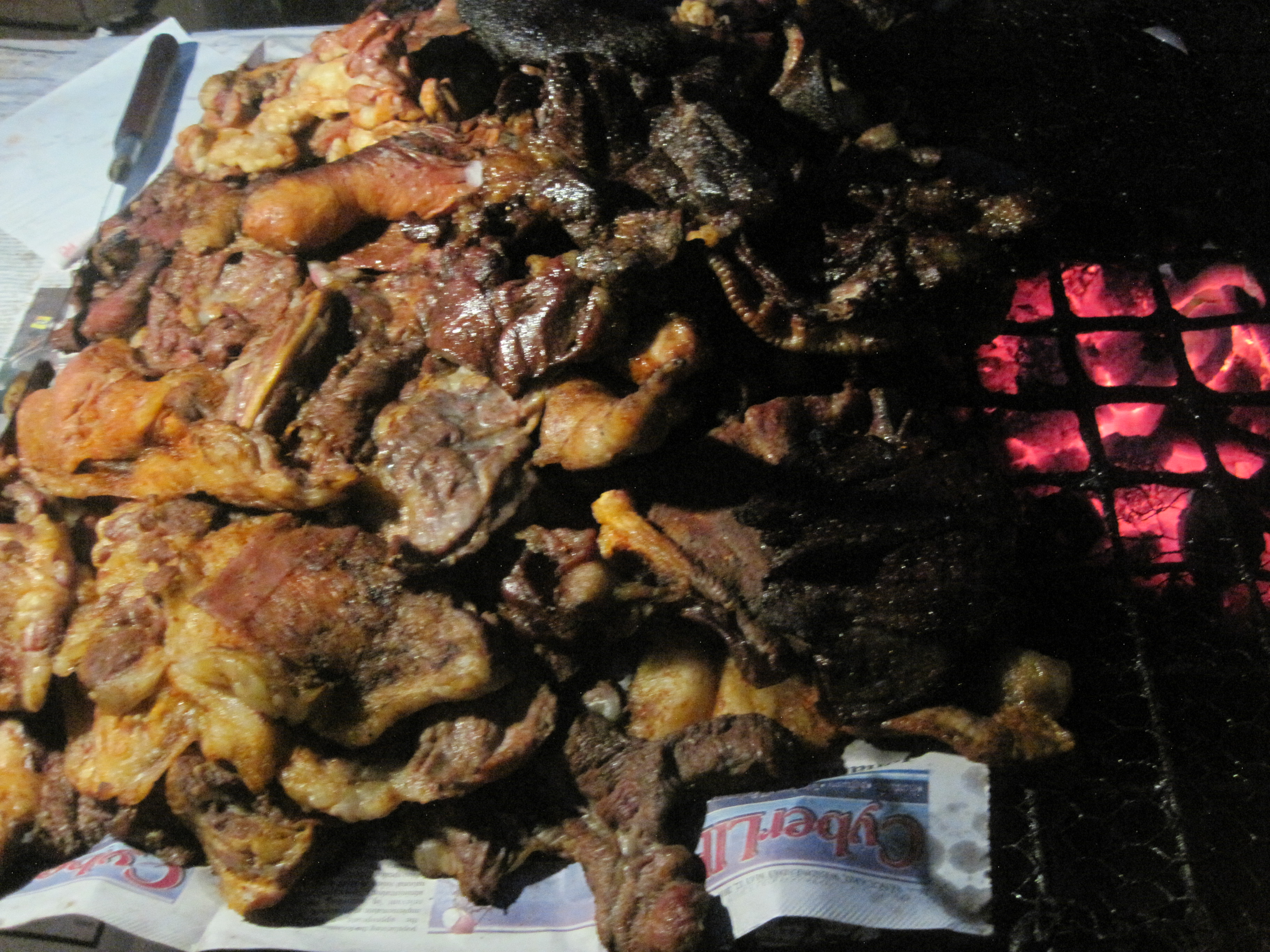
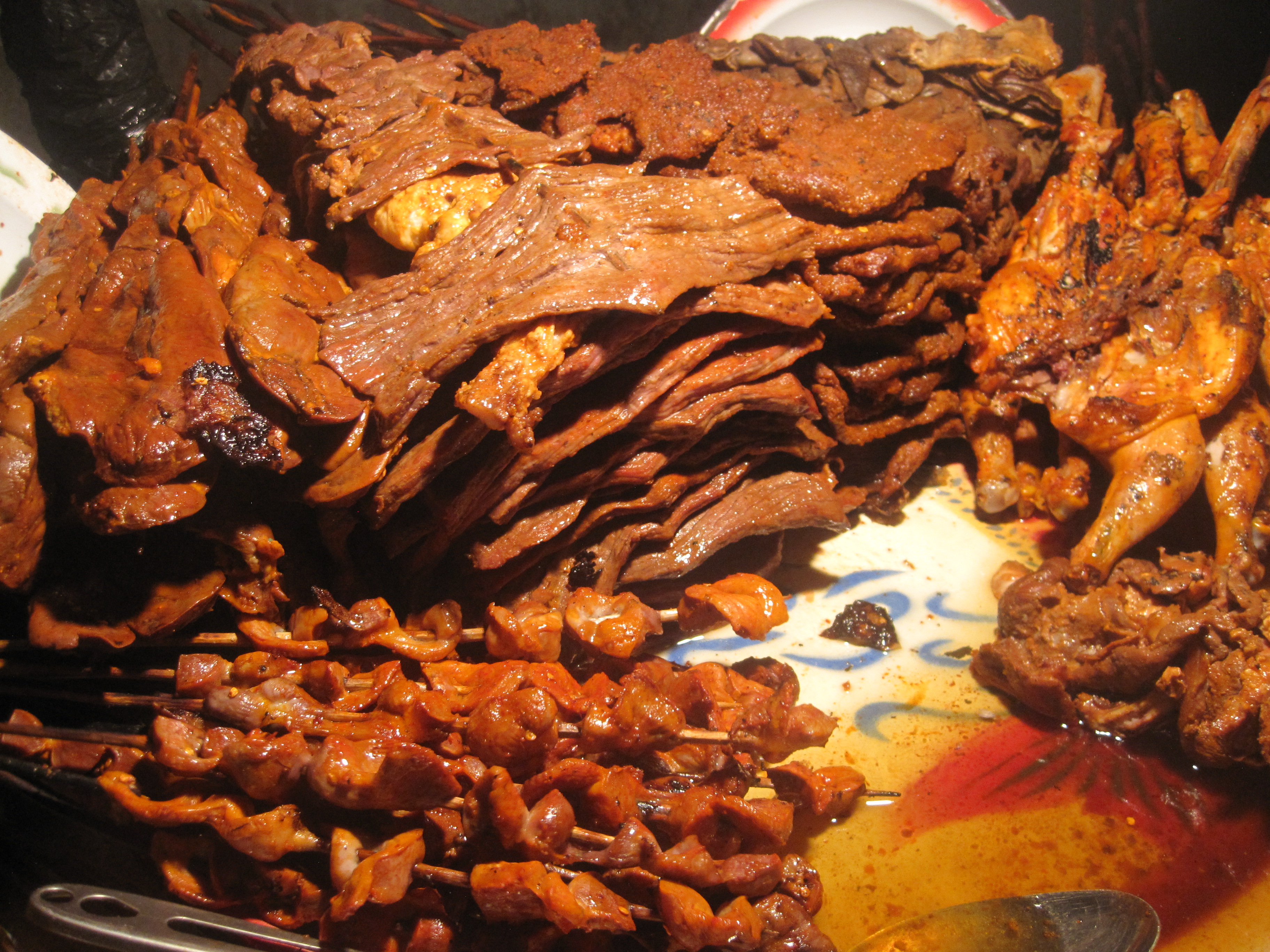
5. Suya. This is a typically Nigerian delicacy. It is cow meat roasted on an open fire with plenty spices, and eaten with cabbages, onions and some more spices.

6. White amala (made from cassava flour) in black-eyed peas soup (also called gbegiri), pepper sauce, and some beef.

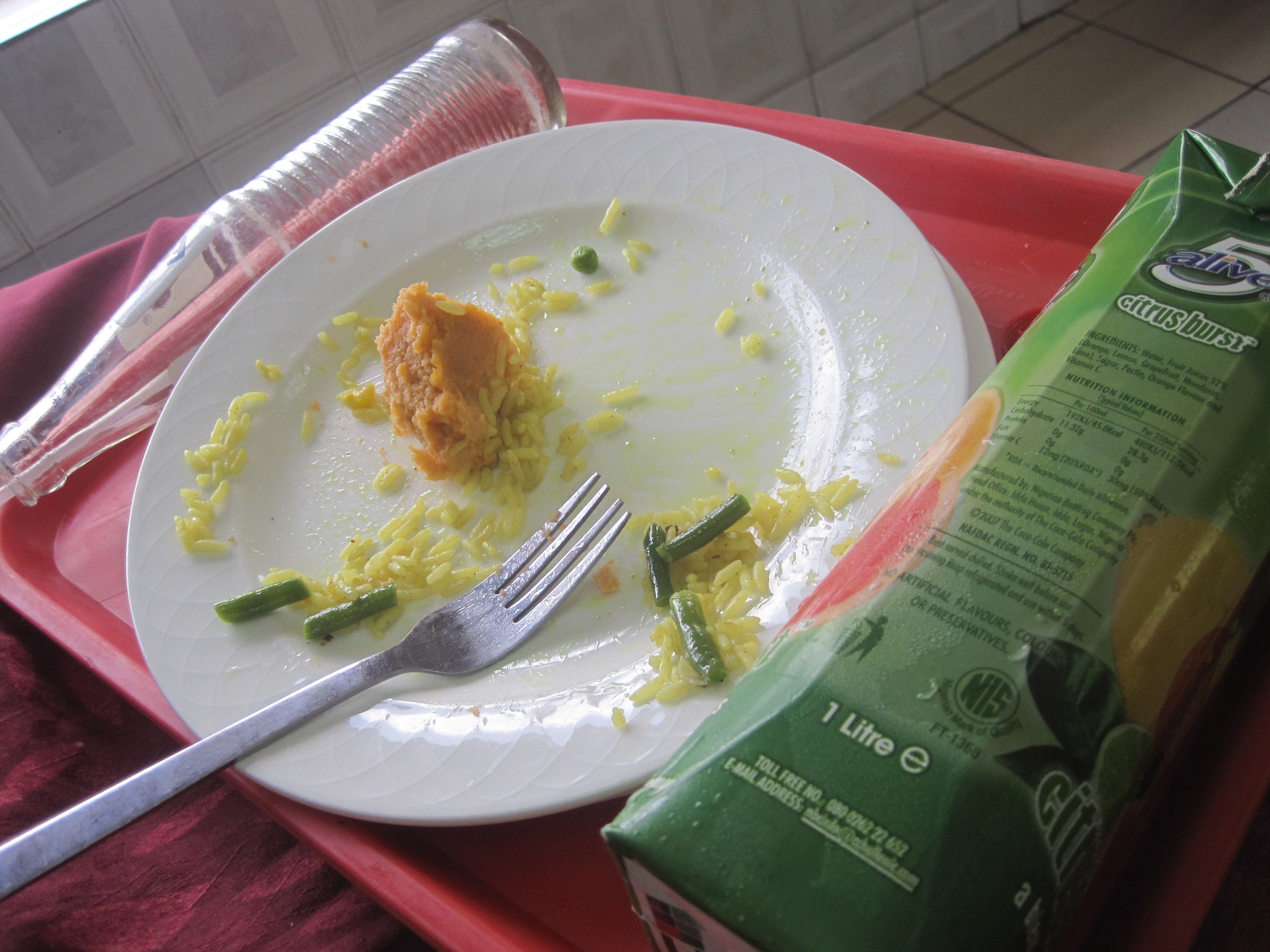
7. No comments. This is an almost empty plate of fried rice and moinmoin. Moinmoin is made from blending black-eyed peas (we actually call it beans) together with pepper, and other spices, and cooking it with crayfish or shrimps until solid.

8. More suya. This one is cooked slightly differently from the one in #5. This is stacked on sticks and placed on the fire with the spices. In this picture are three different kinds: chicken, beef and chicken gizzards, all on sticks.

Alright, I’m done here. Ikhide Ikheloa, let me now formally invite you back to Nigeria. 🙂