Browsing the archives for the Fun category.

Questions on Food: Ingredient, Recipes and Cultures

Guest post by Ọlábísí Abọ́dúnrìn
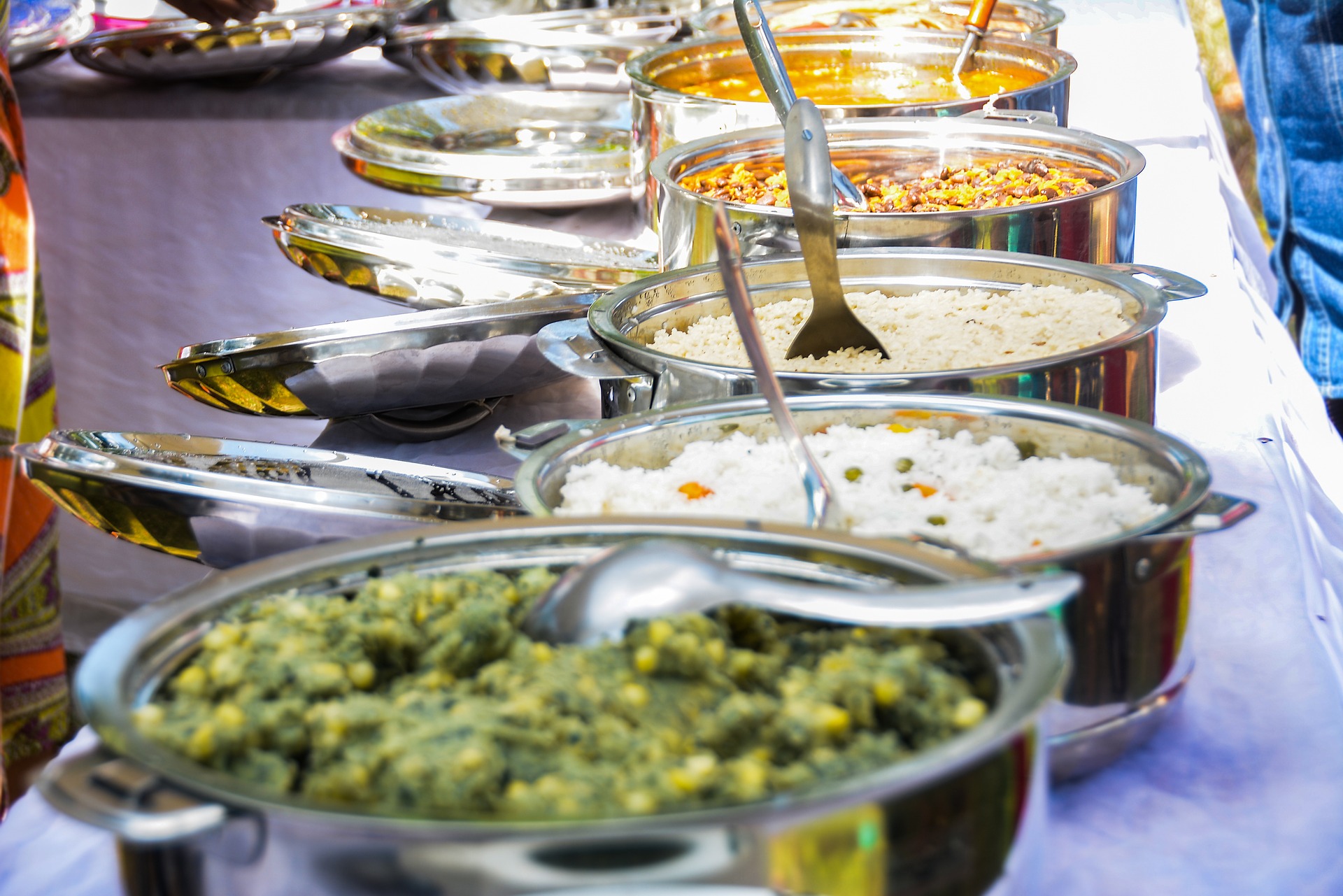
Like the rapper, Nasir Jones, there are many things I wonder about in life: who made up words? Who made up numbers? What kind of spell is mankind under? Just like  Nasir Jones was curious, and so am I. And of course the origin of French Kiss. I mean, who was the first to go, “yeah, we should do that,” you know. Don’t you ever ponder these things?… Anyway, I digress. Food – that’s my current muse. Practical, artful food, and a million inquiries proceeding from the subject. What constitutes food taste/preference? How is it that two different groups, given the same resources, would likely produce different results? Who first decided that certain things, like mushrooms, for instance, are edible? And how were poisonous items discovered – did someone have to die first?

Well, I know this has been addressed almost everywhere, so let us maybe consider protocols duly observed. Africa is not a single country. That’s it, that’s the tweet! There are 54 sovereign countries and thousands of ethnicities; all set up with individual languages and cultures. In Nigeria, for instance, there are reportedly between 250 and 400 ethnicities. Of these, single out the Yorubas as a case in point and you will find over 30 sub-groups with several regional dialects; some unintelligible to others… So many distinct identities to tap from! Now, imagine if we apply this range of diversity to food… With so many unexplored cuisines there can be a different one every day of the week!

One tourism outfit praised an aspect of Africa’s appeal saying, “… You can meet people whose way of life has not changed in centuries.” Although meant well, such a  notion can promote misguided imaginations of a continent stuck in primitive ways; including her culinary practices. Ironically, the “primitive ways” seem to have been more profitable in terms of health implications. Because it would appear that some African food only became less healthy over time as this article suggests: “West Africans ate far more vegetables and much less meat in the past, today their diet is heavier in meats, salt, and fats.” There is a lot in the African kitchen that is misplaced, given the 21st century dietary standards. Perhaps this is one of the reasons why many indigenous recipes are still considered a mystery beyond their African border. For one, we will have to consider health and dietary guidelines. There is simply insufficient information relating to recipe precision and nutrition value of African dishes. Sure there have been changes in cooking methods from past generations; only perhaps not in the expected direction. 

This presents the question of how to make African food more accessible globally. I cannot, for example, imagine an American eating ẹ̀bà and ẹ̀gúsí with ògúnfe daily; not even for the heaviest meal of the day. But my forefathers ate it for breakfast, and frankly, so do I sometimes! Then, there is the question of where to draw the line in this recipe adoption business. The Italian ambassador to the UK has had to intervene in the international pizza crisis. I wonder what will be his reaction to the Nigerian favourite, plantain pizza. (Hey, I had nothing to do with that recipe; I am not a fan of plantain meals myself.) Look, I do believe recipe swaps and food fusion can be achieved without gross misconduct. We could call it “Modern African”, but I can think of at least 2 groups that may – for separate reasons perhaps – find the phrase offensive; one of which is this writer who is wary of cosmopolitan cuisine. Then, of course, there are the guardians of culture who work tirelessly to keep the borders of African heritage in place. It may be easier to make a case to the former. Note that this would by no means be the first international food programme. Food has always crossed borders. Consider okra, which originated in Africa but is used differently in the American South than among the Ibos of West Africa. No one fries Okra there. Jambalaya too is said to have originated from Africa. Watermelon is everywhere now, but it first came from Africa. The point is, the world can eat what we eat. 

So,  what should be the baseline of food sharing – ingredient, recipe or culture? On the ingredient level, it is how much or less of the ingredient constitutes the meal authenticity; while the recipe level determines how much deviation is permissible. Of course, the chef gets a reasonable tweaking license. On the culture level, however, the stakes are higher as with a winner takes all sort of situation. They eat with their hands; you do the same. They sit on the floor… Get the point? And here comes the question of the moment: when is any of it cultural appropriation? The thing is, if we are to make African food accessible at a scale similar to the Chinese or Italian for instance, concessions must be made. It is give and take. The British seem to know the trick – keep it simple. Fish and chips. (Or steal an entire country’s repertoire. Because Indian food is basically British food.)

The world can take more, and the motherland certainly can give it. With platforms like DishAfrik taking up the cause to herald home-grown recipes, we can take the African kitchen to the World. Perhaps we may also introduce her more intimately to self. Because even within Africa, many know little of cuisines from other regions. Some people have only eaten from their tribe.  You can support the DishAfrik fundraising campaign here. While they may not be able to end the Jollof Wars (not sure anyone can), they sure can facilitate a thriving community for the African culinary experience. 

___

Olabisi Abodunrin does not write for a living. This is how she has so far, avoided the woes and horror of this world. But alas! her best ideas remain unheard.
At the Lagos Grill Festival

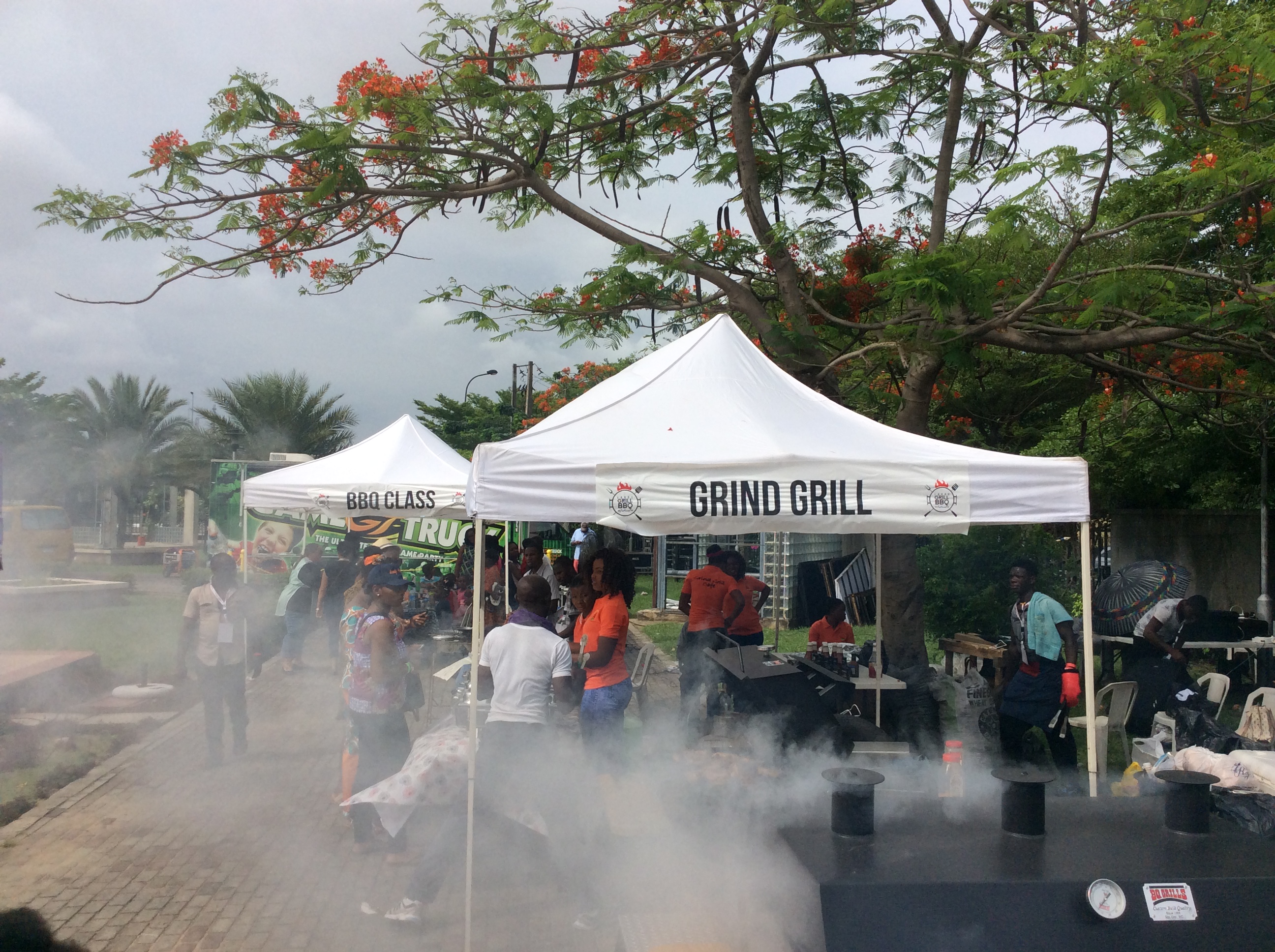
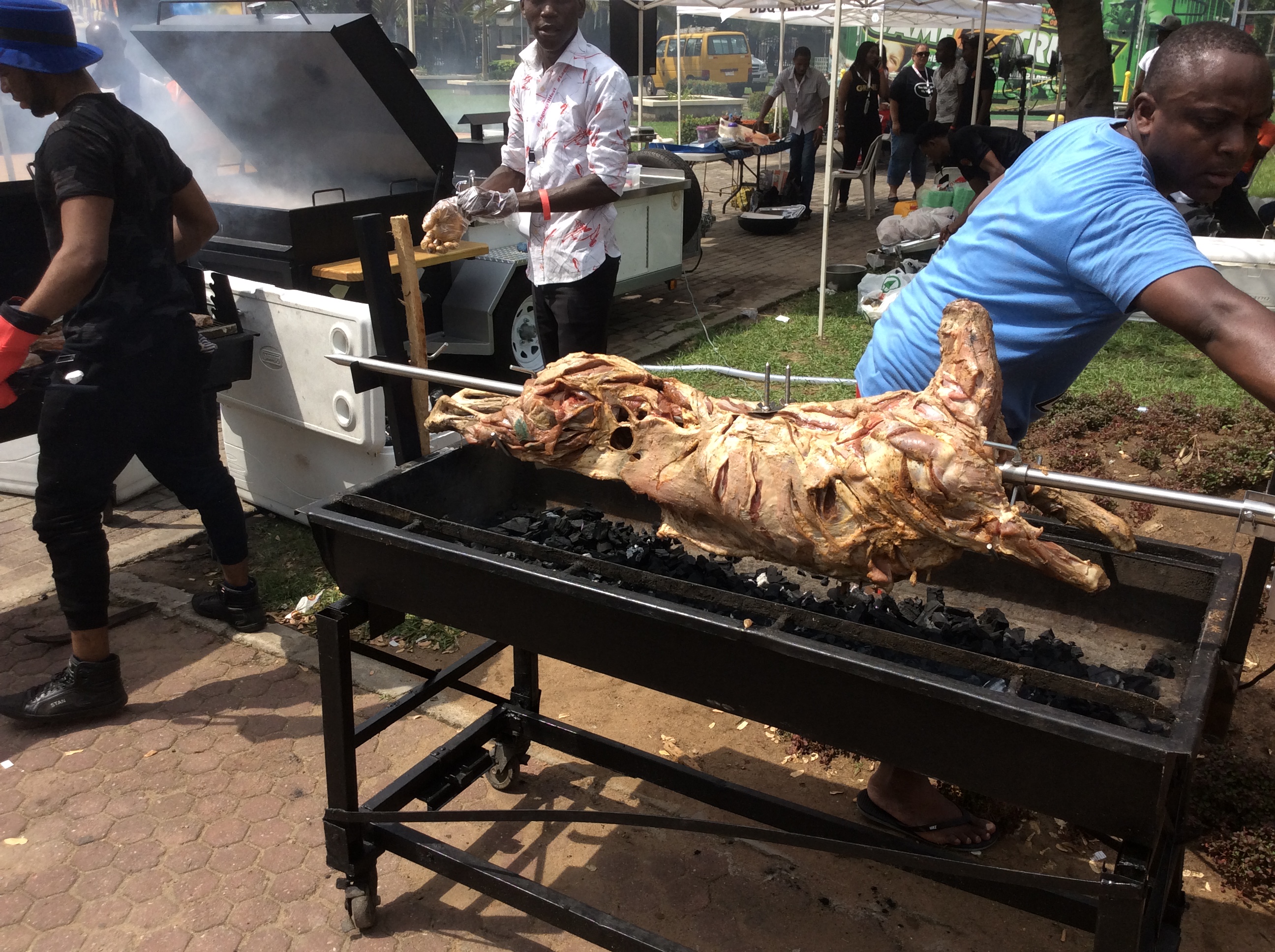
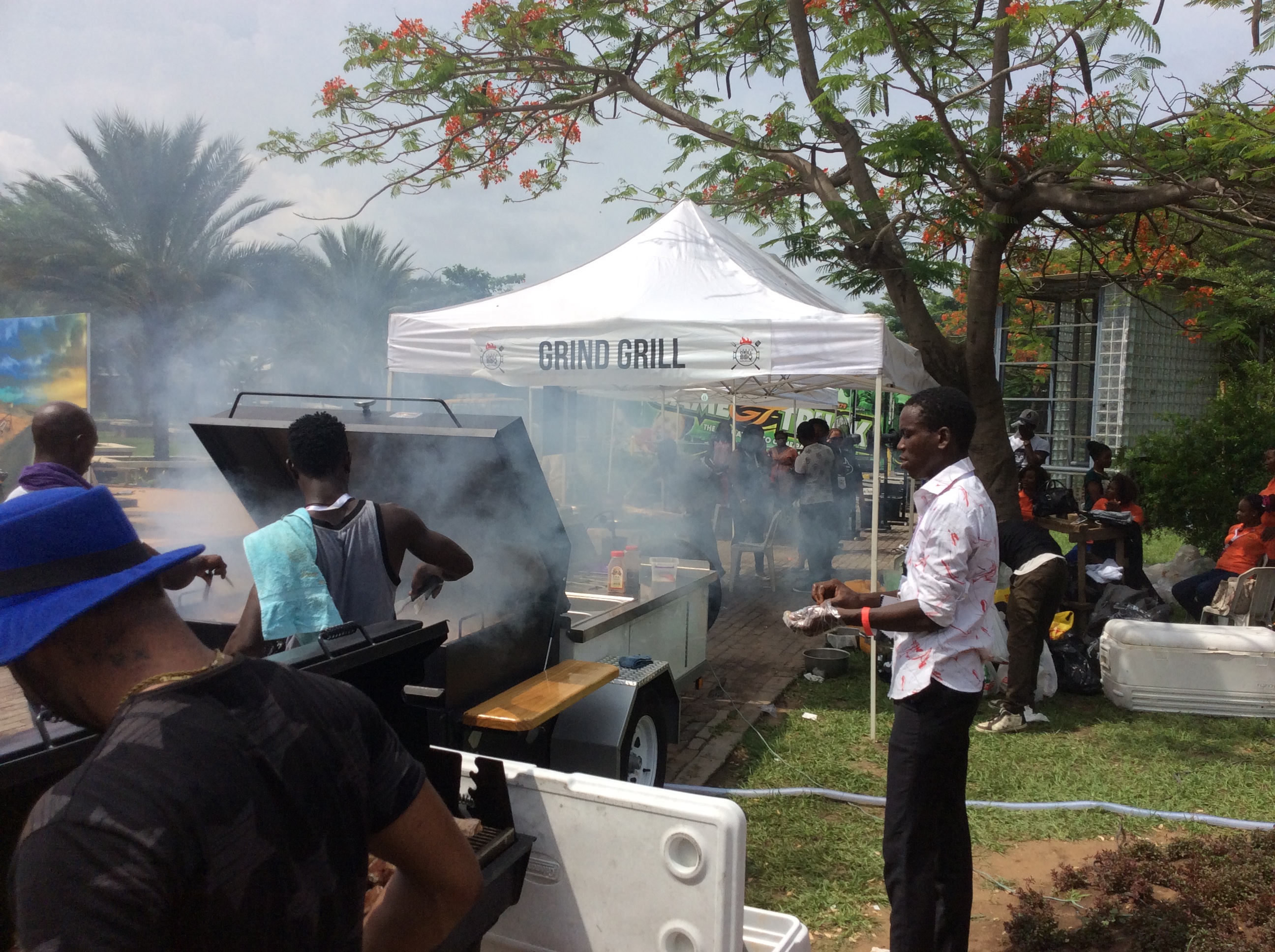
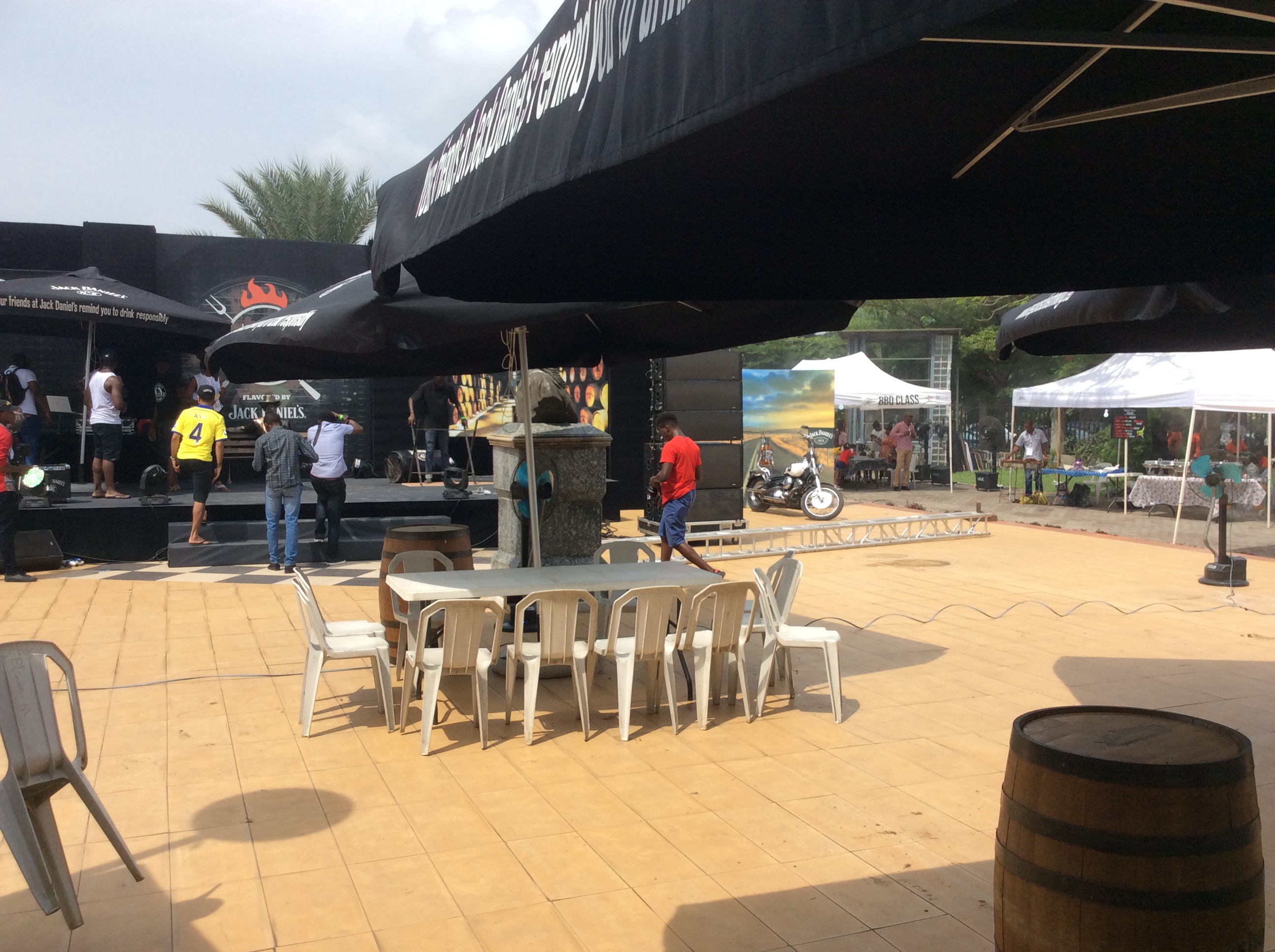
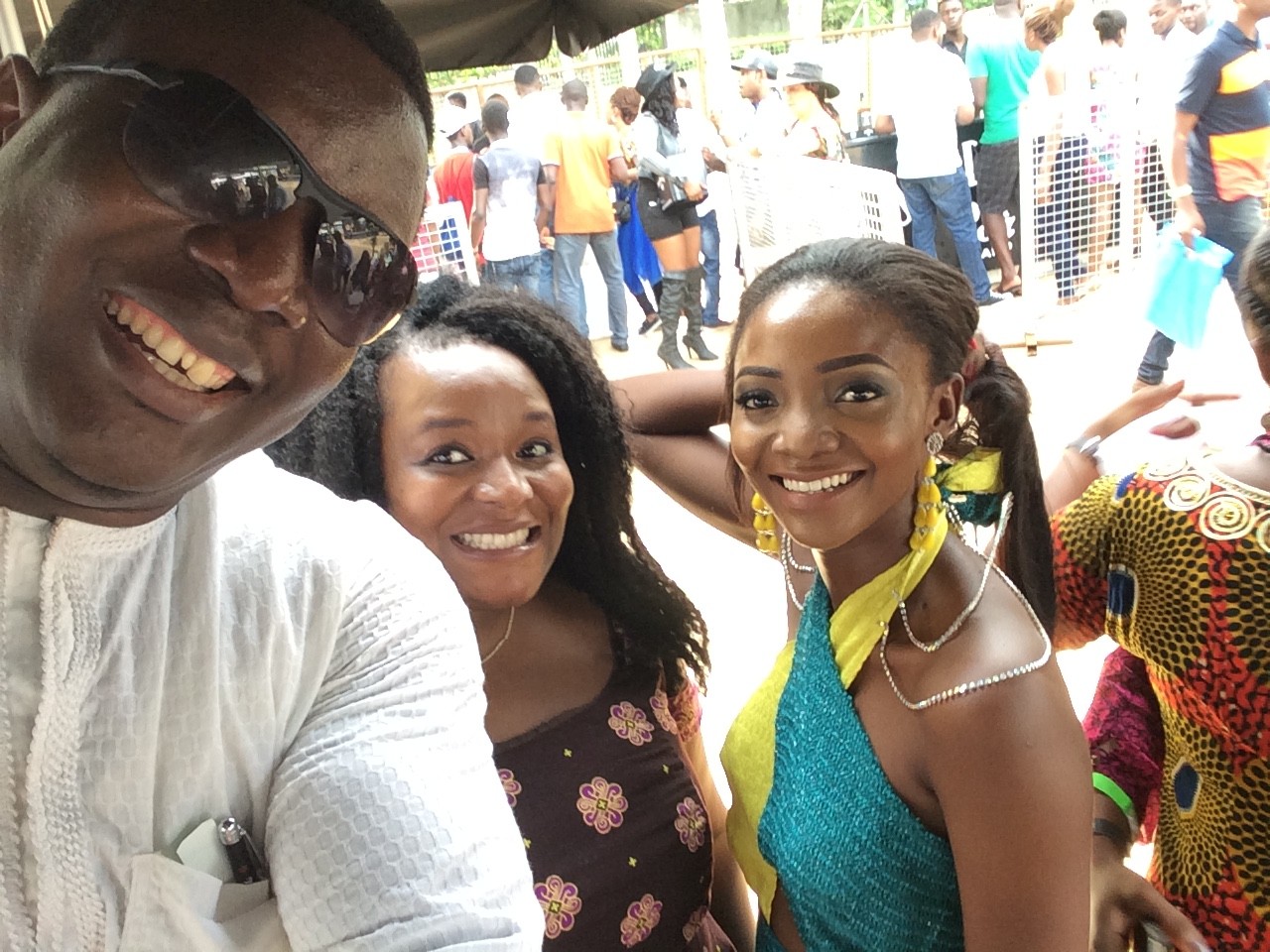
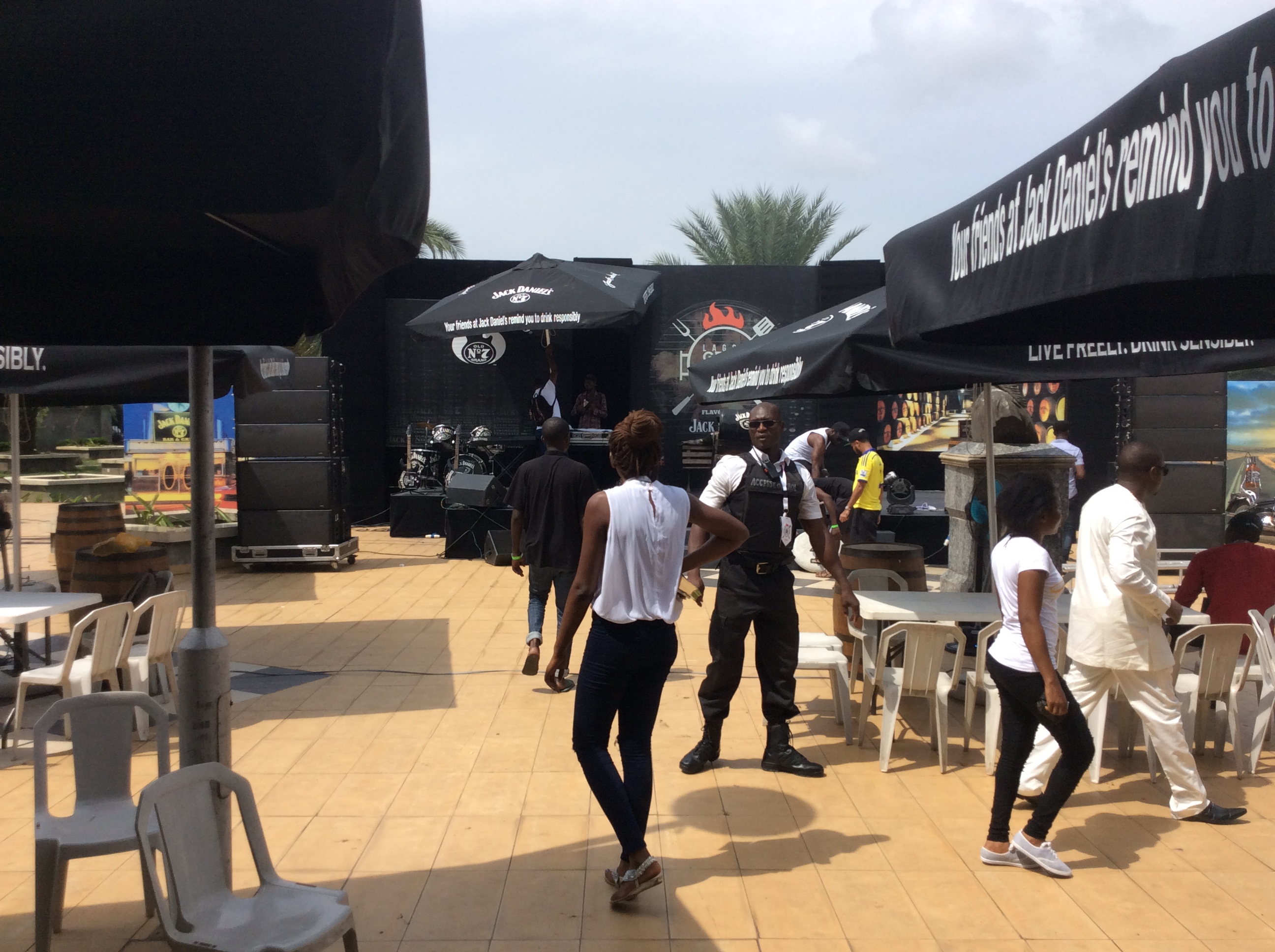
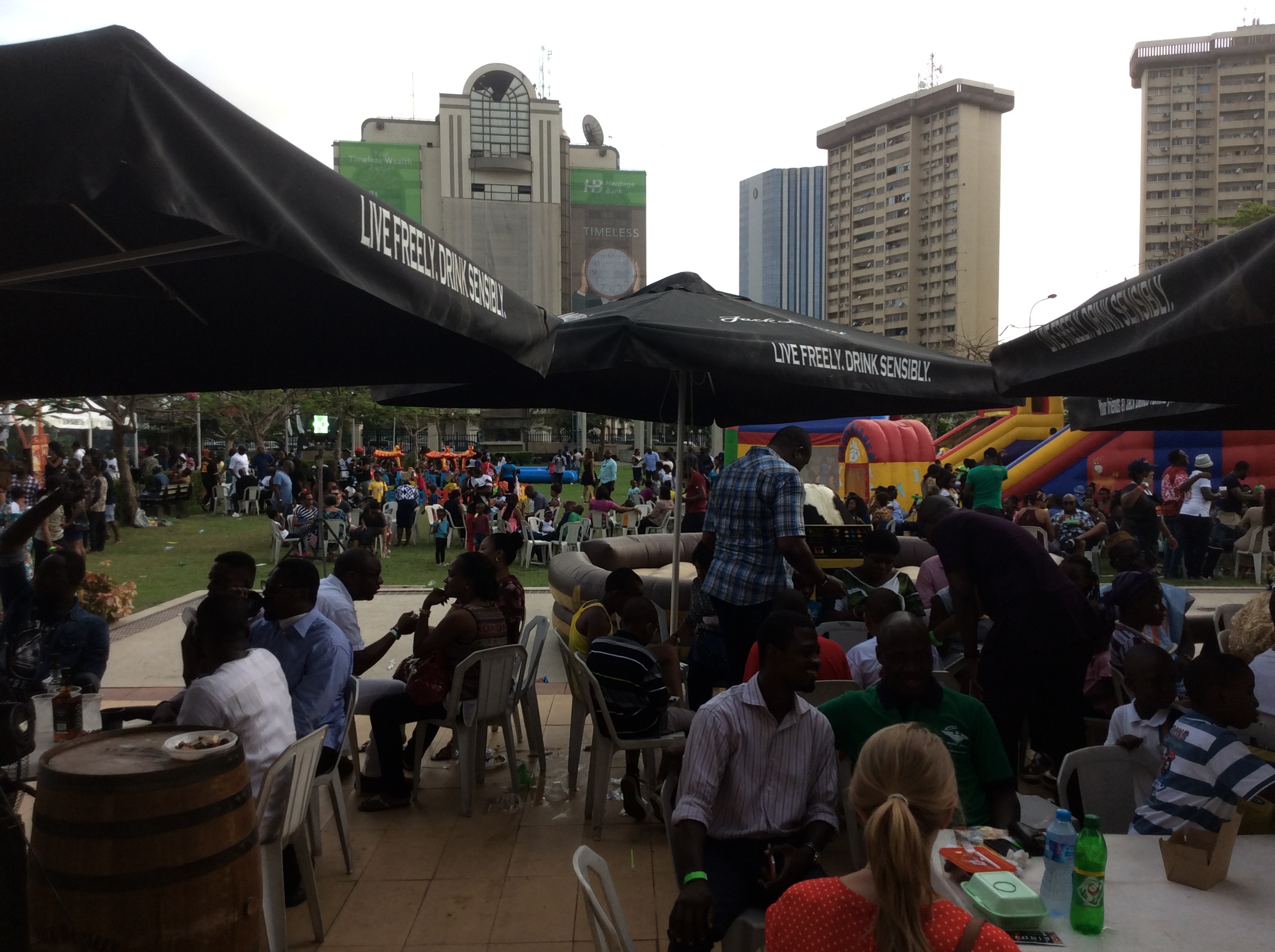
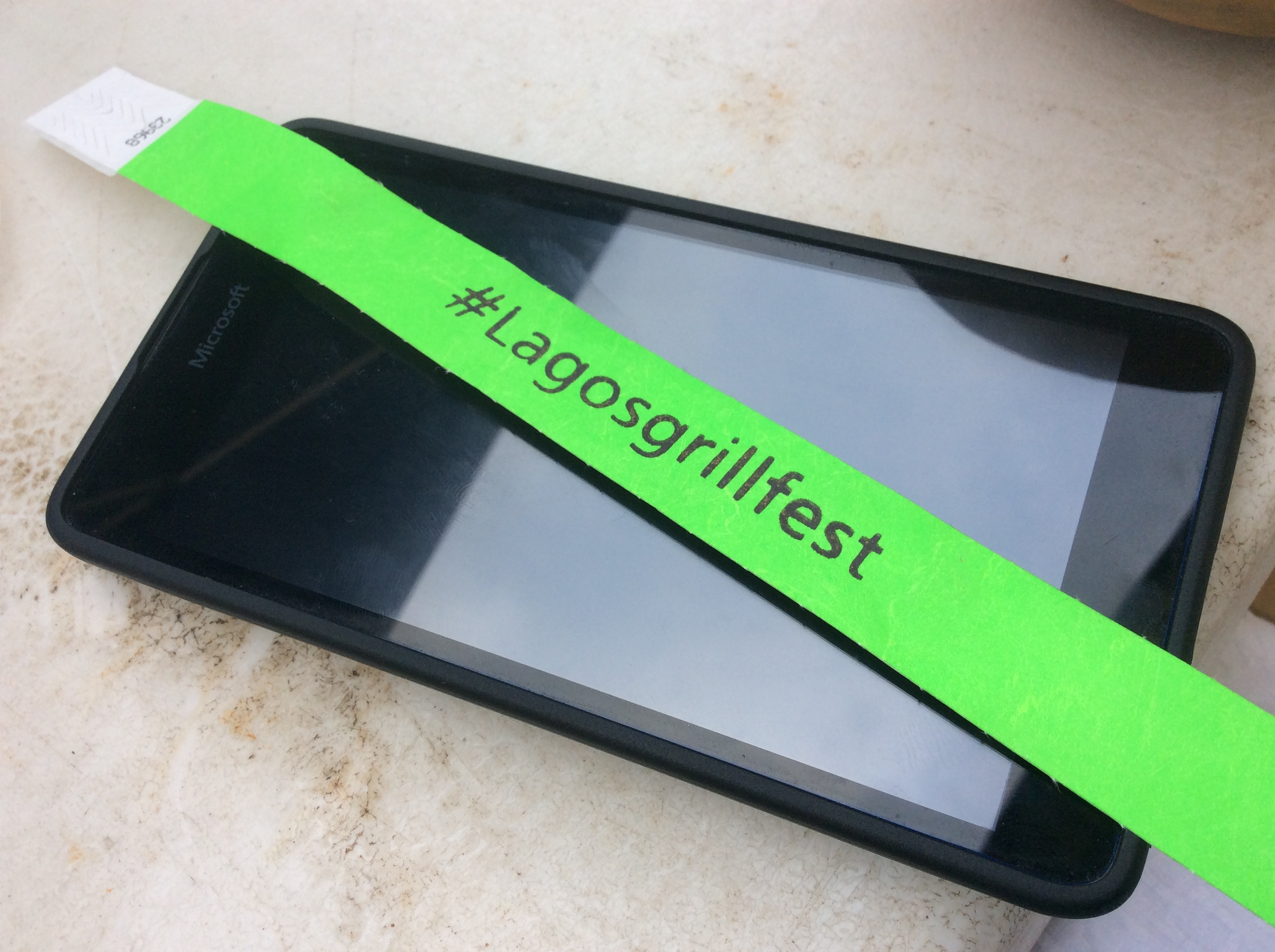
IMG_4675IMG_4642IMG_4655IMG_4645IMG_4619IMG_4649IMG_4622 IMG_4629 IMG_4659 IMG_4625 The Lagos Grill and BBQ Festival held on Easter Monday, March 27, 2016 at the Murí Okùnọlá Park, Victoria Island. It was an outdoor carnival of feeding, fun, and festivity. I heard about it just a few days before the event itself, and it sounded like a good idea.

This year’s event had a couple of Nigerian artistes in attendance, and a DeeJay that kept the visitors entertained throughout. The musician Falz and Simi stole the show with their rendition of Jamb Question and Soldier.

The food was diverse, affordable, and delicious. The experience reminded me of the annual Festival of Nations in St. Louis which I’ve attended a few times. The difference in this case is that each food shed isn’t tagged with any country or culture. One could get a barbecue of chicken, turkey, or beef as long as one could afford it.

Palm wine was also in copious supply, which sufficed for those not interested in drinking Jack Daniel that was being sold by its mascots in hot pants.

In all, it was a great event. See more pictures on Instagram and on the event website.

Fireworks at Ifẹ Grand Resorts

2015-12-06 19.50.33 2015-12-06 19.50.44 2015-12-06 19.50.56 2015-12-06 19.51.16 2015-12-06 19.51.18 2015-12-06 19.54.15-1 2015-12-06 19.54.16-1 2015-12-06 19.54.16-2 2015-12-06 19.54.18 2015-12-06 19.54.20 2015-12-06 19.54.22-2 2015-12-06 19.54.22-3 2015-12-06 19.54.37 2015-12-06 19.54.40-1 2015-12-06 19.54.40-3 2015-12-06 19.54.46 2015-12-06 19.54.50-1 2015-12-06 19.54.54 2015-12-06 19.55.25-2 2015-12-06 19.55.28 2015-12-06 19.58.24 2015-12-06 19.58.36 2015-12-06 19.59.08 2015-12-06 19.59.43Late Sunday evening (December 6, 2015), after a day of chasing after the new king with known and unknown cues that led us into his new renovated palace at Enuwa, a few minutes drive from the Ilésà Bus Park, I got another tip of his new destination: a location a few minutes’ drive from the Ifẹ̀ toll gate where the construction of the Ifẹ Grand Resorts was about to be flagged off. It is a replica of the Lagos equivalent called Inagbe Grand Resorts.
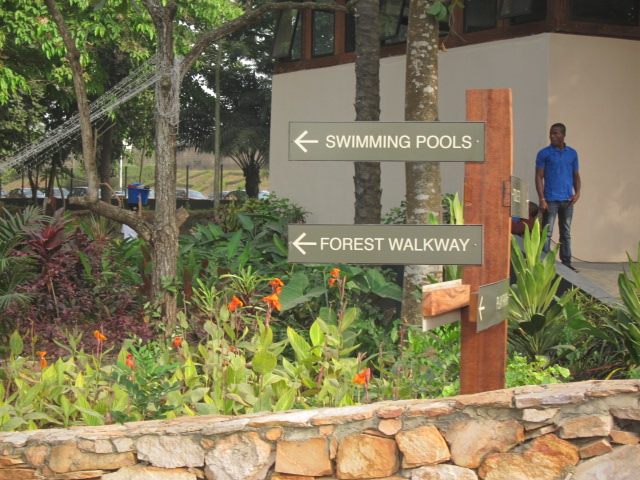
Already tired from a day of driving and taking in the excitement of the coronation, we demurred a bit, until no longer practicable, and then headed out of the city towards this destination where dignitaries from across the country had come to honour the Ọọ̀ni as he begins this new tourist attraction promised to Ifẹ̀.

As expected, the most conspicuous marker of this location was a pile of hundreds of cars and security convoys parked on either side of the road while their illustrious occupants participated in the flag off events. And luckily for this traveller already done with listening to speeches and other “ceremonial” trappings, we arrived there right at the time when the flag off was completed and the fireworks had begun.

A nice design for the pitch-black evening sky, and a beautiful distraction from the vanity of these visiting dignitaries and their opulent display of luxury, the fireworks and the noise they made as they burst into flames of different colours pleased me for a moment, providing even better satisfaction for the whole weekend. I was able to capture them as much as I could, along with some of the bustle that took place afterwards as the VIPs made their way back into the town, freeing up the highway for travellers to use.

At Agodi Gardens, Ibadan

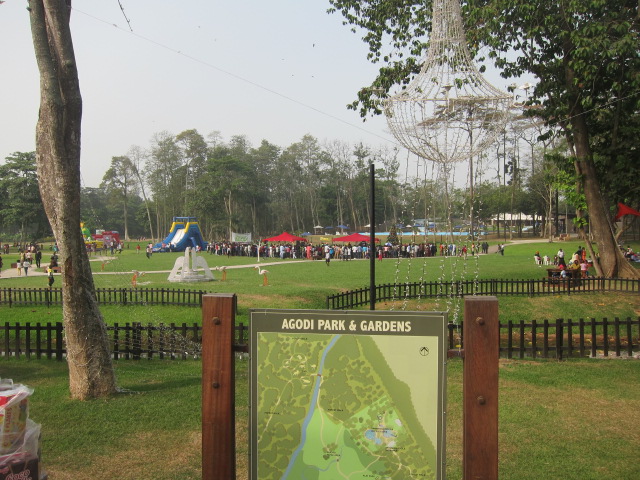
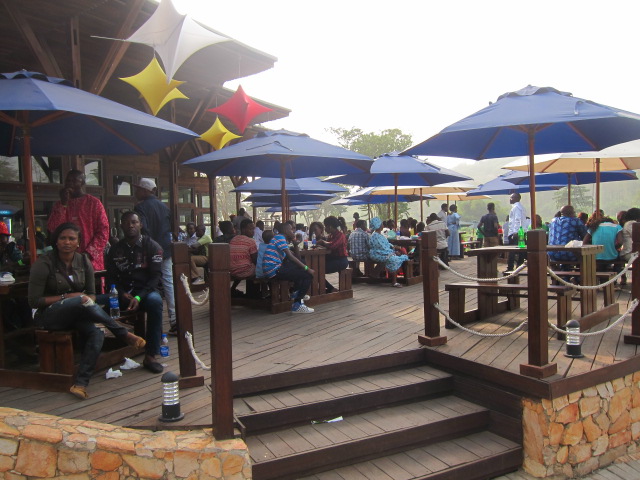
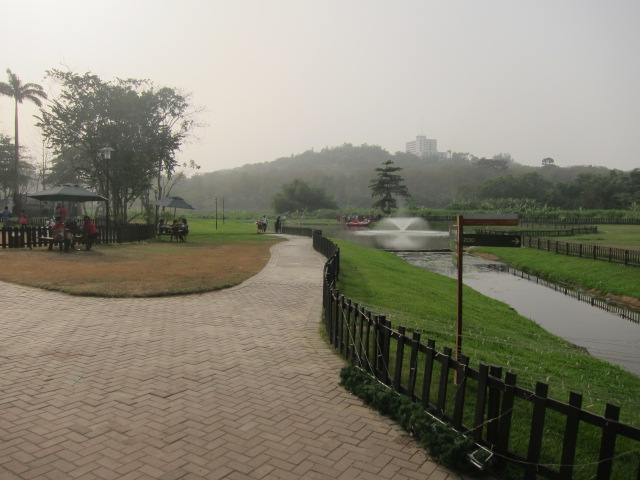
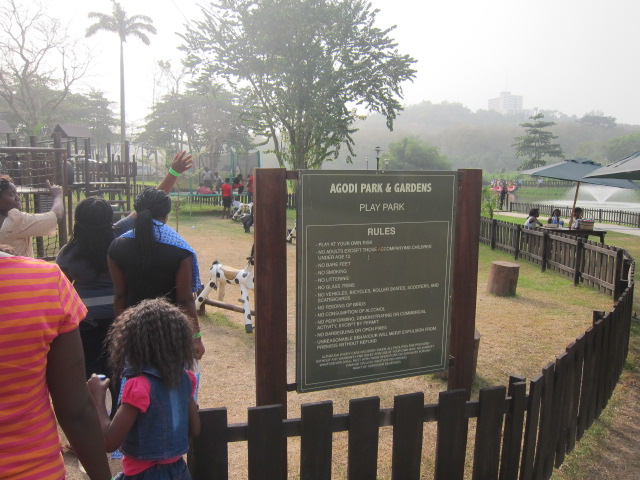
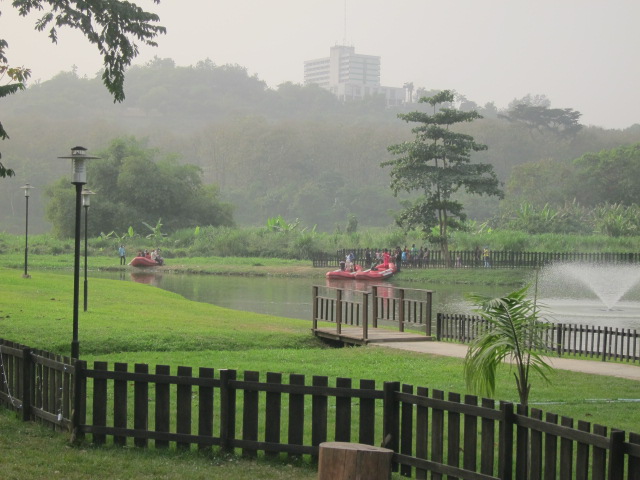
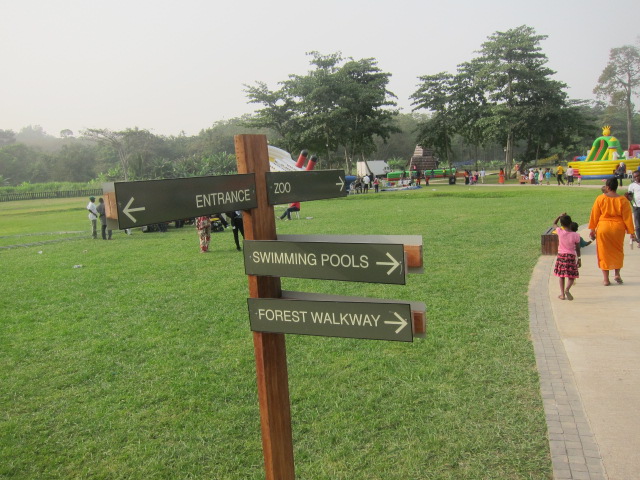
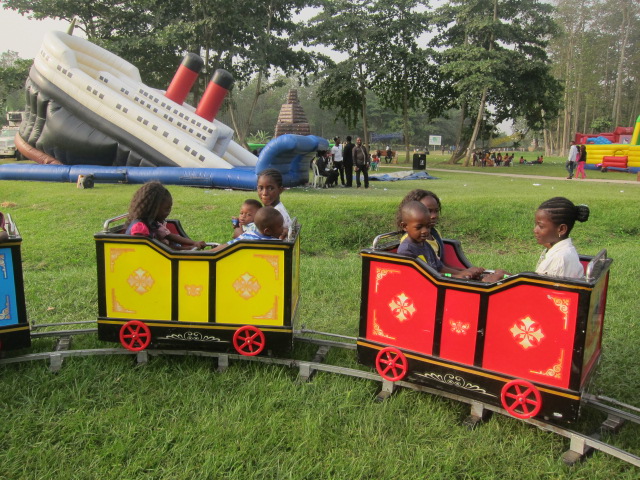
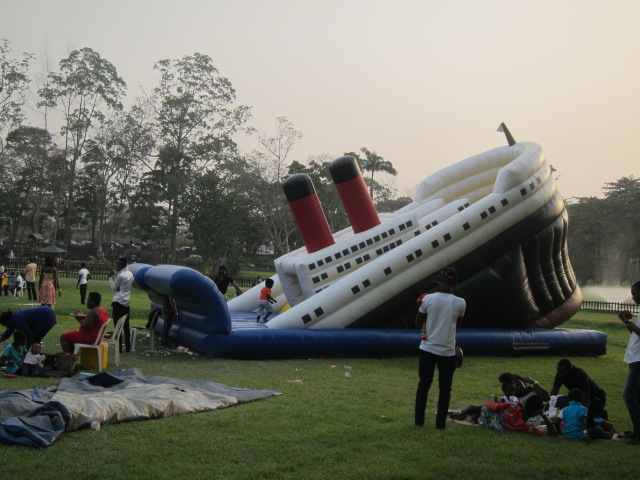
IMG_5833 IMG_6082IMG_5835 IMG_5836 IMG_5837 IMG_5841 IMG_5863 IMG_5865 IMG_5885 IMG_5887 IMG_5889 IMG_5891 IMG_5896 IMG_5914 IMG_5943 IMG_5988 IMG_5989 IMG_5990 IMG_6032 IMG_6045 IMG_6065 IMG_6072 There’s a reason, I assume, why the midwest United States appeals more to me – of all the regions in the country – than places like the coast, for instance. True, New York City and California are dream destinations for the amount of fun and activities that they pack. What I’ve heard about them, however, in terms of serenity and the freedom to pursue contemplative vocations, aren’t encouraging. I could be wrong, of course.

In any case, living in Edwardsville and Glen Carbon (both in Southern Illinois) accustomed me to a certain standard of serenity that I haven’t found anywhere else. Not in Lagos, anyway, where the drag of motor traffic coupled with the bustle of daily rituals combine with noise, filth, and other minor indignities to distract a questing mind. The nearest open park I’ve been in in Lagos is the Lekki Conservation Plaza which, as good as it is, still leaves much to be desired. Terrible walking planks, poor labelling, and a general poverty of ideas regarding the management and purpose of the establishment. Still, it’s a great respite for the concrete jungle that Lagos is. There are other great places in Lagos, of course, but they are not open, public, parks with affordable access to families and chasers of serenity. (Sure, Tinubu Square is better looking now than it used to be. Bridges and other public places have been fixed up by the APC-led administration in Lagos. But for a city with so many people and such busy and hardworking people, more avenues for relaxation is needed. If you want to relax in Lagos, and you have some money, go to Inagbe Resorts).

Enter Ibadan, a town that has always been equally notorious, equally famous for both its serenity and its capacity for turmoil and mischief. On the mischief side, the republican town has been quoted in almost all the political turmoils of note in Nigeria, from the Wild West 1965 crises to the Adedibu imperial areaboyship of the early 2000s. Notably, the state has never reelected a governor. Ever. (Edit 2015: This changed lately. Ajimobi earlier this year became the first governor to be re-elected). Every election season is a battle, and it always leads to the defeat of the incumbent. For me, more than being my home, Ibadan is also a getaway location for serenity after months in the jungle that is Lagos. Unfortunately, the typical rap that the town gets – especially as relates to its uneducated populace – manages to get more airplay than its reputation as a destination for serenity and intellection. Go to Linda Ikeji’s Blog, Nigeria’s most popular gossip blog, and the most popular post relating to Ibadan is likely to relate to a crowd at the opening of a Mall or a decrepit arrival lounge at it’s local airport. For some reason not far from mischief, it has always been better to laugh at Ibadan for its inadequacies than to celebrate its distinctiveness.

I can say, from other experiences, that I’ve found many more rare books in bookshops in Ibadan than anywhere else around the country.  Today’s steal are “An Overview of the English Language in Nigeria” by Ayo Banjo, and “Iwe Itan Ibadan ati Die Ninu Awon Ilu Agbegbe Re Bi Iwo, Osogbo ati Ikirun” by Oba B. Akinyele (Olubadan of Ibadan from 1955 to 1964). Books are not the only things that make the town a premier in innovation (The University of Ibadan, founded in 1948, is the first university in the country, and the television station, WTNV – later NTA – founded in 1959, is the first on the continent), its spacial peculiarity (it’s the largest city in West Africa) and it’s intellectual pedigree in the Nigerian space (produced Soyinka, Achebe, Clarke, etc) makes it the most natural claimant to the role as a significant watering hole.

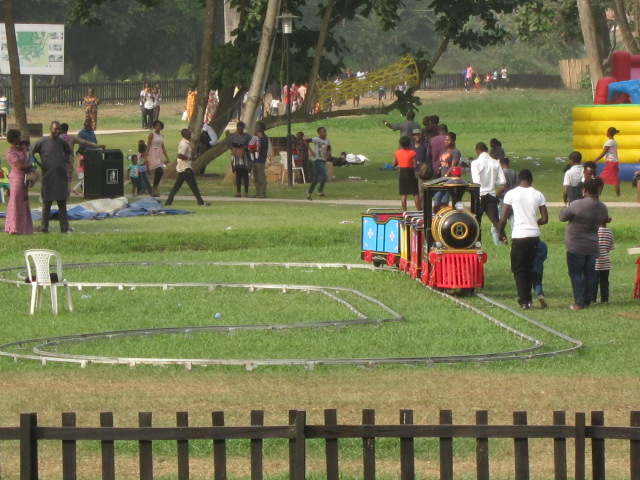
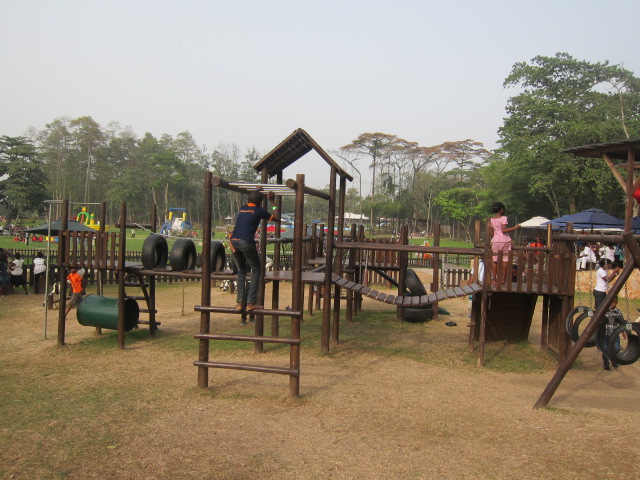
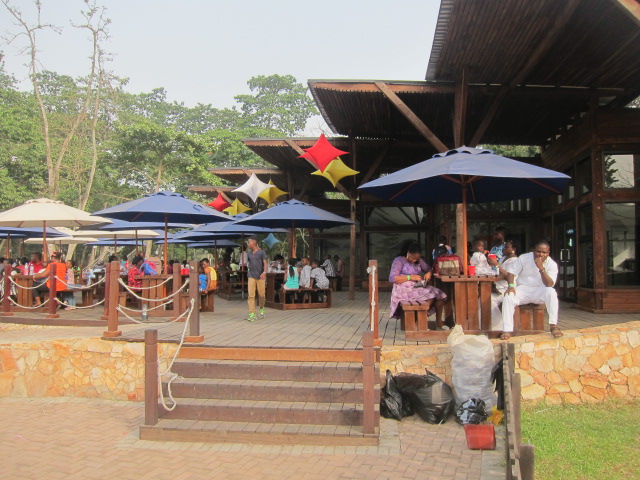
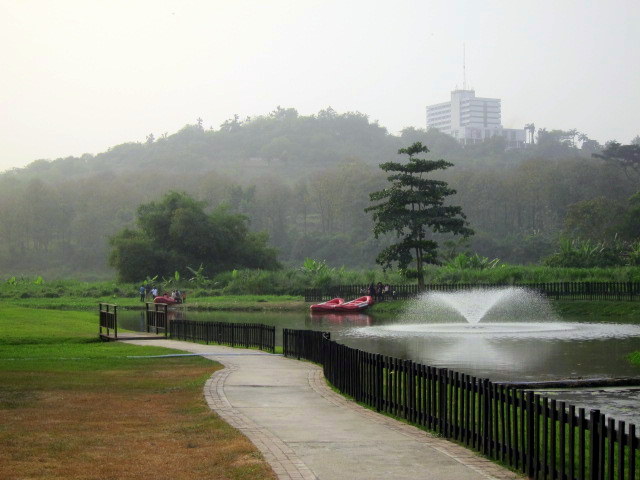
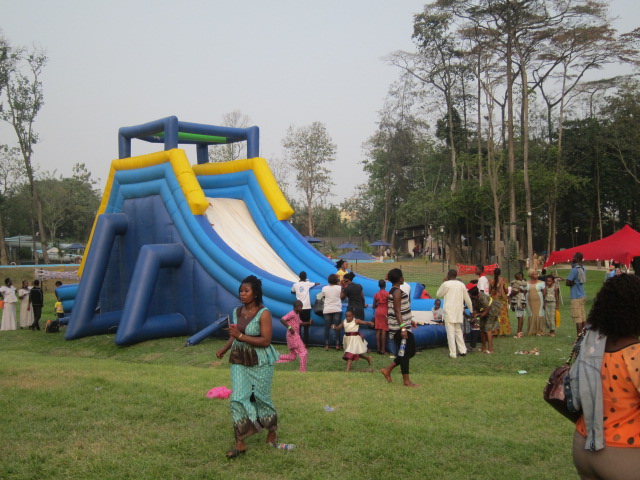
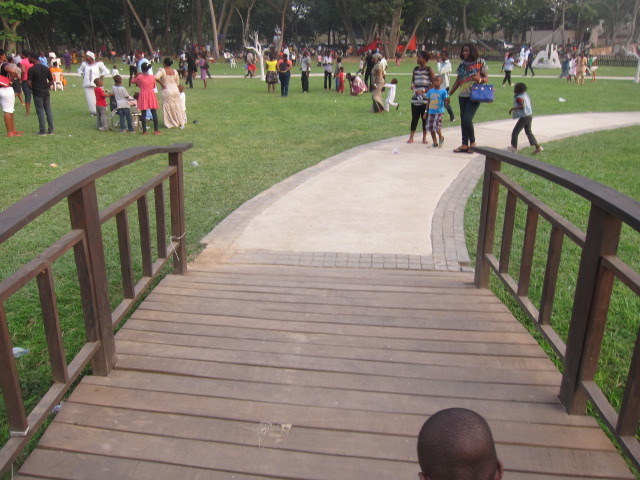
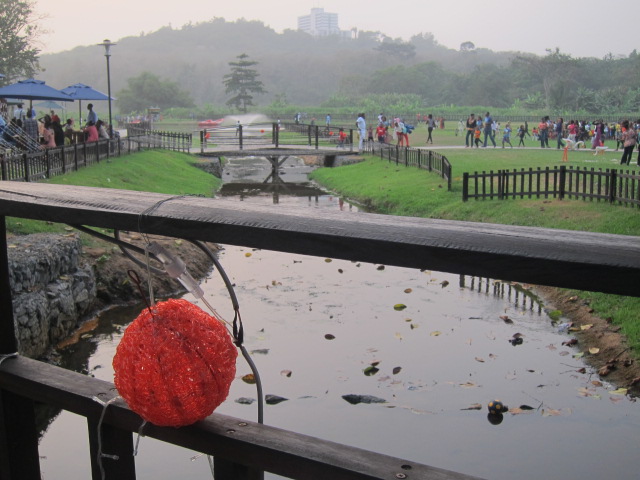
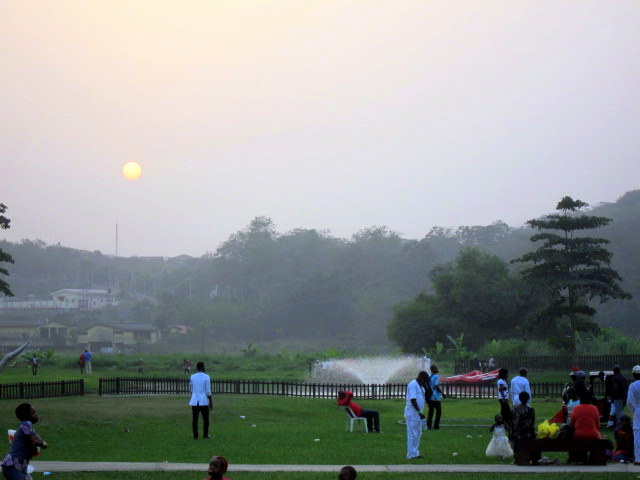
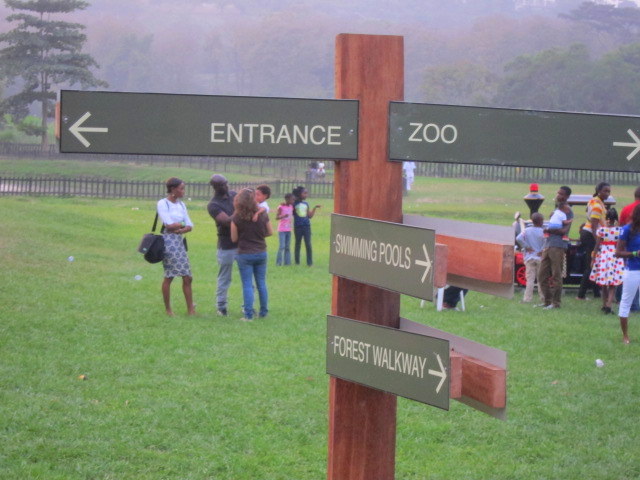
That said, this post, is about a new discovery in Ibadan: the Agodi Gardens. It’s not a new place, of course, but it has now been newly renovated by the current administration and made conducive for visitation and contemplation. It was never always like this. Like the Trans Amusement Park and the University Zoo inside the University of Ibadan, the Gardens used to be an eyesore. But unlike the earlier two, this one has been diligently fixed up to be just as good as any community/city park in anywhere in the world. The following is true: if someone else had taken the following pictures, I could have been confused as to where they were taken: Illinois or Ibadan. That’s quite impressive, but it shouldn’t be. We have the resources. Let’s hope that the administration of the state continues to use public funds for more public good of this kind. And, to temper the enthusiasm a little bit, the zoo ensconced in the Gardens is still terrible looking. Hope that this gets a similarly impressive upgrade to a standard worthy of such an important city.

All for Dance

by Dami Ajayi


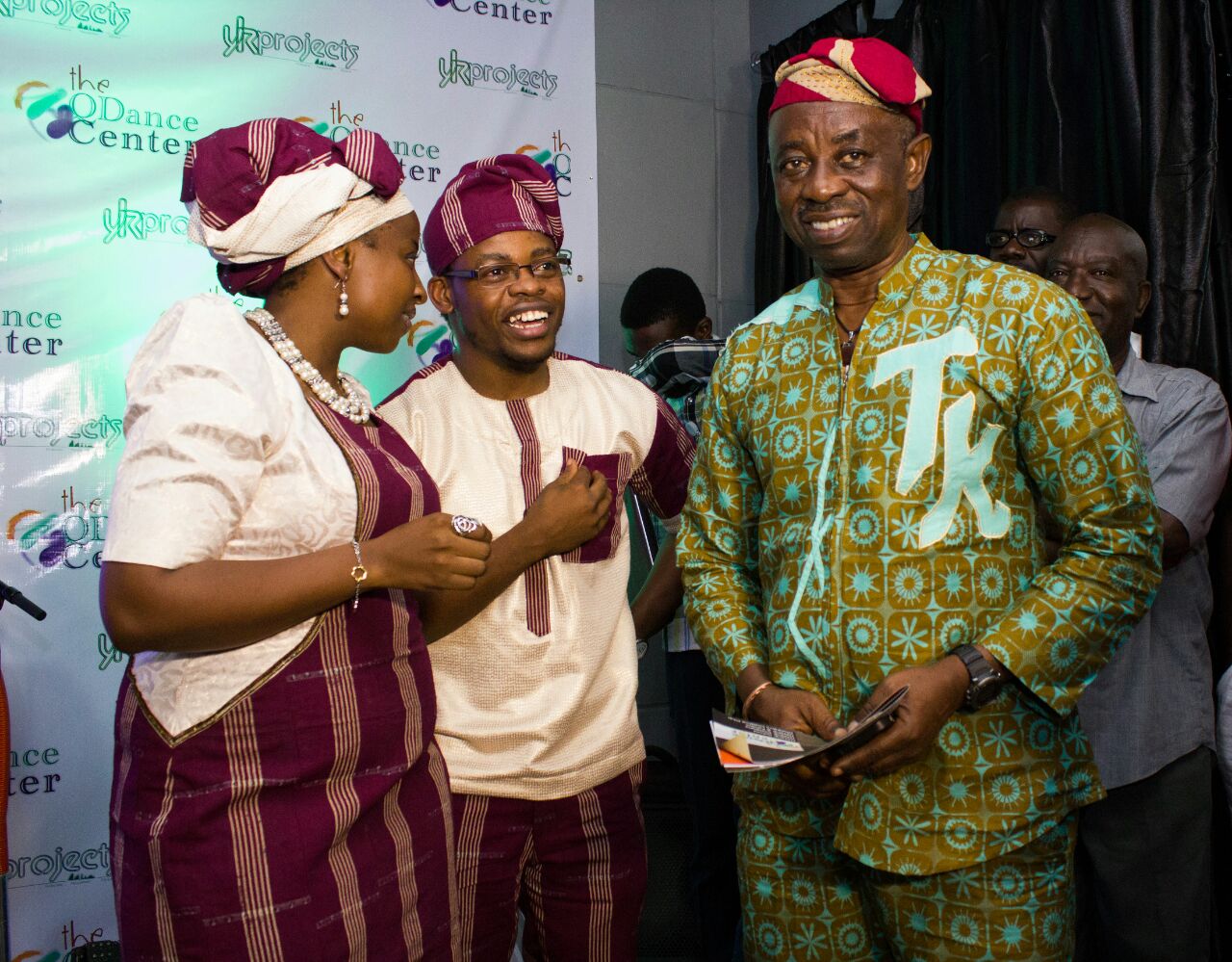
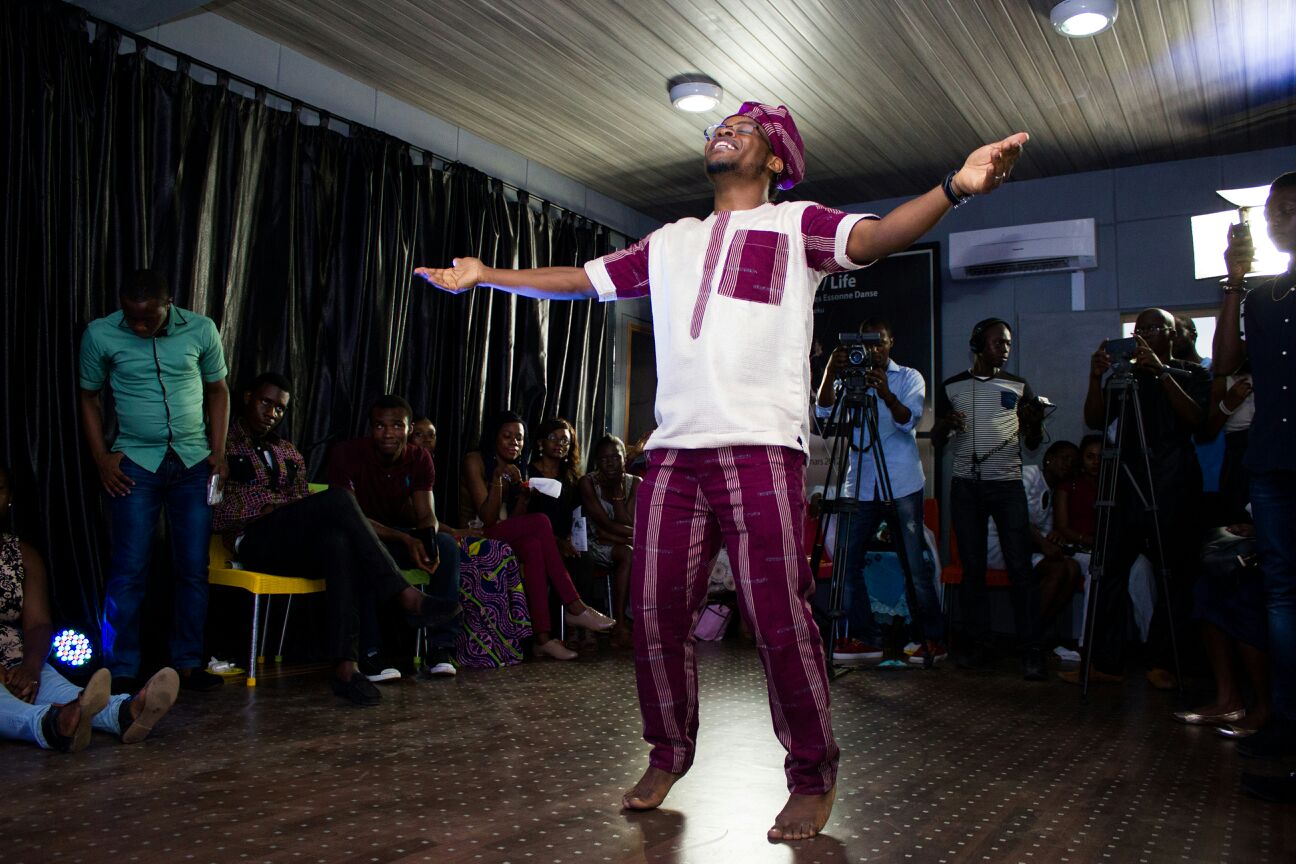
qdOn the third of August, Mr & Mrs Qudus Onikeku commissioned their latest project, a dance academy. It was an informal cocktail party dotted with short monologues, artistic performances and finger food. In attendance were bigwigs of the creative industry—filmmakers, writers, actors, comedians, editors, poets and, of course, dancers.

I suppose a huge majority of my readers will ask who Qudus Onikeku is. Qudus is a dancer, period. Qudus, like most prodigious acts, was precocious. His initial interest was acrobatics at a tender pre-school age; that pursuit led him to find dance in his teenage years and since then he has not backed out. He has performed on numerous stages in countless countries, doing his distinct dance which melds contemporary posturing, acrobatics, free-spirited expression seamlessly. He was based in Paris until recently.

Recently, he relocated back to Nigeria. A drastic step which earned stares of disbelief from his friends abroad, he quipped during his introductory remarks. His ebullient wife was beside him with knowing smiles. Their home return was a generously considered act of impulsion. Like most creative individuals bubbling with ideas, they not only understood the importance of relocating back home but also anticipated challenges and hardships.

This however is not their first experiment since their return. They hosted Counterpoint three months back at Freedom Park. Counterpoint is a loosely styled seminar that brings together accomplished creative individuals into the same space for conversations around their arts and for the possibilities of collaboration. The event was a resounding success and it perhaps gave them the impetus to commit to bigger, long-term projects like starting a school of dance.

qd2Qudus targets young individuals passionate about dance and he encourages them to enroll at his QDance Center. Young adults are better of pursuing something instead of being idle and becoming tools for ungainly use. The dance space will also be made available for creative seminars, poetry readings, close-knit film premieres and whatnot. And of course, dance drop-outs are eligible to enroll to reignite their long lost interest in dance.

Qudus promised to take his gospel of dance to Yaba and its environs with the procedural ingenuity of Jehovah Witnesses. I suppose he is the most qualified person for this job and he has got more than passion going for him. For Qudus, dance is not a livelihood, dance is everything.