Browsing the archives for the Art category.

The Big Hair Discussion

Yesterday was special in the history of this blog because we set a new (world)  record of hits and visitor numbers. You will understand why this memorable when you realize that the last time we had a record number of visit was December 27th when I published my opinion on the Nigerian guy who tried to take down the plane. Yesterday, that record was surpassed by about a hundred more visits. Can you believe that?

So what was the topic that turned my blog into a mecca of visits and contribution? You guessed it: another potentially terrorizing topic – women’s hair. Apparently, it is deserving of more than one posts, thus my decision to write this one.

Fact #1. Women care so much about their hair

Fact #2. Women don’t like people to tell them what to do with their hair.

Fact #3. Women’s hair is serious business.

But instead of rehashing the issues raised in this wonderful discussion, I will refer you to the post again to read and leave your comments, but not before I refer you to read Clarissa’s take on her hair adventures and ordeals. Apparently, Africans or Americans are not the only ones with which growing one’s hair in the natural state is a statement of revolt or rebellion. Far back in the Soviet Union, school children were punished for wearing their hair long. Clarissa had told me this during the coffee get-together with the Argentinean writer, and I had expressed my interest in the topic believing that it should be explored some more in detail. Why for instance did the Soviet rulers think that women’s hair represented luxury or militated against the state victory over capitalism. Needless to say, I like it when Clarissa writes about her growing up and how the system in the Europe of her youth influenced her thoughts and perception of life as an adult.

Fact #4. This interesting discussion on women’s hair is not likely to end today, or soon, but I like it.

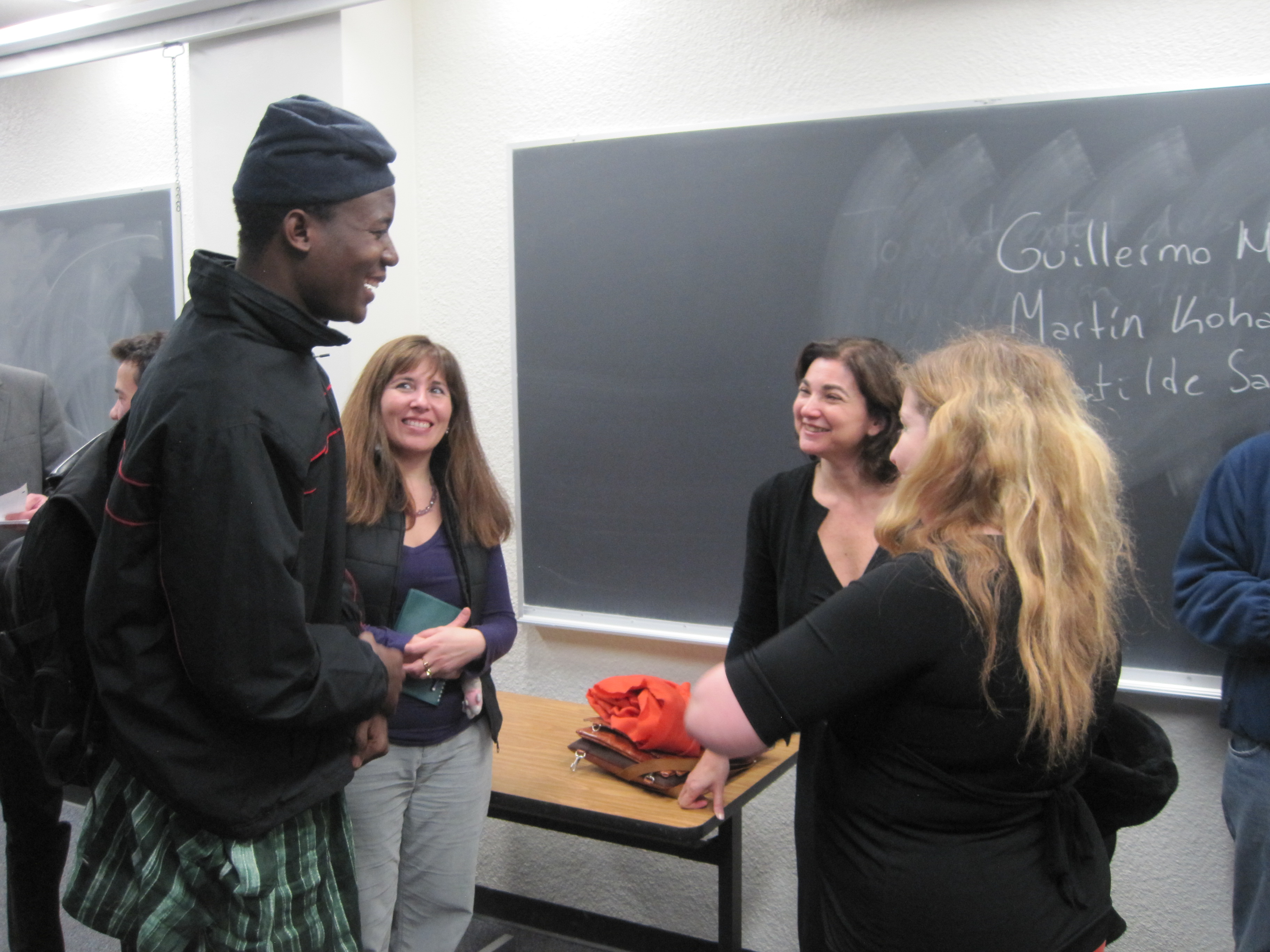
Meeting Paula Varsavsky

I came late to this talk by the Argentinean writer Paula Varsavsky who had come to our University at the behest of the the tenacious Professor Bezhanova. The professor of Spanish had brought the brilliant writer to enlighten students of Spanish language and literature here on campus, as well as other interested listeners, in spite of financial straits in the University that made it impossible to financially compensate the writer in any way. Paula the writer writes mainly in Spanish and grew up in Argentina and the United States. She works now as a journalist, translator, short story writer and novelist.

Notwithstanding my late coming, I found a choice spot to sit, and I listened to much of the talk from a distance. The beautiful and soft spoken writer spoke of the repression of women writers in Argentina, the person of Evita Peron and her polarizing figure, writing in Spanish and its challenges, her life story and progress up to date, the politics of women writing, and military dictatorship (The wealthy people in Argentina were the ones who instigated and sustained the military for their own selfish reasons. The military didn’t strike of their own accord). At the end, she read a chapter from her first novel No One Said A Word (I have the video of her reading it on camera.) The chapter was descriptive of a very tender moment between a father and daughter some time before the general election in the country.

Here are a few things I learnt from the talk: Women writers are unknown in Argentina, she said. Even in cases when women writers wrote far better or were more prolific than the male writers, the male writers’ names still dominated the literary landscape. She gave an example of the woman writer and poet Silivina Ocampo who even though was a better writer than many of the contemporary male writers was not given the required recognition in the country because women are not supposed to be heard out of the home. The public voice effectively belonged to the man, and becoming a writer in such a country is like trying to usurp a position reserved for the men. Argentina, even till date, is still a repressive society for women. Another thing I learnt was the relationship between the class of wealthy Argentineans and the military. Apparently since 1930, the military that took over the government had done so at the behest of a small group of wealthy landowners who wanted to gain total control of all the resources of state. So to achieve this, they instigated the military to take over – much like what happened in many parts of Africa after independence as well. Some people, a cabal, to retain their hold on the land resources, backed military people to keep the people in check and control the land. As soon as the country went back into poverty, democracy took over. According to Paula, they are not totally gone yet and may return if the country gets back to prosperity.

The best part of the day was at a get-together that took place later at Starbucks. Present was the writer and a few members of staff who had attended the talk earlier in the day, along with plenty coffee. Earlier in the day, I had read a translated short story of her titled El Retrato or “The Portrait” and found it very refreshing. Another one of her story, The Golden Dome, is online for reading and downloading. The informal get-together helped get to know her better, her influences, her interests, and her challenges. Meeting writers is always an exciting opportunity. I’m guessing that the only thing more interesting would be being a writer oneself.

Catharsis Regained

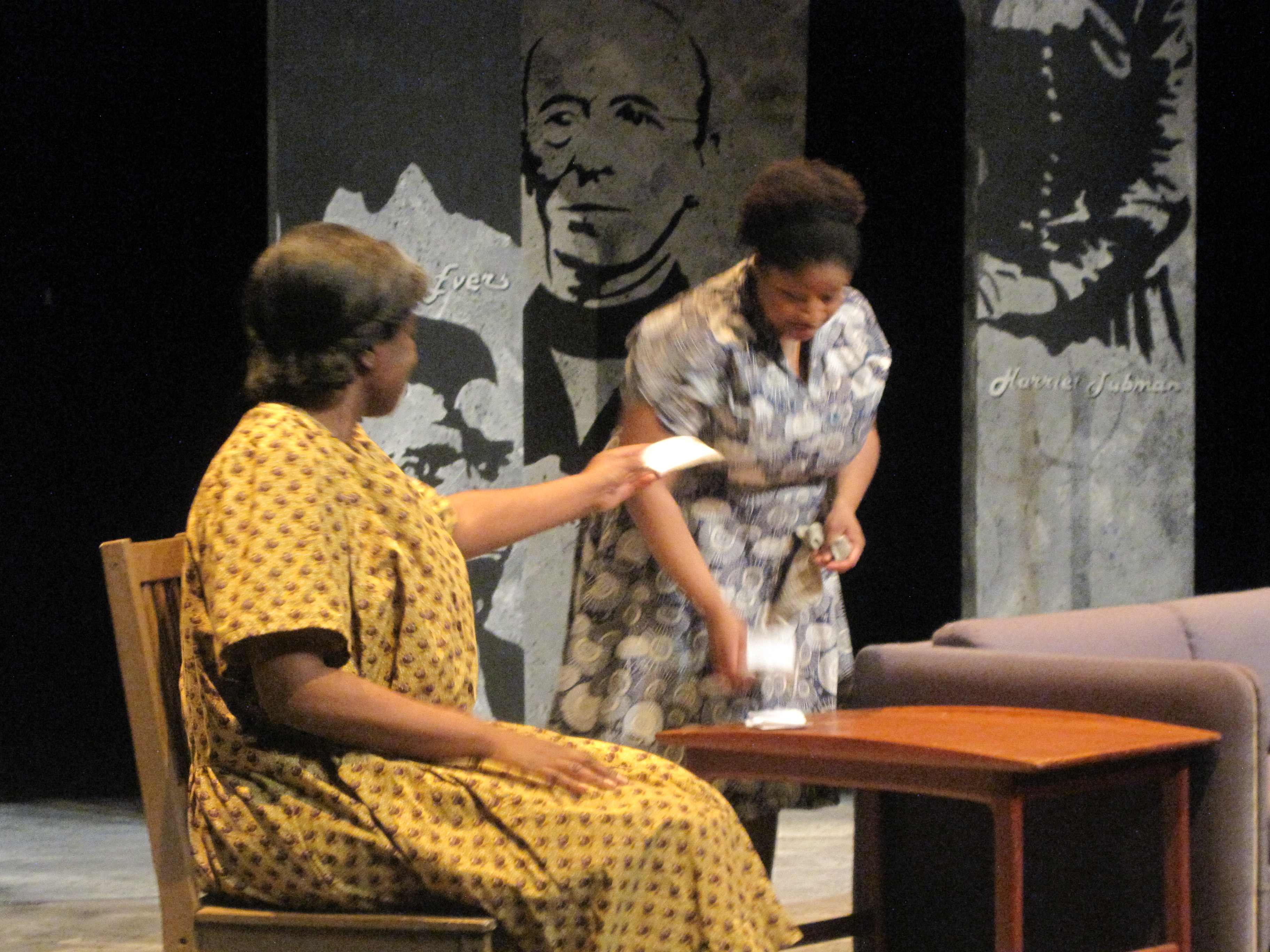
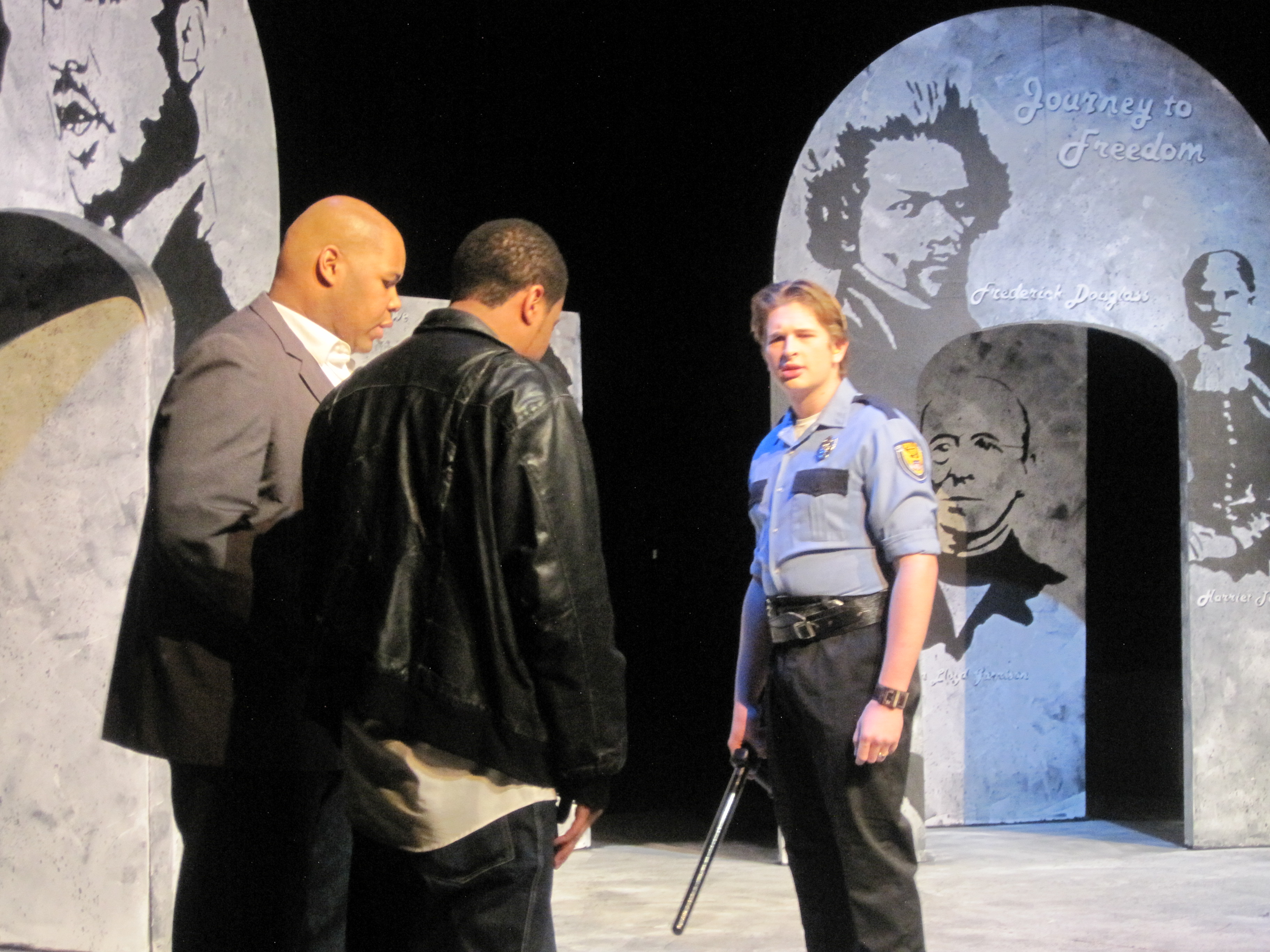
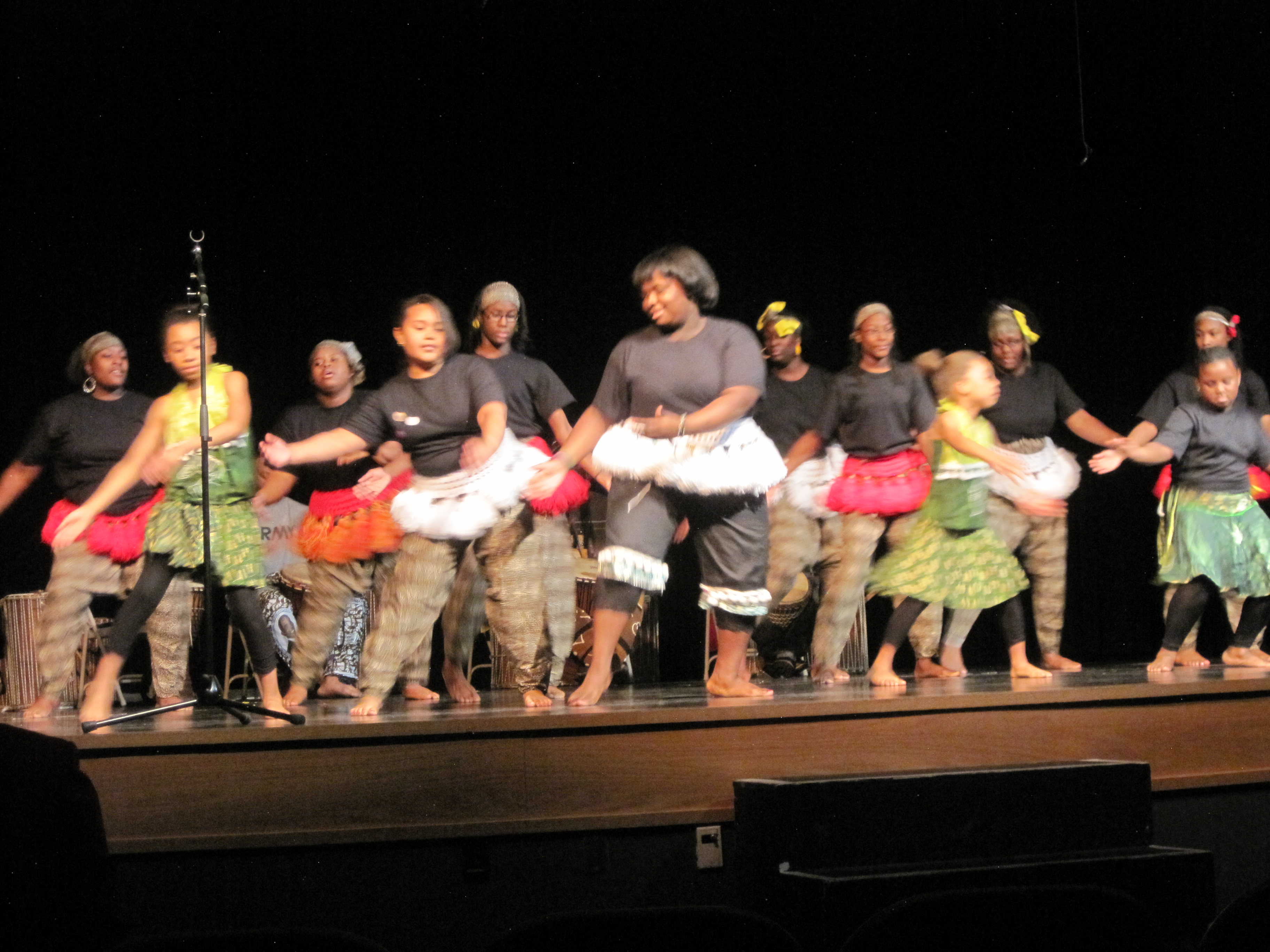
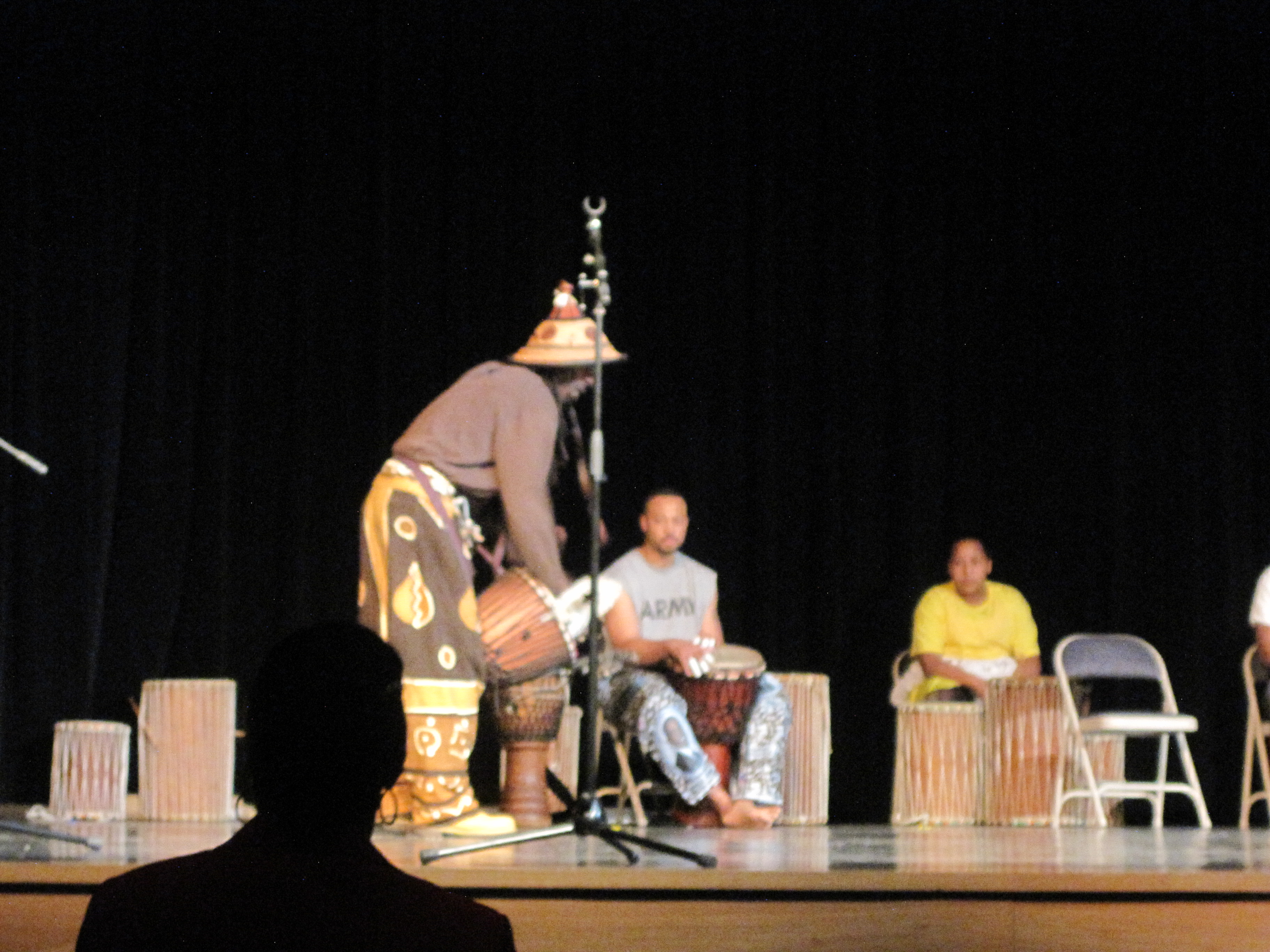
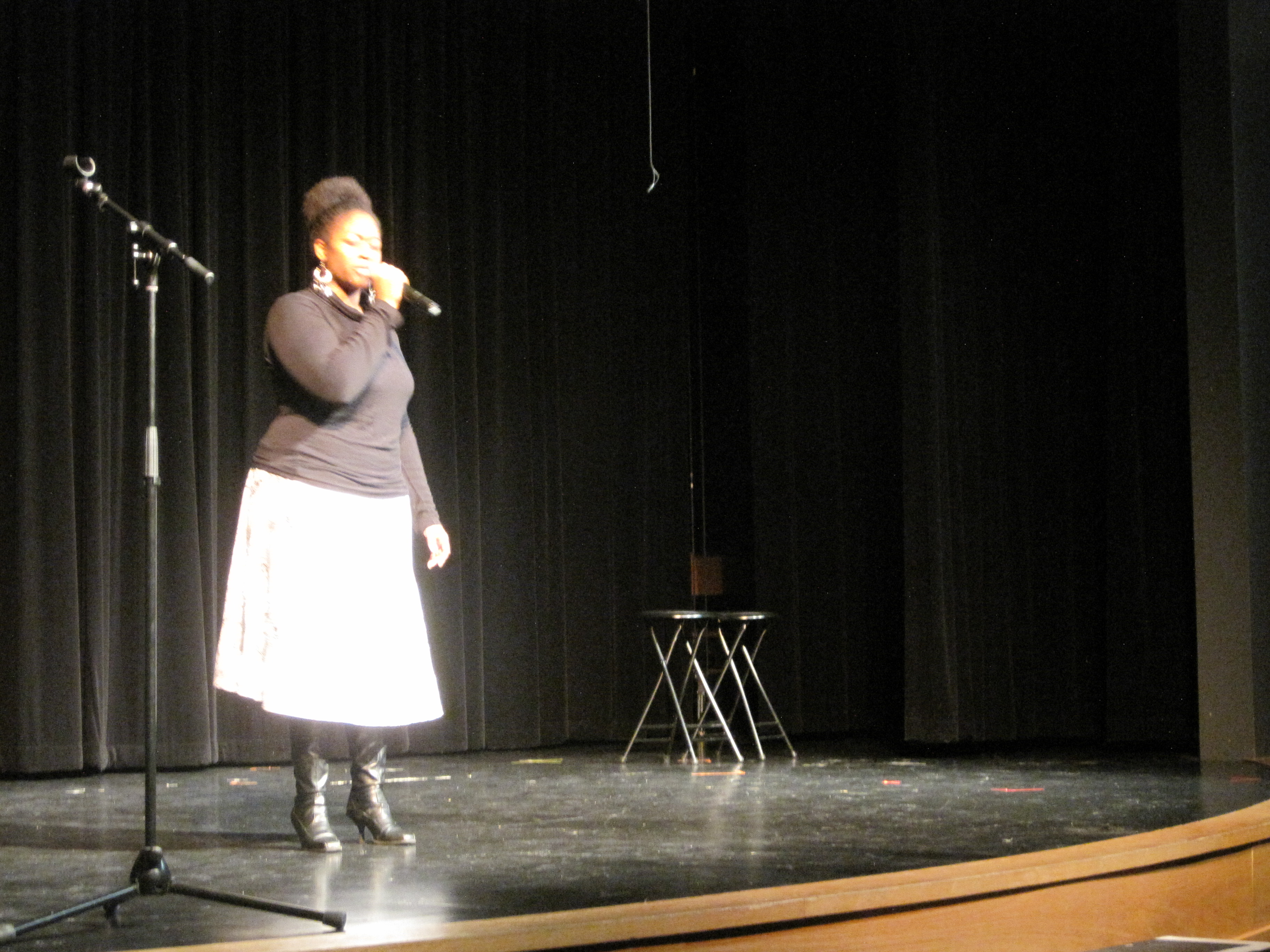
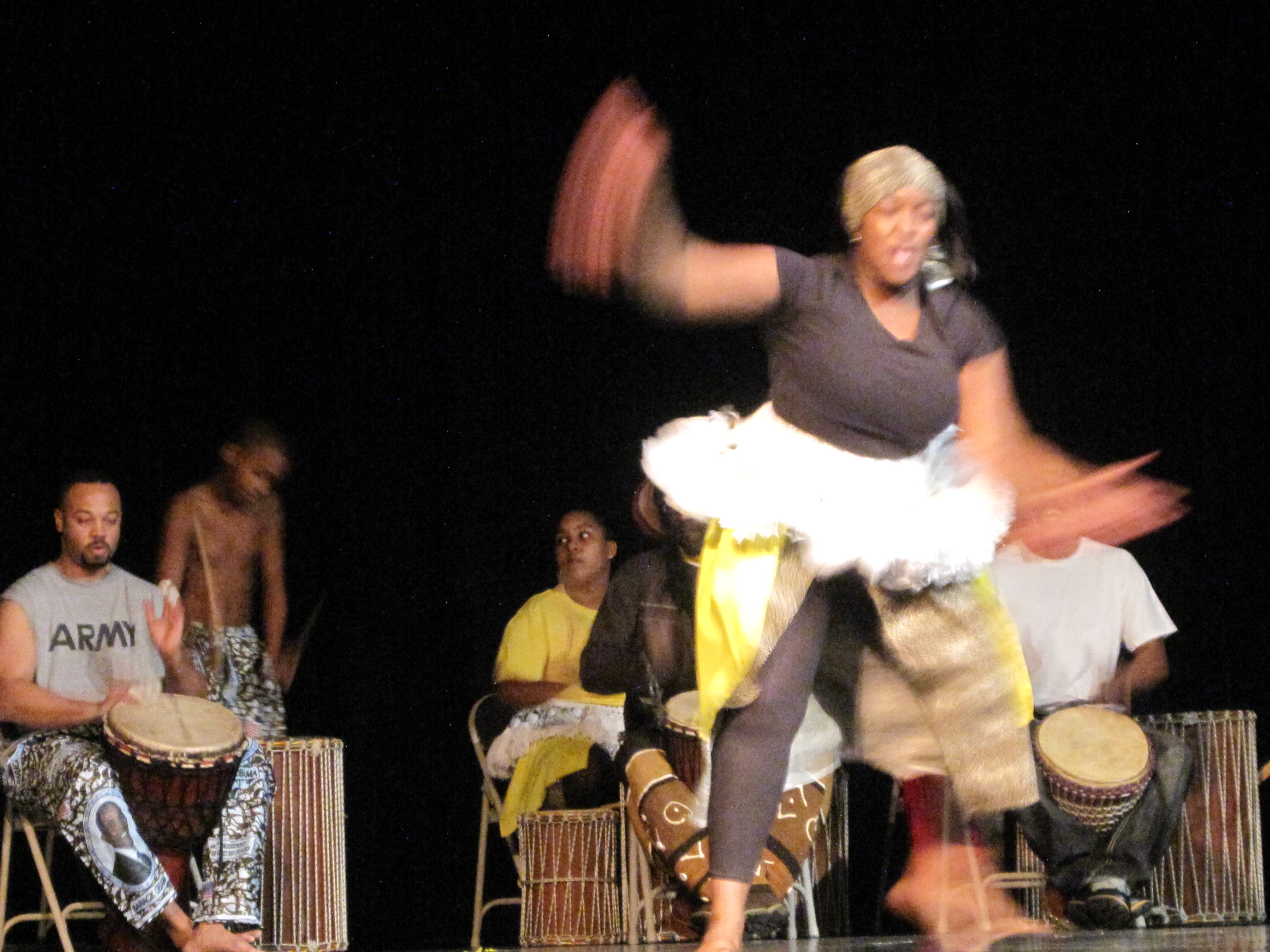
Here are a few pictures from a Black Theatre Workshop production yesterday night. It was my first time of visiting the theatre here on campus, and that is a shame. Back in the University at home, the theatre was a mainstay of campus life socialization, along with a few other stimulating endeavours, and there was always a production or more every week. I can’t say the same for my University here, so I immediately jumped at the wonderful chance to reconnect with the stage. And it was worth every second of it.

The theme of the event is “The Journey to Freedom” and it featured about twenty pieces with an intermission of fifteen minutes in-between. There was a poetry recitation, storytelling, drama skits, dance, choreography, oration and singing. Held at the Metcalf Theatre (named after a demised theatre patron and former budget director of the University), each piece enacted on stage told stories of the journeys of the Africans from slavery to freedom. Ones that stood out were a recitation of Daniel Beaty’s poem “Knock Knock” by student actor Curtis Lewis, and a scene from A Raisin in the Sun by three other actors.

Other pieces were “Freedom means to me” written by Cassaundra Sampson, “Celia” written by Edwidge Danticat, “Let it Be” written by The Beatles, “Old People” by Greg Fenner, “The Talking Eggs” by Robert D. San Souci, “The Lady in Orange” by Ntozake Shange, “Consideration before Annihilation” by Unknown, “Last of a Dying Breed” by Greg Fenner, “If We Faint Not” by Ricky Dillard, “Escape” by Curtis Lewis, “Exodus by Jereme Dyson”, “A Change is Gonna Come” by Sam Cooke. and “A Brand New Day” by Luther Vandross.

The show will run for three days, ending on Sunday night. Needless to say, the performances moved beyond words could capture, except of course that word was “Catharsis.”

More from the Mardi Gras

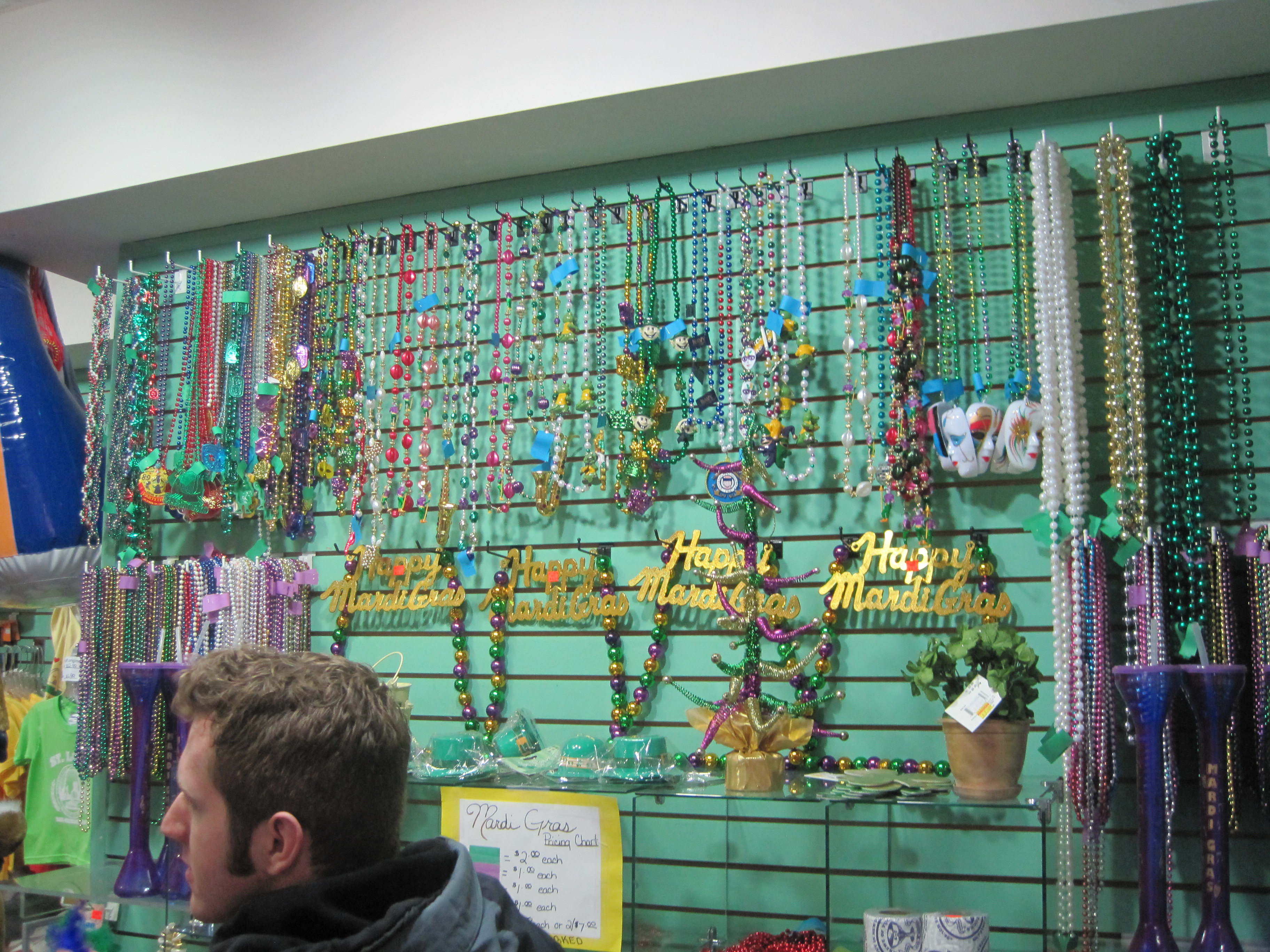
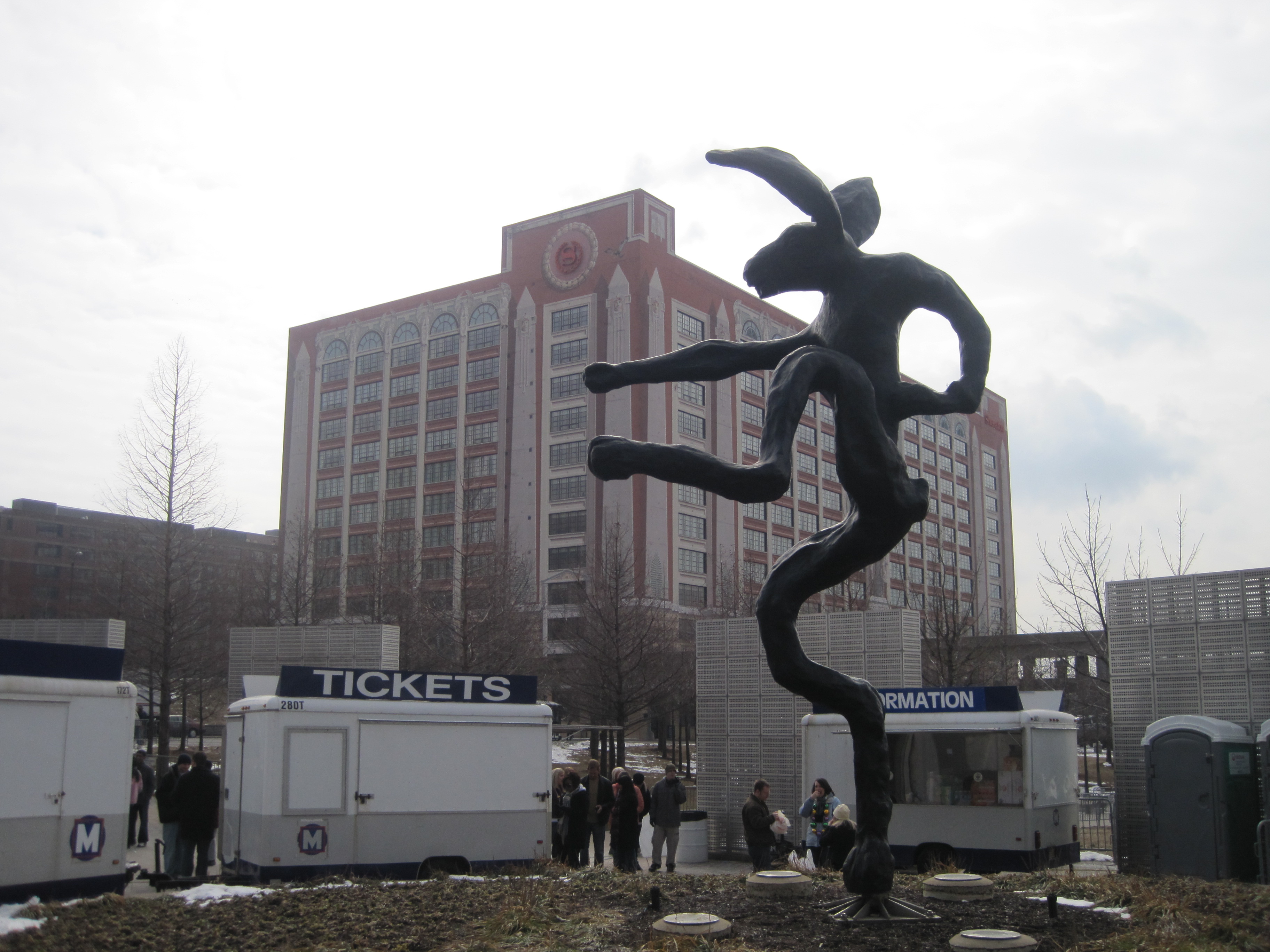
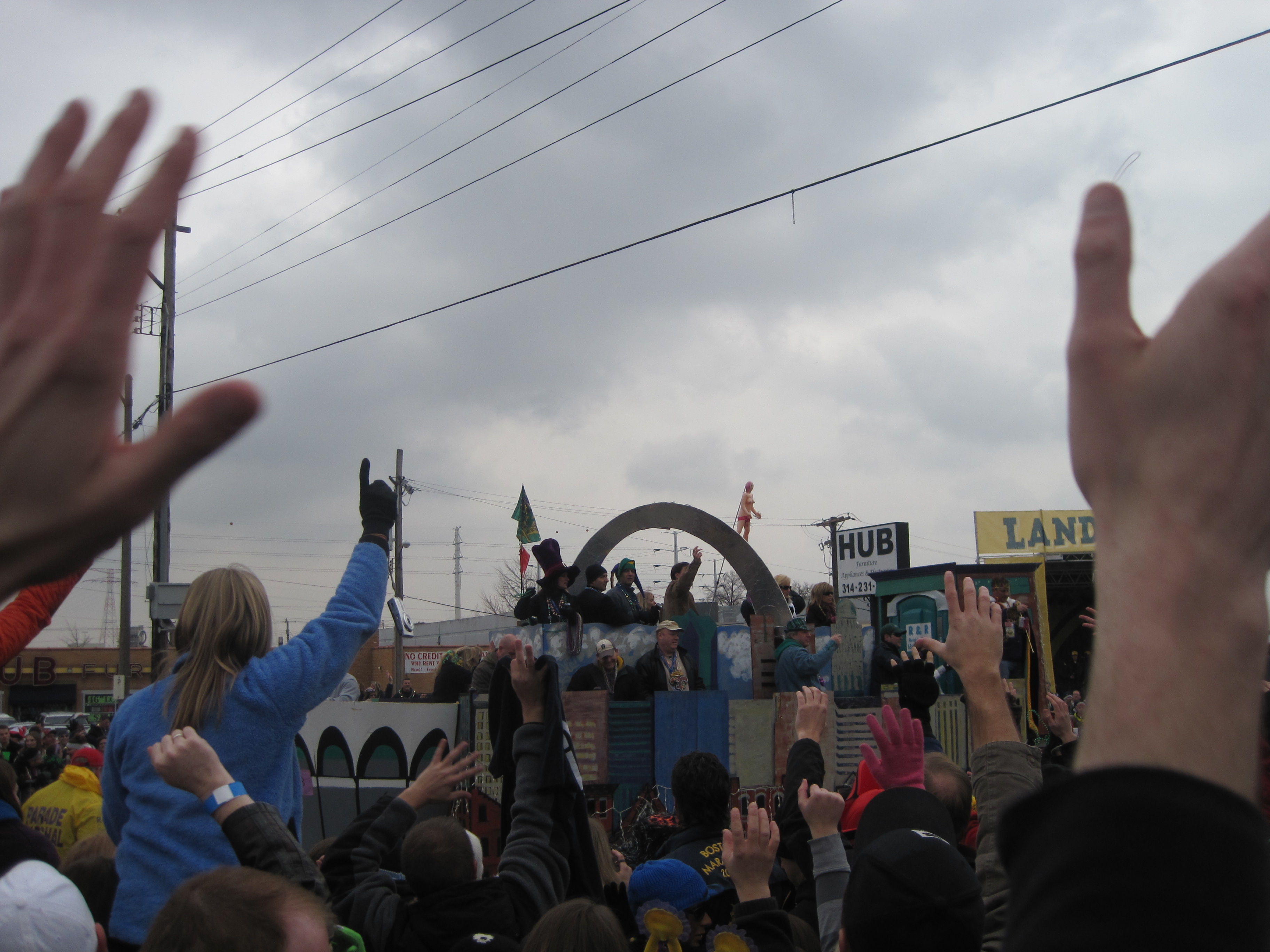
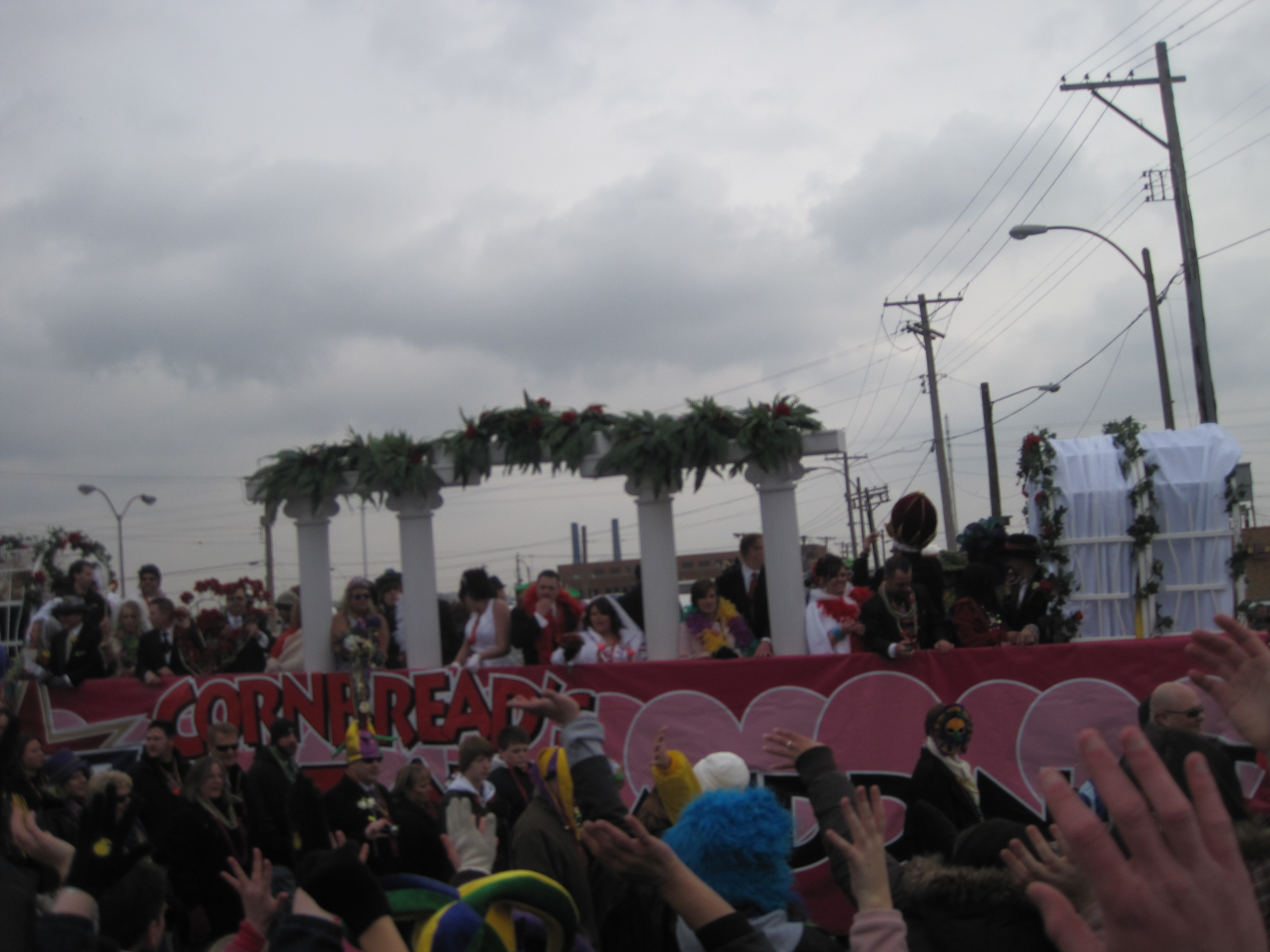
Here are some more pictures from the Mardi Gras, St. Louis that ended on Tuesday. Here’re are also a few of my observations from the event.

A disorientatingly large crowd.
Unexplainably expensive drinks.
(Eventually) drunk boys and girls from all over the world.
ATM machines that charged $8 on every transaction. Absence of any topless black girls. A heavy police presence, most of who came out of the state of Missouri. One of the cops we spoke to said he had come from Chicago. A confusing labyrinth of alleys at the Soulard Street where the event took place.
Rude, drunk and aggressive boys.
Liberal Brazilian girls with names written on all part of their clothing.
Colourful beautiful  costumes, and beads.
Delicious turkey legs.
Somebody that looked so much like Prof Wole Soyinka.
Loud music. A long unending carnival of different kinds.
ID required for all drinks bought even if said ID belonged to someone else. Patriotism: the crowd yelled “USA. USA!”  when the parade of American military men marched past.
A lively carnival atmosphere. Thousands and thousands of beads thrown into the crowd.

In New Orleans, Louisiana where the celebration has its largest following in the United States, as in St. Louis Missouri where on this day private transportation was suspended for reason of order and ease of movement of scheduled large buses and the numerous visitors,  the Mardi Gras is always a colourful carnival featuring a series of activities during the days preceding the so called Fat Tuesday. Before the fasting of Lent begins on Ash Wednesday, it is the belief that all indulgence are in order, and that believers (since it started as a religious festival) should eat all they could. This explains the amount of drunkenness and liberal behaviour that has defined the event as a cultural identity for the season, and for the cities in which they take place annually in the United States and all over the world.

Update (Friday February 19th 2010): There is an article in today’s  NEXT newspaper about the event. I wonder who wrote it.
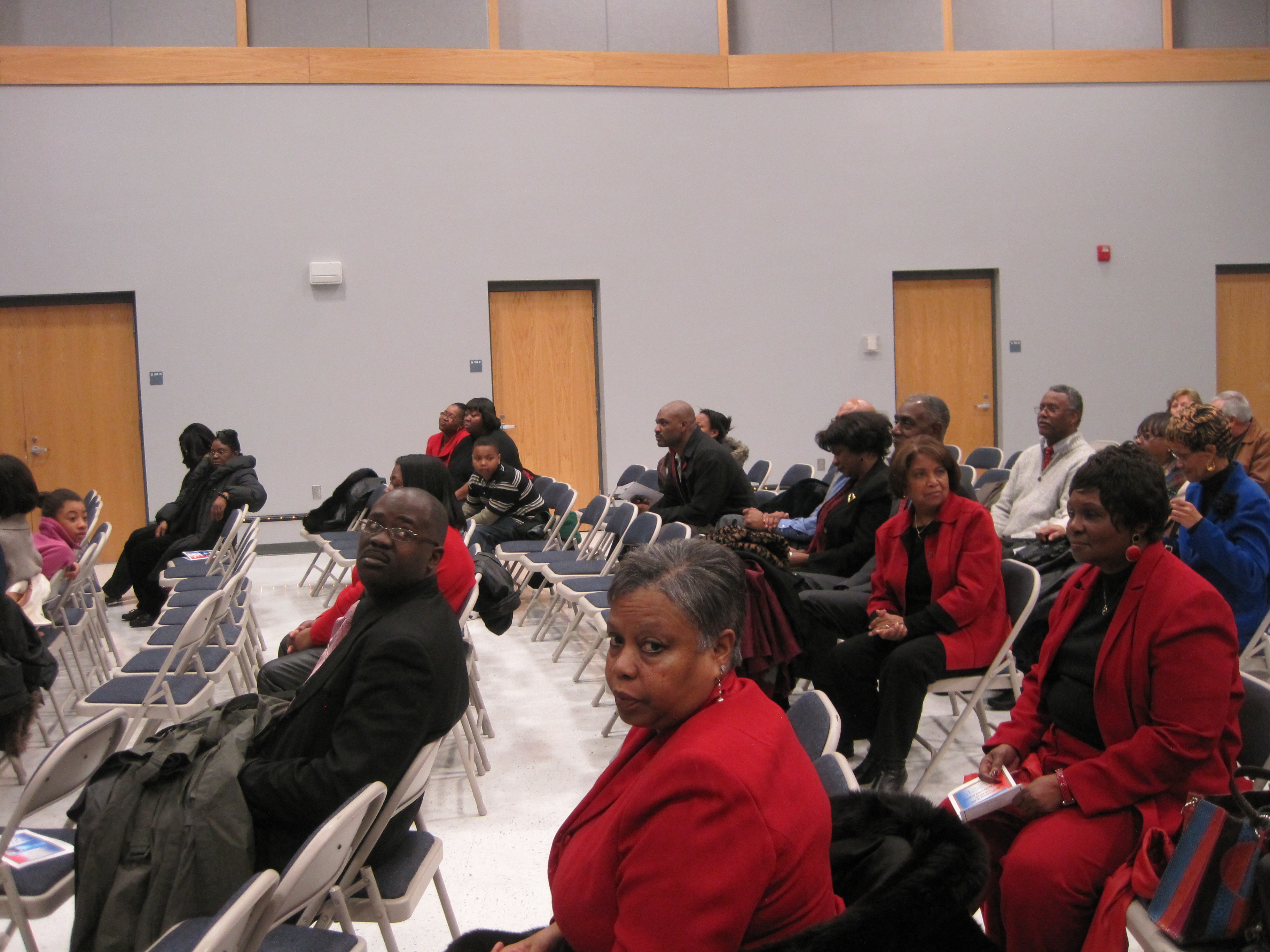
Black History Month – An Event

This is my 300th post.

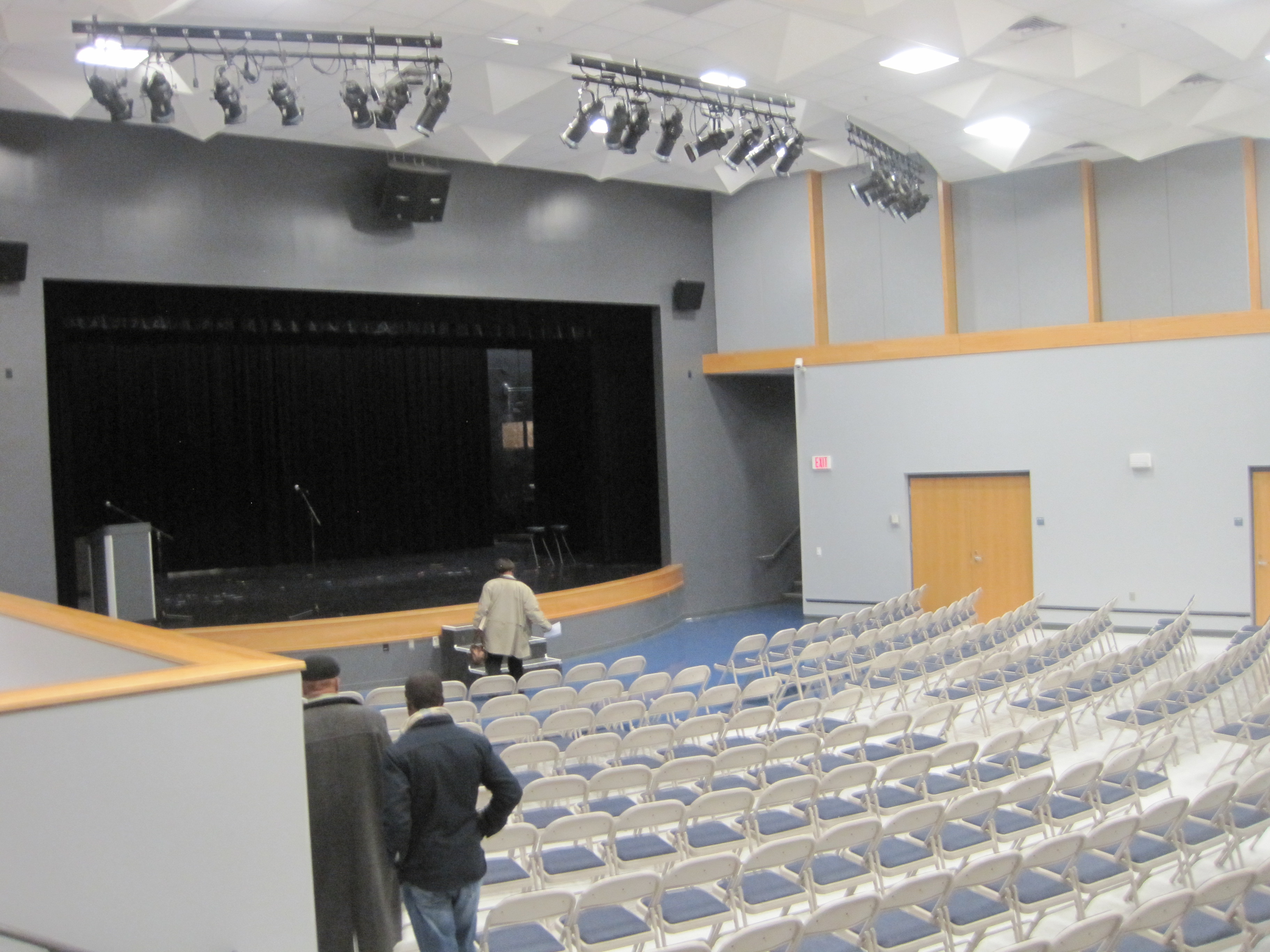
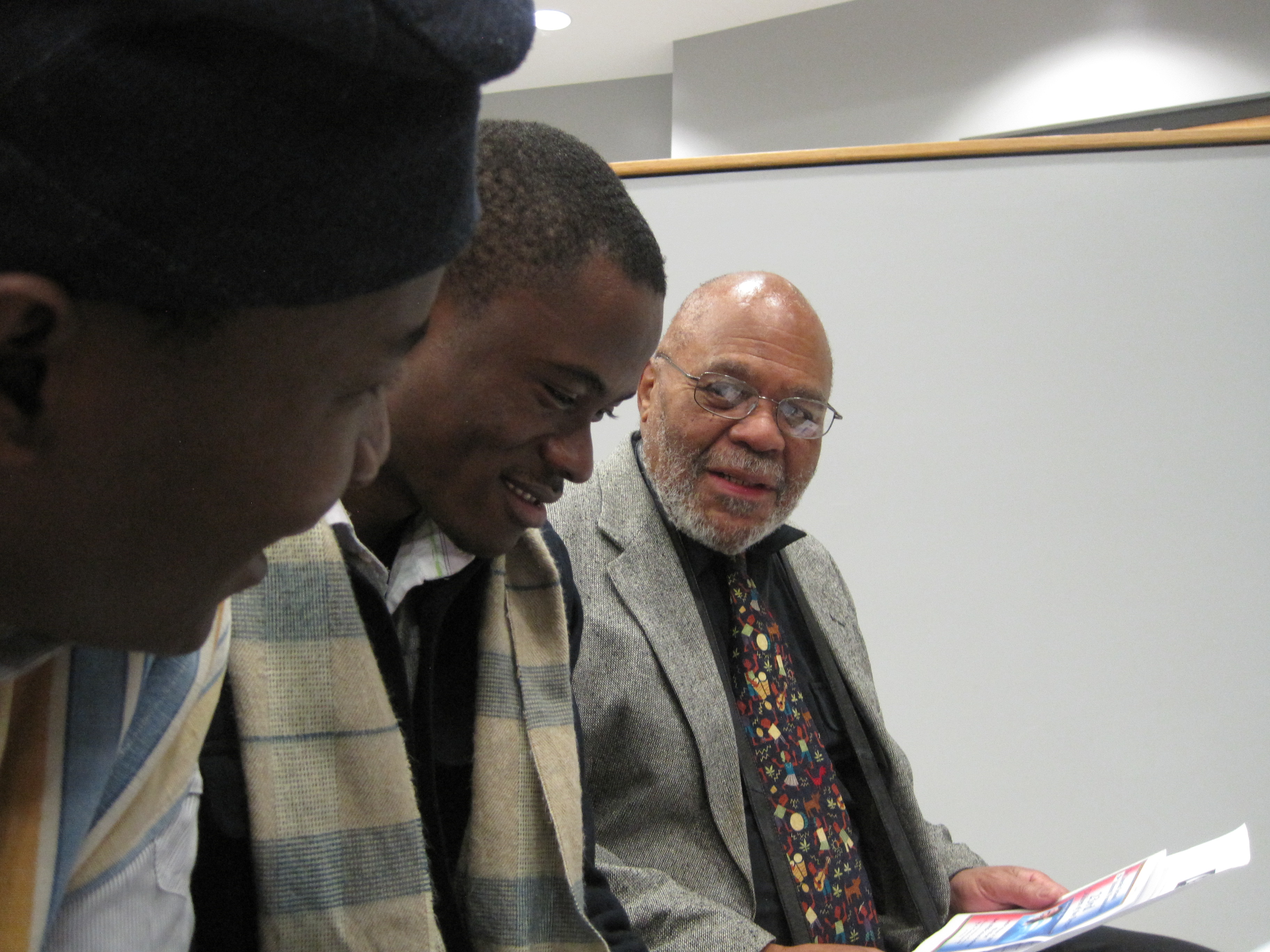
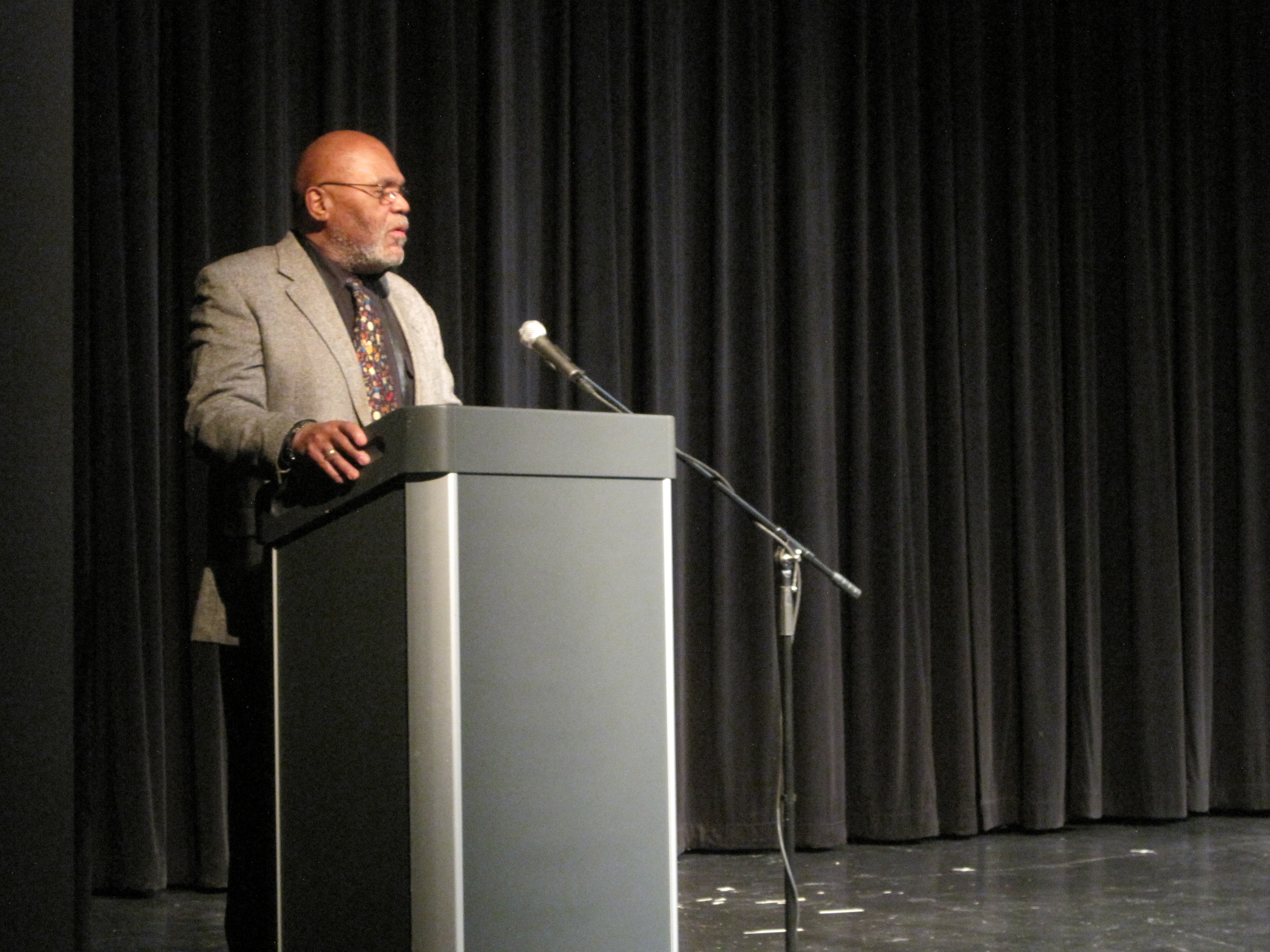
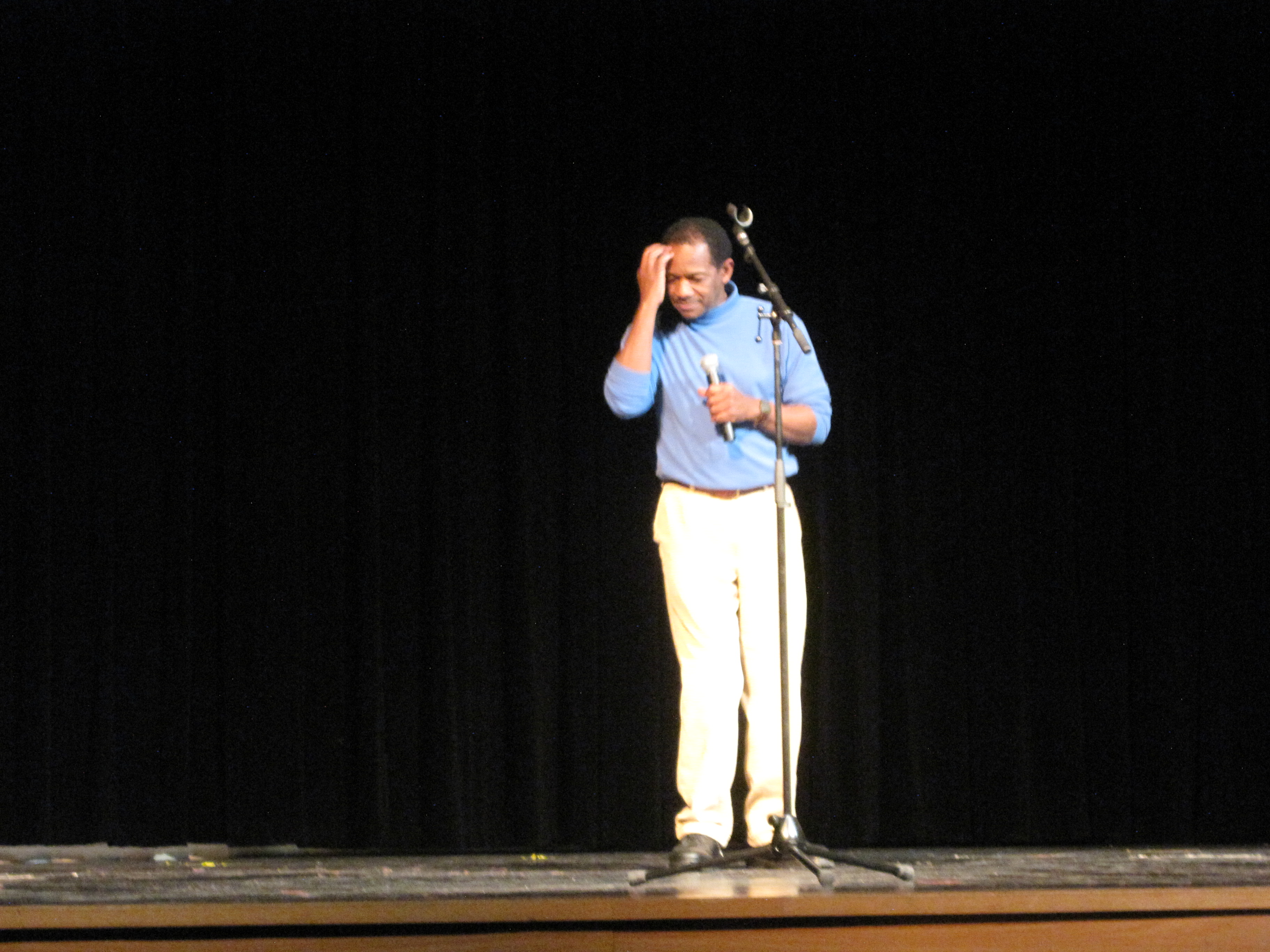
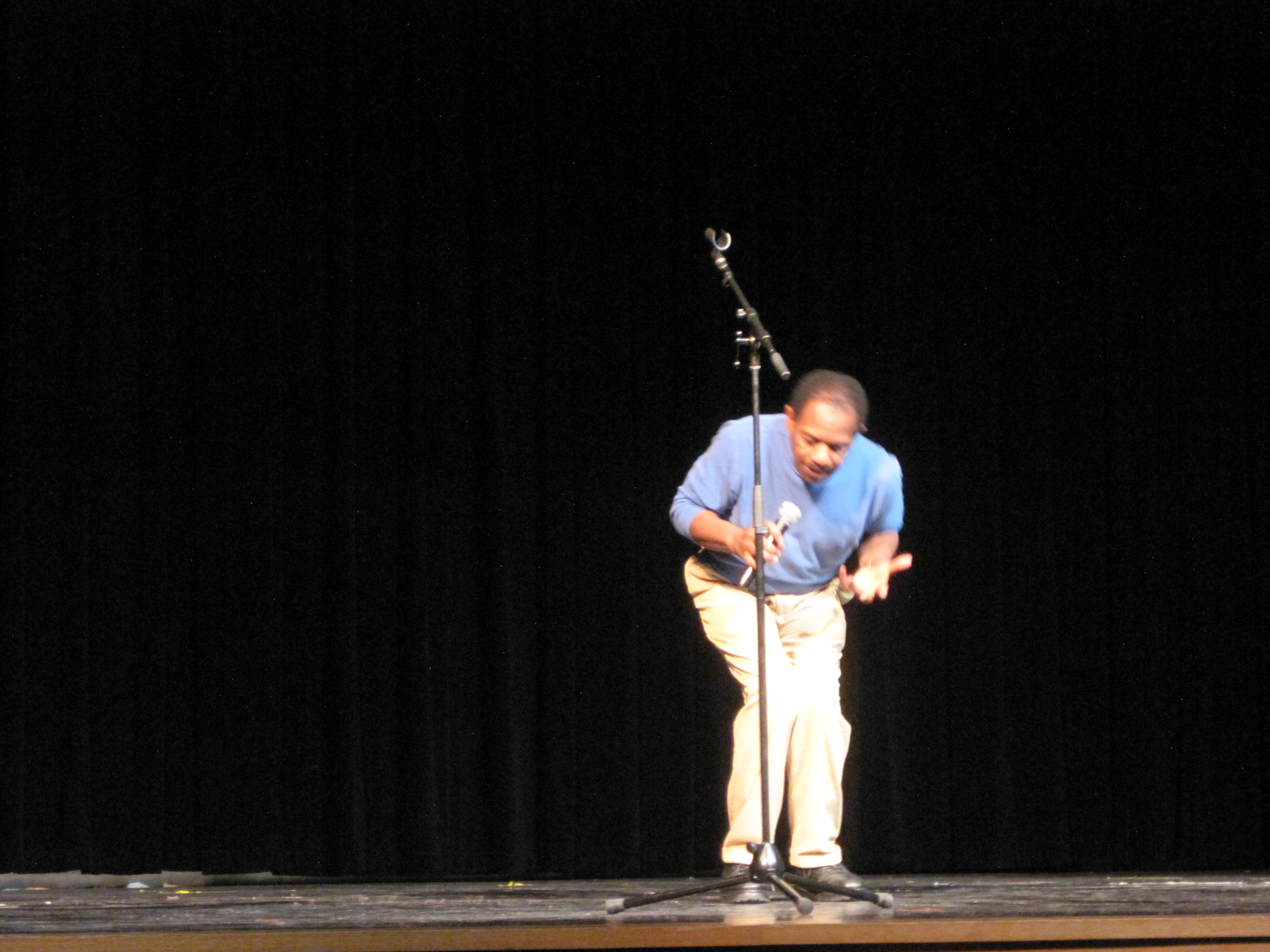
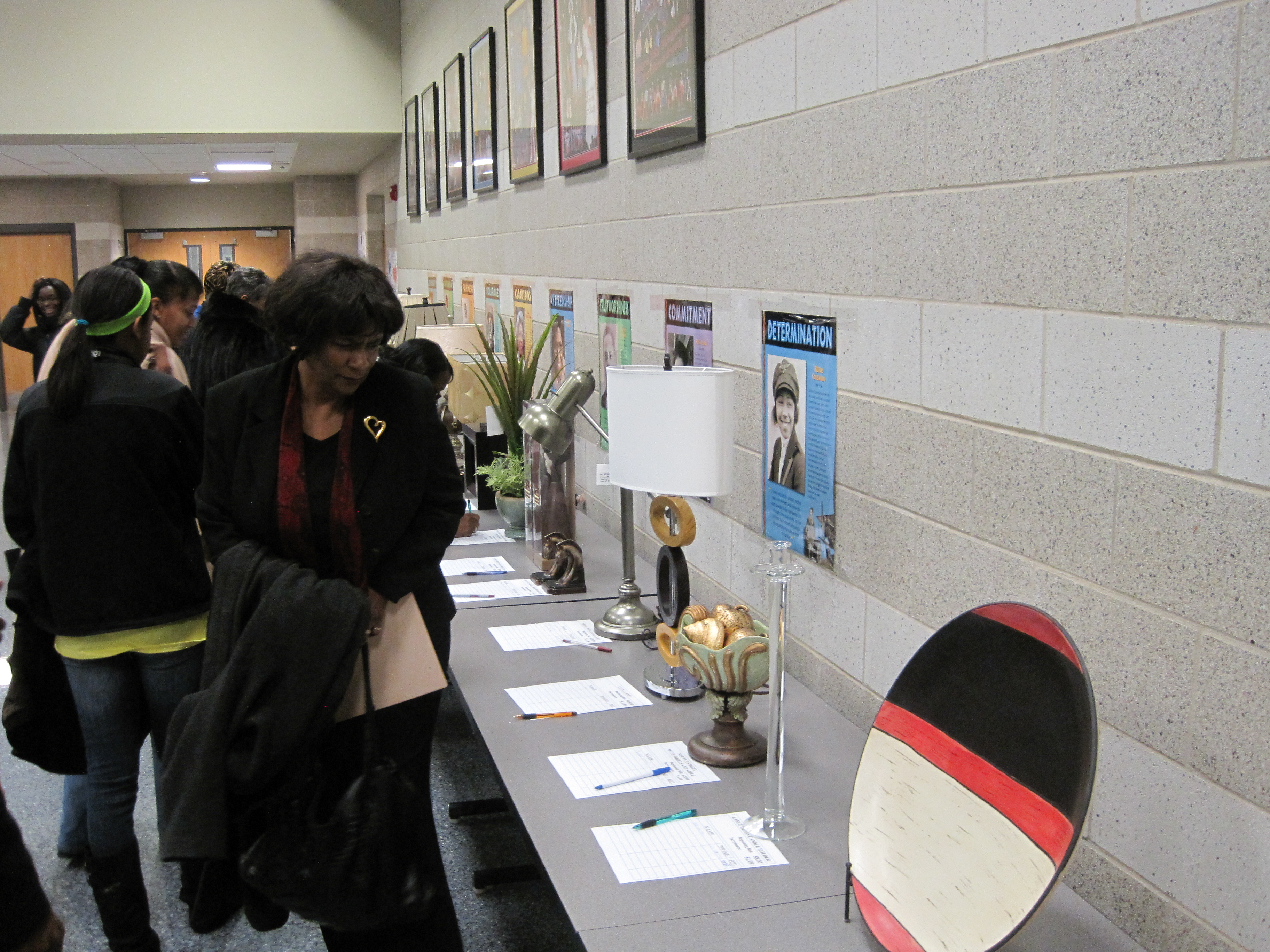
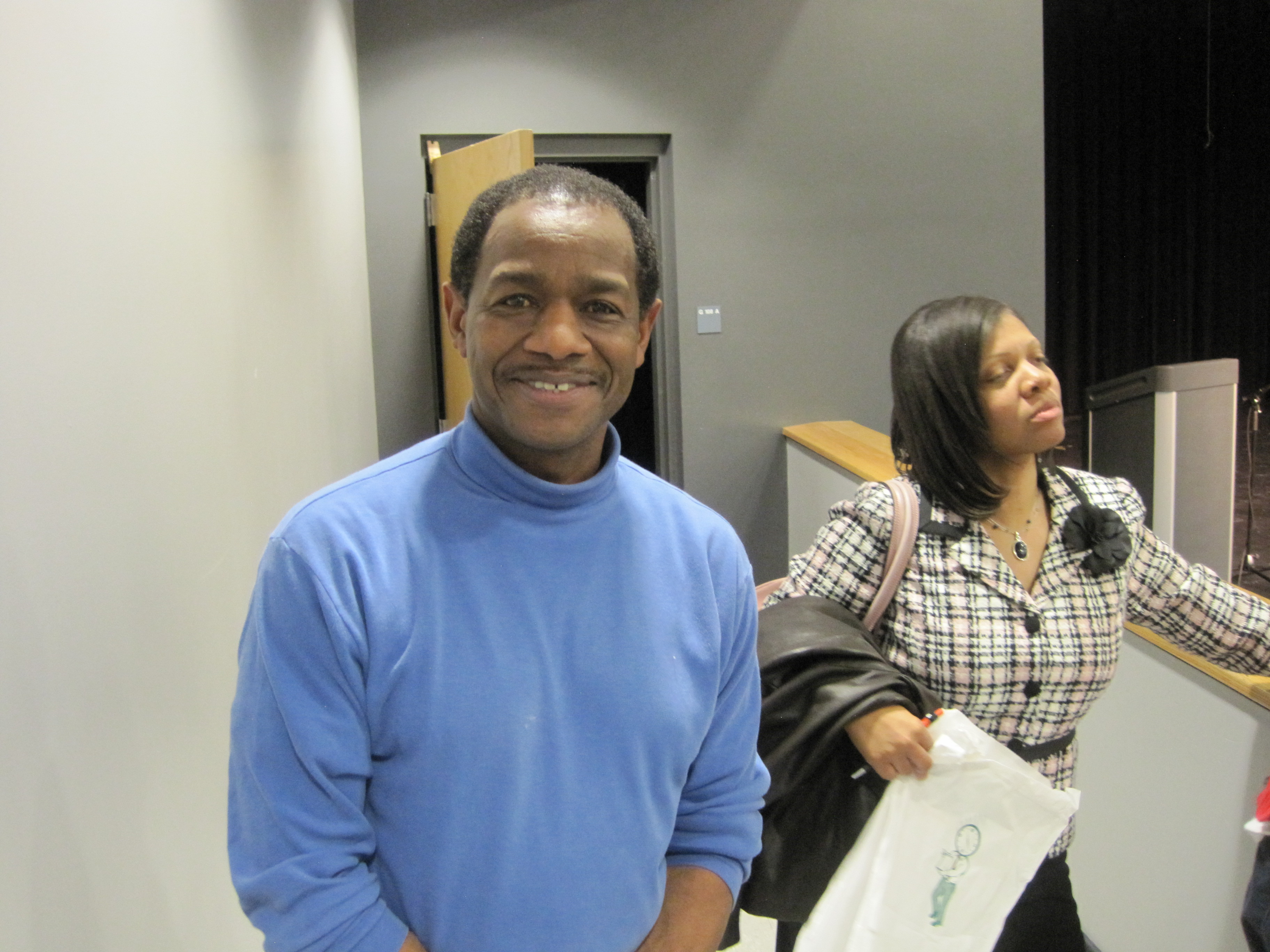
Yesterday, I attended an event at the Liberty Middle School Auditorium a little distance from campus. Called the Lincoln School Alumni Foundation 23rd “Children of the Dream” event, it was show that featured poetry reading, dance, singing, stand-up comedy, and an extraordinary recitation performance by the famous and three-time Emmy Award-winning comedian and dramatist Bobby Norfolk. He was spectacular. I made a video from the event and will soon put it on Youtube. But here are pictures from the event.