I found these on YouTube today
Laugh with me, and watch some of the other skits by this British comedian.
Apparently, Nigerian traffic wardens in Britain speak in unnecessarily grand English while at work.
Browsing the archives for the Art category.
I found these on YouTube today
Laugh with me, and watch some of the other skits by this British comedian.
Apparently, Nigerian traffic wardens in Britain speak in unnecessarily grand English while at work.

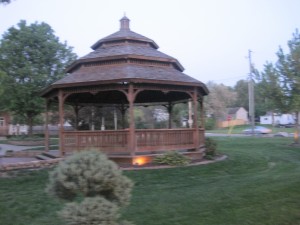
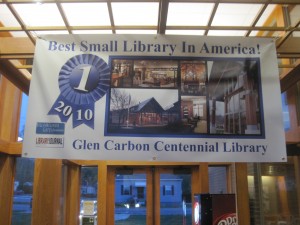

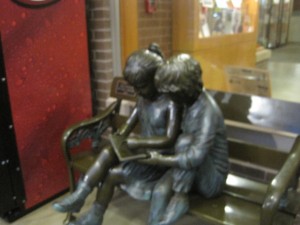
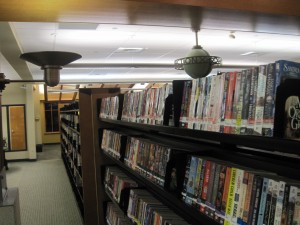
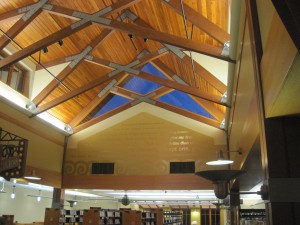
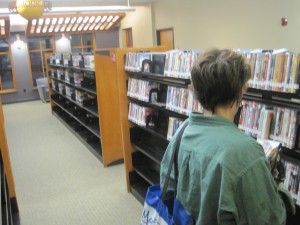


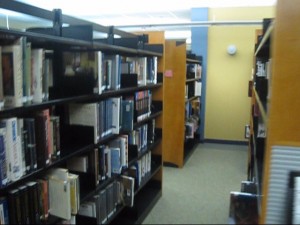
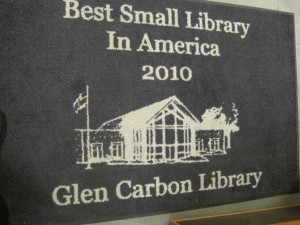
Pictures from the Glen Carbon Centennial Library, voted the best small library in America by the Bill and Belinda Gates Foundation for 2010.
I was there yesterday. See this YouTube video of my tour of the Library, and a newspaper article I wrote about the library.
I WILL arise and go now, and go to Innisfree,
And a small cabin build there, of clay and wattles made:
Nine bean-rows will I have there, a hive for the honey-bee,
And live alone in the bee-loud glade.
And I shall have some peace there, for peace comes dropping slow,
Dropping from the veils of the mourning to where the cricket sings;
There midnight’s all a glimmer, and noon a purple glow,
And evening full of the linnet’s wings.
I will arise and go now, for always night and day
I hear lake water lapping with low sounds by the shore;
While I stand on the roadway, or on the pavements grey,
I hear it in the deep heart’s core.
-WB Yeats
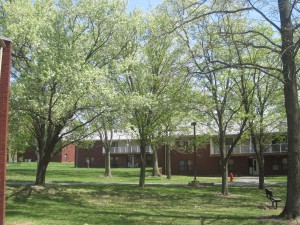

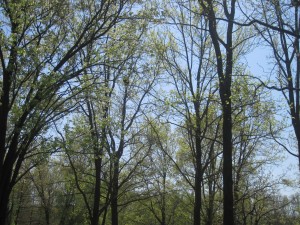
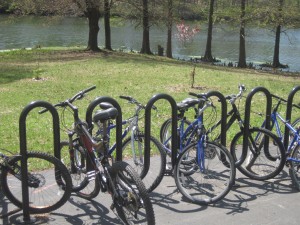
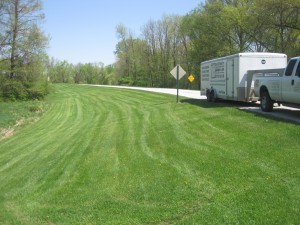
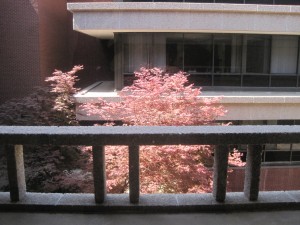
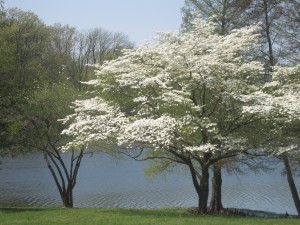
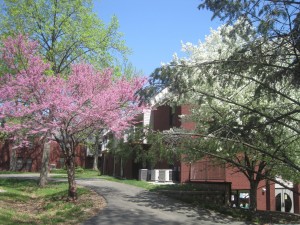
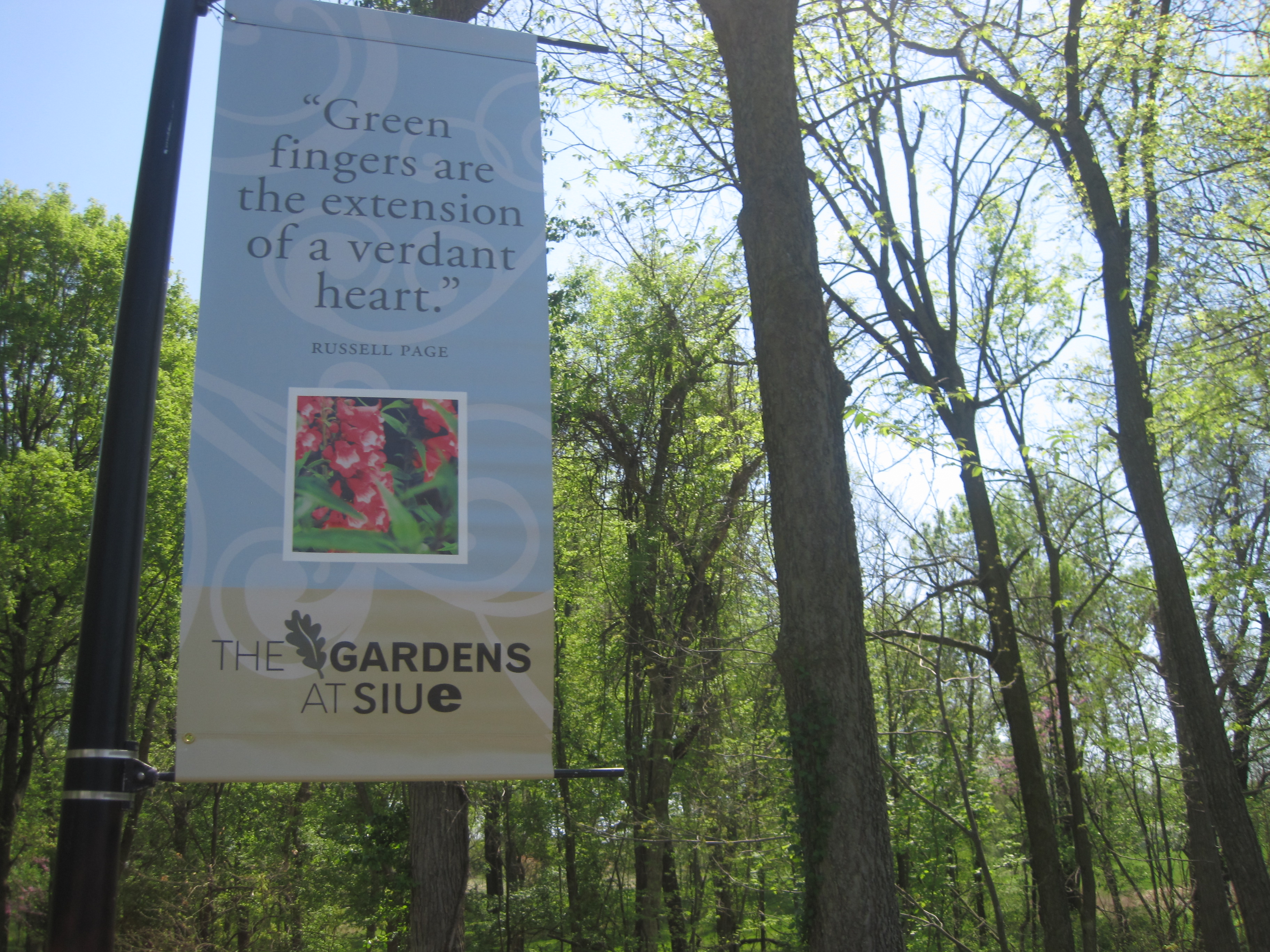

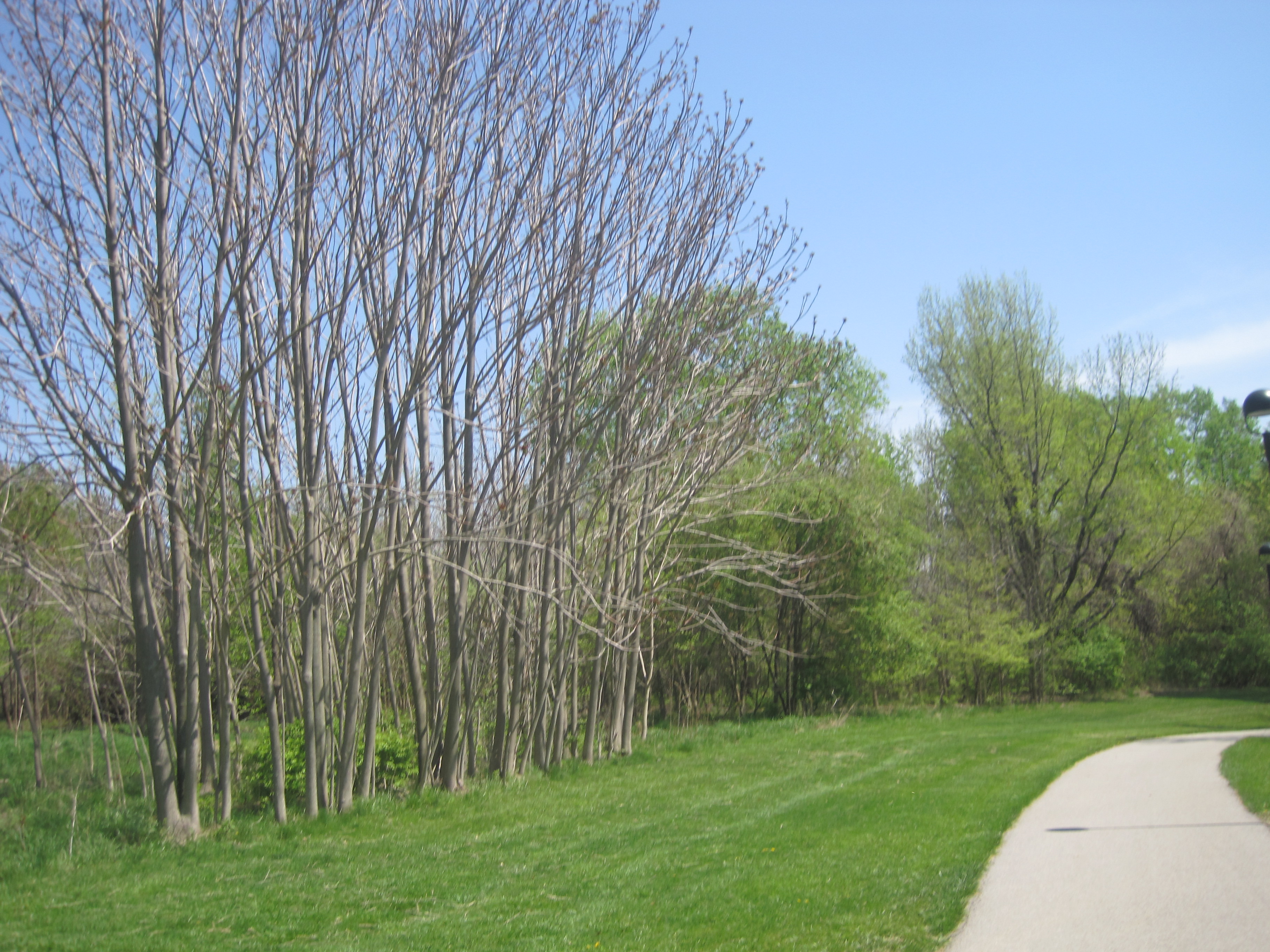
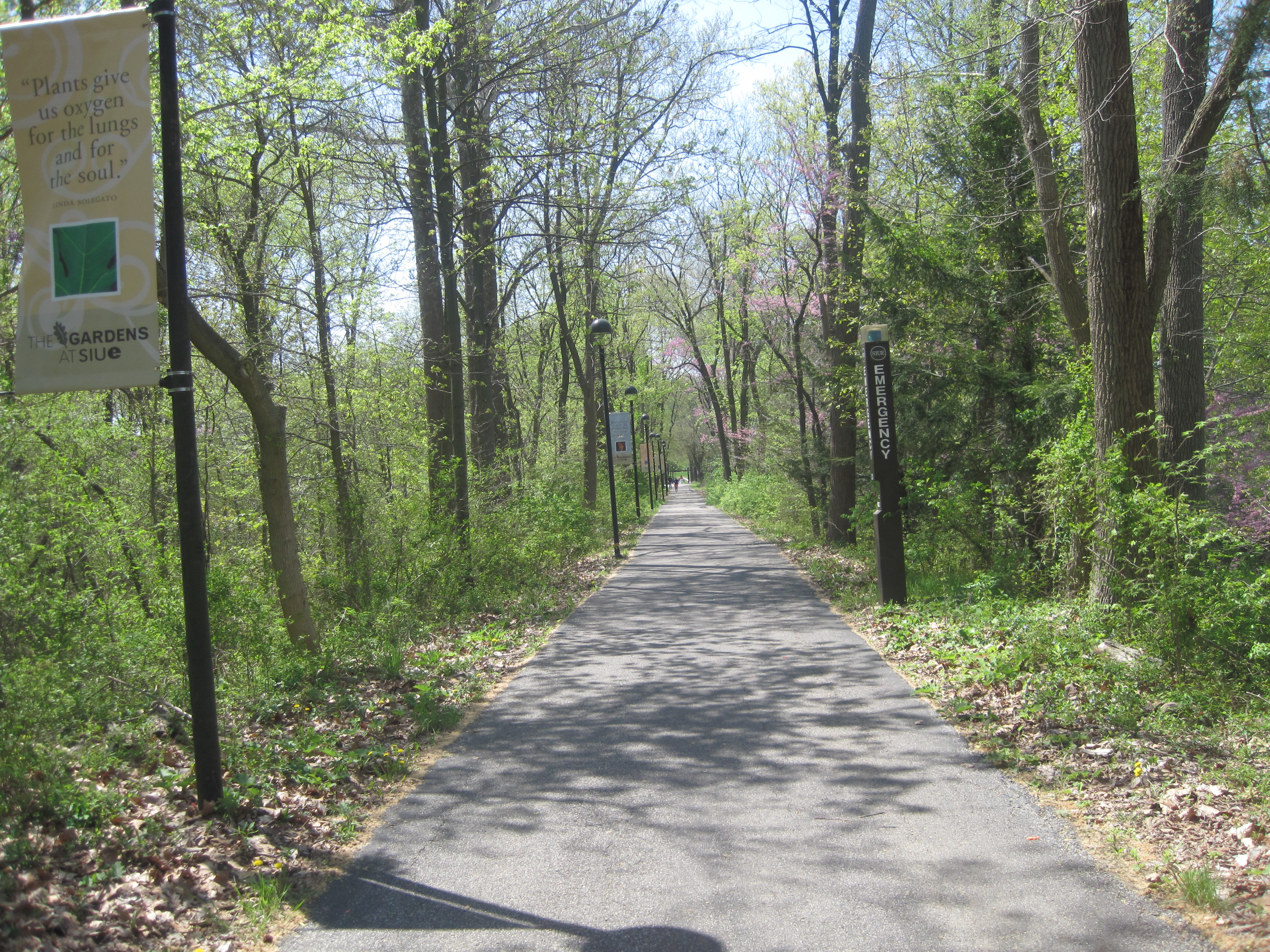 Finally, I can delight in the pleasure of green leaves, beautiful flowers, and the joy of the fullness of the season. And what is the beautiful University campus without the famous Cougar bike trail from my apartment to campus. Enjoy the pictures.
 Chapter nine of Toyin Falola’s A Mouth Sweeter Than Salt was probably the most difficult for the students to handle. It started on a rather shocking note of the sex songs sung yearly at the Okebadan Celebration of his youth. The songs were supposed to induce fertility in nature, praying down the rain to come and fertilize the earth, yet their words were those of the human anatomy, and they were explicit. Very. And little children as well as adults sang along on the street as they go from house to house taunting each other in the most explicit way possible. According to Falola, the songs for which one would ordinarily be punished had they being sung on an ordinary day would be sung loudly in public throughout the celebration and everyone would be joyous.
I have just finished reading my student’s report on the chapter and many of their observations left me in stitches of laughter. Many claimed to have been confused. Some were shocked, and a few said they found it interesting. Those who were shocked claimed not to have been exposed to any occasion in America where sex is discussed in such an open manner. I’m guessing that they had never attended the Mardi Gras. 🙂 In all, I have always had a good time reading their feedback on the text portrayed by Falola. Interestingly I myself have never witnessed the Okebadan festival, but beyond the words of the songs by the little children singing them, I don’t believe that it ever got any “raunchier” – to use the word – than the Mardi Gras, which I still think is a wonderful celebration of life as well.
This was – verbatim – one of the reports from a student:
The most interesting part of the ninth chapter for me by far was the beginning. The groups of people were running around the city and going to different houses singing all kinds of crazy sexual songs. It was not just the fact that the songs were somewhat explicit that made them interesting. The logic of the songs was rather interesting as well. One song stated that “Penis times vagina equals penis. Vagina times penis equals vagina.” I am not sure about this. Still, I found the songs very comical. After all, I am not a mathematics major.
Reading it here in my room, especially the last sentence, I couldn’t stop laughing at his sense of humour. And somewhere in my mind, I believe that Toyin Falola must have taken great efforts to make this chapter controversial with a subtle confrontation of African sexuality and spirituality with accepted Western standards of morality and propriety, since it looks like the book was written with foreign audiences in mind. Or why else would he devote so many pages at the beginning of that chapter to the matter of sex and the Okebadan festival? I’m glad at least for the discussion it generates. How for instance there is so much sex portrayed in the American media, and how different and conservative the real life society seems when observed at a close range. It’s all an interesting paradox.
PS: Photo taken at the 2010 Mardi Gras in St. Louis of two guys simulating homosexuality with rubber penises.