Browsing the archives for the Art category.

Nnedi Okorafor on Censorship

In many cultures of the world, women damage themselves in order to appeal to men (which translates to “finding a mate”). And parents damage their girls to make them marriageable. In American society, much of this “mutilation” is psychological (though plenty is physical) but no less painful or harmful. However, plenty of people are writing about all this. I don’t feel enough are writing about female genital cutting.

This piece from fantasy and speculative fiction writer Nnedi Okorafor has made my morning not just because of the way she successfully defends her genre from the many ignorant attacks it has received from sections of the public, but the depth and fluidness of her thoughts. Listen:

First of all, I speak about what I choose to speak about. Let’s see you try to stop me. Secondly, if writers only wrote about what they’d experienced, then few people would write about wizards and unicorns. Thirdly, let’s be honest here, you can lace the practice of female genital cutting with whatever elaborate stories, myths and traditions you want. What it all boils down to (and I believe the creators of this practice KNEW this even a thousand years ago) is the removal of a woman’s ability to properly enjoy the act of sex. Again, this is about the control and suppression of women. And I do NOT have to be right there between a little helpless girl’s legs to know this to be true.

Read the rest of the piece here and see why the award-winning writer Nnedi is one of the bright futures of African literature.
Conversations

Ivor: Do you feel that current Nigerian politics has influenced your writing? And if so to what extent?

KT: No, but that is as far as my deliberate rebellion will allow, and I have tried as much as possible to fuse much of my own outlook in the speech of the characters I create. I cannot control the unconscious however. If I’m a writer at all, I’m one because of my upbringing and influences all tainted with patches of Nigerian history and my own upbringing in the many cultures that I’ve interacted with. The rest are my own questing polemics. In essence, I don’t write so as to be patriotic except to defy and to question, but mostly to locate the common humanity in my characters as well as in those who read and connect with them. I like the simple, small, family things, not the grand “national” political ones, and I’ve dedicated myself to exploring the small ones. I’ve discovered that they’re often even more fun than big politics. And as a writer, you get the liberty of imagination. Politics is more restricting. In that, Marachera was right. But overall, we are still a sum of our individual experiences, and are conditioned by our environments whether we like it or not.

Read my full conversation with Ivor Hartmann on new writing in Africa on the Sentinel Blog. Ivor is the writer and publisher from Zimbabwe, now living in “economic exile” in South Africa.

BookJam At Silverbird

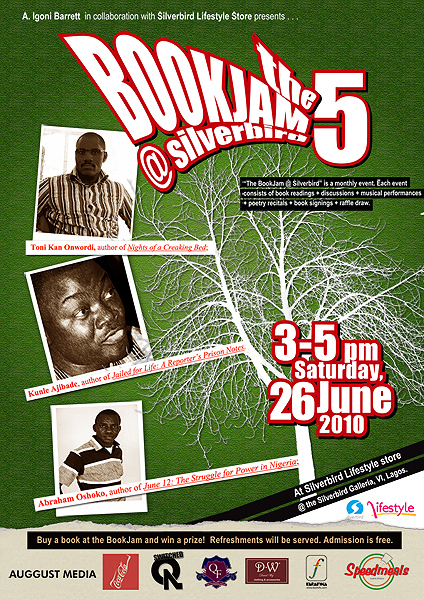
“The BookJam @ Silverbird” is a monthly event that consists of book readings, discussions, musical performances, poetry recitals, book signings and a raffle draw.

The BookJam is hosted by A. Igoni Barrett and the Silverbird Lifestyle store.

The 5th edition of “The BookJam @ Silverbird” will hold between 3 to 5 pm on Saturday 26 June, 2010 at the Silverbird Lifestyle store, Silverbird Galleria, Victoria Island, Lagos.

The guest writers are:

  • Toni Kan Onwordi, author of Nights of the Creaking Bed;
  • Abraham Oshoko, author of June 12: The Struggle for Power in Nigeria;
  • Kunle Ajibade, author of Jailed for Life: A Reporter’s Prison Notes.

Admission to the BookJam is free. Members of the audience who purchase books during the event stand a chance to win a special prize in a raffle draw.

For more information send an email to auggustmedia@gmail.com.

Food, For Clarissa.

My initial plan was to not only put up pictures of food, but to write a recipe of making them as well. Now, the temptation is just to give you the pictures, and send the recipes later. Or how about I just tell you their names first, and we deal with the making them later?

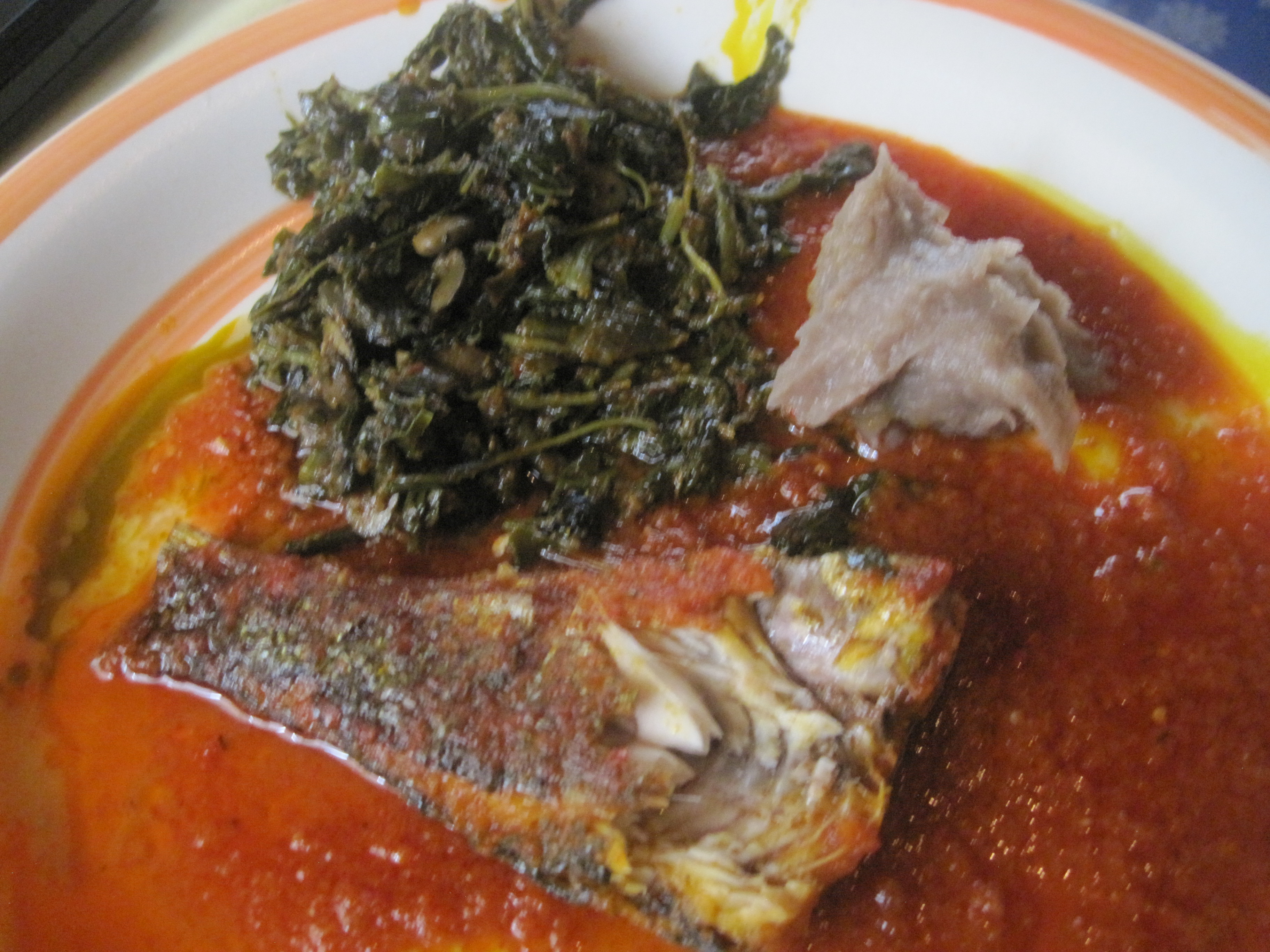
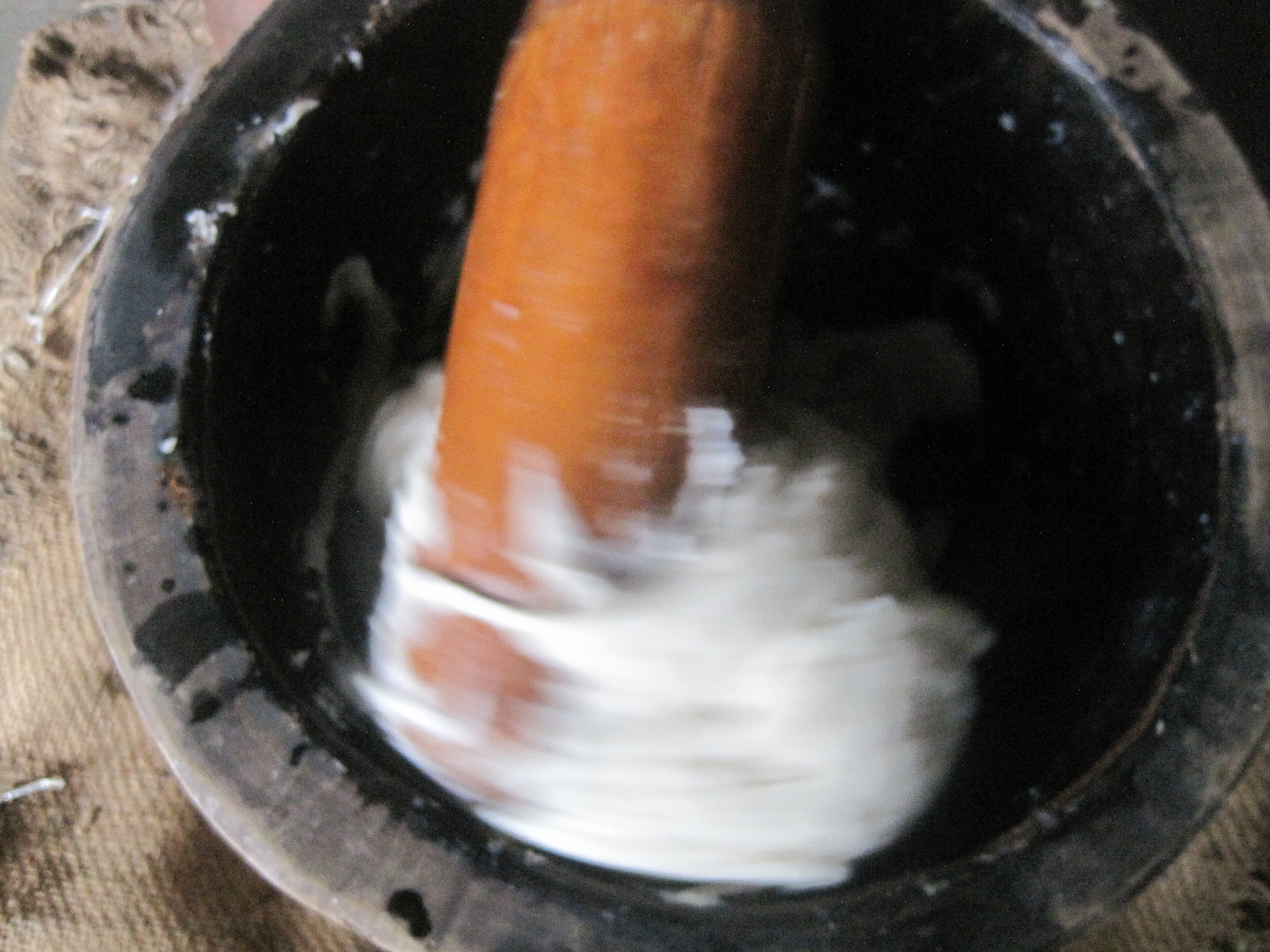
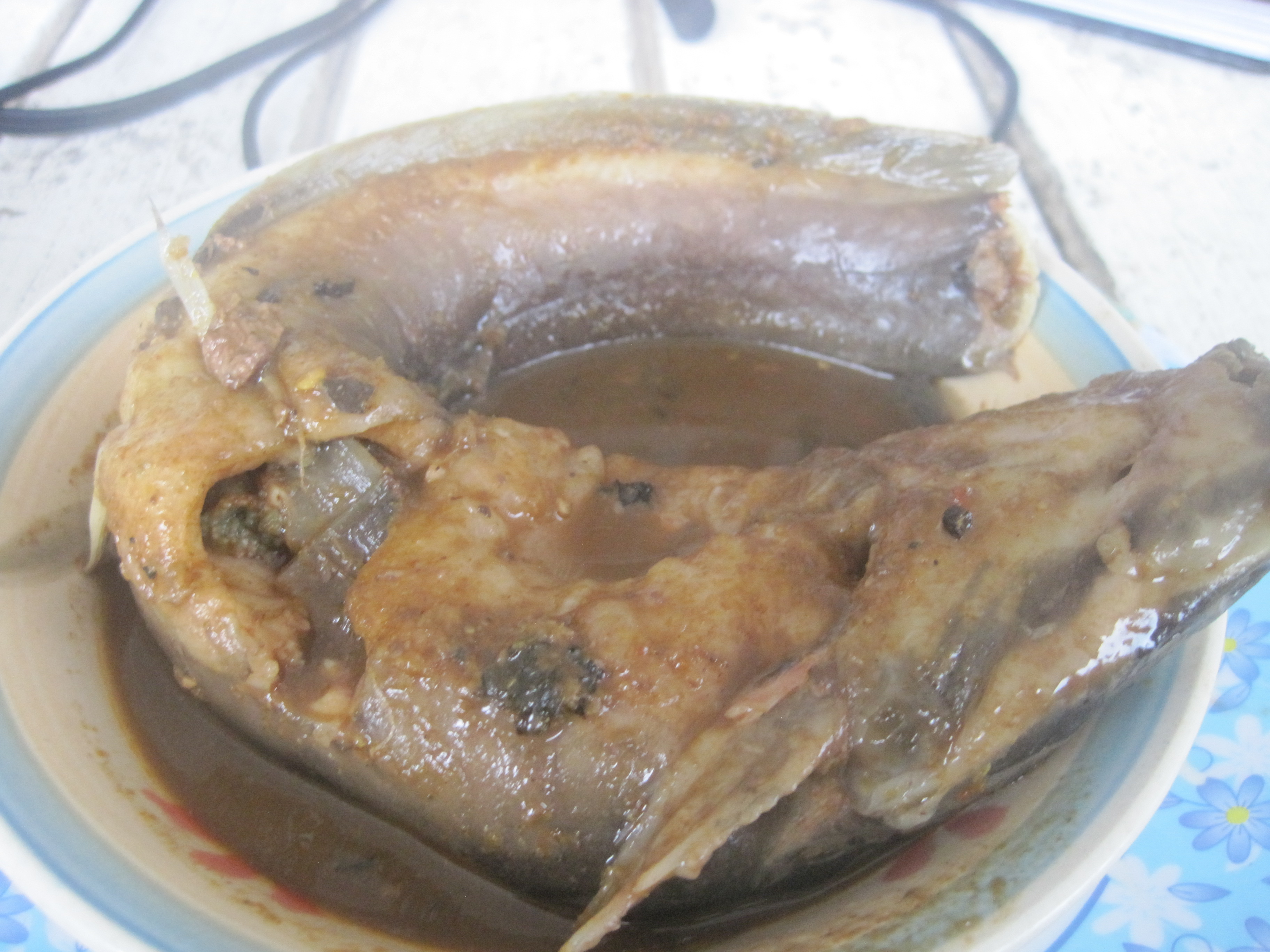
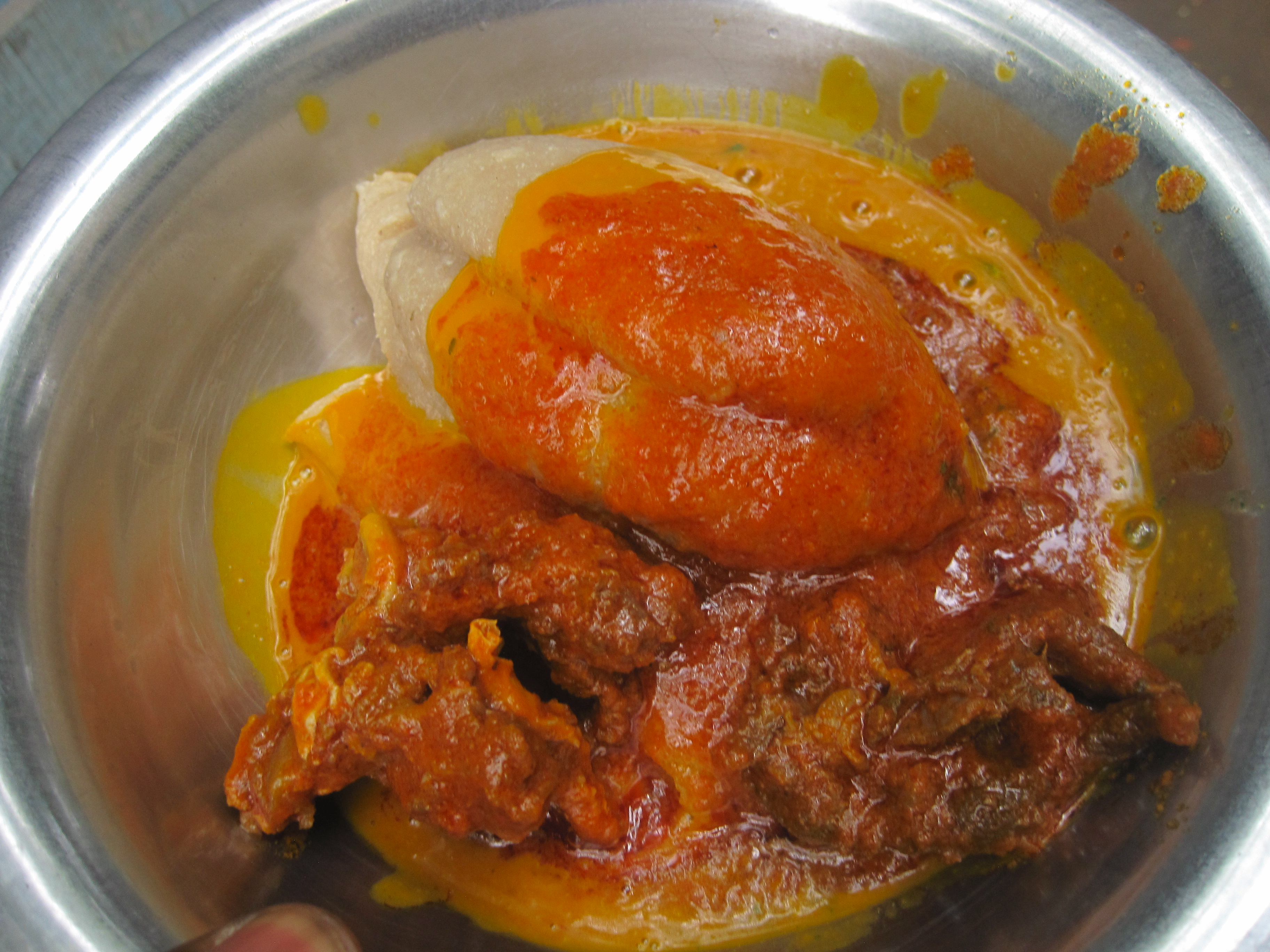
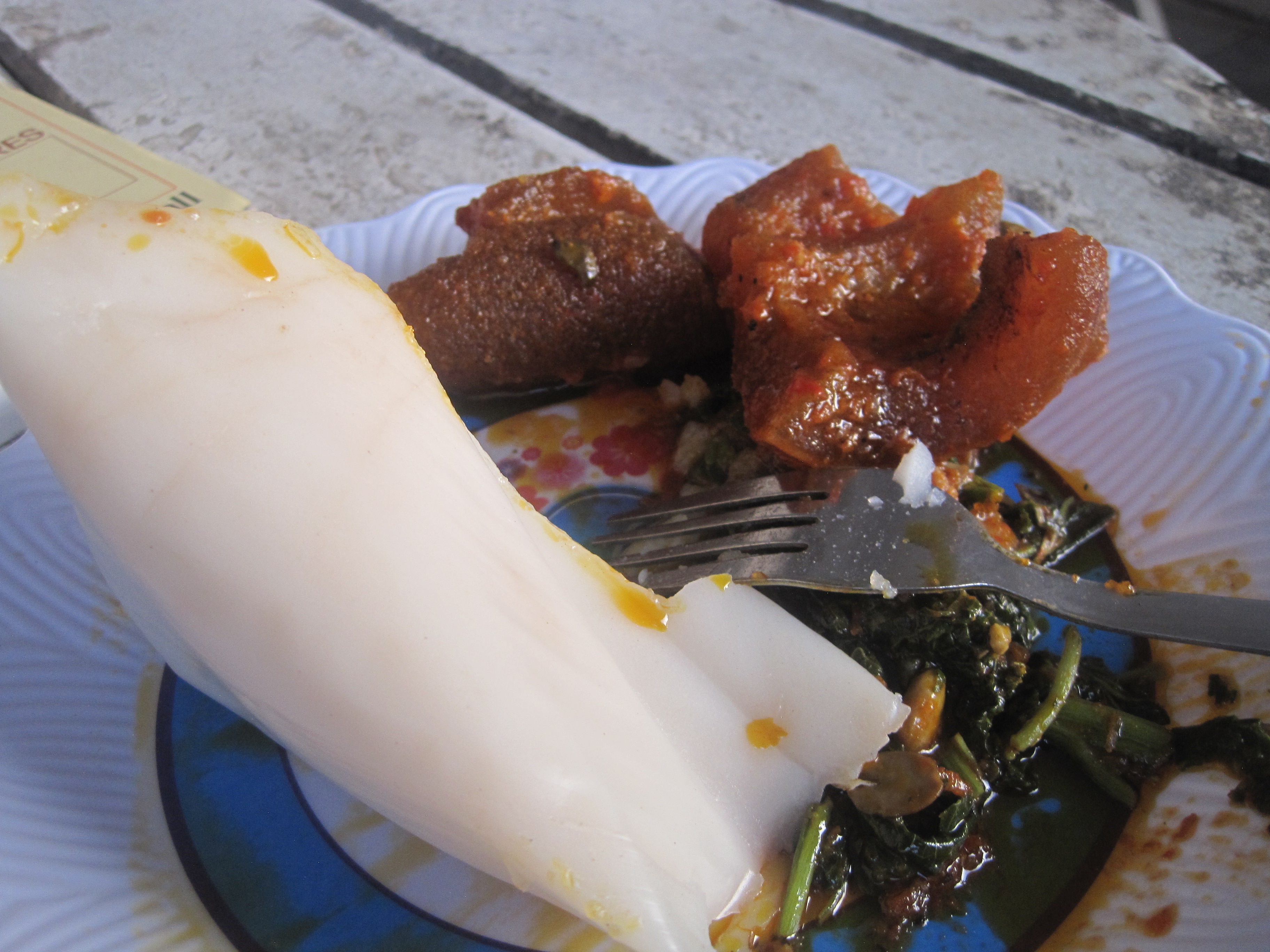
From the top, clockwise, we have:

1. Fried fish, with cooked (salted) spinach and locust beans, and a morsel of amala. This kind of amala is made from yam powder.

2. Eko (the white solid paste) made from corn, ponmo (from cow skin), and some more cooked spinach.

3. Catfish in peppersoup.

4. Pounded yam in the making. (You peel the yam, cook it without salt, and pound it until fine and doughy, then eat with any soup or vegetable of choice.)

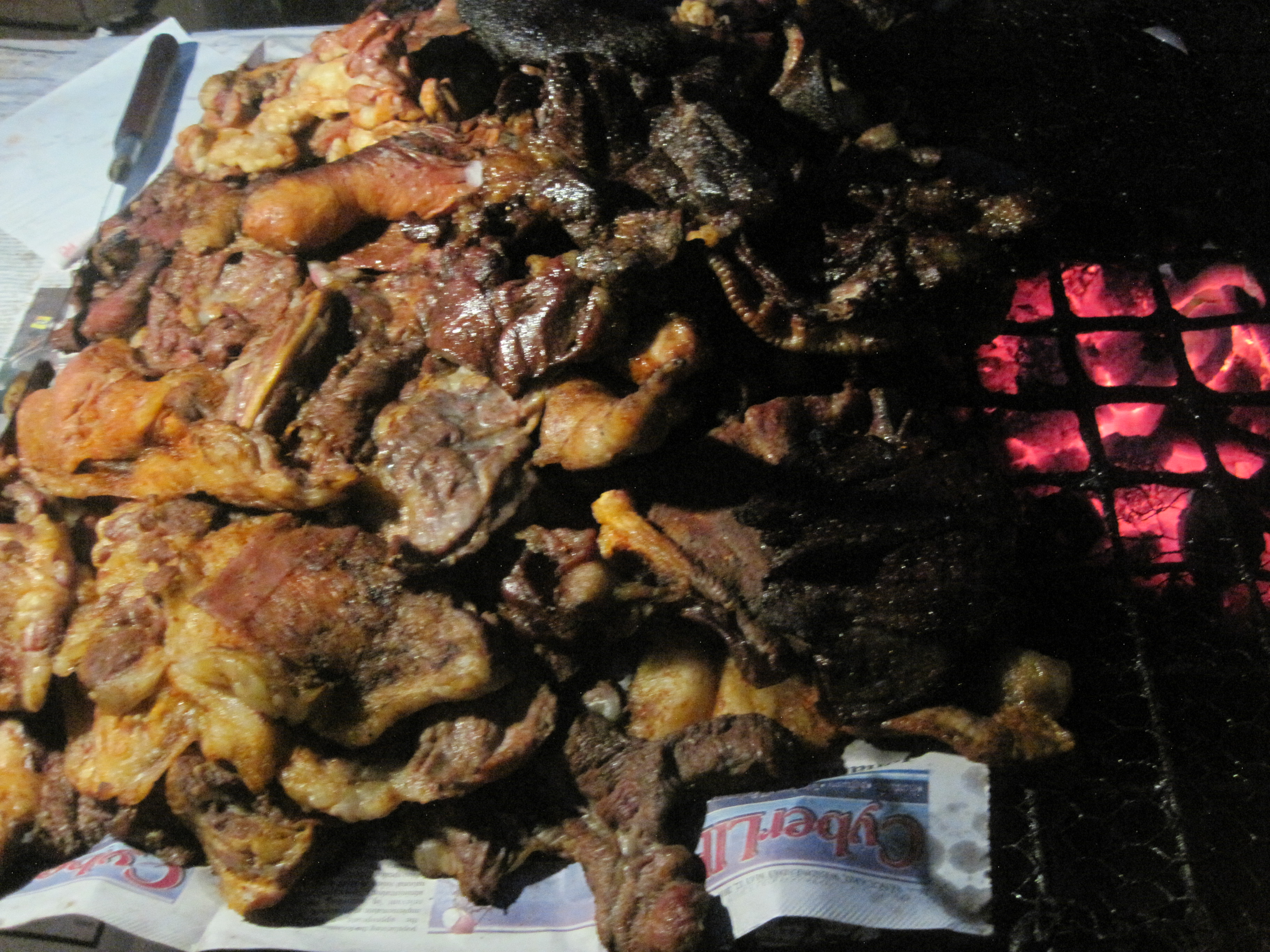
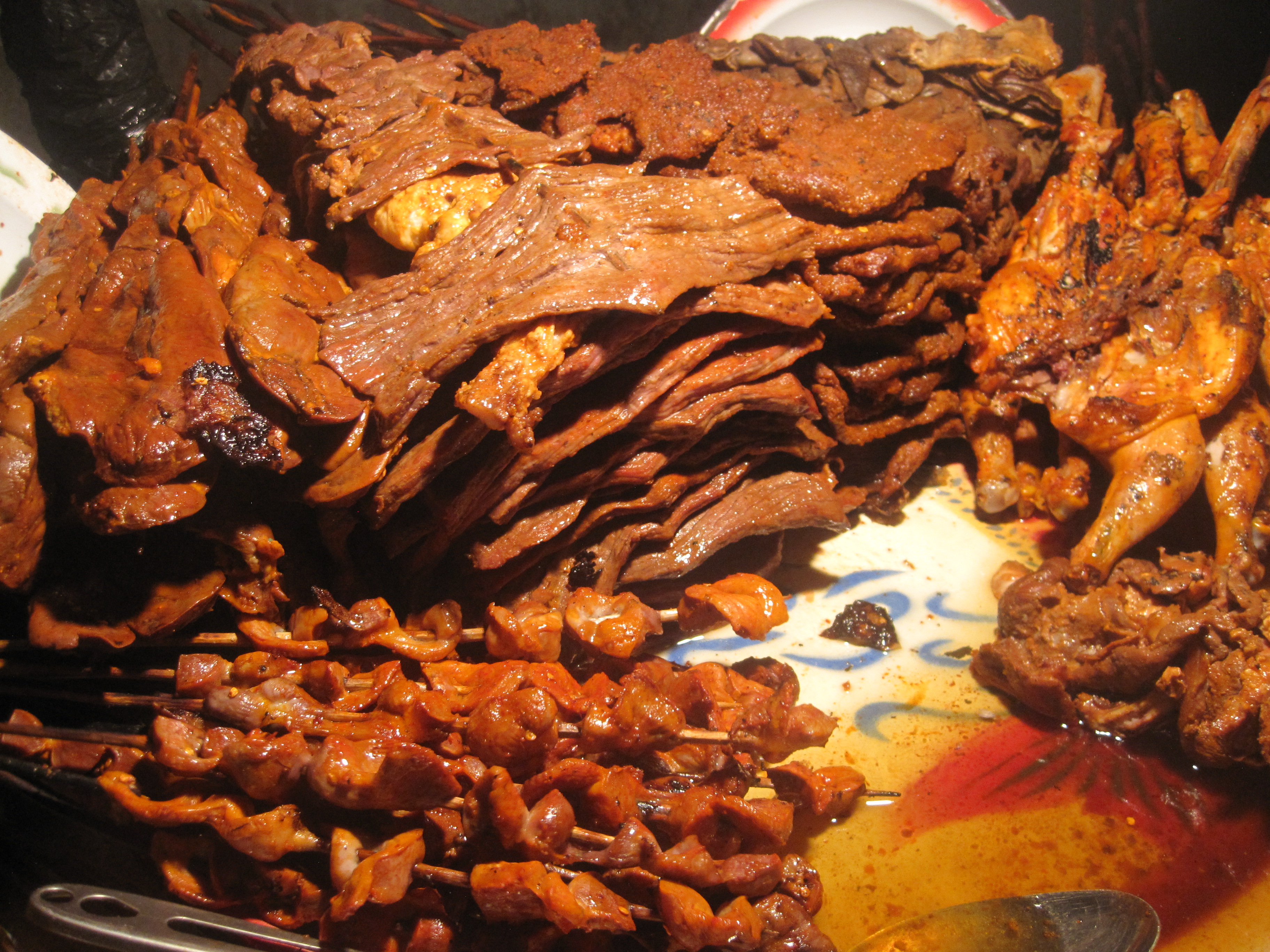
5. Suya. This is a typically Nigerian delicacy. It is cow meat roasted on an open fire with plenty spices, and eaten with cabbages, onions and some more spices.

6. White amala (made from cassava flour) in black-eyed peas soup (also called gbegiri), pepper sauce, and some beef.

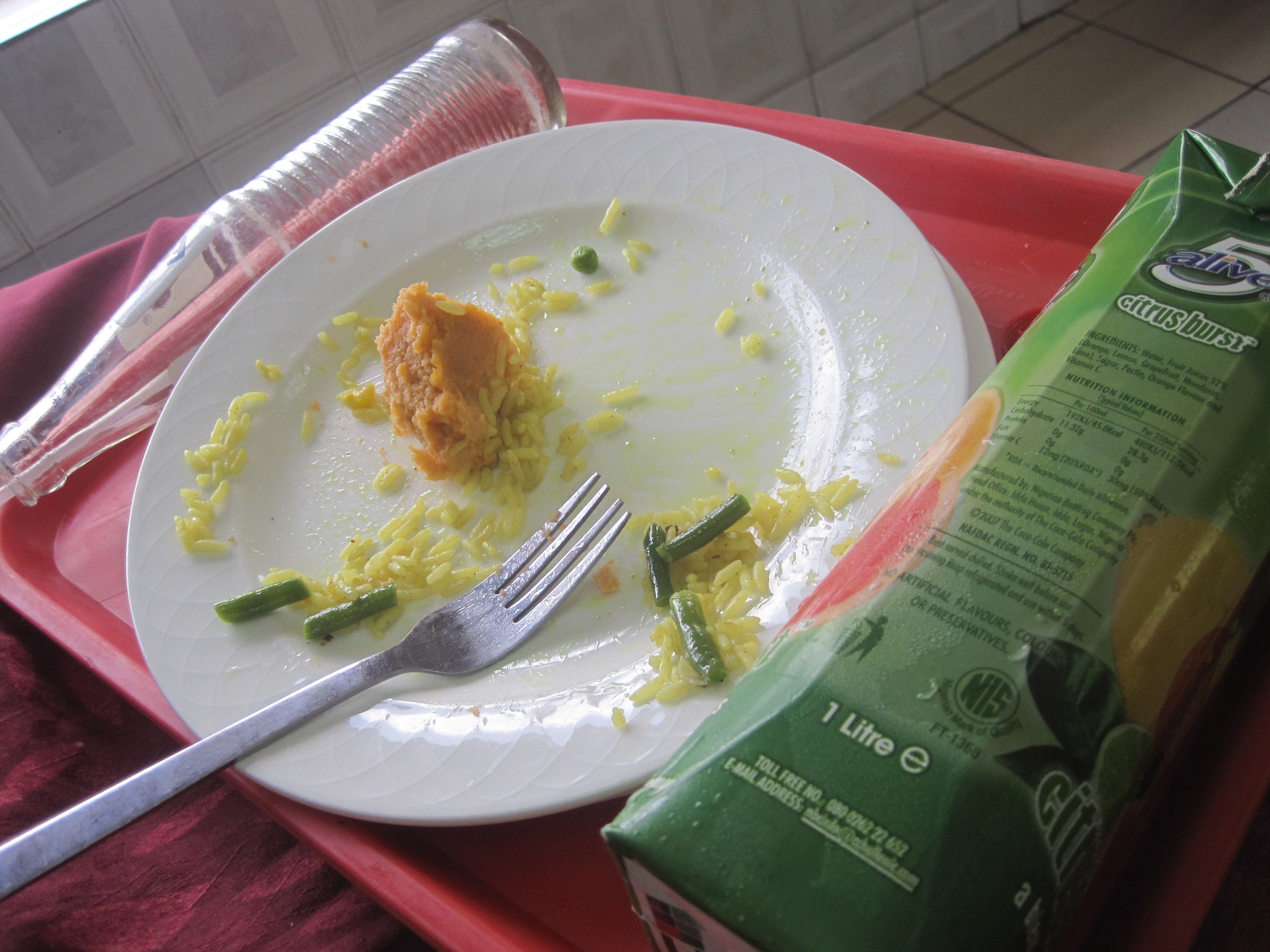
7. No comments. This is an almost empty plate of fried rice and moinmoin. Moinmoin is made from blending black-eyed peas (we actually call it beans) together with pepper, and other spices, and cooking it with crayfish or shrimps until solid.

8. More suya. This one is cooked slightly differently from the one in #5. This is stacked on sticks and placed on the fire with the spices. In this picture are three different kinds: chicken, beef and chicken gizzards, all on sticks.

Alright, I’m done here. Ikhide Ikheloa, let me now formally invite you back to Nigeria. 🙂

The Fig Tree and the Wasp

A short story by Brian Chikwava in the Granta Magazine, here.