Browsing the archives for the Art category.

Roads Around The Child (Non-Fiction)

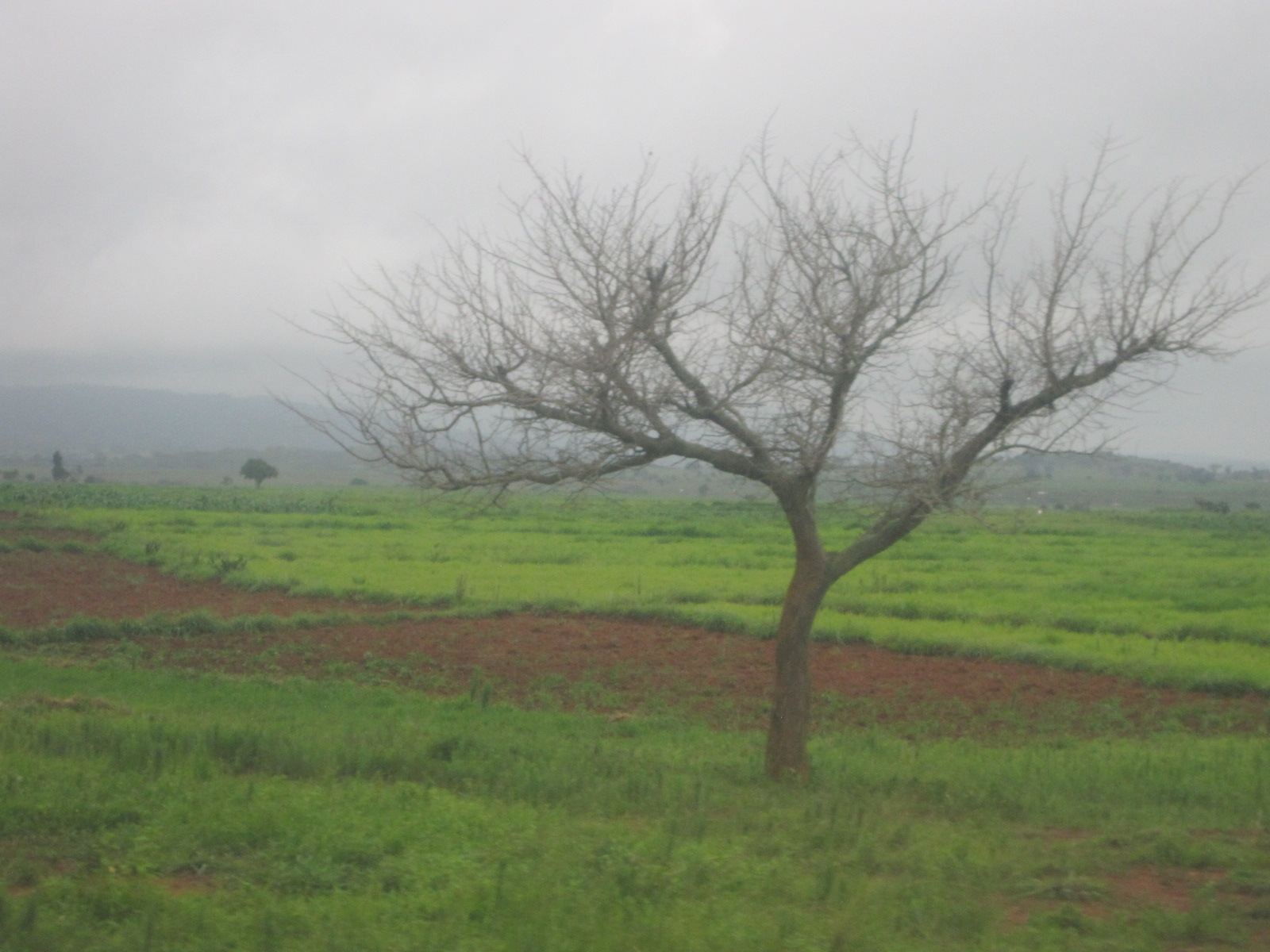
Our house lay at a junction of roads. The first one stretched from an unknown place beyond the mango trees and a public water well in front of the Oguns’ house. Ahead, it reaches out into the dry dusty parts of the village, past the albino barber’s house and farther down into places where now I can’t immediately conjure beyond the sight of leaves, dry wood and old men playing draught on wooden benches outside their unpainted houses. The other road goes past the Bello’s house to the church, then branches towards the main road where tar begins and heads into the town. When put side by side as they both inevitably lay approaching the wide spot in front of the house where we all usually play in the evening around the grown men of the area, they form a dusty wide line of an attempted “v” which ends at the Baale’s house. From there, they part, each again taking up a lonely path to my right into as far as the eyes can see.

A mental stepping now out of the big compound of my house into those streets, I stand now, facing the Baale’s house, turning my back to the dusty “v” of the coming road. On to the left, the road veers by the small thrush in front of the house where Lanko Lanko lives, then a little further down it reaches an electric transformer. After that, to the left, is my school, fenced around with a white concrete wall and spiked metal bars. Further down is nothing but gullies and leaves, and a beaten path to where moin moin is sold along with its corn paste companion, into the labyrinths of huts and a maze of households of mud and concrete of old women with intriguing dress patterns and ribald tongues. They knew me and knew that I ran away from them whenever I could, except when I had things to buy. And one of them called me “my husband”. Further down in the centre of the village woods where dirt competed with house animals and putrid smells from collective waste is a large agbalumo tree. It came along with it a myth that it housed spirits that tormented wandering children…
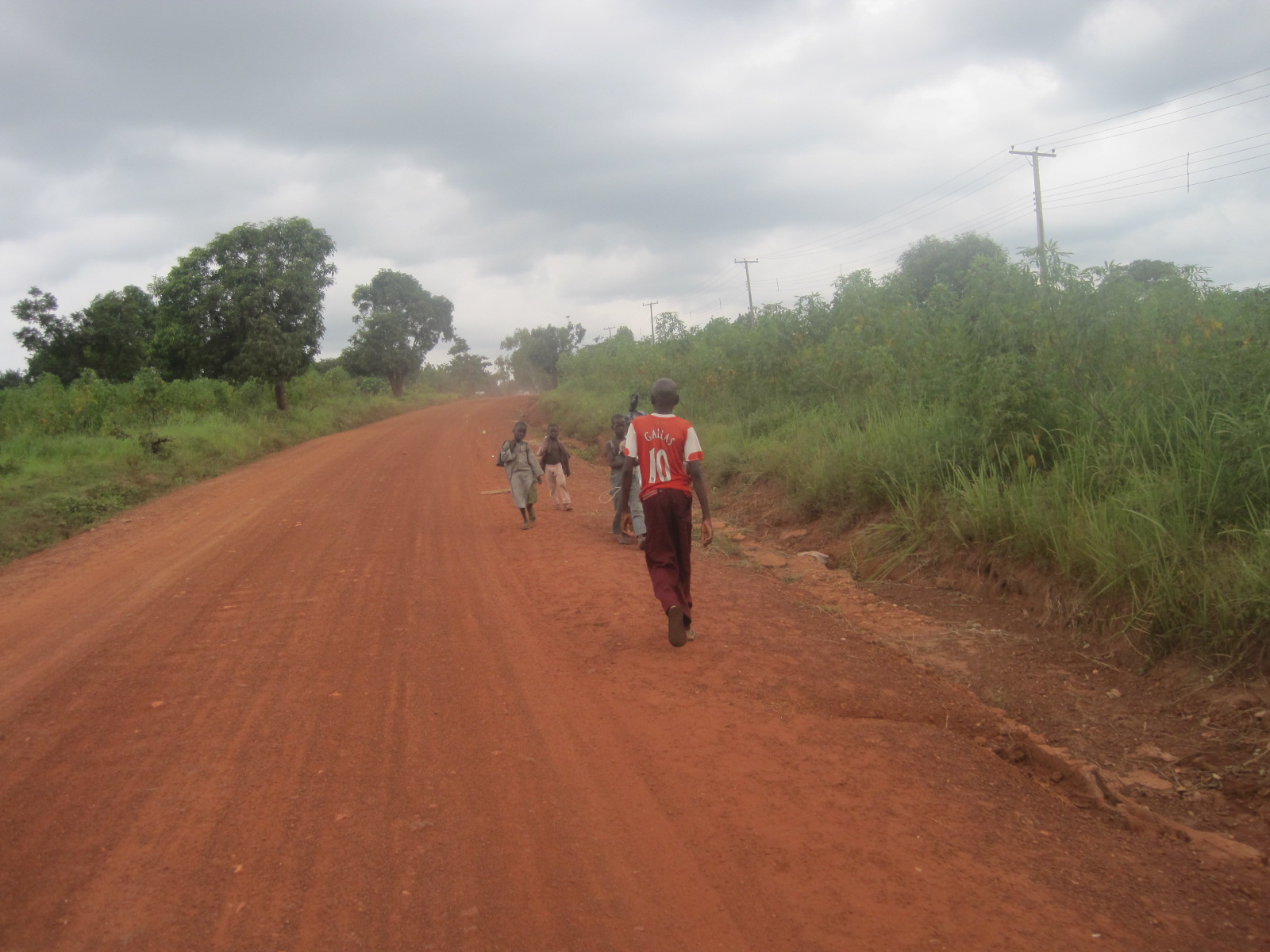
Back to my junction, on to the right are the better, sanctioned spaces of play: the opening towards Mama Lawyer’s clinic, just three houses away. Before that is the kolanut seller, then the farmer and professor’s awesome cottage where I saw a chess board for the first time and wondered why it didn’t look like the draughts boards I’d seen my brother play at home. In there are their three boy children one of whom was around my age, older by about a year or two. Then an orchard of sweet smelling flowers, a corn mill, trees of mango and cashew, and livestock.  The cottage opened itself always up as a paradise of treasures, menu, and learning.

Mama Lawyer’s clinic, for then and now remains as old as memory. I never saw her husband who was the real lawyer. She has travelled to many countries, we were told, and she had come home to retire, operating the clinic as a way to stay active. Even then, tufts of grey hair already dotted her beautiful hair that kept her demeanour always so disarming. The smile, the warm hug of a mother of all little children, and the music in her voice when she asks “Young man, what have we got today? Aren’t we looking good.” It always made the enduring phobia of needles immediately disappear, if only for the second. So when I get the “fever” as all ailments are called to a six year old, Momma dresses me up in a thick sweater and the right pair of trousers, and we walk hand in hand towards Mama Lawyer’s house, stirring the dust paths of the village’s open roads into the evening sky.

(Photos taken in Jos, Plateau and Obi, Nassarawa. July 2010)
More from Hannibal

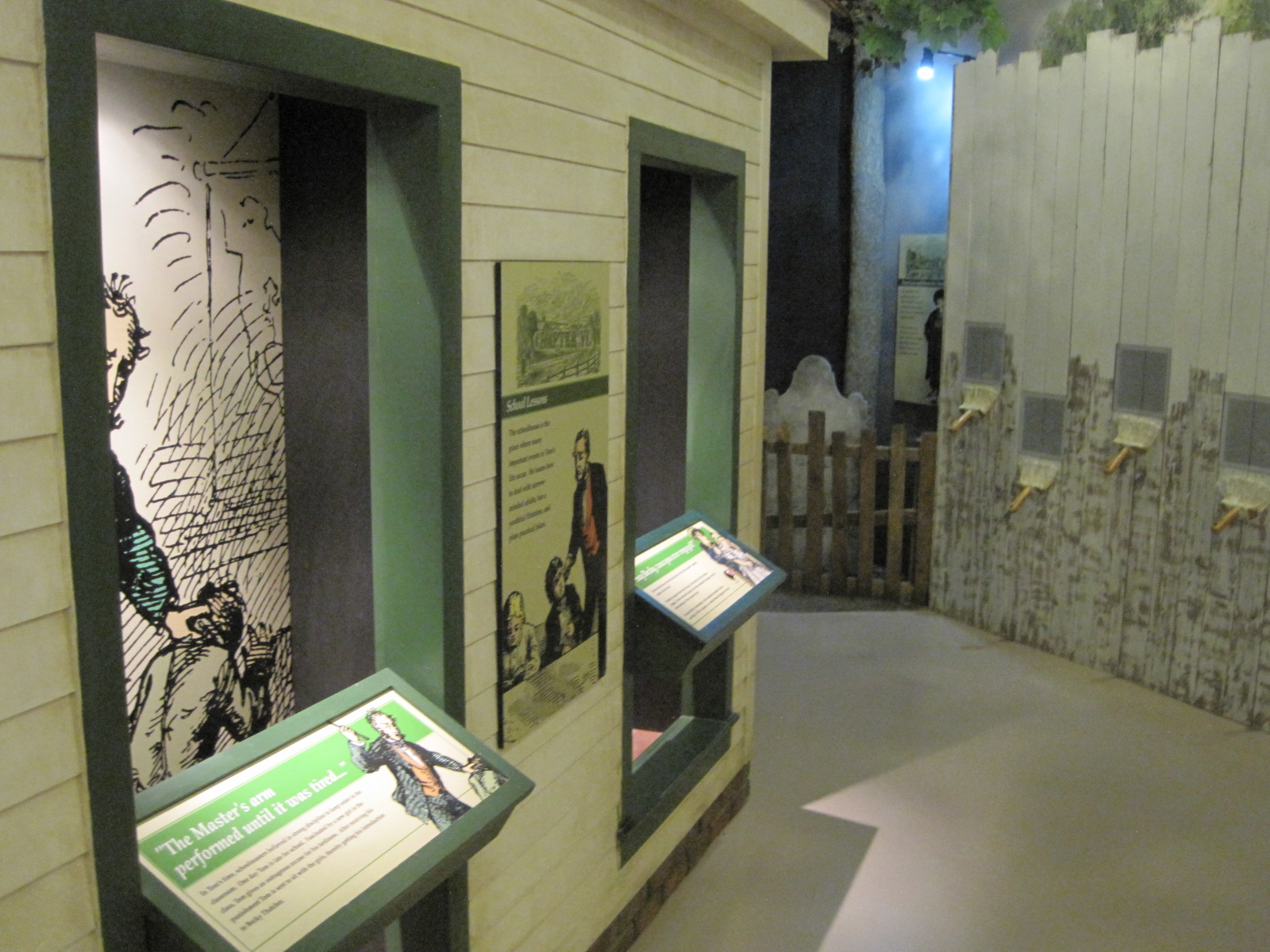
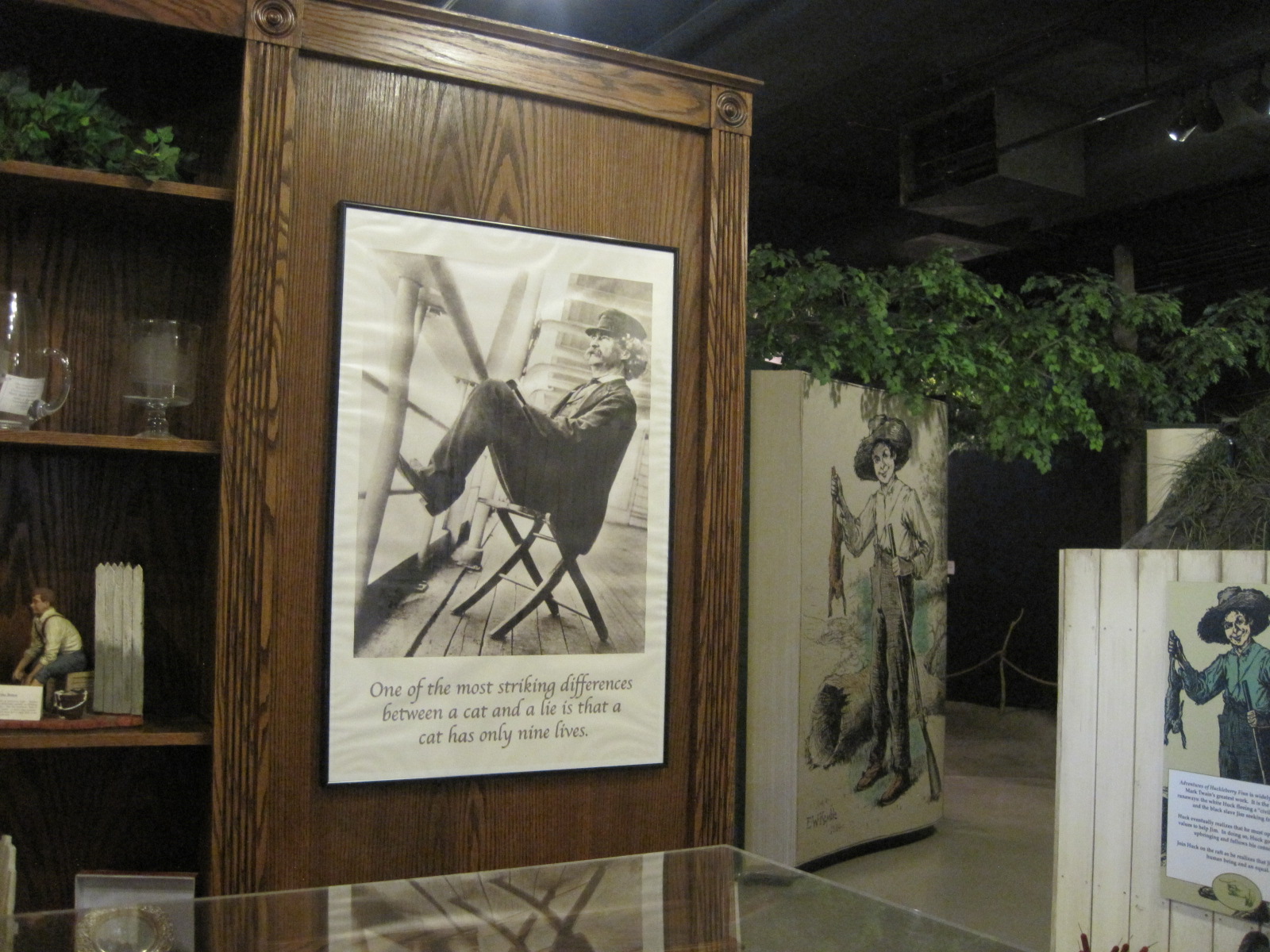
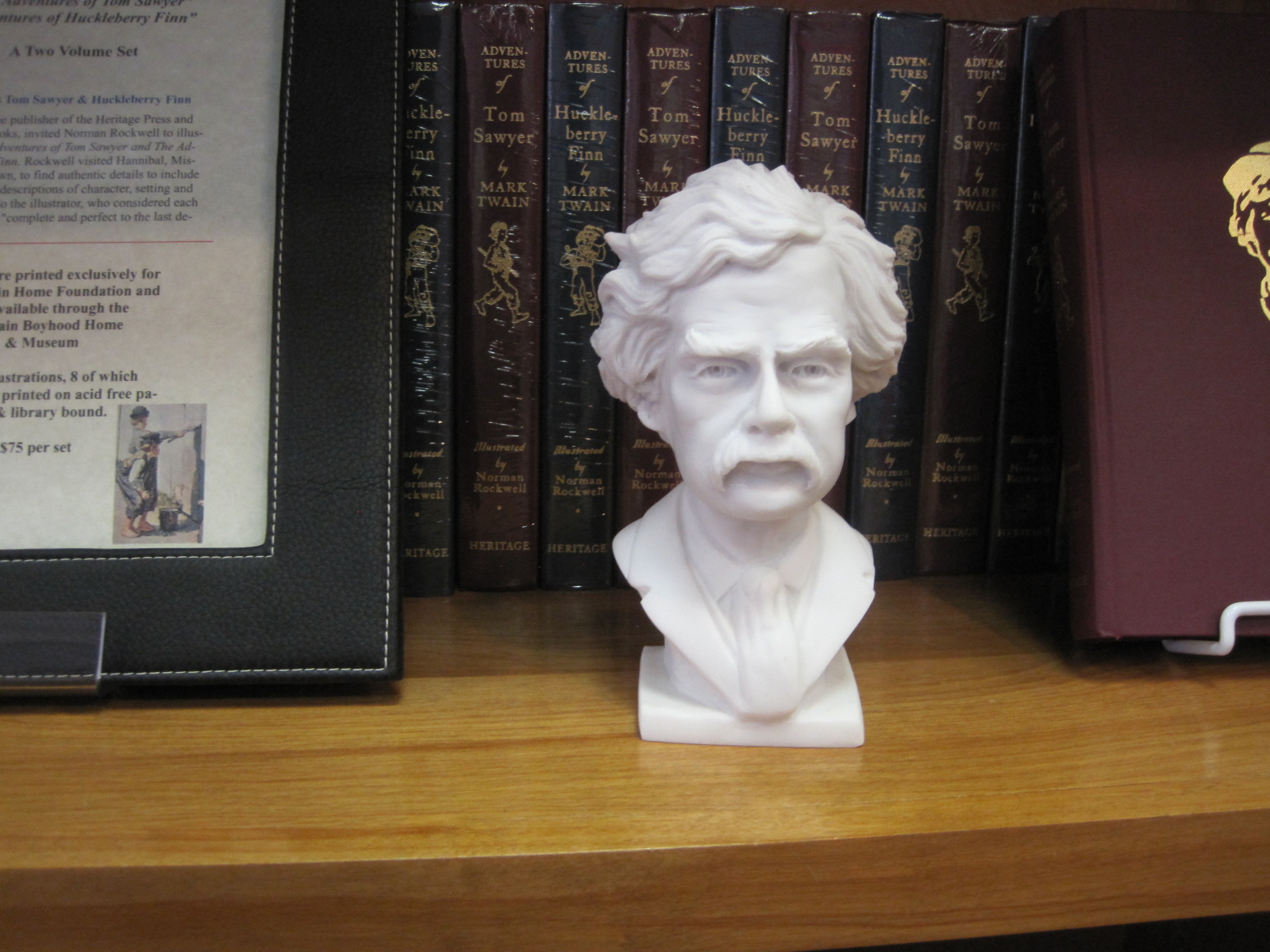
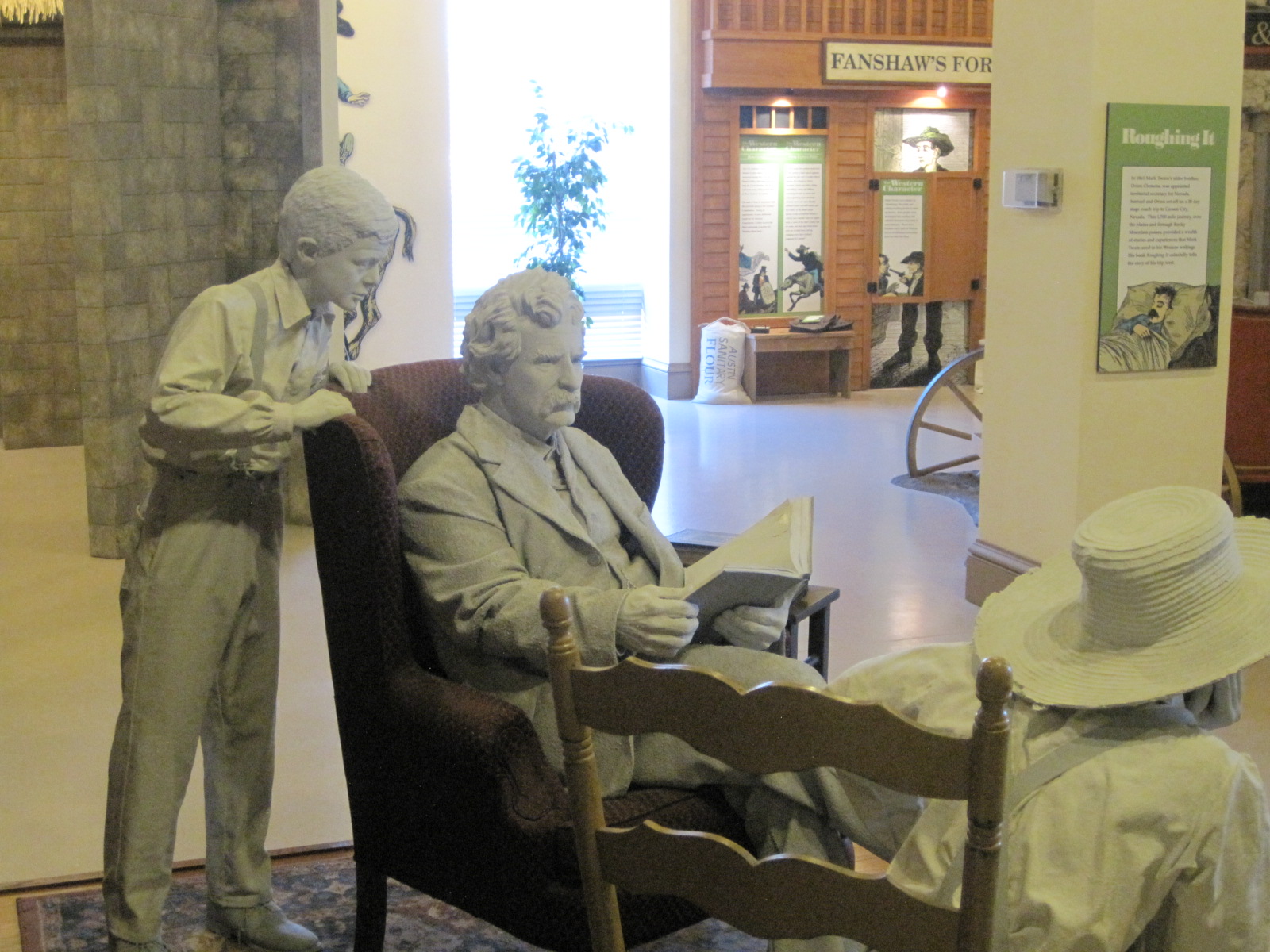
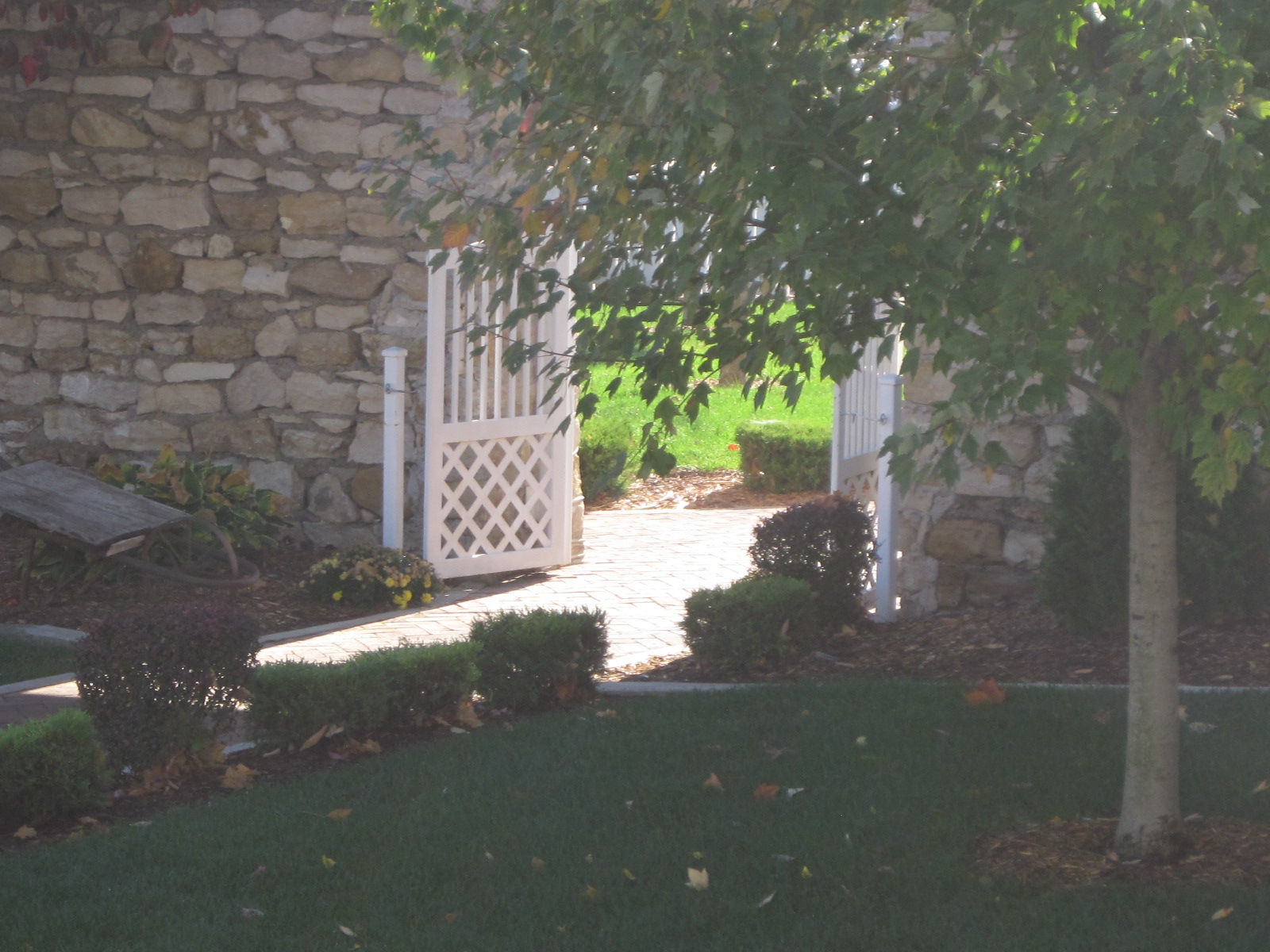
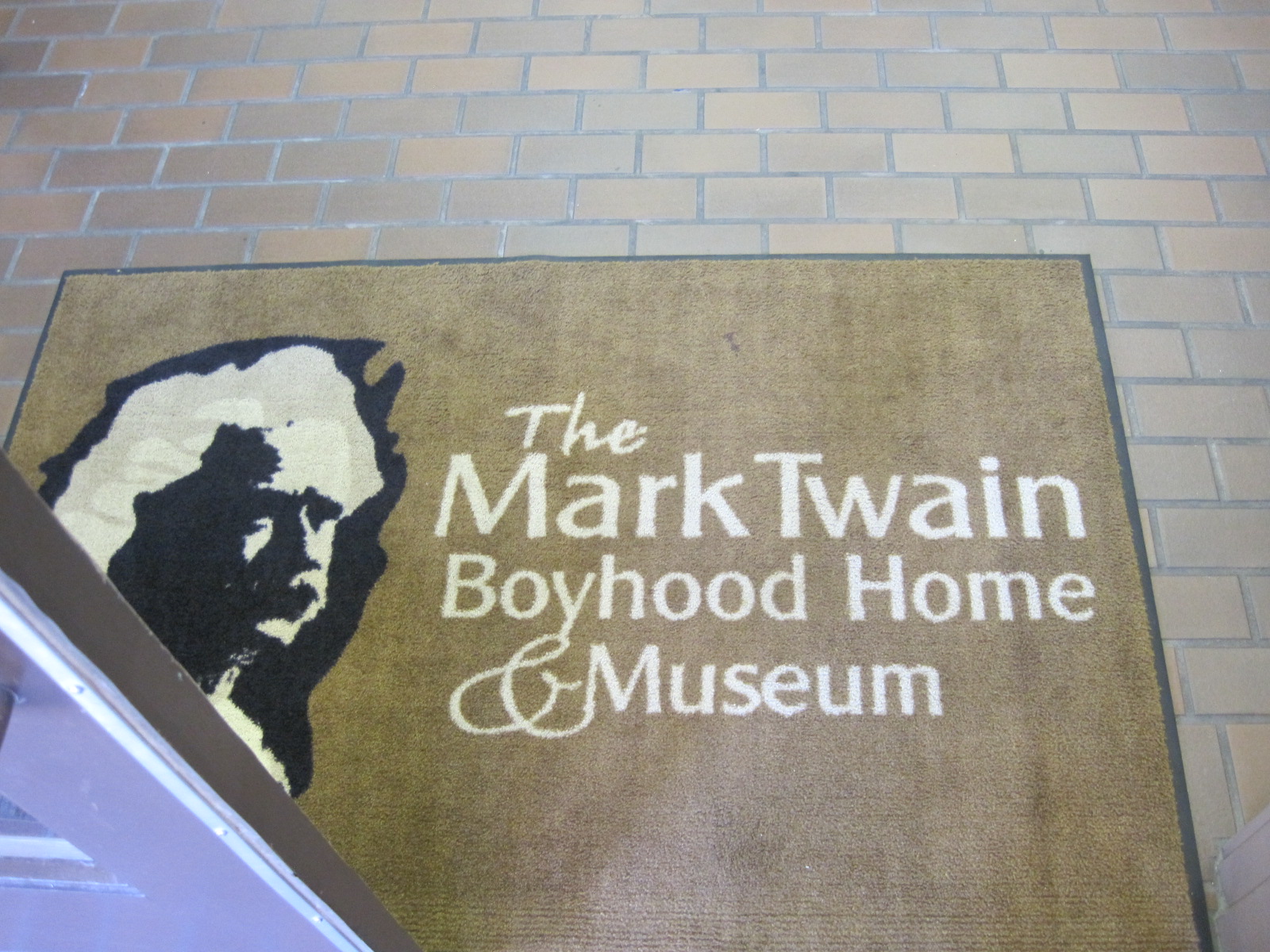
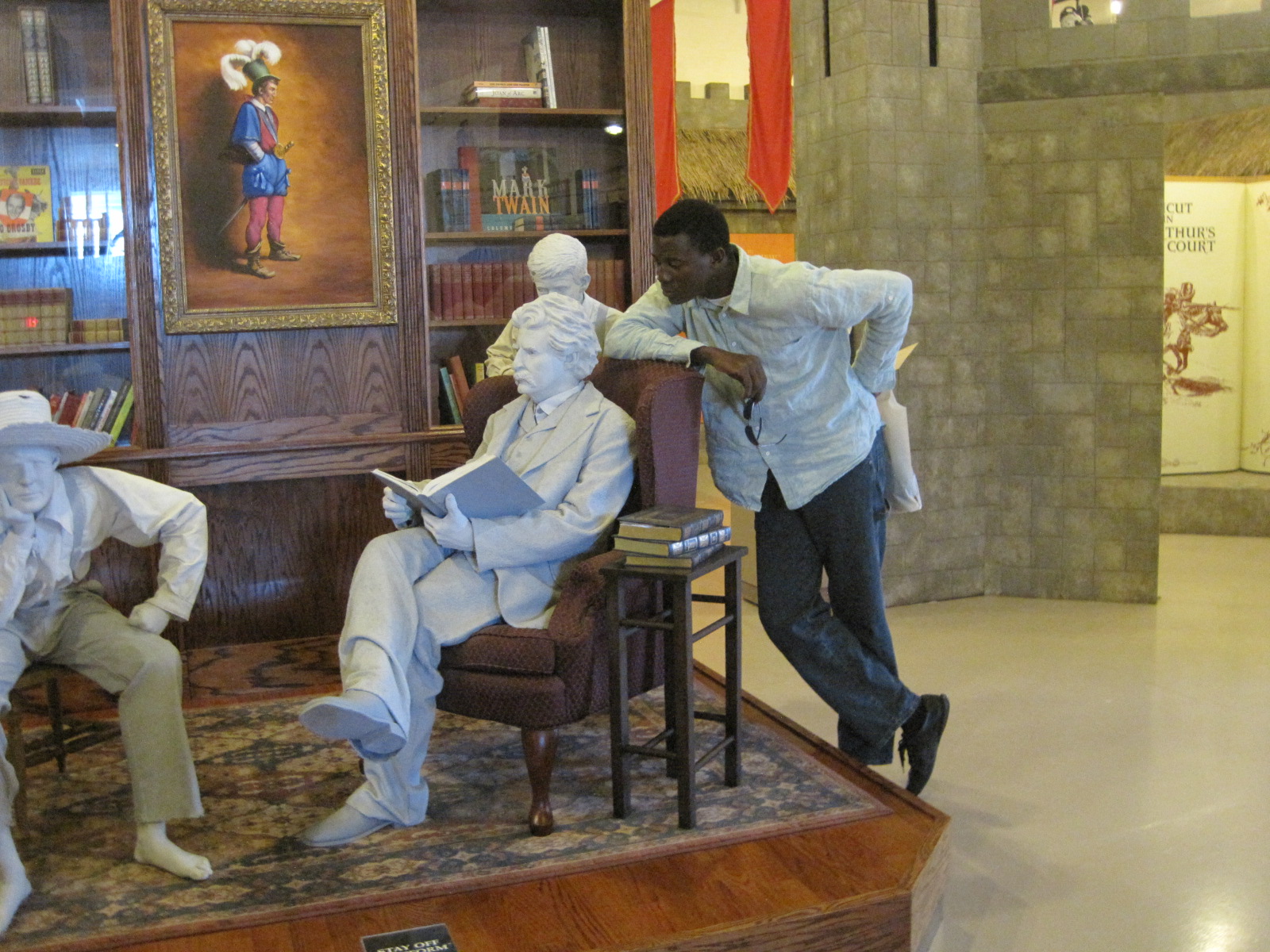
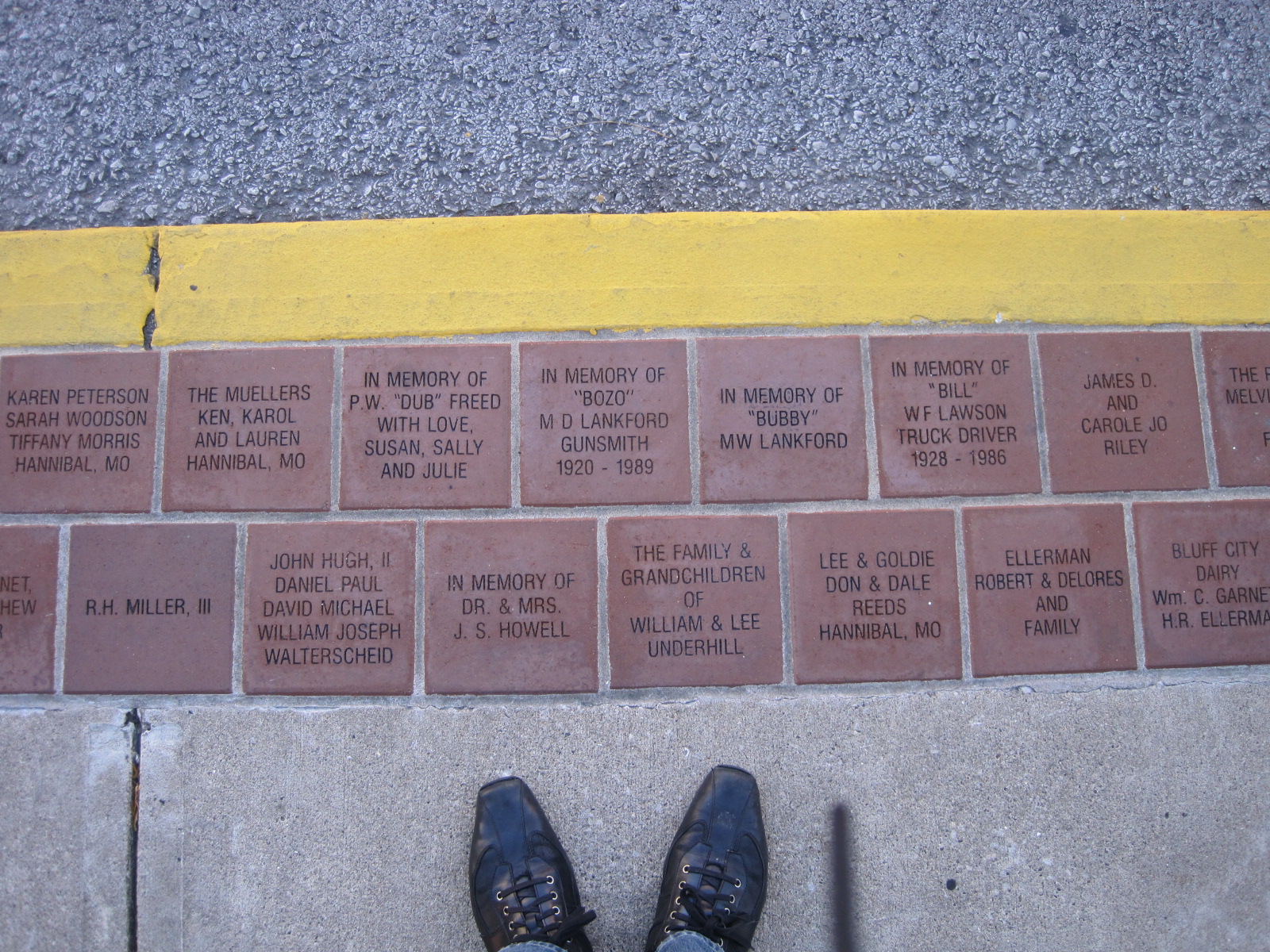
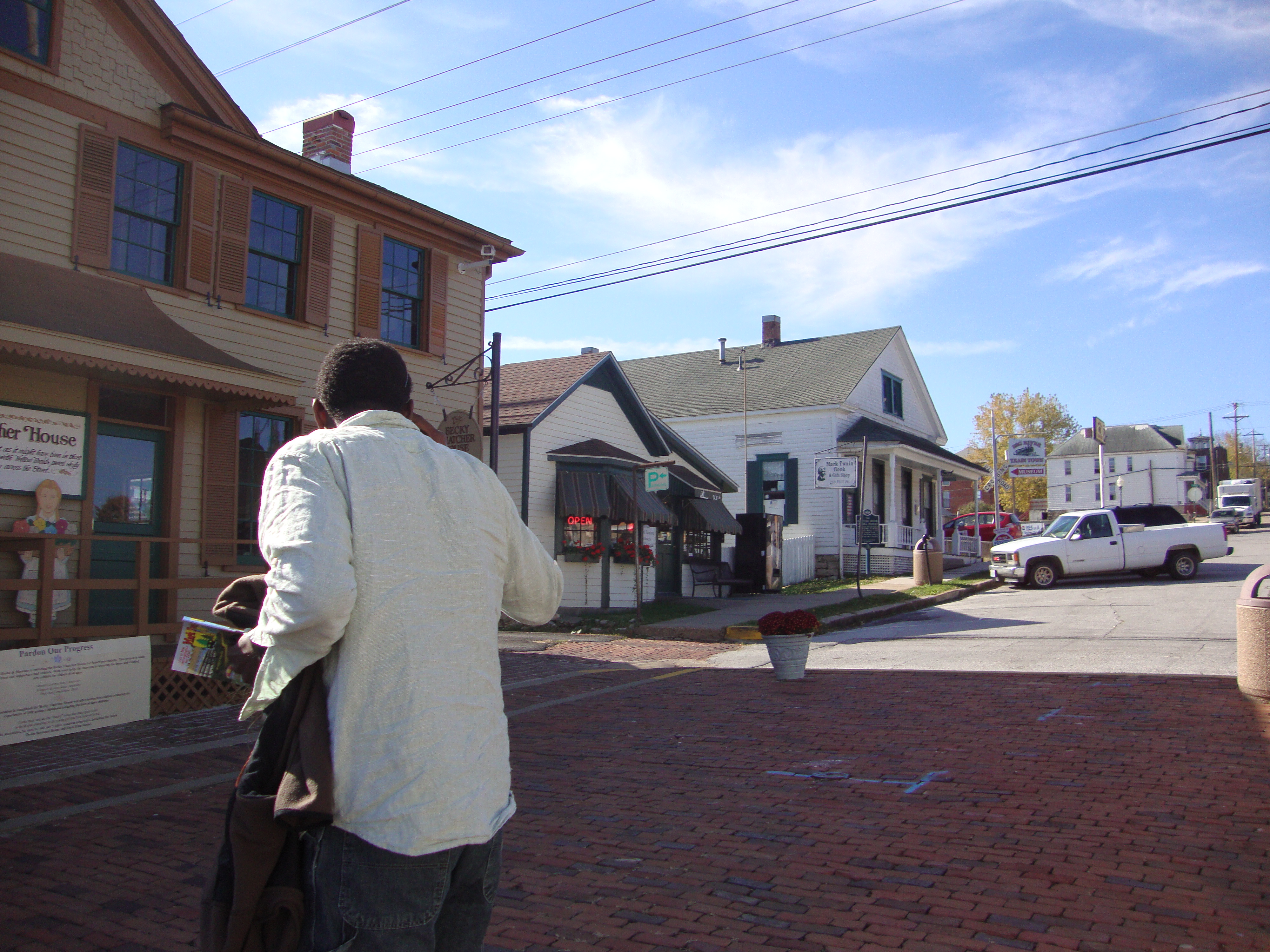
A few more pictures from Hannibal, Missouri where the writer Mark Twain (Samuel Clemens) spent much of his childhood.

Halloween and all that Jazz

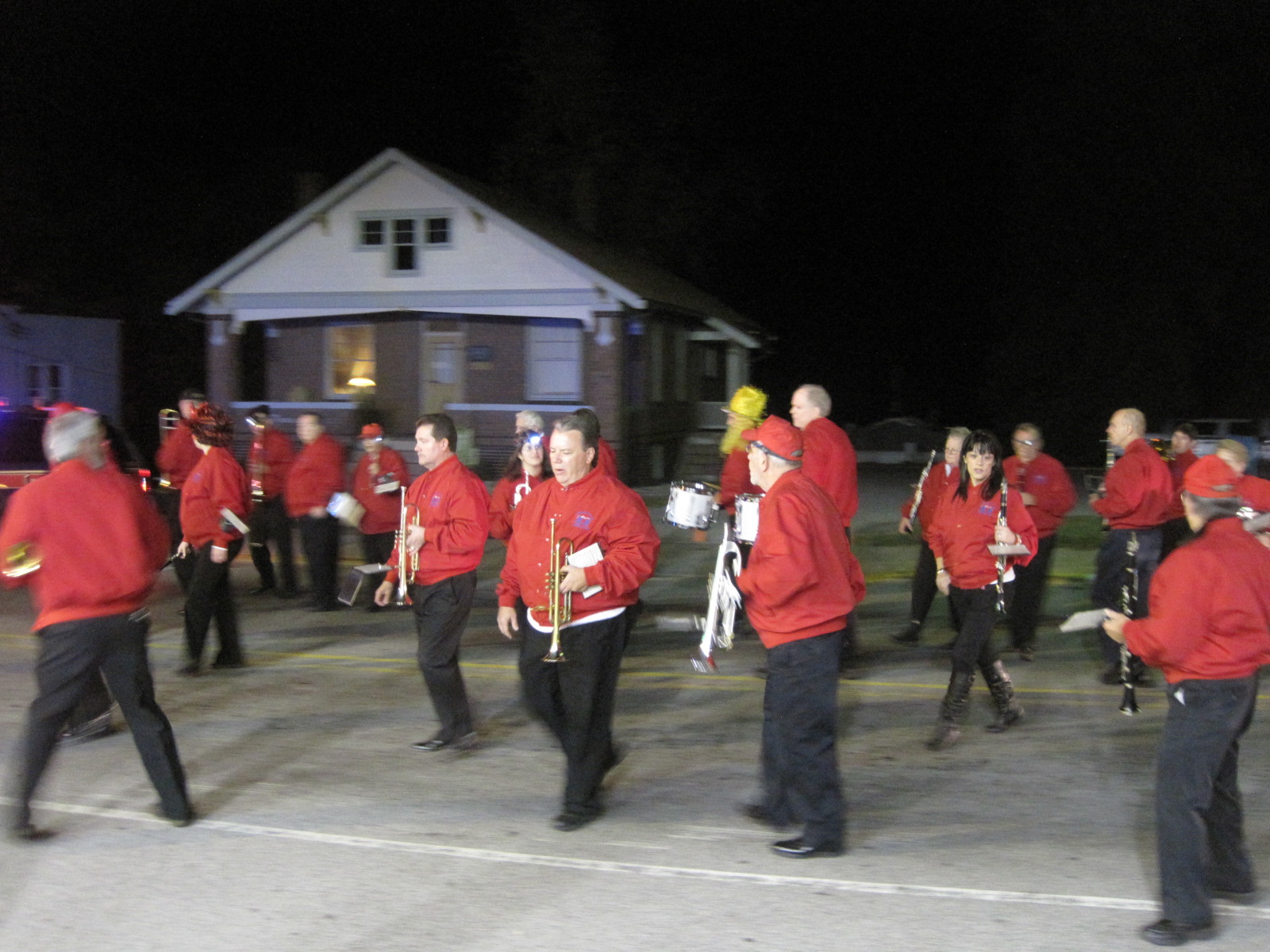
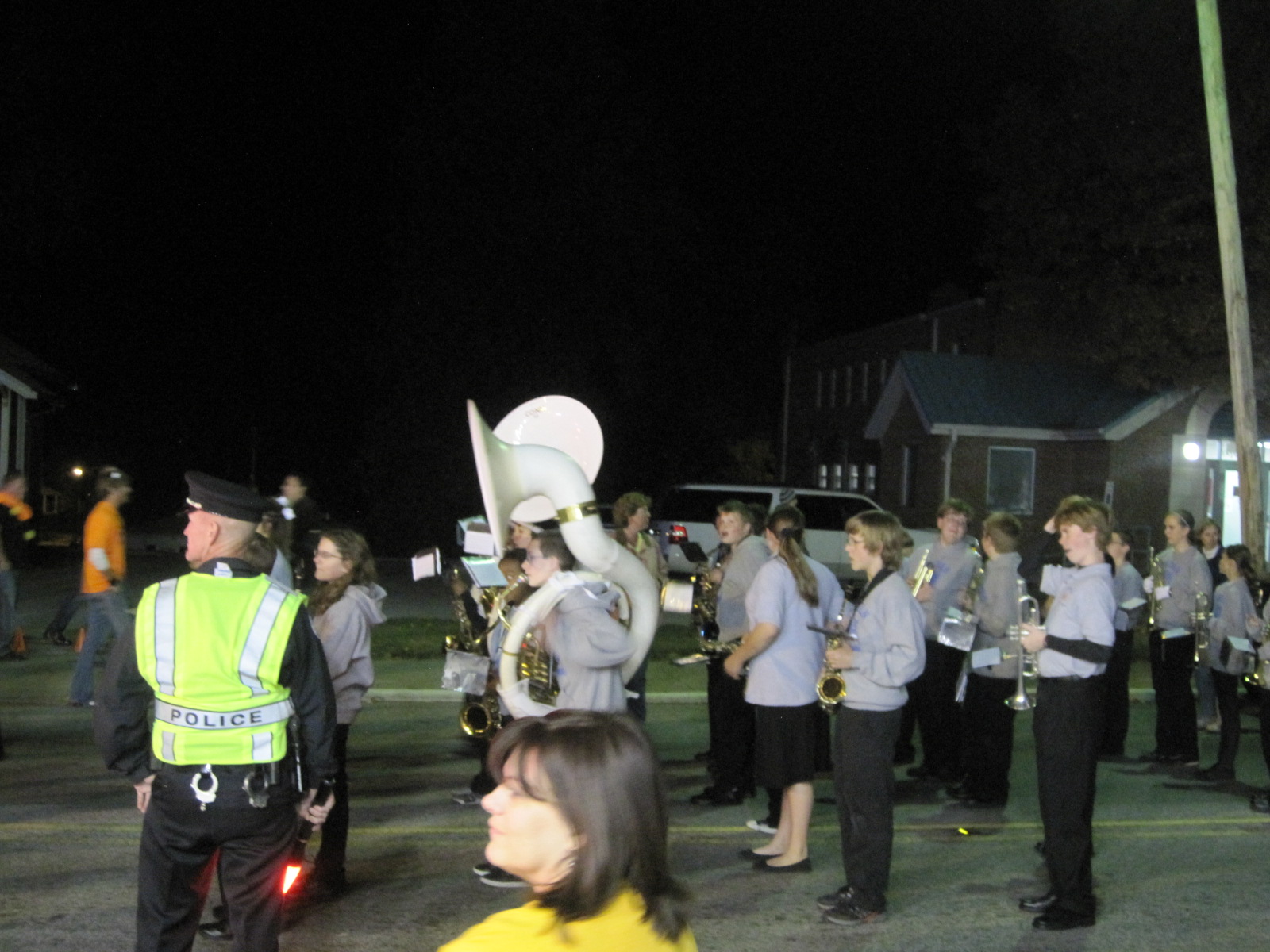
The parade at downtown Edwardsville yesterday night was a jamboree. As early as six o’ clock in a car driving towards the venue of the annual Halloween rally, I had wondered if all of America had decided to converge here after all. The traffic was long, some roads had been closed, there were policemen at every junction, and all visible parking lots were already filled up. On roadsides were people in different costumes in family-size groups. On another side were tents and sheds, and people preparing for the parade.

I eventually made it to a safe place to park, and headed out to the road to await the start of the parade. It was cold, very cold. (You don’t have to take my word for it. I’m Nigerian. But remember that by this time last year, I’d already bought gloves.) Between six thirty and six forty-five the first group marched by. They were a band of firefighters from the city with musical instruments and a matching costume. They were followed by a bunch of school children also in costumes, and musical instruments. It soon became clear that the parade was going to follow a similar pattern. From then until about eight thirty when I have had enough, there were trains of people, cars, politicians, little children and uniformed employees who had come out to celebrate the season the way they’d done so for years.

There was plenty sweets (or candy) to go around, as any of the kids on the side of the roads watching the parade and catching them as they are flung would admit. Maybe for them, it would be enough to justify their coming out in such a cold weather. On the other hand, maybe it’s not that cold or the event would have taken place in the early fall or summer. But then, doesn’t the Mardi Gras take place in February when it’s the coldest? The other way to look at it is that this is one time during the year when whole families come out for a common purpose that is neither political nor polarizing. I saw three year olds, and I saw seventy-year olds, and a town suddenly made alive in a hopeful celebration of optimism and the fact that life always goes on.

I’m glad I went. I was a good chance to breath the fresh air of the outdoors, though I’d have preferred if it was just a little less cold.

I Went to Hannibal

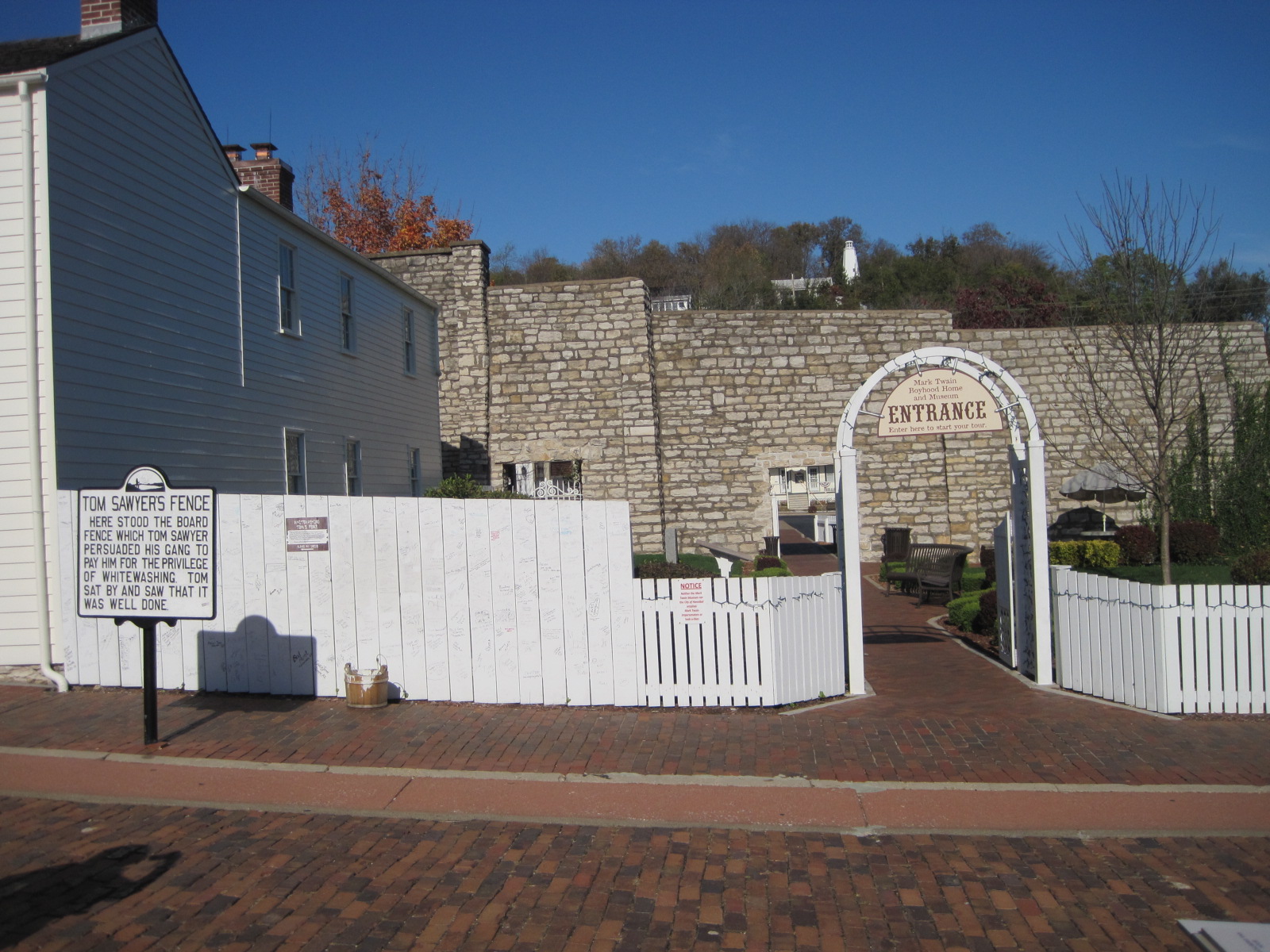
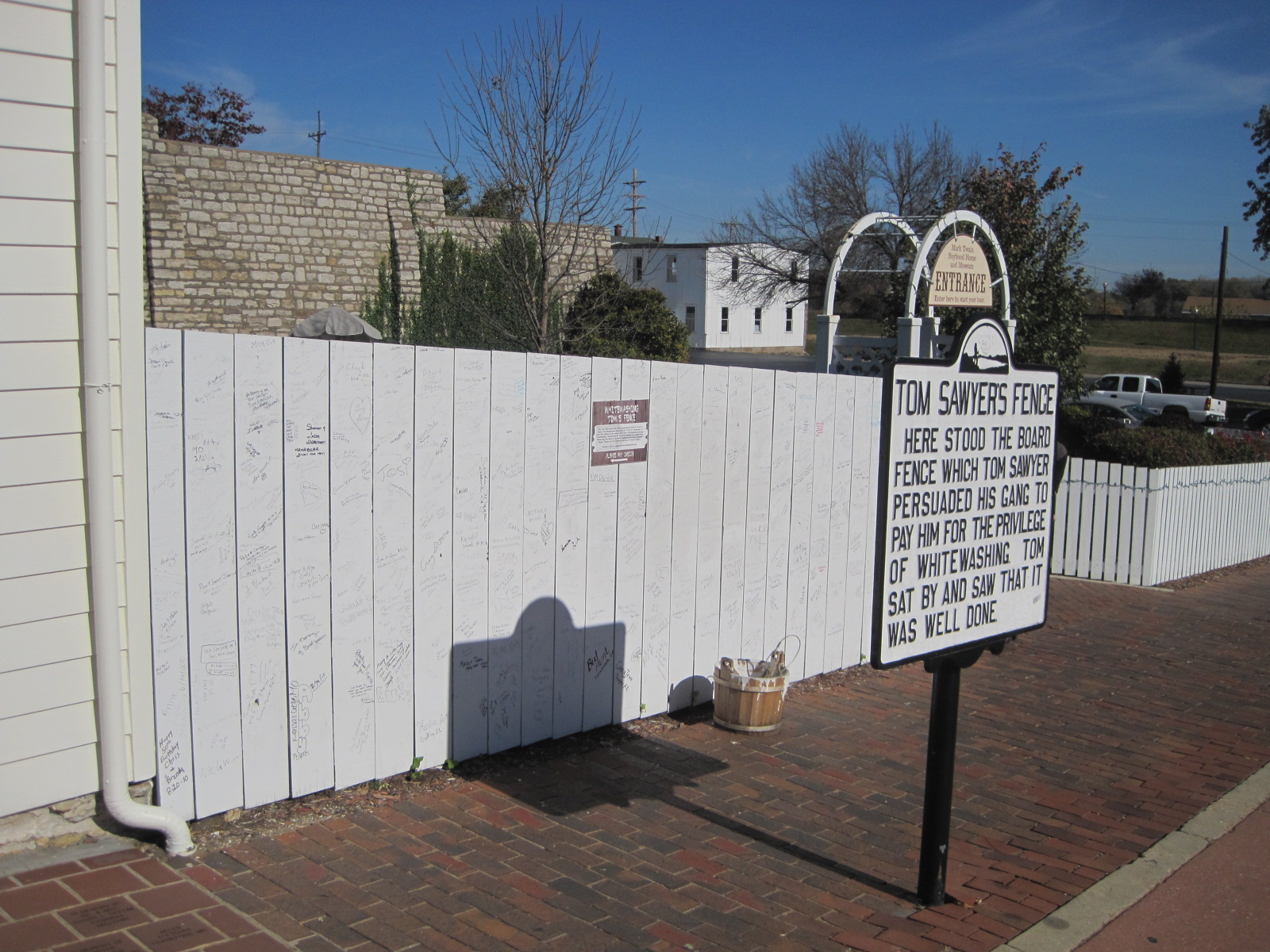
And so I went to Hannibal, a little town two and a half hours away (131 miles north) from my present location. More than anything, it is famous for being the birthplace of Mark Twain (born Samuel Clemens) and the site of his boyhood home with the famous white-washed fence. There’s so much to say about the journey, from the open land of the highway which reminded me of the trip between Kaduna and Zaria to the coolness of the fresh morning air on the way and back. Then there were the sculptures, the quietness of the town, the beauty of the museum building, and the amazing detail of the house as compared to the descriptions that Twain wrote about them in his books The Adventures of Tom Sawyer and Huckleberry Finn. The famous white-washed fence was there all right, now marked with names of visitors from all over the world.

For those not familiar with the story, the young boy Tom had successfully conned his bullying friends into doing his own chore of white-washing his house fence for him. Samuel Clemens grew up in this house in Hannibal, a son of a judge of a father living on a low income. He moved out of it in 1853 to seek his fortune. Twenty years would pass before he started writing The Adventures of Tom Sawyer, and he drew most of his materials from the events of his own childhood on the streets of Hannibal in a house overlooking the Mississippi river. This makes a lot of sense: living through a very hard but colourful childhood and amassing in the process a very large stash of memories, and waiting at least twenty years to set them down to paper, sometimes after returning to visit the place and reliving the memories. Now that’s an idea.

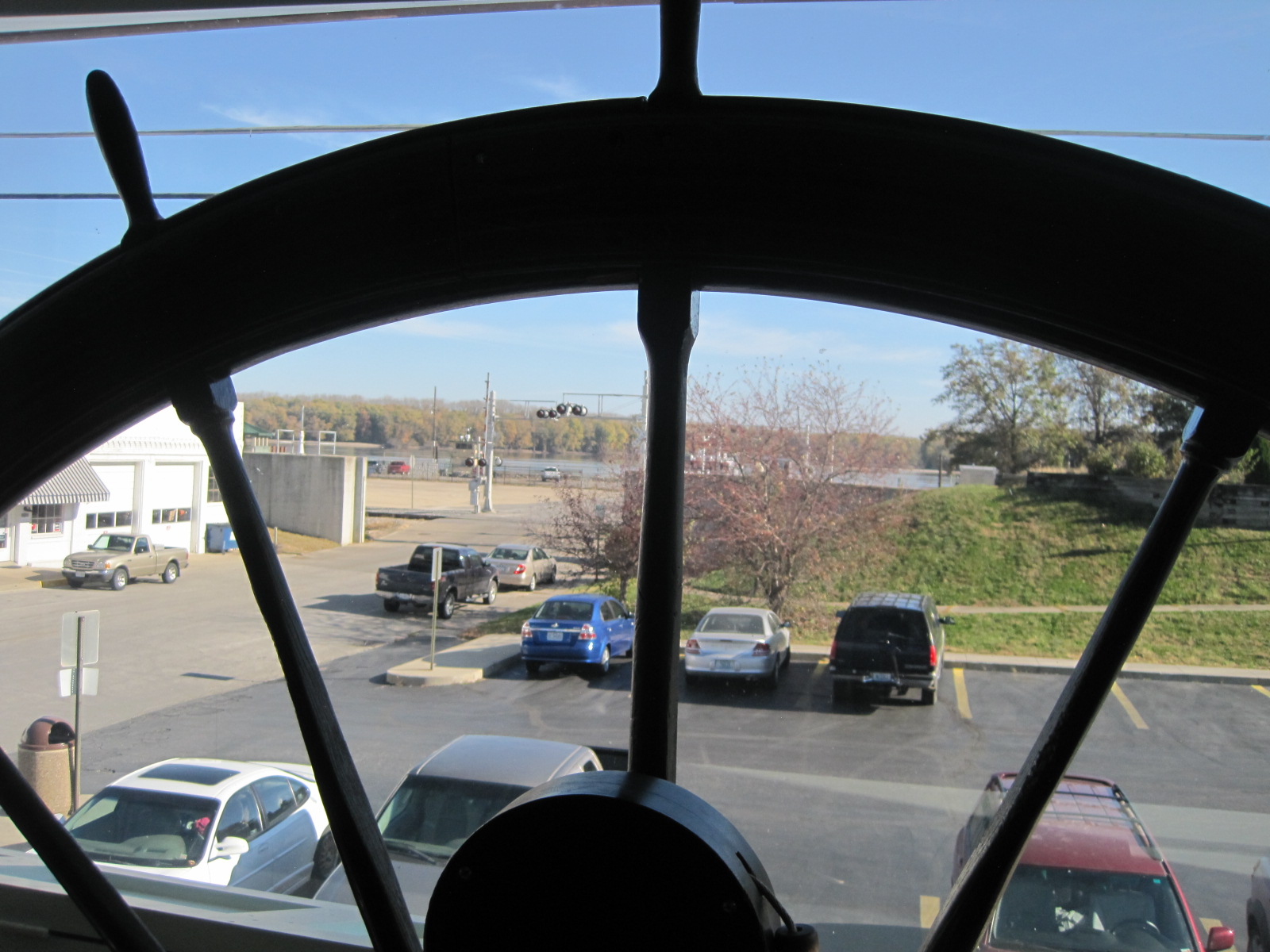
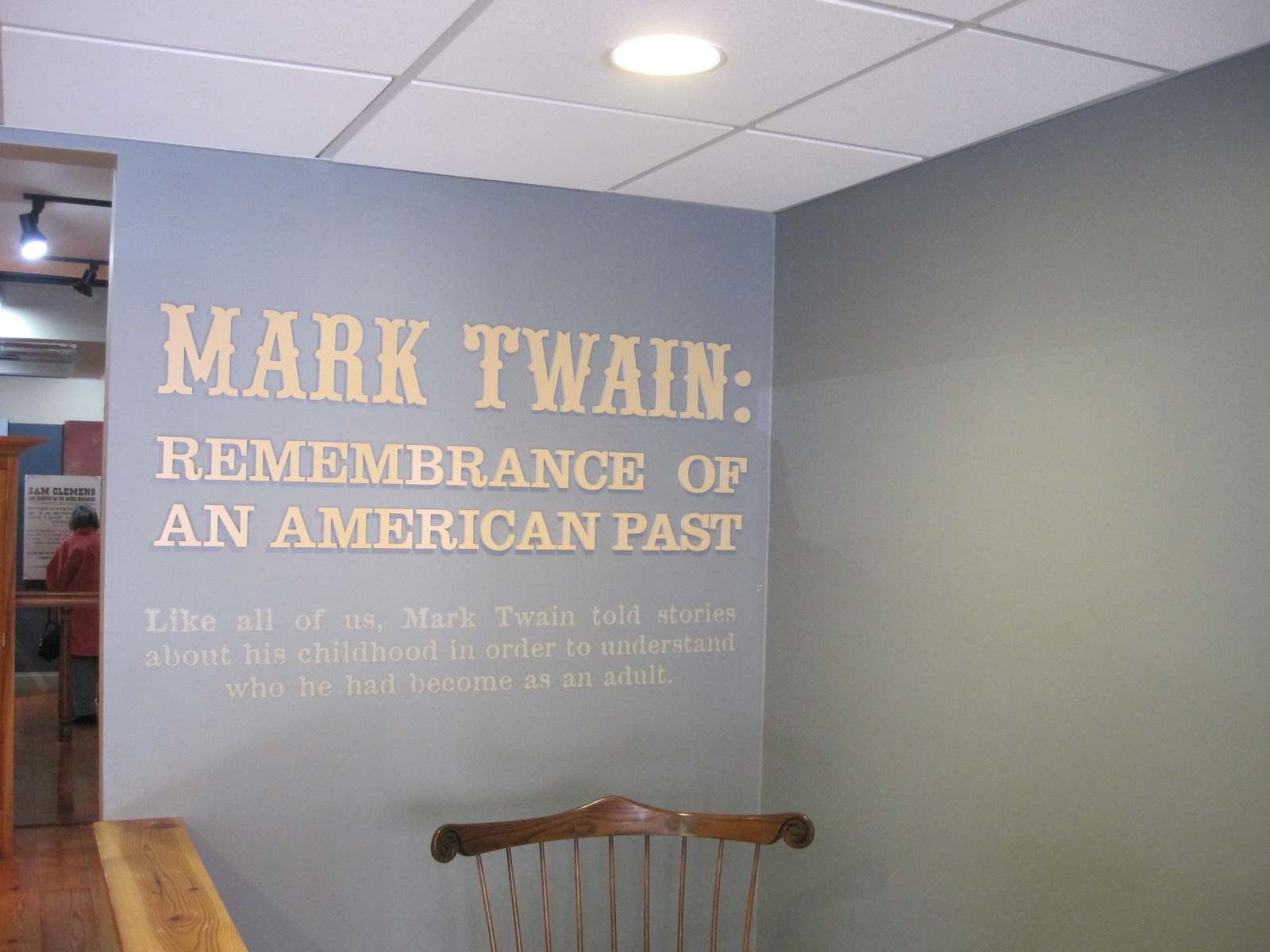
The museum had many fun sights: a marble sculpture of the man reading stories to kids, a boat deck to simulate the view of ship captains (the original inspiration for the name, Mark Twain), a gallery of famous quotes of the man, and a cave built to the type described in his books about his childhood days. It also has a gift shop filled with postcards, t-shirts, and countless books (including his autobiography. He had written it – The Autobiography – by himself and had instructed that it be published a hundred years after his death. It has now been published, and is the current #1 bestseller on Amazon and the #2 on NY Times bestseller list. One of the famous quotes on the t-shirts being sold there reads: “Travel is fatal to prejudice, bigotry, and narrow-mindedness, and many of our people need it sorely on these accounts.” Another one read: “Action speak louder than words but not nearly as often.” And there were many more.

I may not successfully exhaust my report of the visit to a place that holds much significance to me as a consumer of literature and the works of the man as a writer and a chronicler of a certain epoch in American history. His views on slavery, politics, and life in general have been highly documented in many of his books, including this final autobiography. But I can tell you this: that it was a worthwhile visit that I would gladly make again, if only to be able to spend more time in the town and see what else they have besides the very many resources of the Clemens. One more thing before we left (Temie and I) was to sign our names on the white-washed fence. The traveller was here. No, that wasn’t what I wrote. You have to go there to find out for yourself.

Oh, and one more quote now going to remain on my office computer: “To succeed in life, you need two things: ignorance and confidence.” Oh well!

Pictures by Temie Giwa

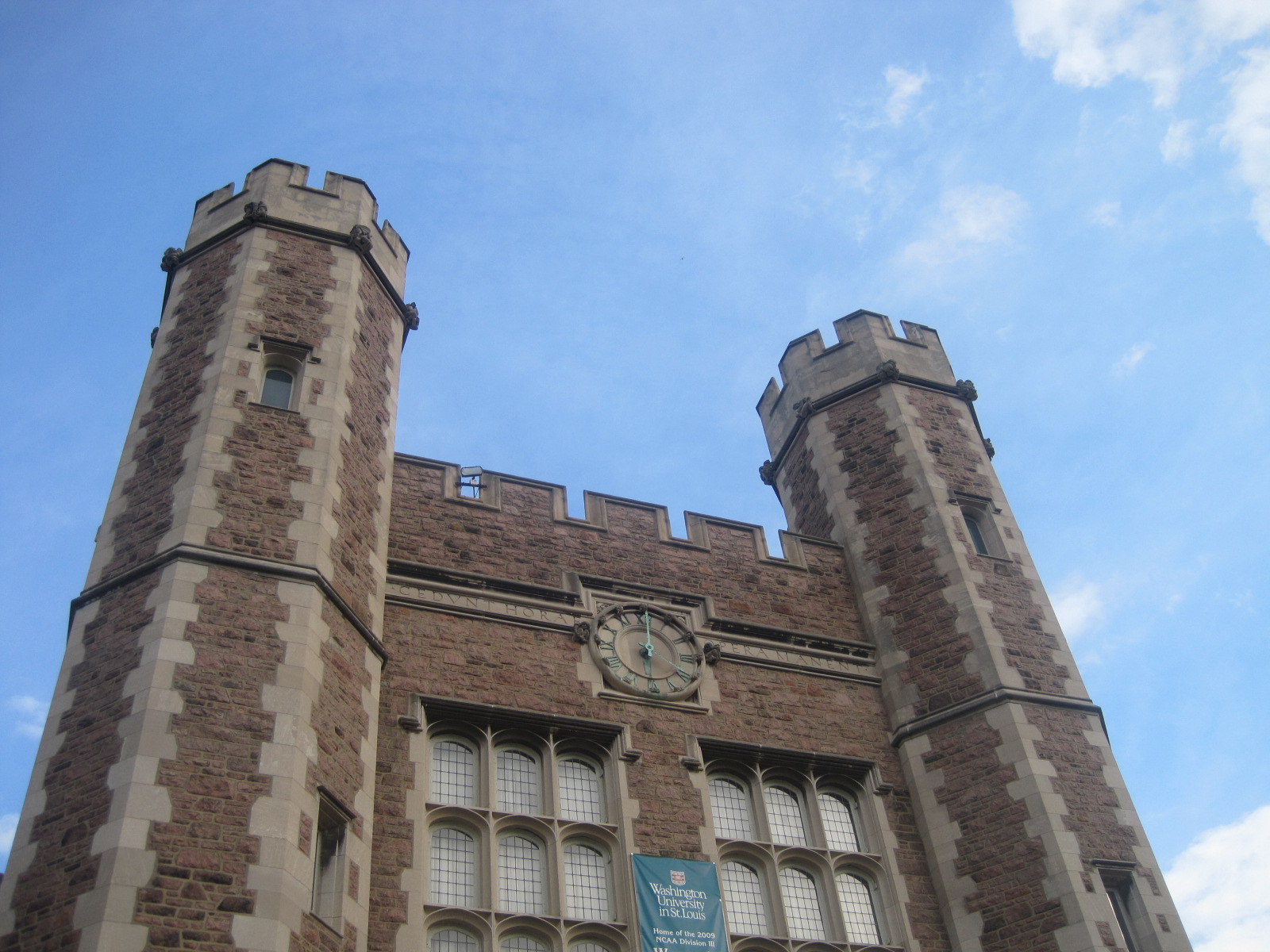
At the Washington University in St. Louis

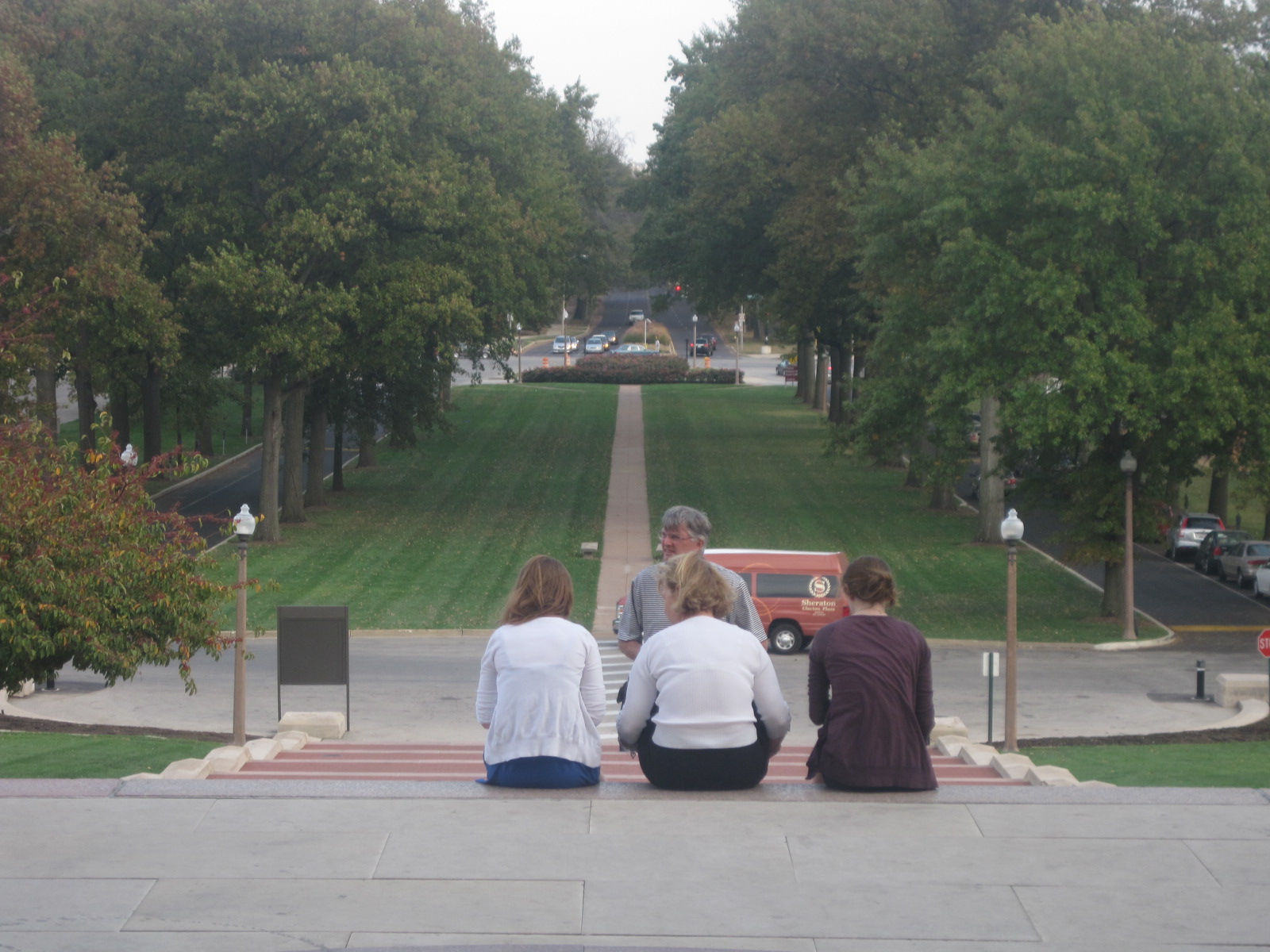
America has its treasures. One of them is a series of campus buildings of picture perfect quality. Actually, for a long while, the only images I had in my head of Universities were those of high rise walls and columns with a facade reminiscent of a prison or a palace. The closest to that I’ve seen so far would be Howard University with its beautiful structures, courtyards and decorated trees. And then, there was Principia College in Alton, overlooking the Mississippi river. The rest were Hollywood supplied: Mona Lisa Smile, Finding Forrester, The Scent of a Woman, and The Dead Poets Society, and a few other movies showing Ivy League campus environments.

And then I encountered the Washington University in St. Louis*, by chance I must say, during an idle moment of driving through the town. After an hour of walking through its walls and taking in the sights, I began to wonder how people who go there manage to concentrate on classwork in the sight of such beauty and serenity. I would never know, but I would keep wondering whether too much beauty is sometimes an unpardonable evil.

(*Initially mistakenly referred to as St. Louis University, the pictured structure is actually from Washington University in St. Louis. Thanks to Gerry Everding for the correction).