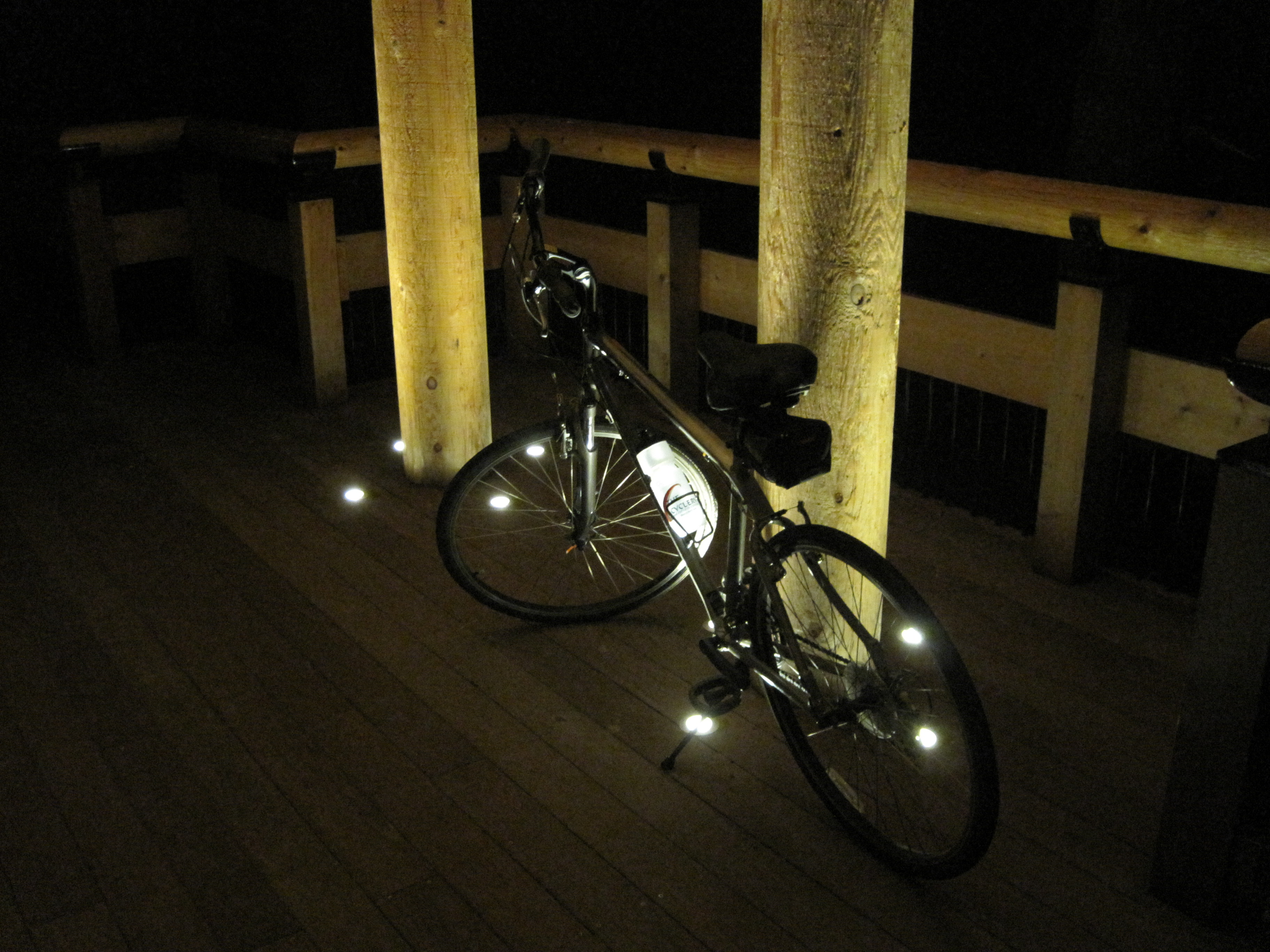
It is at times stressing, and definitely more exerting than driving a car. I have heard of the many advantages of riding over other means of transportation, and the best will have to be how it may help to protect the environment by reducing the amount of gas fumes in the atmosphere. And it’s healthy. With sufficient nutrition, the rider exercises his muscles and his mental alertness in a way that is not found in other vehicles like plane or car trips. The bike rider definitely lives in every second of the stretch, exercising his lungs as he takes in the breeze around his head. Besides this headache that I feel in my head as a result of yesterday’s daring long ride, I think I actually enjoy this new experience of cycling.
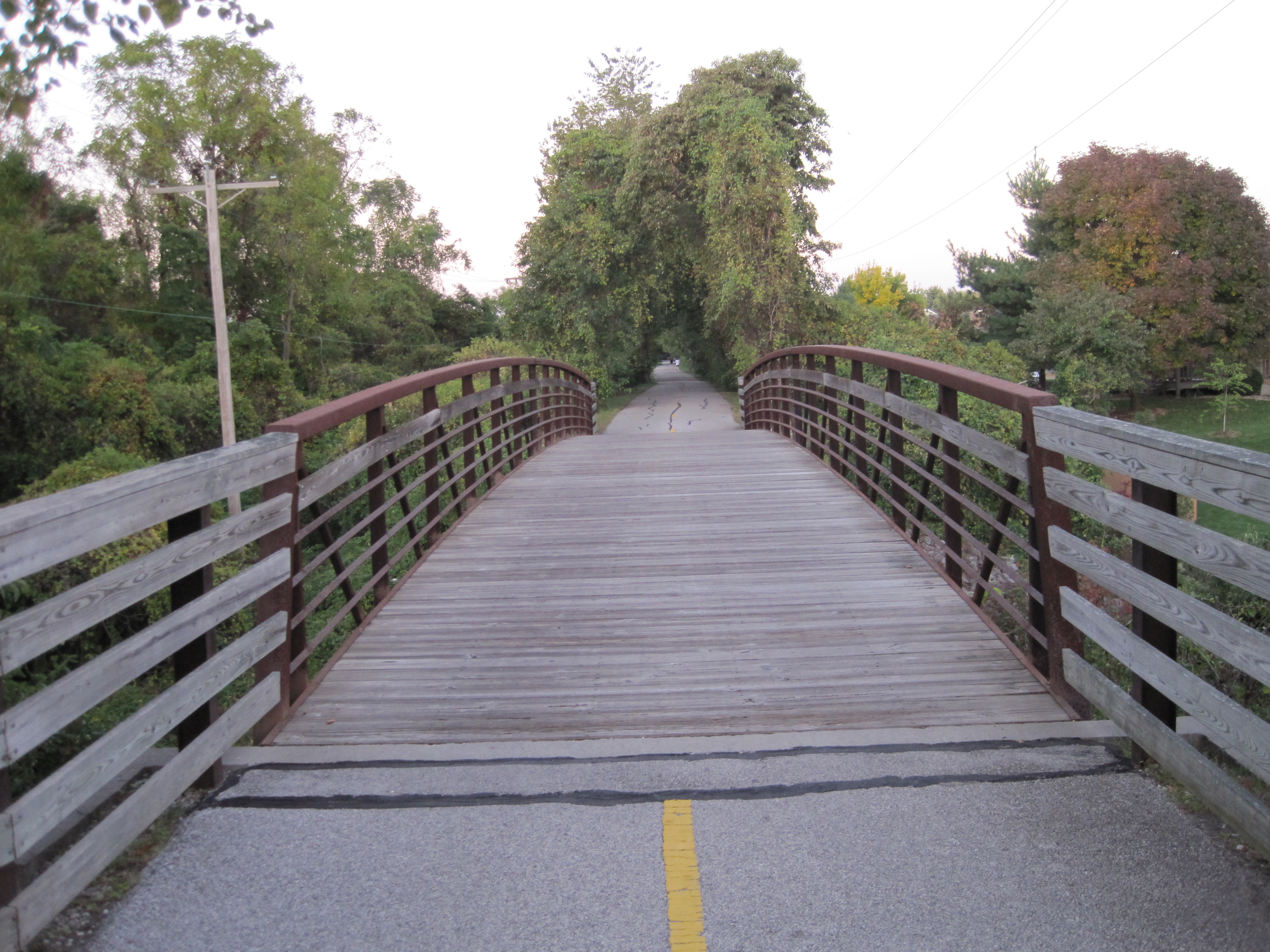
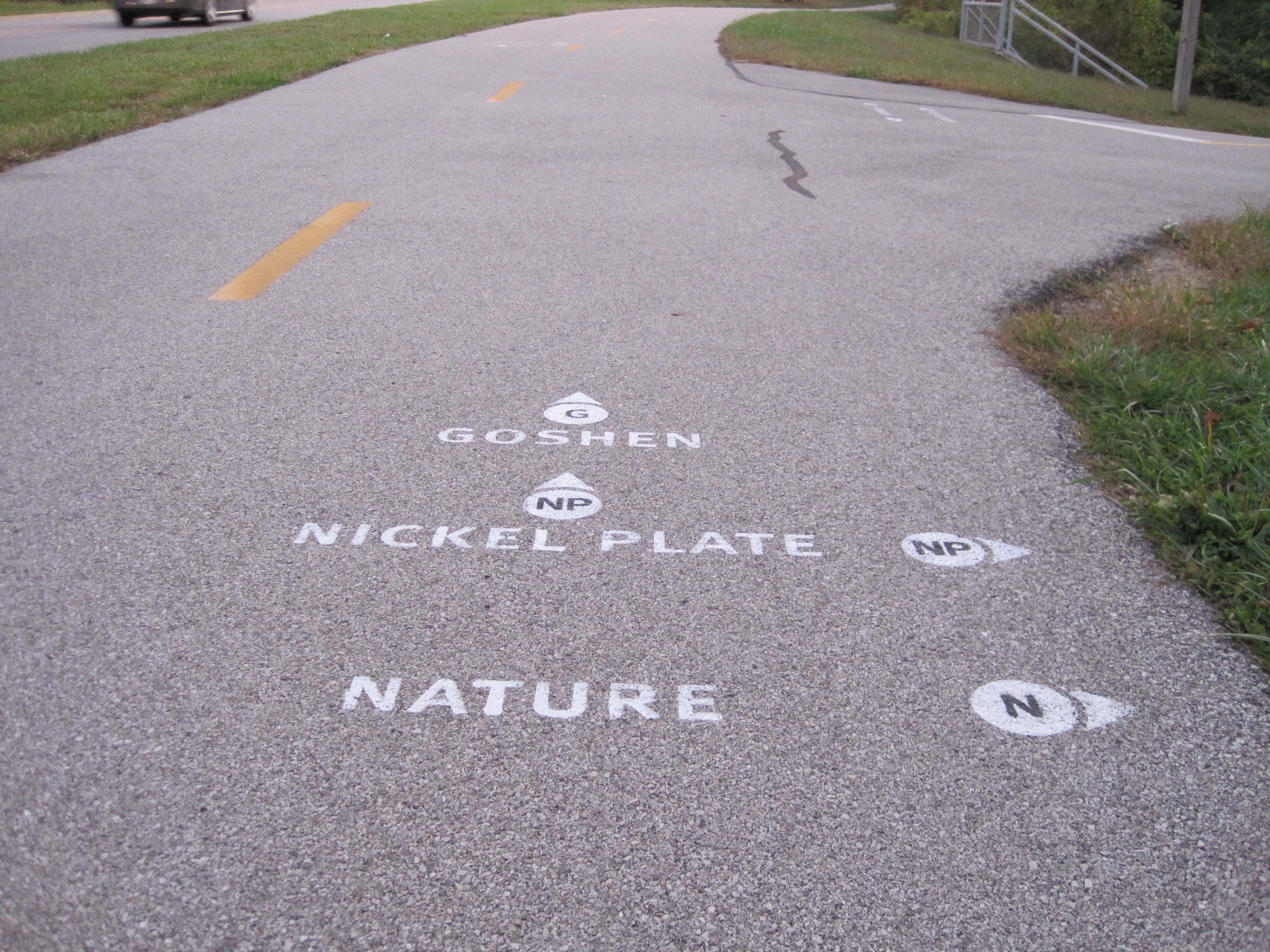
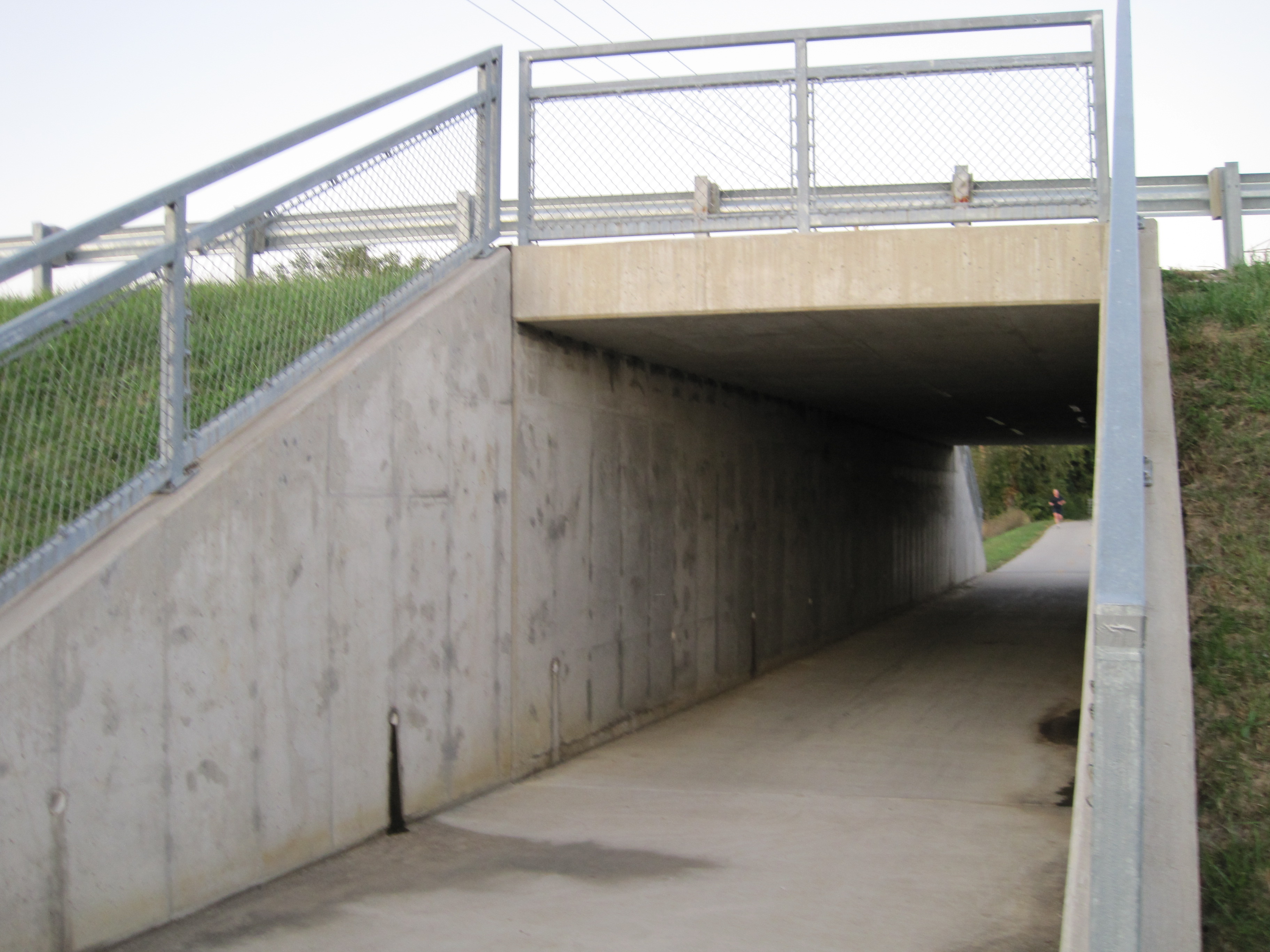
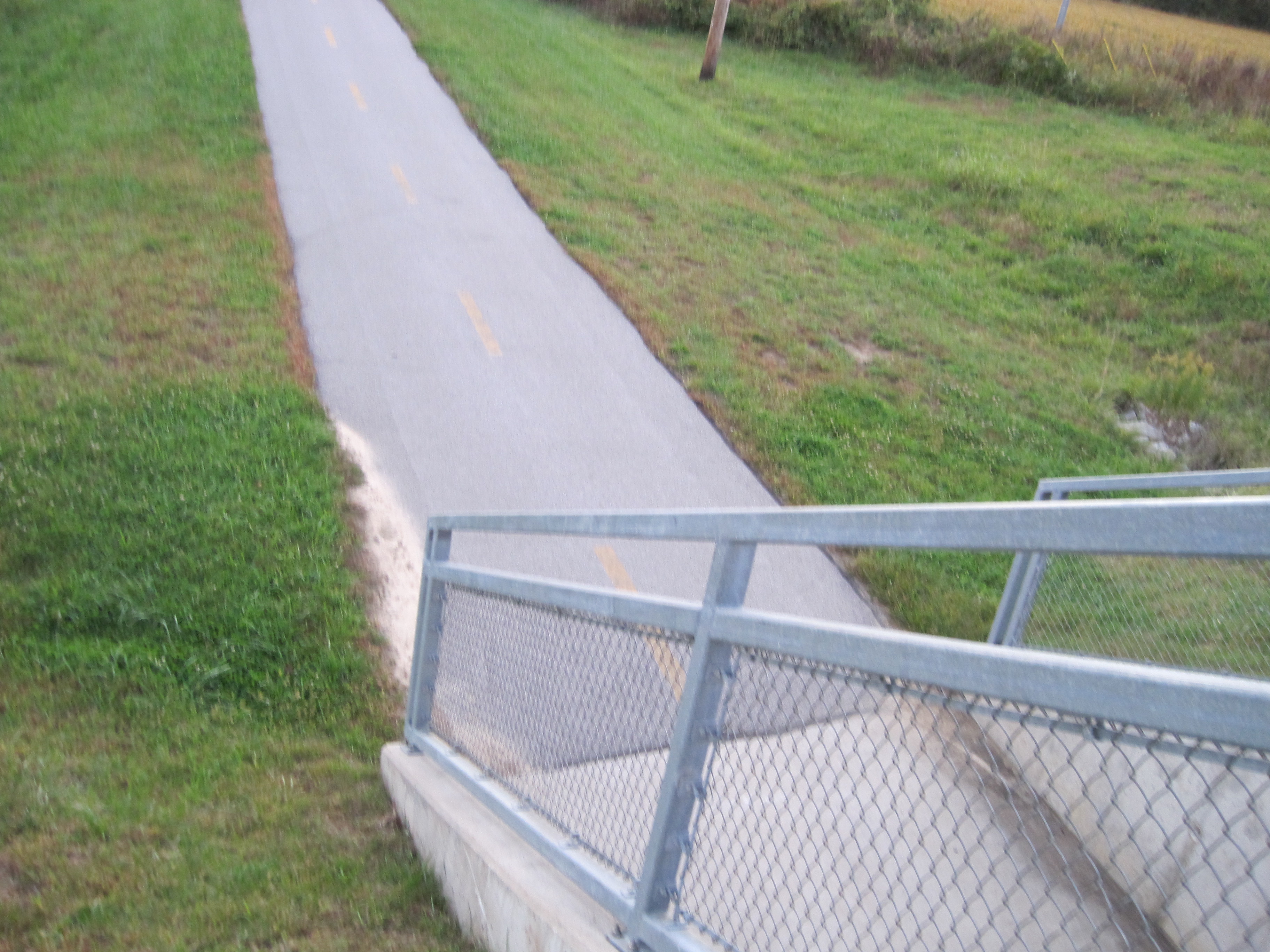
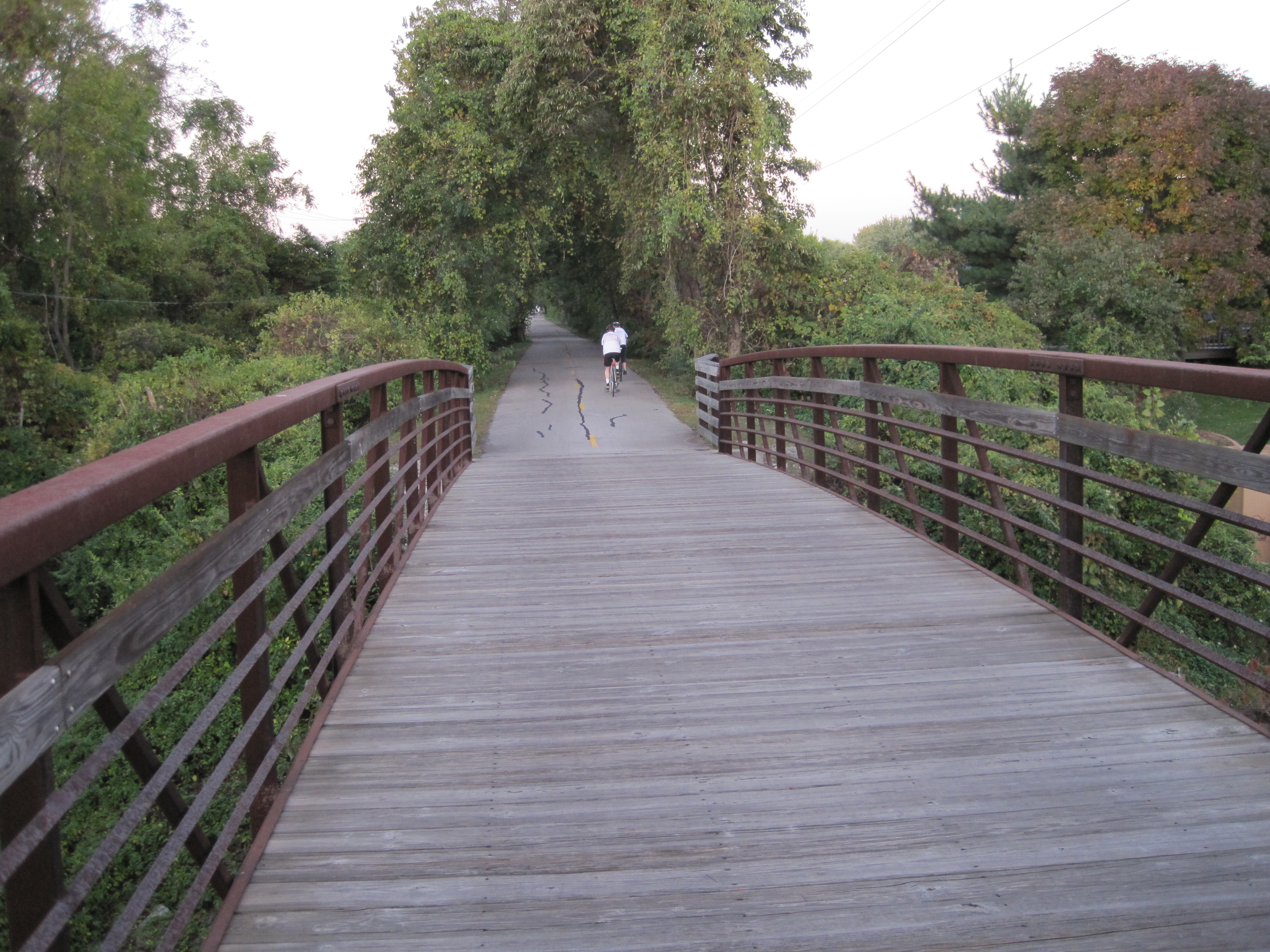
The bike trails in Edwardsville are some of the most advanced in this country, and they form a very beautiful network of tracks of tar for both runners and riders. Yesterday was my first long distance journey out of the campus by myself since the last time I’d made a similar effort about a week after I got my bike. That time, I didn’t go too far. I’d gone to the boundaries of the University, and returned when the signs began to read new names. But I had planned to return on another one of those trips whenever time permitted. The SIUE campus has been reputed to be one of the largest in the country in terms of land area, behind only a few other universities, so venturing out to the ends of the campus boundaries was something of a start. Yesterday however, I went out of campus – through a different route – into town for a visit.
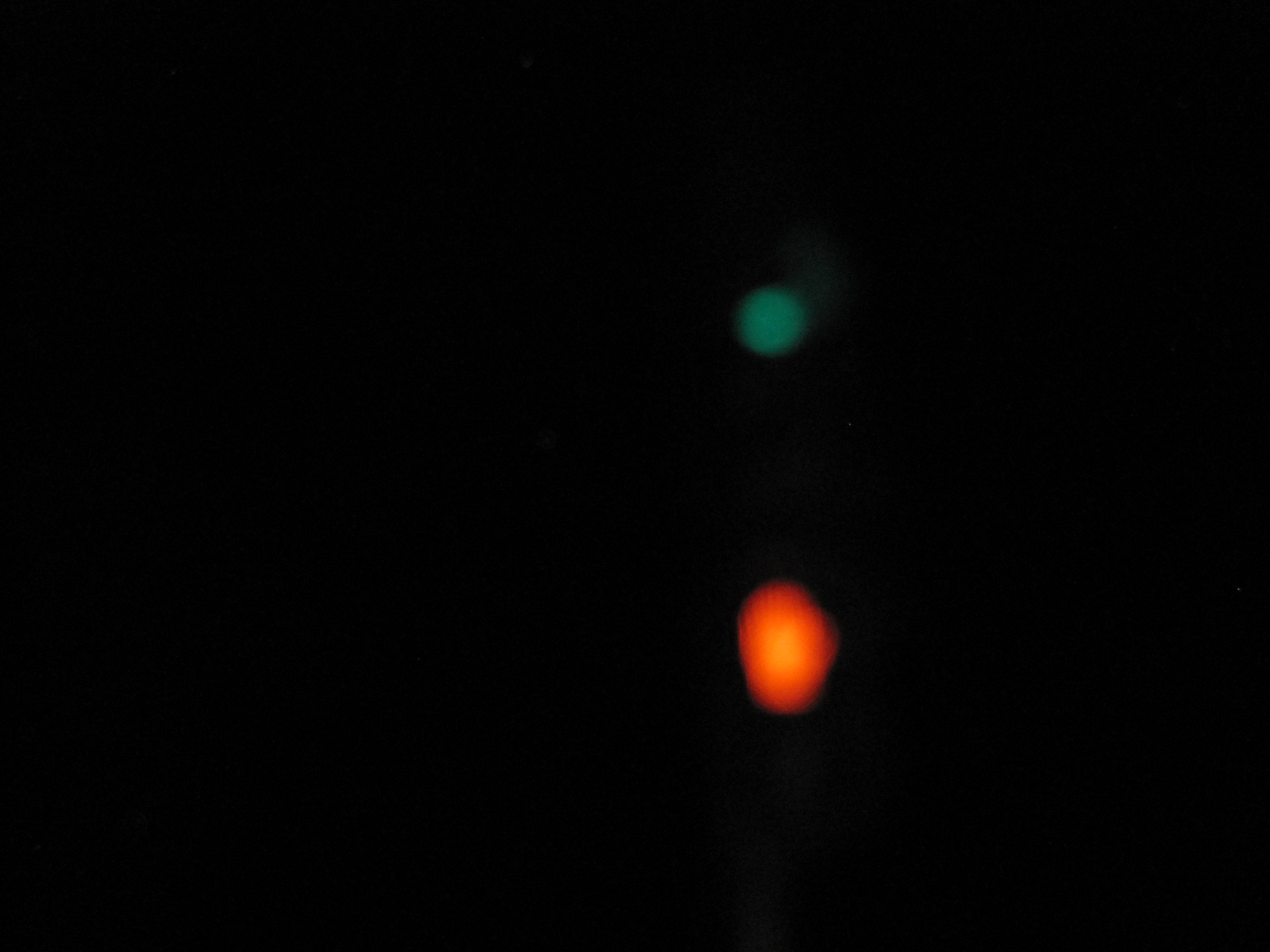
 But it was while returning, alone, at night that I had another one of my travula moments. I got to a traffic light that showed red, and I brought out my camera to immediately capture the contrast of the colours against the darkness of the night, only to hear some voices from inside a car on the road, also waiting for the lights to change, screaming in my direction.
“What are you doing?” Apparently they were concerned. For what, I had no idea.
My hand shook from the startling noise, and the camera moved. I had missed my target shot, and I looked back at them. From the distance, I couldn’t see who they were in the car or how many they were. There must have been at least one man, and a few other girls – most likely from the university, and most likely coming from a party. They sounded African-Americans, and the voices I heard were the girls’.
“I’m taking pictures,” I shouted back.
“What for?” I heard again.
“Why do you care?” I retorted, with a shrug. I just couldn’t understand their right to question my priceless appreciation of something of beauty even though, in my mind, I knew that their surprise must be one of these things:
1. That they’d never seen anyone on a bike at night.
2. They’d never seen anyone on a bike at night, taking pictures.
3. They’d never seen anyone on a bike at night, taking pictures of a traffic light!
They became quiet for a little while, and then the light changed. They must have then resolved the doubt within their murmurs, because I then heard: “Okay, have fun taking pictures,” and I said “Thank you” with a thumbs up gesture, before they went across the t-junction towards the university. In my surprise, I didn’t immediately move across the road myself, nor return to get another camera shot of the traffic lights, but later on the way home, I couldn’t immediately decide as well whether that was an awkward moment, or not.
PS: Today, I’m signing up for membership of bicycles-for-humanity.org and bikesfortheworld.com, two non-governmental organizations whose aim is to find unused bikes in North America, Europe and some other western countries and send them to spots in the world where they’re most needed, and where they might change someone’s life by providing an effective means of harmless transportation. Join them if you can. You might be helping someone, somewhere.


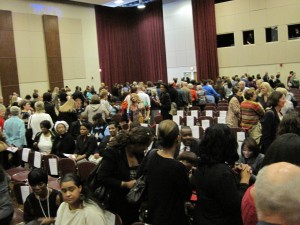
 There was a fore-warning that there would be no question and answer segment, but listening. Only listening and laughing, for the poet is one who commands her audience in charm, and holds them spellbound as soon as she steps onto the stage like an acrobatic masquerade. She was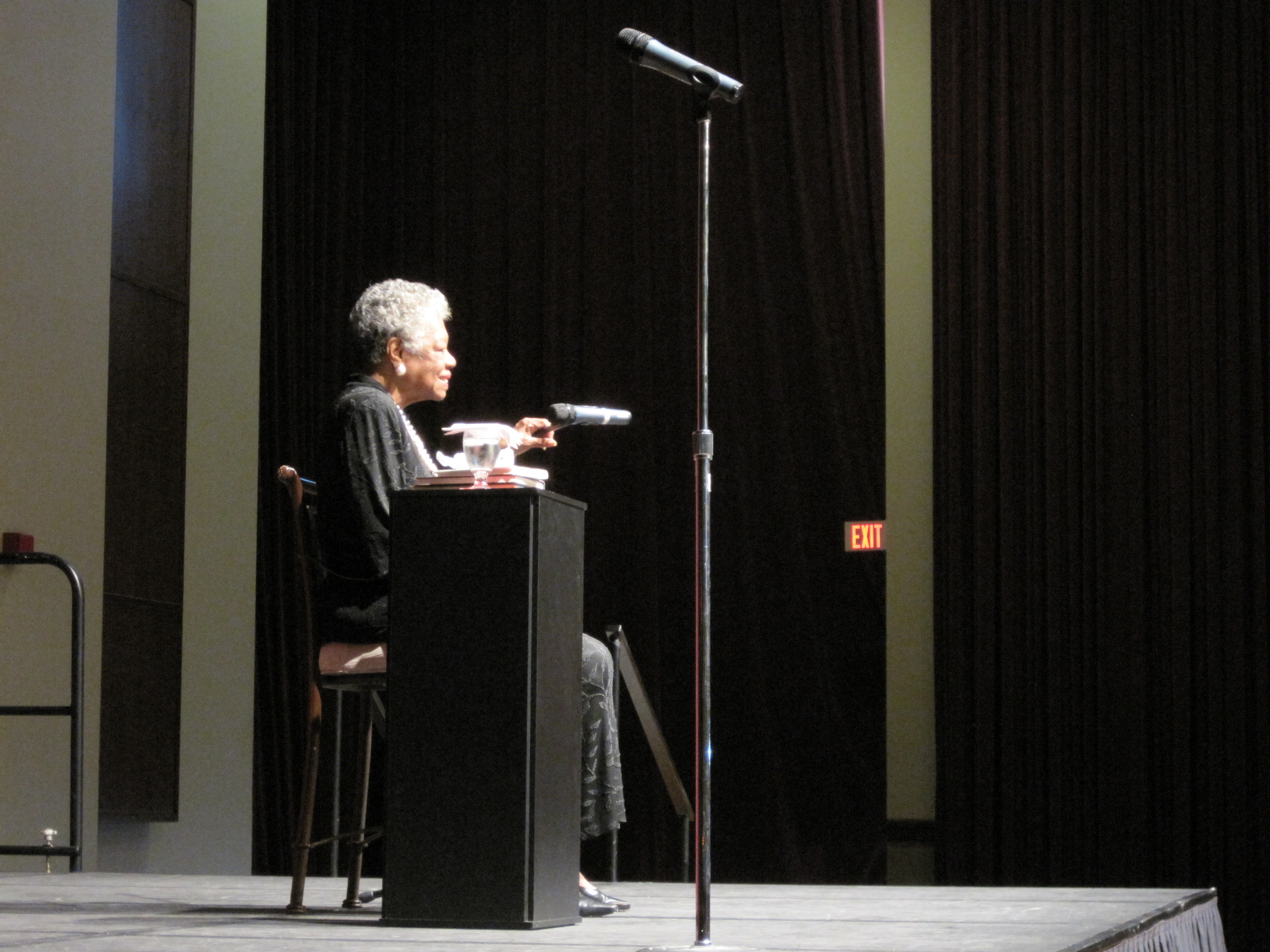
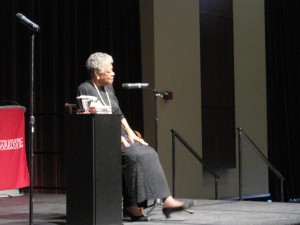
 And then she told stories from her past, in a husky voice that bellowed around the room. She told of discrimination, and hope, and joy, and rebellion, and progress, and love. “We are all rainbows,” the author said, “placed in the clouds to make some other person happy. And we’ve all been paid for,” she continued, “with either blood and human excrement from the slave ships from Africa, or the blood and brine of fleeing Jews from the camps of Eastern Europe, or the sweat from the brows of the Asians who came to this country in the 1800s to lay the railroad tracks, and buy properties so that their descendants can lay claim to the new nation.” Each one of us has an ancestry of brave people who have suffered so that we may enjoy. And so when we go out in the morning, just a little word of hope, of compliment, can always, always make a difference in some other person’s life.
 And then she sang, beautifully. Pleasantly. At her age, one would expect brokenness. But no, she definitely didn’t sound coarse or broken, but rather mellifluous. She let it be known that she had written a couple of songs for some of Roberta Flack’s albums, and she sang one of them today as well, to rounds of laughter and applause.
 In the begining, there was just me, going to a University in Ibadan, Nigeria. I had gone through all my primary and secondary education in this same city, so it was just as well that I never knew – nor would have given any thought to – the reality, fact or fiction of the phenomenon of “six degrees of separation.” There was no way in the world that a little boy from that ancient town could relate to the likes of Martin Luther King Jnr, Roberta Flack, Bill Clinton, Oprah Winfrey, Coretta Scott King or Toni Morrison, even if by chance I knew a few of their names back then. The first American I could say I warmed up to was James Hardley Chase, and I didn’t know if we’d have gone along well if the chance ever presented itself for us to meet. Then there was Denise Robbins, whose many novels I read before I completed secondary school. The likes of Mark Twain, and Alex Haley came much much later, as did Toni Morrison, Eugene Redmond and Maya Angelou. I remember seeing Maya the first time while browsing through the now rested Microsoft Encarta Africana CD of 2002, and watching her read her poem, “Still I rise.” I was enchanted immediately, and while reading more about her, I realized that it was impossible not to be, considering how much of stories her life embodies. She was born in St. Louis, grew up in Southern California and Arkansas, then moved over to Ghana with her African Revolutionary husband whom she had met in the United States during the anti-colonial movement of the fifties. She returned to the States after her first son to the African, became a dancer, writer, teacher, public speaker, novelist, poet, film director and movie producer and later Inaugural Poet, the first African-American so honoured to recite for the in-coming president. She read her poem
 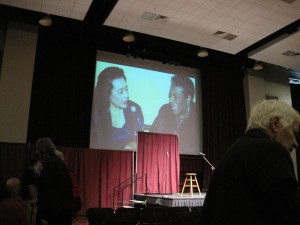 Now here I am in Illinois, less than ten years after that memorable introduction, now meeting the icon face to face in a campus auditorium. Looking at a slide show of pictures taken from the Eugene Redmond collection of photos of Maya Angelou on the big screen, I see a shot of her once with Coretta Scott King, the widow of the slain Civil Rights Activist, then another with Toni Morrison, then Oprah Winfrey, Eugene Redmond, Amiri Baraka and very many other famous names in African-American culture, and I remembered the rule of separation. If only because of this enchanting day, this time and this moment of fate, I can say that I may have finally connected my last branch of life’s six degrees, joining imaginary hands with all of the rest of the world, with everyone just six persons – or less – distant from me, no matter where they are. Oh how I like the sound of that!
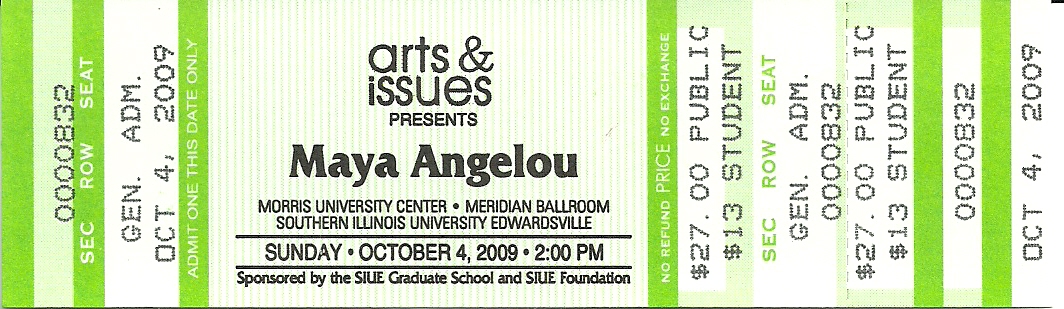 I have now returned from Dunham Hall, where I had gone to obtain my tickets to the programme, and where I discovered to my amazement that all the tickets have sold out. Completely. The organisers have just made arrangements for a hundred more seats, and I was lucky to get two of those. My hosts at the Office of International Programmes who had promised to get me tickets into the show are now nowhere to be found. If they ever come forward with any more tickets, then maybe I can afford to take someone else along to the show. But a most unfavourable part of this visit of the American Poet Laureate is the news that she might not be staying long after her talk to sign books or take pictures after all. Now this, if true, is just horrible, but I understand. She’s probably too old for all that stress of sitting though signings and photographs. But being young and tenacious, I’m probably too heady as well to let her go without a fight. Come, come Sunday!