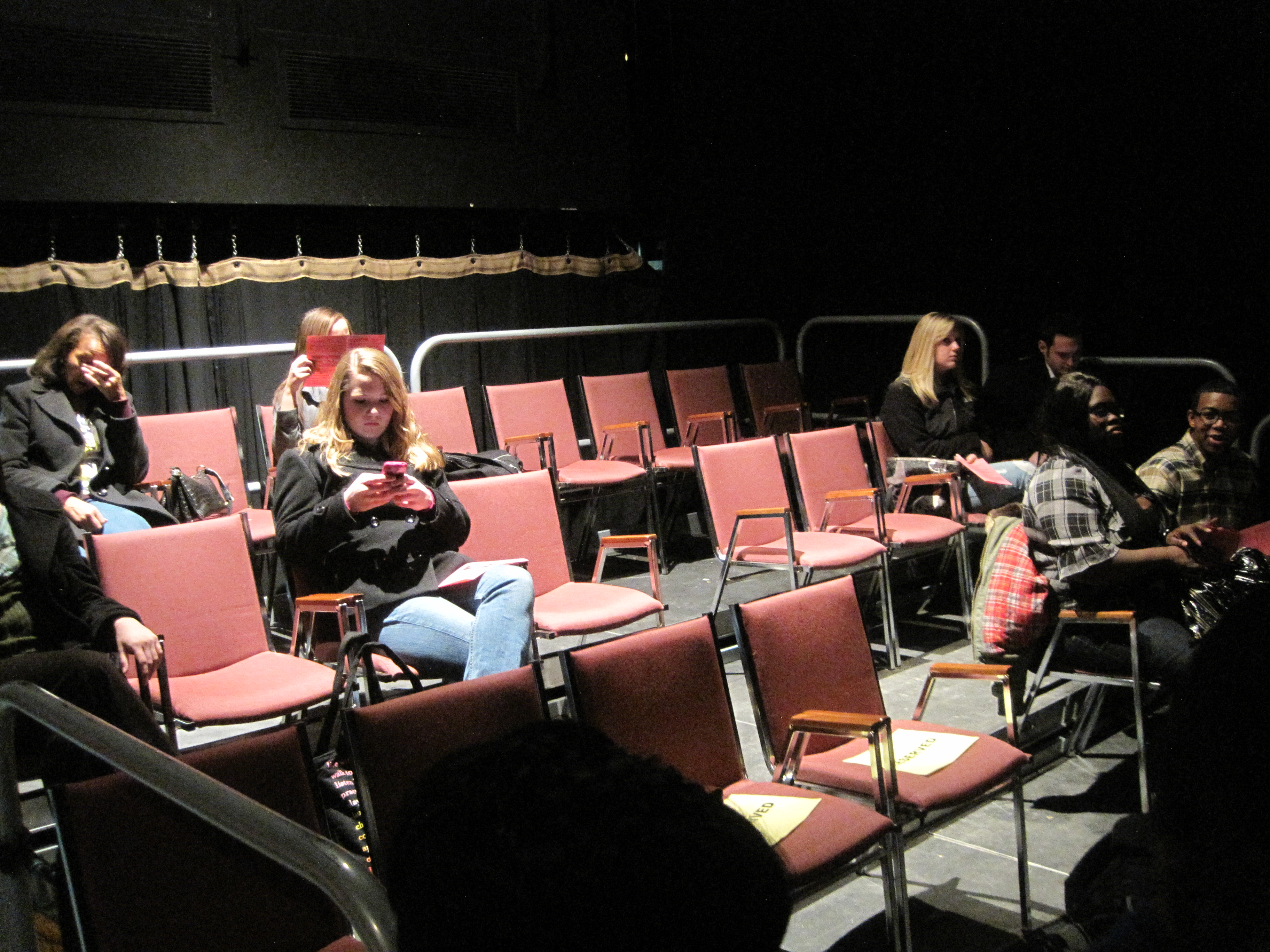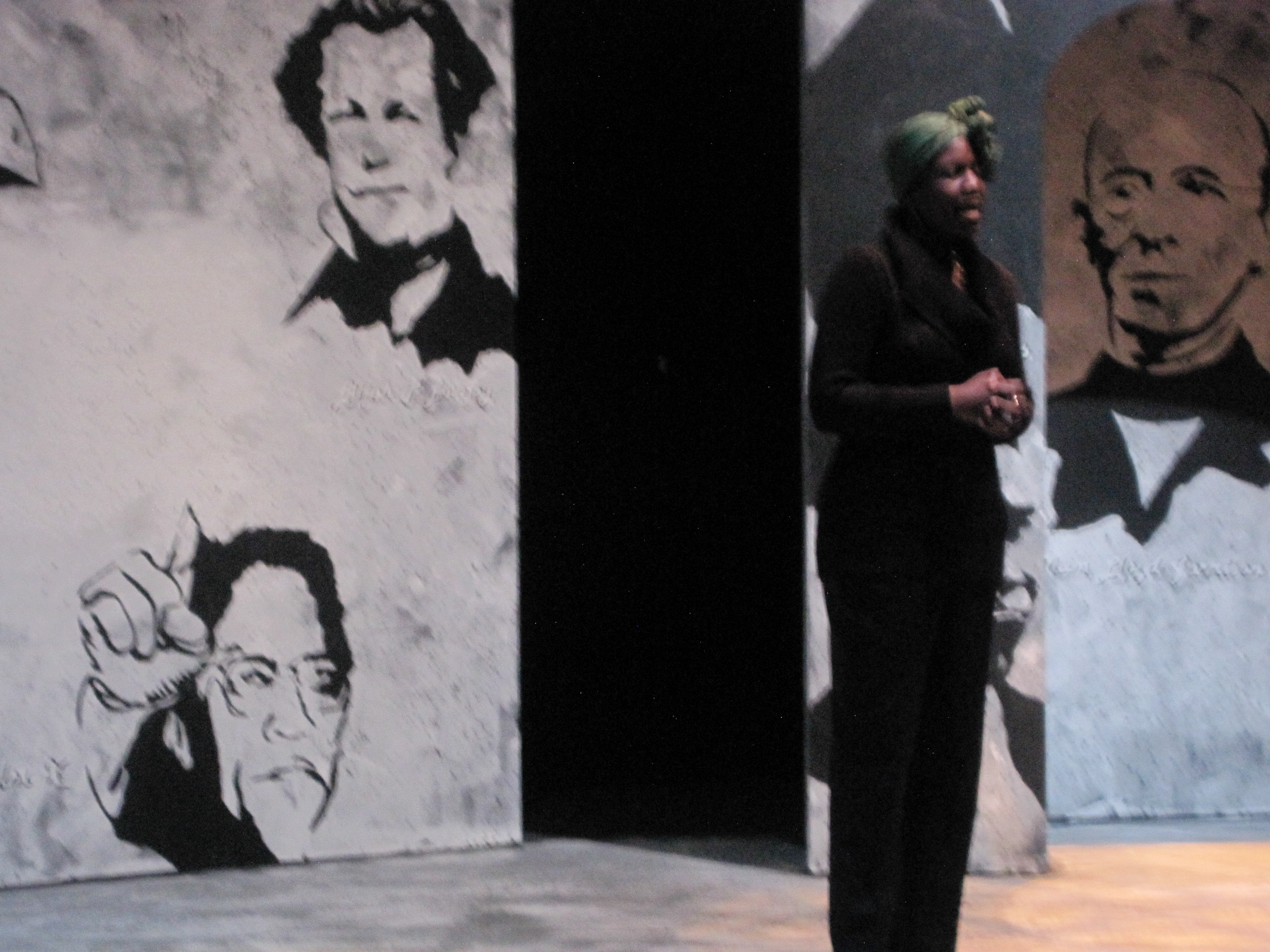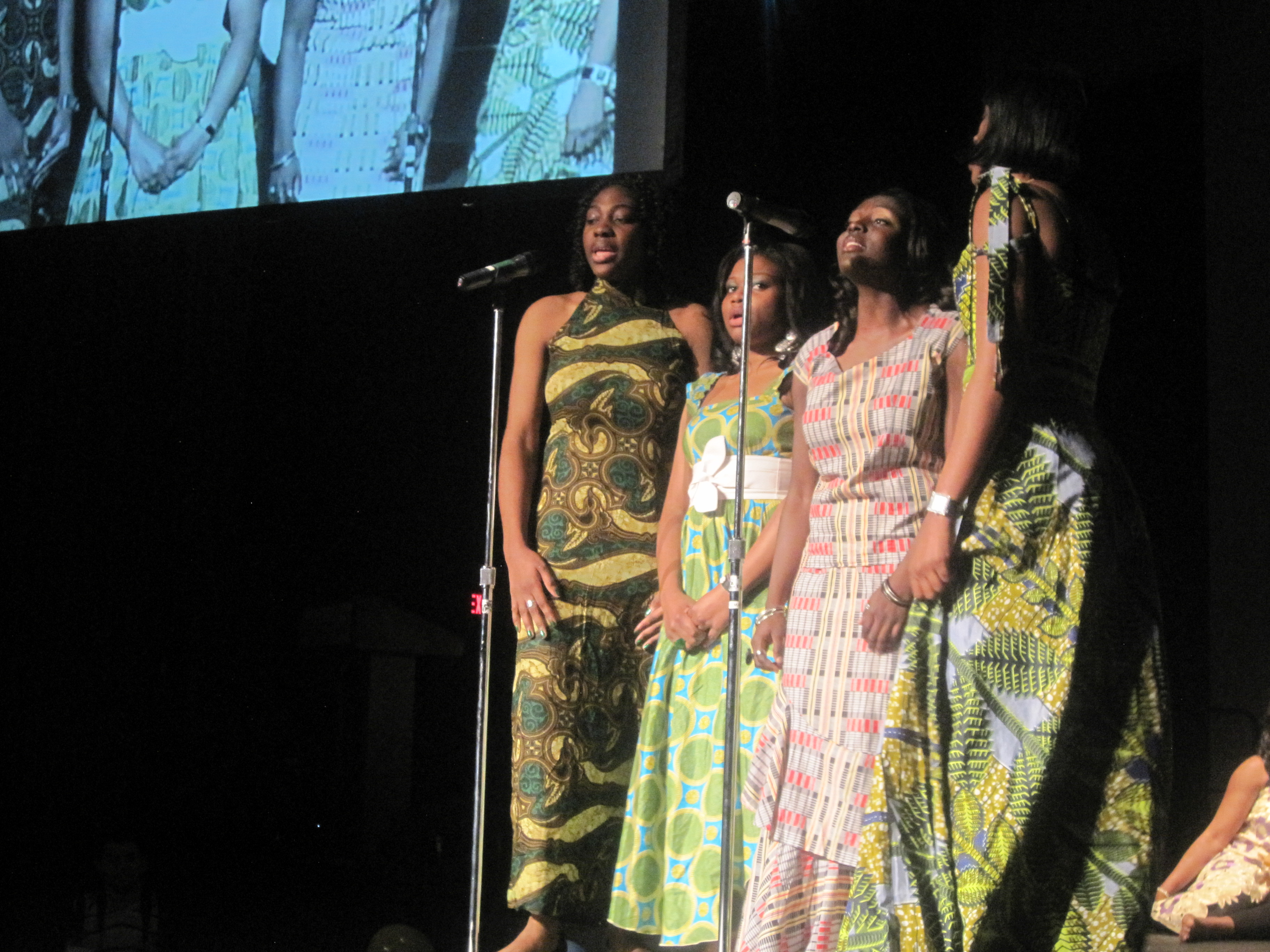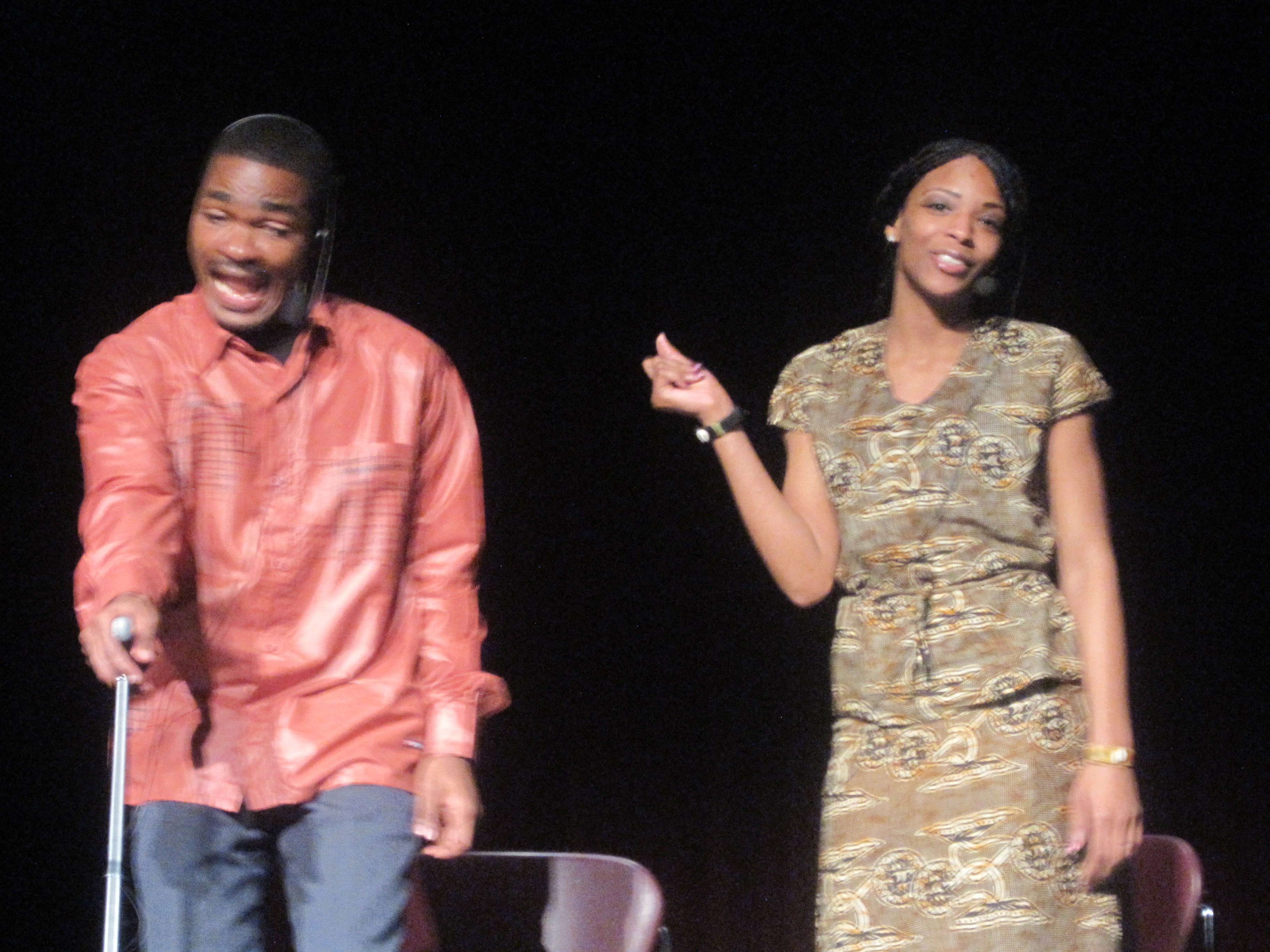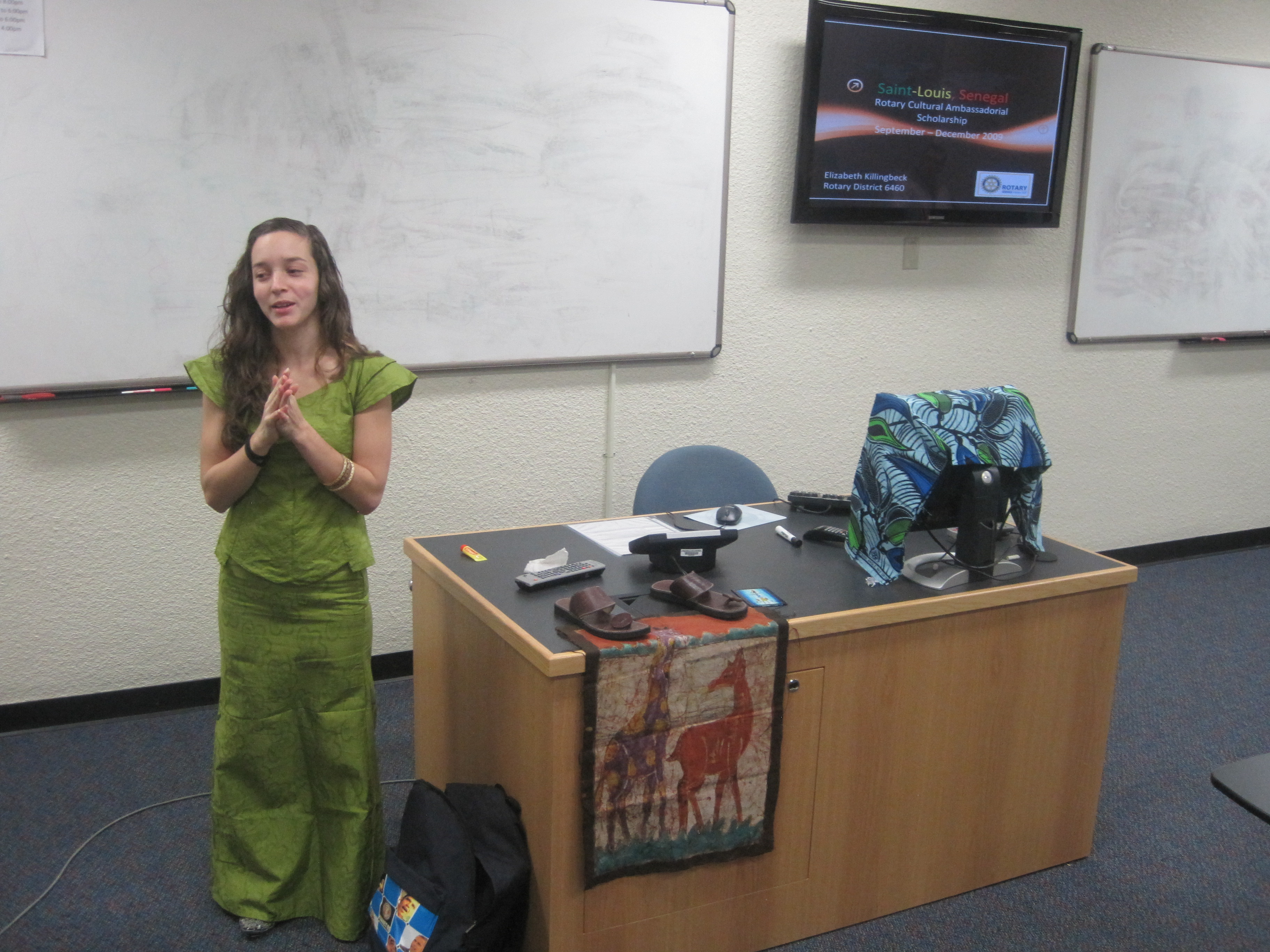
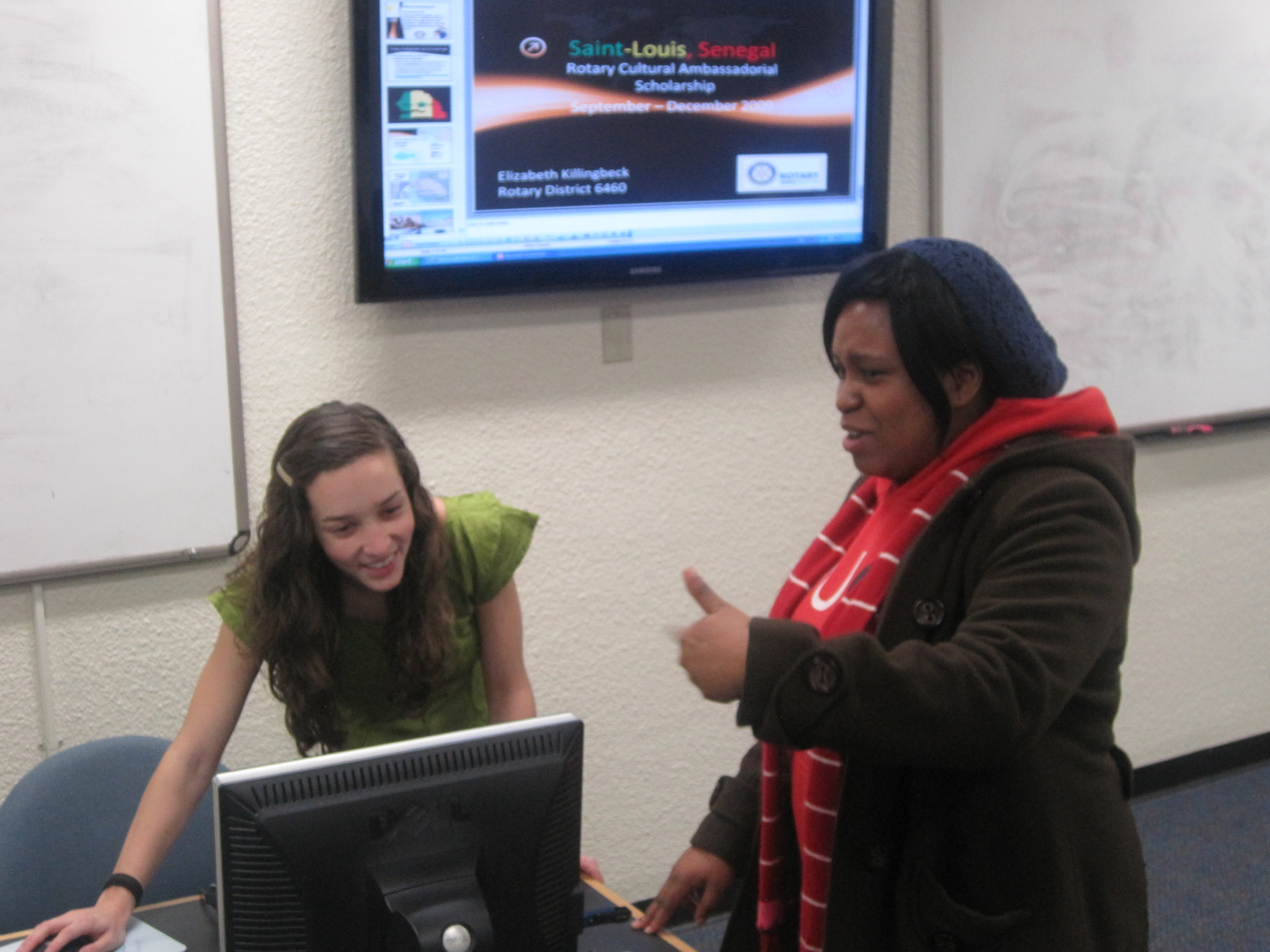
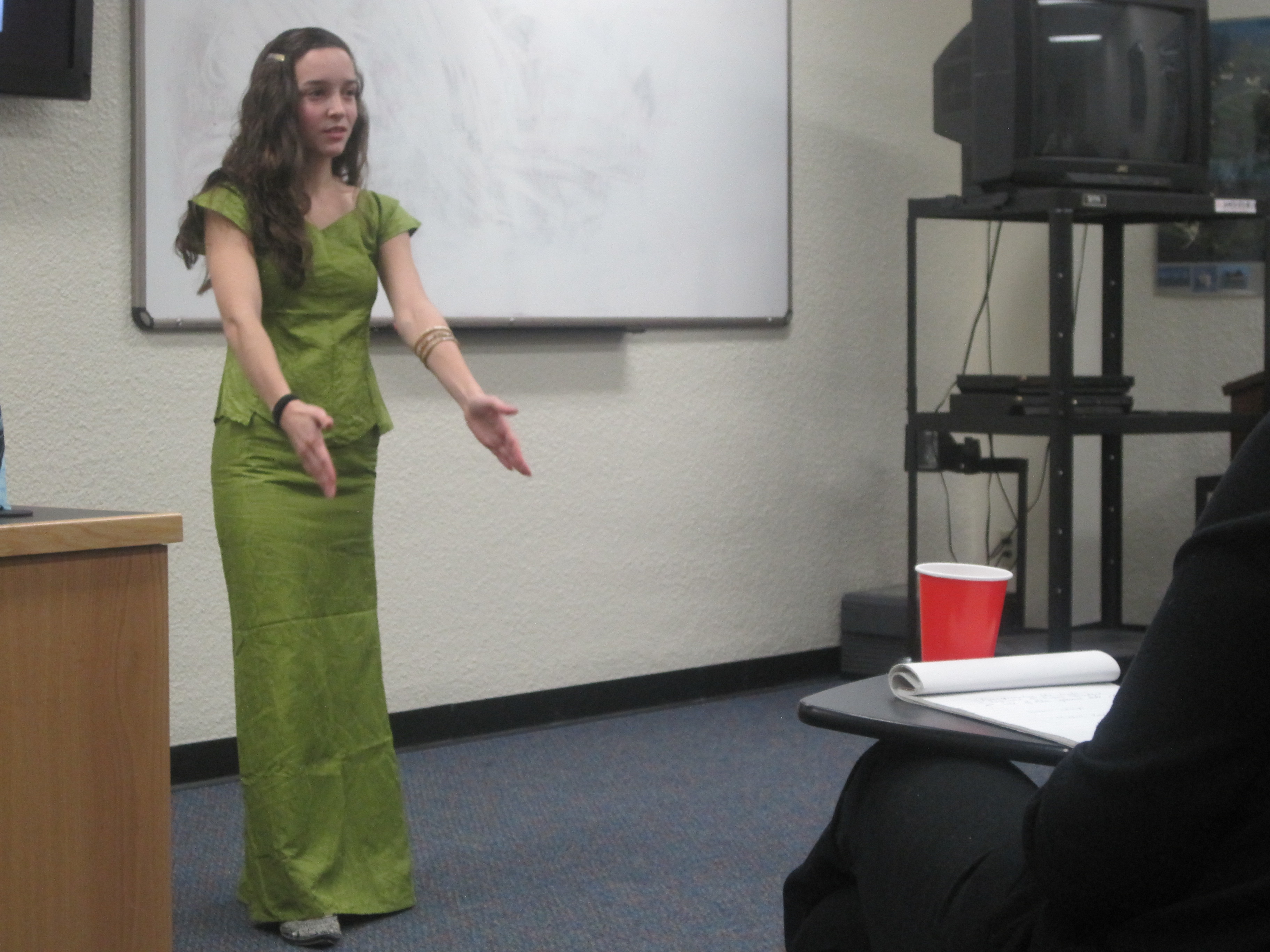
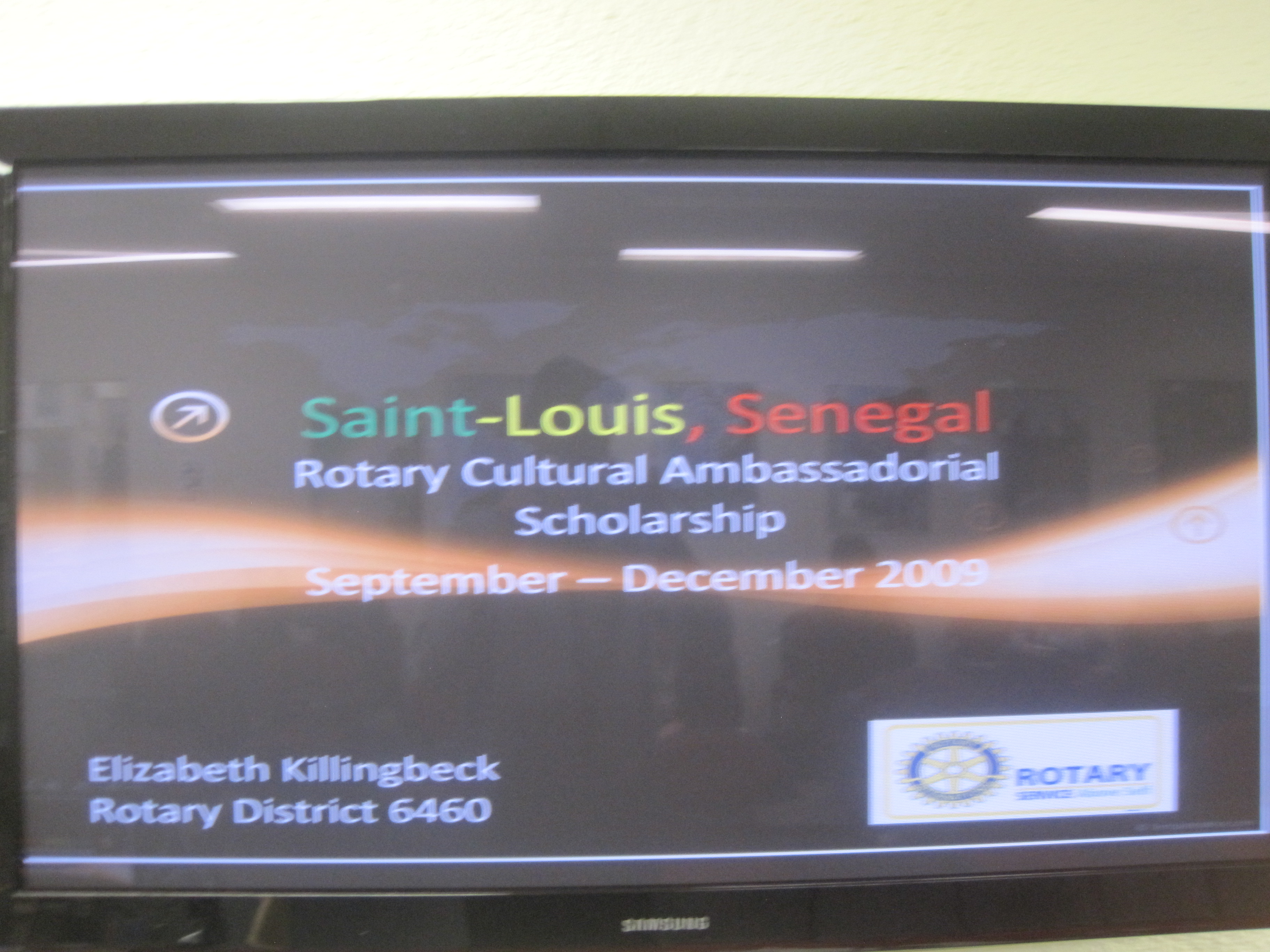
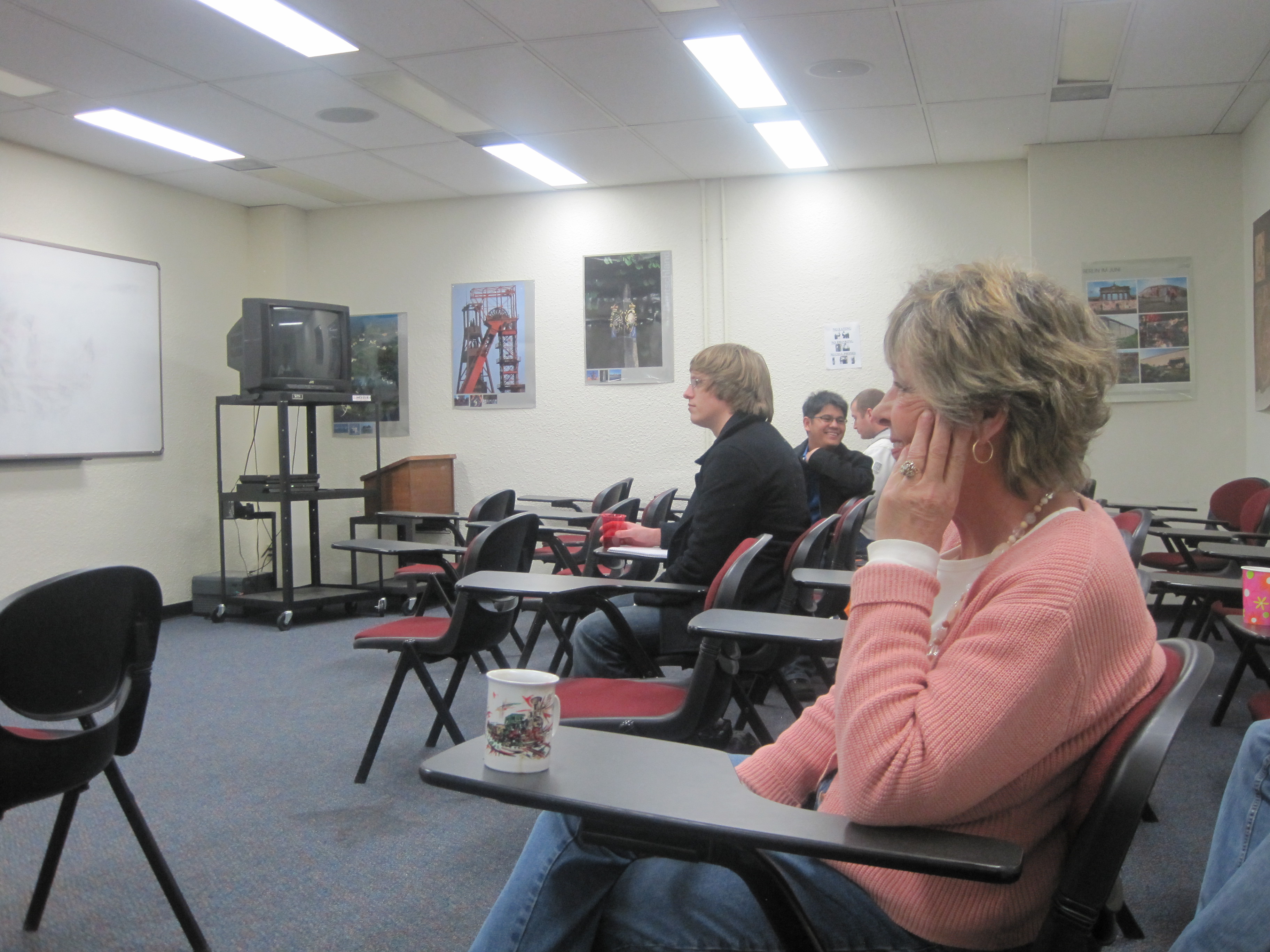
 Today’s even in the Discover Languages Month was a talk by Elizabeth Killingbeck, a student of my department who had gone to Saint-Louis in Senegal in West Africa for a three month Rotary community project and a French-abroad experience. Elizabeth had come back with stories of said experience and was at the Plasma Lounge again to share it with members of the department, faculty and students who had come to listen. From a little after three pm when the talk started, and a little after four o clock when it ended, Elizabeth took us on a journey of her experiences, good and bad, in the West African country. It was worth it listening to.
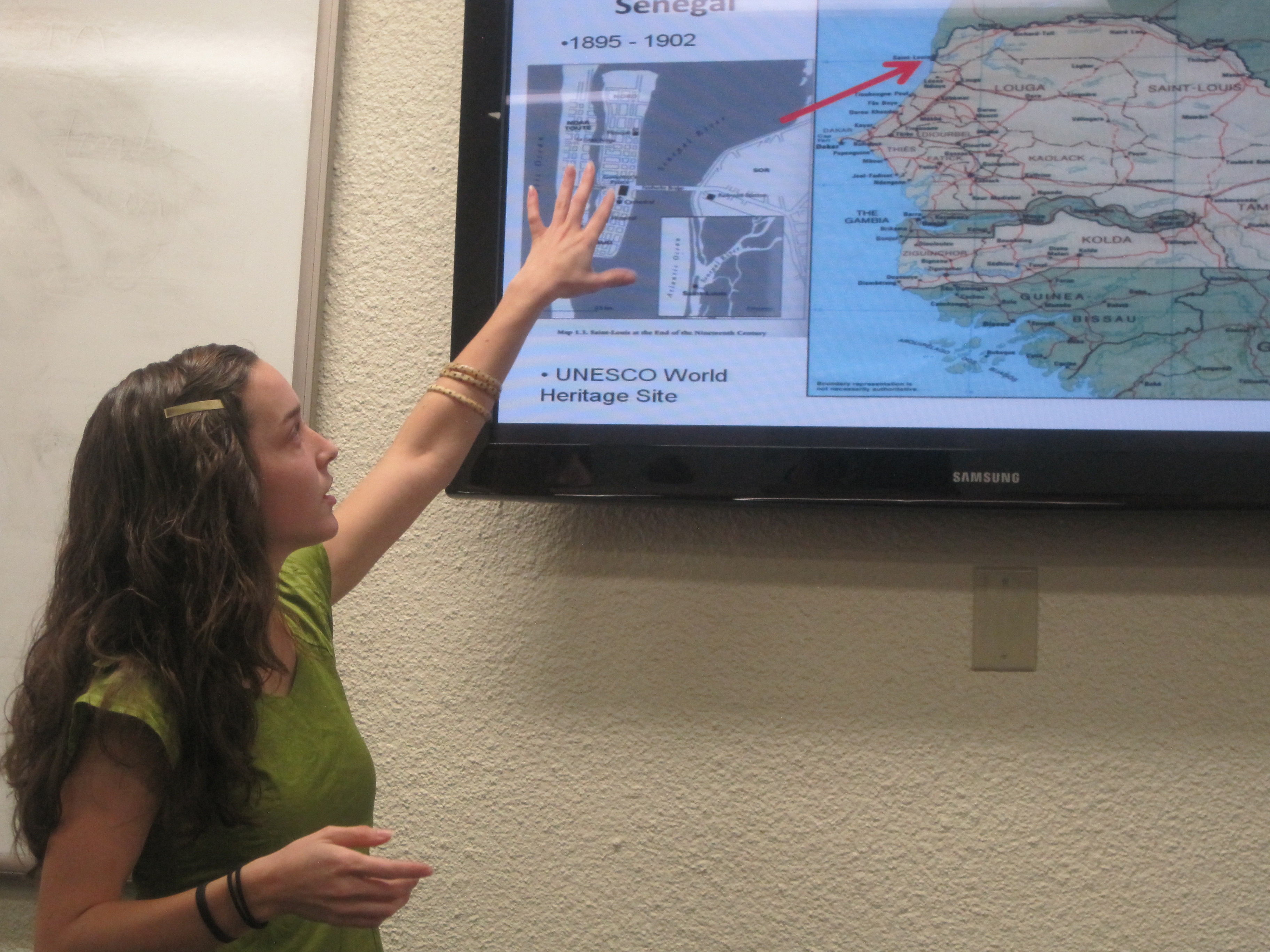
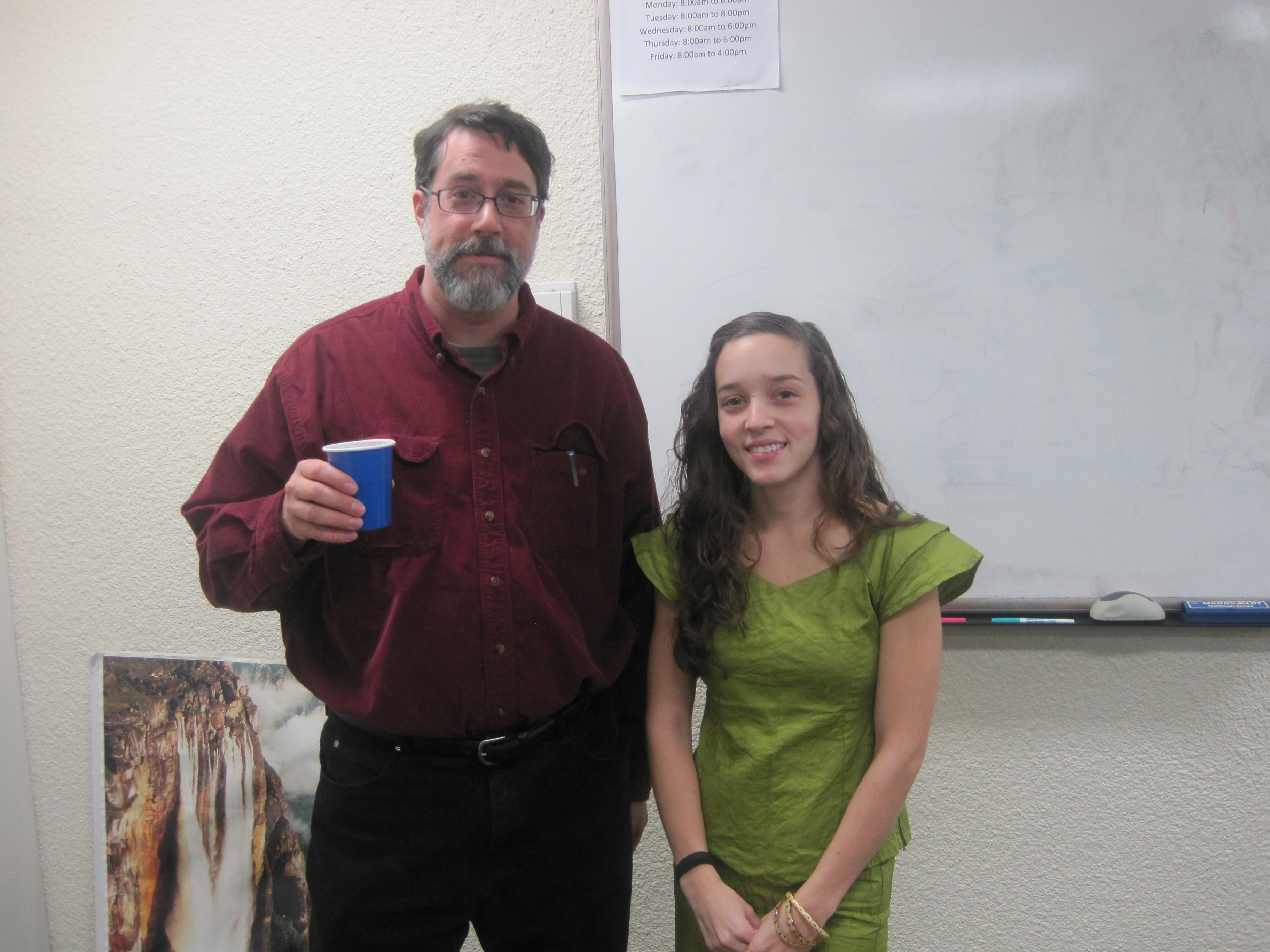
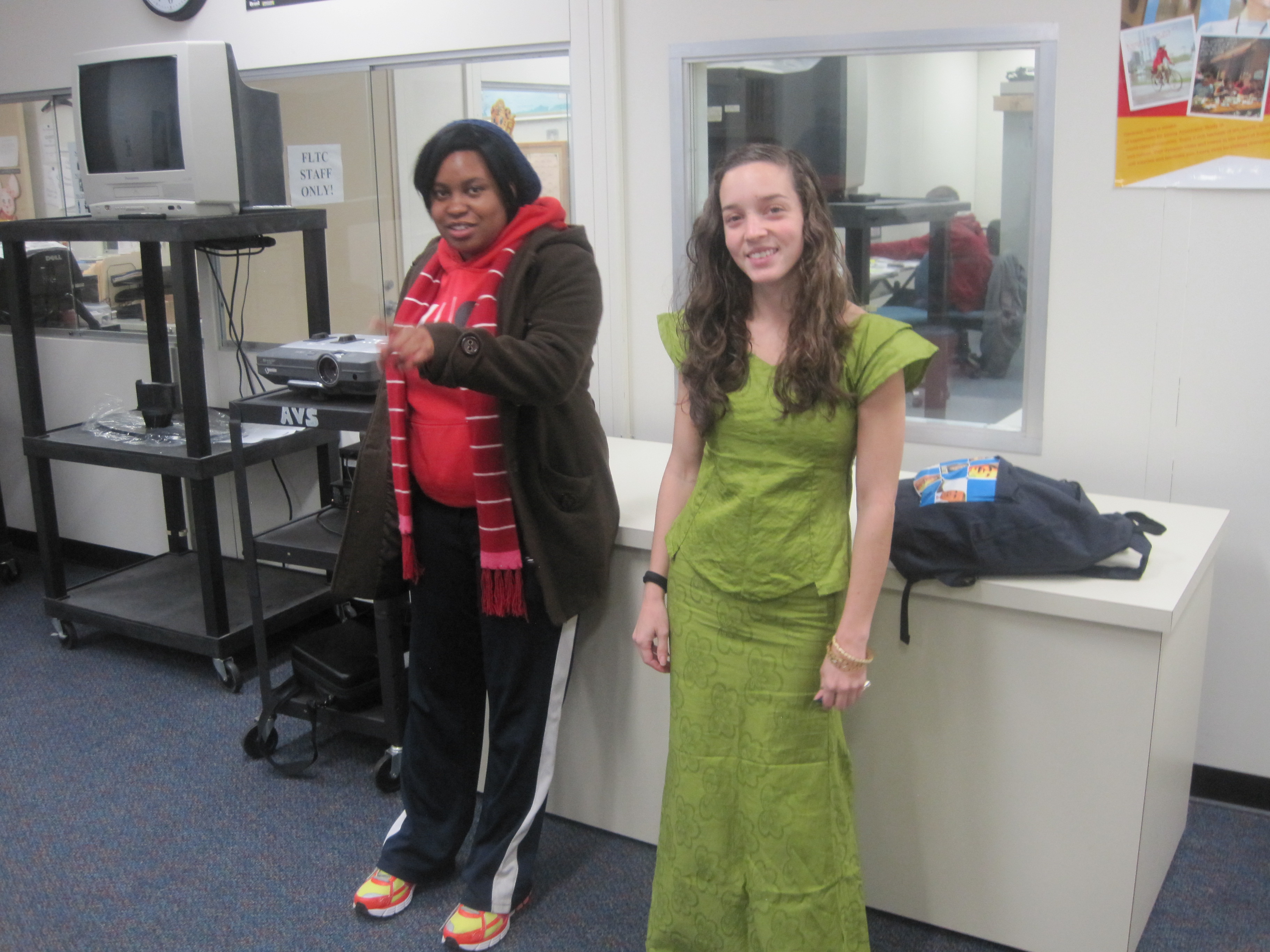
 Her trip to Senegal was doubly memorable for her and for us because Elizabeth had never lived within any community of totally French-speaking people, nor has she ever been to Africa (or for that matter lived within a community of mainly moslems). And on top of that, she is someone of not so large a stature that must have gone through so much to survive (even in the US) within a group of bigger framed folks, and here she was in French and Wolof-speaking West Africa in the blazing sun. Now don’t get me wrong, Elizabeth is only soft-spoken, she is neither timid nor shy when speaking about what she finds fascinating.
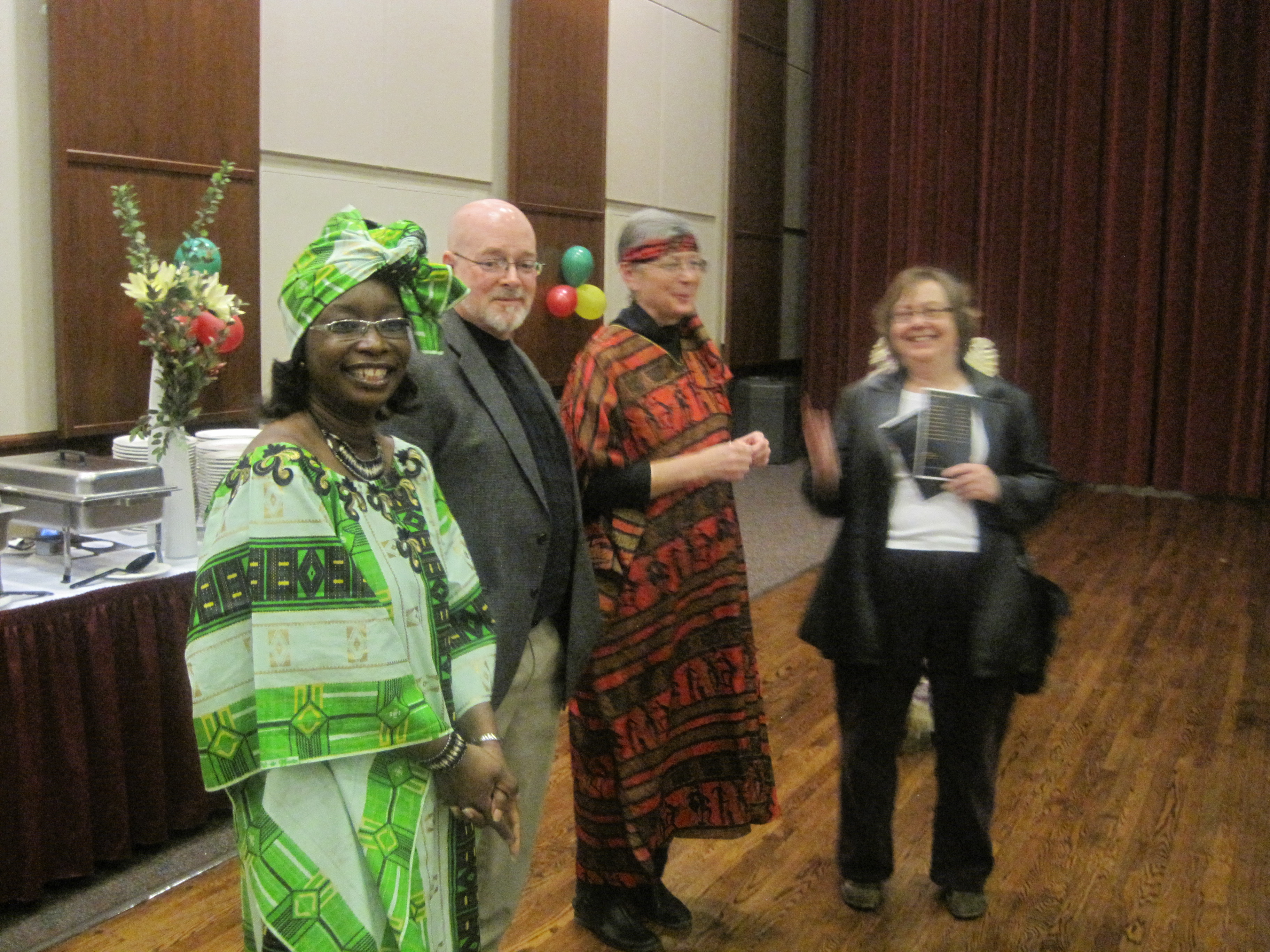
Wearing a green guinea attire that she bought while there in Abdoulaye Wade’s country, she talked about drinking water, flies, art, classrooms, children, vehicle art, street kids, food, family, language, camels, religion, literacy among many others. There were also pictures to show for it. Talking about water supply, Elizabeth talked about the problem of accessing good water where she lived. They drank from the well while she bought and drank bottled water. “Should she have drunk the well water?” Belinda asked me. “Definitely not,” I replied.
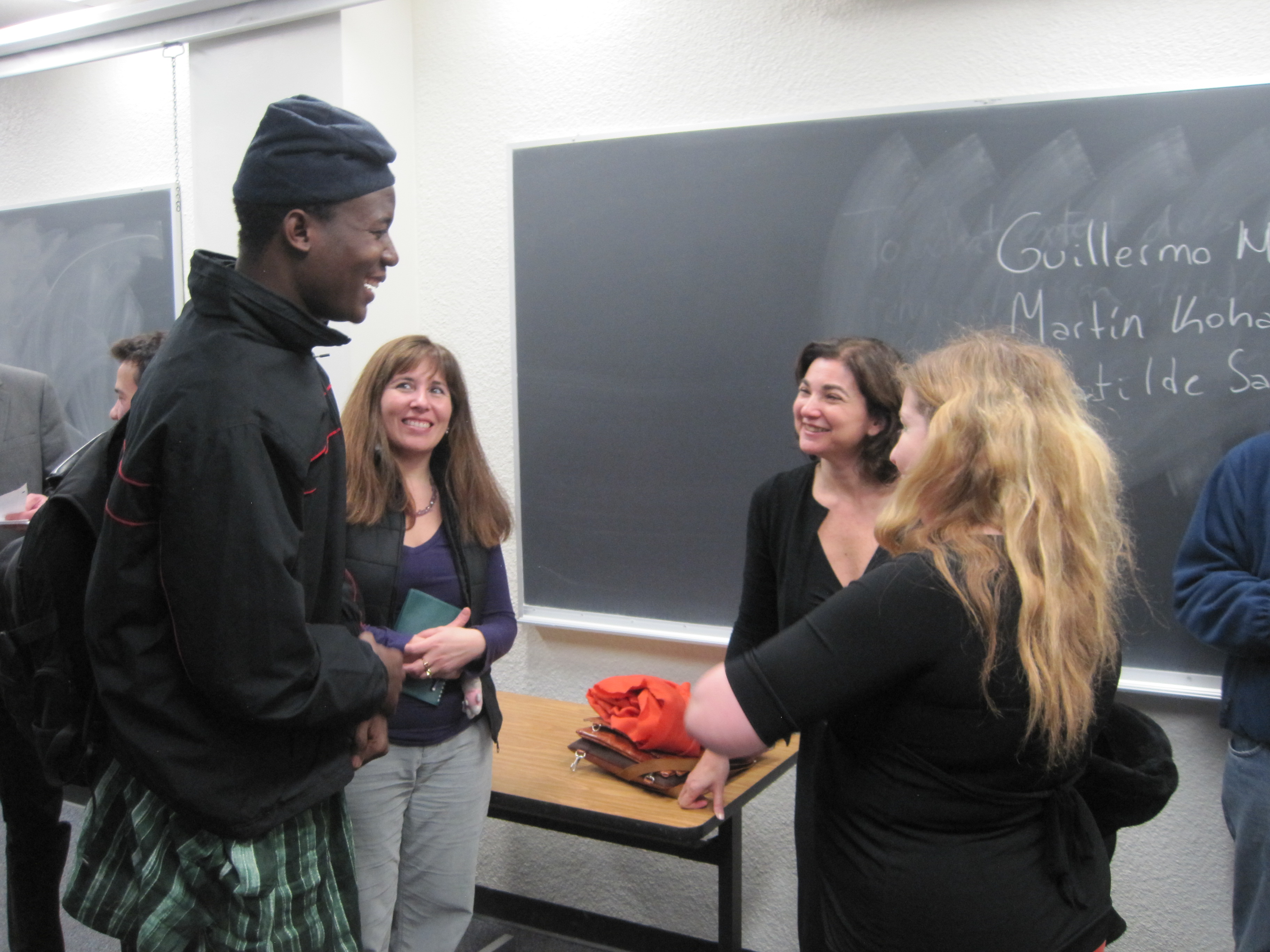
Present at the talk were the departmental head Belinda Carstens, the Chinese Professor Tom Lavalle, Prof Doug Simms, Prof Olga Bezhanova, departmental secretary Sherry Venturelli, the lab manager Catherine Xavier and many other members of the department. It was a nice talk over all.
Like in all of the previous talks in the Plasma Lounge, this one also had refreshments and drinks. The snacks was plantain chips – which I welcomed with all my appetite. Then there were marshmallows which Dr. Lavalle had brought just for my sake. See, this is one of the advantages of blogging. Somebody nice might read about your appreciation of the taste of marshmallows so much that he would actually go out of his way to buy you some more. I guess here is the time to express my appreciation for pineapple and chicken topped Papa John’s pizza. Not for everyday though. Just for Wednesdays. 😉
I think this concludes the Discover Languages Month events in the department. It has been a very good month for learning and sharing. I thank the organizers for the initiative.