Browsing the archives for the adventures category.

Lagos Again

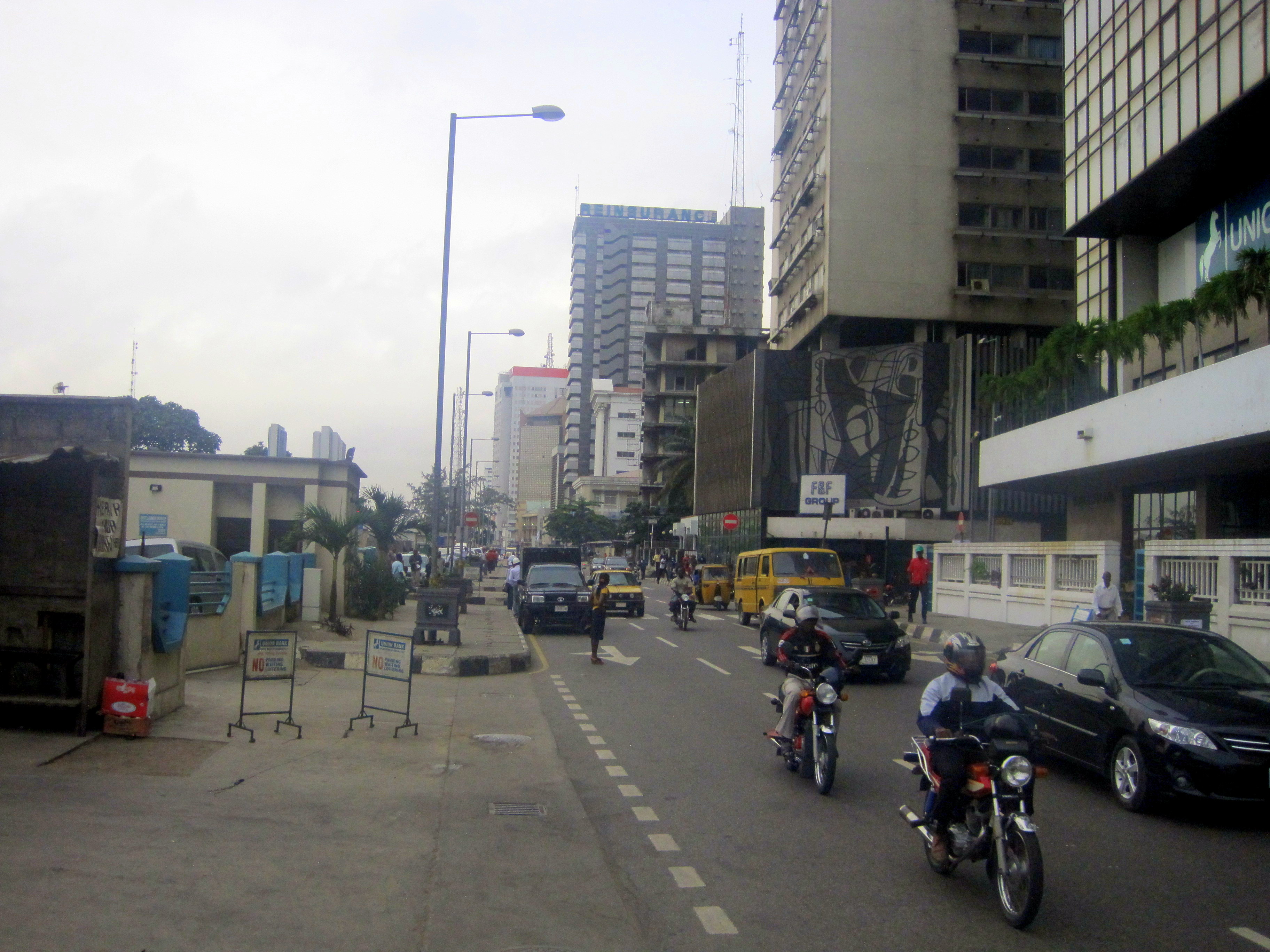
The state hasn’t changed much since 2010, except for more stringent laws prohibiting so many things. No more eating in traffic. Heavy fines for driving on BRT lanes, or for driving on one-way lanes. The roads haven’t got dirtier, or cleaner. The road cleaning worker service that has been there since a while has remained. There appeared to have been more traffic law enforcement officers on the streets as there should be: Lagos probably has more cars on the road than any other city on the continent.

A part of the 3rd Mainland Bridge has been closed down for repairs, for good reason. It’s better to be safe than sorry. The Silverbird Galleria looks like a ghost of itself, but that could be because 12noon on a Friday may not be the best time for socializing. BRT buses look a little older now, needing either repairs or replacement, or just some makeover. Much of what defines the state have remained mostly in place: the yellow buses, the long traffic jams, and noise.

In all, not a bad re-introduction.

Iowa Sights

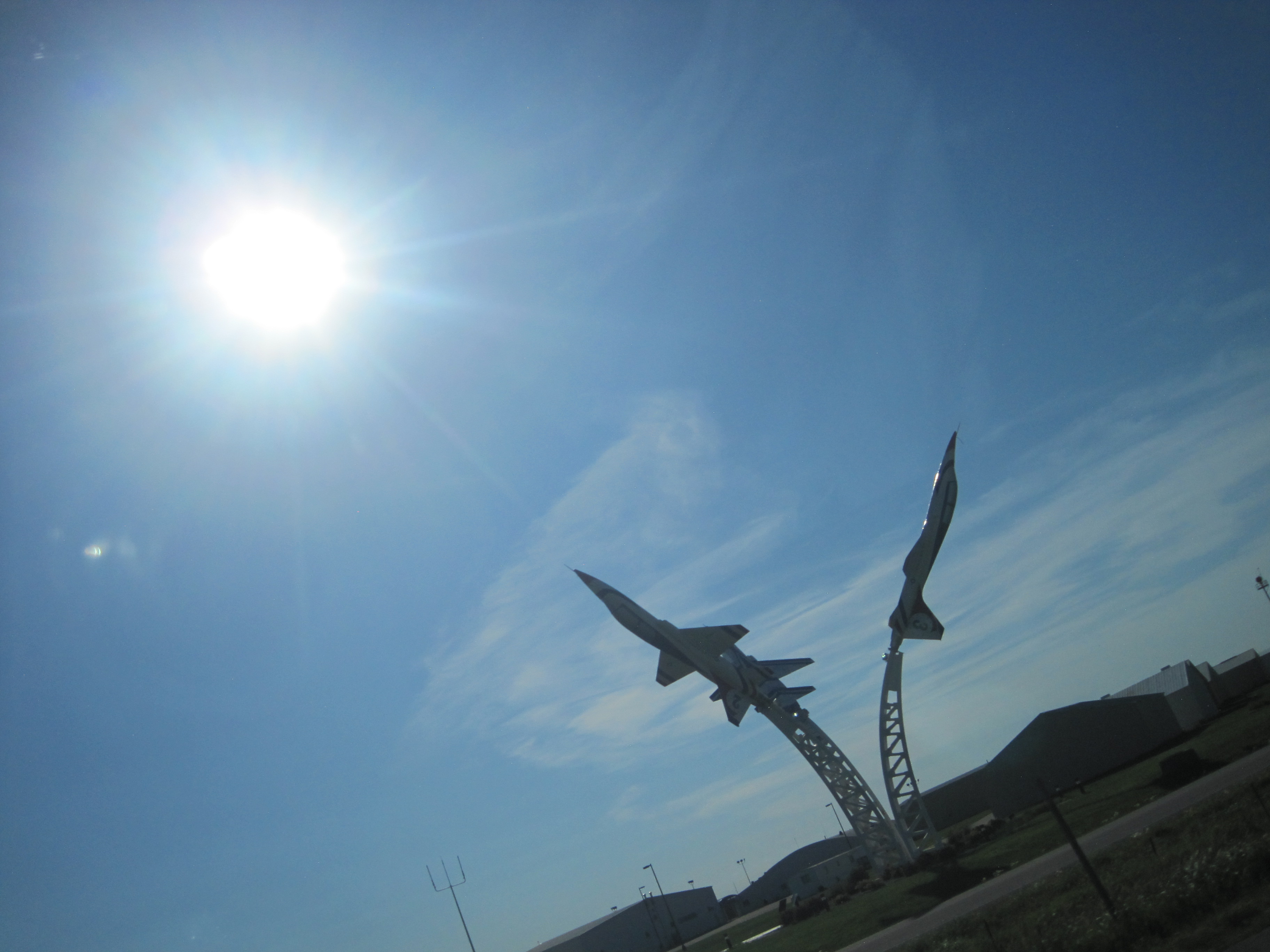
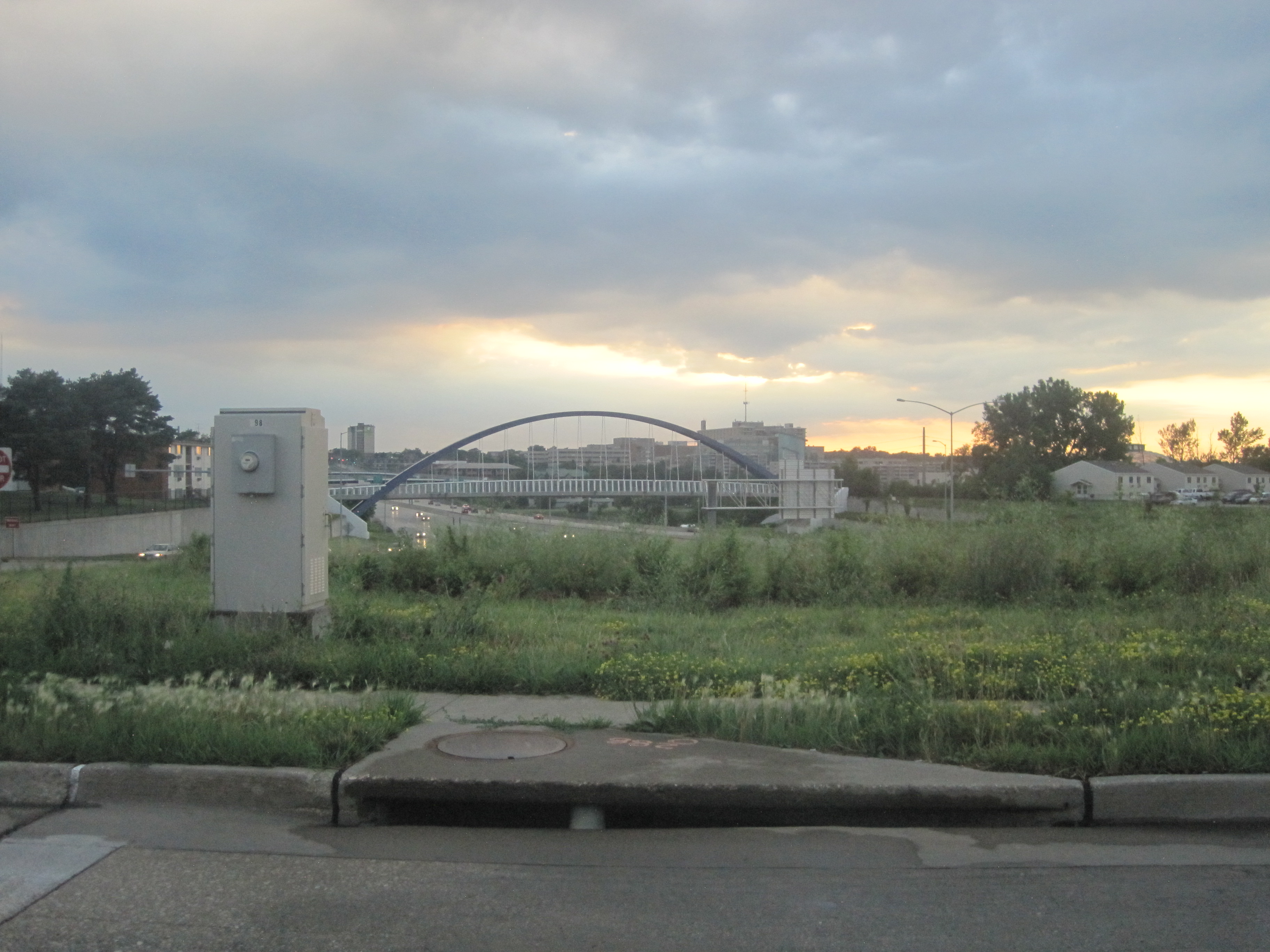
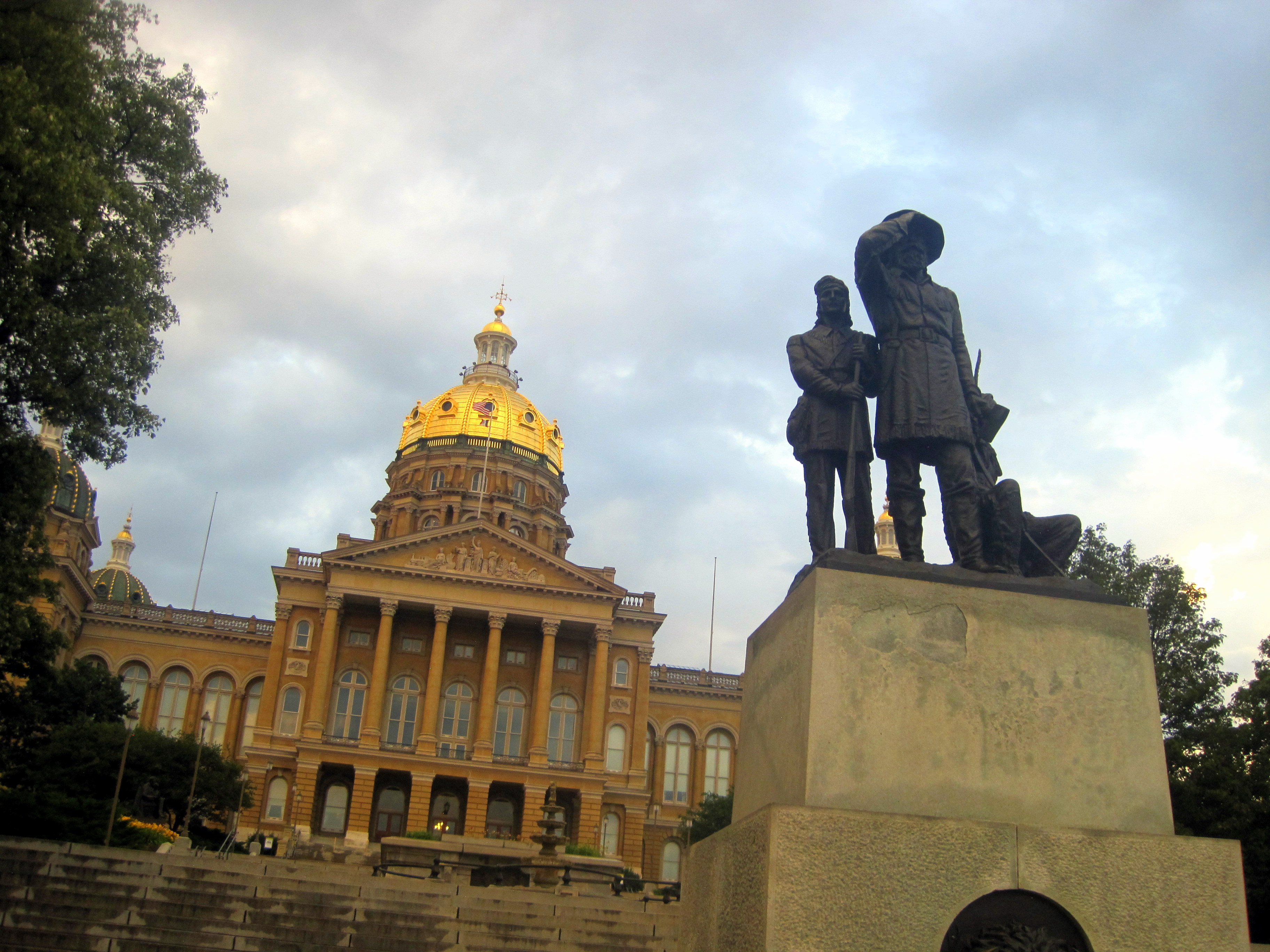
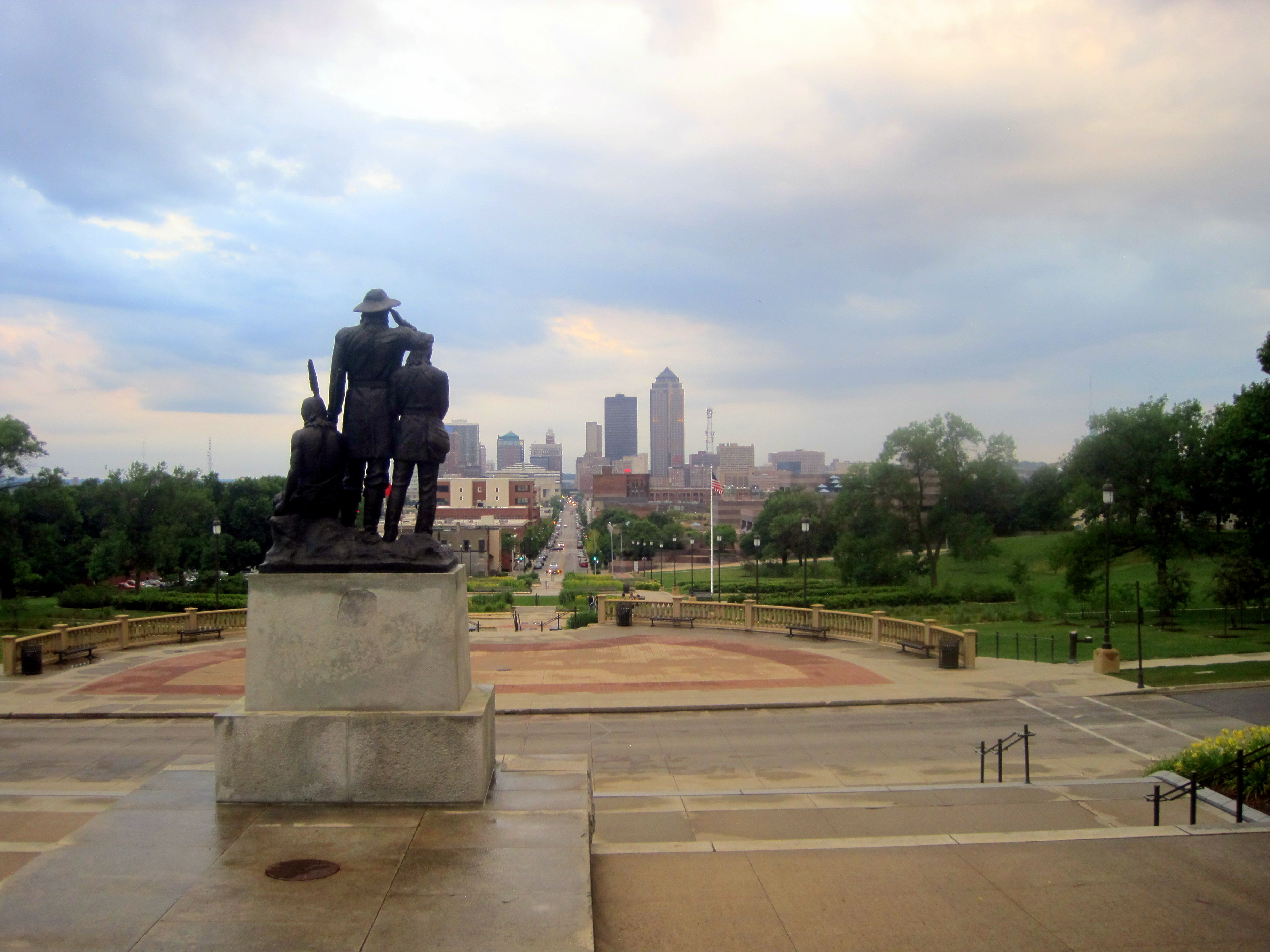
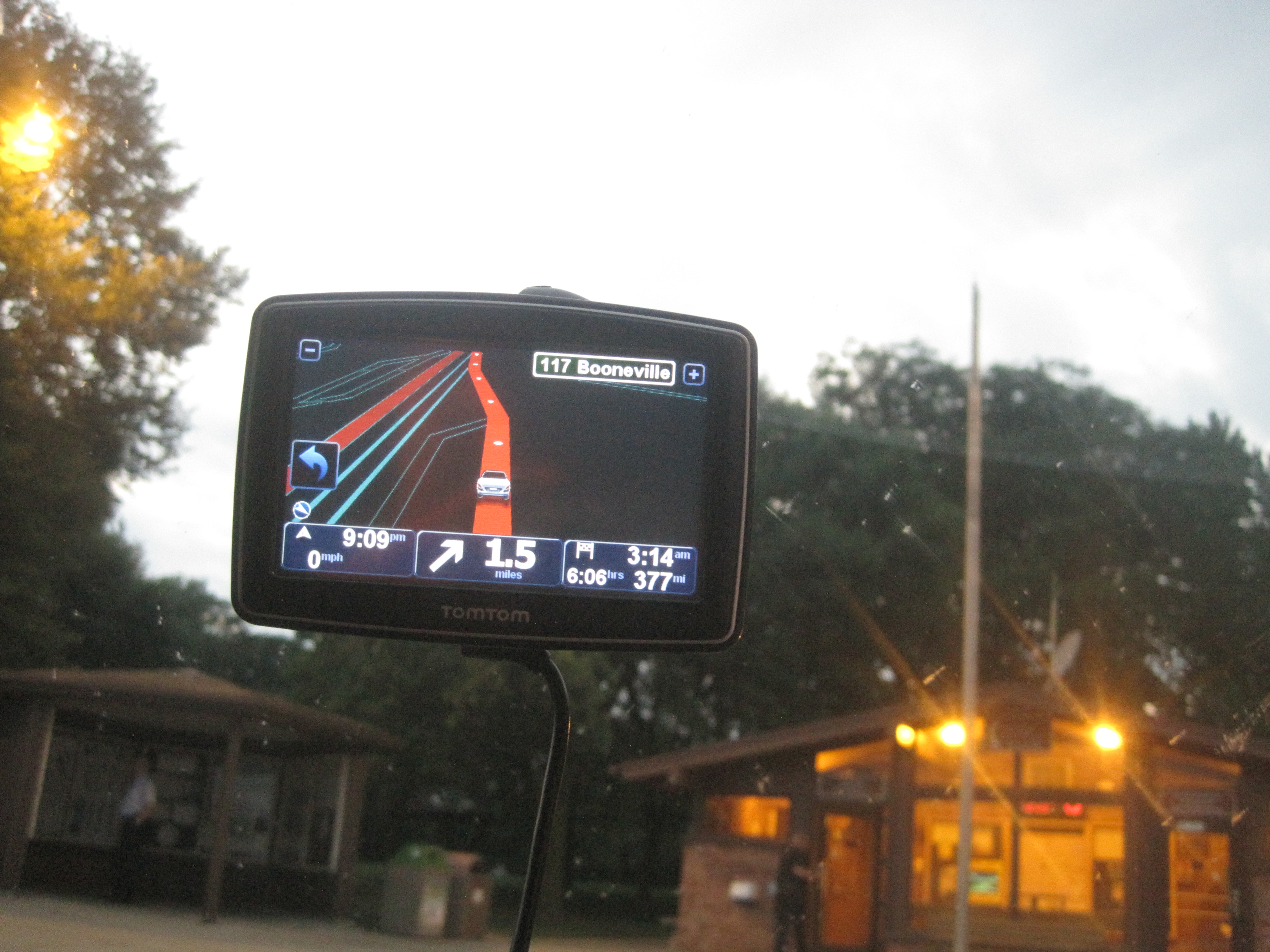
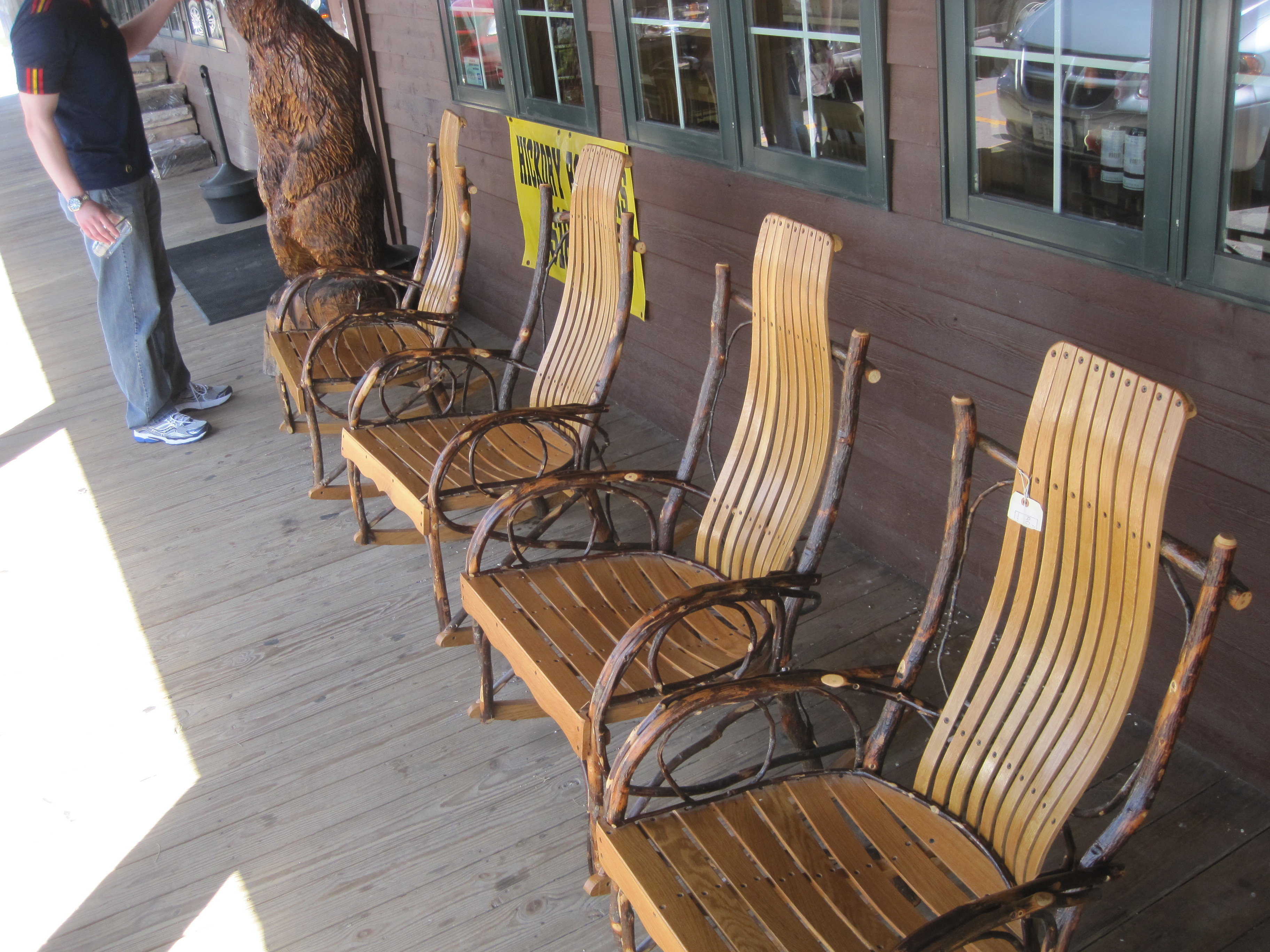
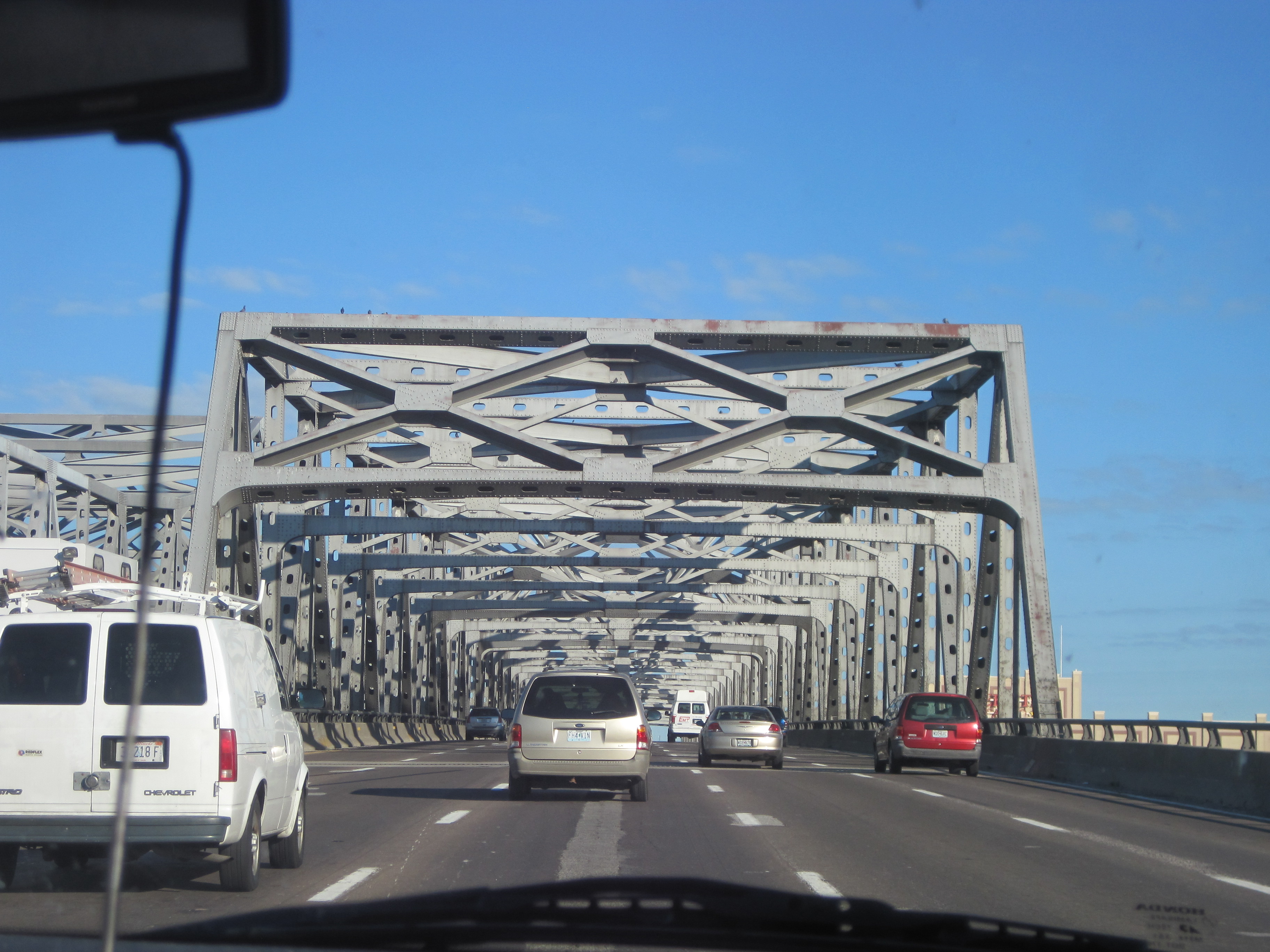
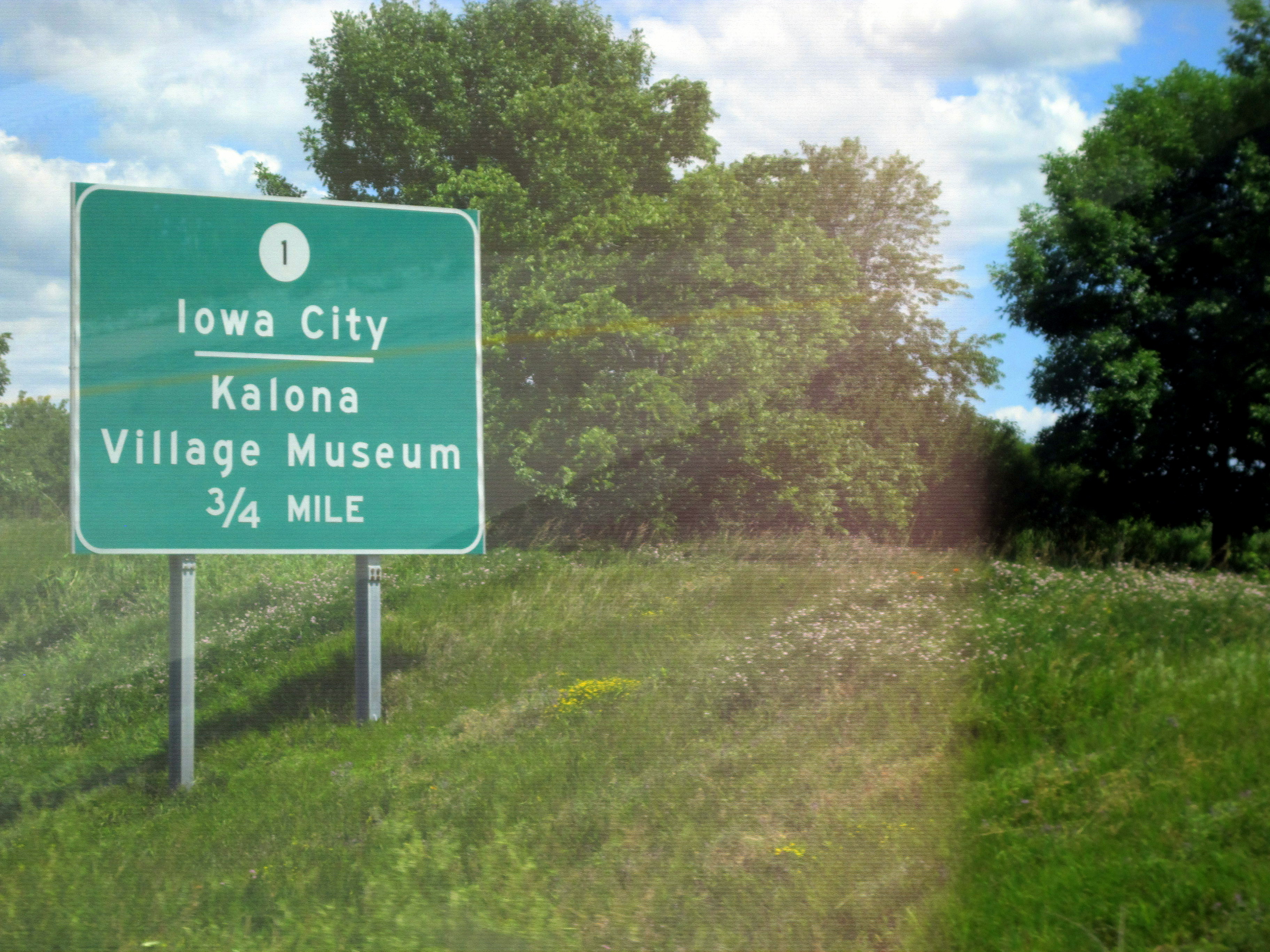
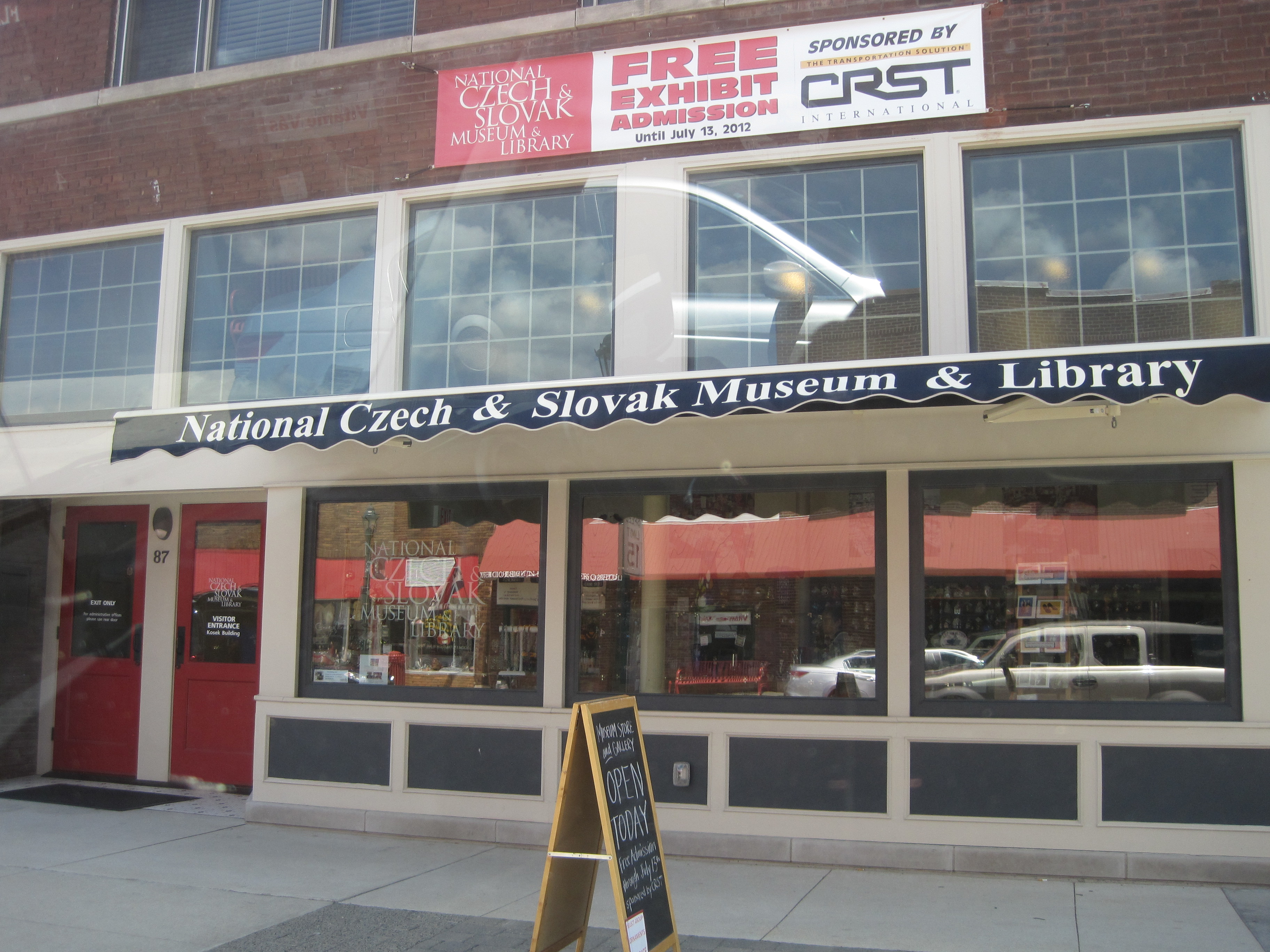
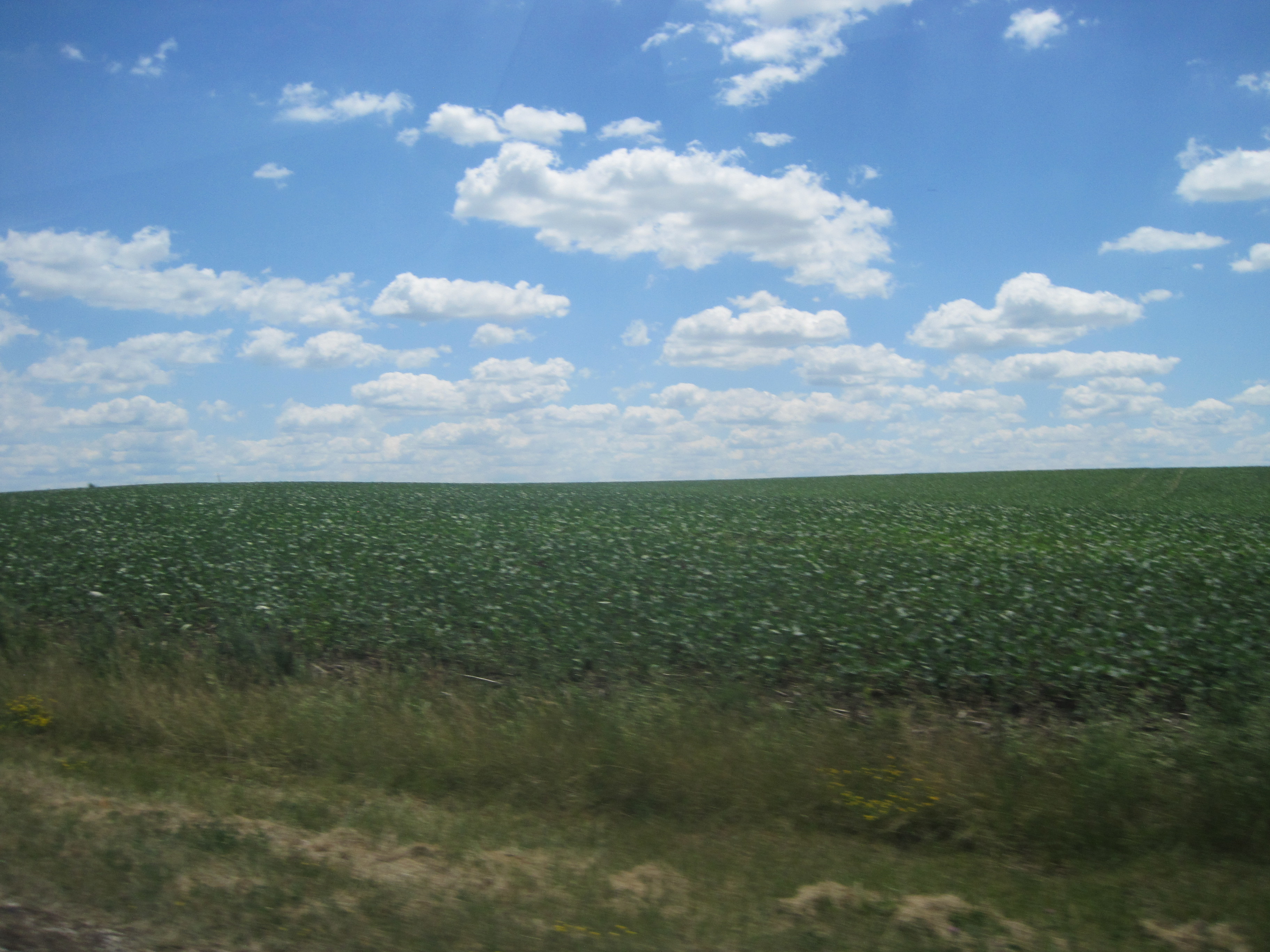
I spent the weekend driving through Iowa en route to Minneapolis. The trip itself however ended up as a trip to Iowa with a short stopover in Minneapolis. Here are a few pictures from “the Hawkeye State” which, to surprise, turned out to be more progressive – at least to the eyes, and to first impressions – than previously imagined from distant reports.

From the ubiquity of private windmills, and the stretch of corn fields for long miles, the presence of many impressive art museums, and the ornately designed capitol building with a bronze cast of Abraham Lincoln and his son Tag, the state was a pleasant surprise.

But, there being the limit to exploring a whole state with just a few hours to spare, we could only do so much. I am hoping to return there again in the coming weeks, this time perhaps to see the birthplace of John Wayne, and other sites in the town of Waterloo.

Occupy Twitter Translator!

Akitiyan láti mú Twitter fi Yoruba kún ikan lára àwọn èdè tí oun èlò náà ti le di mímúlò. E darapò mó wa ni twitter pè#twitterYoruba, kí ẹ sì fi tweet náà ránsẹ sí @translator àti @twitter.

Twitter’s global platform is already available in over two dozen languages: Arabic, Danish, Dutch, Farsi, Filipino, Finnish,French, German, Hebrew, Hindi, Hungarian, Indonesian, Italian, Japanese,Korean, Malay, Norwegian, Polish, Portuguese (Brazil), Russian, Simplified Chinese, Spanish, Swedish, Thai, Traditional Chinese, Turkish, and Urdu.

Here’s a twitter bomb to bring Yoruba to the attention of the techies at that social media platform. Beside having over 30 million speakers all around the world and producing a Nobel Laureate in Literature, the language and culture has also produced a host of language professionals and cultural representatives in the world today to whom translating the program into Yoruba at their free time would be a delight. Here’s putting ourselves forward.

We are declaring tomorrow March 1, 2012 Tweet Yoruba Day. To participate, tweet in Yoruba as much as you can, and use the hashtags #twitterYoruba or #tweetYoruba. Tweet at @translator and @twitter (preferably to both of them) with the hashtag #twitterYoruba and #tweetYoruba and tell them why Yoruba is an important language that will add to your Twitter experience. The aim is to make our twitter presence known to the decision-makers at the twitter translation desk.

Tips: It doesn’t matter if you are not confident in your competence in Yoruba. As long as you have something to say, say it in the language and include the hashtags, and copy @translator and @twitter. If you run out of things to say, tweet songs, poems or names of your favourite Yoruba book titles with the same hashtags and copy @translator and/or @twitter . Participation is key. Join us, and please spread the message. Remember that this will succeed or fail on participation. Ẹjẹ ká lọ!

If you are reading this from Twitter’s translation desk, thanks for stopping by. We look forward to hearing from you and having Yoruba join your list of languages. E se pupo. Thanks!

Update (10.58am Central Time): We succeeded. We finally got Twitter’s attention (See below). Thank you everyone who participated, (including but not limited to @mw_indigo whose enthusiasm moved it beyond just the realm of a public conversation into a tangible project).

 

Becoming an Artist

Once upon a time, a young man obtained a camera, and the rest is history. I have talked about my photography for a while now, but not how it all began. Maybe that is a story for another day, but one recurring memory from childhood is one in which Uncle Bola, the family photographer, lied to us about the presence of a special bird in the flash light of his camera. His most perplexing trick however was not that the blinding flash light looked nothing like a bird, but that our poses – deliberately worked to look our best for the photograph – never quite made it into picture form. “I’ve not yet developed it,” he usually said. Eventually, we figured out that he was only having fun at our expense and stopped falling for the trick.

My motivation for taking photographs then must have been a subconscious need to capture beauty through my own eyes. My first camera was a rickety hand-held that used a 32-exposure film reel. Luckier siblings who grew up in the 70s knew the Polaroid devices and the wonder of its instant production. I only heard of those times, and saw few square products of those times, some of which had my image on them as a little boy. You took a picture, mother said, it came out blank, and you quickly swiped it in the wind like a hand fan until the image showed up. That must have been fascinating. Needless to say, the first products of my hand-held camera were terrible. I had – in my stubborn curiosity – managed to have exposed the films to light.

Sometimes in 2002, I met poet Eugene B. Redmond on the campus of the University of Ibadan who took pictures of everything. Everything! He had two cameras, one of which was digital. Even at that time, I couldn’t figure out why anyone still carried non-digital camera. (Well, there was also Olumide who also had one slung on his neck around the campus). But who takes pictures of everything, from empty landscapes, to walking students, to idle pedestrians, to buildings, to dancing poets, to loose trash lying around the courtyard? On our way to the airport in Lagos while he was heading back to the United States, he kept his camera on hand taking pictures of road signs while discussing the nostalgia of his experience living in the city in the 70s. He was also the Alestle student photographer at the 1963 March on Washington. The only thing in my head watching him at the time however was, What kind of beauty do road signs represent to this visiting American. In 2009, he donated his collection (including thousands of photographs taken over his decade of teaching, travelling and writing) to SIUE.

I have just returned from the Edwardsville Arts Centre to sign the Exhibitor’s Agreement for the upcoming exhibition, an exhilarating experience. Two of my photos will be part of the EAC 2nd Juried Show taking place between February 17 and March 16. The photos were both taken more than three years ago and have never been shown in public. I spent the whole of yesterday fretting over little details of size, price, and whether (and where) to include my signature on the art itself. I have never done this before, but it was easy to accept that this has occupied some part of my subconscious for a very long time. My artist statement included a little of my motivation for the theme of movement. Since meeting that poet in Ibadan in 2004 and later in 2005, I have taken a special interest in the photographic arts. My presence on campus in Edwardsville throughout 2009 must have appeared to those who saw me taking pictures of almost everything something similar to what that poet appeared to those of us who observed him back then. This exhibition then, for me, is a first and important validation.

The venue is now being prepared. A man on a ladder moves words around on a while wall. Pat Quinn – the curator moves around the studio showing visitors the already displayed art. In one other room down the hall, three people sort through artist contracts and exhibition posters. It promises to be a good outing. There is some delight in this coming out: unveiling for the first time what had merely languished in electronic storage. This journey began a very long time ago, and what a journey it  has been.  You are all invited.

Village Boy

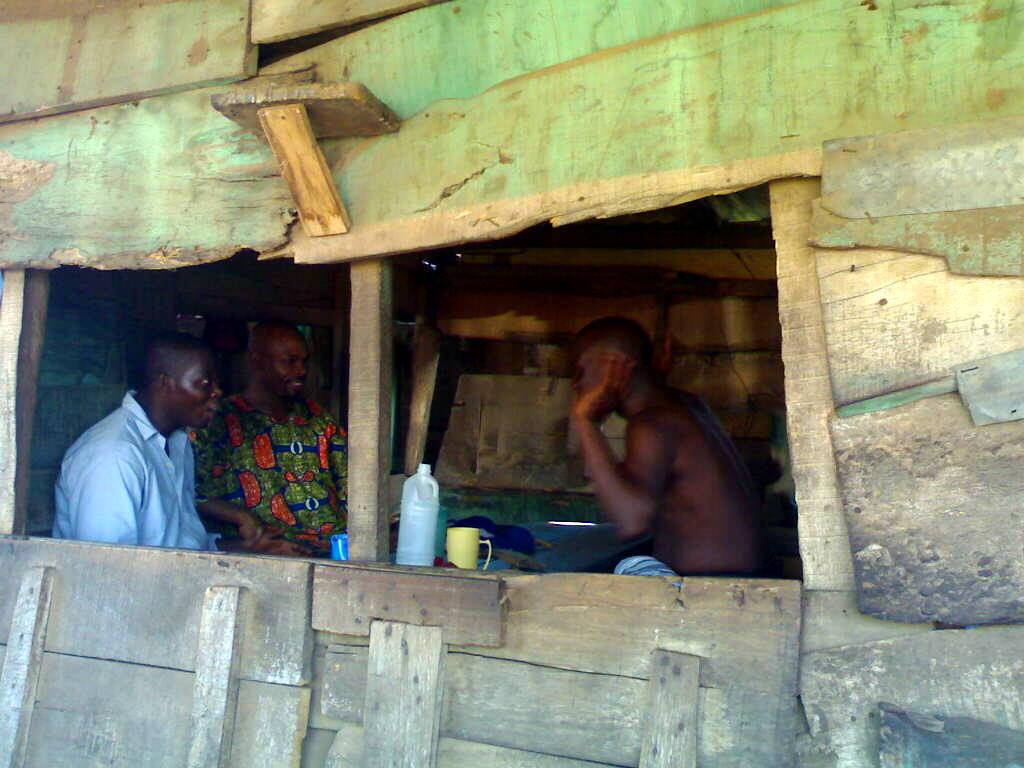
Evenings come with breeze, silence and dust. Across the sky are slivers of brown rustiness finally settling on the town after a long day’s work. A road passes in front of the wooden shack where men young and old sit down to banter in merriment, often with their shirts off. The women sit in groups petting children. When darkness falls and all that lights the day is the moon up in the sky, voices move up and down in modulations that carry the weight of their vain deliberations.

The village is a study of contrasts. On the one side of it is a sprawling mass of huts covered with brown rusted roofs. In the middle of this side of town, also called Aba, was the Christ Apostolic Church – perhaps the only modern building there. Aba burns the eyes with the brown of its thatched huts and of its children’s feet. In a bustling afternoon, the sound of goats and chicken compete with the trail of their smell from one street to another up until the foot of the agbalumo tree…

One hour of traipsing around these edges of the village eventually finds a seven year old boy back at home – a different part of the town. The house overlooks a long equally dusty street that runs from a clinic down to the right hand of the observer to the other part of the village where the barber lives. There is a certain magic in living around here. Grown folks played practical jokes on little children and on each other. A day earlier, on his way back from wandering around the village, he was stopped on the pavement of a certain house where another young boy was being shaven. His head was already bald.

“It’s your lucky day, young man.” A man volunteers. “Stay right where you are. What are you doing around here all by yourself?”

“I was coming from around there. I am going home over there.”

“Why were you staring?”

It is always hard to know where adult conversations were leaning.

“I wasn’t staring. I was on my way home.”

“Like I said, it is your lucky day. All young men your age are being circumcised today.”

What?

“You look frightened. Come closer and sit down here. We’ve been told to go around circumcising all young men like you around town.”

It took a whole minute, then he took off as fast as he could. He never looked back until he got home, panting like a dog. For a long time that evening, he would wonder how grown people managed to make such brutal jokes that seemed at the expense of poor helpless kids scared half to death. And for a longer time after that, he would begin to take a different route home while wandering around the village, but always with a lingering fear that he was not totally out of the grip of mentally bullying elders.