Browsing the archives for the Academic category.

First Words

“May in Ayemenem is a hot, brooding month. The days are long and humid. The river shrinks and black crows gorge on bright mangoes in still, dustgreen trees. Red bananas ripen. Jackfruits burst. Dissolute bluebottles hum vacuously in the fruity air. Then they stun themselves against clear windowpanes and die, flatly baffled in the sun.”

– Arundhati Roy’s The God of Small things (1997)

“Excuse me, sir, but may I be of assistance? Ah, I see I’ve alarmed you. Do not be frightened by my beard: I am a lover of America. I noticed that you were looking for something; more than looking, in fact you seemed to be on a mission, and since I am both a native of this city and a speaker of your language, I thought I might offer you my services.”

– Mohsin Hamid’s The Reluctant Fundamentalist (2007)

“I had a farm in Africa, at the foot of the Ngong Hills. The Equator runs across these highlands, a hundred miles to the north, and the farm lay at an altitude of over six thousand feet. In the day-time you felt that you had got high up, near to the suun, but the early mornings and evenings were limpid and restful, and the nights were cold.”

– Karen Blixen’s Out of Africa (1937)

“The blow catches him from the right, sharp and surprising and painful, like a bolt of electricity, lifting him up off the bicycle. Relax! he tells himself as he flies through the air (flies through the air with the greatest of ease!), and indeed he can feel his limbs go obediently slack. Like a cat he tells himself: roll, then spring to your feet, ready for what comes next. The unusual word limber or limbre is on the horizon too.”

– J.M. Coetzee’s Slow Man ((2005)
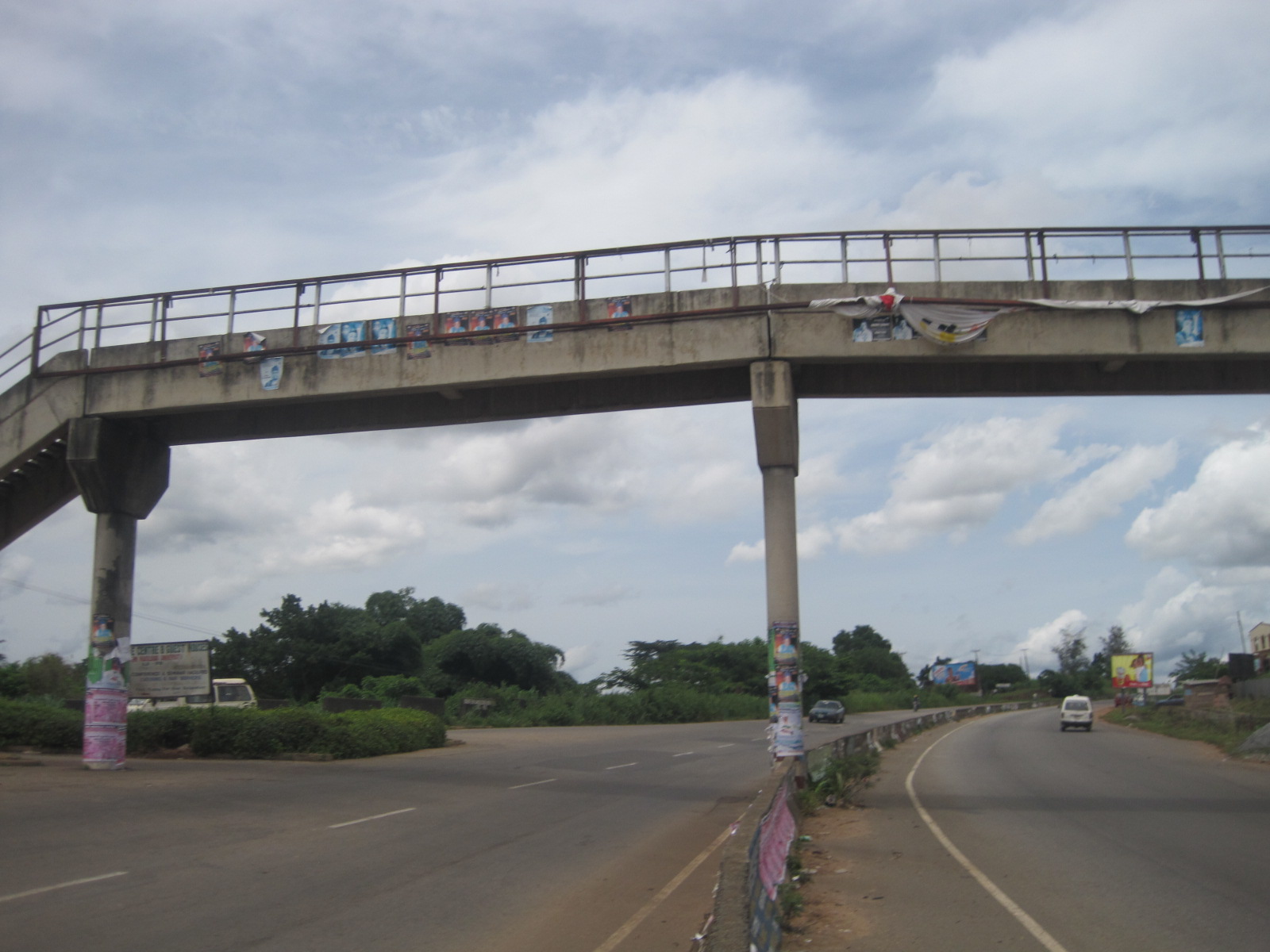
Ife

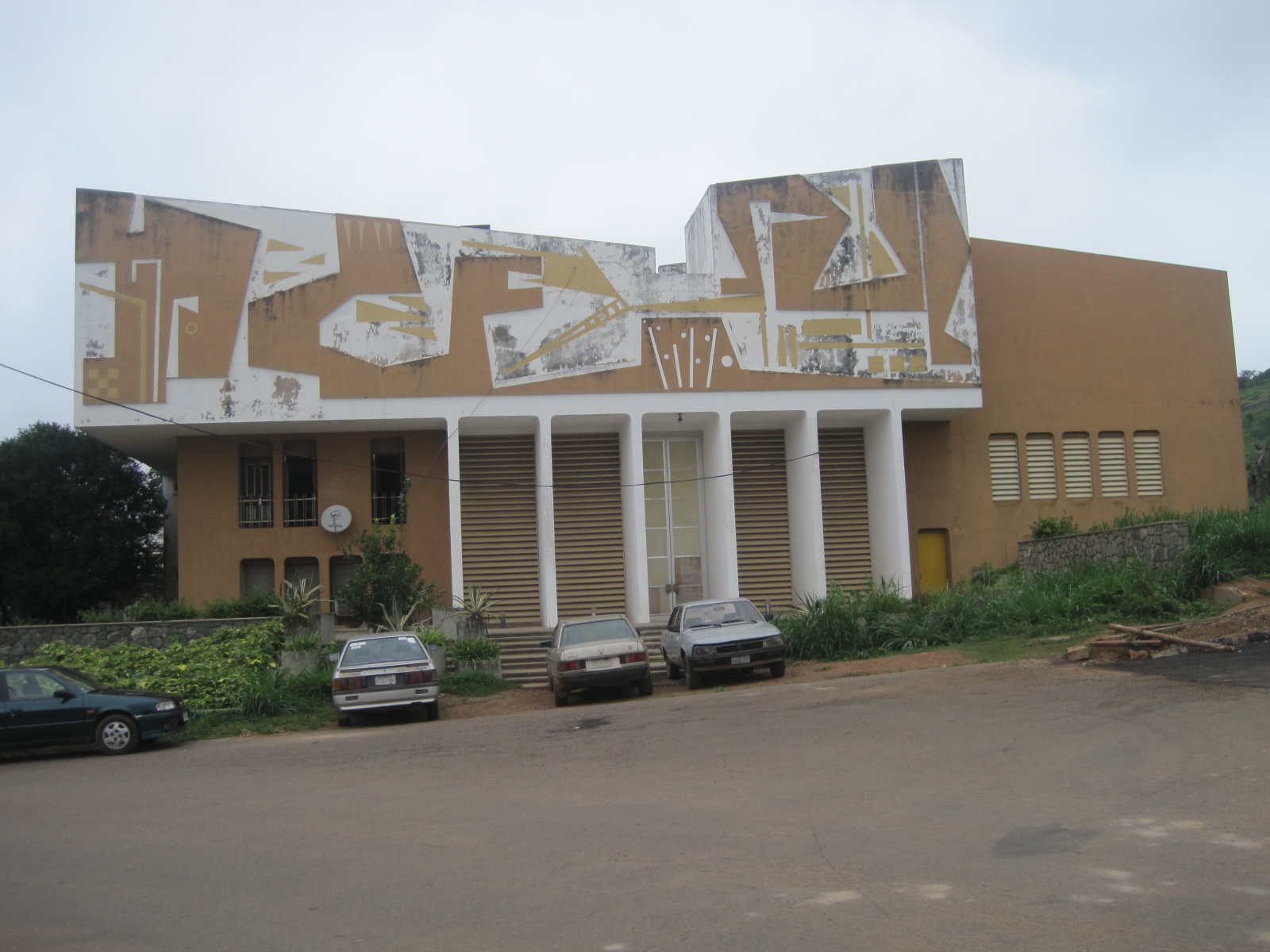
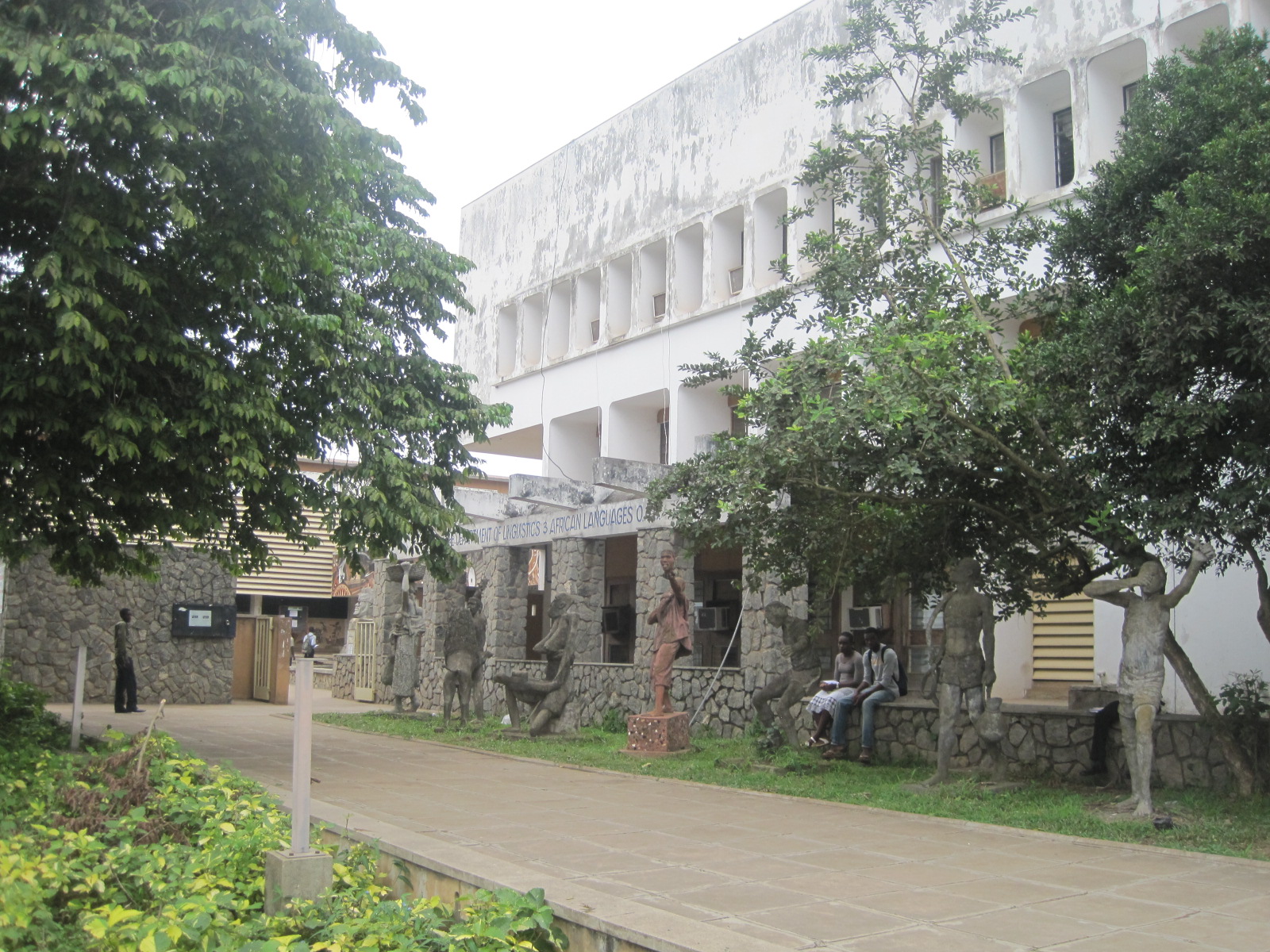
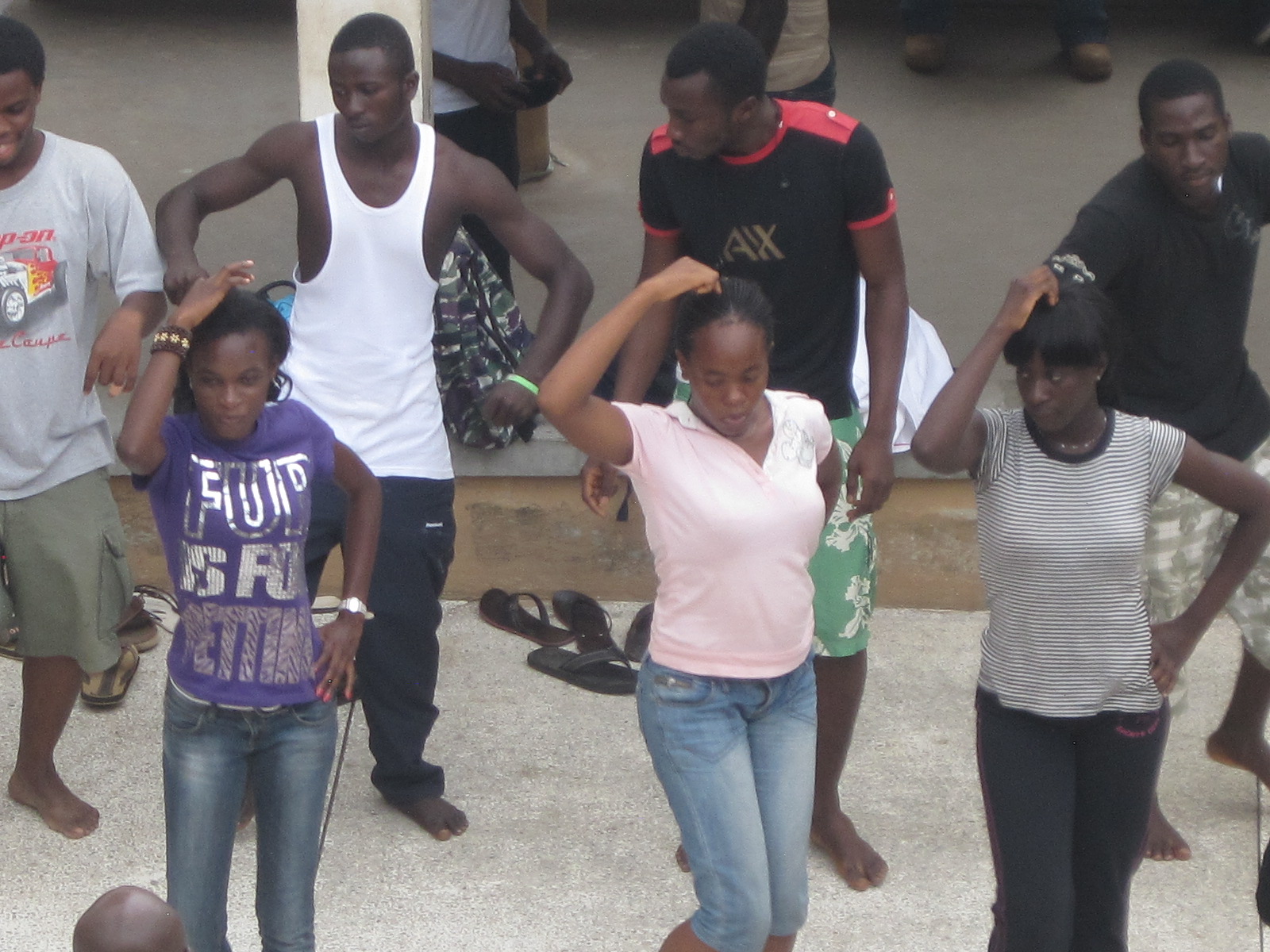
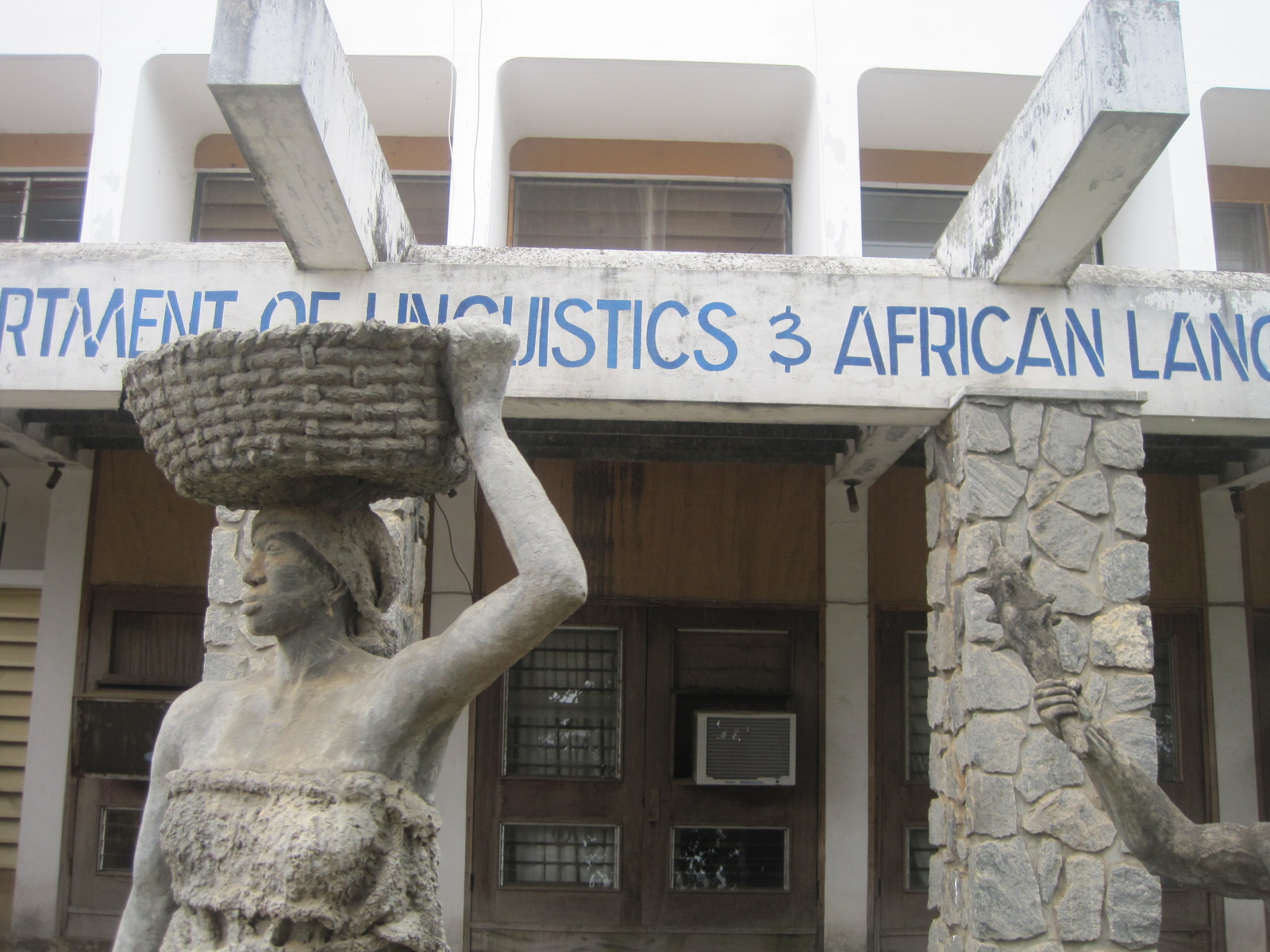
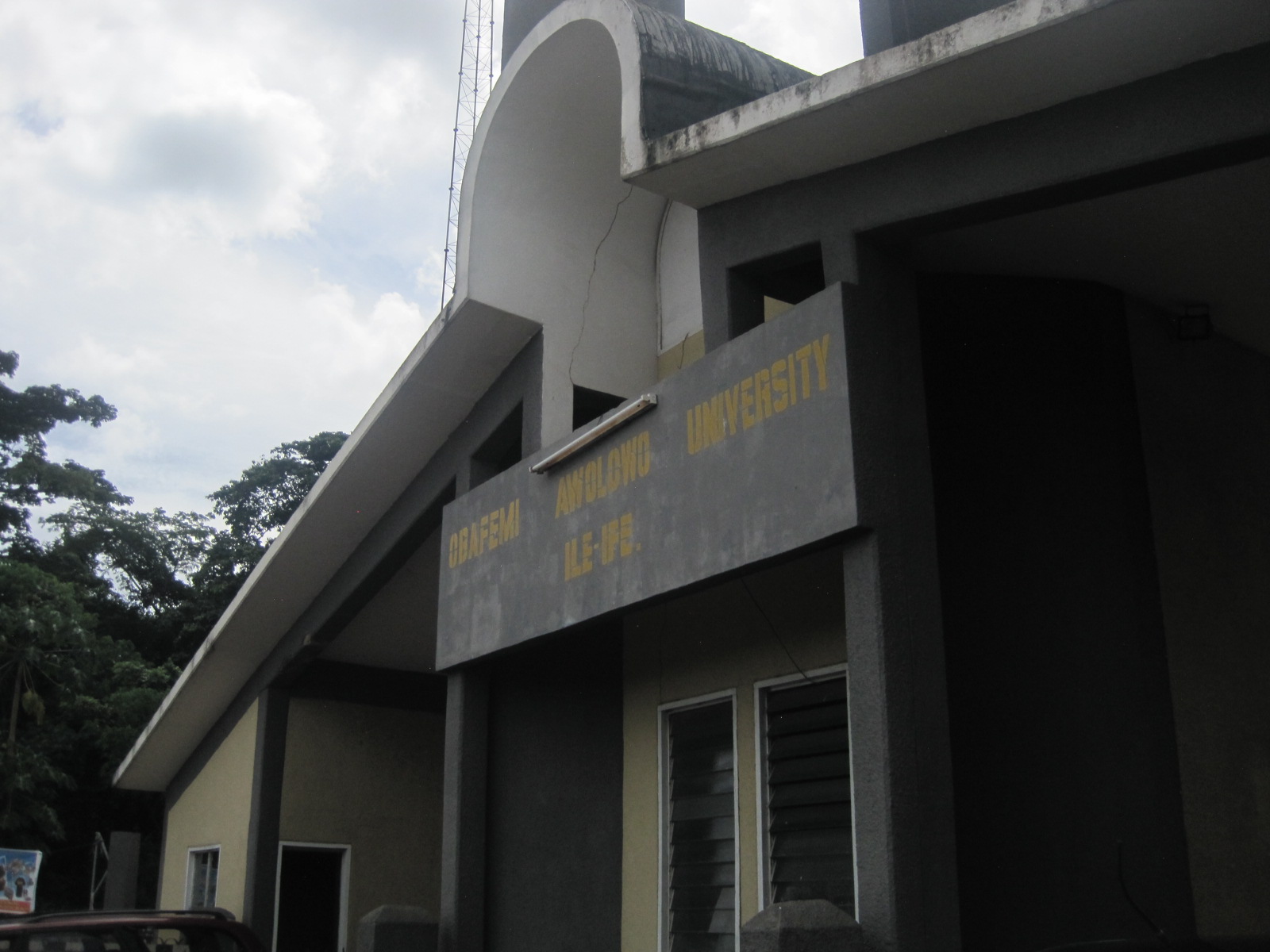
These were taken in Ife on the 7th of July.

I remember feeling very inspired while watching the morning rehearsals of students of dance and theatre at the Faculty of Arts from afar while waiting for my other colleagues in nearby offices. The students were rehearsing for a performance, and there was an affecting charm in the energy they displayed while moving to the rhythm of the drum beats. So early in the morning, there they were grooving into the day’s dawning promise with all their spirit. It was charming.

I wrote a poem of the experience. I hope I can still find it.

Adventures with Zainab

Before setting out to Kaduna, I sent a lot of questions ahead of me, mainly because whenever I thought of the state, my memory just fails to conjure up any images at all. If I had only thought a little while back to years of childhood, I might have remembered that the Nigerian Defence Academy that trains all Nigerian soldiers is located in the state. I should have known this because there was a time when my brother was seriously considering enlisting. That was like twenty years ago. Now, all that circled my head were merely blank thoughts that never materialized into any concrete images, and my father had always said that there were no stupid questions.

So I asked, in all innocence and as a precaution to a situation of being hopelessly stranded in a strange land far away from home, “There is a UBA bank branch in your state, right?” And the problem started.

Unknown to me, that was the ultimate of all ignorant questions in today’s Nigeria. Actually, even to me, I realized the folly as soon as the question was uttered, but I justified my question with instances during my youth service in Jos when my National Bank account was suddenly rendered useless when I realized that there was no branch of the bank in the state. If I had thought about it a little more, I would have realized that after the consolidation of banks throughout the country, one of the requirements of new banks was that they must have branches in all thirty-six states. Yeah. Dumb me. To add salt to injury, as Zainab took time to remind me about a hundred times during our first meeting since New York, “Kaduna was the capital of the old Northern Region. How could we not have UBA?”. All my protest that the question was supposed to be a reflection on UBA and not on Kaduna as a state fell on deaf ears, and I’ve been paying for it ever since. Think about it, I said. You have Chase Bank in NY and we don’t have it in Edwardsville. It doesn’t mean that Edwardsville is “bush” as you must have thought I meant, but that Chase just doesn’t have the national reach. The more I made the argument, the more I lost.

And there’s more. I never really put my mind to the extent of the Shariah law introduced to some states in Northern Nigeria since 1999 so my asking the question also seemed to put her at some defence. “Yes, we cut people’s hands,” she said, and I will make sure that you lose one of your fingers before you go back to Ibadan.” Now I’m doubting whether father was right after all, because here I am looking like the dumb American returnee, and about to lose a limb. I am still a Nigerian, am I not?

South to North Notes

The railway track from Lagos reaches Ibadan, Abeokuta and then head up north towards Zaria, Jos and Maiduguri, and the very first proposals on this trip was to have gone via railway. How nice that could have been, except that it would have taken days if not weeks to commute between even almost neighbouring towns. At least, it could have been a good chance to see more of the countryside as one ascends up the country.

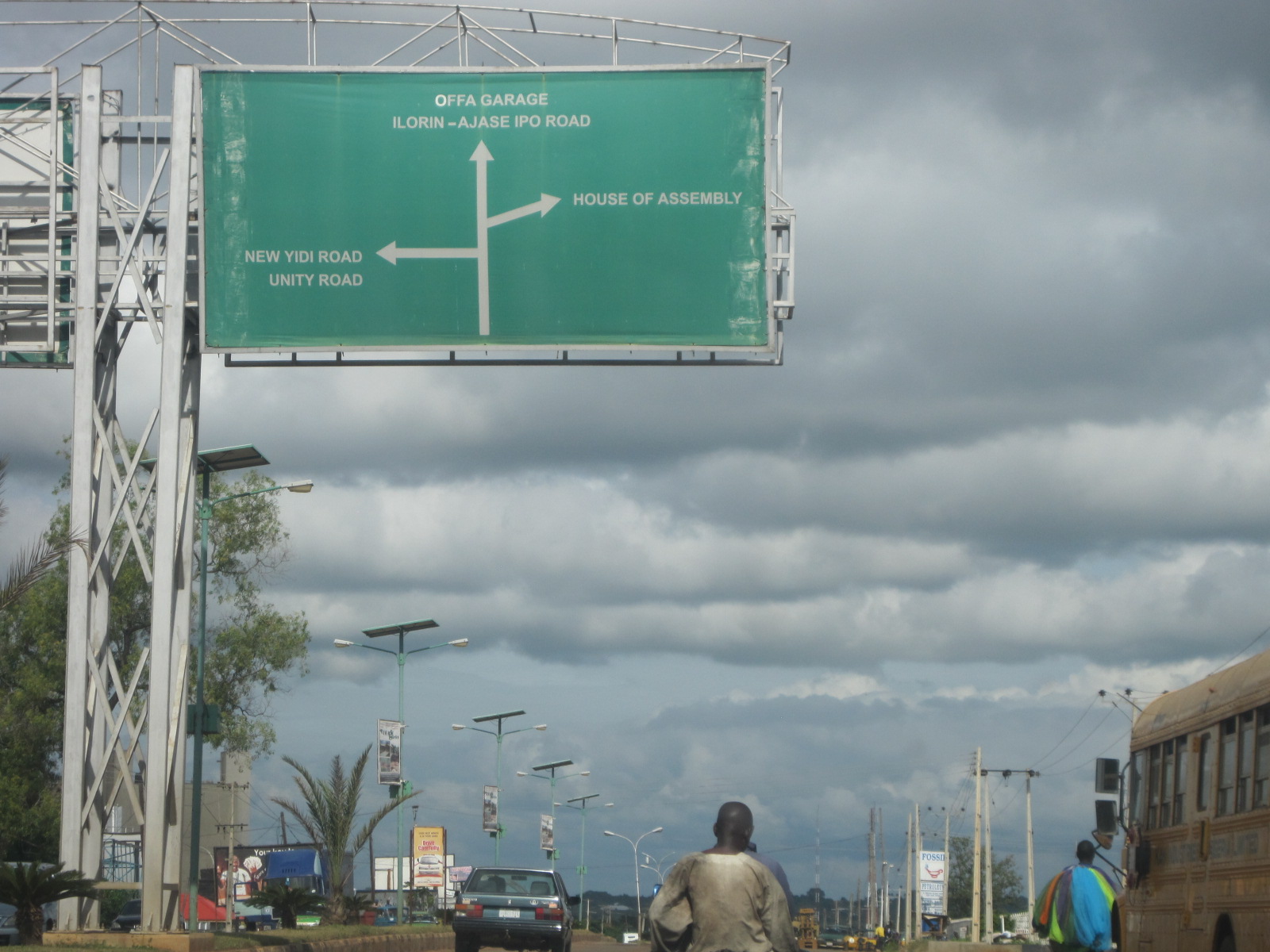
So here I am in Ilorin, a sorta border town between the North and the South. But don’t take my word for it. Most residents of this town know for sure that politically and geographically, Ilorin belongs to the North. There is a very long and bloody history behind this conclusion. Don’t ask me. One thing for sure is that everyone here speaks Yoruba, and perhaps Hausa as well, among other languages. The state’s motto is “The Land of Harmony”, perhaps a play on the diversity it embodies.

The towns of Ekiti that lay in-between the journey from Ile-Ife to Ilorin are interspersed between rocks and hills. It is also a land of diverse tongues. The Akoko area of Ondo and Ekiti States is one of the most linguistically diverse places in Nigeria. Many of the languages there are endangered or under some sort of threat from globalization, and the influence of Yoruba, thus the influx of linguists from all over the world to study and document those languages. I have worked with at least three of such linguists, doing fieldworks in villages in the Akoko Area, some from the School of Oriental and African Studies, in the UK, and a few from SIUE itself. Has anyone heard of a language called Ayere or Uwu?

So, Kaduna is the ideal next stop, and it is six hours away from here by car. That is not the problem however. The problem is where I intend to sleep when I get there. This, of course, could also be the most exciting part of the trip. Now imagine me in jeans and a ktravula t-shirt, with a backpack and dark specs walking up to the gate of the government house and requesting to meet with the Governor in person. “Yes sir. I am a Nigerian Fulbrighter from the United States on a short trip around my country. I need a place to lay my head just for a few days while I check out your state and I have come to you, being the chief executive of the state. I’m all yours. What say you?”

Now, that would be an adventure.

Morning in Ife

I’m on a quasi-field trip around some rural cities in Nigeria along with two linguists from the School of Oriental and African Studies in London. I have been out of internet access for a few days now and might be for a little while more. I will do all I can to keep updating this blog as often as I can, but I can’t promise that it will be every day. I do have my own internet connection but this trip is proving to be a new adventure in discovering just how much “national coverage” the so-called internet service providers have.

I’ve been in Ife for a few days now, and I will be in Akungba tomorrow. I’m heading northwards and northwards until I reach whoknowswhere ;), or I get tired and decide to head back. Thanks to all who asked after me, and those who never left the blog even for one day. This is heart-warming. Greetings from Ife, the acclaimed source of the Yoruba nation. See you around.

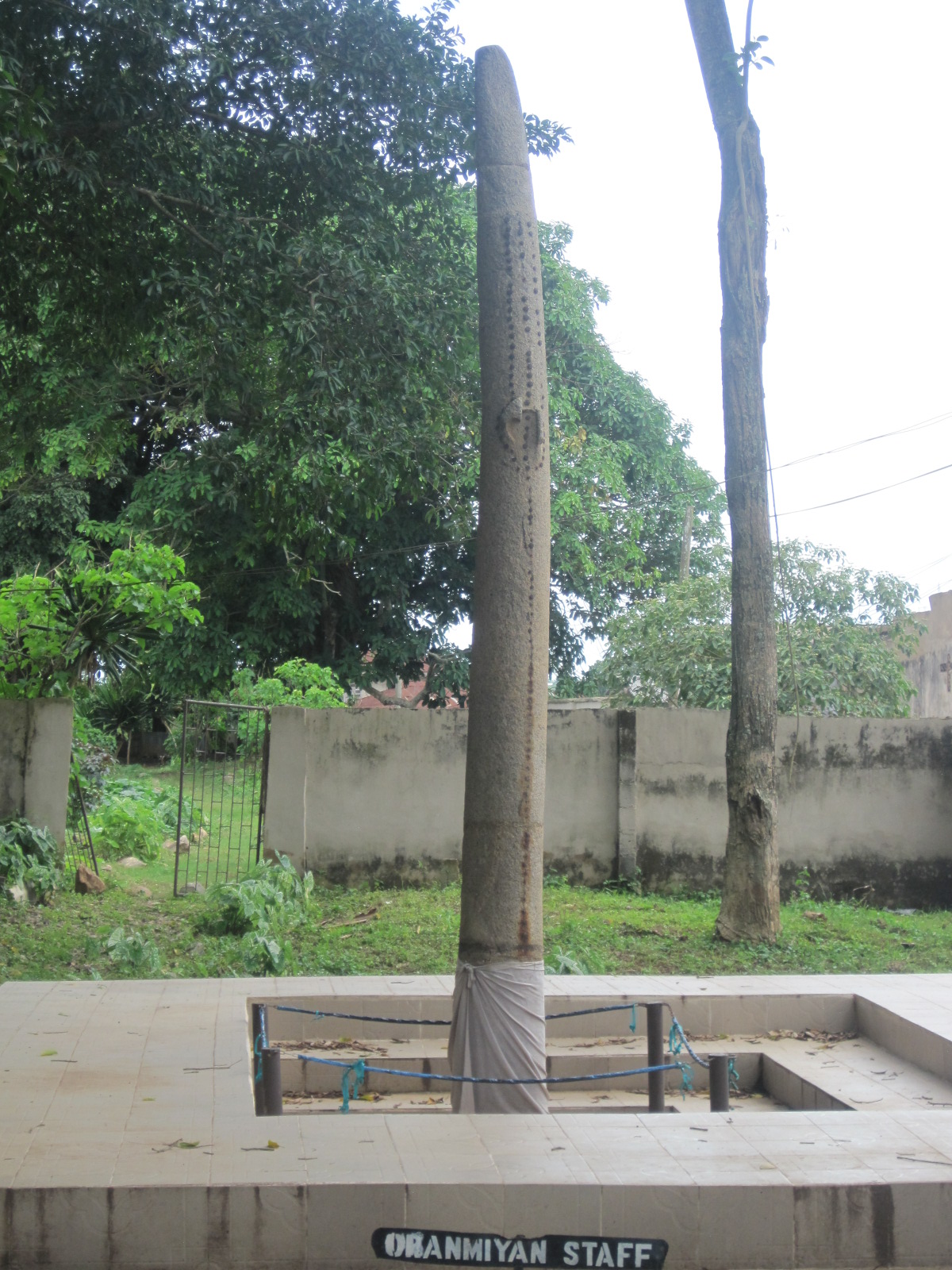
Picture of Opa Oranmiyan, taken yesterday