“To be lonely is a state of mind, something completely other than physical solitude; when modern authors rant about the soul’s intolerable loneliness, it is only proof of their own intolerable emptiness.” – Karen Blixen (Out of Africa, 1937)
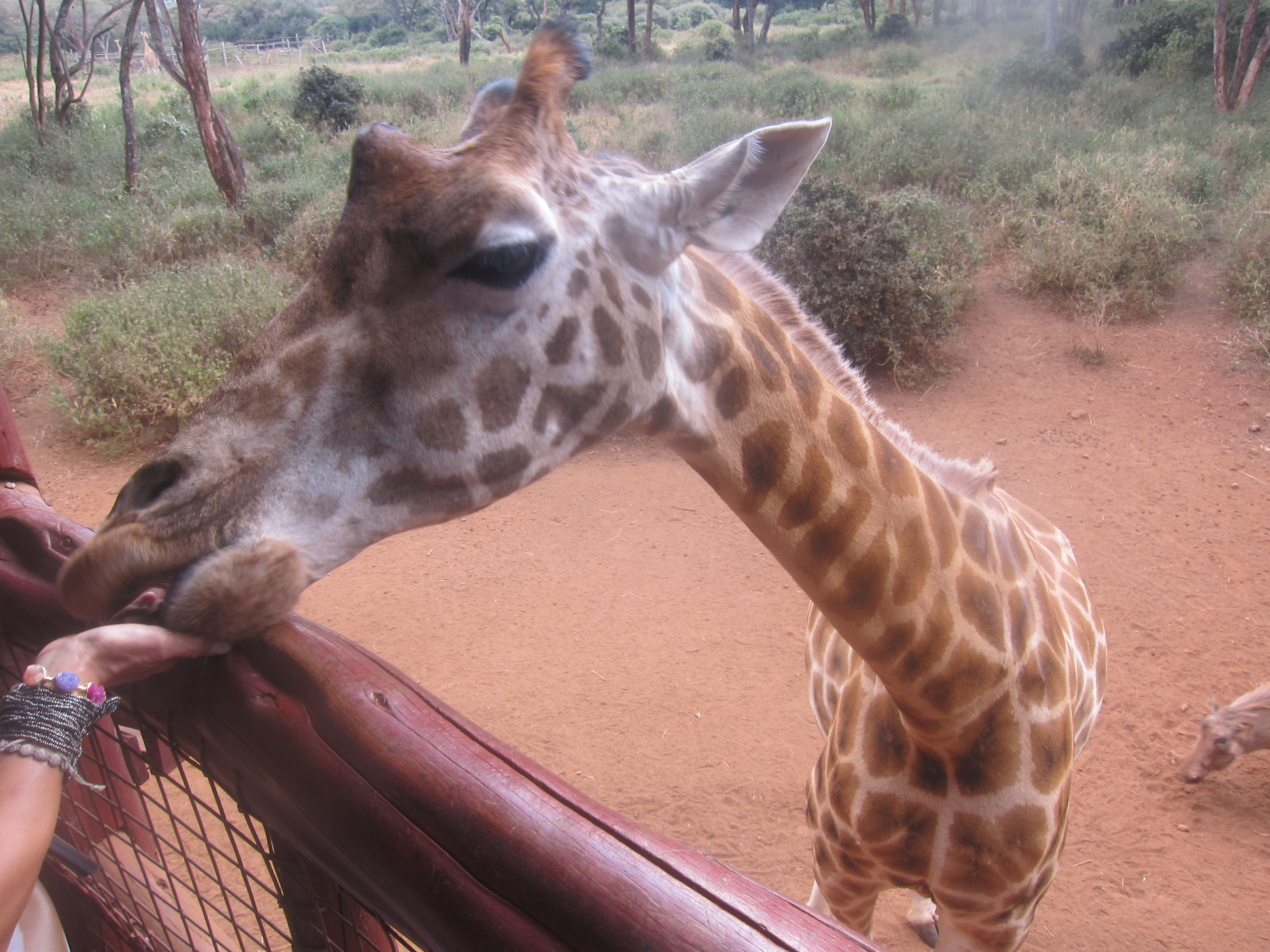
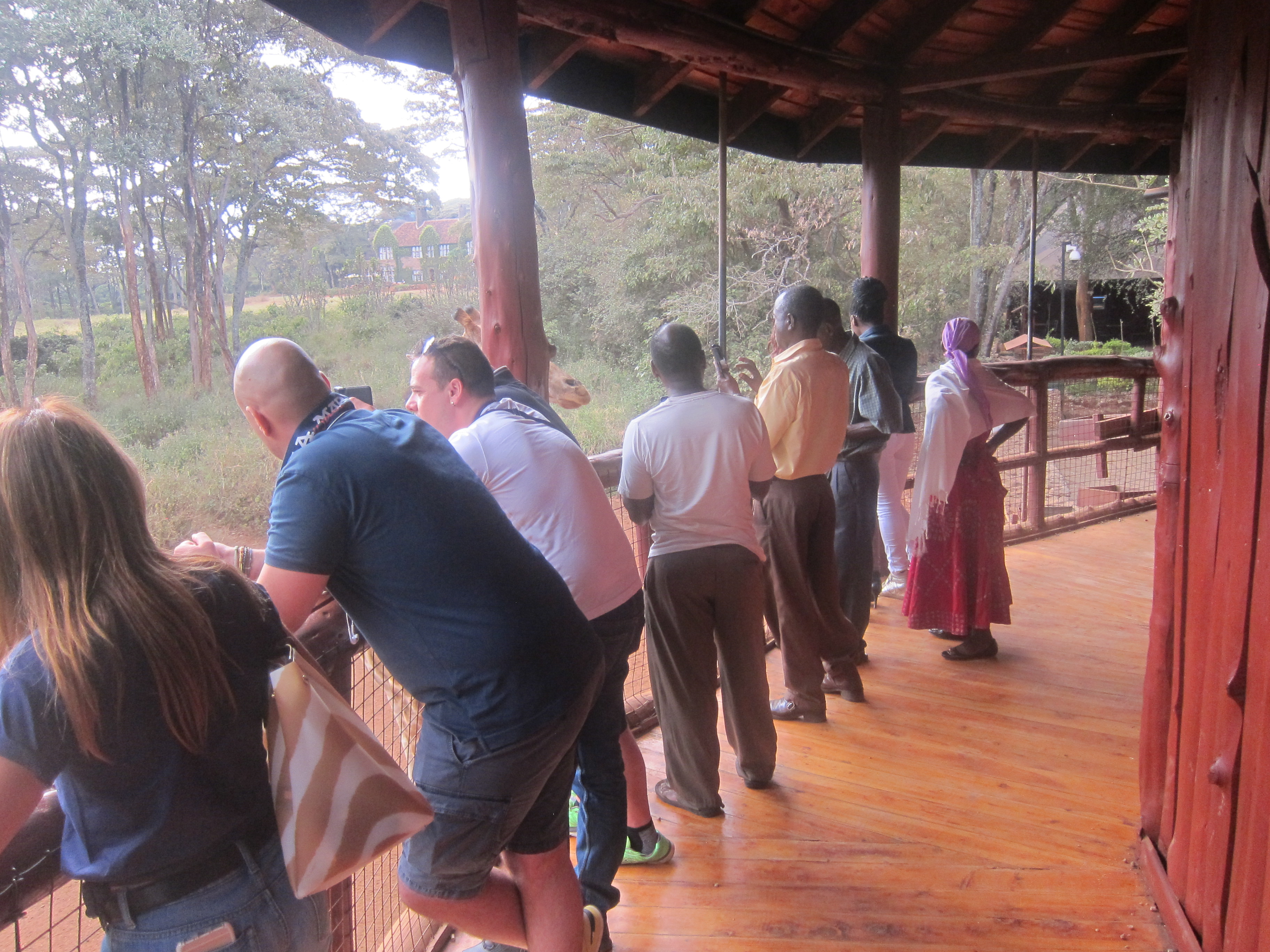
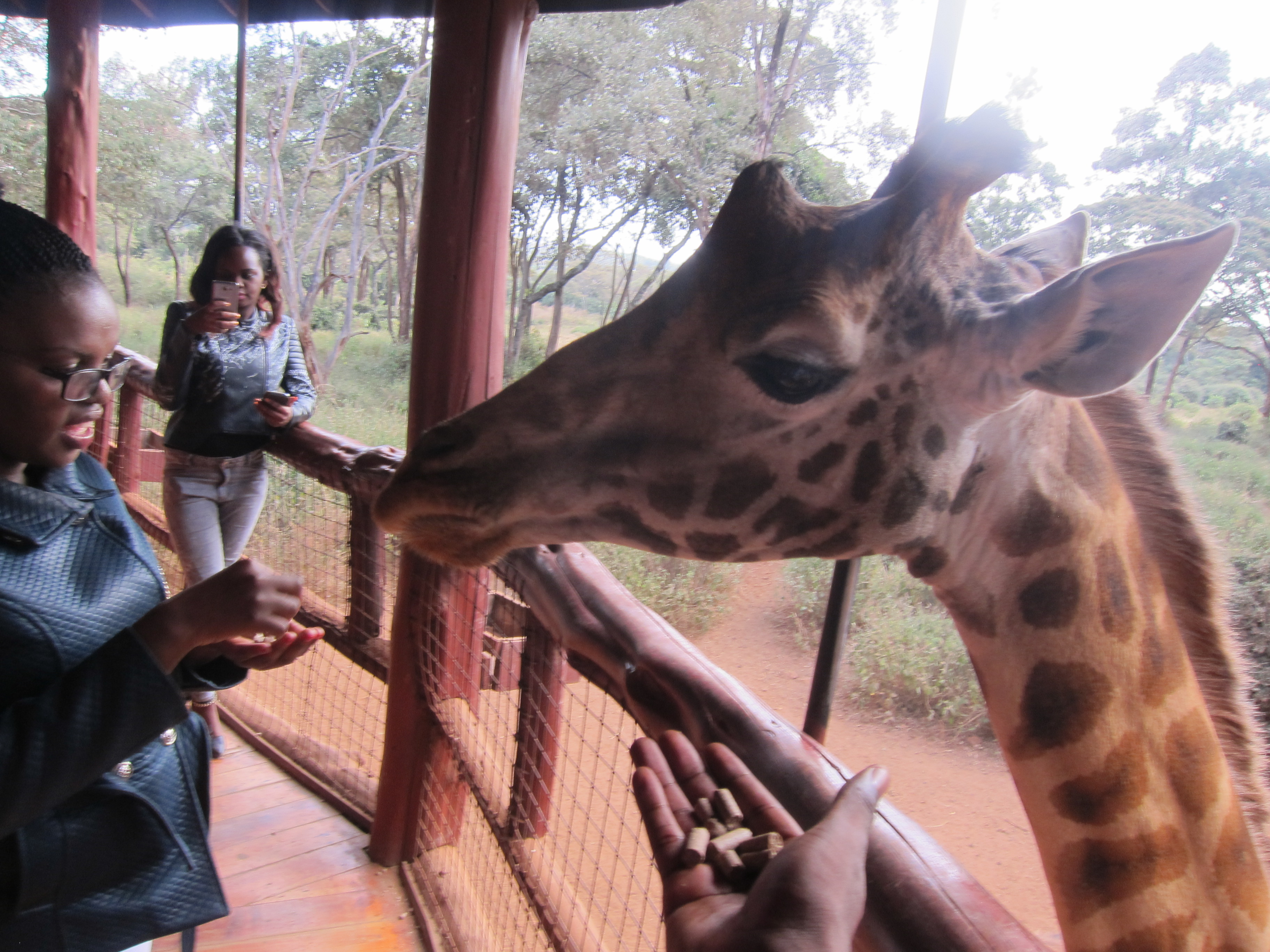
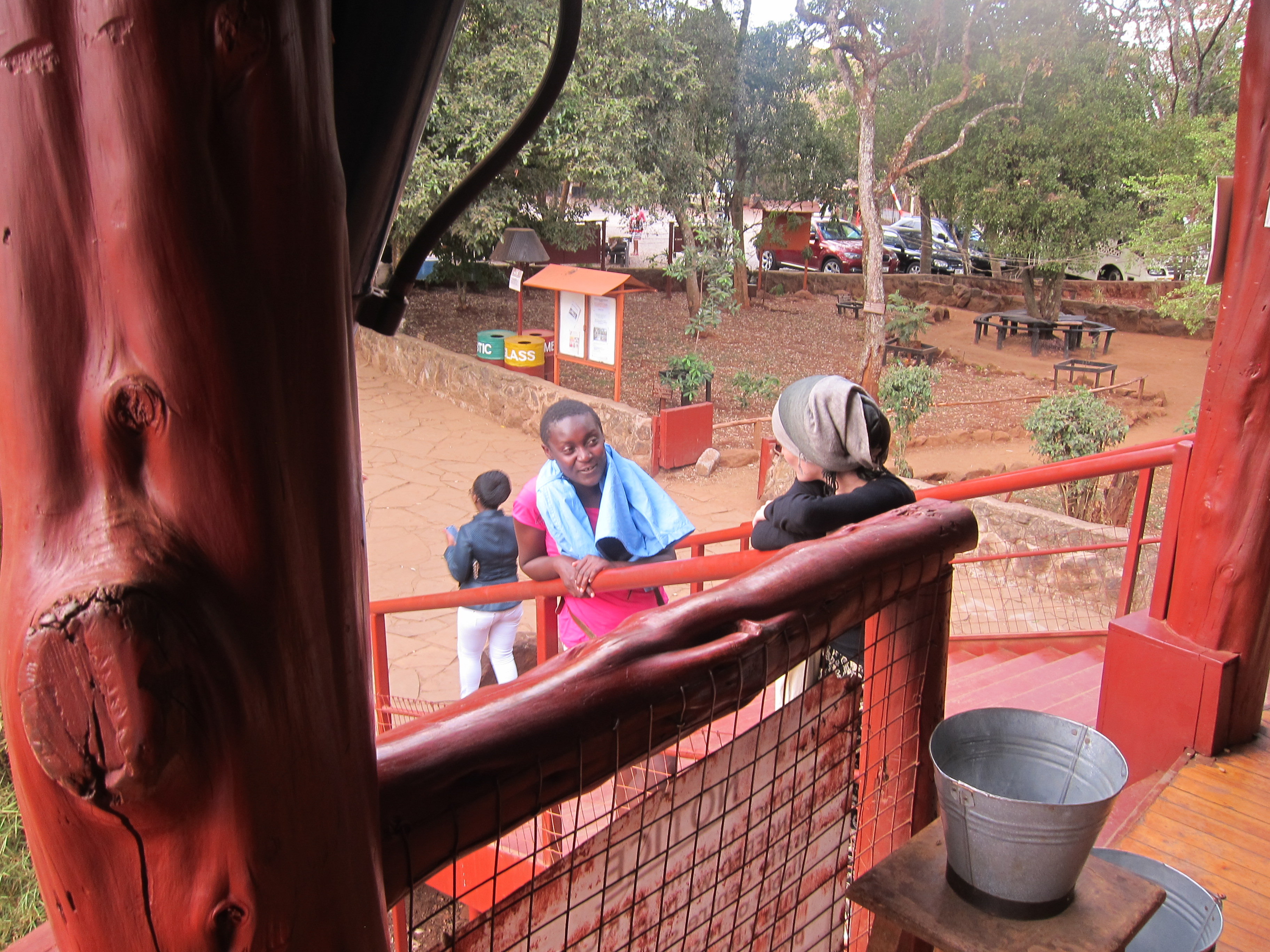
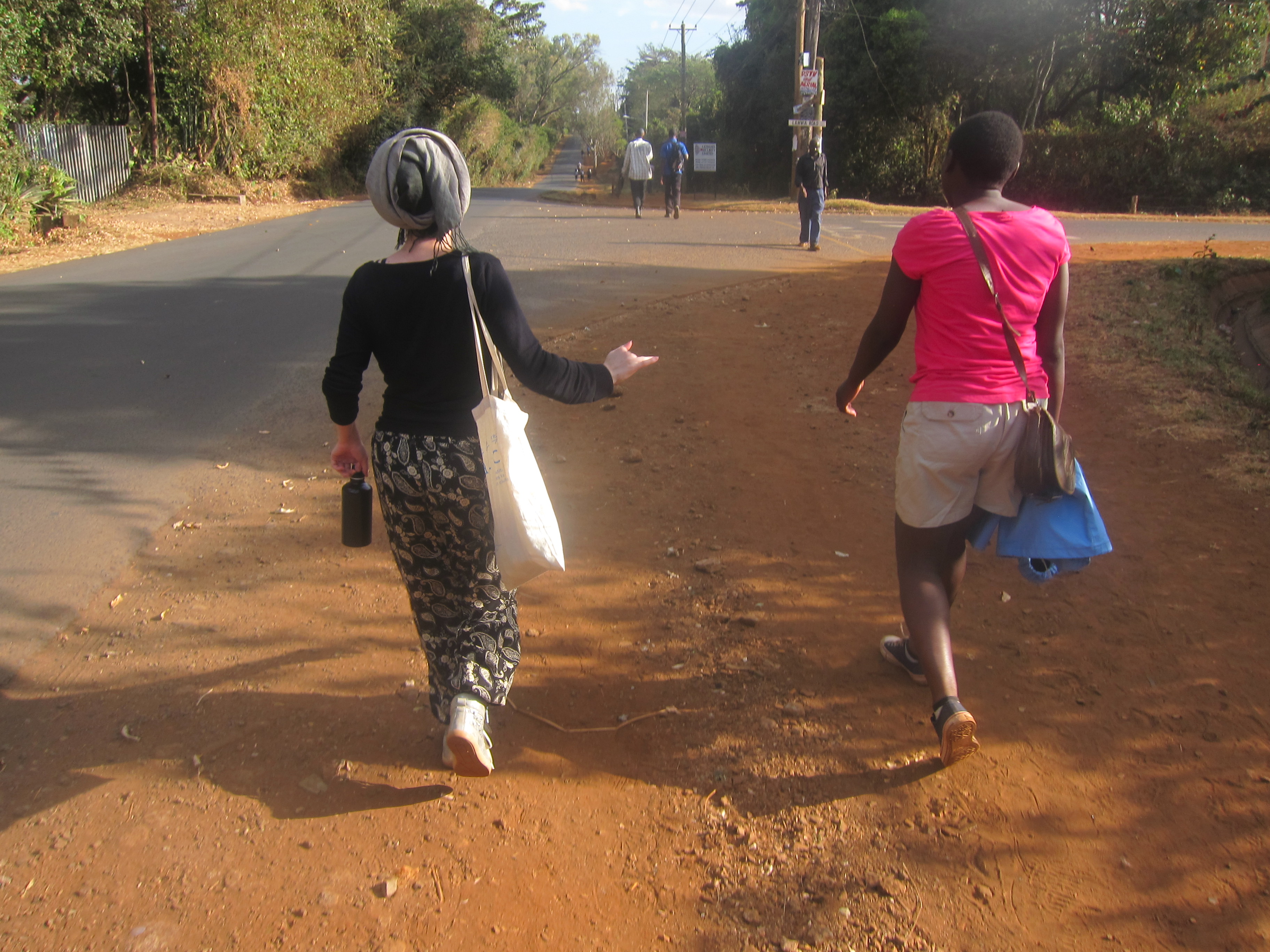 Last October, during my visit to Nairobi, I convinced a few friends to take me to see the Karen Blixen’s house/museum. But because I’d also indicated that I’d like to see other interesting and “authentically Kenyan” places, whatever it meant, I was invited to visit the famous Giraffe Centre as well which, as it turns out, was in the same vicinity as the house where Karen Blixen stayed during the time recounted in her bestselling book Out of Africa (1937).
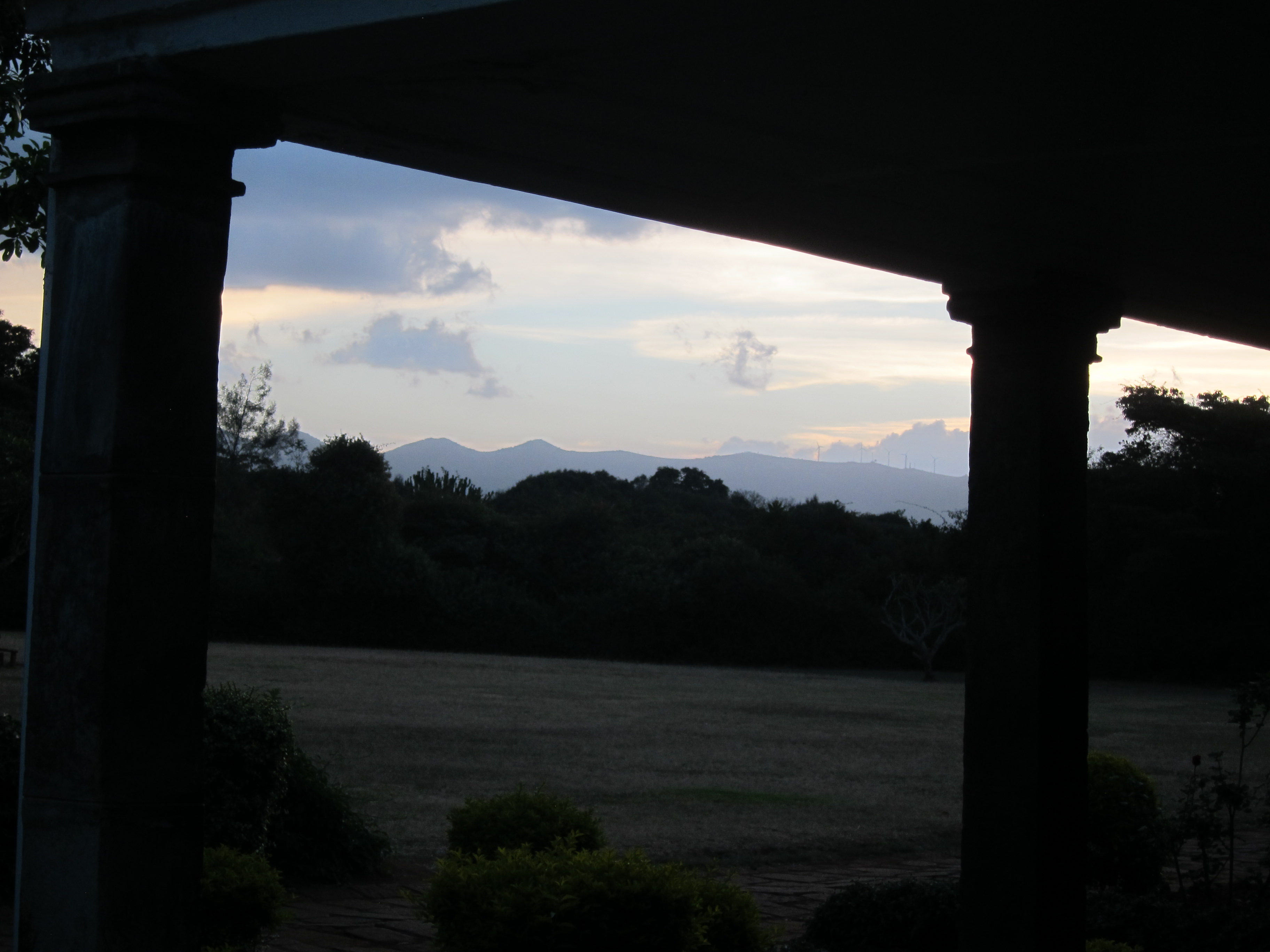
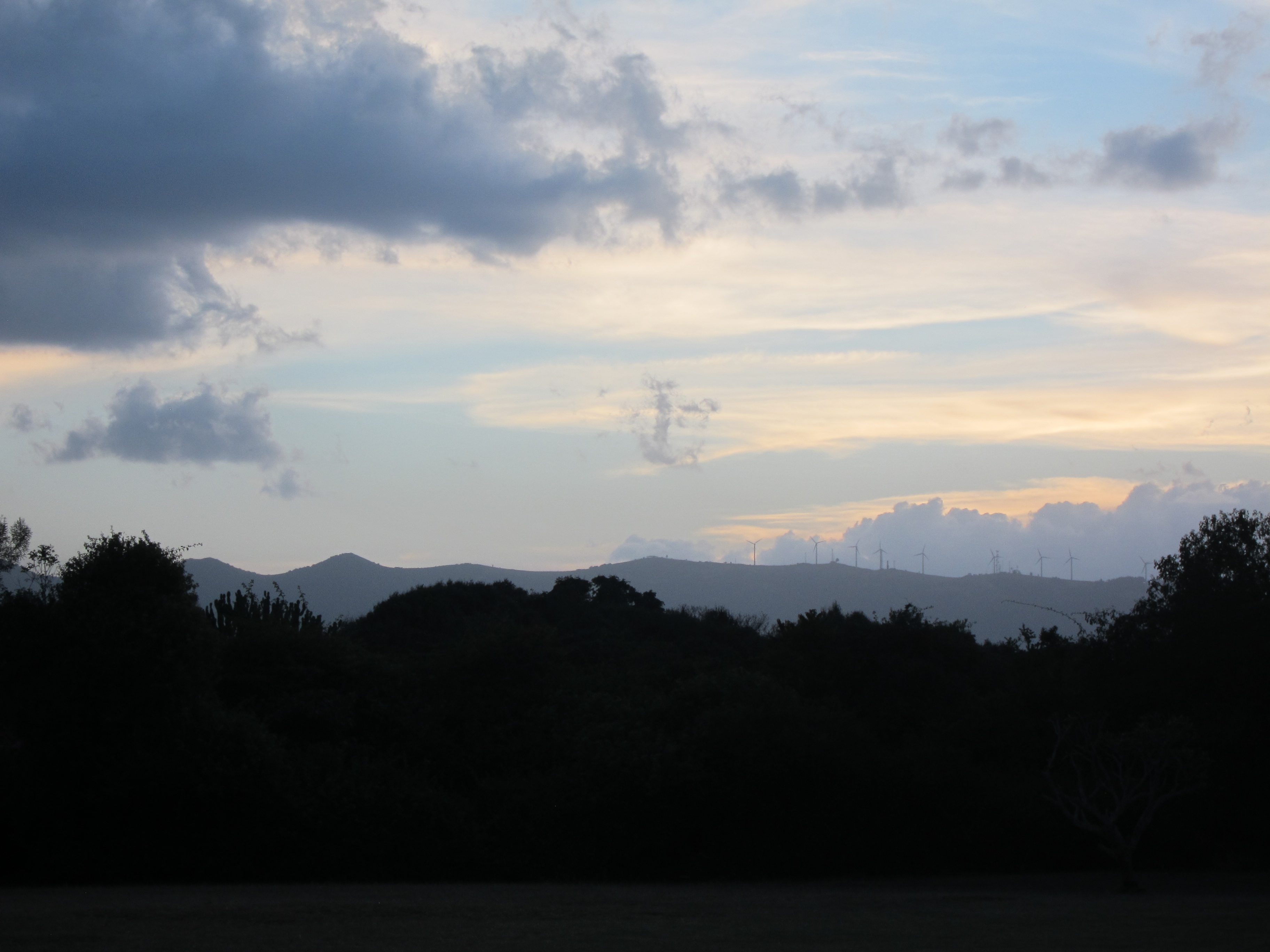
For a better report of our trip to the Giraffe Centre, you should read the account of one of my co-travellers, Nyambura Mutanyi, whose memory and attention to detail makes the retelling on her blog a delightful read. The Karen Blixen house and museum was what I had imagined it would look like: a large country house in the middle of a large, somnolent landscape. Ngong Hills, the most notable inanimate character in the novel (and in that area of Nairobi), was visible from afar, prominent for its many curves that reminds spectators of the knuckles on a fist.
Much of the history of the house has been preserved in a walk-through speech that one hears (or endures) from the house guide as one walks through the premises. You can’t take pictures within the house for fear – as the guide insists – of having plagiarists steal the idea and replicate some of its paintings and contents in some other place. Nothing in my insistence that a ban on photography is usually to prevent a damage to the artworks from camera flash impressed the guide. In any case, she had her orders and wouldn’t budge. She however promised to pass my message across to the management of the house in hopes of a policy review.
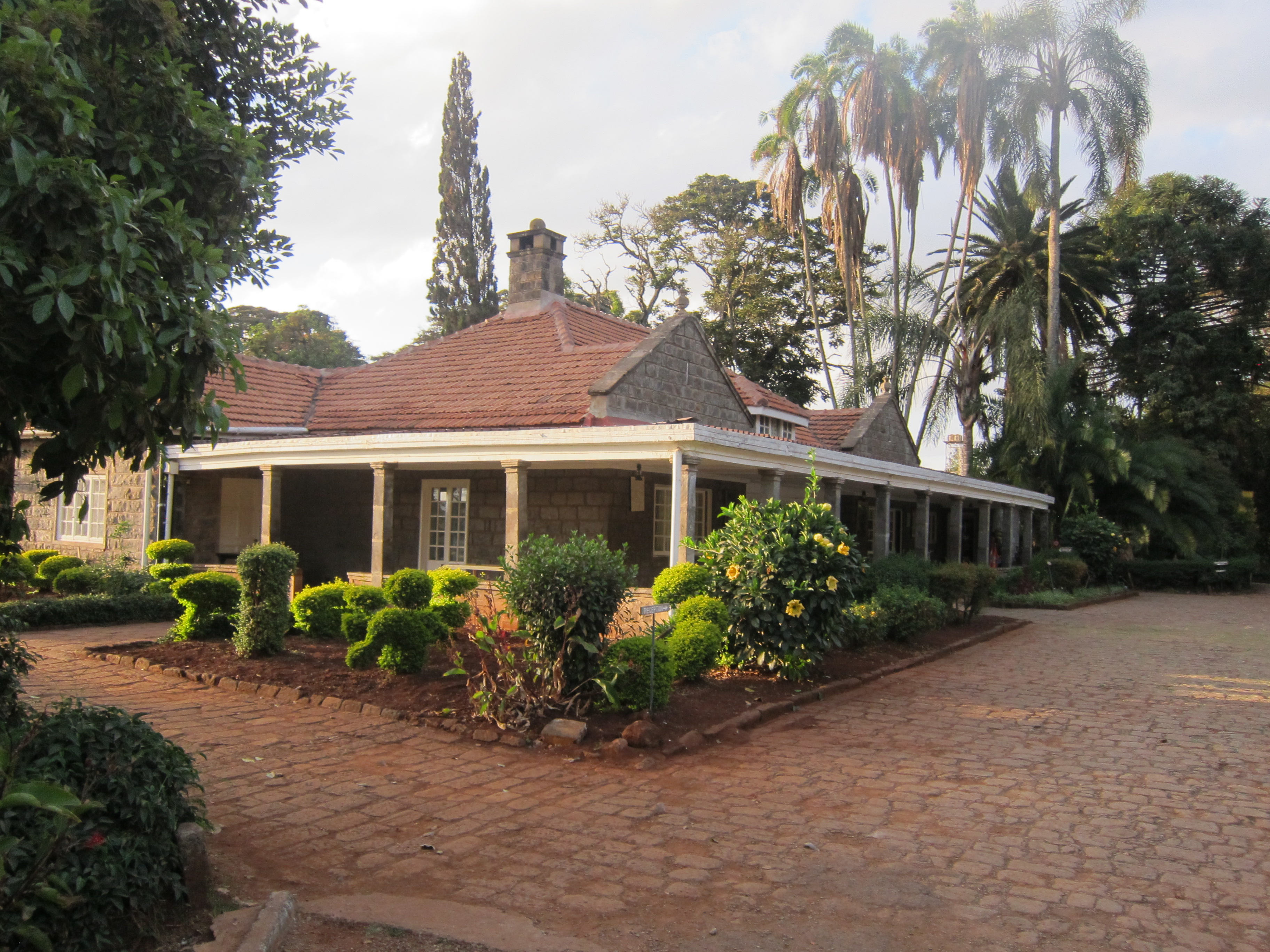
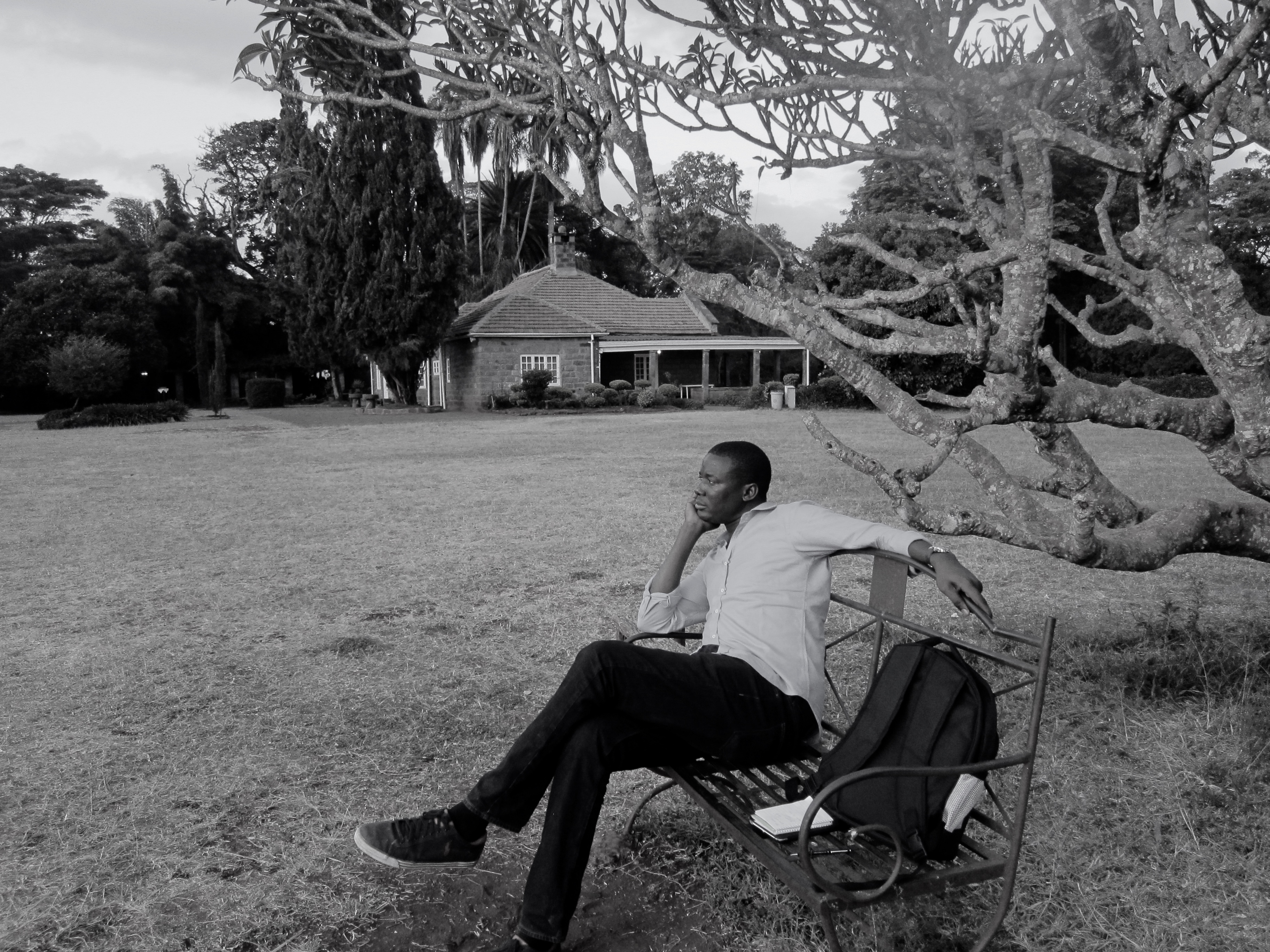
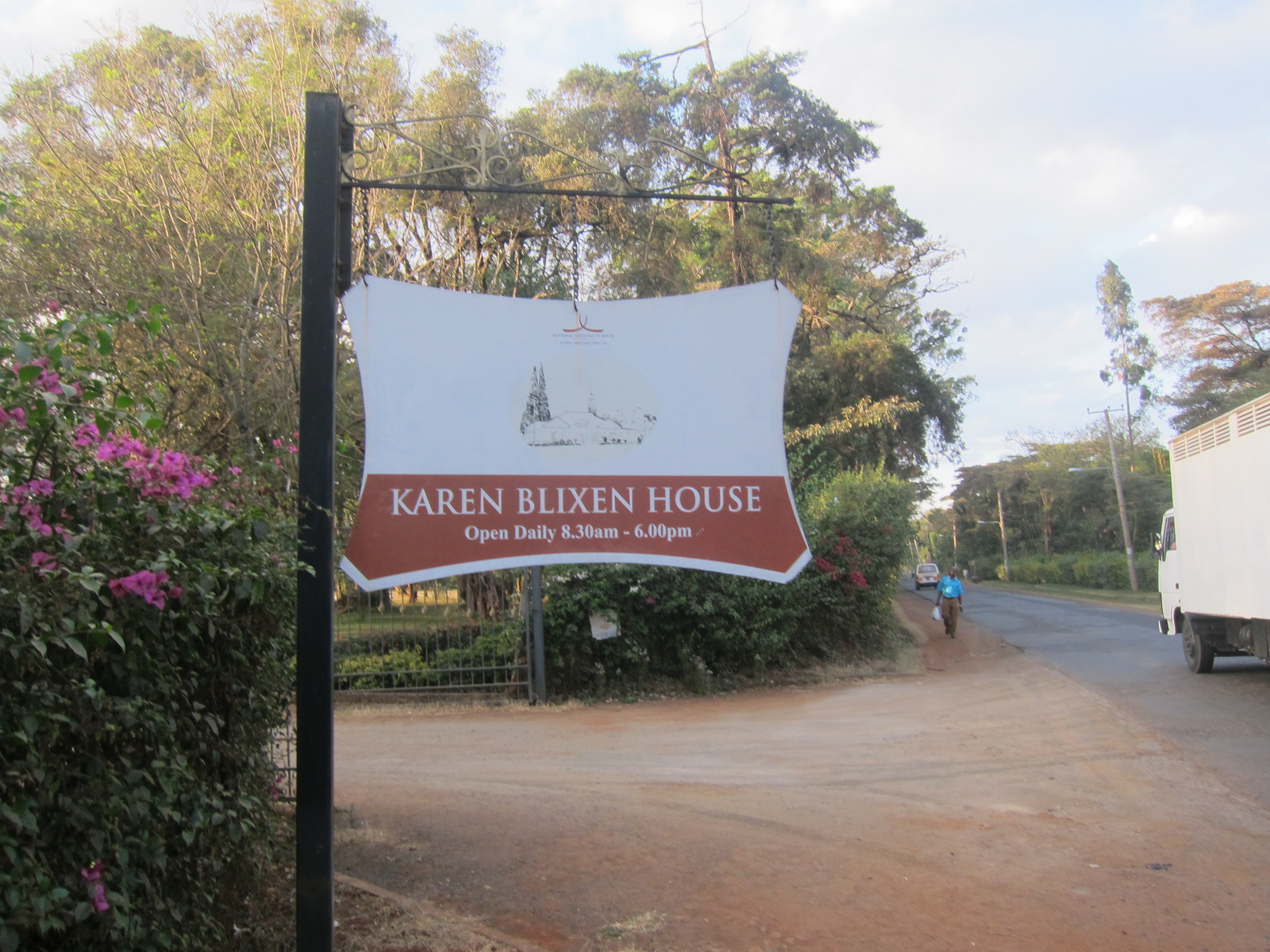
 Karen Blixen, the Danish writer, born Baroness Karen von Blixen-Finecke, purchased the house with her husband in 1917 (during WW1). The house itself was built five years earlier by the Swedish engineer Åke Sjögren. It was donated to the Danish Government many years after she had left the place and returned to Denmark, and after her global bestseller Out of Africa put the house, Nairobi, and the people who live around Ngong Hills in public consciousness. The Danish Government, in turn, returned the house to the Kenyan Government as an Independence gift in 1964 after her death.
One of the most fascinating discoveries I made about her life is the fact that she was nominated for the Nobel Prize for Literature in 1962, which was won by John Steinbeck, and could perhaps have won it later had she not died later that year (of Syphillis-related ilness). The suburb of Nairobi where her coffee farm (and house) were sited has now been named “Karen” in her honour.