In a blatant crackdown on the right of people to protest, assemble, and demand for democracy and a better standard of living, the government of Egypt led by the 83 year old dictator Hosni Mubarak has turned off internet and mobile phone access in the country. Since yesterday night, citizens of the country have been unable to access the internet or use their phones to communicate with anyone outside the country. This is one of the most draconian measures taken so far in an effort to stifle protest rather than budge and give the people what they want. What will come next is predictable, the government will find it easy to shoot, kidnap, and round people up without word of it getting out to the outside world. This is unacceptable.
 The protests springing up in the middle east and other parts of the world today represent citizens being fed up of the way things are run. First it was Tunisia where citizens rose up and sent a dictator fleeing. Now the heat is on Egypt, and this heated protests are led by young people. We’ve also heard of similar uprisings in Yemen. It is a fundamental right of citizens to be heard and for their grievances to be listened to. To have them shot at, arrested and punished for doing so not only makes the uprising justified, it makes it even more imperative. The United States, unfortunately, has not been unequivocally supportive of the people’s right to remove a non-democratic government that has been in power since almost thirty years. Come on, what ever happened to choice, to democracy and a representative government!?
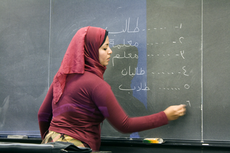
My colleague here from Egypt has become worried since yesterday when all contact with her family in Egypt was cut off by government crackdown on the tools of global communication. Who knows what the government is doing to them now? I call on all people who hate dictatorship and government brutality and who love freedom and self aspiration to support the call on President Mubarak to support the aspiration of the people for better government and more freedom or resign his position and flee the country like his fellow dictator in Tunisia. Not only has he planned to remain in government for the rest of his life, he has even begun to prepare his son as a replacement when he eventually passes. Well, from what we see of people’s responses on the streets of Egypt, it looks like that is not going to happen after all. Or is it?
There is a planned protest of Egyptian students and friends here on campus today, and I plan to attend. Take that USA!