From the distance of idleness when all that needed to be done were viewed and weighed against all that could go wrong, a thousand posts on a blog meant to document an educational trip might have seemed like an impossible dream. In the case of this blog, it helped to never have anticipated anything other than a desire to communicate thoughts and opinions day after day. Thus, when a day like today came, it would seem both grand and ordinary at the same time. Yes, a thousand posts, and about 355,375 words have come across these pages in thoughts and opinions, and touched people in different parts of the world. It means nothing, really, but as an outlet of thoughts and observations, it has been a much welcome therapy.
 If the world has changed a single bit since the first post came up here, I haven’t seen it, as the bomb attacks on Boston yesterday makes clear. As I type, there are reports of police presence at Logan Airport in pursuit of a suspicious object. Back in Nigeria, the carnage caused and promised by Boko Haram in the North, and MEND in the South shows no signs of retreat. One politician escapes assassination by the whiskers on the streets of his home town. Another one gets reprieve from the federal government (even though a number of corruption charges against him are still pending in the UK). Margaret Thatcher is dead (along with an era of her type of conservatism). Mandela, George H.W. Bush, and Fidel Castro (three men that couldn’t be any more dissimilar) are on an in-and-out terminal list. The world is moving on, as it always does, ever on the brink o another war.
A poem then?
The Revel by Bartholomew Dowling (b. 182—)
WE meet ’neath the sounding rafter,
And the walls around are bare;
As they shout back our peals of laughter
It seems that the dead are there.
Then stand to your glasses, steady!
We drink in our comrades’ eyes:
One cup to the dead already—
Hurrah for the next that dies!
Not here are the goblets glowing,
Not here is the vintage sweet;
’T is cold, as our hearts are growing,
And dark as the doom we meet.
But stand to your glasses, steady!
And soon shall our pulses rise:
A cup to the dead already—
Hurrah for the next that dies!
There ’s many a hand that ’s shaking,
And many a cheek that ’s sunk;
But soon, though our hearts are breaking,
They ’ll burn with the wine we’ve drunk.
Then stand to your glasses, steady!
’T is here the revival lies:
Quaff a cup to the dead already—
Hurrah for the next that dies!
Time was when we laugh’d at others;
We thought we were wiser then;
Ha! ha! let them think of their mothers,
Who hope to see them again.
No! stand to your glasses, steady!
The thoughtless is here the wise:
One cup to the dead already—
Hurrah for the next that dies!
Not a sigh for the lot that darkles,
Not a tear for the friends that sink;
We ’ll fall, ’midst the wine-cup’s sparkles,
As mute as the wine we drink.
Come stand to your glasses, steady!
’T is this that the respite buys:
A cup to the dead already—
Hurrah for the next that dies!
There ’s a mist on the glass congealing,
’T is the hurricane’s sultry breath;
And thus does the warmth of feeling
Turn ice in the grasp of Death.
But stand to your glasses, steady!
For a moment the vapor flies:
Quaff a cup to the dead already—
Hurrah for the next that dies!
Who dreads to the dust returning?
Who shrinks from the sable shore,
Where the high and haughty yearning
Of the soul can sting no more?
No, stand to your glasses, steady!
The world is a world of lies:
A cup to the dead already—
And hurrah for the next that dies!
Cut off from the land that bore us,
Betray’d by the land we find,
When the brightest have gone before us,
And the dullest are most behind—
Stand, stand to your glasses, steady!
’T is all we have left to prize:
One cup to the dead already—
Hurrah for the next that dies!
Source: Bartleby
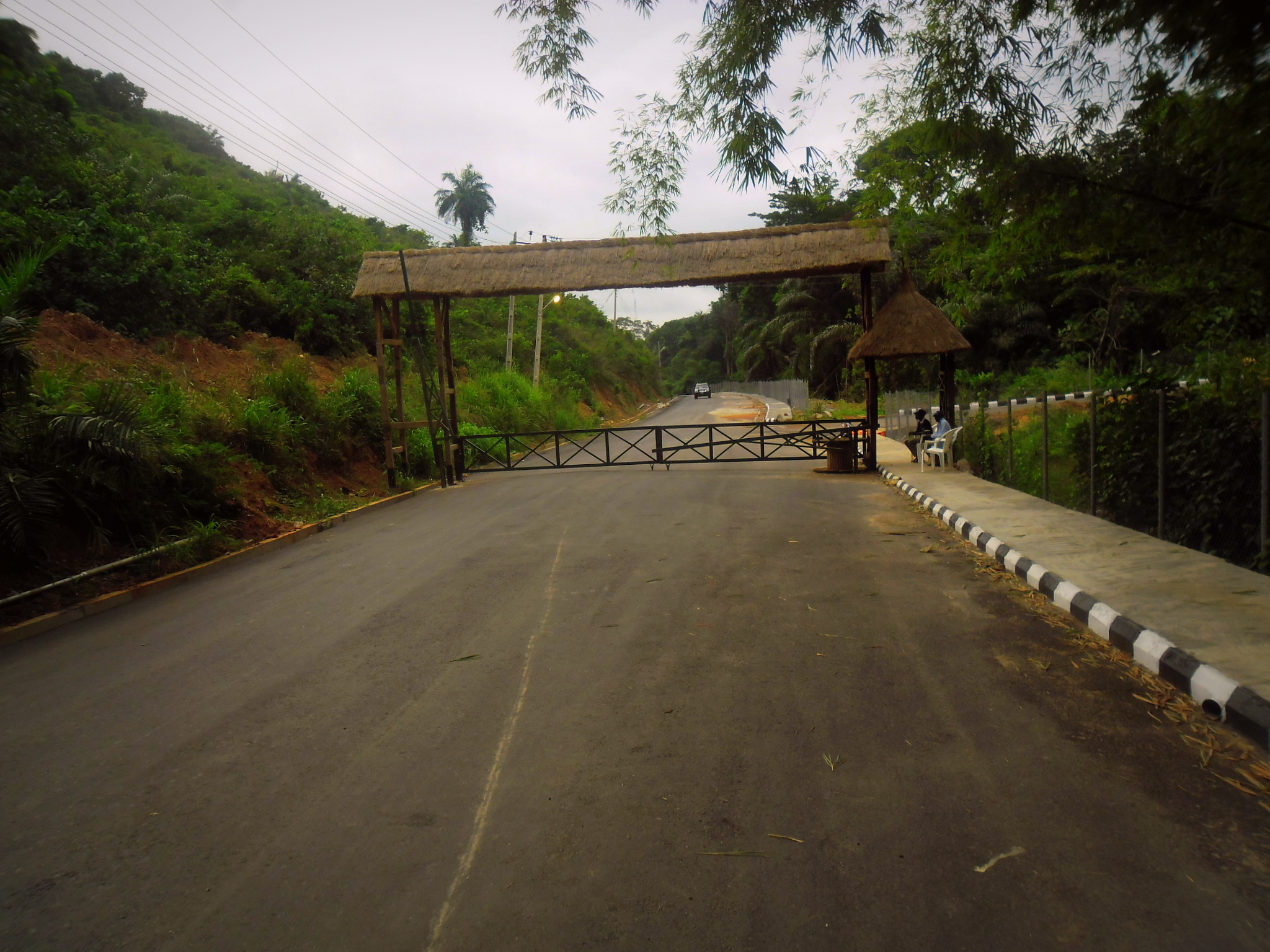
 The symposium turned out a lot of ideas, and bile, and fun, and anger. Peculiar to a gathering of young people, it brimmed with idealism, and questions, and challenges for the present and for the future. I enjoyed it all, the interaction, the camaraderie, the environment, and the food. (I’d never eaten so much yam in three days). The resort was also a fantastic discovery, a treasure hiding in the hills of a faraway city. The cottage we slept in sat on top of the hill, overlooking the source of the warm spring down below. About half of the new lodgings are just recently built while the rest were renovated from their previous deteriorating states. They had been built a long time ago.