Browsing ktravula – a travelogue! blog archives for August, 2012.

Image and the Lagos Airport

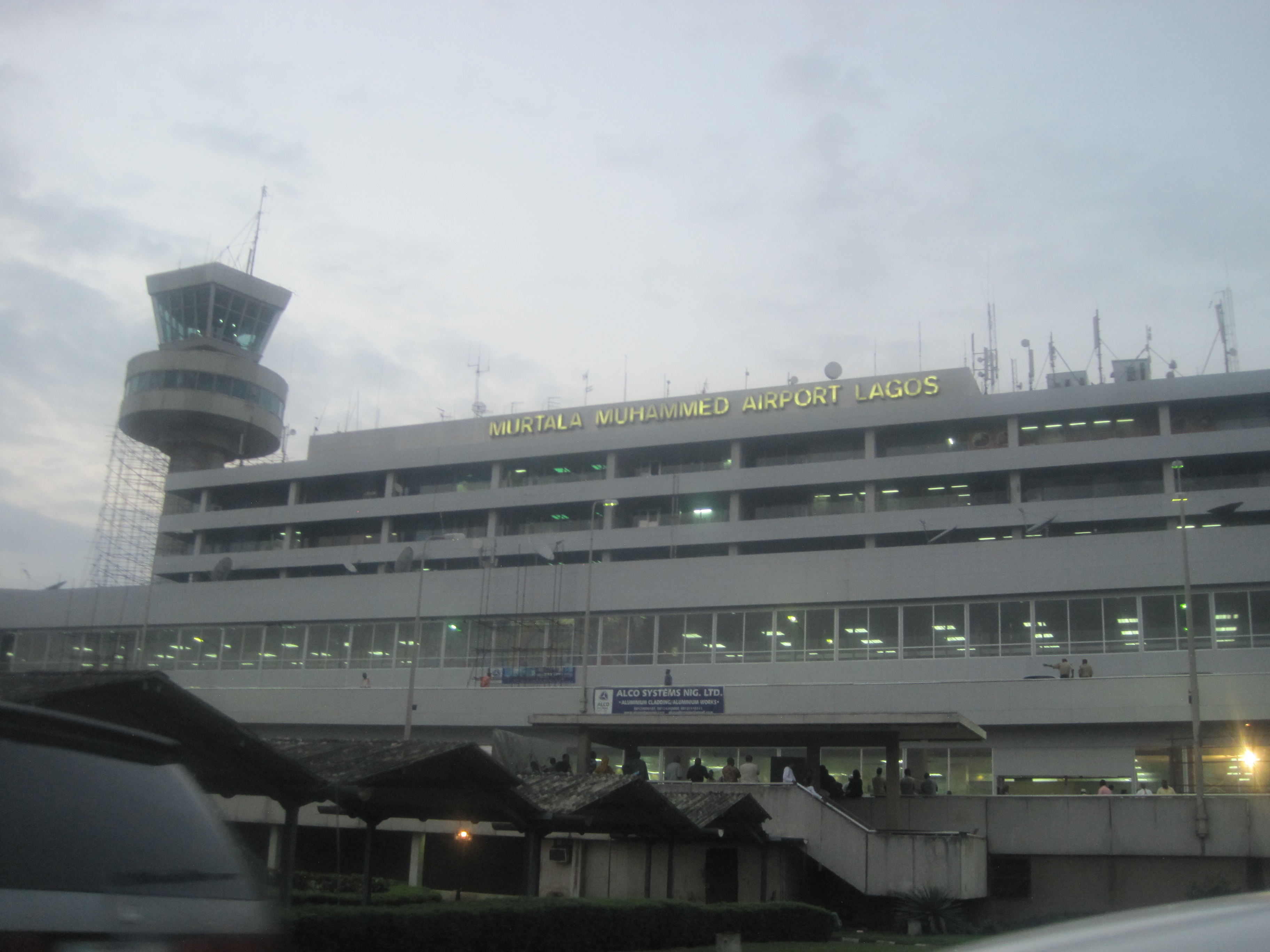
No visitor to the nation’s major international airport will miss the seeming rowdiness in the lobby of the departure lounge, but travellers who have used the place time and time again are probably already used to it.

Pulling over outside a few minutes earlier, it is hard not to make a fast comparison. The Lambert Airport in St. Louis (MO) can easily compare, at least in size if not in anything else. The difference in design of the arrival and departure areas however are stark. Having driven to the St. Louis airport now for more times than I can count, I immediately picture pulling over outside the departure lounge at the exact name of the airline with which the traveller is flying. It could be American Airline, or Delta, or United. They are all listed there.

In Lagos, there is nothing outside.

There is just the road, and a throng of people loitering around the exits, waiting for their loved ones to give them a call from inside that they are free to return home. Yes, unlike the airport in St. Louis, the new rules at the Lagos airport is that only the traveller is allowed into the lounge. Whether this rule is recent, or written down, is arguable. There are also a number of people out and about trying to sell you something or the other. This “rule”, as I later found, isn’t enforced either, but right at the entrance were about six armed policemen, each of them carrying heavy arms.

They ask, and I tell them that I am not the passenger. “You stay out,” they said.

“Why?”

“Are you travelling?” he asks again, and I get the message.

The lady isn’t pleased.

“Okay,” one of the officers speaks again. “Take care of us, and we’ll let you in.”

It is 12 in the afternoon.

“Don’t worry about it,” we both chorus, and I step back.

She looks back at me, and whispers, enough for anyone to hear, “I love you,” and heads inside.

“I love you too,” I reply, and waved.

Somewhere within those two seconds, the policemen heard us, and probably got a sting on their conscience. One of them – the most senior – looked remorseful, and waves me in. “G0. Follow her.”

****
There are many things wrong with the airport, but much of them, like the exchange I described, illustrate what is wrong with the country at large. I have mulled many of these questions in my head since I returned here, especially about the state of security, and well-being in the country, especially the role of the police.

  1. Why do policemen carry AK-47 rifles openly?
  2. Why do we have so many policemen at the entrance of the airport?
  3. If the answer to #2 is that “So as to prevent terrorists or any other criminals from coming in”, then why do they give people a pass to go in only after giving them “something” or after “taking care” of them?
  4. Why are there instead no metal detectors at the door of the departure lounge so that criminal elements are immediately accosted at entry, rather than law-abiding people coming to say goodbye to their loved ones?
  5. Why haven’t we made more use of technology in this way, including the use of surveillance cameras, undercover law enforcement officers, and sniffer dogs?
  6. Is this the best we can do?

****

Many new things are noticeable within the lobby itself, an impressive one of which is the installation of new equipments somewhere farther into the premises, where travellers would have to pass before getting into the plane. Word in town is that the government is spending an enormous amount of money to turn the airport into a world class facility. Admirable. This would not happen, however, until the human element of the facility is greatly improved. The last time I flew through this place, somewhere on my way to the plane, the custom officers who asked how much foreign currency I had on me, also managed to quip that it might help if I “helped” them out with some of it. I remember also that the last two times I arrived via this airport, there was no electricity, and we had to sweat through the rigorous checks that ushered us back into Lagos.

This is a terrible way to manage an image already terribly battered.
Home Never Leaves

I spent the last hour walking through a neigbourhood in Ibadan where I last visited about twenty years ago as a young boy. The memories have almost all faded along with the landscape. New homes and new streets have sprung up where trees and old buildings used to be, and I walked like a stranger that I now am, enjoying the pleasure of the welcome anonymity. None of the relatives I knew who lived around there live there anymore, thankfully. I would have expected shouts of “Kola! Is that you? What are you doing here? And who is this lovely woman walking with you?” Growing up has its perks.

I hope to spend the next hour checking out another part of this town that holds an even deeper memory: the neighbourhood where I spent the first thirteen years of life. The building in which I drew some of my very first breaths now exists in a different neighbourhood than the one I left it in. New neighbours, new ownership, and maybe a new paint job. I don’t know right now. I haven’t seen it in more than ten years. There exists a huge memory of my growing up that lay within the walls of the compound, and has gone with me everywhere I go. There also exists, at some level, a stronger desire to make a reunion with that memory permanent. If I ever become rich, I will pursue the desire. For now, this will become another tour of the long memory lane.

I have my camera ready, and the last image of that building in my head as I saw it through the rear-view mirror of the truck that took us out of there in April 1995.

On Ibadan’s Literary Personality

Ibadan has a special quality which makes it conducive to intellectual and artistic production. It is a big city like Lagos but, unlike Lagos which is chaos running on crack, it is sufficiently laid-back. Consequently, the city’s rhythm is amenable to reflective activity. And don’t forget that the city began as a war camp so Ibadan has always been a city of immigrants, a legacy which makes it welcoming to newcomers till date.  It also has a vibrant, affordable and unpretentious social life; the history of highlife, fuji, juju, gospel and many other genres of music in Nigeria cannot be written without highlighting the importance of Ibadan’s bars, clubs and open-air joints to the artistic development of their major acts. And the city has long hosted the headquarters of most of Nigeria’s major publishing houses.

Add to this mix the city’s juxtaposition of age-long cultural traditions and contemporary urban culture,  its easy accommodation of the significant percentage of Nigeria’s academic elite based in the University of Ibadan, University College Hospital (UCH) and the Bodija area alongside the artisans and petty traders living in the city’s interior quarters, not to talk of the colourful and controversial characters who have illuminated the city’s fascinating and occasional combustible political history, and one begins to understand why the city has been so prominent in Nigeria’s literary history. The prestigious line of writers with significant connections to Ibadan stretches from illustrious names like Amos Tutuola, Wole Soyinka, Christopher Okigbo, Chinua Achebe and J.P. Clark Bekederomo in the 1950s and 60s to vibrant voices of the present like Kunle Okesipe, Niran Okewole, Benson Eluma, Ayo Olofintuade, Tade Ipadeola  and Ify Omalicha of blessed memory.

From my recent interview with Rotimi Babatunde, winner of the 2012 Caine Prize for African Writing. Full interview here.

Written Over Luxembourg

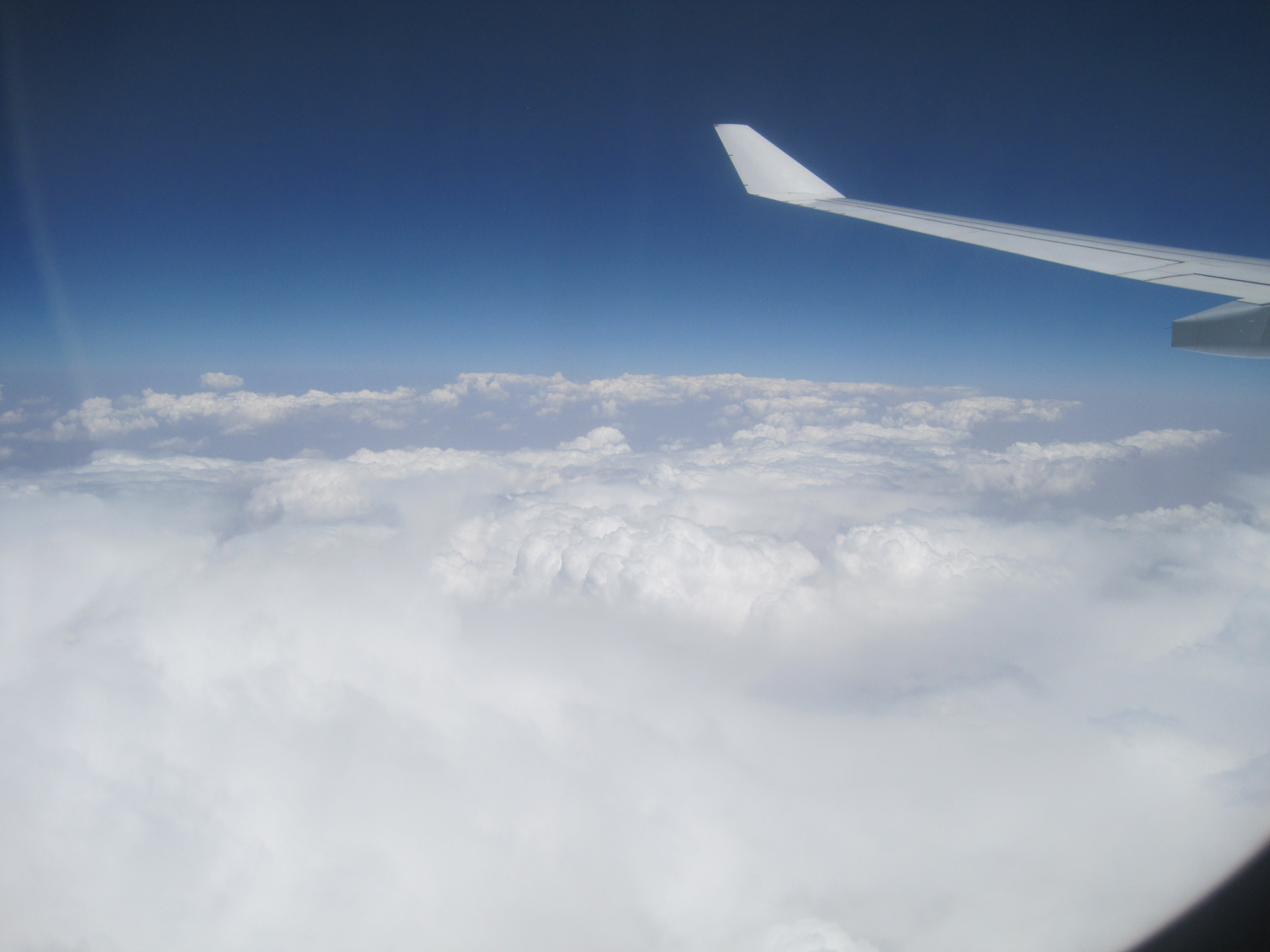
Dawn wafts in at a distance –

a crimson glow amidst the cloud

like mounds of angry smoke.

We float above a cumulus, with

old empires wasting beneath

the loaves of precipitations.


The child in me always

believed that angels lived here

up in the shining layers of the sky.

But now, black heft of crowded soot

hang there in shapes of gnomes

as our wing extends into a distance.


We remain a bump in the sky

trapped in man’s reckless bet

against wind and gravity.

In this cubicle, this window view

into a waking world

there is no silver lining, except us,

far above everyone else.


Defying the sky,

I am here as this daylight begins.


Lagos Again

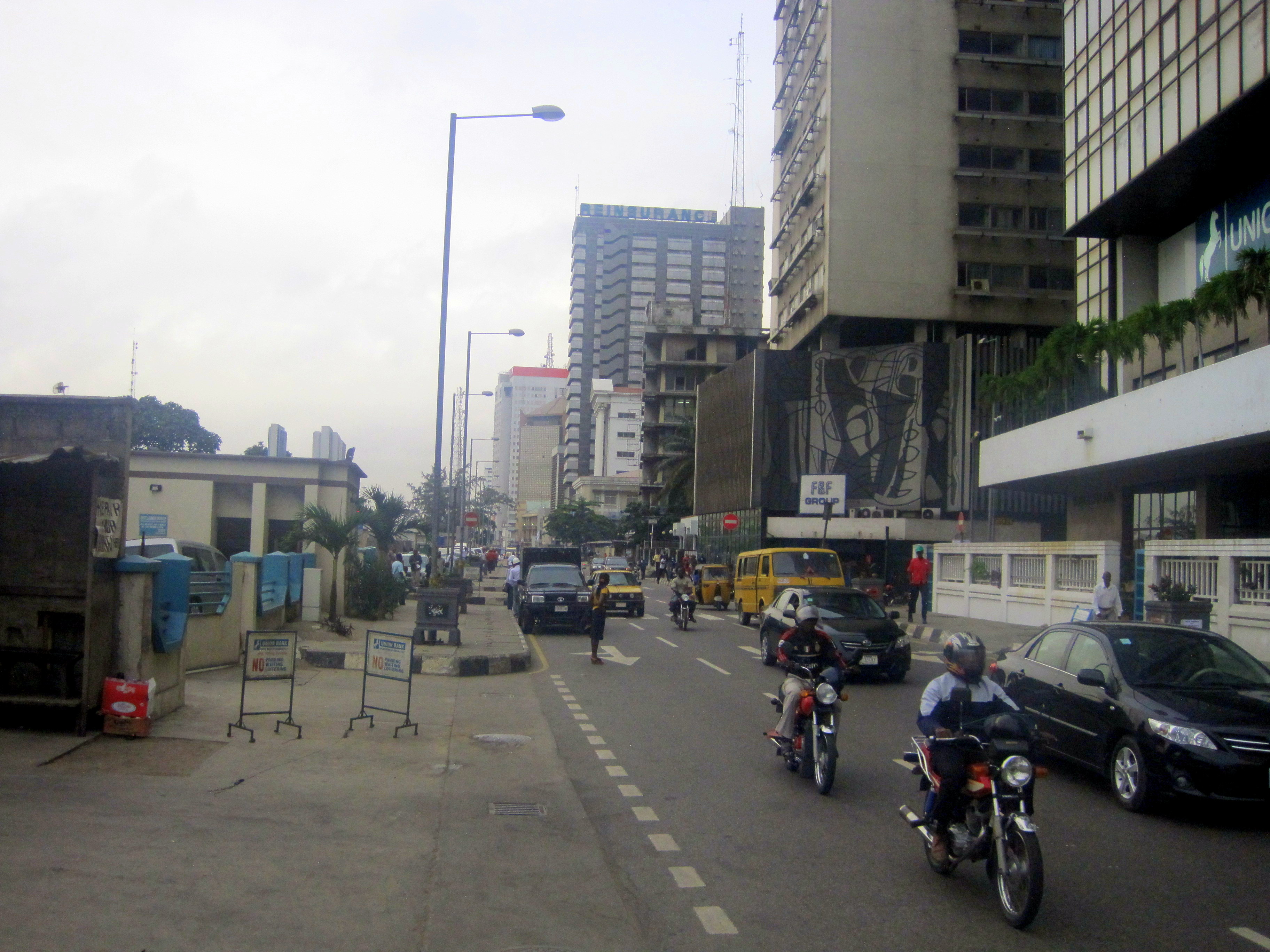
The state hasn’t changed much since 2010, except for more stringent laws prohibiting so many things. No more eating in traffic. Heavy fines for driving on BRT lanes, or for driving on one-way lanes. The roads haven’t got dirtier, or cleaner. The road cleaning worker service that has been there since a while has remained. There appeared to have been more traffic law enforcement officers on the streets as there should be: Lagos probably has more cars on the road than any other city on the continent.

A part of the 3rd Mainland Bridge has been closed down for repairs, for good reason. It’s better to be safe than sorry. The Silverbird Galleria looks like a ghost of itself, but that could be because 12noon on a Friday may not be the best time for socializing. BRT buses look a little older now, needing either repairs or replacement, or just some makeover. Much of what defines the state have remained mostly in place: the yellow buses, the long traffic jams, and noise.

In all, not a bad re-introduction.